
Our readers keep the lights on and the weekend projects moving. As an Amazon Associate, I earn from qualifying purchases.
The moment your foot lands on a patch of black ice hidden beneath fresh powder, you realize traction is everything. Winter boots that look warm but skate across frozen sidewalks turn daily errands into a hazard, so choosing a pair with proven grip and reliable insulation is a decision that directly affects your safety and comfort all season long.
I’m Rikta — the co-founder and writer behind FitlyFast. My approach to this guide involved cross-referencing cold-weather insulation ratings, rubber compound quality, and real-world traction claims from Canadian lab tests and miles of icy trail reports to separate genuine winter performers from fashion-first options.
After weeks of digging through hundreds of user experiences and manufacturer specs, I have curated a focused selection of the absolute best boots for snow and ice that balance warmth, waterproofing, and dependable grip across a range of budgets and activity levels.
How To Choose The Best Boots For Snow And Ice
Selecting a winter boot requires looking beyond the fleece lining and stylish silhouette. The three pillars that define real performance are insulation weight for warmth, outsole traction for icy grip, and the waterproof barrier that keeps slush and standing water out. Skimp on any one of these and your boots will fail you when conditions turn harsh.
Insulation Rating and Activity Level
Insulation is measured in grams, with 200g suitable for moderate cold down to around 20°F and 400g or higher required for standing around below freezing. If you plan to hike or shovel actively, lighter insulation prevents sweaty feet that then turn cold. For stationary use like ice fishing or waiting for the bus, thicker insulation paired with a removable liner makes more sense.
Outsole Traction for Ice
Not all rubber is equal on ice. Look for outsoles with aggressive multi-directional lugs and a rubber compound that stays flexible in subzero temperatures. Some brands use proprietary winter-traction rubber blends that outperform standard hiking boot soles on glare ice. Canadian lab testing, often cited by certain manufacturers, provides an objective traction score you can trust.
Waterproofing and Height
A sealed waterproof membrane such as KEEN.DRY or Columbia OutDry keeps moisture out while allowing sweat vapor to escape. For deep snow, a mid-calf or tall shaft prevents snow from topping over. Neoprene cuffs and cinch-top closures at the collar add an extra layer of protection against powder ingress during heavy snowfalls.
Quick Comparison
On smaller screens, swipe sideways to see the full table.
| Model | Category | Best For | Key Spec | Amazon |
|---|---|---|---|---|
| KEEN Revel 4 Mid (Men’s) | Premium Insulated | Heavy snow & subzero hikes | 400g KEEN.Warm insulation | Amazon |
| SOREL Tivoli V Tall (Women’s) | Premium Tall | Deep snow & urban style | Removable 9mm washable liner | Amazon |
| Columbia Expeditionist Shield (Men’s) | Mid-Range Hiker | Daily wear & light hiking | OutDry waterproof membrane | Amazon |
| KEEN Revel 4 Mid (Women’s) | Mid-Range Insulated | Wet snow & icy trails | KEEN.DRY waterproof membrane | Amazon |
| Kamik Forester (Men’s) | Budget Heavy-Duty | Farm work & extreme cold | Removable felt liner, rated -40°F | Amazon |
| Columbia Minx IV (Men’s) | Budget Warmth | Subzero casual wear | 200g insulation, Omni-HEAT lining | Amazon |
| Men’s Waterproof Rubber Muck Boots | Economy Work Boot | Wet yard work & light snow | Neoprene upper, rubber outsole | Amazon |
In‑Depth Reviews
1. KEEN Revel 4 Mid Height Polar Insulated Waterproof (Men’s)
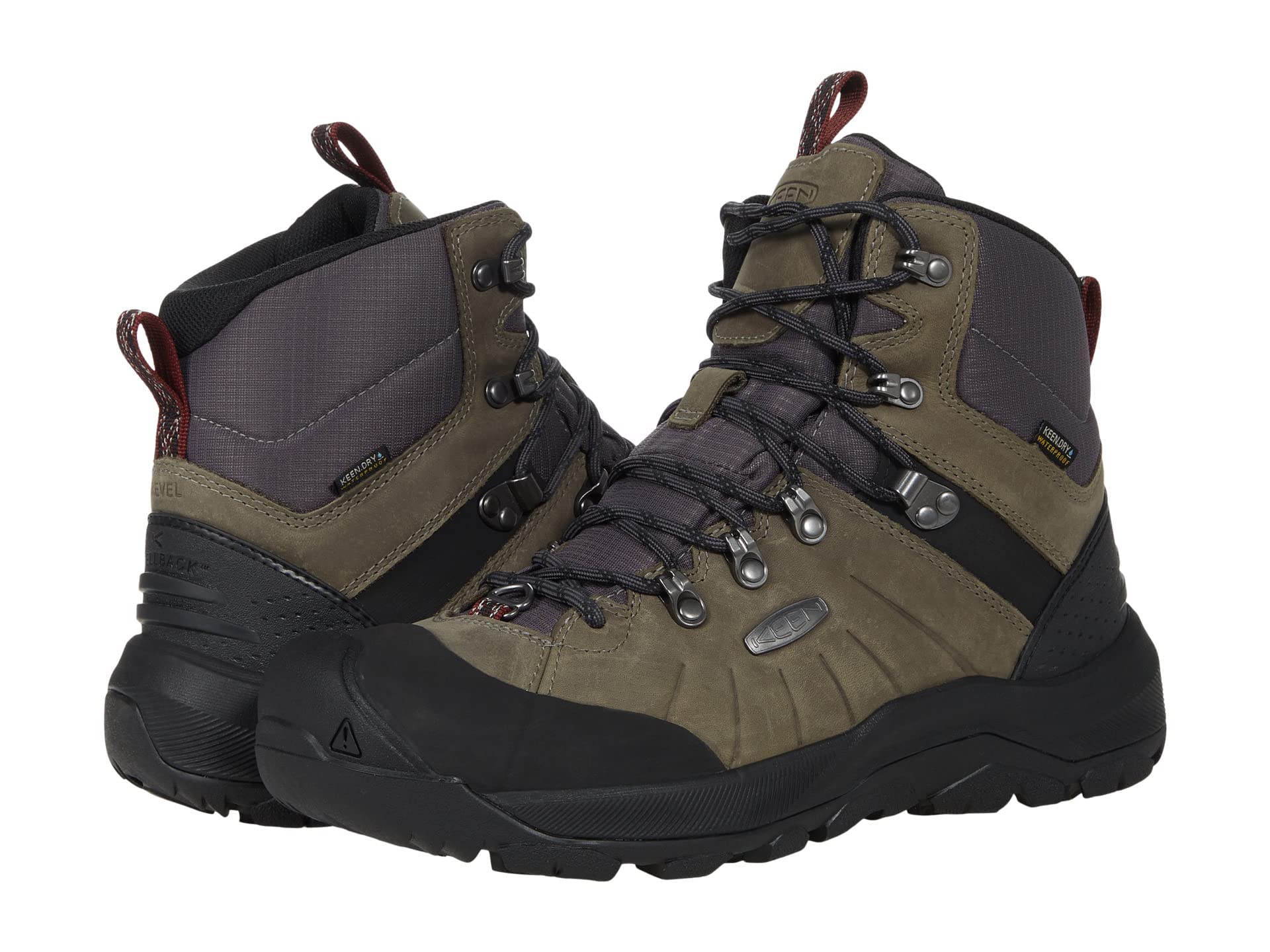
The KEEN Revel 4 Mid proves that a winter boot can deliver serious warmth without turning into a stiff, clunky snowmobile suit for your feet. Armed with 400 grams of KEEN.Warm insulation and a full KEEN.DRY waterproof membrane, this boot handled -5°F conditions on a Colorado 14er while keeping testers completely dry through deep snow and slush. The wide toe box is a standout feature for those who need room for thick wool socks or have naturally wider feet, and the outsole traction is aggressive enough that several reviewers reported ditching their microspikes entirely on icy trails.
After a full year of harsh winter use, one long-term reviewer noted minimal wear on the outsole, a snug heel hold that didn’t loosen, and exceptional grip that made the boot compatible with snowshoes and crampons alike. The fit runs true to size for most, but the generous toe volume means you can size normally even with a thick sock layer. The mid-height shaft offers enough coverage for deep powder without restricting ankle mobility on uneven terrain.
This is the boot you reach for when you have to walk the dog through a blizzard, clear the driveway in subzero temps, or tackle an icy summit push. It combines premium insulation with a genuinely waterproof build and traction that inspires confidence on glare ice. For the price, it outperforms many options costing significantly more.
Why it’s great
- 400g insulation keeps feet warm well below zero
- Excellent traction on ice, often eliminates need for cleats
- Roomy toe box accommodates thick socks comfortably
Good to know
- Not intended for wide feet beyond EE width
- Break-in period required for stiff upper
2. SOREL Women’s Tivoli V Tall Waterproof Boot
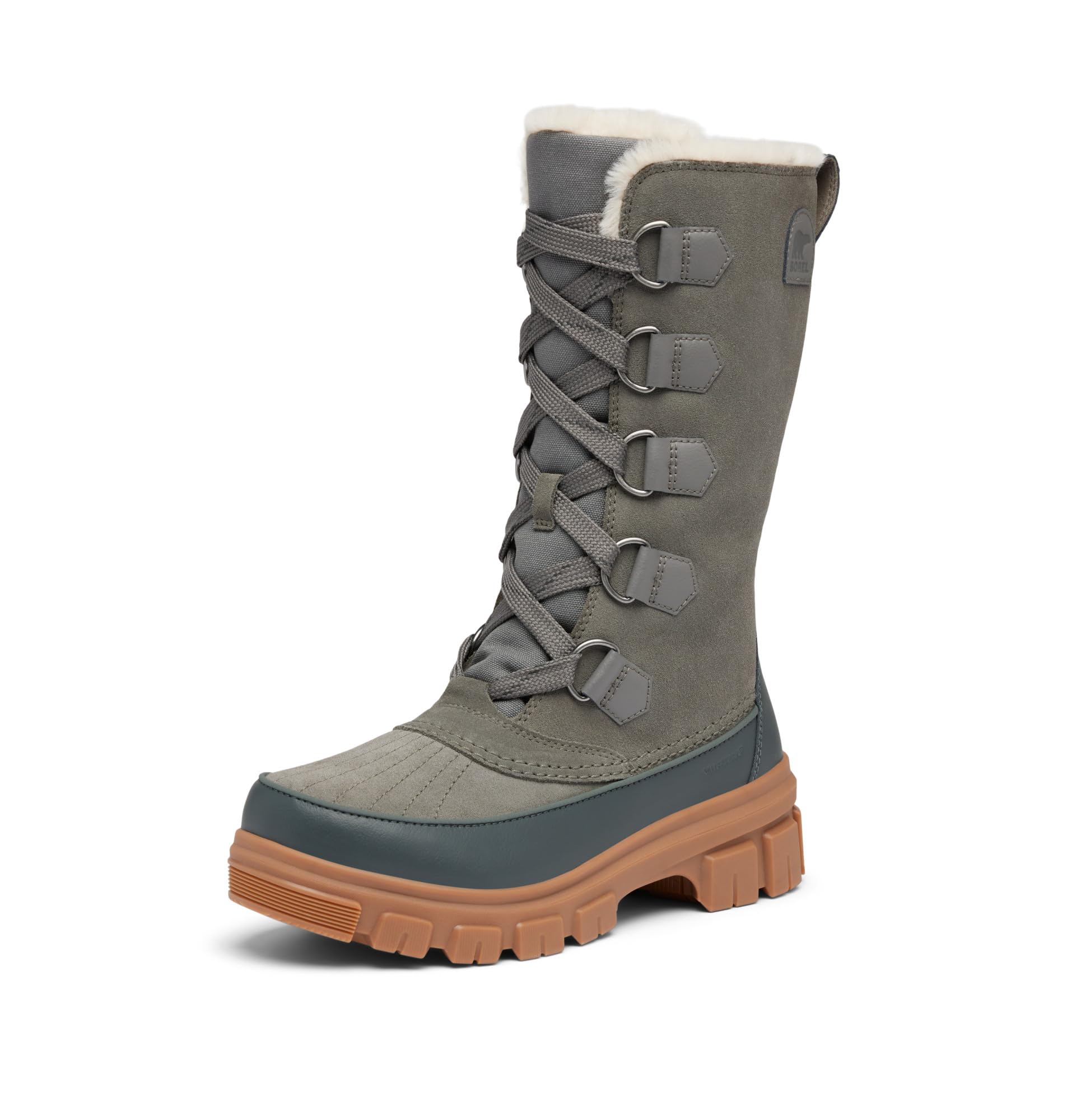
SOREL has built a reputation on tall, stylish winter boots that actually perform, and the Tivoli V Tall is no exception. The removable 9mm washable liner is the key differentiator here — you can pull it out to dry after a wet day or replace it when it wears down, extending the life of the boot significantly. Reviewers consistently praised its warmth in temperatures down to 0°F with thin wool socks, and several noted it kept feet and ankles completely dry through two-plus feet of snow and low-teen temps.
The traction on snow and ice earned high marks from users, with one reviewer even using it as a hunting boot in muddy and snowy conditions. The boot is orthotic-friendly, so those who need custom insoles won’t have to compromise on support. The thick laces resist freezing in cold temps, a small but critical detail that makes a difference when you’re trying to get out the door on a frigid morning.
A few users with narrow feet experienced minor ankle rubbing when lacing tightly, but loosening the laces or using a moleskin patch resolved the issue easily. The tall shaft provides excellent snow protection, but the boot remains lightweight enough for all-day wear. For anyone who wants a boot that transitions seamlessly from the trail to the office without sacrificing function, this is a top contender.
Why it’s great
- Removable liner allows for quick drying and extended boot life
- Excellent waterproofing with tall shaft for deep snow
- Orthotic-friendly design with good arch support
Good to know
- May need heated insoles below 0°F for poor circulation
- Ankle rubbing reported by narrow-footed users when laced tight
3. Columbia Men’s Expeditionist Shield
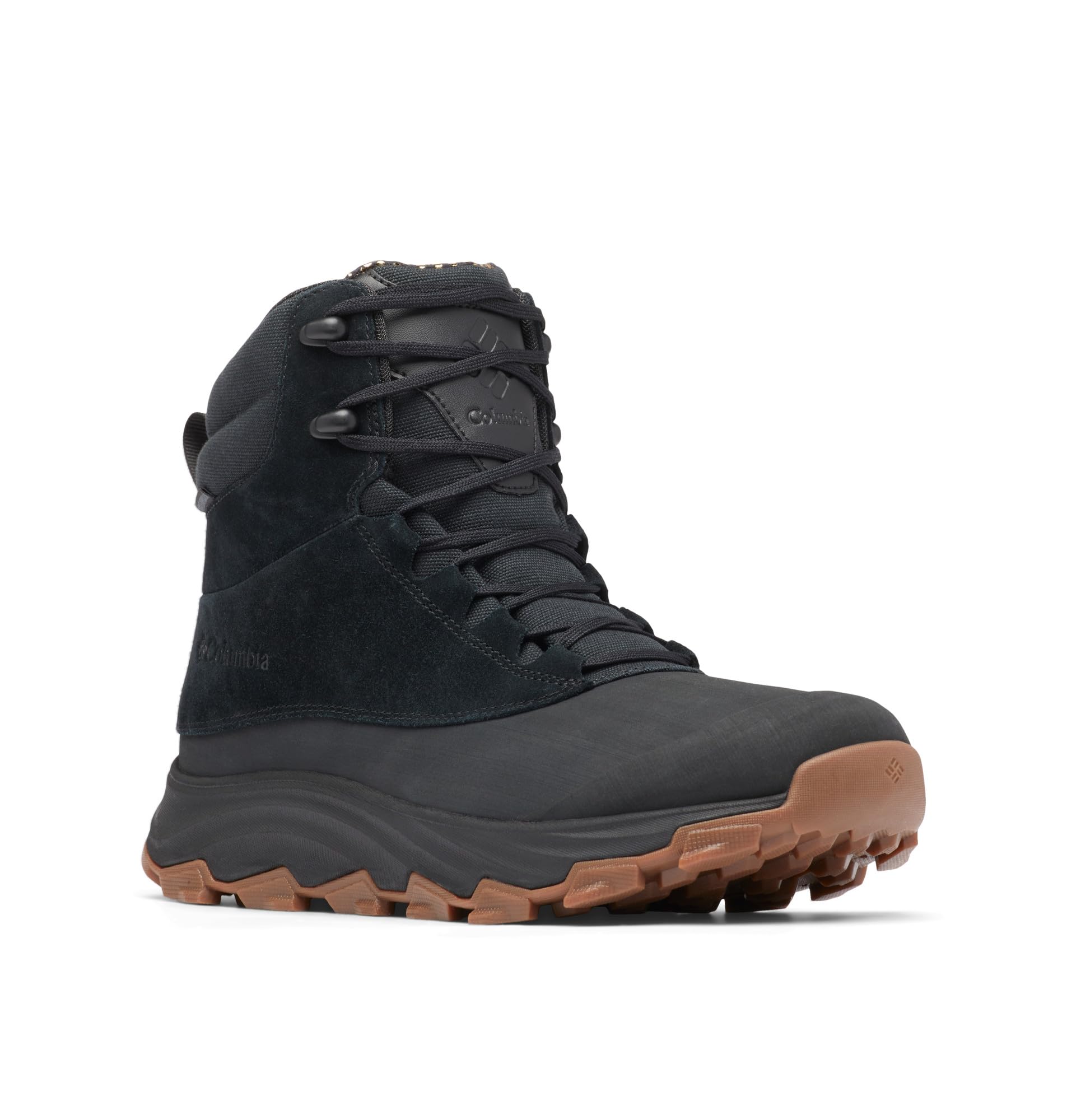
The Columbia Expeditionist Shield sits in a sweet spot for those who want winter performance without the heavy feel of a traditional snow boot. It uses Columbia’s OutDry waterproof membrane, which is bonded directly to the upper for a seamless barrier that keeps water out without adding stiffness. Reviewers noted it felt lightweight like a hiking boot while still providing reliable warmth down to 10°F, with one user wearing them as daily drivers all winter and reporting minimal sweat accumulation when paired with wool socks.
The traction is aggressive, with a deep lug pattern that bites into snow and slush effectively. However, multiple users pointed out that the same aggressive tread tracks snow and salt indoors, leaving a mess on floors — a minor inconvenience for a boot that otherwise excels in outdoor conditions. The fit runs about half a size small, so sizing up is advisable, especially if you plan to wear thick socks.
Durability after three months of daily use was solid, with decent water resistance and quick drying times. The gold trim at the collar drew some criticism for looking juvenile, but the overall build quality and comfort at this price point make it a strong value proposition for daily winter wear. If you need a boot that feels like a sturdy hiker but handles snow and ice confidently, this is your pick.
Why it’s great
- Lightweight construction feels like a hiking boot
- OutDry membrane provides reliable waterproofing
- Aggressive tread offers excellent snow traction
Good to know
- Gaudy gold trim on the collar may not suit all tastes
- Aggressive tread tracks snow and salt indoors
4. KEEN Women’s Revel 4 Mid Height Polar Insulated Waterproof Snow Boots

This women’s version of the KEEN Revel 4 Mid carries the same DNA as its male counterpart but is tailored for a narrower foot profile. The polar insulation keeps feet warm in single-digit temps, and the KEEN.DRY waterproof membrane proved itself during a hike on Angels Landing where reviewers reported dry feet through slush and wet snow. The Canadian lab-tested traction was a recurring highlight — one reviewer specifically noted it was top-rated on ice by a Canadian testing lab, giving objective credibility to the grip claims.
The boot feels supportive and stable on uneven terrain, with a quick break-in period that had users comfortable within a few wears. It’s warm enough for snowshoeing and cold enough for standing around at outdoor events in Eastern Montana winters. The fit is on the narrow side, which is ideal for those with slimmer feet but a dealbreaker for wide-footed users who found the toe box snugger than expected.
For women who need a boot that can handle serious winter conditions without looking overly utilitarian, this KEEN delivers. It bridges the gap between a technical winter boot and a stylish cold-weather companion, and the traction is genuinely confidence-inspiring on icy trails. If you require a wide fit, you will need to size up or look elsewhere.
Why it’s great
- Canadian lab-tested traction proven on ice
- Warm and waterproof in extreme winter conditions
- Supportive build with quick break-in
Good to know
- Fits narrow; not suitable for wide feet
- Toe box not as roomy as traditional KEEN lasts
5. Kamik Men’s Forester
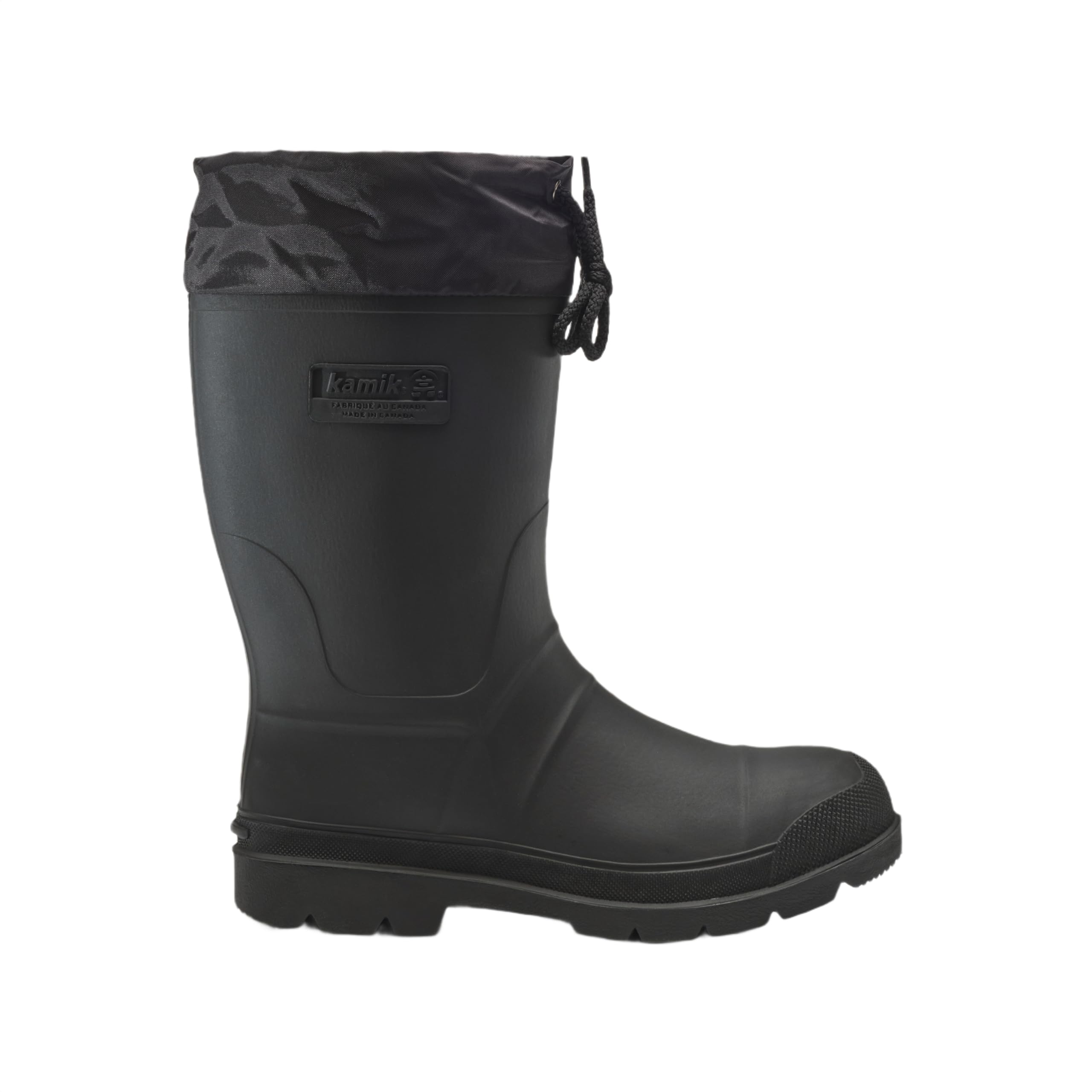
The Kamik Forester is built for a very specific use case: standing still in extreme cold for hours. With a temperature rating of -40°F and a thick, removable felt liner, this boot prioritizes warmth above all else. Users who blow snow for hours, work on farms in negative temps, or ice fish will appreciate that they can go without socks entirely and still stay warm. The felt liner is thick and comfortable, and when it gets damp, you can pull it out to dry, which is critical for multi-day use in wet snow.
The boot is heavy-duty and easy to clean, with a cinch-top closure at the collar that effectively seals out snow and water. Lug soles provide decent traction on packed snow, and the boot is wide enough to accommodate 4E feet when sized up. One reviewer noted that after two years of daily farm use, the boot remained warm and durable, with only a minor liner issue that was easily fixed.
Comfort straight out of the box is not its strong suit — several users reported a strange initial fit that required a break-in period. The boot also runs large, so sizing down or following the manufacturer’s size chart closely is recommended. If you need maximum warmth for stationary use in extreme cold and don’t mind a clunkier profile, the Kamik Forester is a tank that will last for years.
Why it’s great
- Rated to -40°F for extreme cold conditions
- Removable felt liner dries quickly and extends boot life
- Durable build that withstands years of farm and yard work
Good to know
- Uncomfortable and strange fit initially; requires break-in
- Runs large; careful sizing is necessary
6. Columbia Minx IV (Men’s)
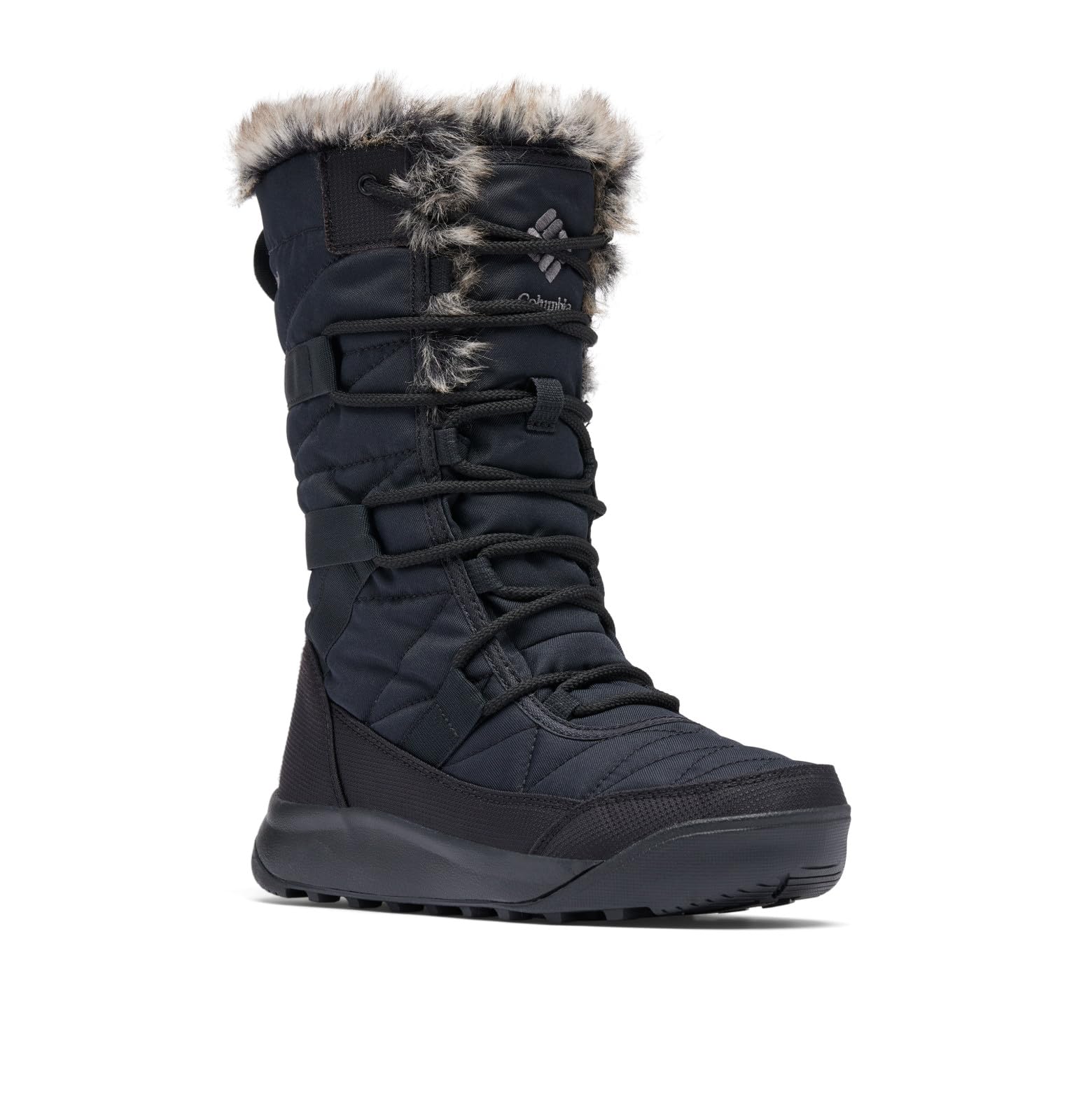
The Columbia Minx IV is a budget-friendly option that punches above its weight in warmth. The Omni-HEAT thermal reflective lining works effectively to trap body heat, and reviewers consistently noted that their feet stayed toasty in subzero temps even without thick socks. The soft interior lining adds a level of comfort that makes these boots feel more expensive than they are, and the waterproof construction kept feet dry in snowy conditions.
The boot runs narrow, which is a common theme across Columbia’s winter lineup. Multiple reviewers recommended ordering half to a full size up, especially if you plan to wear thick socks or have wider feet. The traction is adequate on snow but falls short on ice — several users reported slipping on icy patches, so these are best paired with removable crampons or spikes for serious ice conditions.
Durability is solid for the price point, with well-made construction and quick-drying materials. The laces are on the short side, which some users found annoying. If you need a budget-friendly boot for casual winter wear, shoveling the driveway, or walking the dog in cold but not extreme conditions, the Minx IV offers excellent value as long as you size up.
Why it’s great
- Exceptional warmth from Omni-HEAT lining at this price
- Soft, comfortable interior straight out of the box
- Waterproof construction handles snow well
Good to know
- Runs narrow; order half to full size up
- Slippery on ice; not suitable for untreated icy surfaces
7. Men’s Waterproof Rubber Muck Boots – Insulated Mid-Calf Rain & Mud Boots
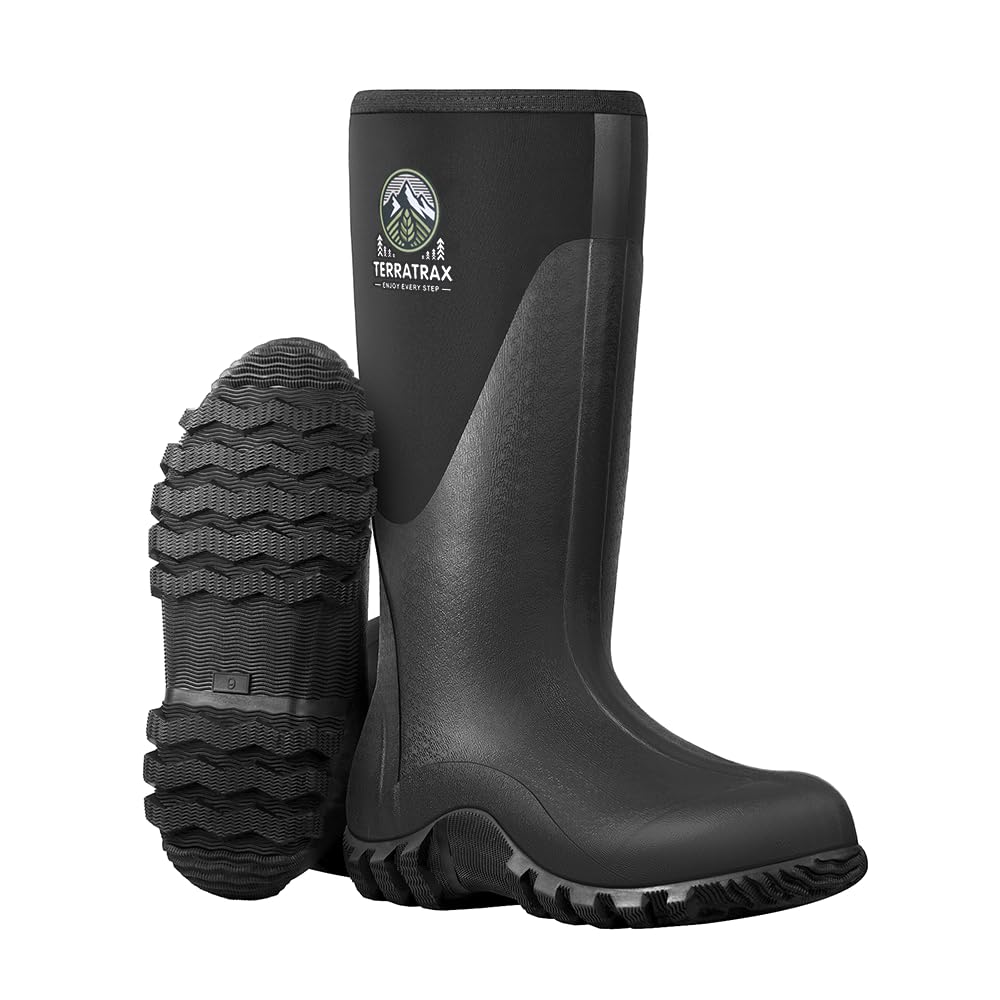
These rubber muck boots are a different breed of winter footwear — they are designed for wet, muddy, and snowy yard work rather than hiking or urban commuting. The neoprene upper offers flexibility and comfort, while the rubber shell provides complete waterproofing. The outsole has excellent traction in wet and muddy conditions, making them a solid choice for farm chores, fishing trips, and heavy rain or light snow days.
The insulation is present but not heavy — reviewers noted they are comfortable but not as warm as dedicated winter boots. One user specifically mentioned they were not as warm as expected, so for subzero standing, these are not the right choice. However, for active work in moderate cold where your feet generate heat through movement, they perform admirably. The fit is true to size, with a roomy toe area that accommodates thick socks.
Build quality feels solid for the price, with several users reporting they kept feet dry through prolonged exposure to wet grass and puddles. The lightweight construction makes them easy to slip on and off. If your winter involves more mud than deep snow and you need a boot that won’t break the bank, these are a practical addition to your gear closet.
Why it’s great
- Completely waterproof neoprene and rubber construction
- Lightweight and flexible for active yard work
- Excellent traction in wet and muddy conditions
Good to know
- Not warm enough for subzero standing use
- Best suited for active work, not stationary cold exposure
FAQ
How do I know if a boot has enough insulation for subzero temps?
Can I wear waterproof snow boots for ice fishing or standing still?
Do I need to buy crampons for boots with good traction?
Final Thoughts: The Verdict
For most users, the best boots for snow and ice winner is the KEEN Revel 4 Mid (Men’s) because it delivers 400g insulation, proven waterproofing, and reliable ice traction in a package that handles everything from daily commutes to summit pushes. If you want a tall, stylish boot with a removable liner for deep snow, grab the SOREL Tivoli V Tall (Women’s). And for extreme cold stationary use like farm work or ice fishing, nothing beats the Kamik Men’s Forester.