
Our readers keep the lights on and the weekend projects moving. As an Amazon Associate, I earn from qualifying purchases.
An affordable underwater camera sits at that tricky intersection where waterproof depth ratings meet sensor quality. Buyers often grab a camera that looks great on paper only to find the footage is noisy at 15 meters or the lens fogs up on the first dive. The real divide isn’t about video resolution claims — it’s about reliable sealing, usable low-light performance, and a lens that doesn’t make everything look like you shot it through a jar of green jelly.
I’m Rikta — the co-founder and writer behind FitlyFast. My research for this guide involved breaking down customer reviews across hundreds of dive logs, analyzing sensor sizes and waterproof specs, and cross-referencing real underwater sample footage to separate marketing claims from actual performance.
Whether you’re snorkeling coral reefs or documenting pool days, the right choice comes down to depth rating, autofocus reliability, and battery endurance. This guide ranks the best affordable underwater camera options for every budget and use case.
How To Choose The Best Affordable Underwater Camera
Finding a capable underwater camera that doesn’t break the bank means prioritizing the specs that truly matter underwater. Surface-level marketing often pushes megapixel counts, but 48MP means nothing if the sensor is tiny and the lens aperture is narrow. Here’s what to focus on.
Waterproof Depth Rating vs. Water-Resistant
A camera rated to 10 meters is suitable for snorkeling and pool use, while 15 meters opens up recreational scuba diving. Anything above 30 meters is for serious divers. Cheap cameras often claim “waterproof” but lack a stated depth rating — avoid those. Look for an explicit meter depth with a time limit.
Sensor Quality and Low-Light Performance
Underwater light drops quickly. A larger sensor (1/1.3-inch or bigger) and a faster aperture (F2.0 or lower) will capture more light, reducing noise and preserving color. Many budget cameras use tiny phone-sized sensors that produce grainy images in anything but bright surface water.
Autofocus and Stabilization
Floating debris, moving subjects, and low contrast underwater confuse basic autofocus systems. Cameras with contrast-detection AF need good light to lock on. Phase-detect or hybrid systems are faster. For video, electronic image stabilization (EIS) matters — some budget cameras lack it entirely.
Quick Comparison
On smaller screens, swipe sideways to see the full table.
| Model | Category | Best For | Key Spec | Amazon |
|---|---|---|---|---|
| DJI Osmo Action 4 | Action Cam | Low-light video & stabilization | 1/1.3-inch sensor, 155° FOV | Amazon |
| GoPro HERO13 Black | Action Cam | 5.3K video & lens mods | 5.3K60, 27MP, 33ft waterproof | Amazon |
| SeaLife SportDiver Ultra | Phone Housing | Using your phone for scuba | 130ft depth, audible leak alarm | Amazon |
| OM System TG-7 | Compact | Macro & rugged durability | 50ft waterproof, 4x optical zoom | Amazon |
| SiSuSy 8K Waterproof | Action Cam | Deep diving on a budget | 50ft depth, 90MP, Wi-Fi | Amazon |
| Pentax WG-1000 | Compact | Rugged outdoor point-and-shoot | 50ft waterproof, 4x optical zoom | Amazon |
| Minolta 48MP | Compact | Entry-level pool & rainy day | 13ft waterproof, 5K video | Amazon |
In‑Depth Reviews
1. DJI Osmo Action 4
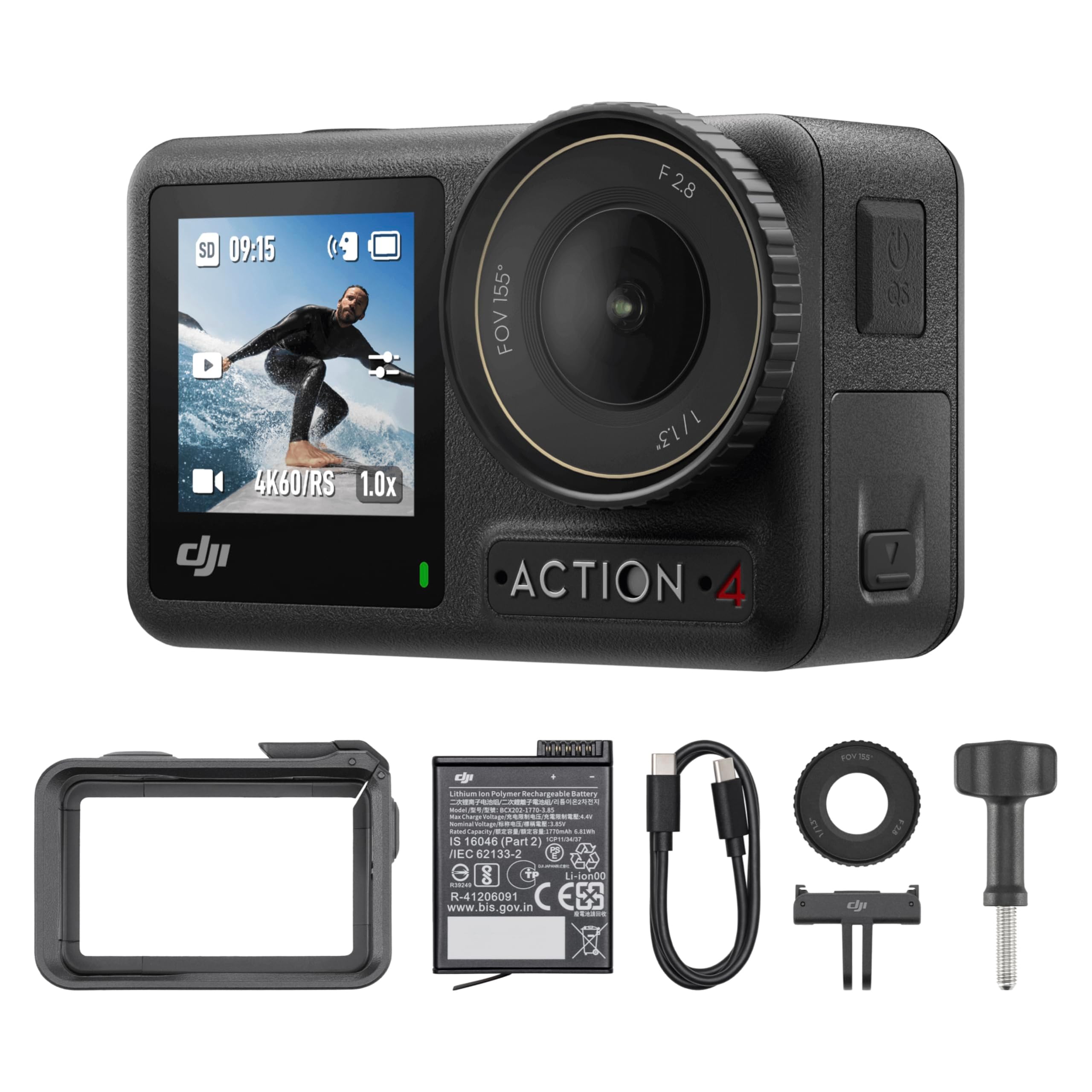
The DJI Osmo Action 4 stands out for its 1/1.3-inch sensor with 2.4μm pixels — the largest sensor at this price point. That means cleaner footage in low-light reef shadows and less noise at dusk. The 4K/120fps capture with a 155-degree field of view gives you slow-motion flexibility without sacrificing resolution.
Waterproof to 18 meters without a housing, it’s ready for recreational scuba diving out of the box. The magnetic quick-release system makes mounting and angle switching fast, and the dual full-color touchscreens simplify framing underwater. Battery life reaches 150 minutes, and the cold-resistant chemistry keeps it running in sub-zero conditions.
Three stabilization modes handle everything from swimming with sea lions to bumpy boat rides. The 10-bit D-Log M color profile preserves dynamic range for color grading later, which serious underwater videographers will appreciate. The only catch is you need a separate waterproof case for deeper dives beyond 18 meters.
Why it’s great
- Best-in-class low-light performance at this price
- 155° ultra-wide FOV for immersive underwater shots
- Excellent stabilization without a gimbal
Good to know
- No waterproof case included — housing needed for deep dives
- UI can feel non-intuitive without the app
- Low-light video still needs editing for best results
2. GoPro HERO13 Black

GoPro’s HERO13 Black pushes video resolution to 5.3K, delivering 91% more detail than 4K — which matters when you’re cropping in on a distant reef shark. The 27MP stills are crisp, and Burst Slo-Mo captures action at 13x normal speed, useful for freezing the instant a wave breaks or a dolphin breaches.
The HB-Series lens system adds versatility. The Ultra Wide Lens Mod gives a truly expansive POV, while the Macro Lens Mod captures tiny nudibranchs and coral polyps. The camera auto-detects which lens is attached and adjusts settings automatically. Waterproof to 33 feet without a housing, it’s suitable for snorkeling and shallow free diving.
HyperSmooth stabilization remains the gold standard in action cams, making jittery boat rides look locked-off. The Enduro battery lasts 79 minutes of continuous recording, improved over previous generations. The water-repelling lens cover reduces flare. The main limitation is the price — it’s a premium pick that pushes past the “affordable” threshold for some buyers.
Why it’s great
- 5.3K resolution with 91% more detail than 4K
- Versatile HB-Series lens system for macro and wide shots
- Best-in-class HyperSmooth stabilization
Good to know
- Premium pricing may exceed budget
- Requires separate housing for scuba diving depths
- Battery life moderate at 79 minutes
3. SeaLife SportDiver Ultra

The SeaLife SportDiver Ultra takes a unique approach — instead of a standalone camera, it’s a rugged housing that turns your smartphone into a fully capable underwater rig. Rated to 130 feet, it’s actually deeper-rated than most dedicated underwater cameras in this guide. The cam-lock sealing mechanism and audible/pressure leak sensors provide serious peace of mind at depth.
The included red color-correction filter restores natural blues and greens underwater, fixing the washed-out look common in budget setups. You retain full access to your phone’s camera controls — zoom, focus, white balance, lens selection — so you’re using the sensor you already own. Bluetooth controls work well even with gloved hands.
The case is built from polycarbonate with stainless steel and aluminum components, weighing 3.3 pounds. It’s individually pressure-tested before packaging. The main trade-off is the pre-dive setup: you can’t use your phone while it’s sealed, and removing the phone between dives is necessary for calls. It also requires a separate light for deep, dark environments.
Why it’s great
- Uses your phone’s superior camera sensor
- Rated to 130 feet — deeper than most dedicated cameras
- Red filter and leak alarms give real dive-grade confidence
Good to know
- Phone is inaccessible while sealed
- Requires a 3-minute vacuum leak test before each dive
- Extra Moisture Muncher capsules needed for extended trips
4. OM System OLYMPUS Tough TG-7

The OM System Tough TG-7 is the successor to the beloved Olympus TG-6, and it’s the dedicated compact that underwater shooters swear by. Waterproof to 50 feet, shockproof to 7 feet, and crushproof to 220 pounds, it’s built to survive rough handling. The F2.0 lens is fast for its class, and the 4x optical zoom means you can frame shots without losing quality — unlike digital zoom on action cams.
Its superpower is the variable macro system with four dedicated modes. You can focus from 1 centimeter away, revealing microscopic details in coral, sea slugs, and fish scales. Underwater microscope mode and underwater HDR are genuinely unique features you won’t find on action cameras. The 12MP sensor captures 4K video at 30fps and 120fps high-speed footage.
The TG-7 also supports raw capture for post-processing flexibility, and the five underwater scene modes automatically adjust white balance and exposure for different depths. The main drawbacks are the small sensor — low-light performance is noticeably limited — and the fact that it’s bigger than an action cam. Battery life is decent, but the battery can die without warning.
Why it’s great
- Best macro capability of any affordable underwater camera
- 4x optical zoom preserves detail underwater
- Extremely rugged — waterproof, shockproof, crushproof
Good to know
- Small sensor struggles in low light
- Larger and bulkier than action camera form factors
- Battery can deplete without gradual warning
5. SiSuSy 8K Waterproof Camera
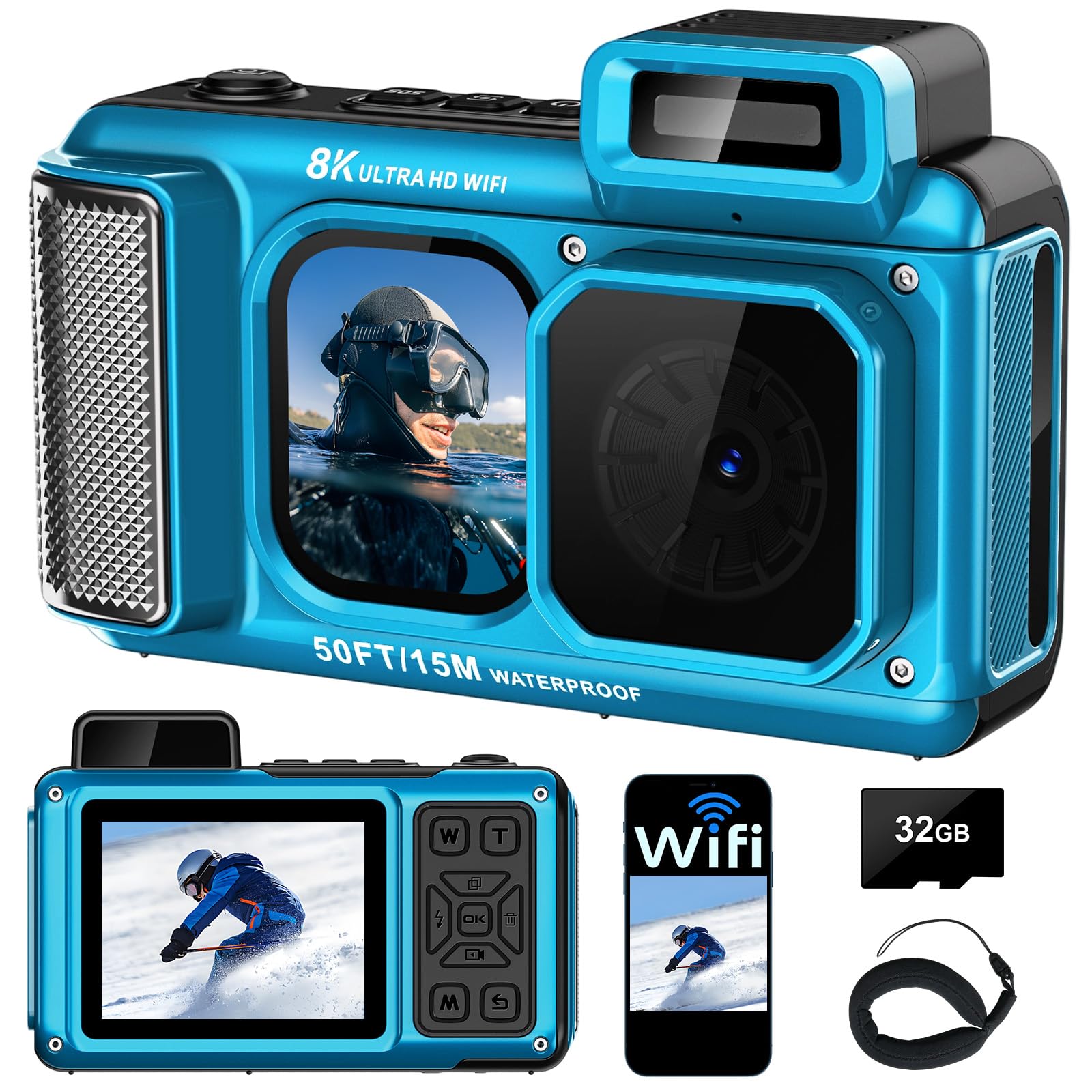
The SiSuSy 8K camera is an aggressive value proposition, promising 50-foot waterproofing, IP68 dust/shock resistance, and 8K video at a fraction of the cost of name-brand action cams. It includes a 32GB card and a floatable strap, so you don’t lose it to the ocean floor. The dual-screen design — 2-inch front and 3-inch rear touchscreen — makes self-framing easy for vloggers.
Real-world performance is solid for the price. The 75MP stills have enough detail for social sharing, and the autofocus locks onto fast-moving subjects in good light. The battery delivers 90 minutes of continuous recording, and the 1800mAh cell is replaceable, so you can swap for a full day of island hopping. Wi-Fi transfer to your phone is convenient for quick sharing.
The 8K resolution is interpolated rather than native — actual detail is closer to 4K, but at this price point, that’s typical. The camera performs best in bright, shallow water. Low-light performance is limited by the smaller sensor. For casual snorkelers and pool users who want a waterproof cam without spending action-cam money, this delivers surprising utility.
Why it’s great
- 50ft depth rating at a budget-friendly price
- Floatable strap prevents loss underwater
- Dual touchscreens for easy selfie framing
Good to know
- 8K resolution is interpolated, not native
- Low-light image quality is limited
- Build materials feel less premium than GoPro or DJI
6. Pentax WG-1000

The Pentax WG-1000 is a rugged, point-and-shoot compact built for outdoor enthusiasts. It’s waterproof to 50 feet for up to one hour, dustproof, and shockproof from a two-meter drop. The grippy rubber cover provides excellent handling even with wet hands, and the 4x optical zoom (27mm wide-angle) gives you optical reach that action cams lack.
The camera offers ISO up to 3200, seven capture modes including an Underwater mode, and 20 color modes (Japan Style, Italian Style, etc.) for creative finishing. It can be sterilized with ethanol or chlorine dioxide, making it suitable for medical facility use. The included carabiner strap lets you clip it to a backpack for easy access during hikes.
The main concern is image quality consistency. Some users report autofocus struggles and green-tinted underwater footage that requires post-processing. The sensor is on the smaller side, and the 12-bit depth is less forgiving than premium compacts. For casual, outdoor snapshot use in good light, it’s a capable and durable option, but serious underwater shooters should look higher up the list.
Why it’s great
- Durable, shockproof, dustproof build for outdoor use
- 4x optical zoom provides real reach
- Sterilizable housing suitable for medical environments
Good to know
- Autofocus can struggle in low contrast underwater
- Underwater images may show green hue
- Must remove protective cover to charge or access SD card
7. Minolta 48MP Underwater Digital Camera
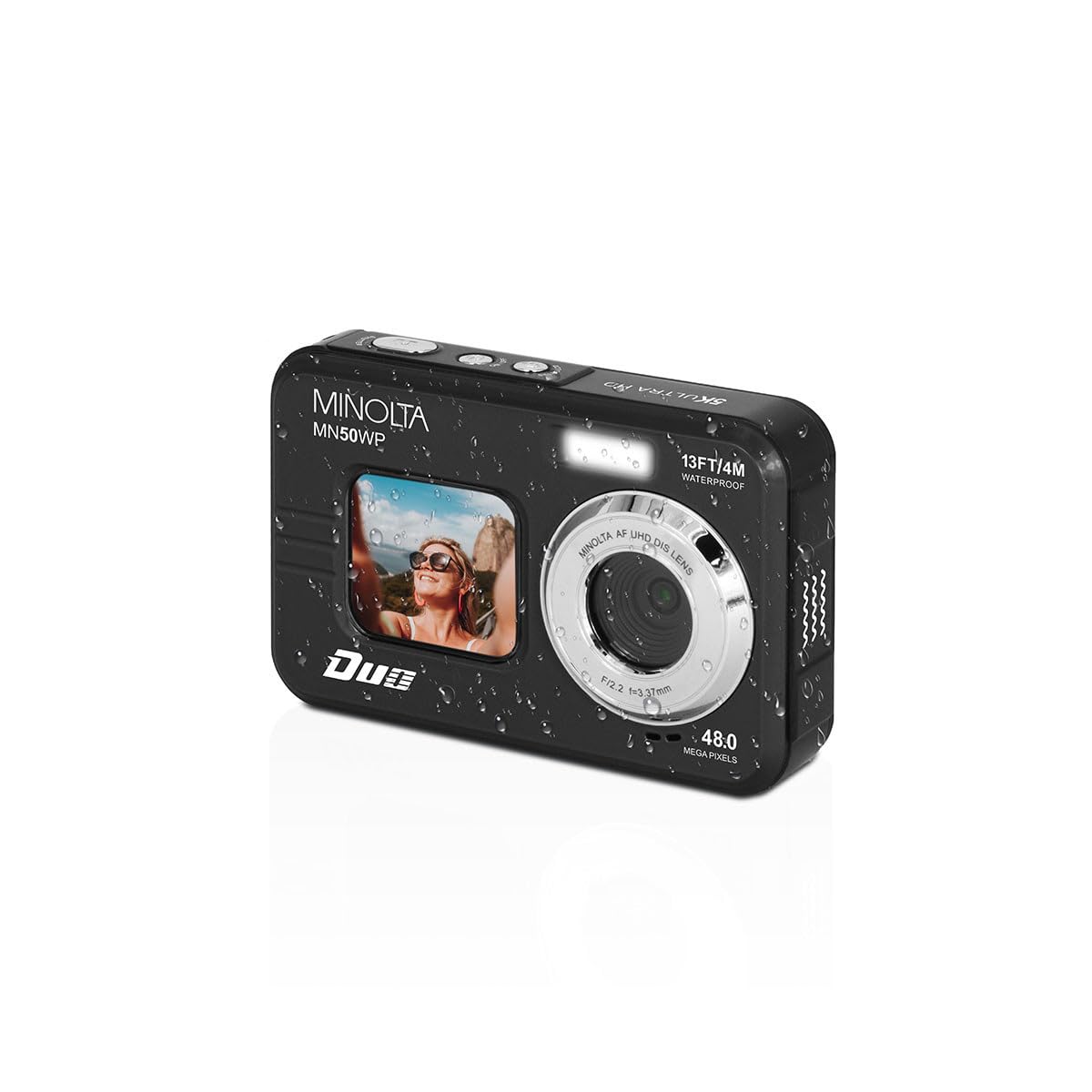
The Minolta 48MP camera is the most affordable entry point in this guide, designed for pool fun, rainy days, and very shallow snorkeling. It’s waterproof to 13 feet (4 meters) and includes a 48MP sensor and 5K video recording. The dual LCD screens — 2.8-inch rear and 1.7-inch front — allow for selfie shooting, making it appealing for kids and beginners.
The 16x digital zoom is standard for this price tier, and autofocus is contrast-detection with a single AF point. The camera comes with a rechargeable battery and a 32GB memory card, so you can use it out of the box. It’s lightweight, compact, and has automatic exposure control for easy shooting.
Build quality is the main compromise. Some users report that it feels like a toy, and the 48MP sensor is interpolated — real resolution is significantly lower. The battery must be charged inside the camera, and replacement batteries are hard to find. For a pre-teen’s first underwater camera or a casual pool party cam, it works — just don’t expect usable results below 5 feet or in dim light.
Why it’s great
- Most budget-friendly option for casual pool use
- 32GB card and battery included — no extra purchases
- Dual screens for easy selfies
Good to know
- Only rated to 13 feet — not suitable for real diving
- Build quality feels cheap; 48MP is interpolated
- Battery charges in-camera; replacement batteries hard to find
FAQ
What depth rating do I need for snorkeling versus scuba diving?
Can I use an action camera like the DJI Osmo Action 4 for scuba diving?
Why do underwater photos look green or blue without a filter?
How important is optical zoom for underwater photography?
Final Thoughts: The Verdict
For most users, the best affordable underwater camera winner is the DJI Osmo Action 4 because it combines a large low-light sensor, 18-meter waterproofing, and gimbal-quality stabilization in a single package that doesn’t require a housing for recreational diving. If you want extreme macro detail and optical zoom, grab the OM System Tough TG-7. And for turning your existing phone into a full-fledged scuba camera rated to 130 feet, nothing beats the SeaLife SportDiver Ultra.