
Our readers keep the lights on and the weekend projects moving. As an Amazon Associate, I earn from qualifying purchases.
A rolled ankle on a wet field doesn’t just end a game — it can derail a whole season. Between the sharp pivot cuts, explosive jumps, and relentless lateral shuffles, the ankle is the most vulnerable joint for any football player. The right brace does more than compress; it actively resists the inversion and eversion torques that cause sprains, keeping you planted and protected through every down.
I’m Rikta — the co-founder and writer behind FitlyFast. I’ve spent hundreds of hours reverse-engineering the support mechanisms, shell materials, and strap geometries that separate a medical-grade stabilizer from a simple sleeve so you buy the exact brace your movement patterns demand.
After analyzing seven top-tier models across decades of user feedback and biomechanical specs, I’ve isolated the definitive ankle brace for football that balances rigid stabilization with the unrestricted mobility you need to stay explosive.
How To Choose The Best Ankle Brace For Football
Football puts unique stress on the ankle: explosive acceleration, sudden deceleration, lateral cuts, and the risk of planting under a defender’s weight. A generic brace won’t cut it. You need a stabilizer engineered for multidirectional torque resistance, low-profile cleat compatibility, and sweat-wicking durability across a full game.
Support Mechanism: Lace-Up vs. Sleeve vs. Hinged
Lace-up braces with integrated figure-8 straps offer the closest replication of athletic trainer tape — they cinch the talus and fibula to prevent rolling without cementing the joint. Sleeves provide compression alone and are inadequate for football’s demands. Hinged models with molded TPU shells offer the highest inversion/eversion control but add bulk that can affect cleat fit.
Shell Materials and Strap Geometry
Look for a brace that combines a breathable nylon or Oxford fabric foundation with rigid stabilizers (removable or fixed). The strap layout should include an inversion strap that crosses the medial ankle, a stirrup strap under the arch, and an anchoring top wrap. This three-axis lock-out mimics the muscle tension absent in a weakened joint.
Low-Profile Cleat Compatibility
Football cleats are already snug. A bulky brace that requires sizing up one full shoe size compromises your foot’s proprioception inside the boot. Measure the brace’s lateral thickness — anything under half an inch at the malleolus is optimal. Open-heel designs also reduce pressure points while allowing the Achilles to glide freely.
Quick Comparison
On smaller screens, swipe sideways to see the full table.
| Model | Category | Best For | Key Spec | Amazon |
|---|---|---|---|---|
| DonJoy Performance POD | Premium Hinged | On-Demand Roll Prevention | Molded TPU Shell, 10.5 x 8.3 x 6.7 in | Amazon |
| McDavid Bio-Logix | Premium Hinged | Competition-Grade Support | Flex-Link Hinge, 0.38 x 5.43 x 10.75 in | Amazon |
| Zamst A1 | Premium Strap | Breathable Lateral Sprain Control | 3-Way Straps, 3.53 oz weight | Amazon |
| Ultra 360 | Mid-Range Lace-Up | Mimics Athletic Taping | Adjustable Figure-8, 0.13 kg | Amazon |
| Med Spec ASO | Mid-Range Lace-Up | Trainer-Recommended Recovery | Figure-8 & Lace-Up, 141 g | Amazon |
| Ossur FormFit | Mid-Range Lace-Up | Inversion/Eversion Control | Figure 8 Strapping, 7.05 oz | Amazon |
| AGPTEK Adjustable | Budget Lace-Up | Versatile Rehab & Game Use | Removable Splints, 0.18 kg | Amazon |
In‑Depth Reviews
1. DonJoy Performance POD Ankle Brace
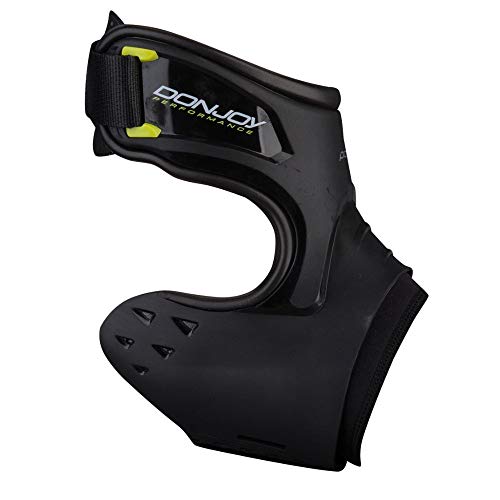
The DonJoy POD is engineered around an “On Demand” technology that engages the molded TPU shell specifically during inversion motion — it stays pliable during natural movement but locks rigid the second your ankle begins to roll. This reactive resistance is the closest a brace gets to the neuromuscular response of a healthy ligament, making it ideal for football players returning from a Grade 2 sprain who still need full sprint and cut capability.
The super-soft EVA underlayer lining hugs the foot and ankle without creating pressure hot spots, and the low-profile design fits easily inside football cleats without requiring a full size up. Users with higher insteps note the brace is snug during initial wear but breaks in after two sessions to allow unrestricted dorsiflexion for explosive starts.
Some athletes report that the Velcro strap lengths may need minor trimming for a perfectly flush closure, and the shell material offers little breathability compared to fabric-based braces. For pure roll-prevention performance, however, this is the benchmark.
Why it’s great
- Reactive TPU shell stops inversion in real time
- Comfortable EVA lining prevents chafing
- Low-profile shell fits cleats well
Good to know
- Limited breathability in the shell
- Strap lengths may need slight adjustment
2. McDavid Bio-Logix Ankle Brace
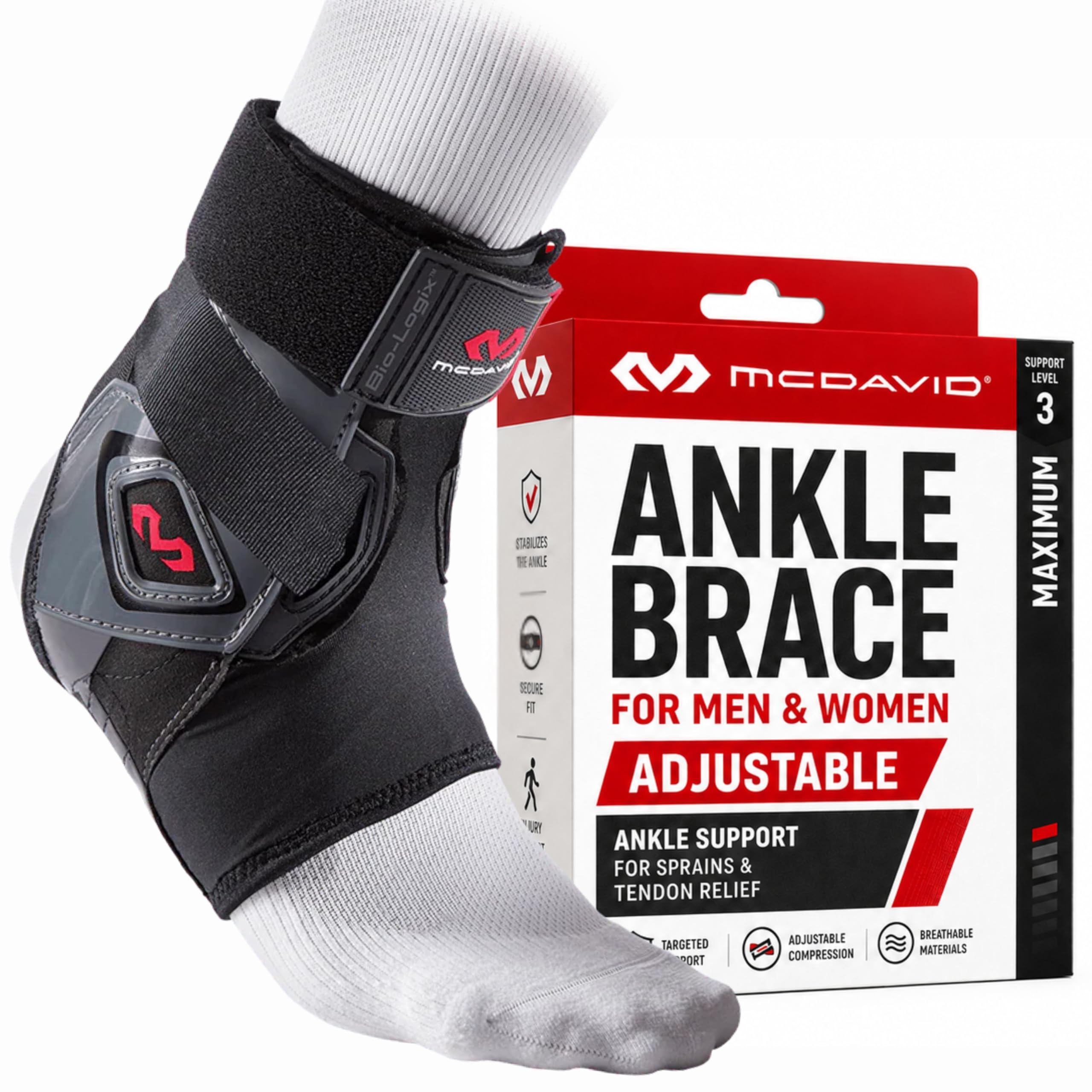
The McDavid Bio-Logix uses a Flex-Link hinge design that provides active stabilization through the ankle’s full range of motion — the hinge moves with you during flexion but resists lateral displacement during cuts. This competition-grade brace is anatomically specific to the left or right foot, ensuring the contoured side splints align precisely with the medial and lateral malleoli for zero pressure point irritation.
Memory foam padding along the Achilles and multiple anchor straps create a truly customized fit that stays locked even during sweaty fourth-quarter drives. The neoprene and spandex blend offers more breathability than a full TPU shell, though the overall profile is slightly thicker, requiring a looser cleat or a half-size up in some cases.
Customers note that the top strap primarily tightens the splint assembly rather than compressing the joint, so athletes needing direct ankle compression may need supplemental taping. For football players who want a hinged brace that breathes and contours to the foot shape, this is a top competitor.
Why it’s great
- Flex-Link hinge allows natural dorsiflexion
- Memory foam padding reduces chafing
- Anatomical left/right design fits precisely
Good to know
- Bulkier profile may require larger cleats
- Top strap doesn’t add joint compression
3. Zamst A1 Ankle Brace

The Zamst A1 uses a three-way strap system — a dual inversion strap, a stirrup strap, and anatomically correct stays — to provide targeted lateral sprain protection without the weight of a full hinged brace. The knit construction is the most breathable in this comparison, allowing significant airflow even during two-a-day practices, which drastically reduces sweat buildup inside the cleat.
At only 3.53 ounces, it is the lightest premium brace here, and its low-profile fabric fits into standard football cleats without any sizing adjustment. The inversion strap crosses the lateral ankle to resist rolling during cutbacks, while the stirrup strap locks the arch to prevent over-pronation during plant steps.
Some users note that the shorter Velcro straps behind the ankle and calf can loosen after repeated hard cuts, requiring a quick re-tighten during breaks. For athletes who prioritize portability, breathability, and a barely-there feel under the cleat, the Zamst A1 is the go-to choice.
Why it’s great
- Lightweight and highly breathable knit
- Low profile fits cleats without sizing up
- Three-way strap system targets lateral sprains
Good to know
- Short straps may loosen during intense cuts
- Less inversion resistance than hinged shells
4. Ultra 360 Lace Up Ankle Brace
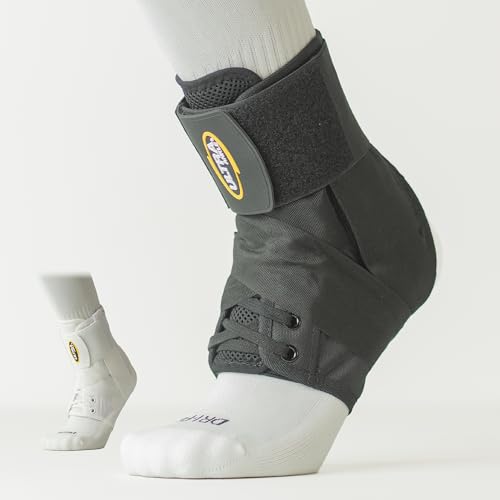
The Ultra 360 is built specifically to mimic the mechanics of professional athletic trainer taping. The lace-up chassis pulls the talus into a neutral position, while adjustable figure-8 straps cross the anterior talofibular ligament — the most commonly sprained ligament in football — to resist inversion without cementing the joint. The result is a protective feel that many athletes describe as “taped but free.”
The slim, breathable construction fits into football cleats, soccer boots, and even high-top basketball shoes without creating uncomfortable pressure at the heel counter. Customers note the brace is particularly effective for players with a history of mild chronic instability who want preventative support without the rigidity of a hinged model.
A few users mention that finding the perfect lace tension takes a couple of wear sessions — too tight crimps the foot, too loose compromises support. Once dialed in, however, the support-to-bulk ratio is one of the best in this tier.
Why it’s great
- Figure-8 straps mimic athletic tape exactly
- Low-profile fits most cleats without bulk
- Breathable nylon construction reduces heat
Good to know
- Lace tension requires experimentation
- Not enough rigidity for severe sprains
5. Med Spec ASO Ankle Stabilizer
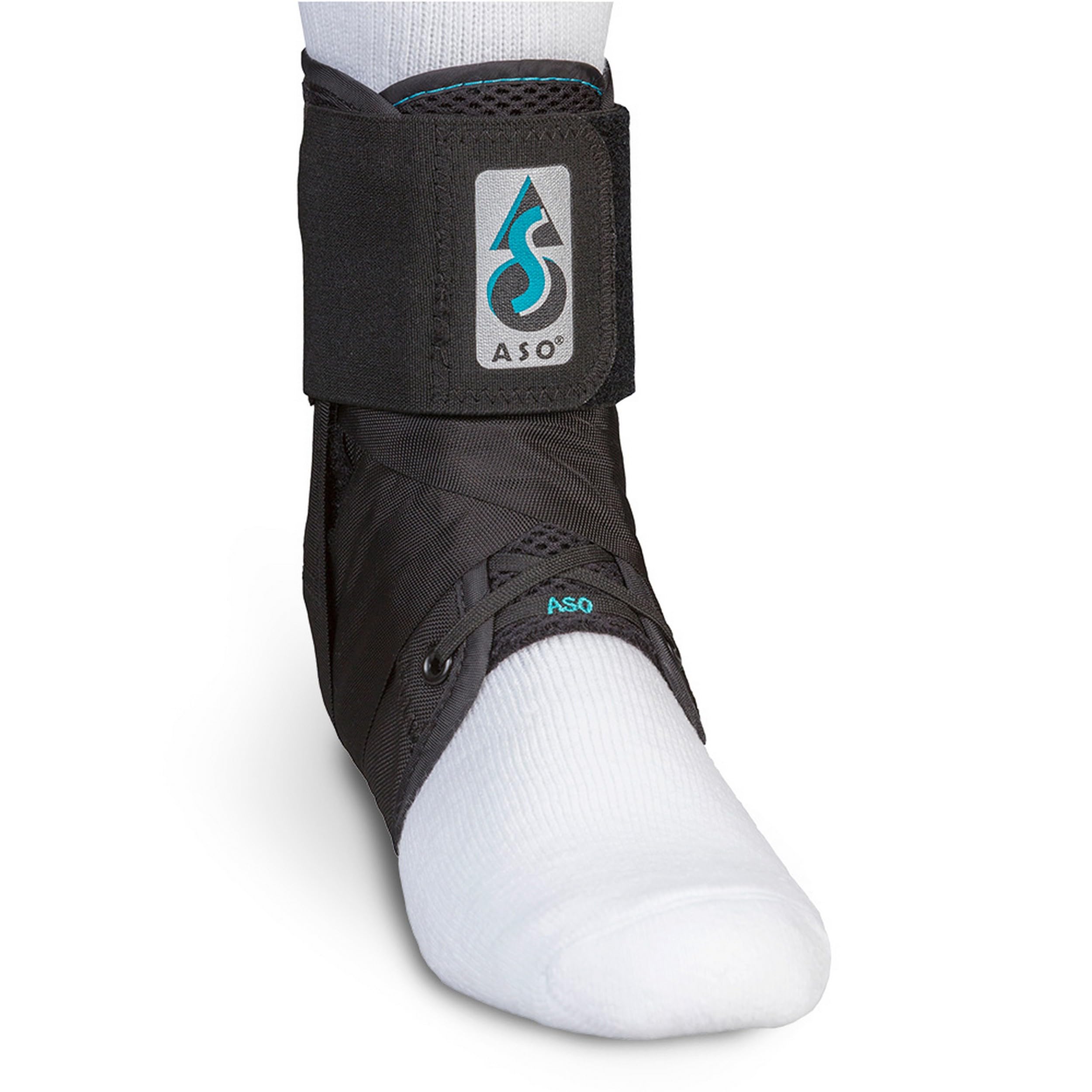
The Med Spec ASO is the gold standard for athletic trainers and sports medicine clinics — its lace-up chassis paired with dual figure-8 straps provides a proven geometry for stabilizing the subtalar joint without restricting sagittal plane movement. The CoolFlex padding and durable nylon tongue resist stretch even after a full season of weekly wear, maintaining consistent compression at every practice.
Customers consistently report that this brace has helped them return to sport faster after Grade 1 and 2 sprains, especially when combined with a proper rehab protocol. The bilateral fit works for both left and right ankles, and the open heel design prevents Achilles irritation during the repetitive plantarflexion of football drills.
The brace is not designed for slip-on shoes — it’s built to sit inside laced cleats or trainers. Some users with wide feet note the toe box can feel snug if the laces are pulled too tight, but overall the fit is precise when following the size chart.
Why it’s great
- Trainer-recommended for reliable recovery support
- Figure-8 straps control inversion effectively
- Durable nylon and CoolFlex padding last
Good to know
- Not suitable for slip-on footwear
- May feel snug on wider feet
6. Ossur FormFit Ankle Brace

The Ossur FormFit has been a mainstay in football training rooms for years, thanks to its efficient quick-lace system and integrated figure-8 strapping that controls both inversion and eversion. The lightweight material (7.05 ounces) and low-profile build fit comfortably inside standard cleats without adding noticeable bulk — many users report playing full seasons without any shoe-fit issues.
Users returning from lateral ankle sprains praise the brace for eliminating the “rolling” sensation during lateral cuts and jump landings. The flexible nylon chassis conforms to the foot over time, creating a personalized fit that doesn’t require constant re-tightening between plays.
Some athletes note the brace can cause the foot to slide forward inside the shoe if the laces aren’t cinched tightly enough, and the material shows wear after multiple seasons of high-intensity use.
Why it’s great
- Quick-lace system for fast adjustments
- Proven inversion/eversion control
- Low profile fits cleats without issues
Good to know
- May cause foot slide if not laced tightly
- Material shows wear after extended use
7. AGPTEK Adjustable Ankle Brace
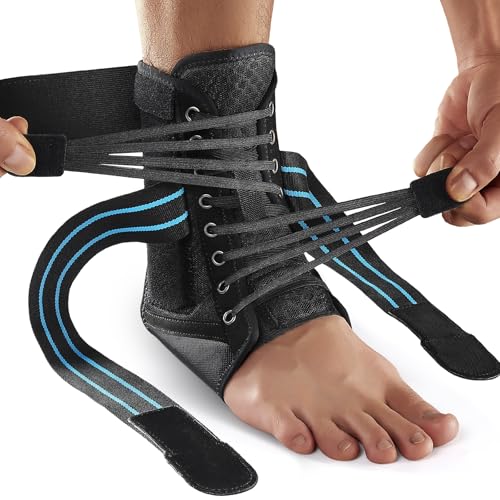
The AGPTEK brace stands out for its removable dual-side stabilizers, which let you dial in exactly the rigidity you need — keep the splints locked in for full-containment rehab of a recent sprain, or pop them out for a more flexible daily wear during practice. The X-cross compression straps and top wrap combine to create a 360-degree support matrix that users have rated even better than orthopedic-issued braces.
The quick-lace system with dual-direction hook-and-loop fasteners secures the brace in about one second — a real advantage during early-morning practices or quick between-drill adjustments. The abrasion-resistant Oxford fabric with honeycomb ventilation zones keeps the foot cool even during high-sweat sessions, and the open heel prevents the Achilles rubbing that plagues many budget braces.
Some users report that the brace can run slightly small, so ordering one size up from your shoe size is recommended, particularly for larger ankles. For the price, the customization options (removable splints, adjustable straps, breathable fabric) make it an exceptional value for athletes who need both rehab and gameplay support from a single device.
Why it’s great
- Removable splints allow rehab-to-game flexibility
- Quick-lace system secures in seconds
- Breathable Oxford fabric with honeycomb vents
Good to know
- Runs small; size up for larger feet
- Less durable than premium hinged models
FAQ
Can I wear an ankle brace inside football cleats without losing speed?
Should I wear a brace for prevention or only after an injury?
How tight should the figure-8 straps be during a football game?
Final Thoughts: The Verdict
For most players, the ankle brace for football that delivers the best balance of reactive stability and mobility is the DonJoy Performance POD — its TPU shell engages only during roll events, giving you full range of motion until you actually need protection. If you prioritize breathability and a discreet cleat fit, grab the Zamst A1. And for a budget-friendly do-it-all option that transitions from rehab to practice, nothing beats the versatility of the AGPTEK Adjustable.