
Our readers keep the lights on and the weekend projects moving. As an Amazon Associate, I earn from qualifying purchases.
A fast break, a deep pass, a puck flying towards the net — the split-second action that defines sports can be erased by a TV that can’t keep up, turning game-winning plays into a smeared mess. You need a panel that processes motion, lighting, and color in real-time to deliver clarity instead of ghosting.
I’m Rikta — the co-founder and writer behind FitlyFast. My approach to this category is rooted in cross-referencing peak brightness specs, refresh rate architectures, and AI-driven motion interpolation data to separate genuine performance from marketing gloss.
After hours of sifting through panel technologies and processor specs, the only list you need to save is this one — the best ai tvs for sports viewing should handle variable content without dropping a frame.
How To Choose The Best AI TVs For Sports Viewing
The perfect sports TV does not exist in a static spec sheet — it lives in how the panel, processor, and backlight system handle unpredictable motion and lighting shifts from a football field or basketball court. Here is what separates a great experience from a frustrating one.
Refresh Rate — The Frame-Pacing Foundation
A 60Hz panel can show a soccer ball in flight, but a 120Hz or 144Hz native panel shows the ball in motion between those half-second moments. For sports, a native 120Hz minimum is your baseline — the interpolation engines on AI processors need those extra frames to create seamless motion without the soap-opera effect. Higher native rates (144Hz or 165Hz) also give you headroom so that fast panning across a hockey rink does not induce stutter.
AI Motion Processing — The Invisible Advantage
Not all AI engines are equal. A processor that runs 128 neural networks (like Samsung’s NQ4 AI Gen3) can separate the ball from the player’s jersey and smooth the ball’s trajectory without creating halos around the player. Cheaper AI chips apply broad blur reduction that often adds artifacts during fast camera pans. Look for brands that explicitly train their AI on sports content durations, not just generic film frames.
Peak Brightness and Anti-Glare — Actual Viewing Reality
Day games in a bright living room crush dark details. A Mini-LED TV hitting over 2000 nits peak brightness preserves shadow details on the shaded side of a football field. For OLED fans, the newer panels (like LG’s Brightness Booster Ultimate) reach over 1200 nits, but you still need to manage room light. Anti-glare coatings — like Samsung’s Glare Free on the S90H series — are non-negotiable if you have windows behind your seating.
HDR Format Support — The Contrast Layer
Dolby Vision IQ and HDR10+ Adaptive are the two dynamic HDR formats that read your room’s ambient light and adjust the TV’s tone mapping live. That means a night game’s stadium floodlights stay punchy while the dark end zones retain depth. A TV that lacks both forces you into manual picture modes for each time-slot change.
Input Lag and VRR — Unexpected Sports Needs
Even non-gamers benefit from low input lag — cable boxes and streaming sticks send uneven frames, and a TV with Auto Low Latency Mode cleans that up. Variable Refresh Rate (VRR) prevents the micro-stutter you might notice during slo-mo replays or when switching camera angles mid-play. If you do connect a console, these features become essential.
Quick Comparison
On smaller screens, swipe sideways to see the full table.
| Model | Category | Best For | Key Spec | Amazon |
|---|---|---|---|---|
| Hisense 55″ U8 Series | Mini-LED | Bright room viewing | 5000 nits peak, 5600 zones | Amazon |
| Samsung 65″ M80H | Mini-LED | AI scene optimization | Motion Xcelerator 144Hz | Amazon |
| KTC MEGAPAD A32Q7 | Portable LCD | Multi-room versatility | 32″ touch + 9500mAh battery | Amazon |
| TCL 85″ T7 Series | QLED | Large budget-friendly screen | 144Hz, 288Hz VRR | Amazon |
| LG 55″ C5 OLED evo | OLED | Cinematic contrast for night games | α9 AI Gen7 processor | Amazon |
| Sony 55″ BRAVIA XR8B | OLED | PS5 integration | XR OLED Motion, studio calibration | Amazon |
| Samsung 48″ S90H | OLED | Glare-free bright rooms | NQ4 AI Gen3, 128 neural nets | Amazon |
| Toshiba 100″ Z670 | Mini-LED | Monumental screen size | 144Hz native, Dolby Vision IQ | Amazon |
| LG 65″ G5 OLED evo | OLED | Brightness in OLED format | 45% brighter than predecessor | Amazon |
| Sony BRAVIA 8 II 55″ | QD-OLED | Color accuracy and upscaling | XR Triluminos Max quantum dot | Amazon |
| TCL 85″ QM8L Series | SQD-Mini-LED | Reference-level peak brightness | 6000 nits peak, 4000+ zones | Amazon |
In‑Depth Reviews
1. Hisense 55″ U8 Series ULED Mini-LED 4K UHD Smart Google TV (55U8QG)
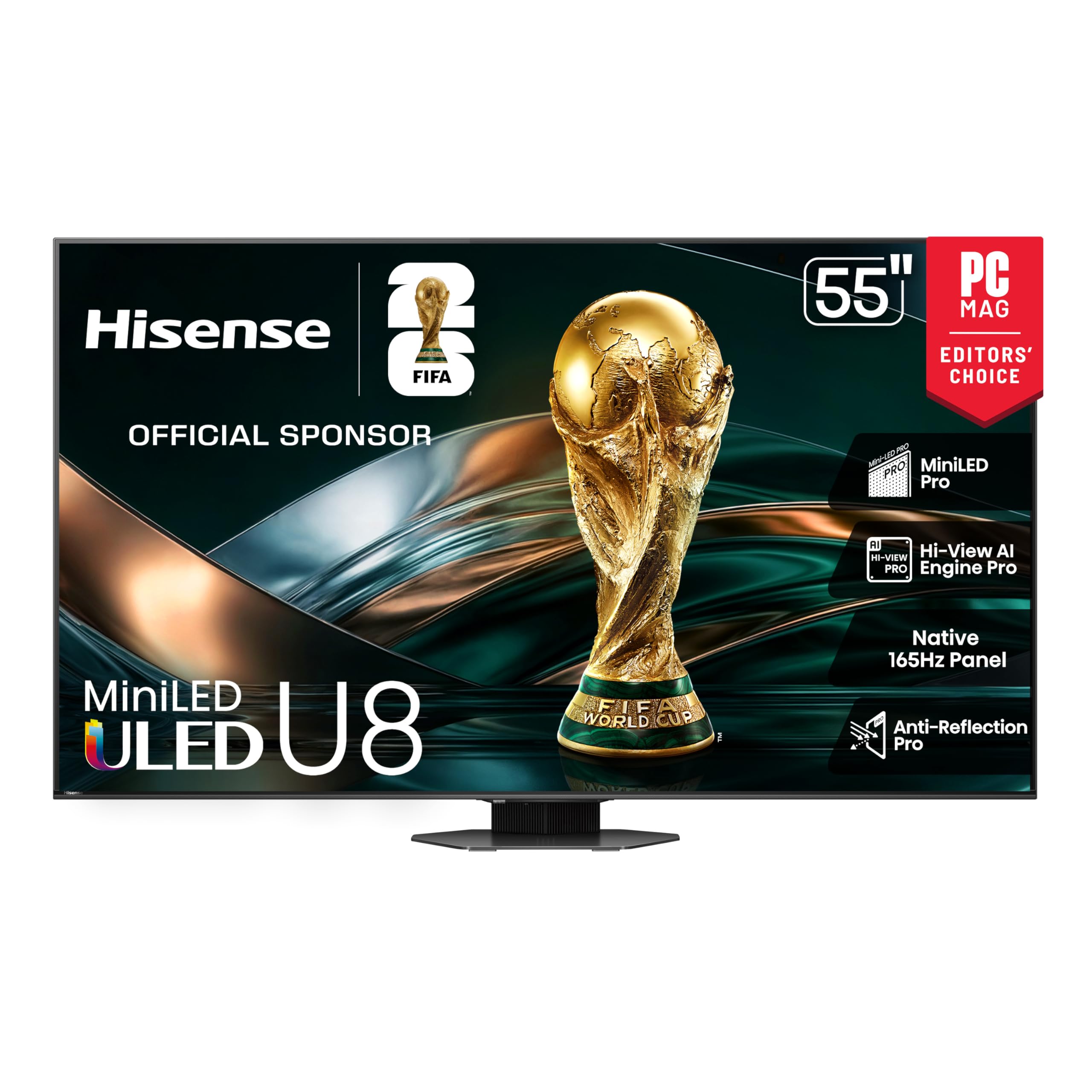
The Hisense U8 Series hits a peak brightness of 5000 nits with up to 5600 local dimming zones — numbers that usually only appear on flagship Mini-LED panels costing double. For sports, that raw luminance means sunlight on an NFL field stays bright while shadows under the stadium seats retain visible detail. The Hi-View AI Engine Pro actively detects whether you are watching a soccer match or a movie, then adjusts tone-mapping and depth perception scene-by-scene without you touching the remote.
The native 165Hz panel with VRR up to 288Hz effectively eliminates stutter during fast camera pans down a basketball court. Combined with the 4.1.2 channel Dolby Atmos audio — which includes two up-firing speakers — the crowd roar and referee whistles occupy a convincing soundstage. The Anti-Reflection Pro coating is a genuine asset if you watch day games in a living room with east-facing windows.
That said, some users have reported Google TV software instability that occasionally demands a factory reset, and the built-in speakers, while competent, lack the bass extension of a dedicated soundbar. The QLED color valiantly covers the DCI-P3 space, producing grass and jersey hues that feel natural rather than oversaturated. It is a serious performer that rewards buyers who want to maximize brightness per dollar.
Why it’s great
- Phenomenal 5000 nits peak brightness for HDR sports highlights
- Native 165Hz panel with 288Hz VRR eliminates motion blur
- Anti-Reflection Pro coating is effective in bright rooms
Good to know
- Google TV software can be unreliable, requiring occasional resets
- Built-in 4.1.2 audio lacks sub-bass depth
2. Samsung 65-Inch Class Mini LED M80H Series Samsung Vision AI Smart TV (65M80H)
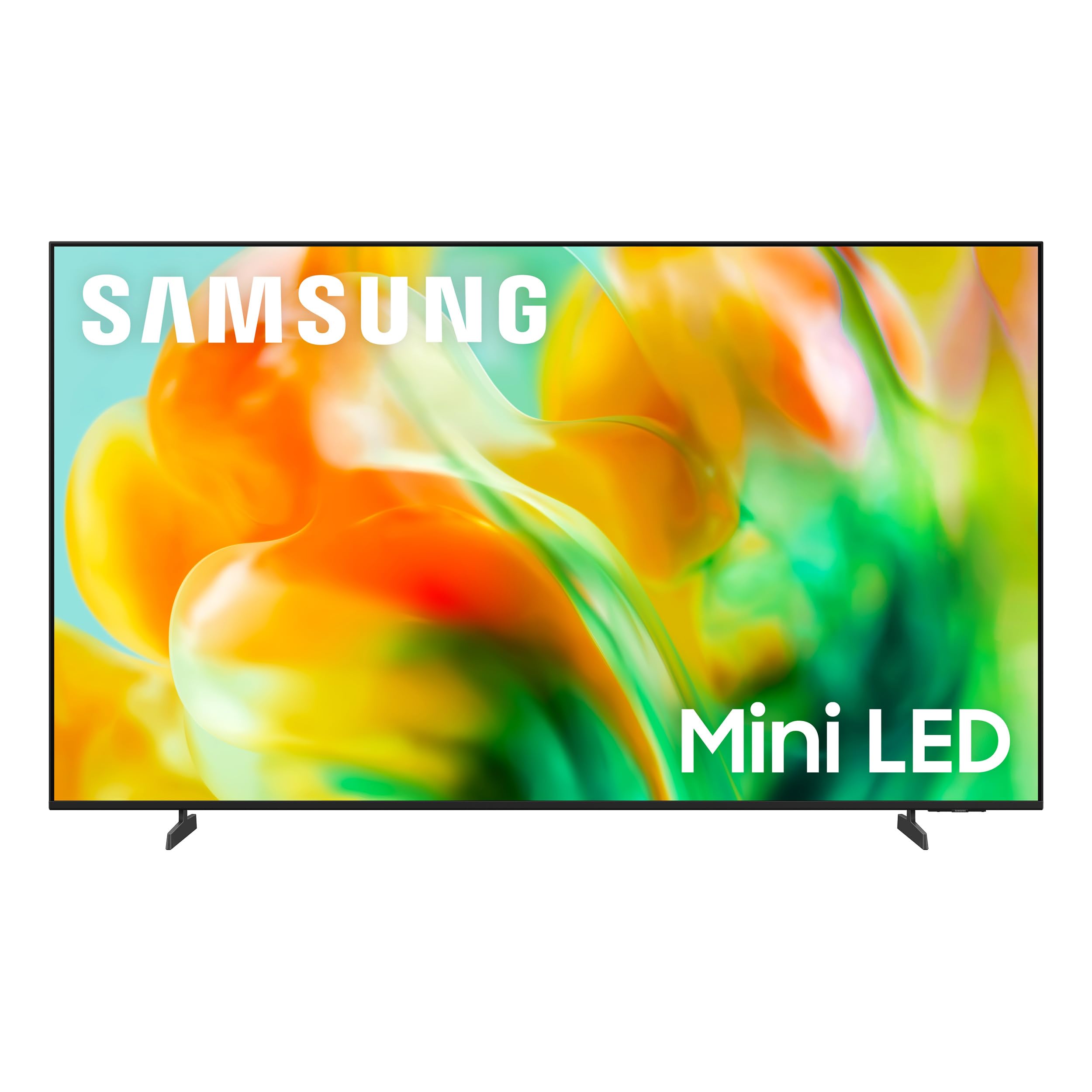
Samsung’s M80H series integrates the NQ4 AI Gen2 processor that analyzes content frame-by-frame to boost clarity, color, and contrast. For sports viewing, the Motion Xcelerator 144Hz panel provides a smooth foundation, but the real advantage is the Auto HDR Remastering — it upscales standard cable broadcasts (which often look flat) to approximate HDR brightness levels, giving a dull afternoon baseball game more visual pop without crushing skin tones.
The Pure Spectrum Color technology, driven by Mini-LED precision, delivers one billion color shades that matter most during vibrant scenes — think the neon of team uniforms against the green of a soccer pitch. The AI Mode intelligently toggles between picture presets depending on whether you are watching a fast-paced hockey game or a post-game analysis show, so you don’t have to manually switch modes. The 4K AI upscaling also handles lower-resolution streams from sports apps.
On the downside, the 120Hz refresh rate is standard for its class, not class-leading like some competitors offering 144Hz native. Also, the built-in speakers are adequate for dialogue but lack the impact for stadium-level sound without a soundbar. Buyers in the 55-65 inch range report the screen is best at an 8-foot viewing distance, so larger rooms might want a bigger panel.
Why it’s great
- Auto HDR Remastering makes standard sports broadcasts look HDR-like
- NQ4 AI Gen2 processor optimizes picture per scene
- 144Hz Motion Xcelerator keeps pans smooth
Good to know
- Limited to 120Hz native refresh rate
- Built-in speakers benefit from an external soundbar for sports
3. KTC MEGAPAD 32 Inch 4K Smart Portable TV on Wheels (A32Q7 Max)
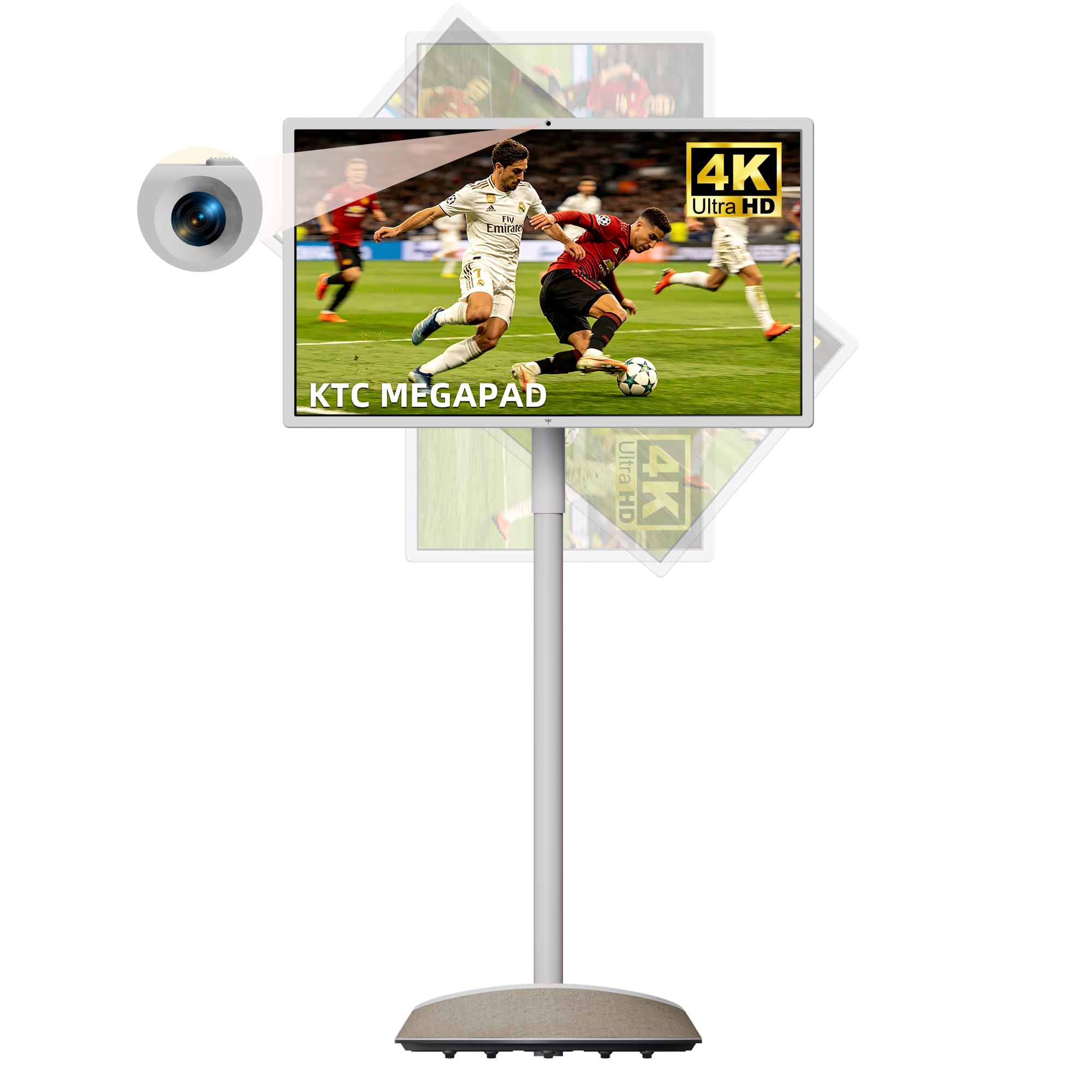
The KTC MEGAPAD is a different kind of sports companion — it is a 32-inch 4K portable TV on a rolling stand with a built-in 9500mAh battery and Android 13 OS. For tailgating, backyard viewing, or moving the game from the living room to the kitchen, this unit eliminates the cord anchor. The 10-point capacitive touchscreen feels intuitive for app navigation, and the voice remote makes finding the channel hands-free.
Four 8W speakers (two rear-firing, two bottom-firing) create an expansive 360-degree sound field that projects crowd noise clearly even in open spaces. The 3000:1 contrast ratio and 124% sRGB color gamut mean the grass on a Champions League match looks vibrant, though the 250 nits brightness limits its punch in direct sunlight. The built-in 800W webcam adds video call functionality for watch parties.
However, this is not a TV for fast-motion sports at its core — the LCD panel with a 60Hz refresh rate will blur fast-breaking NBA action compared to a dedicated 120Hz screen. The battery life of around 3 hours is enough for a single game but needs a recharge for a double-header. Some users report HDMI input inconsistencies with DirecTV sources.
Why it’s great
- Completely portable with rolling stand and built-in battery
- 360-degree audio from four 8W drivers
- Android 13 offers full Google Play access
Good to know
- 60Hz panel blurs high-speed sports motion
- Battery lasts about 3 hours
4. TCL Amazon Exclusive 85 Inch Class T7 Series 4K QLED Smart Google TV (85T7)

The TCL T7 series brings a native 144Hz panel with a 288Hz variable gaming refresh rate to an 85-inch screen at an entry-level price point. For sports fans, this means the motion of a tennis serve or the darting of a receiver downfield remains clear regardless of the camera work. The TCL AIPQ Pro processor handles color and contrast optimization, though it lacks the neural network depth of premium AI engines.
The FullView 360 metal bezel-less design keeps the massive screen feeling modern, and the four HDMI inputs (one with eARC) allow simultaneous connection to a cable box, streaming stick, and game console. The Motion Rate 480 with MEMC frame insertion reduces the judder common in 24fps sports broadcasts, though it can introduce slight artifacts during very fast horizontal pans. The QLED color coverage near the full DCI-P3 space makes the orange of a basketball court pop.
The built-in speakers deliver Dolby Atmos spatial processing but lack the physical drivers to create genuine overhead effects. The Google TV interface is responsive, though some users report it takes a moment to wake from power save when used as a PC monitor. For its screen size and refresh rate, the T7 offers a large canvas with credible motion handling for the investment.
Why it’s great
- Large 85-inch screen with 144Hz native refresh
- FullView bezel-less design looks clean in any room
- MEMC frame insertion reduces motion judder
Good to know
- AI processor is less sophisticated than premium rivals
- Built-in speakers lack dedicated subwoofer for bass
5. LG 55″ C5 OLED evo 4K UHD Smart webOS TV (2025)
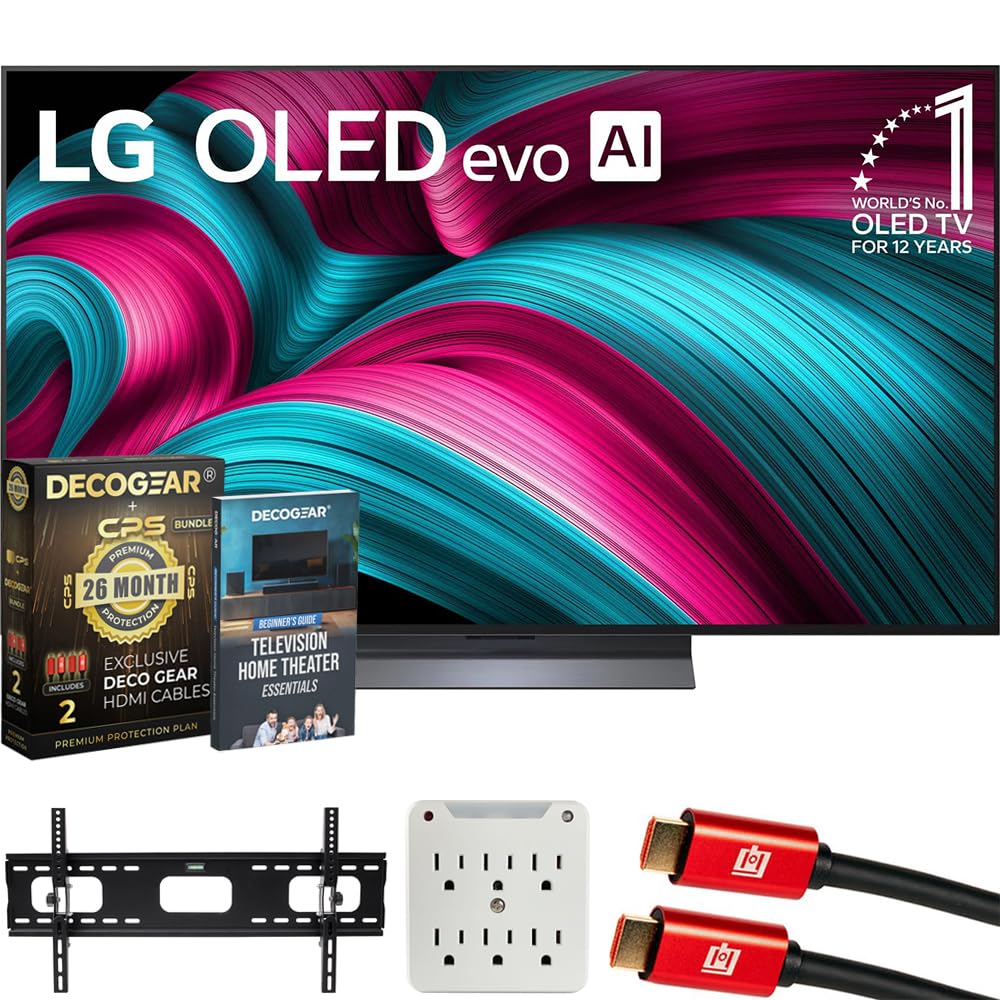
The LG C5 OLED evo uses the α9 AI Processor Gen7 to analyze content in real-time, controlling over 8.3 million self-lit pixels for near-instantaneous black-to-white transitions. For sports, this translates into perfect blacks in the shadows of a night baseball game and vibrant team colors without any backlight blooming around players. The 144Hz refresh rate supports VRR, G-Sync, and FreeSync Premium, so a connected PS5 or PC delivers virtually tear-free play.
The bundled package includes a 26-month extended protection plan, two 4K HDMI cables, and a wall mount — which simplifies the purchase for first-time home theater buyers. The Dolby Vision and Dolby Atmos support ensures that a streaming match from a service like Apple TV looks as close to a cinema broadcast as possible. The Personalized Picture Wizard uses AI to calibrate the display based on your visual preferences, adjusting contrast and sharpness for sports specifically.
Potential downsides: the included stand is unusually difficult to assemble and some users report the webOS interface can occasionally feel sluggish compared to Google TV. The C5 series is best in a moderately dim room — while it is brighter than previous OLED generations, it still cannot match Mini-LED for sustained high-nit output in sunlit rooms.
Why it’s great
- Perfect per-pixel black levels eliminate light bleed during dark scenes
- 144Hz VRR with G-Sync and FreeSync Premium for tear-free gaming
- Bundled 26-month protection and wall mount add value
Good to know
- Stand assembly is challenging; wall mounting recommended
- Brightness still behind Mini-LED for very bright rooms
6. Sony 55 Inch OLED 4K Ultra HD TV BRAVIA XR8B (K-55XR8B)

The Sony BRAVIA XR8B uses the XR Processor with AI deep-learning analysis to enhance every scene in real-time, focusing on color, contrast, and clarity. For sports, the XR OLED Motion technology creates blur-free action by processing the ball and player movement separately from the background — a subtle but visible advantage during fast-paced hockey or basketball. The self-lit OLED panel produces pure blacks that allow stadium floodlights to pop with intensity.
The Google TV interface integrates Studio Calibrated picture modes for Netflix and Prime Video, but note that even standard sports channels benefit from the AI upscaling that brings HD content closer to 4K detail. The sound system uses Acoustic Surface Audio+ where the screen itself generates audio, creating a directional sound field that follows the action on screen — the puck appears to travel with its own audio cue. The PS5-specific features (Auto HDR Tone Mapping and Auto Genre Picture Mode) automatically optimize the TV for gaming.
The main limitation is peak brightness: while excellent for OLED, it cannot sustain the same luminance as Mini-LED panels in very bright rooms. Two of the HDMI ports support 4K 120Hz, but the other two cap at 60Hz, so multi-console households will need to prioritize connections. Some buyers have reported audio distortion issues that required service.
Why it’s great
- XR OLED Motion separates action from background for cleaner pans
- Acoustic Surface Audio+ provides directional sound
- Auto HDR Tone Mapping for PS5 simplifies gaming setup
Good to know
- Only two HDMI ports support 4K 120Hz
- Peak brightness trails premium Mini-LED TVs
7. Samsung 48-Inch Class OLED S90H Series (48S90H)
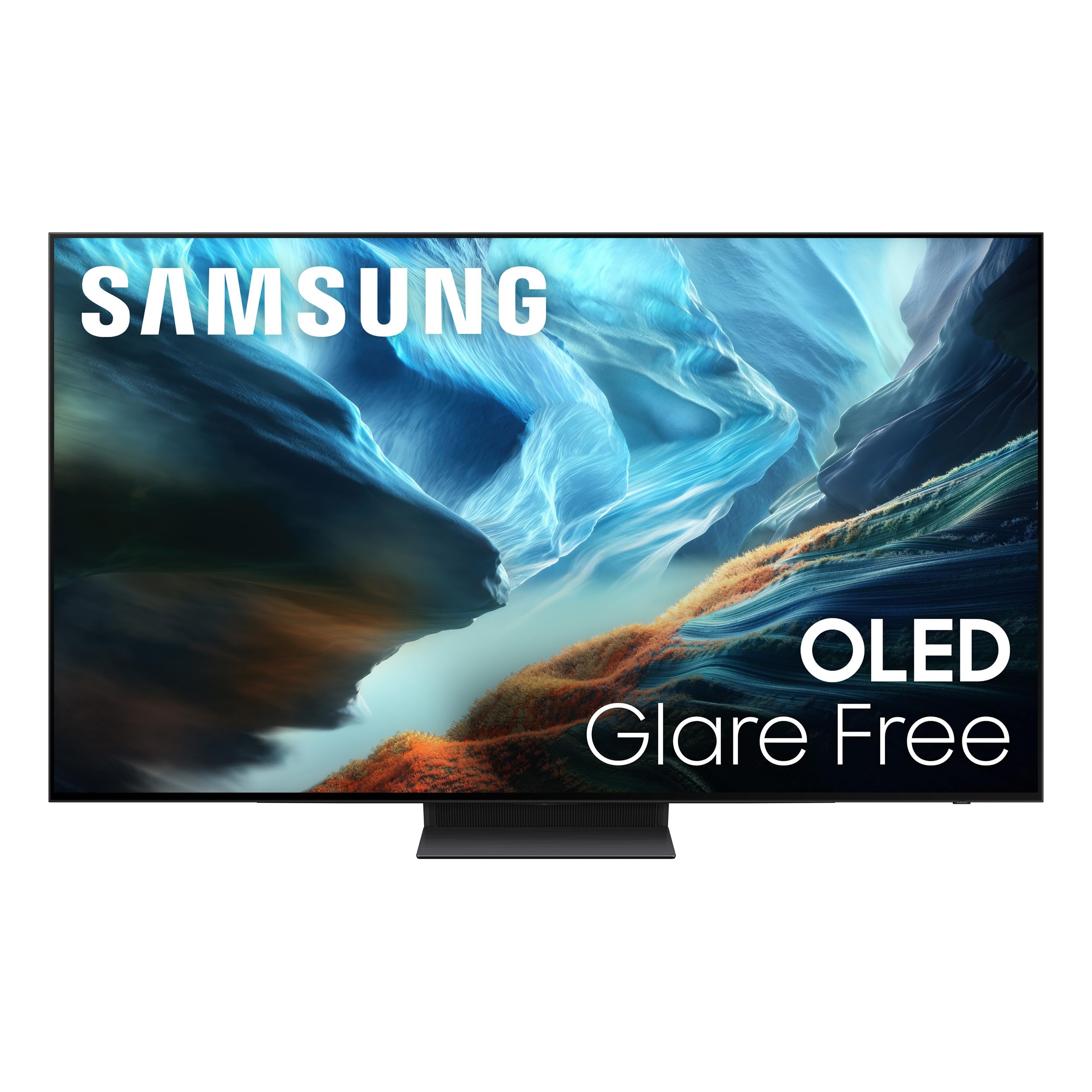
The Samsung S90H is an OLED TV that solves the room-light dilemma with its Glare Free technology, which eliminates distracting reflections without dimming the panel. For sports, that means a Sunday afternoon game near a window stays visible and punchy. The NQ4 AI Gen3 processor relies on 128 neural networks to handle AI Motion Enhancer Pro, which smooths fast-moving balls and reduces text blur on scoreline tickers.
OLED HDR+ boosts brightness levels while retaining the deep black contrast that makes the grass on a cricket pitch look rich. The 4K AI Upscaling Pro uses the same neural network architecture to boost low-resolution streams from older sports channels, restoring lost texture in jersey fabric and crowd detail. For gamers, the Motion Xcelerator 165Hz with G-Sync and FreeSync Premium Pro means that a connected PC can drive the display at maximum fluidity during fast twitch sports games.
The 48-inch size is smaller than most sports TVs, making it ideal for a bedroom, study, or gaming desk where the viewer sits relatively close. The audio output is surprisingly robust for such a slim panel, but a dedicated sound system still elevates the experience for immersive game-day audio. A minor point: the Samsung Tizen OS, while functional, is not as app-rich as Google TV.
Why it’s great
- Glare Free technology makes it usable in bright rooms without losing contrast
- 128 neural network AI processor enhances motion without artifacts
- 165Hz VRR with G-Sync and FreeSync Premium Pro
Good to know
- 48-inch size is best for close seating distances
- Audio still benefits from an external soundbar
8. Toshiba 100″ Z670 Series Mini-LED 4K UHD Smart Fire TV (100Z670R)
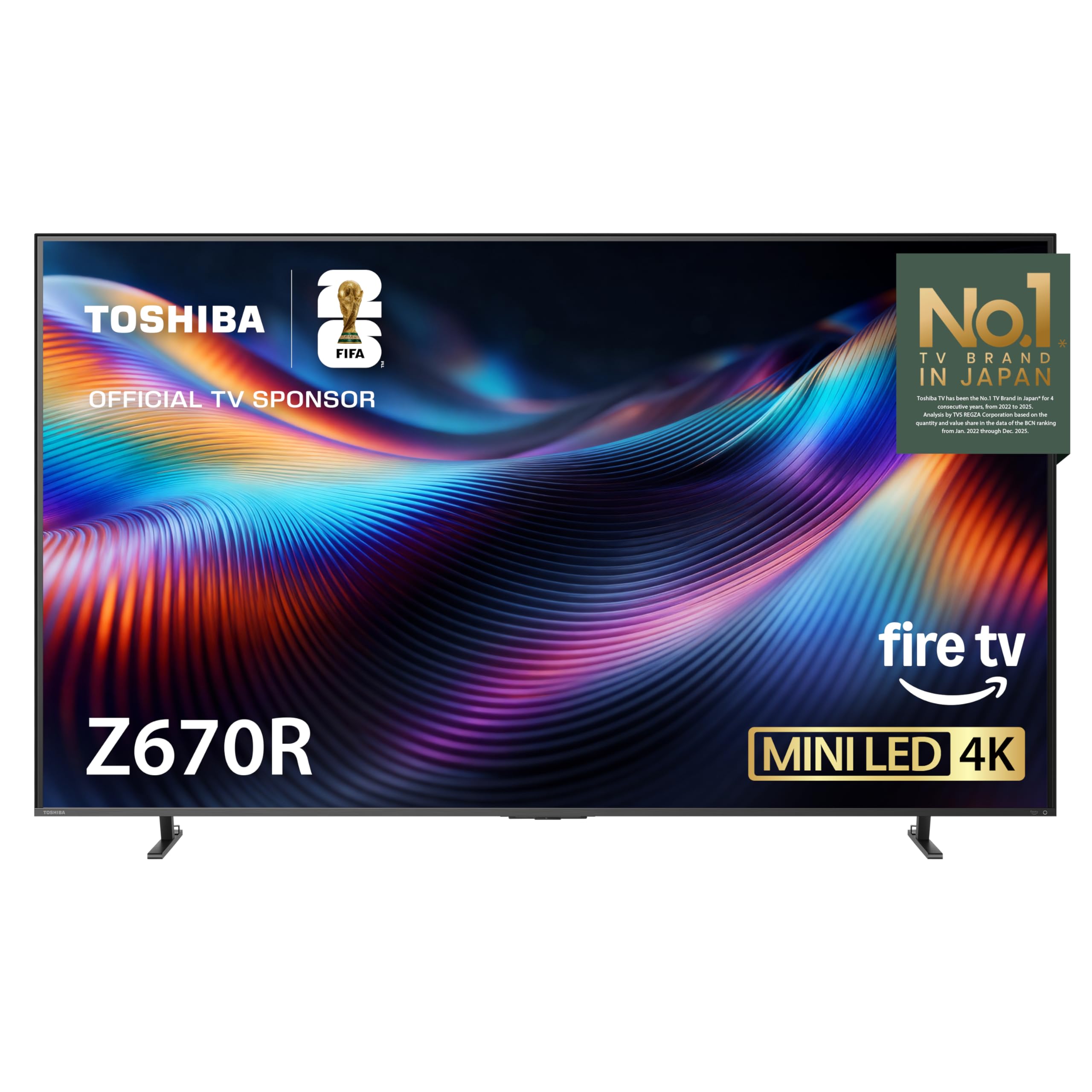
The Toshiba Z670 series delivers a 100-inch Mini-LED screen with a native 144Hz refresh rate and REGZA Engine ZRi Gen3 AI processing tuned by Toshiba’s Japanese engineers. For sports, the sheer canvas size pulls you into the arena — a 100-inch field of view makes a quarterback’s release point and the receiver’s route visible in the same frame. The Mini-LED backlight with Full Array Local Dimming provides deep blacks and bright highlights that keep the ball from disappearing into the background on sunlit fields.
The Total HDR Solution Pro supports Dolby Vision IQ and HDR10+ Adaptive, which automatically adjust the picture based on your room’s ambient lighting — critical for such a large screen that may sit in variable-light rooms. The REGZA Power Audio Pro includes a bass woofer that produces low-end rumble for crowd noise and goal celebrations, reducing the immediate need for a dedicated soundbar. Game Mode Pro with AMD FreeSync Premium and VRR 144Hz ensures smooth gameplay on the rare occasion you switch from watching sports to playing them.
The Fire TV interface is convenient for Prime subscribers but some users report the interface pushes promotions heavily, and the “Recents” button on the remote is small and easy to press accidentally. The 100-inch size requires both a large wall and a sturdy mount — this is not a casual purchase logistically. Also, its peak brightness, while good, does not reach the blistering levels of premium TCL or Hisense Mini-LED flagships.
Why it’s great
- Massive 100-inch screen creates an immersive stadium experience
- REGZA Engine ZRi AI processing tuned for natural motion
- Built-in bass woofer adds rumble for crowd noise
Good to know
- Fire TV interface can feel ad-heavy
- Size requires professional installation and a large wall
9. LG 65-Inch Class OLED evo AI Super Upscaling 4K G5 Series (OLED65G5WUA)

The LG G5 OLED evo claims a 45% brightness increase over its predecessor, positioning it as the brightest OLED evo screen for sports lovers who want OLED contrast without the dim-room restriction. The Brightness Booster Ultimate magnifies each pixel individually, resulting in stadium floodlights that feel realistic without washing out the deeper shadows on the field. The α11 AI Processor Gen2 enables AI Super Upscaling that can enhance a 720p sports feed to near-4K quality.
The Perfect Black and Perfect Color from over 8.3 million self-lit pixels ensure that team uniforms in contrasting colors retain their separation even during fast motion. The Dolby Vision and Dolby Atmos support, combined with Filmmaker Mode, give you the option to watch the game exactly as the broadcast director intended. The Wow Orchestra feature synchronizes the TV speakers with an external LG soundbar for a unified soundstage.
However, the G5 series uses a wall-mount design (included) and does not come with a tabletop stand, which could be an inconvenience for renters or those who prefer furniture placement. Some buyers have reported reliability concerns with LG’s warranty support for the G5 specifically. The 65-inch size is the sweet spot for most rooms, but the price point places it firmly in the premium tier.
Why it’s great
- 45% brighter than previous OLED evo — usable in brighter rooms
- AI Super Upscaling restores detail in low-resolution sports feeds
- Wow Orchestra pairs TV speakers with LG soundbars
Good to know
- Wall-mount only — no tabletop stand included
- Some buyers report warranty support issues
10. Sony BRAVIA 8 II 55 Inch TV, QD OLED (K-55XR80M2)

The Sony BRAVIA 8 II combines a Quantum Dot (QD) layer with an OLED panel to produce billions of accurate real-world colors — a clear advantage for sports that demand precise hue separation, like distinguishing similar team kits in a crowded frame. The XR Processor with AI technology enhances every scene in real-time, using XR Triluminos Max to expand the color volume so the orange of a basketball court and the blue of the home team’s jerseys feel equally vibrant.
For sports, the XR Clear Image feature upscales HD and digital content, restoring lost detail in the crowd and on the field — particularly noticeable on older sports archives or cable broadcasts. The IMAX Enhanced and DTS:X support, coupled with Dolby Vision and Atmos, create a cinema-level viewing experience for a tentpole sporting event. The Sony Pictures CORE app includes access to the largest IMAX Enhanced collection, offering exclusive sporting documentaries in top-tier quality.
The QD-OLED panel has a glossy finish that can reflect ambient light more than matte competitors, making it less ideal for very bright rooms without curtains. Some owners have reported audio distortion issues that required a repair dispatch, and the thinner design makes it slightly heavier to mount than the previous generation. The price point reflects the premium QD-OLED panel, so it is a long-term investment for the discerning viewer.
Why it’s great
- QD-OLED delivers the widest color volume for accurate team colors
- XR Clear Image restores detail in low-res sports broadcasts
- IMAX Enhanced and DTS:X expand cinematic potential
Good to know
- Glossy screen can be reflective in bright rooms
- Some reports of audio distortion requiring service
11. TCL 85 Inch Class QM8L Series SQD-Mini-LED QLED Smart TV (85QM8L)
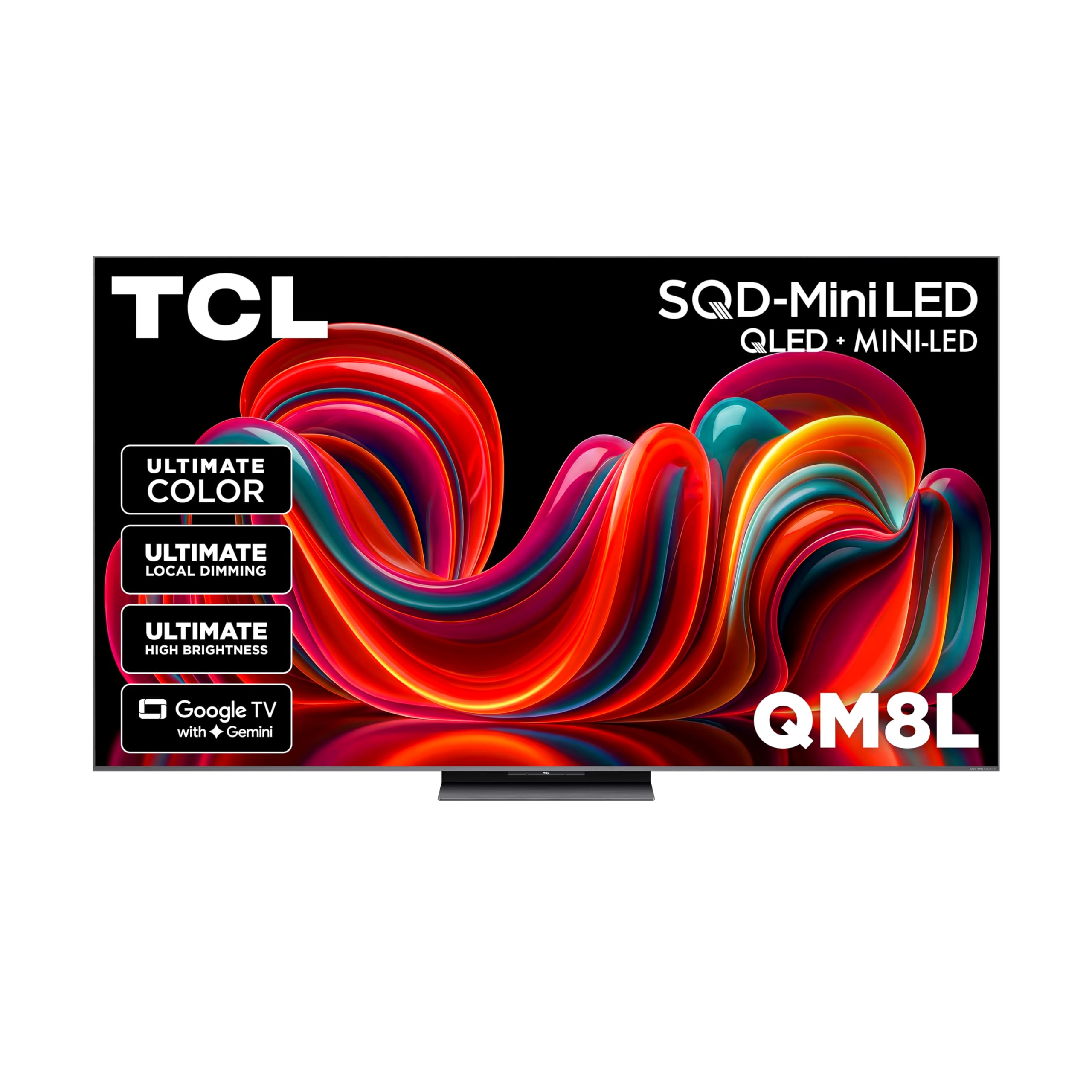
The TCL QM8L Series is the ceiling for Mini-LED brightness in this list, hitting up to 6000 nits peak luminance with more than 4000 discrete dimming zones. For sports, that raw light output means a sunlit NFL game in a bright living room retains highlight details that other TVs would blow out — the numbers on a white jersey stay legible against the sky. The SQD-Mini-LED architecture integrates the TCL Deep Color System and Halo Control System to minimize blooming around fast-moving objects.
The Audio by Bang & Olufsen system offers a genuine upgrade over typical built-in audio, with dialogue clarity for commentator voices and enough dynamic range for crowd roars. The Google Gemini Interactive AI adapts the TV’s response based on natural language queries, making it easy to switch to a sports app without grabbing the remote. The TCL Game Pack includes Game Accelerator 288 VRR, Game Bar, and AMD FreeSync Premium Pro, ensuring low latency for both watching and playing.
The price is the highest on this list, reflecting the reference-level hardware. The viewing angle technology (WHVA 2.0 ultra panel) ensures that side-seating viewers maintain color accuracy, critical for sports gatherings. However, the TV’s sheer brightness potential requires careful calibration out of the box — default settings can appear overly vivid. The interface is Google TV, which is responsive but some users note minor OS glitches on launch.
Why it’s great
- 6000 nits peak brightness makes it usable in any room lighting
- 4000+ dimming zones virtually eliminate blooming
- Bang & Olufsen audio delivers true home theater sound
Good to know
- Brightest setting requires calibration to avoid over-saturation
- Premium price places it at the top of the budget range
FAQ
Is a 120Hz or 144Hz native refresh rate necessary for watching sports?
Does my AI sports TV need a separate soundbar for game-day audio?
Can AI motion processing fix the blur on a 60Hz TV for sports?
What is the best HDR format for sports broadcasts?
Final Thoughts: The Verdict
For most users, the ai tvs for sports viewing winner is the Samsung 65″ M80H because the NQ4 AI Gen2 processor delivers excellent motion handling and HDR remastering at a mid-range price point. If you want the best brightness for a bright room, grab the Hisense 55″ U8 Series. And for the ultimate large-screen immersion, nothing beats the TCL 85″ QM8L Series.