
Our readers keep the lights on and the weekend projects moving. As an Amazon Associate, I earn from qualifying purchases.
That split-second feeling of your ankle rolling under you is enough to sideline any runner for weeks. The right pair of shoes doesn’t just cushion your stride — it actively supports the lateral and medial ankle structures that keep you stable mile after mile. Whether you’re recovering from a sprain or just want to prevent one, the key lies in a shoe’s heel lockdown, midsole geometry, and torsional rigidity.
I’m Rikta — the co-founder and writer behind FitlyFast. I’ve analyzed the midsole foam densities, heel counter stiffness, and outsole widths of the most popular stability and support running shoes on the market to help you find the pair that protects your ankles without adding unnecessary weight.
This guide breaks down the top nine contenders for the title of best ankle support running shoes, comparing how each model handles overpronation and lateral stability so you can run with confidence.
How To Choose The Best Ankle Support Running Shoes
Selecting a shoe for ankle support is different from picking a general daily trainer. You’re not just looking for plush cushioning — you need a shoe that actively resists excessive ankle motion. Here are three critical factors to consider.
Heel Counter and Collar Design
A rigid, external heel counter wraps around the back of your foot to lock the heel in place. If your heel slides even a few millimeters inside the shoe during a stride, your ankle has to work harder to stabilize, increasing injury risk. Look for shoes with a pronounced, structured heel counter and a padded collar that cradles the Achilles.
Midsole Width and Platform Geometry
A wider midsole creates a larger base of support, making it harder for your ankle to roll laterally. Combined with a slightly flared outsole at the heel and forefoot, this geometry actively resists pronation forces. Shoes with a generous platform width — often seen in stability models — give the ankle a more stable landing zone.
Foam Density and Guidance Systems
Soft foam feels great, but for ankle support you want a balance of plushness and resilience. Dual-density foams or guide rails (like Brooks’ GuideRails or ASICS’ 4D Guidance System) add medial support that helps control overpronation, indirectly reducing strain on the ankle ligaments. Heavier runners should prioritize firmer, more supportive foams to prevent the midsole from compressing unevenly.
Quick Comparison
On smaller screens, swipe sideways to see the full table.
| Model | Category | Best For | Key Spec | Amazon |
|---|---|---|---|---|
| ASICS Gel-Kayano 31 | Stability | Daily stability with medial support | 4D Guidance System | Amazon |
| Brooks Glycerin GTS 23 | Supportive Neutral | Plush ride with GuideRails support | GuideRails Holistic Support | Amazon |
| Brooks Adrenaline GTS 23 | Stability | All-around stability training | GuideRails support system | Amazon |
| Saucony Guide 18 | Stability | Lightweight stability for overpronators | Center Path Technology | Amazon |
| Saucony Hurricane 24 | Max Stability | Long-distance recovery runs | Bathtub foam guidance | Amazon |
| Mizuno Wave Inspire 21 | Stability | Shin splint prevention | Wave Plate technology | Amazon |
| ASICS Gel-Cumulus 27 | Neutral | Soft cushioned neutral daily trainer | Rearfoot PureGEL technology | Amazon |
| adidas Ultraboost 1.0 | Neutral | Stylish all-day walking and casual runs | Boost midsole energy return | Amazon |
| Hoka Bondi 9 | Max Cushion | Maximum shock absorption for pain-free walking | 33mm heel stack height | Amazon |
In‑Depth Reviews
1. ASICS Men’s Gel-Kayano 31
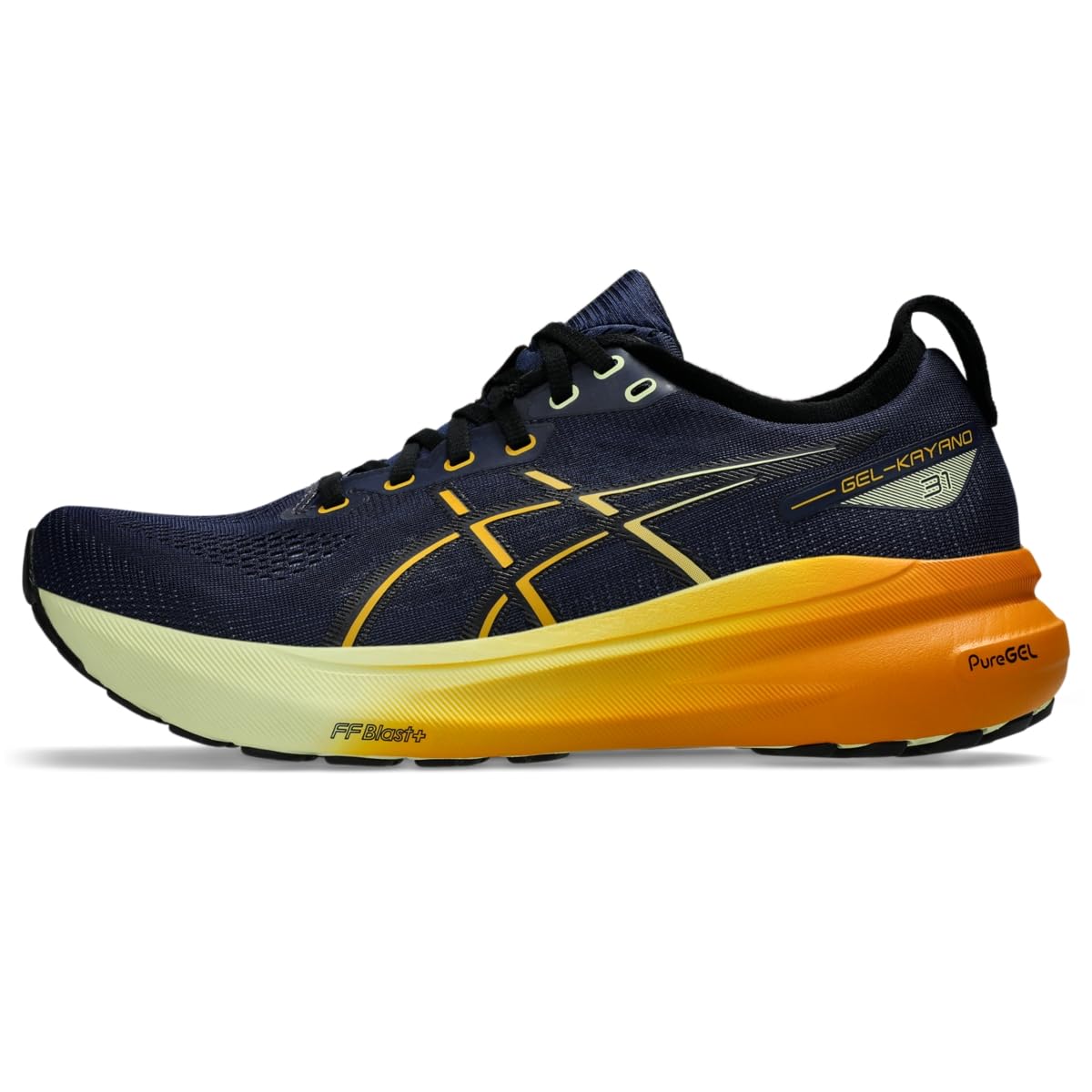
The Gel-Kayano 31 is the gold standard for stability running shoes, featuring ASICS’ latest 4D Guidance System that actively adapts to your gait. This technology combines a structured heel counter with a dual-density midsole to provide consistent medial support without feeling intrusive. The snug heel collar locks the foot in place, minimizing lateral play during each stride.
With a lightweight build of just 1.44 pounds, this shoe feels surprisingly nimble for a stability trainer. The water-resistant upper material adds durability, while the forefoot flex grooves maintain a natural toe-off motion. Users with flat feet and pronation issues report excellent arch support and knee protection over daily running volumes.
One quirk to note: the soles produce noticeable squeaking on tile and hardwood floors. Additionally, some runners find the toe box tapers slightly early, which can cause hot spots on longer runs. Overall, this is a top-tier choice for anyone who needs reliable ankle and arch support in a responsive daily trainer.
Why it’s great
- 4D Guidance System provides adaptive medial support
- Lightweight for a stability shoe at 1.44 lbs
- Water-resistant upper adds durability
Good to know
- Squeaks on smooth surfaces
- Toe box tapers early for some foot shapes
2. Brooks Women’s Glycerin GTS 23
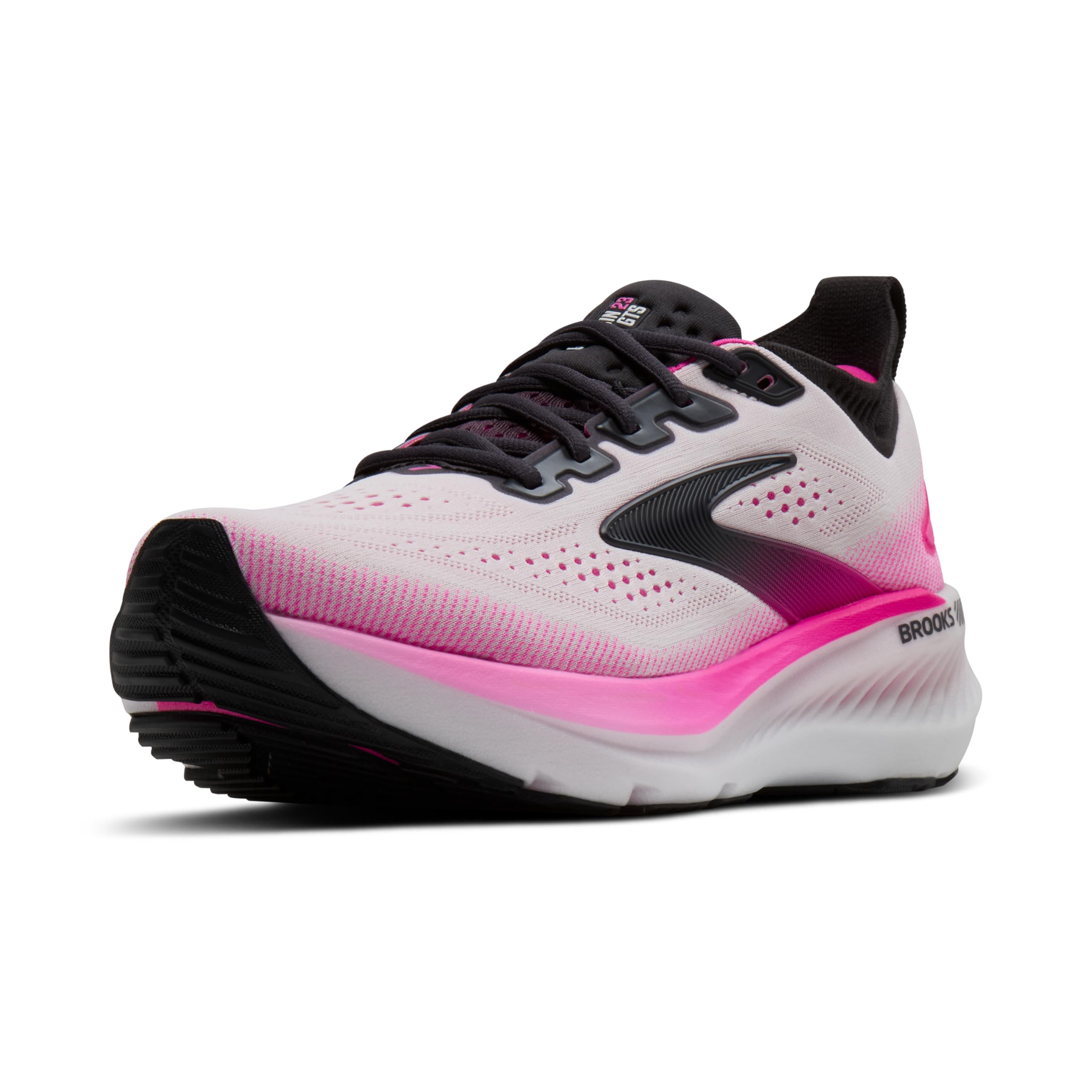
The Glycerin GTS 23 is Brooks’ plush stability shoe, combining the soft DNA LOFT v3 cushioning of the neutral Glycerin with GuideRails holistic support. This system gently realigns the foot when it drifts into overpronation, reducing strain on the ankle without rigid posts. The result is a luxuriously soft ride that still protects the lateral ankle structures.
Fit is true to size, and the wide-width option is a standout for runners with broader feet. The roomy toe box prevents blisters on longer runs, and the padded collar hugs the Achilles comfortably. Users with plantar fasciitis and knee issues have reported significant relief thanks to the balanced arch support.
On extended walking days (over 9k steps), some wearers note slight toe and heel rubbing, suggesting the shoe is optimized for standard daily training rather than all-day theme park excursions. The navy color option helps conceal dirt, but GTS color variety is less exciting than the neutral version.
Why it’s great
- Plush DNA LOFT v3 cushioning with GuideRails support
- Wide width available for broader feet
- Excellent arch and heel comfort for plantar fasciitis
Good to know
- Not ideal for ultra-long walking days
- Limited color options in GTS line
3. Brooks Men’s Adrenaline GTS 23

The Adrenaline GTS 23 is one of the most trusted stability shoes on the market, and for good reason. Its GuideRails support system uses strategically placed foam rails on the medial and lateral sides to keep excess ankle motion in check. Runners have logged 500 to 600 miles in a single pair and reported that the support holds up remarkably well over the lifespan of the shoe.
The Gore-Tex version of this model is a standout for wet-weather runners, providing full waterproofing without sacrificing breathability. The outsole grip handles snow, mud, and pavement transitions easily. At around 10 ounces, it’s light enough for tempo runs yet stable enough for long training miles.
The toe box can feel snug initially, especially compared to the Cascadia trail line, but it breaks in with wear. Some users find the mesh upper too drafty for deep winter conditions, though the waterproof variant solves this. Overall, it’s a versatile, durable stability shoe that protects the ankle in every season.
Why it’s great
- Proven GuideRails support lasts 500+ miles
- Gore-Tex option keeps feet dry in wet conditions
- Versatile for road, trail, and gym use
Good to know
- Toe box initially tight before break-in
- Mesh upper feels drafty in freezing temps
4. Saucony Men’s Guide 18
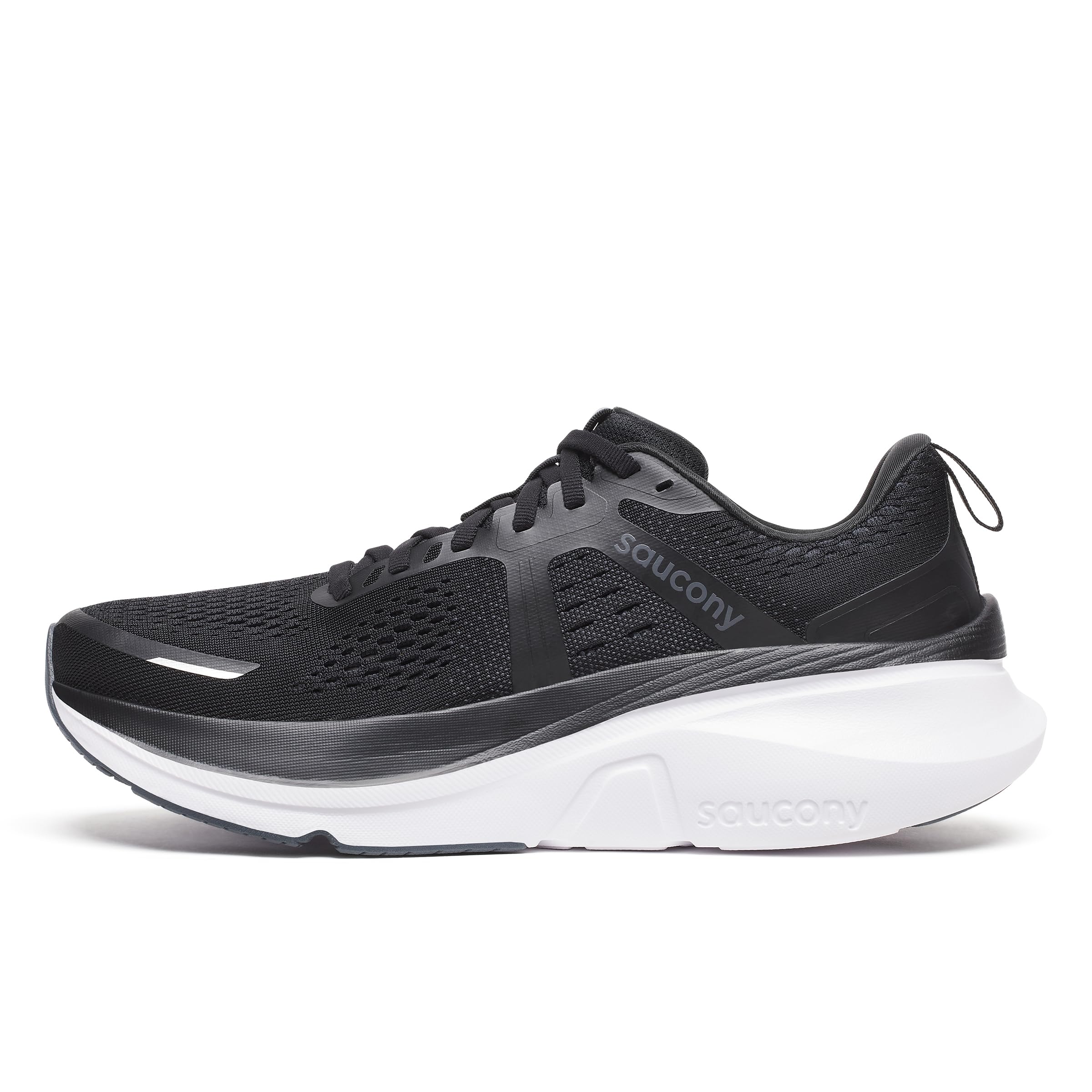
The Saucony Guide 18 is engineered with Center Path Technology, a system that uses a medial post and a wider platform to guide the foot into a neutral stride. This makes it one of the lightest stability shoes available, appealing to runners who want support without the heavy feel of traditional motion-control trainers. The PWRRUN midsole delivers a balanced ride that’s neither too soft nor too firm.
Long-time Saucony users note that the Guide 18 feels narrower than earlier versions like the Guide 14 and 15, with a smaller toe box that may require going up half a size. The heel drop is slightly lower than the sole, meaning a brief break-in period is needed for a natural transition. Once broken in, the shoe eliminates the chronic rear inside heel scuff associated with overpronation.
The upper is notably breathable and the outsole provides solid grip on dry pavement. However, the light-colored midsole shows dirt quickly, and the shoe lacks a hard plastic anti-flex insert found in past models, which some stability purists may miss.
Why it’s great
- Lightweight stability with Center Path Technology
- Eliminates overpronation scuff pattern
- Breathable upper and good traction
Good to know
- Narrower toe box than previous versions
- Midsole shows dirt quickly
5. Saucony Men’s Hurricane 24
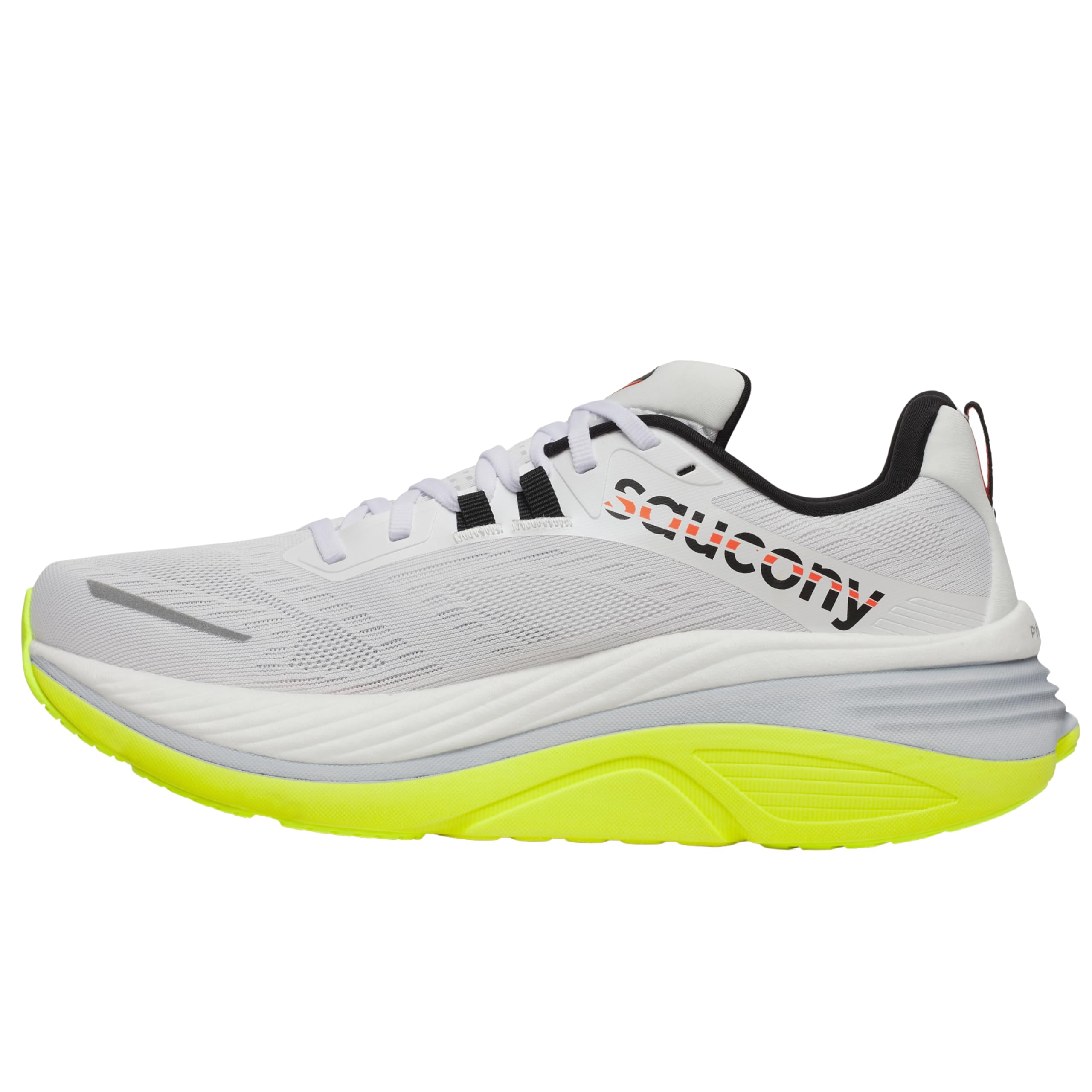
The Hurricane 24 is Saucony’s max stability model, built specifically for long-distance and recovery runs. Its bathtub-shaped foam design cradles the foot from the medial and lateral sides, providing non-intrusive guidance that keeps the ankle aligned without aggressive posting. The PWRRUN PB foam is soft yet resilient, handling 20+ mile sessions and two-hour zone 2 runs with ease.
At 2.25 pounds, this is a heavier shoe, so it’s not built for speed work or 5K PR attempts. The trade-off is exceptional durability — many runners report getting a full year of consistent use before the midsole loses its resilience. For runners with patellar tendonitis or flat feet who need a stable platform for long hours on their feet, the Hurricane delivers.
Construction consistency is a known variable: a pair made in Vietnam may feel narrower and more comfortable, while a pair made in China may feel wider and firmer. Trying on multiple pairs or ordering from a retailer with a good return policy is recommended. The design aesthetic leans toward conservative, but the performance is undeniable for distance training.
Why it’s great
- Bathtub foam offers excellent long-distance stability
- Extremely durable — lasts a year of heavy use
- Cushioned but not marshmallowy for knee protection
Good to know
- Heavy — not for speed workouts
- Inconsistent fit depending on manufacturing origin
6. Mizuno Men’s Wave Inspire 21
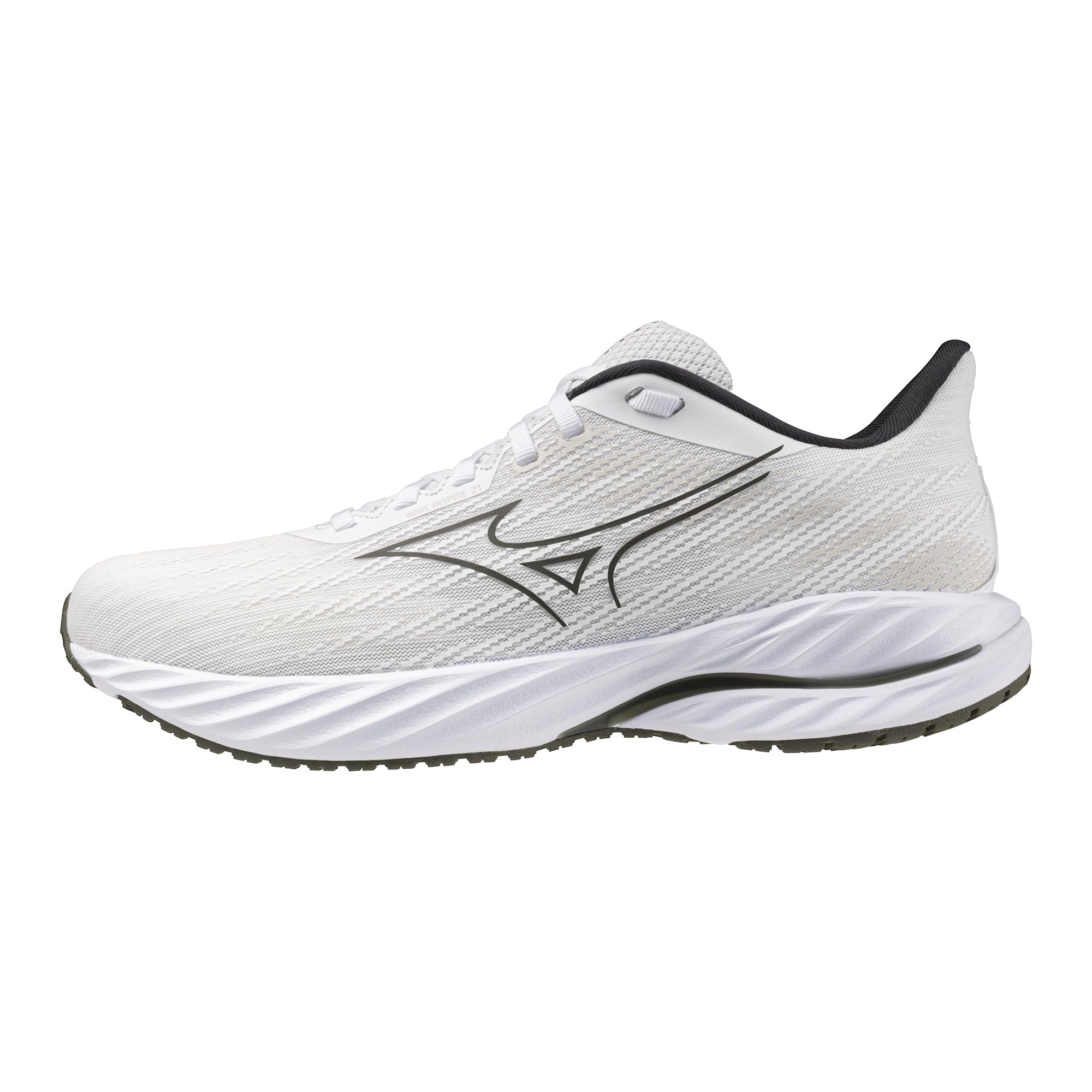
The Wave Inspire 21 continues Mizuno’s reputation for making supportive running shoes that last. Its signature Wave Plate disperses impact forces while adding a controlled amount of medial support. Runners who have dealt with shin splints for decades report that this is the only shoe that consistently prevents flare-ups, thanks to its balanced combination of cushioning and pronation control.
This is the 21st iteration of the model, and longtime fans say it’s the best version yet. The upper fits true to size with a secure heel lock, and the outsole rubber shows minimal wear even after 200 miles. At 15 to 20 miles per week, these shoes feel like a stable workhorse — cushioned without being overly soft, and supportive without being intrusive.
The main knock against the Wave Inspire is that it’s not the most exciting shoe visually or in terms of foam feel compared to modern PEBA-based trainers. But if you value consistency and reliability over the latest trends, this shoe delivers mile after mile. A good choice for runners who prioritize stability above all else.
Why it’s great
- Wave Plate technology controls pronation effectively
- Proven shin split prevention for long-time users
- Durable outsole with minimal wear after high mileage
Good to know
- Not the most modern foam feel
- Conservative styling
7. ASICS Men’s Gel-Cumulus 27
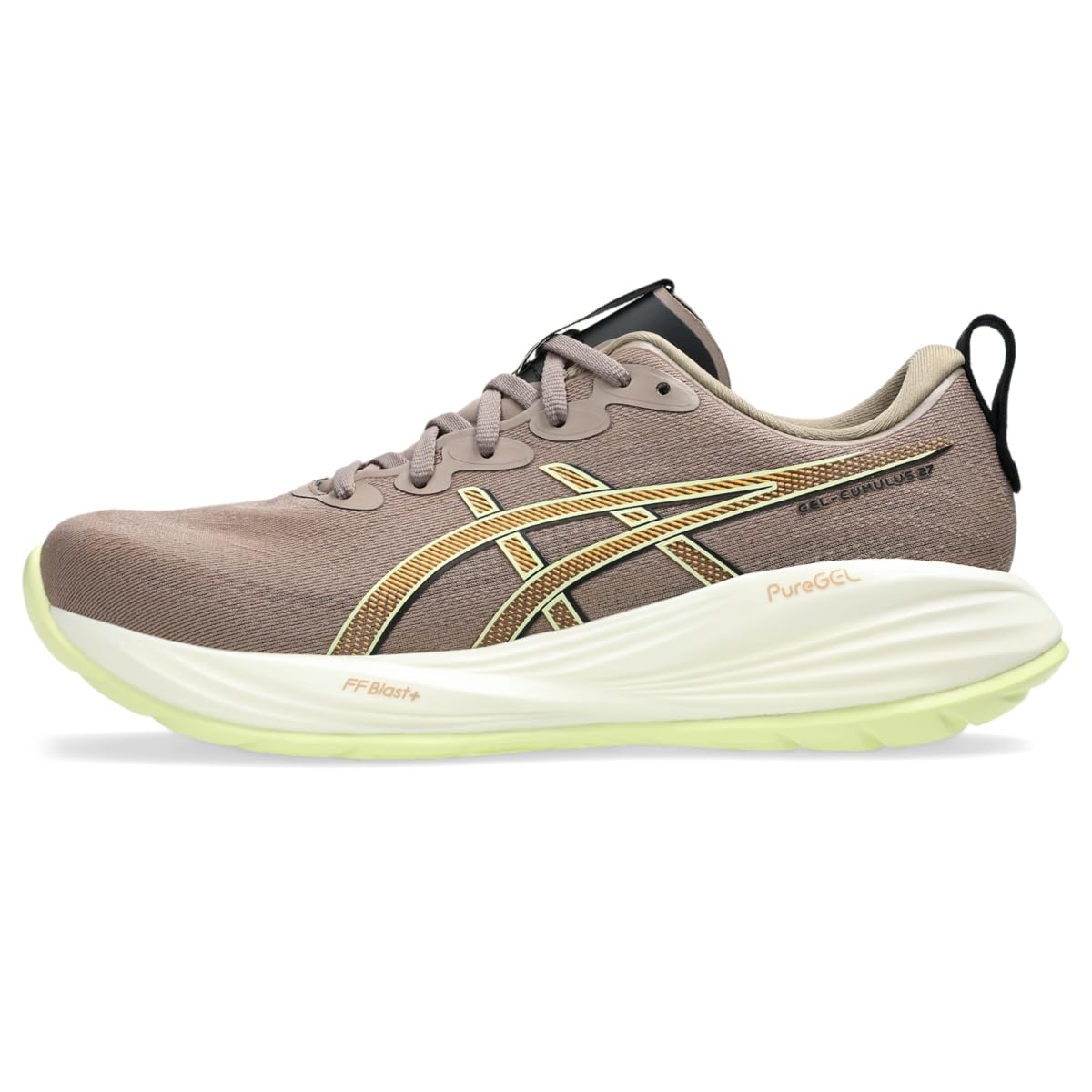
The Gel-Cumulus 27 is ASICS’ neutral daily trainer, but its soft-yet-supportive ride makes it a solid option for runners with mild ankle stability needs who don’t require aggressive medial posting. The Rearfoot PureGEL technology provides excellent shock absorption, which indirectly reduces the load on ankle ligaments during heel strike. The breathable mesh upper and true-to-size fit make it a comfortable choice for both running and walking.
Lightweight and responsive, the Cumulus 27 feels more agile than its cushioning level suggests. The toe box offers a slightly roomier fit than previous versions, which helps prevent toe mashing on long runs. The outsole is durable, and the shoe holds up well to daily training without significant midsole compression.
Runners who pronate heavily will find the neutral platform insufficient — this shoe doesn’t actively guide the foot. But for neutral runners or those recovering from minor ankle sprains who want a well-cushioned, stable-neutral shoe, the Cumulus 27 is a strong mid-range pick that won’t break your budget.
Why it’s great
- Excellent PureGEL shock absorption for joint protection
- Lightweight and breathable for daily training
- True-to-size fit with roomier toe box
Good to know
- Neutral platform — limited active ankle support
- Not suitable for heavy overpronators
8. adidas Men’s Ultraboost 1.0
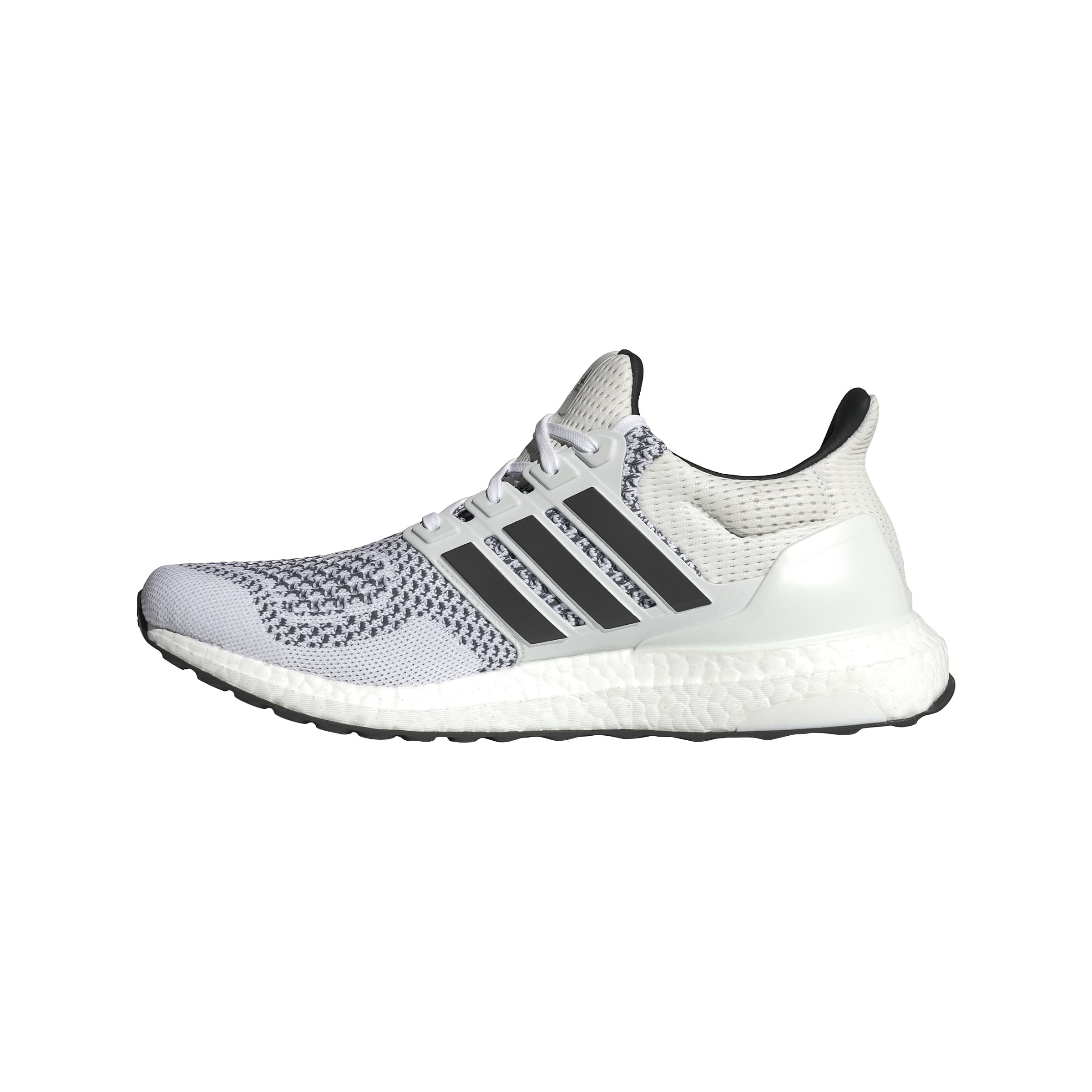
The adidas Ultraboost 1.0 remains a lifestyle favorite, but it has notable ankle support limitations for serious runners. Its Boost midsole returns a massive amount of energy on every stride, making it incredibly comfortable for walking and casual jogging. The Primeknit upper stretches to accommodate the foot, but this very flexibility means the heel and midfoot lack the rigid lockdown that ankle-support seekers need.
Many users praise the Ultraboost for all-day comfort during travel and casual wear, and the Continental rubber outsole provides excellent traction. However, the heel counter is relatively soft and lacks the external structure of dedicated stability shoes. This makes the shoe feel unstable during faster running or on uneven surfaces.
Fit runs smaller than other adidas models like the NMD, so going up half a size is often necessary. The shoe’s narrow platform also doesn’t offer the wide base that helps prevent ankle rolling. If you prioritize style and walking comfort above ankle support, the Ultraboost is a solid casual option, but it’s not a true performance ankle support shoe.
Why it’s great
- Exceptional energy return from Boost foam
- Stylish design works for casual and gym wear
- Continental rubber outsole is grippy and durable
Good to know
- Soft heel counter lacks ankle lockdown
- Narrow platform reduces lateral stability
- Runs small — size up recommended
9. Hoka Men’s Bondi 9

The Hoka Bondi 9 is the king of max cushion, with a 33mm heel stack height that provides the most shock absorption on this list. For runners and walkers dealing with bone-on-bone joint pain, hammertoe, or plantar fasciitis, this shoe can be a literal game-changer. The wide base and meta-rocker geometry help guide the foot through a smooth stride, reducing the need for the ankle to compensate for uneven impact.
Multiple users report that the Bondi 9 completely eliminated hammertoe pain during 5K walks and resolved plantar fasciitis within three months when combined with exercises. The foam feels like walking on pillows, and the lightweight construction defies its bulky appearance. Switching to wool socks is recommended to avoid heel rubbing after the 2.5-mile mark.
Premium price aside, the Bondi 9 is a specialized tool for pain management. It is not designed for speed, agility, or technical terrain — the high stack height can feel unstable on uneven ground. For pure road running and walking where maximum cushion is the priority, it’s the best choice, but it lacks the active ankle support features of a true stability shoe.
Why it’s great
- Maximum 33mm stack height for unparalleled shock absorption
- Effective pain relief for plantar fasciitis and hammertoe
- Lightweight for its massive cushioning
Good to know
- High stack feels unstable on uneven terrain
- Premium cost reflects specialized design
- Wool socks recommended to avoid heel rub
FAQ
Do I need stability shoes or ankle braces for running?
What is the difference between a heel counter and a heel collar?
Can neutral cushioning shoes provide ankle support?
Final Thoughts: The Verdict
For most users, the best ankle support running shoes winner is the ASICS Gel-Kayano 31 because it offers the most comprehensive blend of adaptive medial support, lightweight build, and reliable heel lockdown for daily training. If you want a plush ride with subtle support, grab the Brooks Glycerin GTS 23. And for long-distance recovery runs where max stability is non-negotiable, nothing beats the Saucony Hurricane 24.