
Our readers keep the lights on and the weekend projects moving. As an Amazon Associate, I earn from qualifying purchases.
Alpine climbing pants are the single most critical piece of gear between you and the mountain. They must block wind, shed snow, move with a high step, and survive granite abrasion without overheating you on the ascent or leaving you shivering on a belay ledge. Buying the wrong pair means fighting your clothing every pitch.
I’m Rikta — the co-founder and writer behind FitlyFast. For this guide, I analyzed over 200 customer reviews, cross-referenced fabric specs, and mapped every feature to the real demands of alpine terrain to separate the performance tiers that actually matter.
After months of market analysis, the alpine climbing pants that consistently outperform the field balance stretch, insulation, pocket layout, and bombproof construction for the vertical mile.
How To Choose The Best Alpine Climbing Pants
Selecting alpine-specific trousers requires prioritizing durability and breathability over pure waterproofing. You’ll spend hours in a harness, scrambling on loose rock, and transitioning between high-output movement and static belay positions. The wrong fabric weight or pocket layout creates friction on every pitch.
Fabric: Softshell vs. Heavyduty Stretch vs. Woven Nylon
High-end alpine pants use either a woven nylon softshell with a PFC-free DWR or a reinforced blend like schoeller fabric. The material must breathe enough to dump heat during kick-stepping, yet resist wind and light precipitation. A 4-way mechanical stretch is non-negotiable for high steps and stemming moves.
Cut and Articulation
An athletic or fitted cut prevents fabric from catching under your harness leg loops. Pre-shaped knees and a gusseted crotch allow unrestricted hip rotation on steep terrain. Check the inseam length carefully — many premium models run long to accommodate boots, which can bunch if worn with approach shoes.
Pockets and Harness Compatibility
Front hand pockets must sit above the hip belt or harness waistband. Zippered thigh pockets are ideal for a phone or route card. Look for rear or seat pockets that remain accessible when you rack gear. Boot hooks, adjustable snap-button hems, and integrated belt adjustment are functional details that separate technical pants from hiking trousers.
Quick Comparison
On smaller screens, swipe sideways to see the full table.
| Model | Category | Best For | Key Spec | Amazon |
|---|---|---|---|---|
| Mammut Courmayeur SO | Softshell | Technical alpine & ice | schoeller stretch nylon, 2 harness pockets | Amazon |
| Fjällräven Keb | Hybrid Stretch | Extended backcountry treks | G-1000 stretch panels, 34″ inseam | Amazon |
| First Lite 308 Pant | Lightweight Stretch | Fast-paced alpine missions | DWR finish, hip vents, 9.5 oz | Amazon |
| Mountain Hardwear Stretch Ozonic | Waterproof | Wet alpine conditions | Dry.Q membrane, 2-layer, 9.6 oz | Amazon |
| Marmot Scree Pants | Trail Softshell | General alpine & hiking | zippered ankles, DWR, stretch woven | Amazon |
| Fjällraven Vidda Pro Ventilated | Heavy Duty | Bushcraft & rugged terrain | G-1000, full leg vents, axe loop | Amazon |
| SITKA Timberline Pant | Insulated Softshell | Cold weather & glassing | built-in knee pads, waterproof seat | Amazon |
| KUIU Guide Pro Pant | Windproof Softshell | Cold wind & early morning glassing | full side zips, ~17 oz, windproof | Amazon |
| Mammut Runbold Zip-Off | Convertible | Variable weather transitions | zip-off legs, lightweight woven | Amazon |
In‑Depth Reviews
1. Mammut Courmayeur SO Pants

The Mammut Courmayeur SO is engineered for the vertical world. It uses schoeller stretch nylon in a highly breathable, wind-repellent softshell with PFC-free DWR. The reinforcement panels at the seat, knees, and lower legs are noticeably denser, handling rock abrasion that would shred lighter hiking trousers.
The waistband adjusts externally with a wide elastic system, eliminating the need for a belt under a harness. Four zippered pockets — two front, one thigh, one seat — are all positioned to remain accessible when you rack gear. The asymmetrical hem snaps over mountaineering boots securely, and the leg width adjusts with snap buttons.
Customer feedback consistently praises the fit and durability for multi-day alpine traverses. The material breathes well during high-output sections while blocking cold wind on exposed ridges. If you want a single pair of pants that transitions from ice climbing to mixed terrain to belay ledge, this is the most complete design available.
Why it’s great
- schoeller stretch is robust yet moves freely
- external waist adjustment works cleanly with a harness
- boot-friendly hem with snap-button adjustment
Good to know
- fitted cut may feel restrictive for larger thighs
- no full-length side zips for ventilation
2. Fjällräven Keb Men’s Trekking Trousers
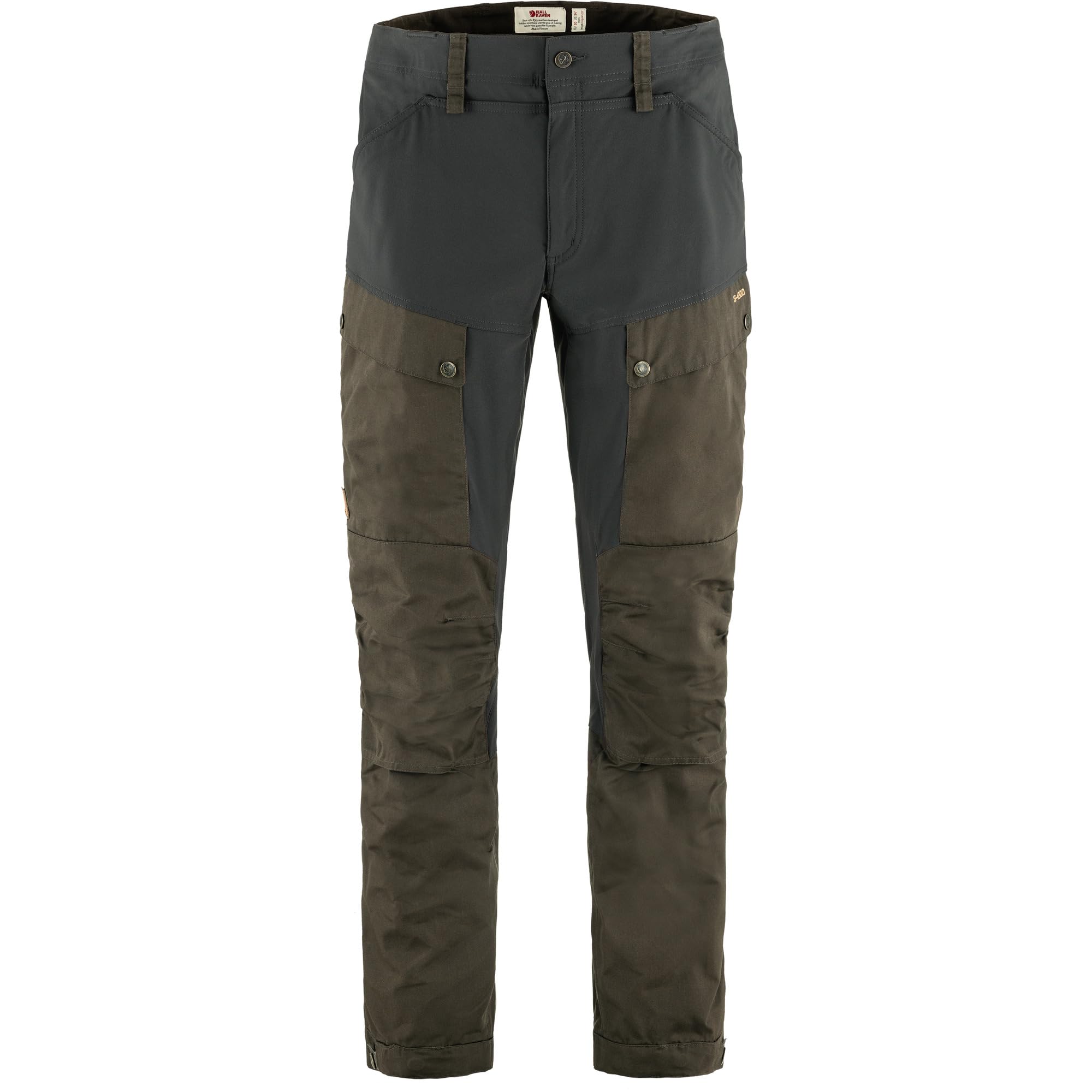
The Keb is Fjällräven’s most technical climbing trouser, blending their durable G-1000 fabric with stretch panels at the knees and crotch. The hybrid construction offers weather resistance where you need it most — the seat and lower legs — while allowing free movement for high steps and stemming.
Ventilation zippers run the full length of each side, making it easy to dump heat on a sunny approach. The pockets are harness-compatible and include a knife pocket on the right leg. Boot hooks at the hem lock the pants over mountaineering boots during snow travel or scree glissades.
Reviews highlight the build quality and the ability to wax the G-1000 sections for increased water repellency. The 34-inch inseam in the regular fit runs long, so shorter climbers should try them on before buying. This is a lifetime pant for anyone who spends extended seasons in the alpine.
Why it’s great
- G-1000 is highly durable and waxable for added weather resistance
- side zippers allow rapid venting on warm sections
- boot hooks are secure for alpine descents
Good to know
- regular fit translates to a long 34-inch inseam
- G-1000 fabric is stiff until broken in
3. First Lite Men’s 308 Pant
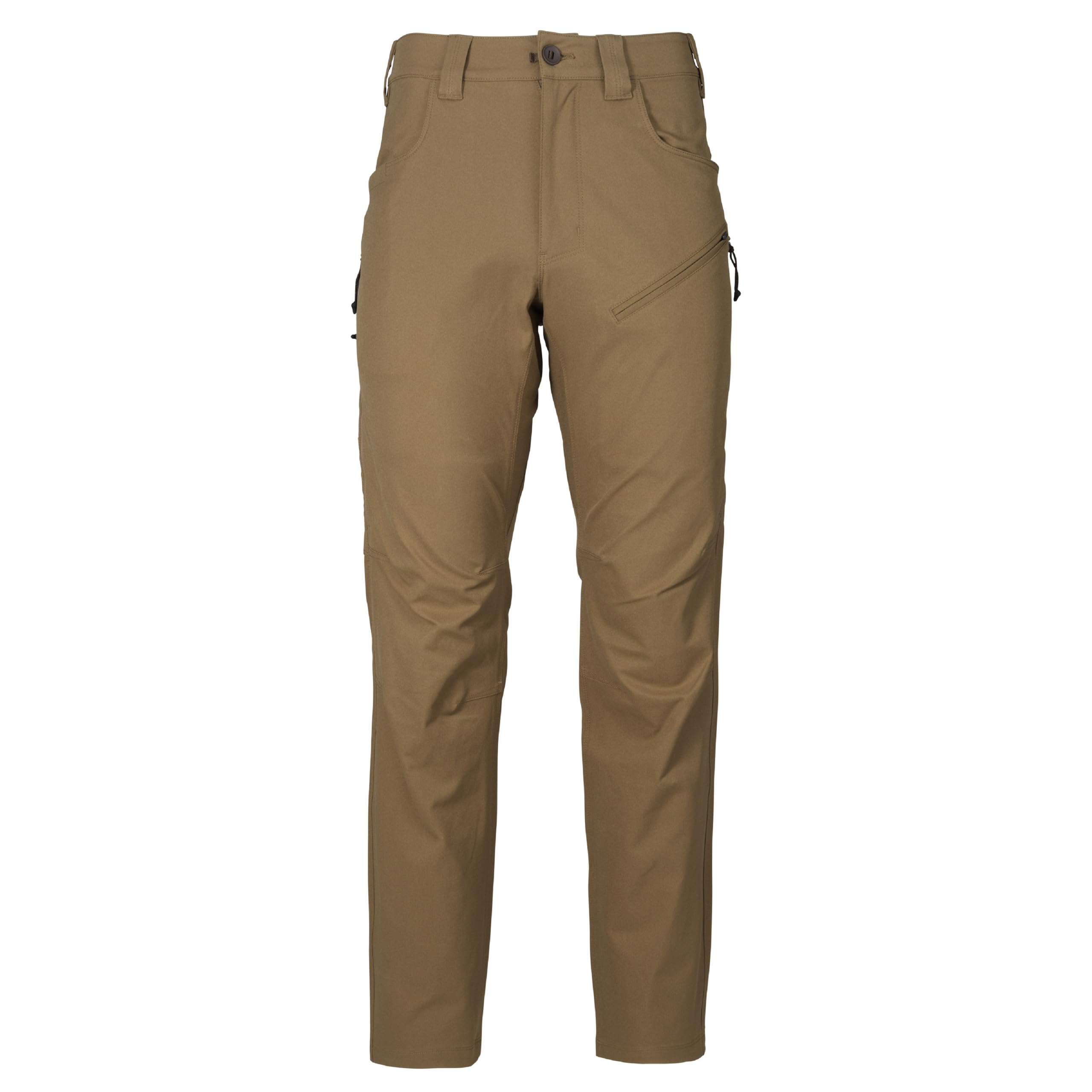
The First Lite 308 Pant is a lightweight stretch softshell built for high-output alpine missions where every gram counts. The DWR finish sheds light snow and morning dew, while the hip vents provide targeted airflow when the pace heats up on a steep talus traverse.
The fabric has a subtle mechanical stretch that feels natural during scrambling and technical steps. The cut is athletic without being restrictive, and the waist fits true to size. The brushed inner face adds a touch of warmth without bulk, making it a solid choice for three-season alpine climbing.
Reviews note the pants hold up well against dense brush and pack nicely for rope-solo approaches. The trade-off is that the fabric will soak through in sustained rain. For fast-and-light alpine objectives where weather windows are tight, these are a smart weight-saving option.
Why it’s great
- hip vents are effective for dumping heat on the ascent
- DWR finish handles light precipitation well
- lightweight enough for packable alpine kit
Good to know
- not weatherproof in sustained rain
- seat may feel constricting for larger body types
4. Mountain Hardwear Men’s Stretch Ozonic Pants
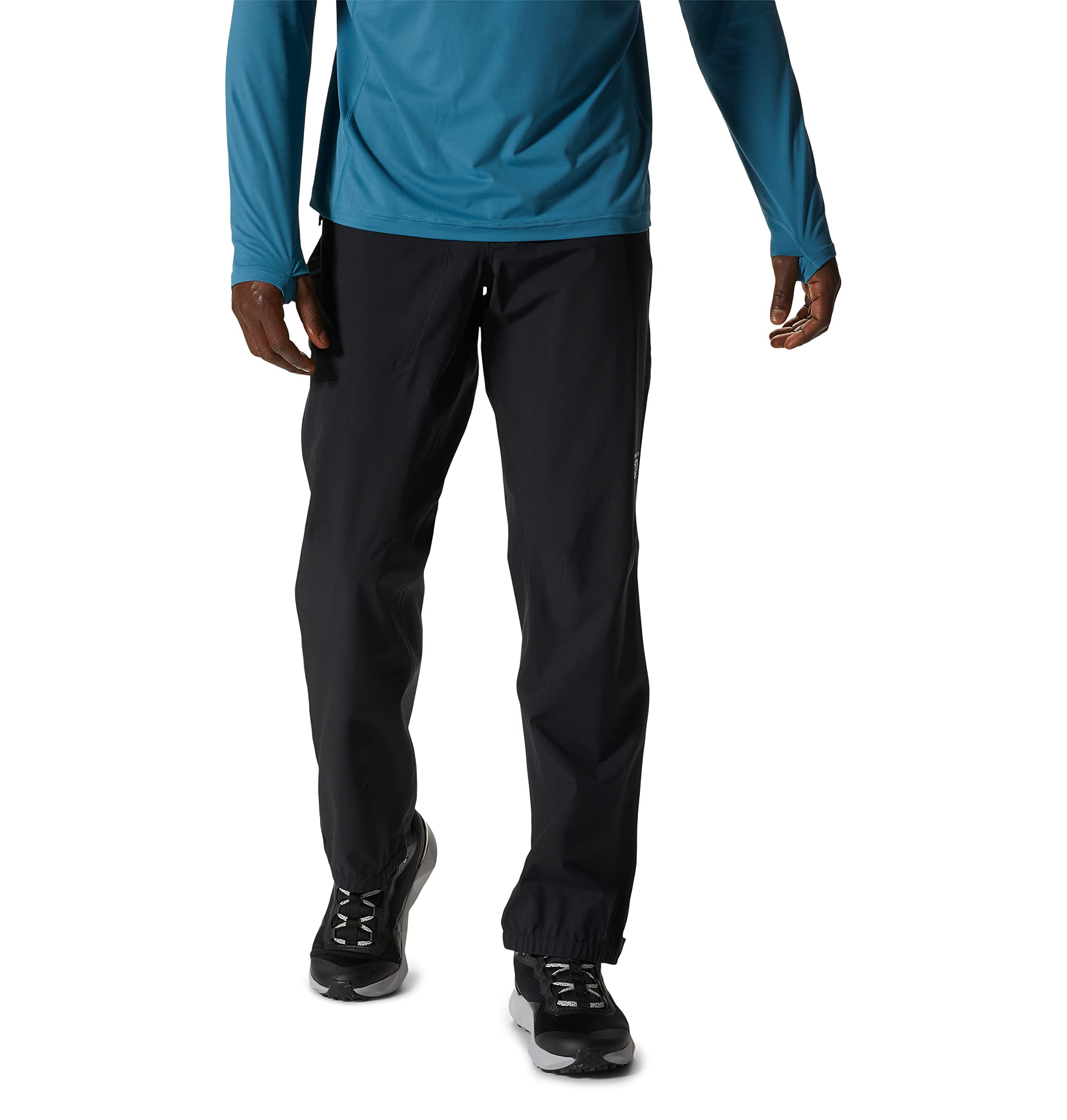
The Stretch Ozonic is a lightweight waterproof pant that breathes better than most in its category. The Dry.Q membrane and 2-layer construction keep you dry during wet alpine approaches and glacier crossings while the stretch woven face fabric allows reasonable freedom of movement.
At just 9.6 ounces, these pants pack down small enough to stash in a summit pack for belay wear or a sudden squall. The integrated elastic waist with a drawcord keeps things simple under a harness. Reviews from Iceland trips confirm the pants handle ice climbing, waterfall spray, and wet hiking without saturation.
The main limitation is pocket space — there is only one zippered thigh pocket. Taking them on and off quickly takes practice, especially with boots on. For wet alpine conditions where a softshell will wet out, these are a superior dedicated shell layer.
Why it’s great
- Dry.Q membrane offers reliable wet-weather protection
- packable at 9.6 oz for emergency summit layers
- stretch face fabric moves better than stiff rain pants
Good to know
- only one zippered hip pocket limits storage
- requires practice to pull on quickly over boots
5. Marmot Scree Pants
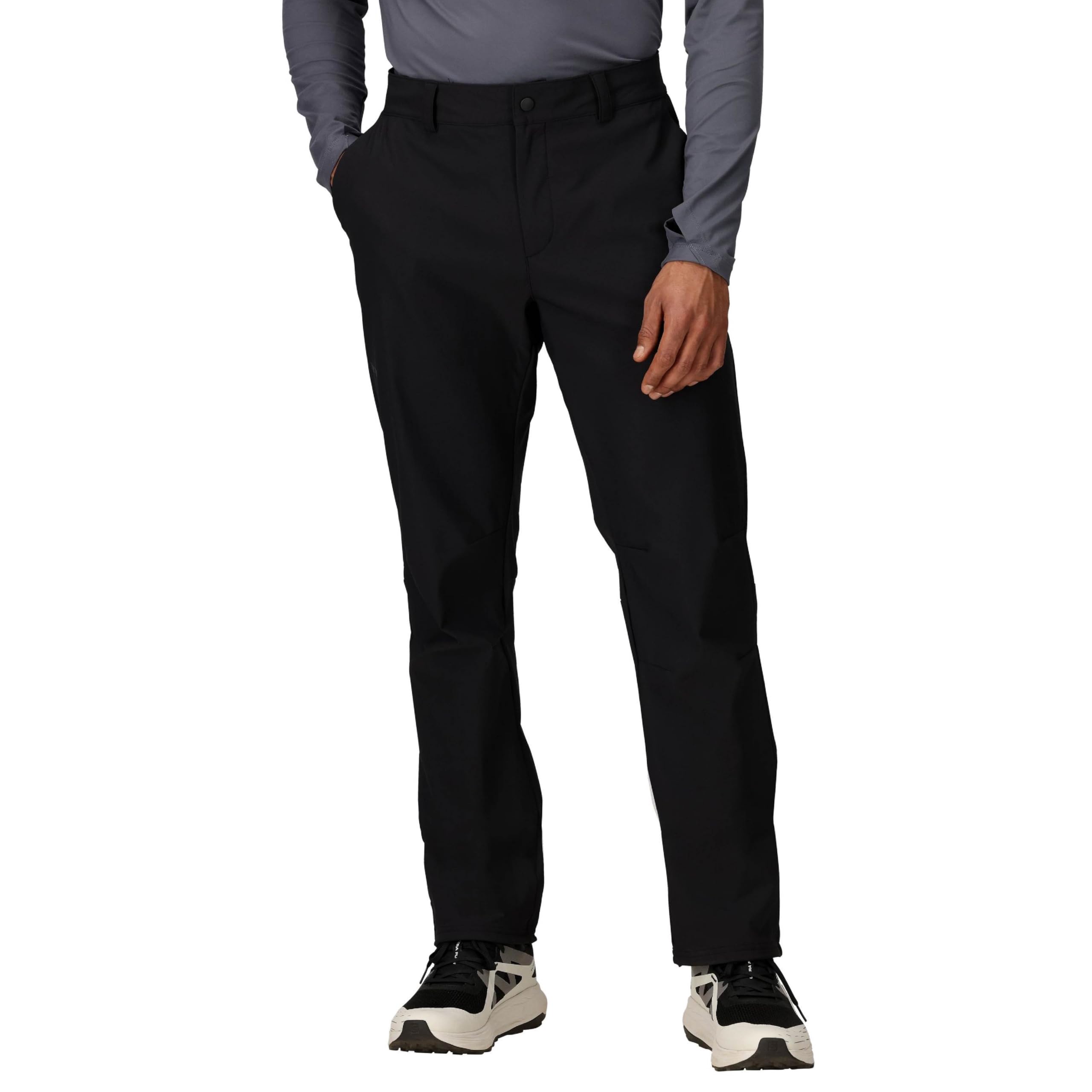
The Marmot Scree Pants are a proven stretch-woven softshell that balances alpine performance with everyday comfort. The DWR finish sheds light moisture on morning approaches, and the zippered ankles make them easy to pull on over mid-height boots without removing crampons.
The fabric is breathable and fast-drying, making them comfortable during high-output hiking and scrambling. The hand pockets sit at a useful height, and the overall cut is athletic without feeling restrictive. Multiple reviewers note buying a second and third pair, which signals true field reliability.
The main limitation is that the DWR wears off after several washes, reducing water resistance. These are not intended for sustained wet conditions but shine in dry alpine environments and mixed rock-and-snow terrain. For a do-everything pant that also looks good in town, the Scree is a versatile workhorse.
Why it’s great
- zippered ankles fit easily over boots and crampons
- breathable and fast-drying for high-output movement
- durable construction holds up to repeated use
Good to know
- DWR diminishes after multiple washes
- not a rain pant for sustained wet weather
6. Fjallraven Vidda Pro Ventilated
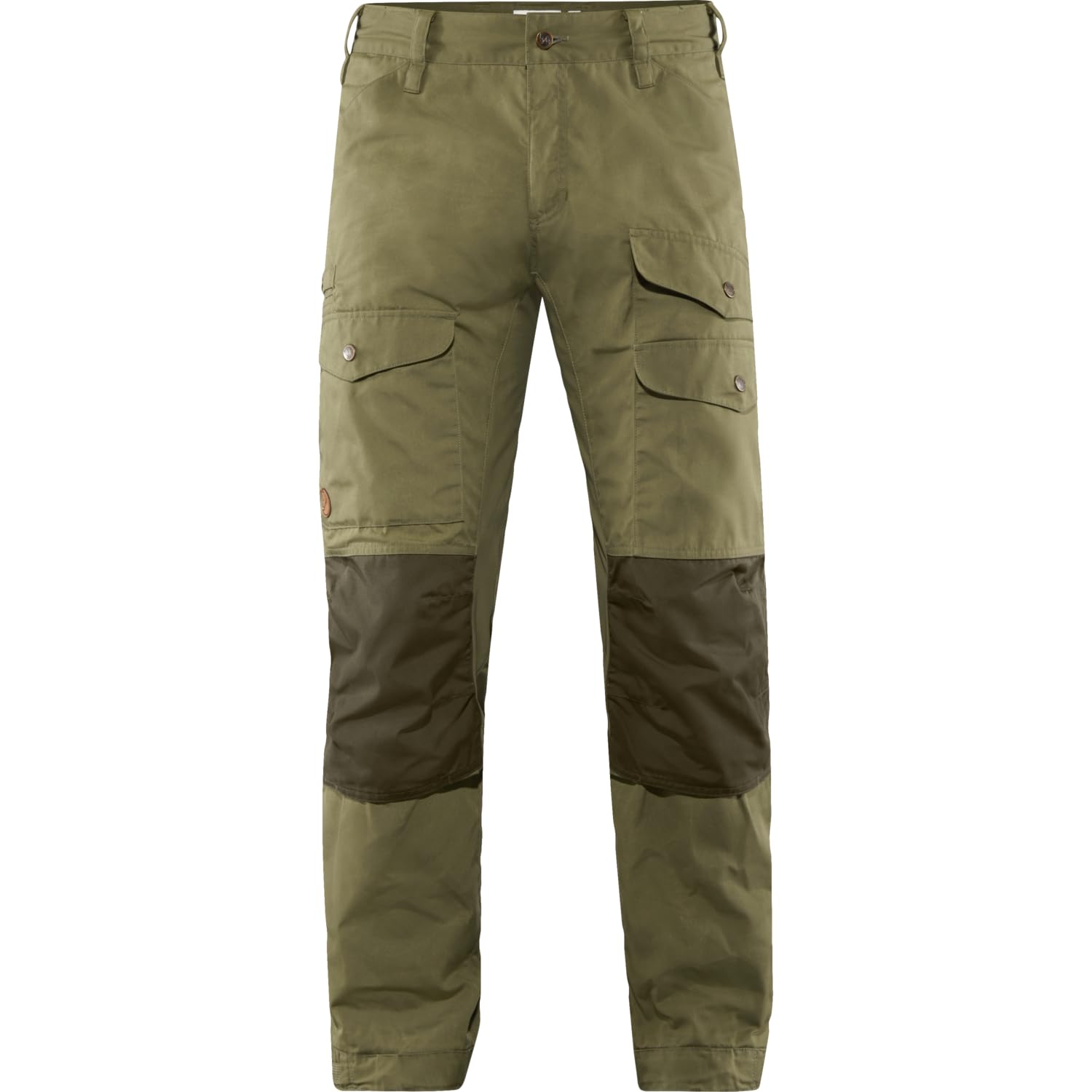
The Vidda Pro Ventilated is a heavyweight G-1000 trekking trouser designed for hard use in rugged alpine environments. The ventilated version adds full-length side zippers from hip to knee, allowing you to dump heat on long approaches without removing the pants.
Reinforced knees and a seat area capable of handling glacier travel and bushwhacking make these nearly indestructible. The waxable fabric gives you the option to dial up water resistance for wet conditions. Features like an axe loop, knife pocket, and boot hooks show the heritage design focus.
Reviews note the fabric runs stiff and hot for aggressive uphill movement, and the waist runs small compared to other brands. The G-1000 is best suited for climbing approaches and base-camp use rather than all-day technical climbing. For cold-weather alpine work and load hauling, these are a durable companion.
Why it’s great
- waxable G-1000 provides customizable water resistance
- full leg vents are excellent for temperature regulation
- reinforced knees and seat handle heavy abrasion
Good to know
- runs warm and stiff for high-output climbing
- waist sizing runs small for some body types
7. SITKA Gear Men’s Timberline Pant
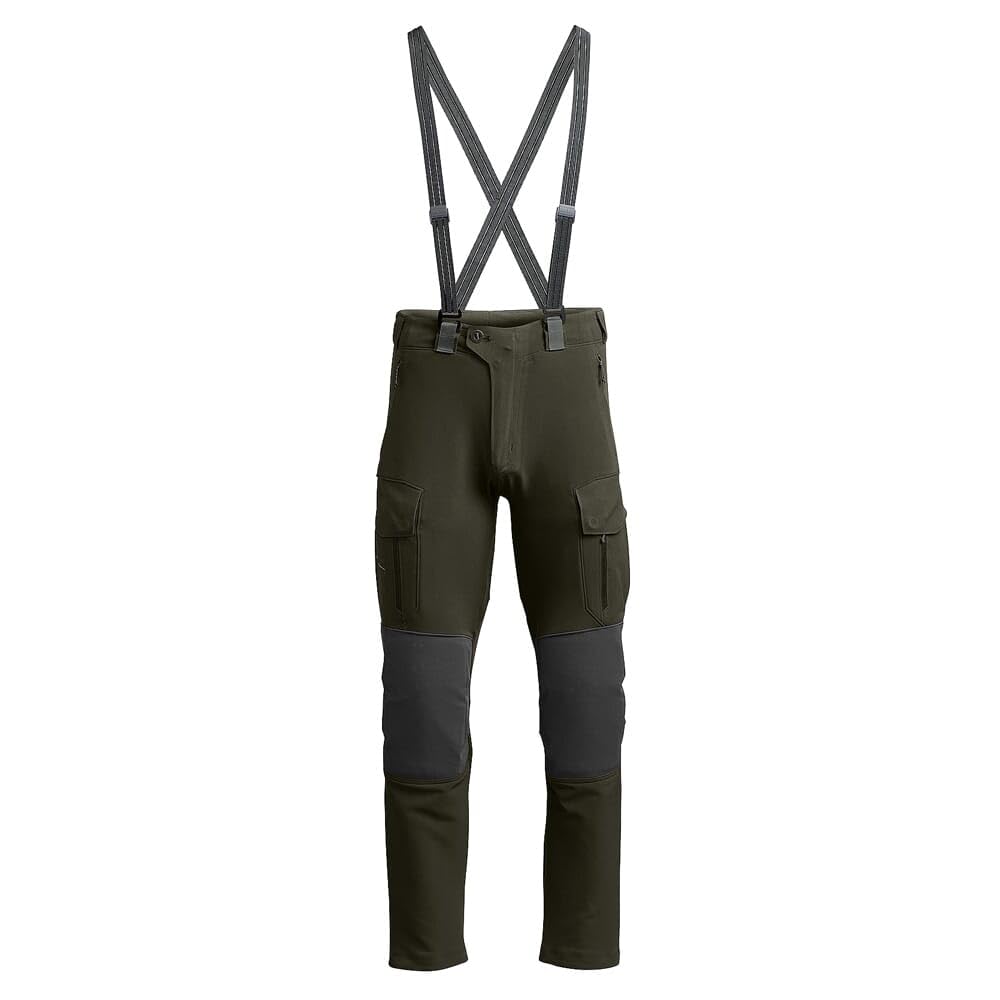
The SITKA Timberline Pant is built for cold alpine glassing and long sits on exposed ridges. It features integrated knee pads and a waterproof seat panel, which let you kneel on wet granite or snow for extended periods without discomfort. The softshell fabric is windproof to the point of blocking 40-MPH gusts.
The suspenders included with the pants distribute pack weight evenly across the shoulders, reducing pressure points when you’re wearing a heavy alpine pack. The cut allows room for base layers and mid-layers underneath without restricting movement. The fabric is quiet and does not crinkle during movement.
Reviews report that the pants keep you warm during cold spring hunts and early-season alpine approaches. The trade-off is weight and packability — these are not for fast-and-light missions. They excel when you need to stay static in windy conditions and want built-in knee protection for scrambling.
Why it’s great
- integrated knee pads are great for kneeling and scrambling
- waterproof seat keeps you dry on wet rock or snow
- windproof fabric is effective in exposed alpine conditions
Good to know
- heavier and less packable than alpine softshells
- not fully waterproof in heavy precipitation
8. KUIU Guide Pro Pant
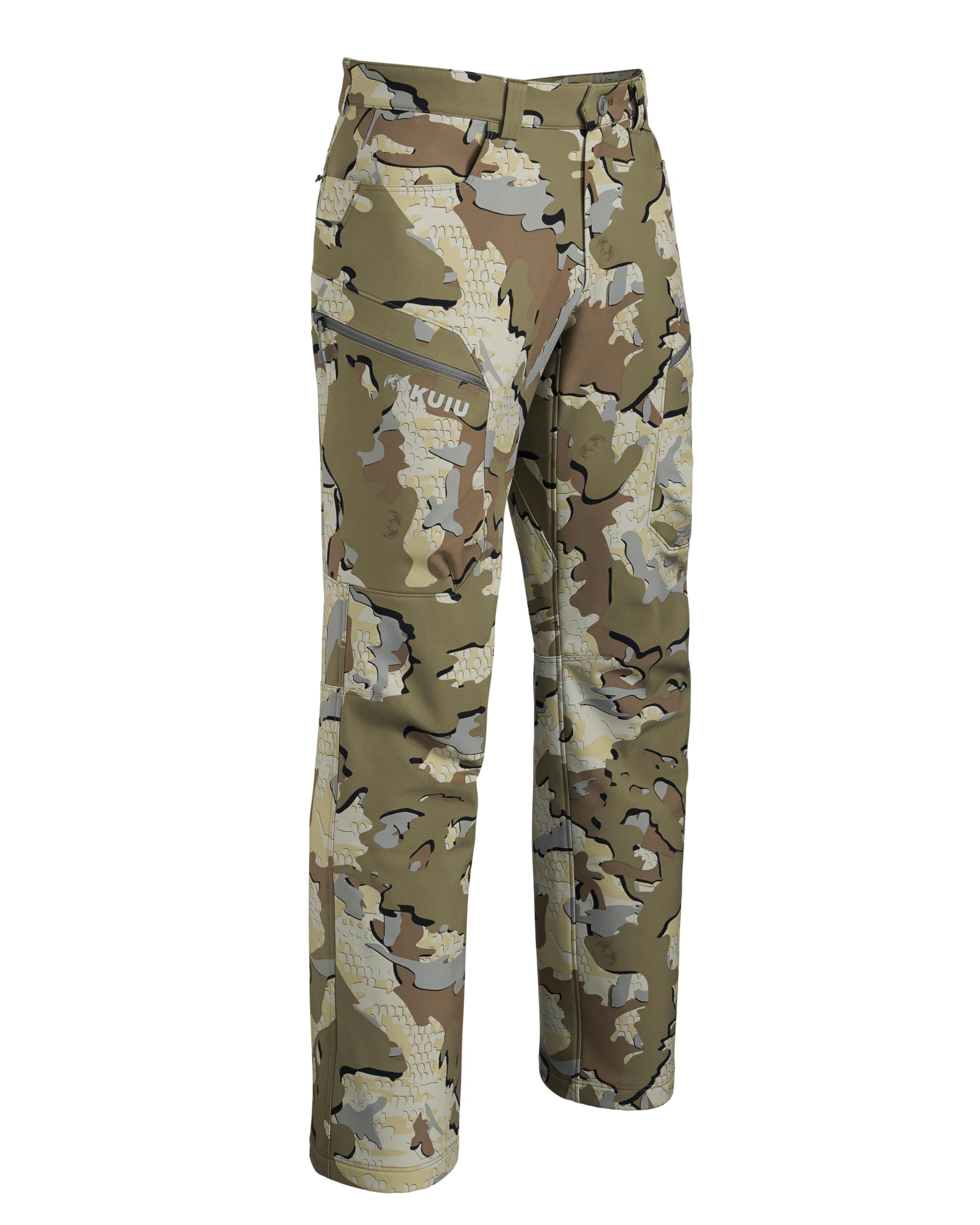
The KUIU Guide Pro Pant is a windproof softshell that breathes well enough for alpine hiking. The fabric blocks sustained gusts while the full side zips allow quick venting when the sun comes out. The articulated fit and athletic cut keep the pant close to the body without restricting high steps.
The soft interior lining adds warmth without bulk, making these a good choice for cold morning starts and late-season alpine missions. The side zips extend enough to remove the pants over boots, a critical feature for multi-pitch transitions. The fabric is quiet and tough, holding up against granite and scree.
Reviews highlight the waist runs slightly snug, so sizing up is recommended for layering. At about 17 ounces, they are heavier than a pure shell but lighter than an insulated pant. For mixed alpine objectives where wind is the primary enemy, these deliver excellent weather protection.
Why it’s great
- windproof fabric is highly effective in exposed terrain
- full side zips enable easy on/off over boots
- athletic fit moves well during technical climbing
Good to know
- runs snug in waist — consider sizing up for layering
- not ideal for very cold static situations without heavy base layers
9. Mammut Runbold Zip-Off Pant
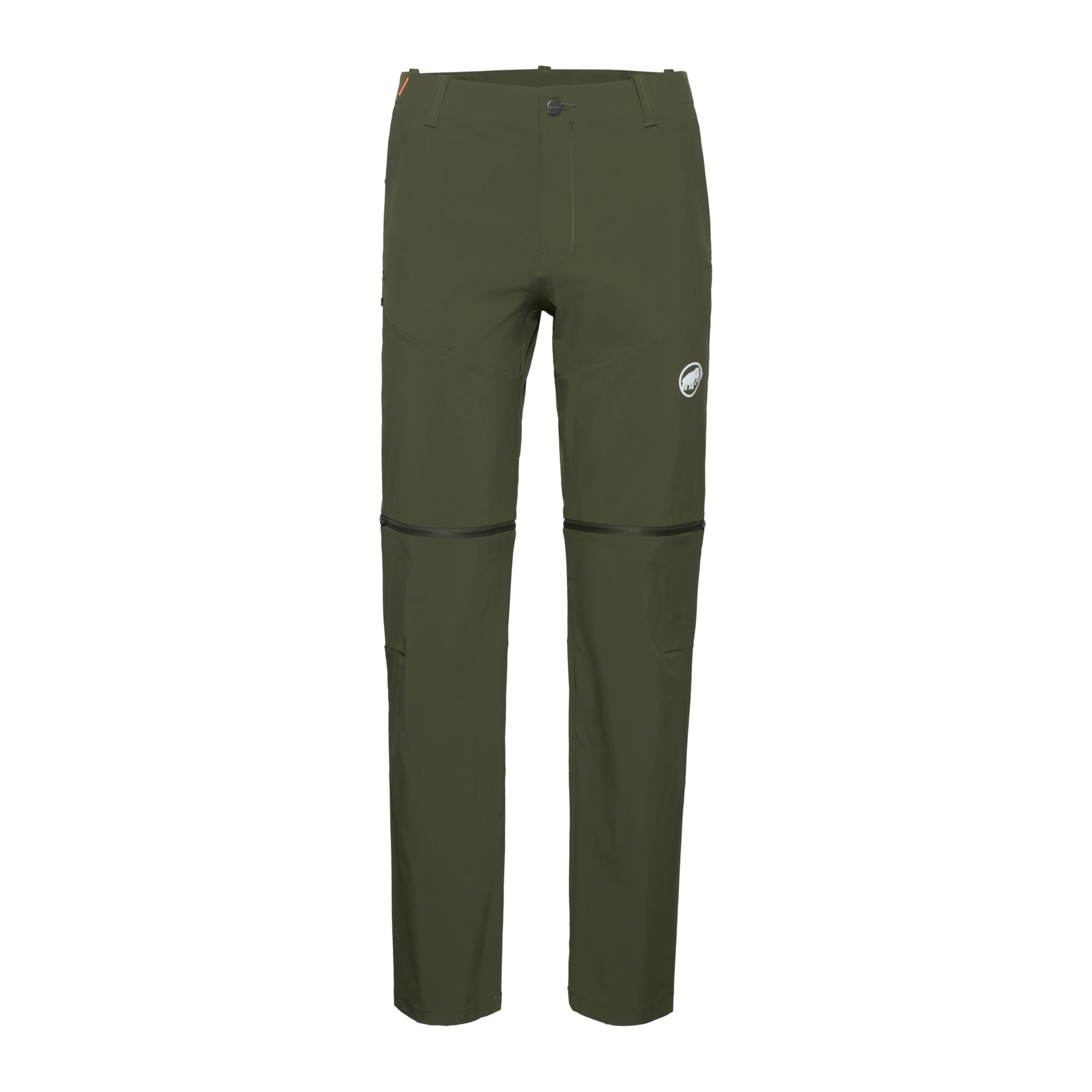
The Mammut Runbold Zip-Off Pant offers a convertible design for alpine conditions that shift from snow to sun rapidly. The lightweight woven fabric is breathable and dries quickly, while the zip-off legs convert the pant into shorts for the lower-altitude return hike.
The fabric is soft and comfortable next to skin, with a stretch component that allows reasonable freedom of movement for easy scrambling. The zippered pockets secure small essentials, and the overall design is clean and minimalist. The fit is European and athletic, with some users noting an unusual shape that runs slim in the seat and thighs.
Reviews are mixed on sizing and fabric feel — some expected a thicker winter weight but received a relatively lightweight material. These are best suited as a travel-friendly option for alpine approaches with variable weather, not as a primary technical climbing pant for cold, exposed routes.
Why it’s great
- zip-off legs provide versatility in changing weather
- lightweight woven fabric dries quickly
- clean design works for trail and casual wear
Good to know
- cut runs slim in the seat and thighs for some builds
- fabric is lighter than typical winter alpine pants
FAQ
Can I wear alpine climbing pants for rock climbing?
How do I maintain the DWR on my alpine pants?
Final Thoughts: The Verdict
For most users, the alpine climbing pants winner is the Mammut Courmayeur SO because it combines schoeller stretch durability, harness-compatible pocket layout, and a boot-friendly hem in a single technical package. If you want a pant with waxable weather resistance and full side vents for extended backcountry missions, grab the Fjällräven Keb. And for lightweight, fast-paced alpine objectives where gram savings matter, nothing beats the First Lite 308 Pant.