
Our readers keep the lights on and the weekend projects moving. As an Amazon Associate, I earn from qualifying purchases.
The gap between a sneaker that feels good in the box and one that still feels good after mile ten can be a matter of your arch type, foot volume, and whether that midsole foam is actually tuned for your weight. Most buyers pick by color or brand loyalty and end up with heel slip, numb toes, or knee pain weeks later. The right pair eliminates that friction entirely.
I’m Rikta — the co-founder and writer behind FitlyFast. This guide distills hundreds of hours comparing drop heights, stack densities, outsole rubber coverage, and real-world wear data to help you pick athletic sneakers that match your specific foot mechanics and activity mix.
Whether you need a daily trainer for pavement miles, a stable platform for lifting, or a trail-capable hybrid for weekend hikes, the table below and deep-dive reviews will steer you toward the best athletic sneakers for your exact needs.
How To Choose The Best Athletic Sneakers
The wrong picking criteria — aesthetics, brand hype, or what your friend wears — will almost guarantee you buy a shoe unsuited for your foot shape and intended activity. The four filters below separate a smart fit from a regretful impulse buy.
Arch Type and Pronation Control
Your arch dictates how your foot rolls inward (pronates) upon landing. Flat-footed runners need stability shoes with medial posts or guide rails to prevent overpronation. High-arched runners require neutral cushioning with soft foam to absorb shock on the outer edge. The Brooks Glycerin Stealthfit 22, for example, delivers neutral cushioning ideal for neutral to high-arched gaits, while the Saucony Ride 18 offers subtle stability for mild overpronators.
Foam Platform and Stack Height
Midsole foam determines ride feel. Full-length PEBA (like the New Balance FuelCell) offers the highest energy return for speed work, while compressed EVA (common in budget options) feels firm and lasts longer. Stack height — the distance from footbed to ground — should match your preference: higher stacks (30mm+) provide plush protection for long pavement miles, lower stacks (under 20mm) offer ground feel for lifting or trail work.
Outsole Coverage and Rubber Density
A shoe’s lifespan is determined by its outsole rubber. Full-coverage carbon rubber (found on the Asics Gel-Venture 11 and Saucony Ride 18) withstands 400-500 miles of road wear. Partial rubber coverage, especially on the medial side, accelerates wear and can lead to foam exposure. If you log heavy weekly mileage, prioritize outsoles with continuous rubber from heel to forefoot.
Upper Ventilation and Toe Box Volume
Mesh density affects both breathability and durability. Open-knit meshes (ANTA PG7, Brooks Stealthfit) excel in warm climates but let in debris on trails. Synthetic overlays or toe guards add structure but reduce airflow. If you have wider feet or bunions, look for brands offering wide (2E/4E) sizing — the Under Armour Charged Assert 9 and ANTA PG7 both accommodate wide feet better than standard Nike or Adidas lasts.
Quick Comparison
On smaller screens, swipe sideways to see the full table.
| Model | Category | Best For | Key Spec | Amazon |
|---|---|---|---|---|
| Brooks Glycerin Stealthfit 22 | Neutral Daily Trainer | High arches, walking, running, light lifting | DNA LOFT v3 cushioning; 10mm drop | Amazon |
| Saucony Ride 18 | Daily Trainer | Tempo runs, speed work, over-pronation | PWRRUN midsole; 10mm drop | Amazon |
| New Balance FuelCell Propel V5 | Max Cushion Trainer | Long shifts, cloud-like comfort, daily wear | FuelCell foam; 8mm drop | Amazon |
| Under Armour TriBase Reign 6 | Cross Trainer | Weightlifting, HIIT, CrossFit | TriBase outsole; 0mm drop | Amazon |
| ANTA PG7 | Max Cushion Budget | Long runs, all-day standing, wide feet | PG foam midsole; 8mm drop | Amazon |
| Asics Gel-Venture 11 | Trail Hybrid | Light hiking, trail running, golf | Rearfoot GEL; 10mm drop | Amazon |
| Under Armour Charged Assert 9 | Budget Daily | Wide feet, walking, value buyers | Charged Cushioning; 10mm drop | Amazon |
In‑Depth Reviews
1. Brooks Women’s Glycerin Stealthfit 22
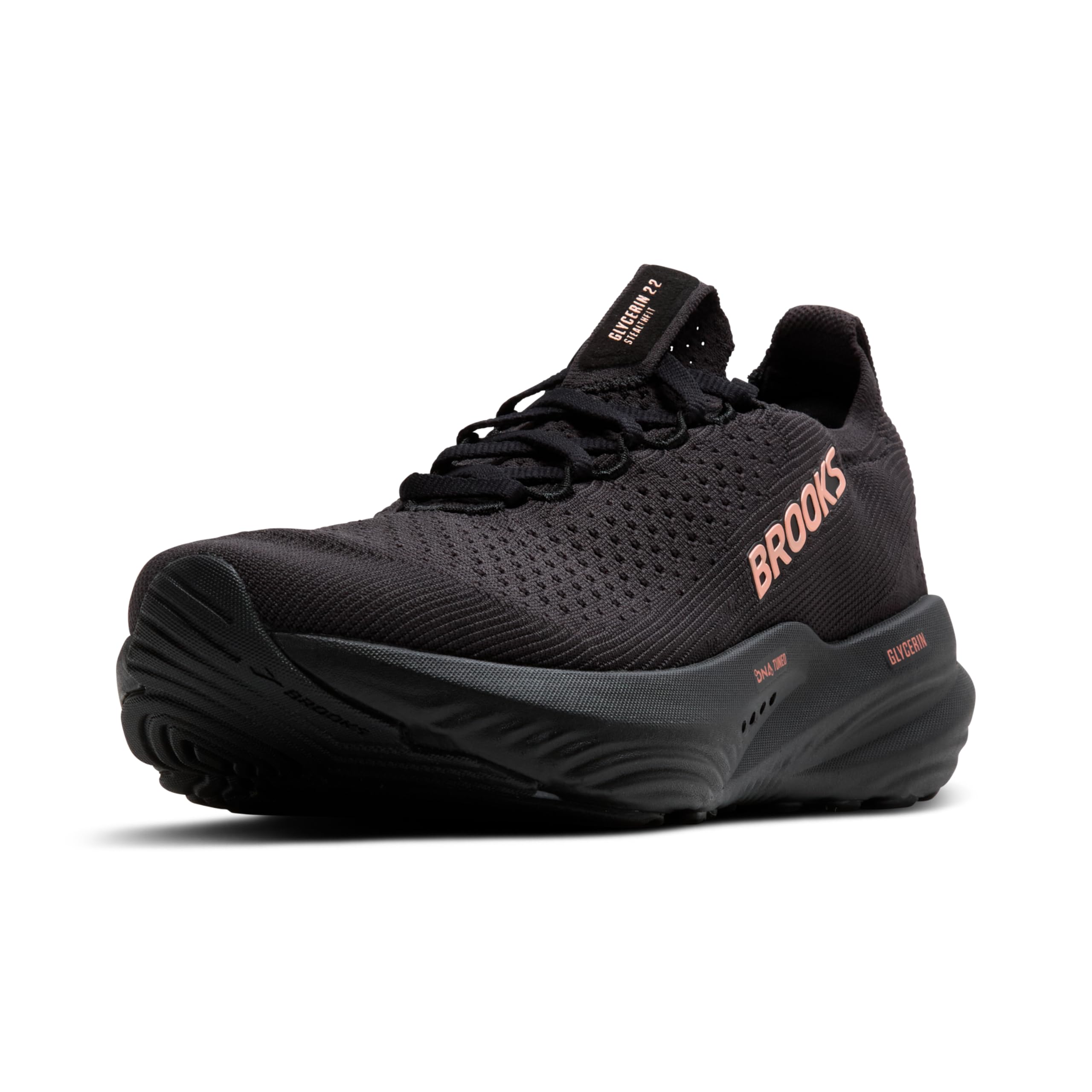
The Glycerin Stealthfit 22 uses Brooks’s DNA LOFT v3 foam — a blend of EVA, rubber, and air that delivers plush cushioning without sacrificing responsiveness. Unlike traditional Glycerin models, the Stealthfit version eliminates a traditional tongue, using a stretchy knit collar that molds to the ankle and allows slip-on convenience once laced. The result is a snug, sock-like fit that accommodates high arches and neuroma pain without pressure points.
Testers report excellent lateral stability for group fitness classes, squats, and treadmill work, with a cushioned platform that still remains firm enough under the insert for resistance training. The outsole rubber covers the heel and forefoot strike zones fully, though the midfoot is exposed foam — acceptable for road and gym floors but not for gravel trails. The breathable upper washes well and holds its shape after multiple cycles.
The best fit for this shoe is a neutral to high-arched foot. If you have flat feet or overpronate, the Glycerin lacks medial guide rails and may feel unstable over long distances. Owners report the sizing runs true to length, but the knit upper offers generous stretch, so those between sizes can size down without discomfort.
Why it’s great
- DNA LOFT v3 delivers plush yet responsive cushion
- Stretch knit collar offers slip-on convenience with secure lock
- Excellent arch support for high arches and neuroma relief
Good to know
- Not stable enough for heavy overpronators or flat feet
- Exposed midsole foam limits trail durability
2. Saucony Men’s Ride 18
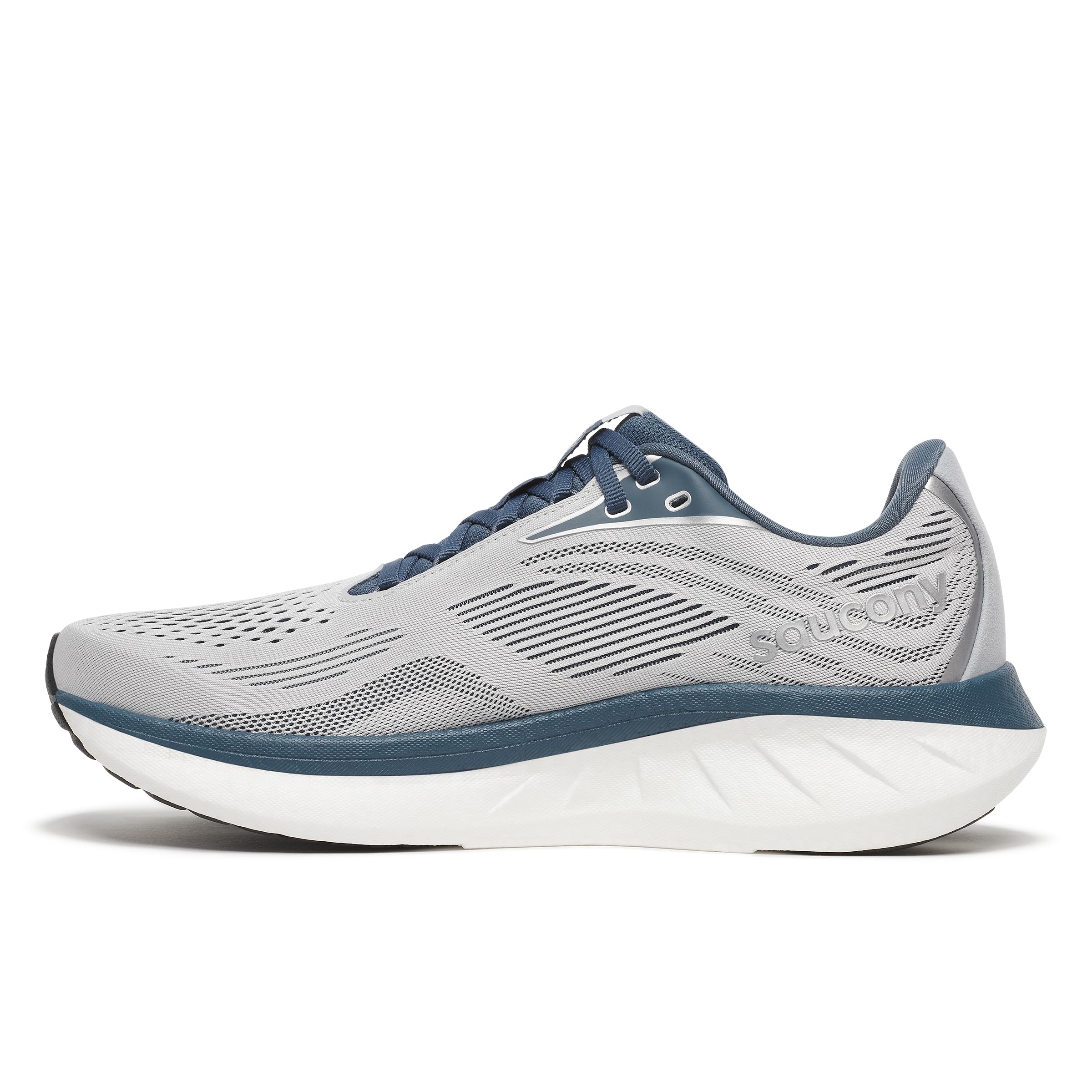
The Ride 18 shifts from the previous generation’s PWRRUN+ to a lighter PWRRUN midsole that reduces weight by about 10 grams while maintaining a snappier, less pillowy ride. This makes the shoe ideal for tempo sessions, intervals, and shorter road efforts — it’s not the floaty max-cushion cruiser some expect. The upper uses a jacquard mesh that feels secure and requires zero break-in time, locking the heel well even during fast cornering.
Construction quality shows dense outsole carbon rubber coverage across the heel and forefoot, though a thinner strip runs along the lateral midfoot. Some early users report the exposed midsole edges wearing prematurely if gait is heavily lateral. The Ride 18 fits slightly longer and wider than the Ride 17, so runners with narrow feet may need to lace tightly or consider the Ride 19 standard width for a better lockdown.
For mild overpronators, the Ride 18 offers a stable platform without a rigid medial post — the wider base and denser lateral foam provide enough guidance without feeling corrective. If your weekly mileage is mostly easy-pace long runs, the Triumph line (with more stack height) is a better match. The Ride 18 is best for faster training where weight and responsiveness matter more than pure plushness.
Why it’s great
- Lightweight PWRRUN foam offers responsive, snappy ride
- Zero break-in needed; heel lockdown is excellent
- Stable platform works for mild overpronators
Good to know
- Outsole rubber coverage is thin on lateral midfoot; durability varies
- Runs slightly long and wide; narrow feet may need snug lacing
3. New Balance Women’s FuelCell Propel V5
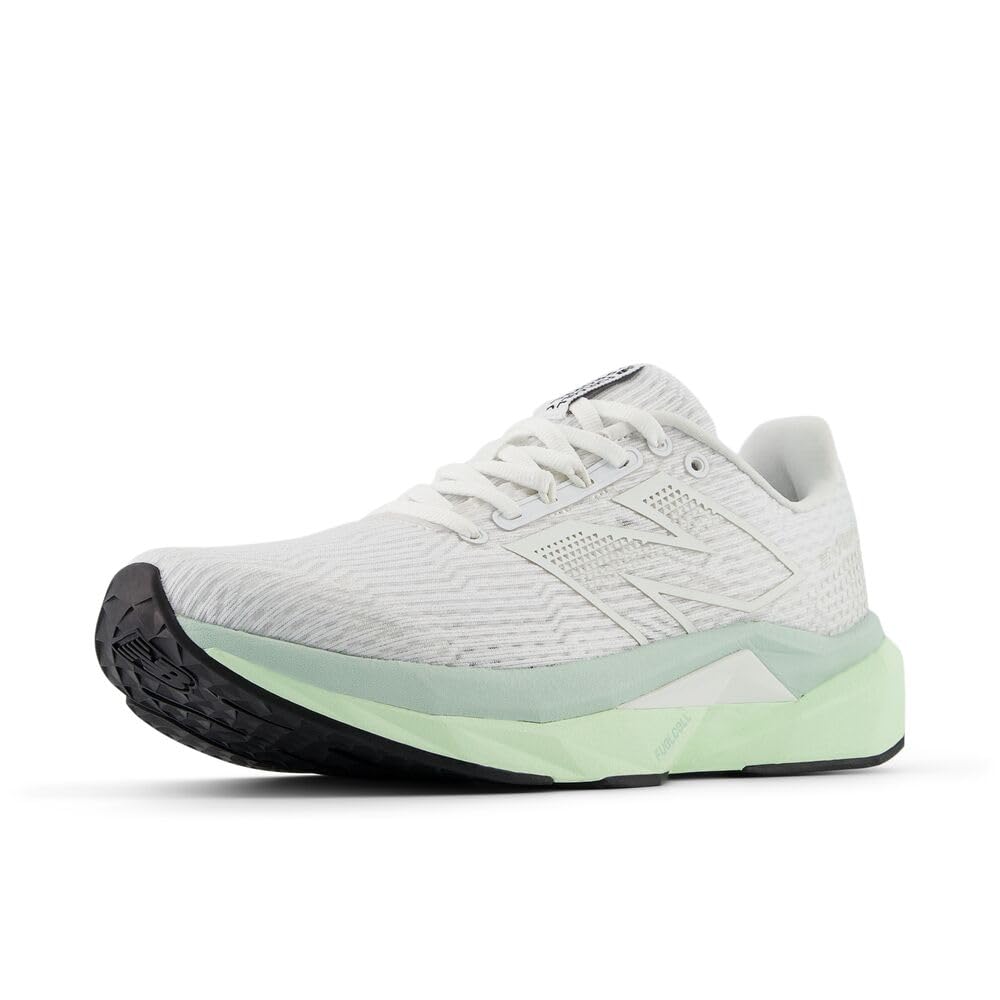
The FuelCell Propel V5 uses New Balance’s FuelCell compound — a nitrogen-infused PEBA-based foam that delivers the highest energy return in the mid-range category. The result is a bouncy, near-cloud sensation underfoot that softens impact on hard pavement without sinking into mush. Testers wearing them for 10-hour nursing and retail shifts reported significantly less joint fatigue compared to standard EVA-based shoes.
One consistent note: the V5 runs about a half-size short, with a narrower toe box than the V4. Buyers with wide feet or those who prefer extra room in the toebox should size up by half a length. The upper features a synthetic mesh with fused overlays that provide structure but limit airflow slightly, making the shoe run warm in high summer heat. The outsole rubber covers the full contact patch and shows minimal wear after 300 miles in early reports.
The FuelCell foam is tuned for a smooth heel-toe transition at moderate paces — it lacks the aggressive rocker shape of plated trainers, so it feels natural for walking and jogging rather than racing. If you primarily run fast intervals, the Saucony Ride 18 will feel more responsive. For all-day comfort and walking, the Propel V5 is the clear winner in this lineup for its cushion-to-weight ratio.
Why it’s great
- FuelCell PEBA foam delivers top-tier energy return and plushness
- Full-coverage outsole rubber shows excellent durability
- Cloud-like comfort for long shifts and daily walking
Good to know
- Runs half-size short with narrow toe box; size up for wide feet
- Upper runs warm in hot conditions; limited breathability
4. Under Armour Men’s TriBase Reign 6
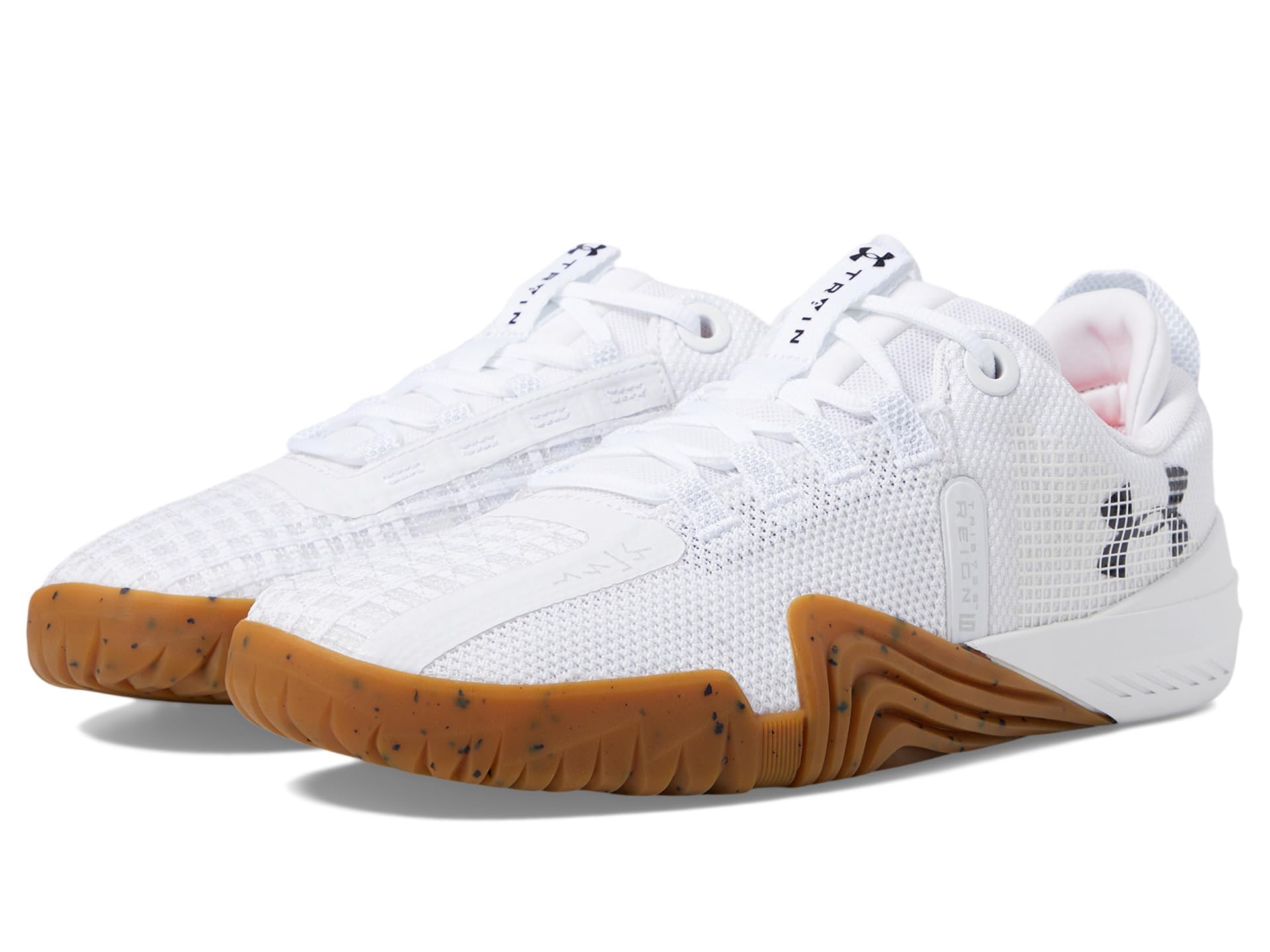
The TriBase Reign 6 is purpose-built for the gym floor, not the road. Its zero-millimeter drop and flat, wide TriBase outsole create a stable platform for squats, deadlifts, and Olympic lifting. Unlike running shoes with tall, compressible heels, the Reign 6 keeps your foot close to the ground with minimal stack height, improving force transfer and balance during heavy lifts. The mesh upper is reinforced with synthetic overlays that resist tearing from rope climbs and metal hooks.
Testers praise the wide toe box — wider than Nano and Metcon competitors — making it a strong option for flat, wide feet that feel cramped in traditional CrossFit shoes. The Micro G foam midsole offers enough cushion for short sprints, box jumps, and 2-3 mile easy runs without feeling unstable. The heel features a TPU wrap that locks the rearfoot during lateral cuts and plyometric movements.
The trade-off for its lifting focus is that the Reign 6 feels stiff and unforgiving for longer runs or all-day walking. The outsole rubber is dense and grippy on gym surfaces but lacks the flexibility needed for comfortable pavement strides beyond a mile or two. Sizing runs slightly large — most users recommend going half a size down for a snug performance fit.
Why it’s great
- Zero-drop flat platform maximizes stability for heavy lifts
- Wide toe box accommodates flat/wide feet better than Nano or Metcon
- Durable upper with TPU heel wrap for lateral stability
Good to know
- Not comfortable for long runs or all-day walking beyond 2 miles
- Runs half size large; size down for performance fit
5. ANTA Men’s PG7 Running Shoes

The ANTA PG7 disrupts the budget market with a full-length PG foam midsole that delivers max-cushion performance at a price usually reserved for basic EVA slabs. The foam is noticeably bouncy and firm at moderate paces for good shock absorption, but feels slightly unstable during walking due to a pronounced heel sink until you adapt your gait. After 70 miles, testers reported the foam maintained its rebound without significant compression set — impressive for the price tier.
The upper uses a lightweight engineered mesh with a wide toe box that suits high-volume feet and bunions. A plastic toe guard protects the front from scuffs, though the mesh scuffs easily on the sides. The carbon rubber outsole provides excellent slip resistance on wet pavement, but the grip pattern is road-focused and lacks the aggressive lugs needed for loose trail surfaces. Weighing in around 310-400 grams depending on size, the PG7 is not light, but the weight is distributed well for a stable run.
Where the PG7 truly shines is propulsion at faster paces. Multiple reviews noted that sprinting in the PG7 feels responsive and knee-friendly, while medium-pace running requires solid form to avoid balance issues. This shoe is best for runners who want premium cushioning on a strict budget and can tolerate a short adaptation period for walking comfort. It’s not water-repellent, so avoid heavy rain use.
Why it’s great
- PG foam delivers bouncy max-cushion performance at budget-friendly price
- Wide toe box suits high-volume feet and bunions
- Excellent wet-surface grip from carbon rubber outsole
Good to know
- Heel sink sensation during walking requires adaptation period
- Mesh scuffs easily; not water-repellent
6. ASICS Men’s Gel-Venture 11
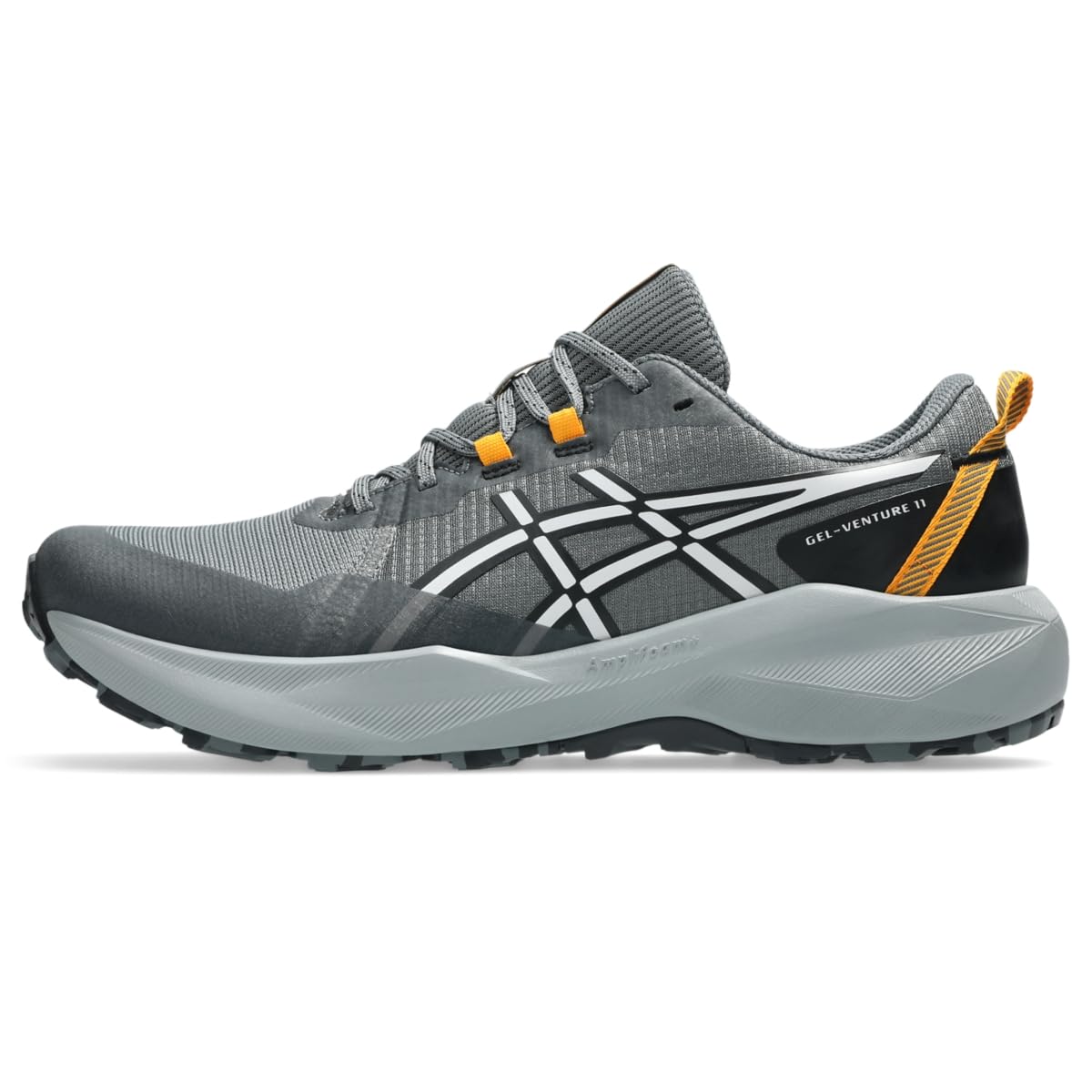
The Gel-Venture 11 is a capable trail-to-street hybrid that bridges the gap between a hiking boot and a road shoe. Its multi-directional traction outsole uses deep lugs that bite into loose dirt, gravel, and grass, while the rearfoot GEL cushioning unit absorbs impact on hard-packed trails and pavement alike. The foam midsole is less spongy than road-specific ASICS models (like the Cumulus or Nimbus), favoring stability over plushness — a deliberate choice for uneven terrain where roll control matters.
Owners report the sizing is accurate and the fit works well for normal-width feet, though the 4E wide option is less roomy than other ASICS wide lasts. The upper uses a reinforced mesh that resists debris entry but retains decent breathability. The shoe’s light weight (around 1.44 pounds per pair) makes it easy to pack for travel where you need one shoe for light hiking, casual walking, and even golf — multiple reviewers confirmed the traction pattern works well for golf swings.
Long-term durability shows a pattern: the rear tread lugs wear down faster than the front, especially for high-mileage walkers logging 35-40 miles per week. Expect about 6 months of heavy use before the rear traction noticeably decreases. For the price, the Gel-Venture 11 offers excellent value as a secondary shoe for light trail adventures or as a daily beater that can handle mixed surfaces without the cost of premium trail runners.
Why it’s great
- Multi-directional lugs provide excellent traction on loose dirt and gravel
- Rearfoot GEL unit adds impact protection for mixed-surface use
- Light weight and comfortable for all-day wear; golf-friendly outsole
Good to know
- Rear tread lugs wear out faster than front under heavy weekly mileage
- 4E wide option is less roomy than other ASICS wide models
7. Under Armour Men’s Charged Assert 9

The Charged Assert 9 is Under Armour’s entry-level daily trainer that prioritizes durability and a consistent feel over flashy foam technology. Its Charged Cushioning midsole — a compression-molded EVA — strikes a middle ground between firm support and moderate softness, making it a reliable choice for walkers, casual runners, and anyone needing a no-nonsense sneaker for everyday use. The mesh upper is straightforward, with stitched overlays for structure and a heel pull tab for easy entry.
Where the Assert 9 excels is in accommodating wider feet. The standard D width already offers more room than comparable Nike or adidas models, and the 4E wide version receives consistent praise from users who struggle to find a comfortable fit in other budget options. The outsole uses blown rubber in the forefoot and carbon rubber in the heel, providing decent durability for the price. Users logging 3-5 miles daily report the shoe lasts around 8 months before the foam begins to flatten noticeably.
The main drawback is breathability: the dense mesh traps heat, making the Assert 9 best suited for fall, winter, and spring use. In summer, the shoe runs uncomfortably warm for extended wear. The heel cup is well-padded but may require a brief break-in period of about 10-15 miles to soften. For the budget-conscious buyer who prioritizes fit consistency over premium ride feel, the Assert 9 delivers dependable value.
Why it’s great
- Generous width options (D and 4E) suit wide feet exceptionally well
- Durable blend of blown and carbon rubber outsole for budget longevity
- Consistent, reliable fit for daily walking and casual running
Good to know
- Mesh upper runs hot; not ideal for hot summer use
- Heel cup requires brief break-in to soften
FAQ
Should I replace my athletic sneakers based on mileage or visual wear?
How do I measure my arch type at home to pick the right shoe?
Are zero-drop sneakers better for weightlifting than running shoes?
Why does my new sneaker feel tight across the toes after a mile?
Final Thoughts: The Verdict
For most users, the athletic sneakers winner is the Brooks Glycerin Stealthfit 22 because it covers walking, running, and fitness classes with plush yet stable cushioning that suits neutral to high-arched feet. If you want a responsive ride for faster training and speed work, grab the Saucony Ride 18. And for budget-minded buyers needing versatile comfort for long hours on their feet, nothing beats the ANTA PG7 for its max-cushion foam at an accessible price.