
Our readers keep the lights on and the weekend projects moving. As an Amazon Associate, I earn from qualifying purchases.
If your morning toast leaves you feeling heavy, bloated, or foggy, the problem isn’t bread itself—it’s the type of bread you are eating. Modern hybridized wheat and industrial processing have stripped away the digestibility that traditional grains once offered, leaving millions of people struggling with discomfort after every sandwich.
I’m Rikta — the co-founder and writer behind FitlyFast. This guide comes from many hours spent cross-referencing ingredient labels, analyzing heritage grain research, and digging into the fiber profiles and processing methods that actually make a difference for gut health.
After thorough research into sourdough, sprouted, heritage wheat, and high-fiber rye options, here is your definitive bread for digestion buying guide, built to help you find real relief without sacrificing taste.
How To Choose The Best Bread For Digestion
Not all bread is created equal when your digestive system is the judge. The key differentiators lie in the grain variety, the milling process, and the fiber density of the final product. Ignore the marketing hype and focus on these three factors.
Grain Source: Heritage vs. Hybridized Wheat
Modern wheat has been bred for high gluten content and yield, which can trigger bloating and inflammation even in people without celiac disease. Heritage varieties like Turkey Red, White Sonora, and Einkorn contain a different gluten structure that many people find significantly easier to digest. Look for flours or breads explicitly labeled as “heritage,” “pre-hybridized,” or “ancient grain.”
Processing and Fiber Integrity
The way a grain is milled and baked dramatically impacts digestibility. Whole-cell wheat that retains its bran and germ provides the coarse fiber that feeds beneficial gut bacteria and slows sugar absorption. Rye and pumpernickel, with their dense, high-fiber crumb, are naturally superior choices. Avoid bleached or heavily refined flours, as they strip the very components that aid digestion.
Fiber and Net Carbs for Gut Health
High fiber content (aiming for 5 grams per slice or more) is the single most reliable metric for digestive-friendly bread. Fiber adds bulk, regulates bowel movements, and serves as a prebiotic. If you are monitoring blood sugar or on a low-carb plan, also consider net carbs—fiber subtracts from total carbs, meaning a high-fiber loaf can satisfy without spiking glucose.
Quick Comparison
On smaller screens, swipe sideways to see the full table.
| Model | Category | Best For | Key Spec | Amazon |
|---|---|---|---|---|
| Sunrise Flour Mill Heritage Bread Flour Blend | Premium Flour | Baking easy-to-digest sourdough | 5 lbs heritage wheat blend | Amazon |
| Jim’s Amazing Bread | Ready-to-Eat | Gluten-sensitive sandwich eaters | 5g fiber per slice | Amazon |
| ROYO Artisan Bread | Low Carb | Keto dieters seeking fiber | 2g net carbs per serving | Amazon |
| Sunrise Flour Mill Heritage Organic Whole Wheat | Premium Flour | Reducing bloating with heritage grain | 5 lbs super-fine grind | Amazon |
| Mestemacher Pumpernickel | Ready-to-Eat | High-fiber pantry staple | 9g fiber per slice | Amazon |
| Mestemacher Variety Bundle | Ready-to-Eat | Sampling rye & three grain | 3 flavor variety pack | Amazon |
| Palouse Brand Glyphosate-Free Flour | Flour | Chemical-free home baking | Certified Residue Free | Amazon |
In‑Depth Reviews
1. Sunrise Flour Mill Heritage Organic Bread Flour Blend
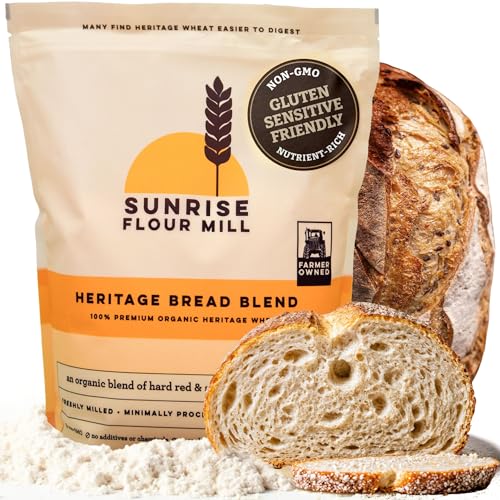
This blend combines Turkey Red and White Sonora heritage wheats—two pre-hybridized varieties known for their digestibility. The single-pass unifine milling creates a super-fine flour that produces soft, airy loaves with a golden crust, making it ideal for sourdough bakers who struggle with gut discomfort after eating standard bread.
Reviewers consistently report that this flour eliminates the bloating and heaviness they associate with conventional whole wheat. The 24-hour cold fermentation recommended by many users further breaks down gluten-like proteins, resulting in a loaf that feels gentle on the stomach. The high protein content still delivers excellent rise and crumb structure.
While it demands a bit of skill in hydration ratios (many users calibrate around 66% hydration), the payoff is a flavorful, nutty bread that rivals artisan bakery quality. This is the top choice for anyone willing to bake their own digestion-friendly bread.
Why it’s great
- Heritage wheat for superior digestibility
- Super-fine grind produces lofty, airy crumb
- USDA Organic and chemical-free
Good to know
- Requires bread-making experience
- Hydration adjustments needed for best texture
2. Jim’s Amazing Bread

Jim’s Amazing Bread is a ready-to-eat solution for those with gluten sensitivity who miss the convenience of sliced bread. It uses “gluten-inactive whole cell wheat,” a process that keeps the grain intact while rendering the gluten less reactive. With only six all-natural ingredients—whole-cell wheat, honey, flax, yeast, water, and salt—there are no hidden preservatives or additives.
Each slice delivers 5 grams of fiber, which is excellent for digestive regularity. The bread has a dense but moist texture that holds up well for sandwiches, French toast, or grilled cheese. Many users with severe gluten reactions report no side effects, which is a strong testament to the whole-cell processing.
Shipping can be a concern—some loaves arrive broken or crumbly, though the seller reportedly addresses issues promptly. The flavor is hearty and mildly sweet from honey, making it a crowd-pleaser even for those without sensitivities.
Why it’s great
- Only 6 simple, recognizable ingredients
- 5g fiber per slice for gut health
- Gluten-inactive process reduces bloating
Good to know
- Loaves can be fragile during shipping
- Premium price point for the category
3. ROYO Artisan Bread 2-Pack
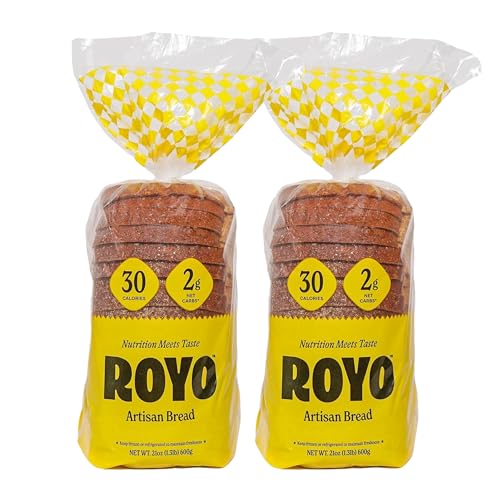
ROYO Artisan Bread is a game-changer for anyone balancing digestive health with a low-carbohydrate or keto lifestyle. Each serving contains just 2 grams of net carbs and 30 calories, yet delivers a high fiber content that supports gut function. The bread uses all-natural, vegan ingredients and is certified kosher by both cRc and OK Kosher.
Reviewers praise its taste—many say it is indistinguishable from whole wheat bread, with no chemical aftertaste common to low-carb alternatives. It toasts beautifully and holds together for sandwiches without the dry, crumbly texture that plagues other keto breads. The 2-pack format makes it a practical grab-and-go option.
The main trade-off is texture; it is lighter and less chewy than traditional artisan bread. Some users noted that bagels in the pack arrived slightly dry or without expiration dates. However, for those prioritizing both low net carbs and high fiber in a ready-to-eat bread, ROYO delivers.
Why it’s great
- Extremely low net carbs for gut-friendly keto
- High fiber with no artificial taste
- Vegan and certified kosher
Good to know
- Lighter texture than traditional bread
- Packaging issues reported by some buyers
4. Sunrise Flour Mill Heritage Organic Whole Wheat Flour
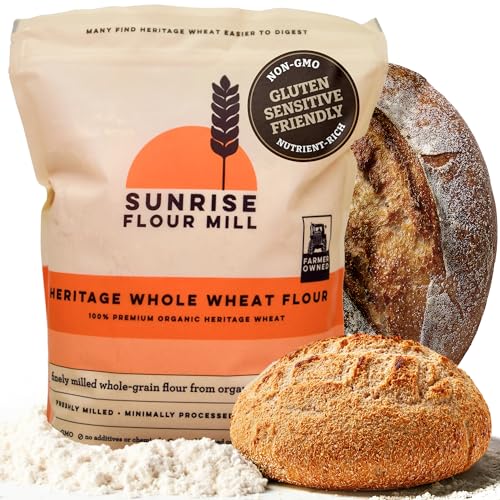
This whole wheat flour from Sunrise Flour Mill is milled from pre-hybridized hard red wheat using a traditional unifine milling technology that produces an ultra-fine texture. The finer integration of bran means you get the full nutritional benefit of whole grain without the coarse, gritty mouthfeel that often deters people from whole wheat baking.
The improved digestibility is the headline feature—multiple customers with gluten sensitivity report they can enjoy sourdough, bagels, and artisan loaves without the bloating that standard whole wheat causes. The rich, nutty flavor is noticeably superior to grocery store whole wheat flour, and the 5-pound bag is a generous quantity for regular baking.
The flour does have lower gluten strength compared to bread flour blends, so sourdough bakers may get less rise and a less crisp crust. Blending it with a higher-gluten heritage white flour can solve this. It is ideal for those who want an uncompromisingly whole-grain, digestive-friendly flour.
Why it’s great
- Heritage wheat reduces bloating significantly
- Super-fine grind for smooth texture
- Rich, nutty flavor profile
Good to know
- Sourdough rise may be lower than white blends
- Best blended for optimal structure
5. Mestemacher Pumpernickel Bread (Pack of 3)
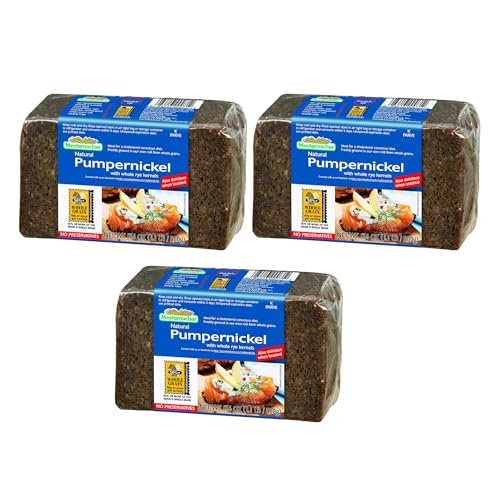
Mestemacher’s authentic German pumpernickel is a digestive powerhouse. Each slice contains 9 grams of fiber from whole kernel rye, which provides bulk that regulates bowel movements and feeds healthy gut bacteria. The traditional slow-baking process develops a deep, malty flavor without any added sugars or preservatives.
The bread is dense, moist, and pre-sliced for convenience. It is shelf-stable, making it a perfect pantry staple for emergency meals or travel. Most users find it delicious when lightly toasted or pan-fried in butter, which brings out a nutty sweetness. It pairs beautifully with savory toppings like smoked salmon or cream cheese.
The texture is not for everyone—some find it too dense or describe it as tasting like “animal feed.” It is also thin and can crumble if not handled carefully. However, for anyone prioritizing maximum fiber and authentic whole rye nutrition, this is a benchmark product.
Why it’s great
- 9g fiber per slice—exceptional for digestion
- No preservatives, Non-GMO
- Shelf-stable pantry staple
Good to know
- Very dense, not for everyone
- Thin slices can break during handling
6. Mestemacher Natural High Fiber Bread 3 Flavor Variety Bundle
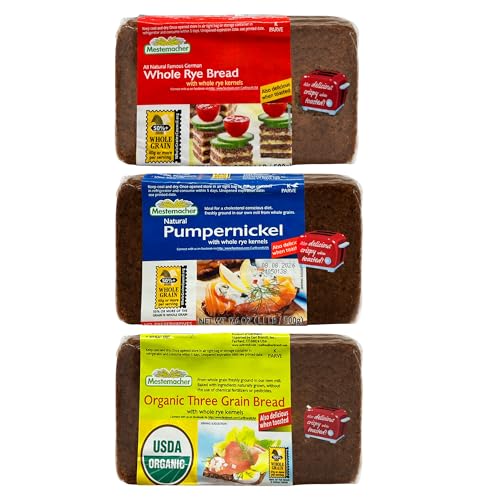
This bundle gives you three distinct loaves—Organic Three Grain, Pumpernickel, and Whole Rye—so you can explore different high-fiber rye options without committing to a single flavor. All three are made with whole kernel rye and contain zero wheat, making them suitable for those avoiding modern wheat entirely.
The Three Grain loaf adds oat flakes, barley flakes, flaxseed, and sesame for a broader nutrient profile. The Whole Rye version is straightforward and classic. Together, they offer variety in texture and taste while maintaining the high fiber content that aids digestion. The loaves are pre-sliced and shelf-stable.
Shipping fragility is the main drawback—many reviews note that the bread arrives crumbled or broken due to being shipped in a plastic bag without protective packaging. If you can source this locally, it is a fantastic option. If not, be prepared for potential breakage.
Why it’s great
- Zero wheat, entirely rye-based
- Three flavors for variety
- High fiber, no preservatives
Good to know
- Fragile packaging during shipping
- Odd loaf shape doesn’t fit standard toasters
7. Palouse Brand Certified Glyphosate Residue Free Bread Flour

Palouse Brand offers a whole wheat bread flour that is certified glyphosate residue free by The Detox Project. This matters for digestion because glyphosate has been linked to gut microbiome disruption. The flour is stone ground from hard red wheat grown on the brand’s family farm in Washington State, with no additives or preservatives.
Users consistently praise the nutty, old-school flavor and the authentic whole-grain texture. The 5:1 carb-to-fiber ratio makes it a reasonable choice for maintaining steady blood sugar. It works well in both bread machines and hand-kneaded recipes, producing loaves with a slightly sweet, non-bitter taste that kids enjoy.
The packaging changed recently to a bag that cannot stand upright, which some bakers find inconvenient. The flour also requires careful hydration—lower hydration dough works best. It is an excellent entry-level heritage-style flour for those prioritizing chemical-free ingredients over digestibility claims.
Why it’s great
- Certified glyphosate residue free
- Traceable, single-farm source
- Rich, classic whole wheat flavor
Good to know
- New bag design is less stable
- Best suited for lower hydration recipes
FAQ
What makes heritage wheat easier to digest than modern wheat?
Is sourdough bread better for digestion than regular bread?
How much fiber should I look for in a digestive-friendly bread?
Can gluten-inactive bread really help with gluten sensitivity?
Final Thoughts: The Verdict
For most users, the bread for digestion winner is the Sunrise Flour Mill Heritage Organic Bread Flour Blend because it empowers you to bake fully customizable, digestive-friendly loaves using pre-hybridized wheat that consistently eliminates bloating. If you want a ready-to-eat solution with gluten-inactive whole grains, grab the Jim’s Amazing Bread. And for the highest fiber content in a shelf-stable, no-fuss loaf, nothing beats the Mestemacher Pumpernickel Bread.