
Our readers keep the lights on and the weekend projects moving. As an Amazon Associate, I earn from qualifying purchases.
Finding socks that deliver actual graduated compression without synthetic clamminess is a specific pain. Most options trade warmth for airflow, or grip for softness. Alpaca fiber solves both problems naturally — it insulates without trapping moisture, and its hollow-core structure wicks sweat away from the skin. The challenge is finding a pair that combines this fiber with the right level of medical-grade support for all-day wear, travel, or recovery.
I’m Rikta — the co-founder and writer behind FitlyFast. I’ve spent countless hours analyzing fiber blends, compression ratings, and real user feedback on how these socks perform during long flights, cold-weather hikes, and daily standing hours.
This guide breaks down the key specs that separate effective pairs from the rest, so you can confidently choose the best alpaca compression socks for men for your routine.
How To Choose The Best Alpaca Compression Socks For Men
Mixing compression and natural fiber creates a unique buying decision. You’re balancing the medical benefit of graduated support against the comfort and thermoregulation of alpaca wool. Getting it wrong means either no real compression or a sock that feels like a synthetic tourniquet.
Compression Level: Light, Moderate, or Firm
Most socks in this category fall between 15-20 mmHg and 20-30 mmHg. The 15-20 range is ideal for travel, light swelling, or all-day standing — it provides noticeable support without fighting to pull them on. The 20-30 range is firmer and better suited for medical recovery, chronic edema, or post-surgery, but it can feel restrictive if your calves are large. Check the labeling carefully: some “compression socks” in this niche are actually just snug alpaca socks without graduated tension.
Fiber Blend Percentage
Alpaca fiber percentage dramatically affects warmth, odor resistance, and moisture management. A blend with 60% or higher baby alpaca provides superior thermal regulation and wicking. Lower percentages mean more synthetic content, which can reduce breathability and increase sweat buildup. Prioritize blends that list alpaca as the first ingredient for real performance.
Calf Circumference and Height Fit
Compression socks must fit both the foot length and the calf circumference for the graduated pressure to work properly. Measure your widest calf point and check the brand’s sizing chart — many offer a “wide” option for calves over 16 inches. A too-tight top band can act as a tourniquet, while a loose band won’t hold the sock up or deliver proper compression.
Quick Comparison
On smaller screens, swipe sideways to see the full table.
| Model | Category | Best For | Key Spec | Amazon |
|---|---|---|---|---|
| Pure Athlete 15-20 mmHg | Mid-Range | All-day wear & recovery | 65% alpaca with 15-20 mmHg | Amazon |
| Zensah Alpaca 15-20 mmHg | Premium | Travel & daily support | Premium finish, knee-high fit | Amazon |
| Soft Alpaca 18-25 mmHg | Premium | Hiking & firm support | 18-25 mmHg microfiber knit | Amazon |
| HOLLOW Alpaca 15-20 mmHg | Premium | Wide calf & tactical use | Wide sizing up to 20″ calf | Amazon |
| Pure Athlete Ski Socks | Mid-Range | Cold weather & active use | Lightweight alpaca, USA made | Amazon |
| Juclise Heavyweight 15-25 mmHg | Premium | Intense cold & cushioning | 71% natural fiber, thick cushion | Amazon |
| Bbfrey 20-30 mmHg 3-Pack | Budget-Friendly | Firm compression on a budget | 20-30 mmHg, 3 pairs | Amazon |
In‑Depth Reviews
1. Pure Athlete Alpaca Compression Socks – 15-20 mmHg
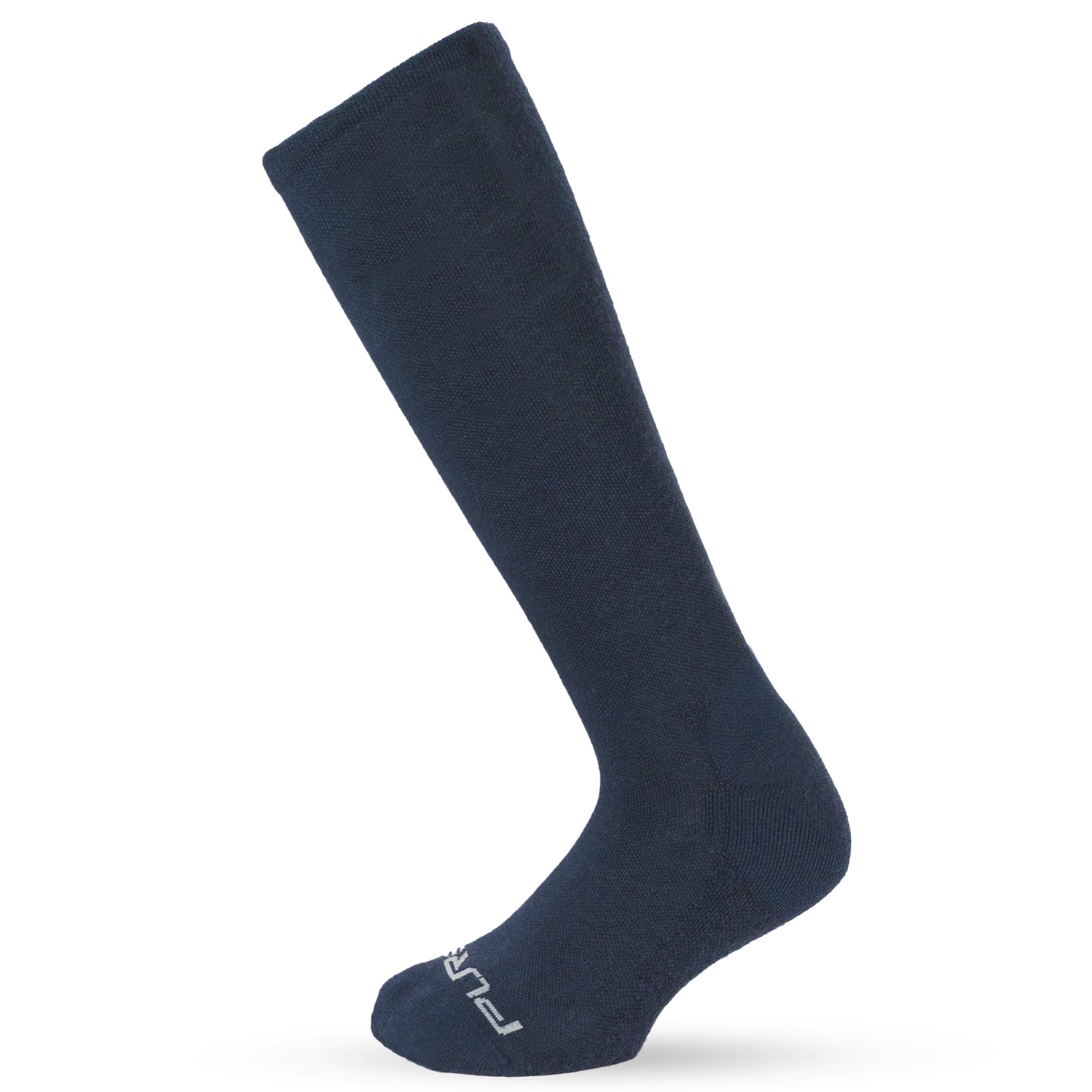
This pair hits the sweet spot between genuine graduated compression and the natural comfort of alpaca fiber. With a 65% alpaca content and a 15-20 mmHg rating, it provides noticeable support for tired legs without feeling like a medical device. Buyers consistently note the ease of getting them on compared to synthetic alternatives, which is a common complaint in this category.
The USA-made construction shows in the consistent stitching and the snug but not restrictive top band. I’m 6-foot with average calves, and the medium fit exactly as expected — the compression is strongest at the ankle and tapers off nicely above the calf. The fabric wicks moisture effectively, so even after an eight-hour day, there’s no clammy buildup.
Post-knee surgery users and runners alike report reliable odor resistance even after two consecutive wears. The price is reasonable for a dedicated compression sock with this fiber blend, making it a strong everyday companion for recovery or long days on your feet.
Why it’s great
- True graduated compression at 15-20 mmHg
- High alpaca content for moisture wicking and odor control
- Easy to put on compared to tighter synthetic socks
Good to know
- Limited color options
- Sizing runs slightly short for very tall users
2. Zensah Alpaca Compression Socks – 15-20 mmHg
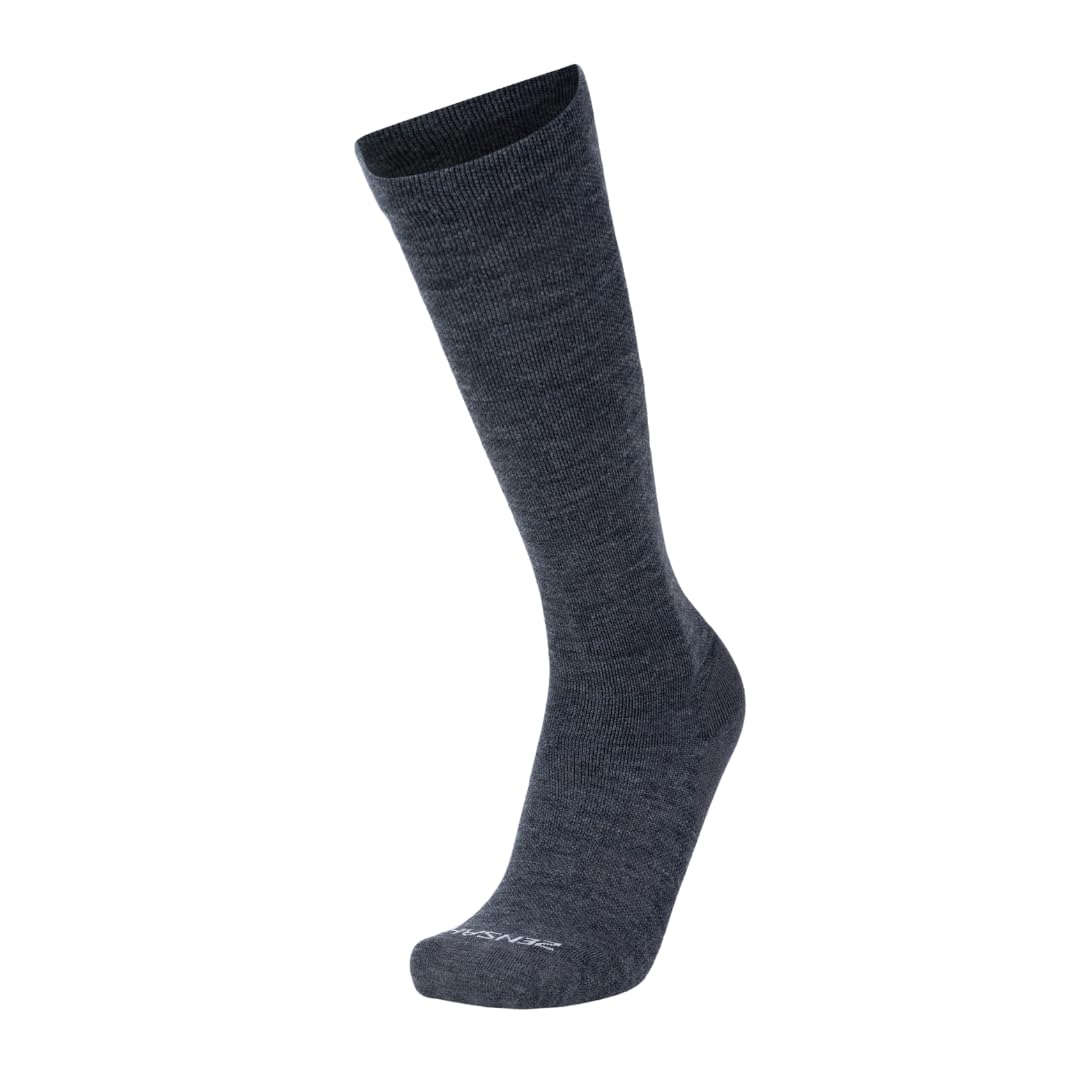
Zensah brings its proven compression expertise into the alpaca space, and the result feels premium from the first wear. The 15-20 mmHg rating is consistent and comfortable, designed for runners, travelers, and anyone who spends long hours sitting or standing. The L/XL size fits a men’s shoe size 11 well, with enough length to reach just below the knee.
The alpaca wool material is noticeably softer than the standard synthetic blends found in most compression socks, and users report less odor after 24-hour travel days. One minor trade-off is that the soft finish attracts carpet lint more readily than synthetic options, but machine washing handles it without issue.
A 6-foot, 250-pound user confirmed the large size fits without restriction, and the graduated compression provides genuine support without cutting into the calf. The price reflects the premium build quality and USA manufacturing, making this a solid investment for regular fliers or daily wearers who want the best fabric feel.
Why it’s great
- Soft, premium alpaca blend with consistent compression
- Odor resistant even after 24 hours of travel
- Good sizing for larger builds
Good to know
- Attracts lint and pet hair
- Higher per-pair cost limits multi-pack buying
3. Soft Alpaca Compression Socks – 18-25 mmHg
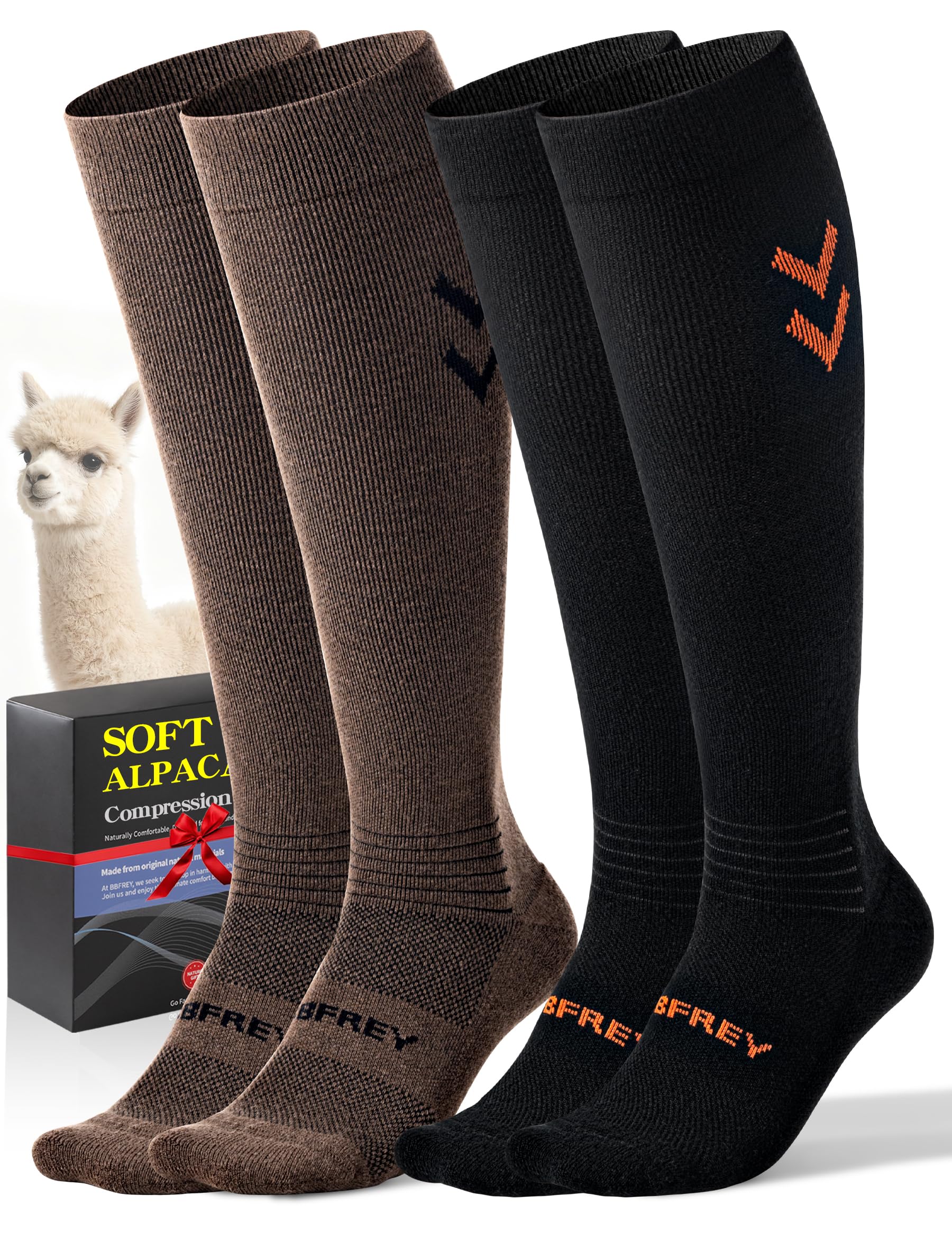
This pair pushes the compression range higher than most alpaca options, delivering 18-25 mmHg for those who need firmer support. The microfiber knit construction provides a snug, consistent feel that works well for hiking, flying, or recovery after intense activity. Buyers note that sizing up one from your normal shoe size makes application significantly easier.
The fabric strikes a good balance — it’s not as thick as heavy winter socks, but it provides noticeable warmth without overheating. The moisture-wicking performance is solid, and the socks dry quickly after washing. One reviewer specifically mentioned that the heel-grabbing method makes them easier to pull on than other firm-compression socks they had tried.
For those best alpaca compression socks for men who need more than light support, this is a strong candidate. The price is higher than mid-range options, but the higher compression level and durable build justify the cost for serious users.
Why it’s great
- Higher 18-25 mmHg compression for firmer support
- Quick-drying microfiber knit
- Works well for hiking and long flights
Good to know
- Can be difficult to put on without sizing up
- Not as warm as heavyweight wool options
4. HOLLOW Alpaca Compression Socks – 15-20 mmHg

HOLLOW is one of the few brands explicitly offering wide calf sizing in the alpaca compression category, with a standard fit rated for 18-20 inch calves. This makes it a go-to choice for men with larger legs who find most compression socks too tight at the top band. The 15-20 mmHg compression is gentle enough for easy on/off but effective enough for long car rides or tactical boot shifts.
The USA-made alpaca blend provides excellent temperature regulation — users in hot climates report no sweaty toes, while those in cold weather find them adequately warm. The moisture-wicking is genuine, keeping feet dry during active use. One buyer specifically recommended this for diabetic foot care due to the comfortable, non-restrictive fit.
It’s worth noting that the wide sizing barely fits a measured 17.5-inch calf, so if your calves are over 19 inches, consider a different option. The price is premium, but the wide-specific design fills a gap that most competitors ignore.
Why it’s great
- Wide calf sizing up to 20 inches
- Easy on/off with gentle compression
- Excellent temperature regulation
Good to know
- Top band may leave a mark on very large calves
- Handwashing recommended to maintain softness
5. Pure Athlete Alpaca Wool Ski Socks
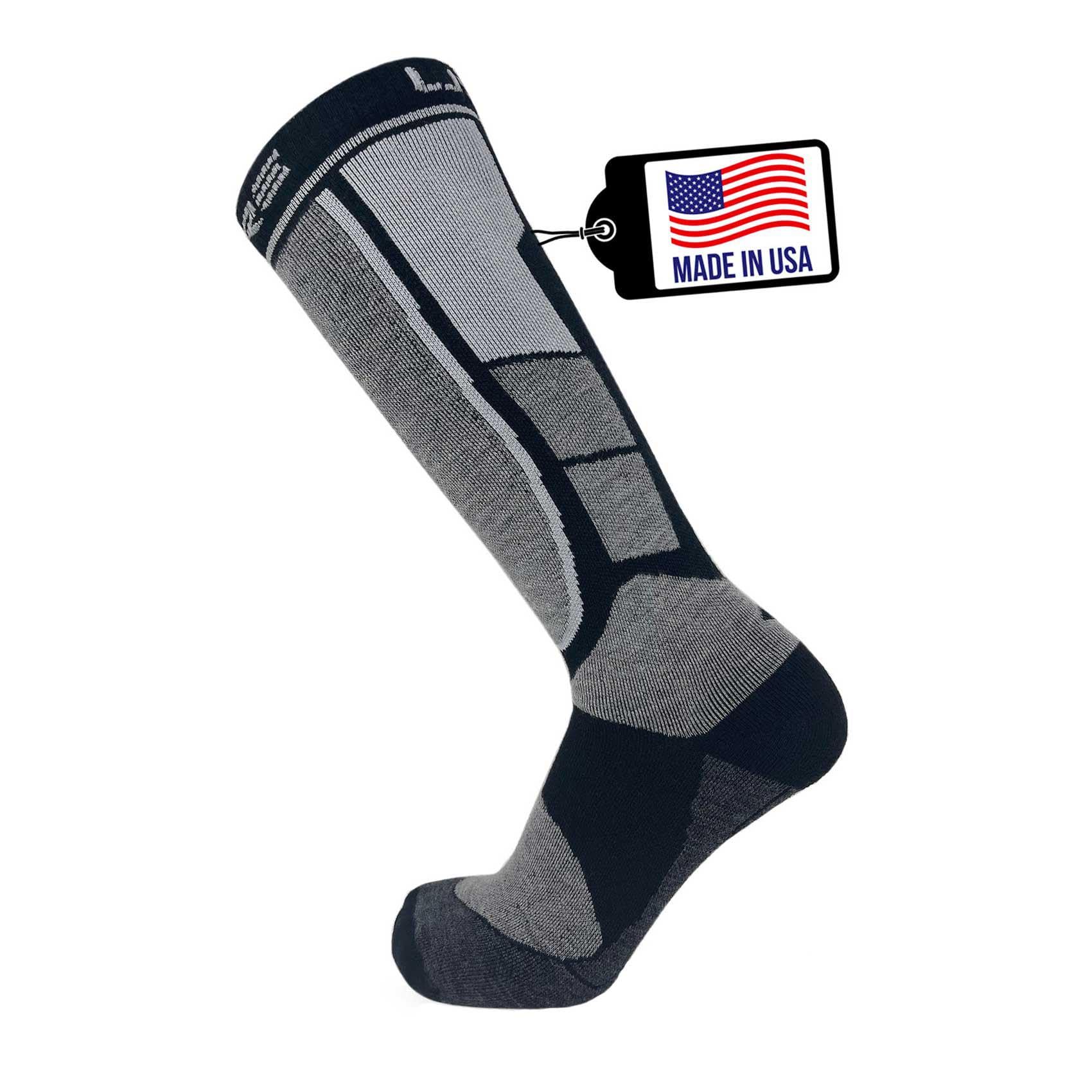
This is a dedicated cold-weather skiing and hunting sock, not a compression sock in the clinical sense, but it delivers a snug fit that provides light support without a rated mmHg number. The 100% alpaca blend (no synthetic compression yarn) means maximum thermal efficiency and moisture wicking for snowy conditions. Users consistently praise its ability to keep feet warm and dry during long days on the slopes.
The over-the-calf height works well with tall boots, and the lightweight construction allows good boot fit without bulk. A size 11 user found the XL fits perfectly, and multiple buyers reported that the socks breathe well even on warmer days, making them versatile for spring skiing or cold-weather hiking.
The obvious limitation is the lack of graduated medical compression — if you need 15-20 mmHg support, this isn’t the right pick. But for pure warmth and comfort in cold conditions, it’s hard to beat at this price point.
Why it’s great
- Excellent warmth and moisture wicking for cold weather
- USA-made with 100% alpaca feel
- Great value for skiing and hunting
Good to know
- No graduated medical compression rating
- Runs small; buy one size up
6. Juclise Heavyweight Alpaca Compression Socks – 15-25 mmHg
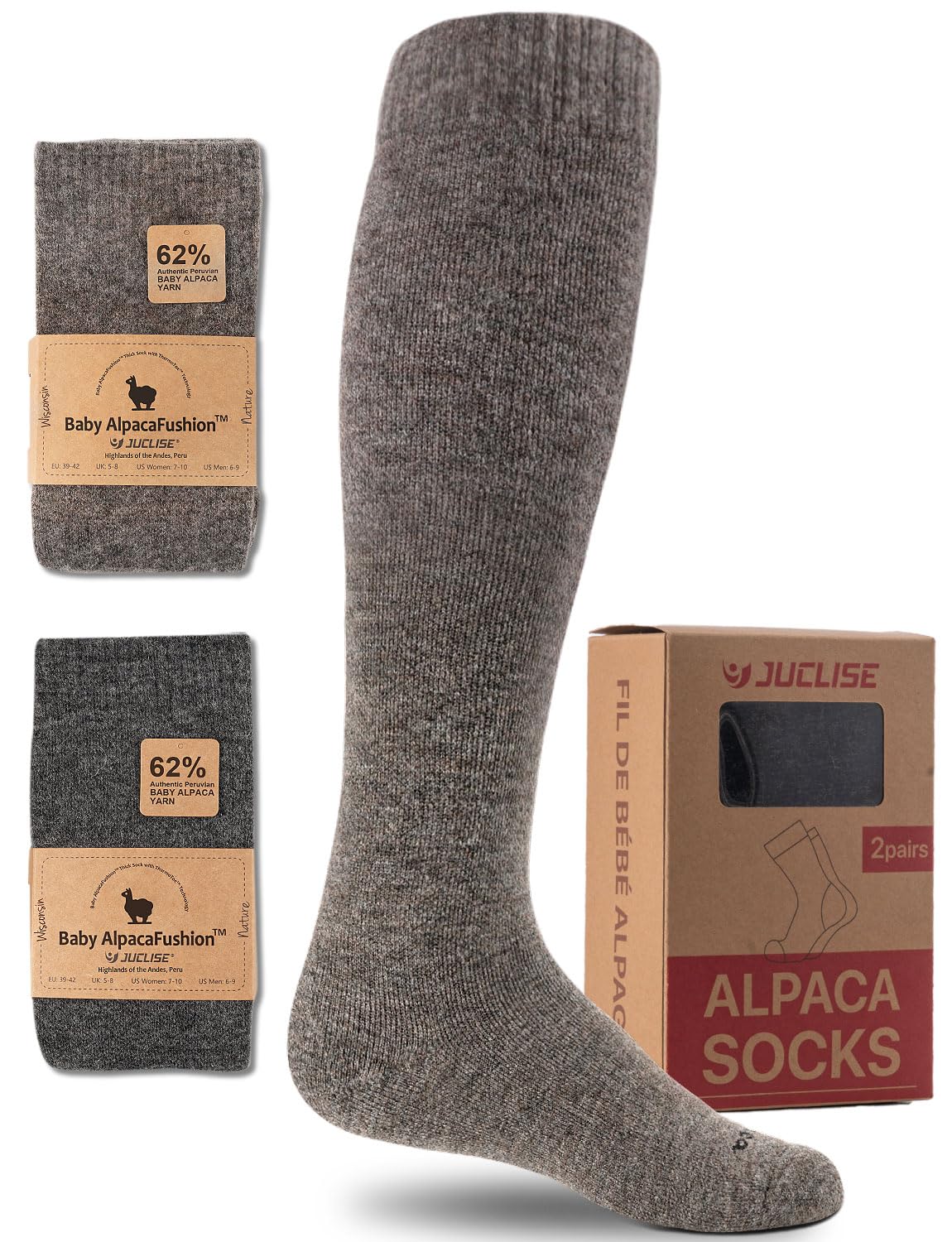
The Juclise stands out for its heavyweight construction and the highest natural fiber content in this lineup at 71% (62% baby alpaca and 9% merino wool). This translates to a plush, cushiony feel that wraps the entire foot and calf in soft warmth. The 15-25 mmHg compression is gentle but effective — it’s light enough for all-day wear but provides enough support to keep the socks in place.
This is the thickest option here, making it ideal for extreme cold, tall winter boots, or anyone who prioritizes cozy comfort over a slim profile. A size 7.5 user with wider feet found the fit wonderful even after 18,000 steps in a day. The elastic band stays up reliably without being too tight, and the socks wash well without significant pilling.
The main trade-off is the bulk — these won’t fit well in snug sneakers or low-cut hiking shoes. And while the compression is present, it’s not as firm as dedicated 20-30 mmHg medical socks. But for a warm, cushioned, high-fiber sock that offers light compression, this is a top-tier winter companion.
Why it’s great
- Highest natural fiber content (71%) for warmth and softness
- Thick cushion ideal for extreme cold and long days
- Stays up without restrictive top band
Good to know
- Too bulky for tight-fitting shoes or sneakers
- Compression is light; not for medical-grade needs
7. Bbfrey Medical Compression Socks 20-30 mmHg (3 Pairs)
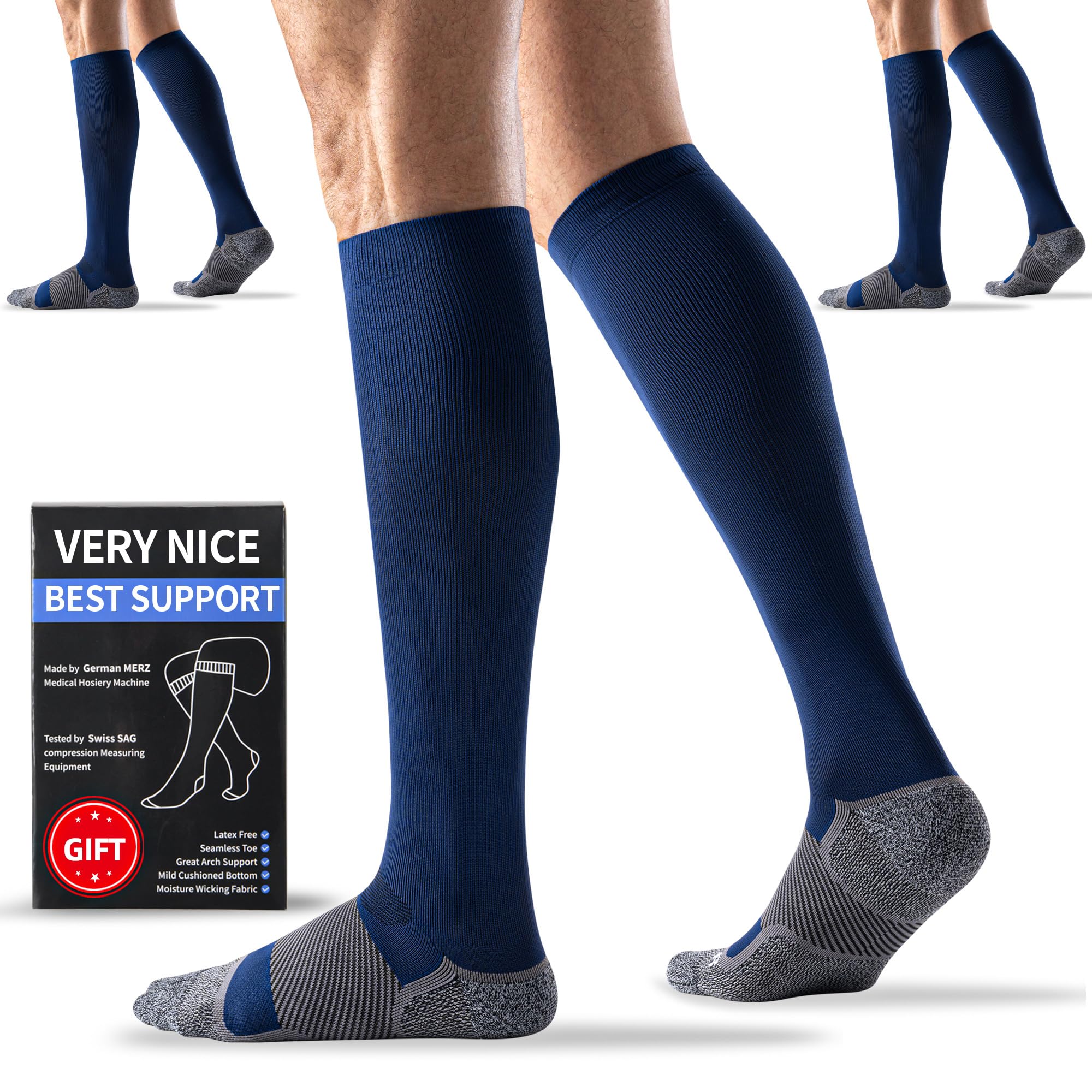
This is a synthetic compression sock through and through — no alpaca content — but it earns its spot as the firm medical-grade option at the lowest per-pair cost. The 20-30 mmHg rating provides the most aggressive graduated compression in this list, making it effective for edema, post-surgery recovery, or chronic circulation issues. The three-pack format offers good rotation for daily wear.
The fabric uses a microfiber blend that is comfortable against the skin, with flat toe seams to prevent irritation. The foot pad is padded for extra comfort, and the top band is designed to avoid digging or bruising even after 11+ hours of wear. A women’s size 10.5 user confirmed the S/M fits well with 14.5-inch calves, and the compression is strongest at the ankle as expected.
The clear downside is the lack of alpaca’s natural benefits — no moisture-wicking, no odor resistance, and no thermal regulation. If your priority is affordability and firm compression without natural fiber benefits, this is a solid choice. But for those seeking the alpaca advantage, stick with the earlier options.
Why it’s great
- Firm 20-30 mmHg graduated compression
- Comfortable for 11+ hours of wear
- Three pairs offer good value for rotation
Good to know
- No alpaca fiber — synthetic construction
- Limited color and pattern choices
FAQ
Can I wear alpaca compression socks for running and hiking?
How do I determine my correct size for alpaca compression socks?
Will alpaca compression socks keep my feet warm in winter?
Why do pure alpaca socks cost more than synthetic compression socks?
Do I need 15-20 mmHg or 20-30 mmHg compression for daily wear?
Final Thoughts: The Verdict
For most users, the alpaca compression socks for men winner is the Pure Athlete 15-20 mmHg because it delivers true graduated compression with a high alpaca content at a reasonable price. If you want a premium travel sock with softer fabric and refined finish, grab the Zensah Alpaca. And for extreme cold or maximum cushion, nothing beats the Juclise Heavyweight.