
Our readers keep the lights on and the weekend projects moving. As an Amazon Associate, I earn from qualifying purchases.
Choosing a headphone amp is no longer about just making things louder — it is about shaping the entire listening experience. A poorly matched amplifier can leave high-impedance headphones sounding flat, while a unit with a weak DAC can make even the best recordings feel lifeless. The landscape has shifted from simple analog boosts to feature-rich desktop hubs with balanced outputs, advanced DAC chips, and streaming codecs like LDAC.
I’m Rikta — the co-founder and writer behind FitlyFast. My buying guides here are built from hundreds of hours studying component specs, customer-reported performance data, and the real-world trade-offs between DAC architectures and amplifier topologies in this category.
You need a device that handles your headphone’s impedance, delivers clean power at the right gain level, and sounds good doing it. That is exactly what this guide delivers: a data-backed, human-readable breakdown of the best headphone amp options for 2025 and beyond.
How To Choose The Best Headphone Amp
A headphone amplifier directly influences the dynamics, detail, and timbre you hear. Start by looking at output power — but always in relation to your headphone’s impedance and sensitivity. A 300-ohm Sennheiser HD 600 needs a different power range than a 32-ohm planar magnetic headphone. Look for an amp with gain settings so you can match the output stage to your specific headphone load.
DAC Integration and Topology
A combined DAC/amp eliminates cable clutter, but the DAC chip defines the tonal flavor. Delta-sigma chips like the ES9038Q2M produce extremely clean, detailed sound with low THD+N. R2R ladder DACs, seen in units like the FiiO K13, deliver a warmer, more analog character. Decide whether you want clinical precision or musical warmth.
Output Connectivity and Balanced vs. Single-Ended
A balanced output (4.4mm or XLR) doubles the voltage swing, reduces crosstalk, and delivers better channel separation than a single-ended 6.35mm jack. If your headphones support balanced connections, prioritize an amp with a 4.4mm or XLR output. The single-ended output is still useful for IEMs and low-impedance cans.
Inputs and Features
USB input is mandatory for PC use, while optical and coaxial inputs let you connect game consoles, TVs, or CD players. Bluetooth with LDAC support adds wireless convenience without losing high-resolution fidelity. Affordable mid-range amps now offer built-in PEQ (parametric EQ) and analog bass boost, allowing you to tune the frequency response without extra software.
Quick Comparison
On smaller screens, swipe sideways to see the full table.
| Model | Category | Best For | Key Spec | Amazon |
|---|---|---|---|---|
| FiiO K13 R2R | Desktop DAC/Amp | Audiophile Warmth | 2400mW balanced 4.4mm | Amazon |
| Aune S9c Pro | Studio DAC/Amp | Analytical Clarity | 5700mW @ 32Ω balanced | Amazon |
| Rupert Neve Designs RNHP | Analog Amp Only | Pro Audio Reference | 24V power supply | Amazon |
| Topping DX3 Pro+ | Desktop DAC/Amp | Bluetooth & Gaming | 1.8W @ 32Ω SE | Amazon |
| iFi Zen CAN 3 | Analog Amp Only | Sound Customization | 2000mW balanced 4.4mm | Amazon |
| Fosi Audio ZH3 | Desktop DAC/Amp | Versatile Preamp | 2570mW @ 32Ω balanced | Amazon |
| FiiO K7 | Desktop DAC/Amp | Entry Balanced | 2000mW balanced 4.4mm | Amazon |
| FiiO K11 | Entry DAC/Amp | Compact Desktop | 1400mW @ 32Ω SE | Amazon |
| SMSL AS400 | Integrated Speaker/Amp | 2.1 Channel System | 165W x2 speaker + sub | Amazon |
In‑Depth Reviews
1. FiiO K13 R2R Desktop DAC & Headphone Amp
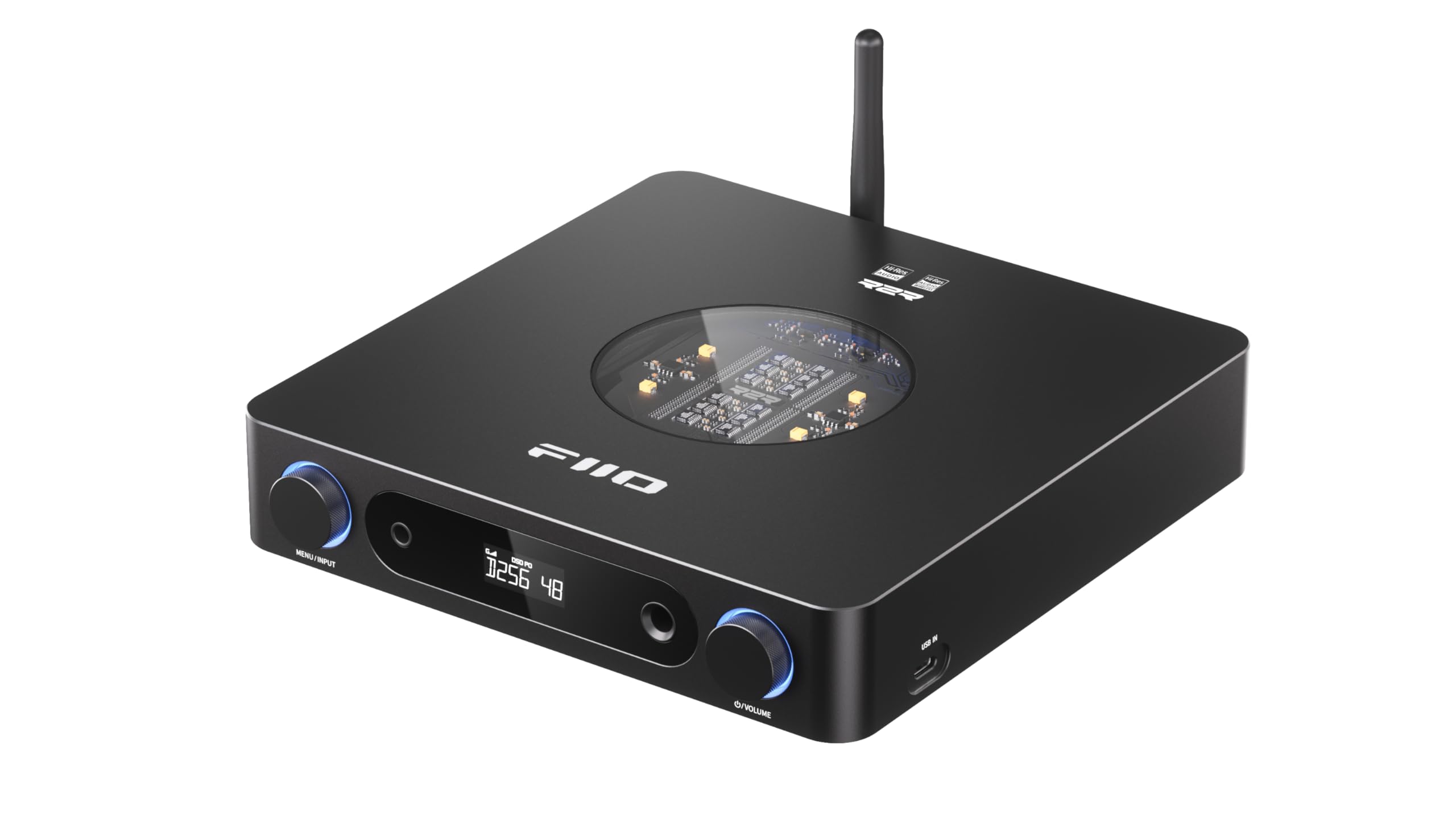
The FiiO K13 R2R uses a fully differential 24-bit R2R ladder DAC built from 192 precision thin-film resistors, giving it a warm, analog-rich timbre that delta-sigma DACs rarely match. The unit outputs 2400mW through its 4.4mm balanced jack, enough to comfortably drive high-impedance planars and dynamic headphones up to 300 ohms. A 10-band PEQ with app and web control allows you to gently correct headphone tonality without losing the natural character of the music.
NOS (Non-Oversampling) and OS modes let you choose between preserving the original sampling rate and upsampling to 384kHz for improved measured performance. The NOS mode is where this amp truly shines, delivering a relaxed, immersive soundstage that reduces listening fatigue. The dual power supply (analog and digital isolated) keeps the noise floor exceptionally low, even when driving sensitive IEMs.
The K13’s build is dense aluminum with a satisfying knurled volume knob, though some users report a slight wobble in the knob. The remote feels budget-friendly compared to the main unit. The XLR and RCA line outputs work well for powered monitors, making it a proper preamp. The LDAC Bluetooth 5.4 implementation is a welcome bonus for wireless streaming without compression artifacts.
Why it’s great
- Warm, musical R2R sound signature
- 2400mW balanced output drives most headphones
- Excellent 10-band PEQ with presets
- Dual NOS/OS modes for flexible listening
Good to know
- Knob feels slightly wobbly
- Remote control has cheap feel
- Requires proper driver installation on Windows
2. Aune S9c Pro DAC with Headphone Amp

The Aune S9c Pro is a heavyweight in both literal terms (10 lbs, due to the 50W toroidal transformer) and performance. It uses dual ES9068 DAC chips in a clock-synchronized mode, working with a 2nd-generation PLL core that reduces jitter to extremely low levels. The result is an analytical, highly detailed soundstage with impressive instrument separation and transient attack — ideal for critical listening, mixing, or mastering.
Output power is class-leading at up to 5700mW into 32 ohms through the balanced 4.4mm/XLR outputs. This means it can drive virtually any headphone on the market, including hard-to-drive planars like the Hifiman Susvara. The discrete headphone amplifier uses twin JFETs per channel, giving it a fast transient response and a clean, punchy low-end. A 10MHz external clock input is available for users who want to further refine timing.
Two tuning modes — Standard and Pure — let you switch between a slightly fuller presentation and a more minimal, transparent one. The OLED screen displays sample rate and input, though one reviewer noted it sometimes shows inputs oddly (e.g., “COX” for coaxial). The remote has very short range, requiring the user to be within a few feet of the unit. The S9c Pro is a single-voltage 110V unit, so non-US buyers must check compatibility.
Why it’s great
- Extreme 5700mW output power
- Excellent jitter-reducing PLL technology
- Two tuning modes for flexibility
- High-end dual DAC implementation
Good to know
- Very heavy (10 lbs)
- Remote has short range
- 110V only — check your region
3. Rupert Neve Designs RNHP Stereo Precision Headphone Amplifier

The Rupert Neve Designs RNHP is a pure analog headphone amplifier with no DAC, no Bluetooth, and no digital inputs — just a reference-grade signal path built on Neve’s legendary console heritage. It uses a dedicated 24V linear power supply that provides ultra-clean, regulated DC voltage to the analog amplification stage. The result is a sound that is transparent, detailed, and deeply musical without any artificial coloration.
With RCA and 1/8-inch stereo inputs, the RNHP integrates easily into existing studio rigs or high-end desktop systems. It outputs enough current to drive 250-ohm Beyerdynamic DT 880 Pro and Focal Celestee with authority, though it operates at standard +4dBu line level — higher input sources will yield more headroom. Users consistently report a vocal clarity and soundstage depth that rivals amplifiers costing five to ten times more.
The chassis is stainless steel; the green front-panel LED lacks a dimmer and can be bright in a dark room. Defaults to output A on power-up, which some users find slightly inconvenient. The RNHP prioritizes sound quality above all else. If you want a neutral, reference-grade analog amplifier without any digital processing, this is one of the most respected options available.
Why it’s great
- Legendary Neve analog sound quality
- Ultra-low noise 24V linear PSU
- Drives high-impedance headphones cleanly
- Compact, simple, reliable design
Good to know
- No built-in DAC — requires external source
- Green LED too bright for dark rooms
- Pricey compared to integrated DAC/amps
4. Topping DX3 Pro+ LDAC Headphone Amplifier

Topping’s DX3 Pro+ is a feature-dense desktop DAC/amp built around the ESS ES9038Q2M DAC chip. It supports USB, optical, coaxial, and Bluetooth 5.0 with LDAC, making it one of the most versatile connectivity options in the mid-range. The headphone amplifier delivers up to 1.8W into 32 ohms single-ended, which is enough for most dynamic headphones up to around 250 ohms with the high-gain setting.
The sound signature is clean, crisp, and highly resolving — gamers report sharp footstep and gunshot clarity in titles like Rainbow Six Siege. The included remote controls volume, input selection, and line-out switching. The clicky metal volume knob feels premium, and the bright, dimmable display shows sample rate without being obtrusive. Users pairing it with Sennheiser HD 600 and LCD-X report solid performance, though high-gain is necessary for power-hungry cans.
The integrated Bluetooth with LDAC support makes it easy to wirelessly stream high-resolution audio from a phone or tablet without degrading quality. Some users note the digital filter options are mostly useless in practice and that there is no built-in bass control. It also requires a 15V DC power adapter — no internal battery. Overall, it remains a top pick for anyone wanting a single-box solution for both gaming and music listening.
Why it’s great
- LDAC Bluetooth for wireless HiFi
- Clear, detailed sound with good imaging
- Remote control included
- Solid, compact build with premium knob
Good to know
- No built-in bass/EQ controls
- Needs high-gain for power-hungry headphones
- Filter settings are mostly cosmetic
5. iFi Zen CAN 3 High-Resolution Headphone Amplifier
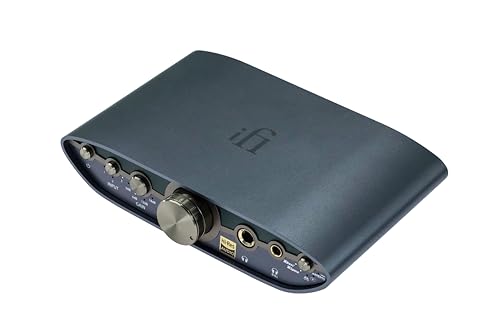
The iFi Zen CAN 3 is a pure analog headphone amplifier with five distinct EQ modes: XBass+, XSpace, a combined mode, a Game mode for sound effects, and an off/pass-through mode. These filters are implemented in the analog domain, so they do not degrade the signal the way digital DSP often does. This unit supports xMEMS micro-speaker technology, making it cross-compatible with future IEM designs that use solid-state drivers.
With up to 2000mW of output power through the 4.4mm balanced jack, it can handle high-impedance headphones like the Beyerdynamic Pro X series and Sennheiser 600 series with ease. The RCA and 4.4mm inputs connect cleanly to a dedicated DAC like the iFi Zen DAC 3. Users report that the XBass+ mode restores low-end punch without muddying the mids, while the XSpace mode widens the soundstage for a more airy presentation.
Gain settings are 0 dB and +6 dB, with the +6 dB setting particularly useful for passive vinyl preamps. The unit is compact enough to be portable, though it requires the included 5V DC adapter. Some users recommend upgrading to the iFi Power X for an even quieter noise floor. The Zen CAN 3 is best for listeners who want tonal control without leaving the analog path.
Why it’s great
- Analogue-domain XBass+ and XSpace modes
- 2000mW balanced output
- xMEMS support for future earphones
- Compact, stylish form factor
Good to know
- Requires external DAC for digital sources
- Pricey for a pure analog amp
- Power X upgrade recommended for lowest noise
6. Fosi Audio ZH3 DAC Headphone Amp

The Fosi Audio ZH3 uses the well-regarded AKM4493SEQ DAC chip paired with an XMOS XU316 processor for PCM up to 768kHz/32-bit and DSD512. It is designed as a full-function desktop hub with USB, optical, coaxial, and RCA inputs, plus 4.4mm balanced and 6.35mm single-ended headphone outputs as well as XLR and RCA preamp outputs. This makes it equally viable as a headphone station or a preamp for powered monitors.
Balanced output delivers a substantial 2570mW into 32 ohms, which is enough for most planar and dynamic headphones up to 300 ohms. A three-level gain switch allows the amplifier to match IEMs, low-impedance headphones, and high-impedance cans without excessive noise. The integrated bass and treble EQ adjustments give the user direct analog tonal control, something rarely seen at this price point.
The circular display and IR remote offer convenient software-free operation. One potential limitation is that the EQ only affects the headphone output, not the preamp outputs. Also, the RCA and XLR output levels differ, so you must choose the correct output for your amplifier or speakers. At its price, the ZH3 offers an exceptional feature set and clean, powerful sound.
Why it’s great
- Versatile DAC, amp, and preamp in one
- 2570mW balanced output with gain switch
- AKM DAC chip for a natural sound
- Built-in bass and treble EQ
Good to know
- EQ only works on headphone output
- XLR and RCA output levels differ
- External power adapter
7. FiiO K7 Full Balanced HiFi DAC Headphone Amplifier

The FiiO K7 is a purpose-built balanced desktop DAC/amp featuring dual AK4493SEQ DAC chips and dual THX AAA 788+ amplifier modules. The THX architecture delivers extremely low distortion and a clean, dynamic sound signature that avoids the fatigue of some cheaper class-A implementations. The K7 outputs 2000mW into 32 ohms balanced and 1200mW single-ended, making it a strong value for anyone moving from a basic soundcard or dongle.
Inputs include USB, optical, coaxial, and AUX, while outputs include 4.4mm balanced, 6.35mm single-ended, and a 3.5mm single-ended. The titanium-colored chassis is compact and runs cool even during extended listening sessions. The RGB indicator on the front changes color based on the incoming sampling rate, providing a visual confirmation of your audio quality. The two gain levels let you fine-tune the power for different headphone types.
Users note that the K7 offers a noticeable improvement in soundstage openness and clarity over many entry-level combos, especially when using the balanced 4.4mm output. It pairs well with headphones like the Focal Elegia and Sennheiser HD 6XX. The step up to the K9 ESS does offer better dynamics and treble refinement, but for most users, the K7 represents the sweet spot of price-to-performance in the FiiO lineup.
Why it’s great
- THX AAA 788+ amp modules for clean power
- 2000mW balanced output
- Compact, cool-running desktop design
- Great value for balanced audio
Good to know
- Not a massive upgrade over good soundcards
- Step up to K9 ESS offers notable improvement
- No Bluetooth
8. FiiO K11 DAC and Headphone Amplifier

The FiiO K11 is a compact desktop DAC/amp that punches above its size. It features a VA display screen that clearly shows sampling rate, volume, gain, and output mode, making operation intuitive even for beginners. The aluminum chassis is slim at just 0.59 inches thick, making it easy to slot under a monitor or next to a laptop.
It supports USB, coaxial, and optical inputs, with 6.35mm and 4.4mm balanced headphone outputs plus RCA line-out. Maximum output power is 1400mW into 32 ohms via the balanced connection, which is enough for most mid-impedance dynamic headphones and IEMs. The AKM DAC (though not specified in the top-tier reviews) delivers a clean, neutral sound with good stereo separation and a low noise floor.
Customer feedback highlights the smooth volume knob and the sharp, responsive display. One minor issue: on Linux systems, the USB-C to USB-A cable may cause a power error, but switching to a USB-C to USB-C cable fixes it. The K11 is the ideal entry point for desktop HiFi — it gives you balanced output, multiple inputs, and clean sound in the smallest viable footprint.
Why it’s great
- Ultra-compact aluminum body
- High-definition VA display screen
- 1400mW balanced output
- Versatile input selection
Good to know
- USB-C to USB-A cable may cause Linux issues
- Power output limited for high-impedance planars
- No Bluetooth
9. SMSL AS400 Power Amplifier DAC Headphone Amp
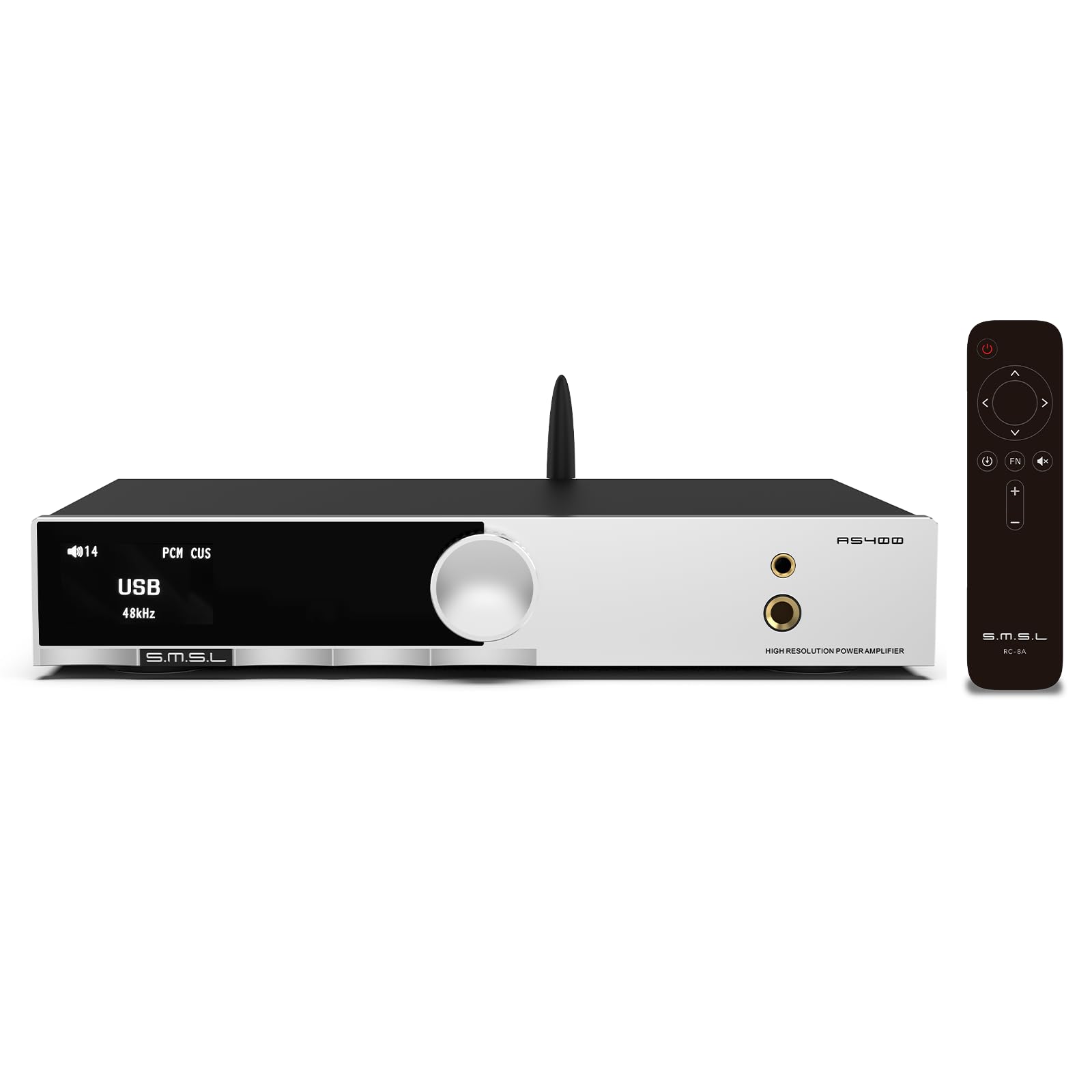
The SMSL AS400 is a hybrid device that functions as a 2.1-channel speaker amplifier (165W x 2 into 4 ohms plus a subwoofer output), a DAC (with the CS43131 chip), a headphone amplifier (4.4mm balanced and 6.35mm SE outputs), a phono preamp for MM turntables, and a Bluetooth receiver with LDAC. It is designed as a true all-in-one powered stereo system hub for a desktop with passive speakers and headphones.
The headphone amplifier section uses the same MA5332MS chipset and is rated to deliver clean output with very low noise. Users comparing it to dedicated headphone amps find it competent but not top-tier for headphone-only use — the main strength here is the value of integrating everything into one box. The 8 EQ presets (Direct, Tone, SDB, Bass, Super Bass, Rock, Soft, Clear) give you quick tonal shaping.
Connectivity is extremely broad: USB with XMOS XU316, optical, coaxial, HDMI ARC, RCA (line and phono), and Bluetooth 5.1. The unit runs cool and quiet even after extended high-volume sessions. One user reported a power failure after a few months, so reliability is a potential concern. For someone building a compact desktop system with passive bookshelf speakers, a subwoofer, and headphones, the AS400 is an unmatched value proposition.
Why it’s great
- Full 2.1-channel speaker amplifier
- Built-in MM phono preamp
- Bluetooth with LDAC support
- 8 EQ presets for quick tuning
Good to know
- Some reliability concerns reported
- Headphone amp output is secondary to speakers
- Large and heavy for a desktop unit
FAQ
Do I need a balanced headphone amp to get good sound?
What does the DAC chip in a headphone amp actually do?
Can I use a headphone amp with a turntable?
Final Thoughts: The Verdict
For most users, the headphone amp winner is the FiiO K13 R2R because it delivers a genuinely warm, analog sound signature plus ample balanced power, a 10-band PEQ, and LDAC Bluetooth — all in a compact desktop package that outperforms its price bracket. If you want ultimate analytical clarity and have headphones that need extreme power, grab the Aune S9c Pro. And for a pure analog reference with no digital processing, nothing beats the Rupert Neve Designs RNHP.