
Our readers keep the lights on and the weekend projects moving. As an Amazon Associate, I earn from qualifying purchases.
Shady fence lines and dim woodland edges don’t have to stay bare. A carefully chosen seed mix or live perennial will deliver color where the sun stays gentle, turning those overlooked corners into the garden’s focal point.
I’m Rikta — the co-founder and writer behind FitlyFast. I’ve spent hours analyzing seed germination rates, shade tolerance specifications, and bloom period data to separate the reliable mixes from the disappointing filler blends.
This guide ranks the most reliable options to help you confidently choose from the best annuals for partial shade, whether you want instant first-year flowers or long-lasting perennials that return each spring.
How To Choose The Best Annuals For Partial Shade
Not all shade labels are equal. A mix marked “partial shade” expects about 40 percent direct sunlight — any less and the seeds will produce foliage without flowers. Understanding the ratio of annuals to perennials, the specific bloom period, and the planting zone range helps you avoid the disappointment of a sparse patch. The table below captures the key specs for each option so you can compare coverage area, bloom duration, and light requirements at a glance.
Annual vs. Perennial Ratio
Annuals bloom hard in the first season and die after frost. Perennials take longer to establish but return year after year. A mix with at least 50 percent annuals gives you visible color the first spring while the perennials build root systems for future seasons. Pure perennial blends often look thin in year one.
Seed Quantity and Coverage Area
Seed weight (ounces or pounds) is less important than the number of seeds per square foot. A quarter-pound mix can cover 250 to 500 square feet if spread at the recommended rate, but a two-ounce bag is better suited for smaller beds or container plantings. Over-seeding leads to weak, spindly growth, while under-seeding leaves bare spots for weeds.
Quick Comparison
On smaller screens, swipe sideways to see the full table.
| Model | Category | Best For | Key Spec | Amazon |
|---|---|---|---|---|
| Eden Brothers Partial Shade Mix | Seed Mix | Family color garden | 27 species, 120k+ seeds | Amazon |
| Mountain Valley Seed Bulk | Seed Mix | Large meadow patches | 19 varieties, 80k+ seeds | Amazon |
| Outsidepride Wild Flower Mix | Seed Mix | Budget-friendly start | 55% annual / 45% perennial | Amazon |
| Lawn Seed Feed 4 oz Mix | Seed Mix | Resealable storage | 4 oz resealable pouch | Amazon |
| Live Heuchera Coral Bells | Live Plant | Instant foliage depth | 2 Qt pot, 10″ tall | Amazon |
| Willard & May Shade Bulb Garden | Bulb Mix | Long-term perennial bed | 30 bulbs (Hosta + Astilbe) | Amazon |
| Lawn Seed Feed 2 oz Mix | Seed Mix | Small container gardens | 2 oz resealable pouch | Amazon |
In‑Depth Reviews
1. Eden Brothers Partial Shade Wildflower Mixed Seeds
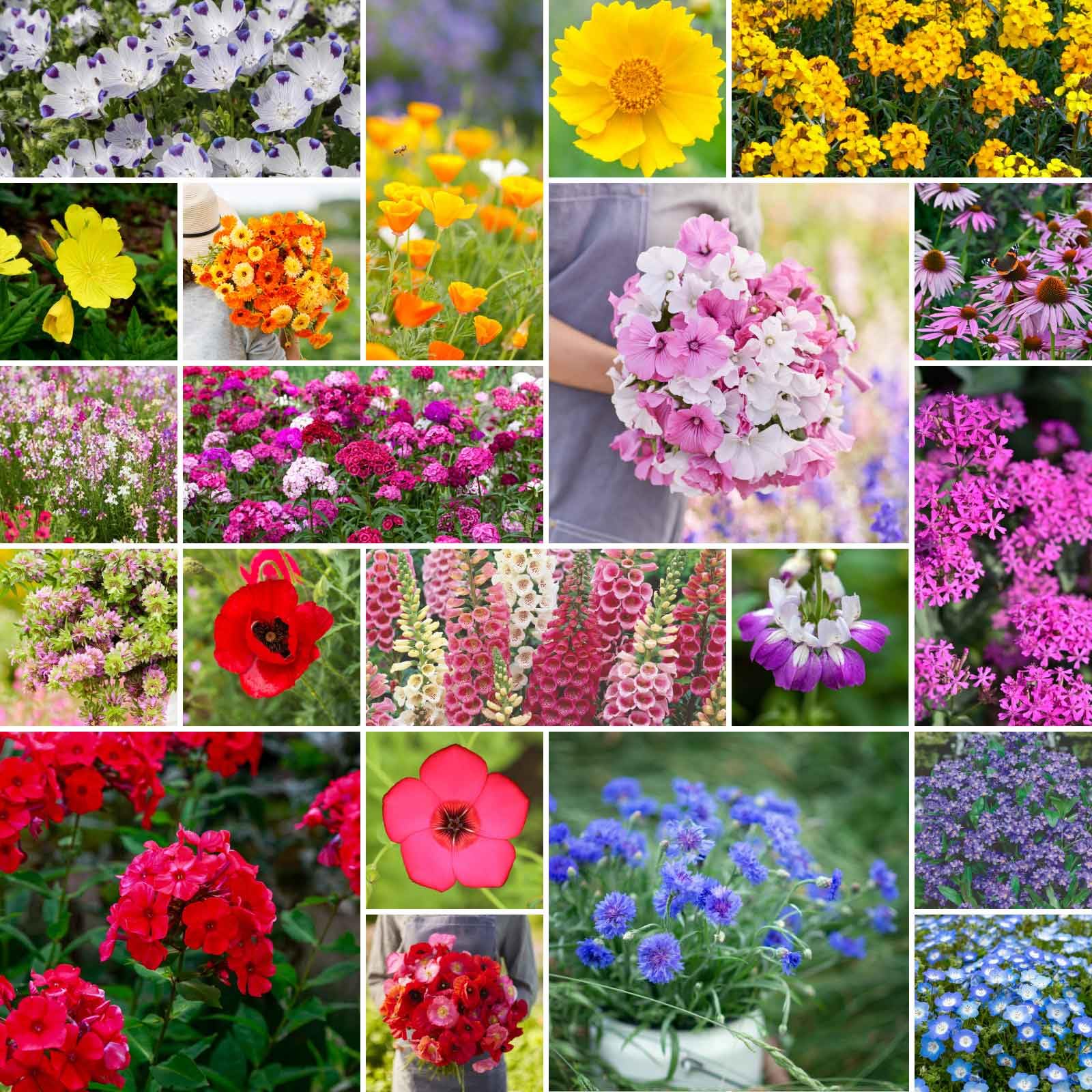
This quarter-pound mix packs 27 non-GMO species including Sweet William, Foxglove, and Purple Coneflower — a biodiversity level that most competitors don’t match. With over 120,000 seeds, coverage stretches to 500 square feet, making it one of the most cost-effective options for filling a large partly shaded bed.
Customer reports confirm germination in roughly seven days when direct-sown in prepared soil. The 55 percent annual component ensures a strong first-year display, while the perennials build for subsequent seasons. Testers in zone 10 noted quick sprouting even with minimal aftercare.
A small minority reported that some seedlings were misidentified by plant-recognition apps, and a few sprouts turned out to be weeds. The trade-off for a high-diversity mix is that not every species will thrive in every microclimate, but the overall germination rate and bloom density earn it the top spot.
Why it’s great
- Exceptionally high seed count with 27 distinct species for layered texture
- Annual-perennial blend provides color in year one and regrowth later
- Adaptable across USDA zones 3 through 10
Good to know
- Some buyers reported weed species mixed in
- Not all seeds are truly pure shade — partial sun is required
2. Mountain Valley Seed Bulk Wildflower Mix

This three-ounce mix contains over 80,000 seeds from 19 shade-tolerant species including Cardinal Flower, Columbine, and Forget-Me-Not. The resealable illustrated pouch keeps seeds fresh across multiple planting windows, and the label includes both common and scientific names for easy identification.
Coverage is roughly 250 square feet at the recommended rate. Gardeners in zone 7 who sowed in March reported blooms starting in May with steady bee and butterfly activity. The annuals deliver quick color, and species such as Purple Coneflower act as long-lived perennials that expand each year.
Some customers experienced poor results when sowing in heavy shade — the mix still needs partial sun (at least a few hours daily) to perform. Indoor starts also struggled after transplanting, so direct outdoor sowing in spring or fall is the recommended method. Overall, a solid option for medium-scale meadow projects.
Why it’s great
- Large seed count with clearly labeled species for informed planting
- Resealable pouch protects viability across seasons
- Attracts pollinators including bees, butterflies, and hummingbirds
Good to know
- Requires at least partial sun — deep shade leads to poor growth
- Transplanting indoor starts is not recommended
3. Outsidepride Partial Shade Wild Flower Seed Mix
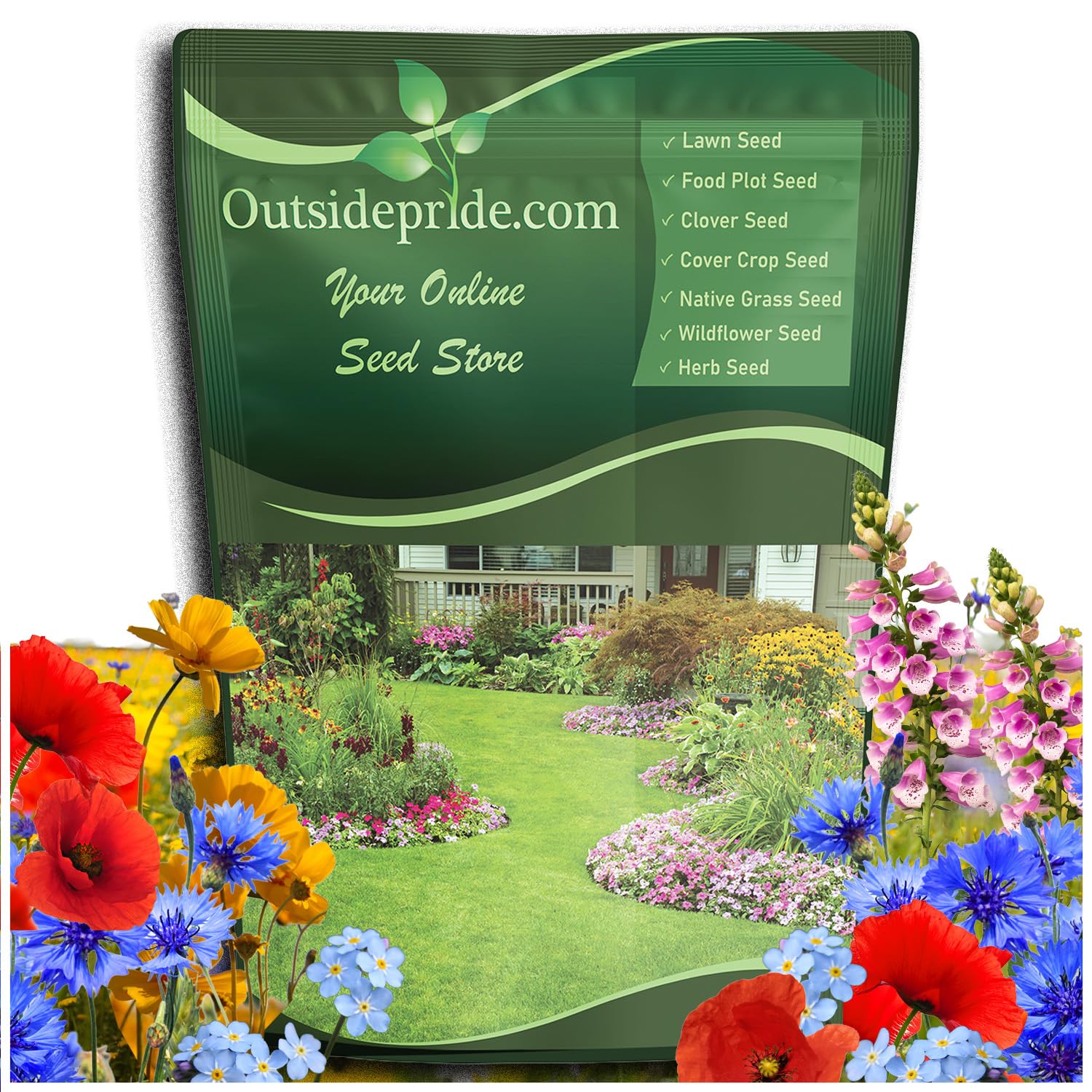
This budget-friendly quarter-pound blend combines 55 percent annuals with 45 percent perennials, including Forget-Me-Not, Cornflower, and Columbine. The mix is formulated specifically for partial shade areas receiving about 40 percent sunlight, and the height range of 24-30 inches creates nice mid-level visual depth.
Sprouting can occur in under a week when spring-planted in prepared soil with consistent moisture. Customers in coastal sandy soil reported good germination, and the mix proved effective at suppressing weeds along driveways and fence lines. The extended bloom window from spring through fall is a notable advantage at this price point.
Several reviewers noted that this is a partial shade blend, not a full-shade one — plants in deep shade produced leaves but few flowers. A few customers had very low germination rates, likely due to soil conditions or late planting. For the price, it remains a solid entry-level choice for first-time shade gardeners.
Why it’s great
- Affordable entry point for testing partial shade conditions
- Annual-heavy mix guarantees first-year color
- Effective at crowding out weeds in low-traffic areas
Good to know
- Not a true full-shade mix — needs dappled sunlight
- Germination rates vary significantly with soil prep and timing
4. Live Heuchera (Coral Bells) – Shades of Purple
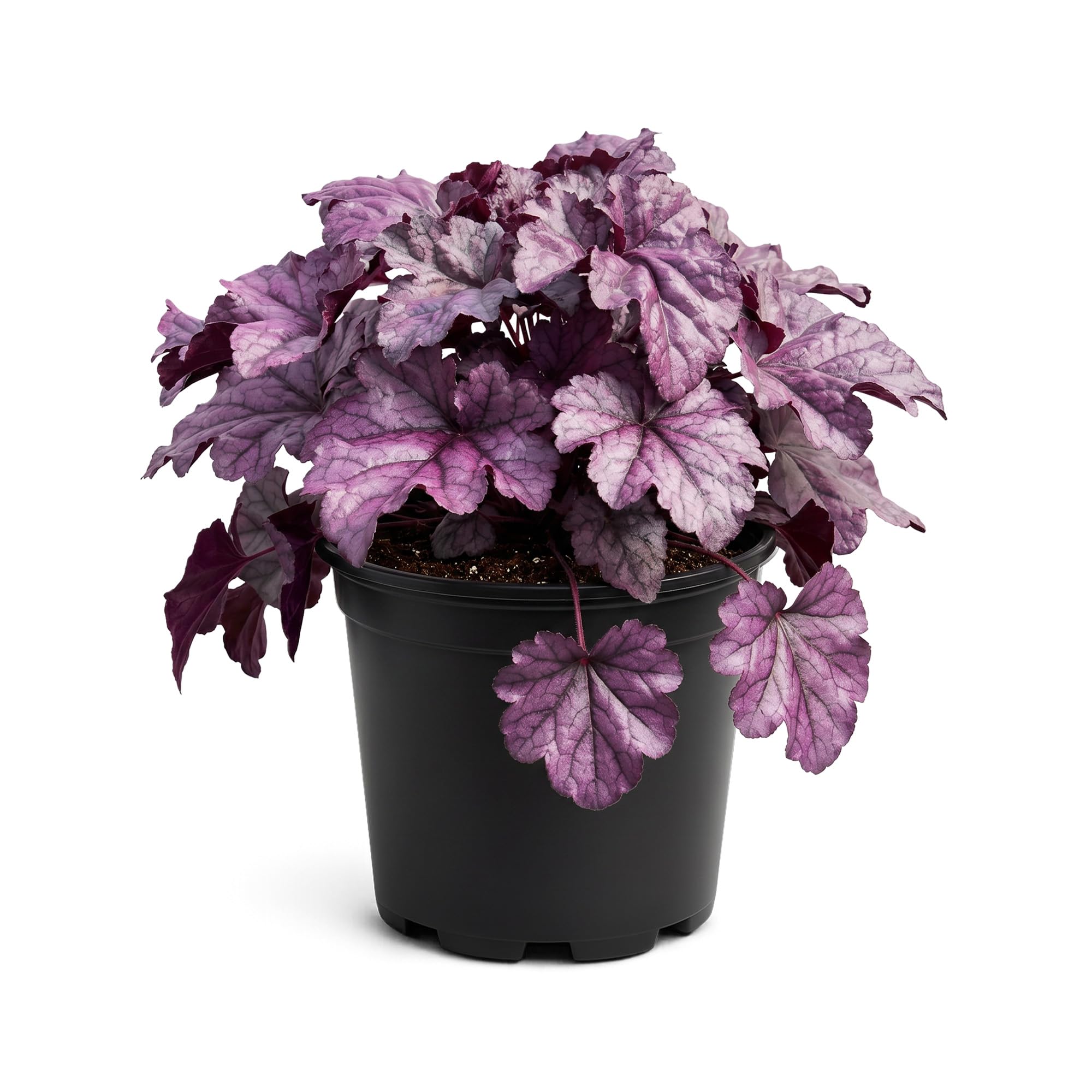
Heuchera is a shade-tolerant perennial prized for its deep purple and maroon foliage rather than its flowers. This live plant ships in a two-quart pot at about 10 inches tall, with a mature spread of 12-18 inches. The color intensity actually deepens in shadier spots — a rare trait among ornamental plants.
Customers in diverse climates from Hawaii to the mainland reported healthy arrivals and vigorous growth when planted in well-draining soil enriched with organic matter. The coral bells form a compact mound that works beautifully as a border accent or under-tree ground cover. Regular watering is needed, but the plant is not fussy once established.
Shipping quality is a minor concern — some units arrived on their side despite “This Side Up” labeling, and a few plants arrived nearly dead. Ordering during mild weather reduces that risk. For instant architectural foliage without waiting for seeds to grow, this is the most reliable live option in the list.
Why it’s great
- Mature live plant provides instant visual impact
- Foliage color deepens in shadier locations
- Compact growth habit suits borders and containers
Good to know
- Shipping can be rough — some plants arrive damaged or dead
- Requires consistent moisture and well-draining soil
5. Willard & May Complete Shade Perennial Flower Bulb Garden
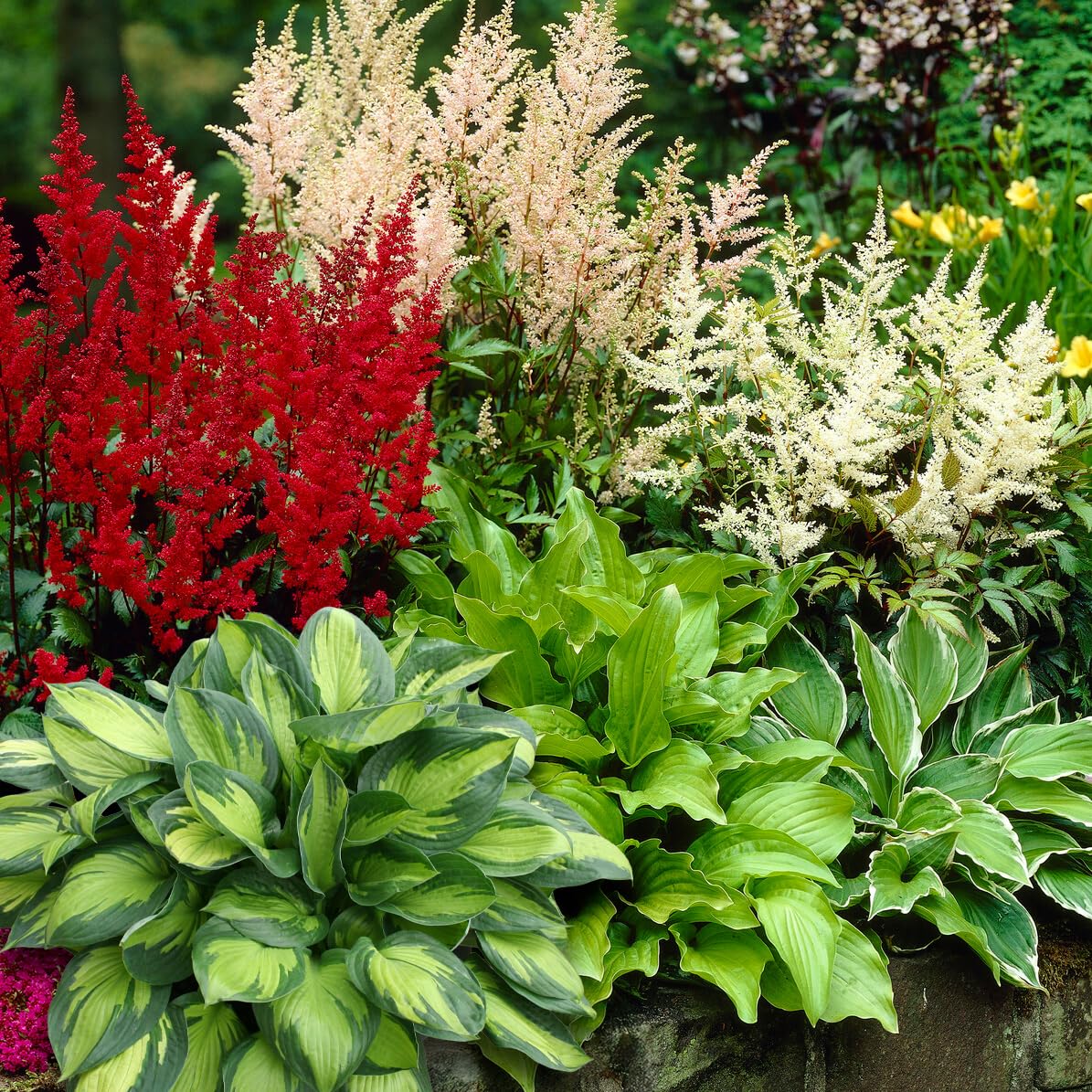
This collection includes 15 Hosta and 15 Astilbe bare-root bulbs, designed for continuous blooms from July through October. Hostas contribute bold, textured foliage, while Astilbe adds upright feathery plumes in shades of pink, red, and white. The combination creates layered visual depth in low-light beds that seed mixes struggle to fill.
Customers reported roughly 24 out of 30 bulbs sprouting successfully, with Hosta showing faster early growth than Astilbe. Most plants established well in pots before being transferred to the garden. The bulbs are organic and packaged to retain moisture during shipping, reducing the risk of desiccation.
The main downside is variety — several buyers noted only three Hosta types among the 15 bulbs, which limits the color range. Astilbe may not flower until the second year, so first-season expectations should focus on foliage. For a low-maintenance, returning shade garden, this bulb set offers strong long-term value.
Why it’s great
- Two complementary species create layered foliage and flower interest
- Bulbs are pre-packaged for moisture protection during shipping
- Perennials return year after year with minimal care
Good to know
- Hostas may lack variety — some packs had only three types
- Astilbe flowering may not occur until the second growing season
6. Lawn Seed Feed Partial Shade Wildflower Mix (4 oz)
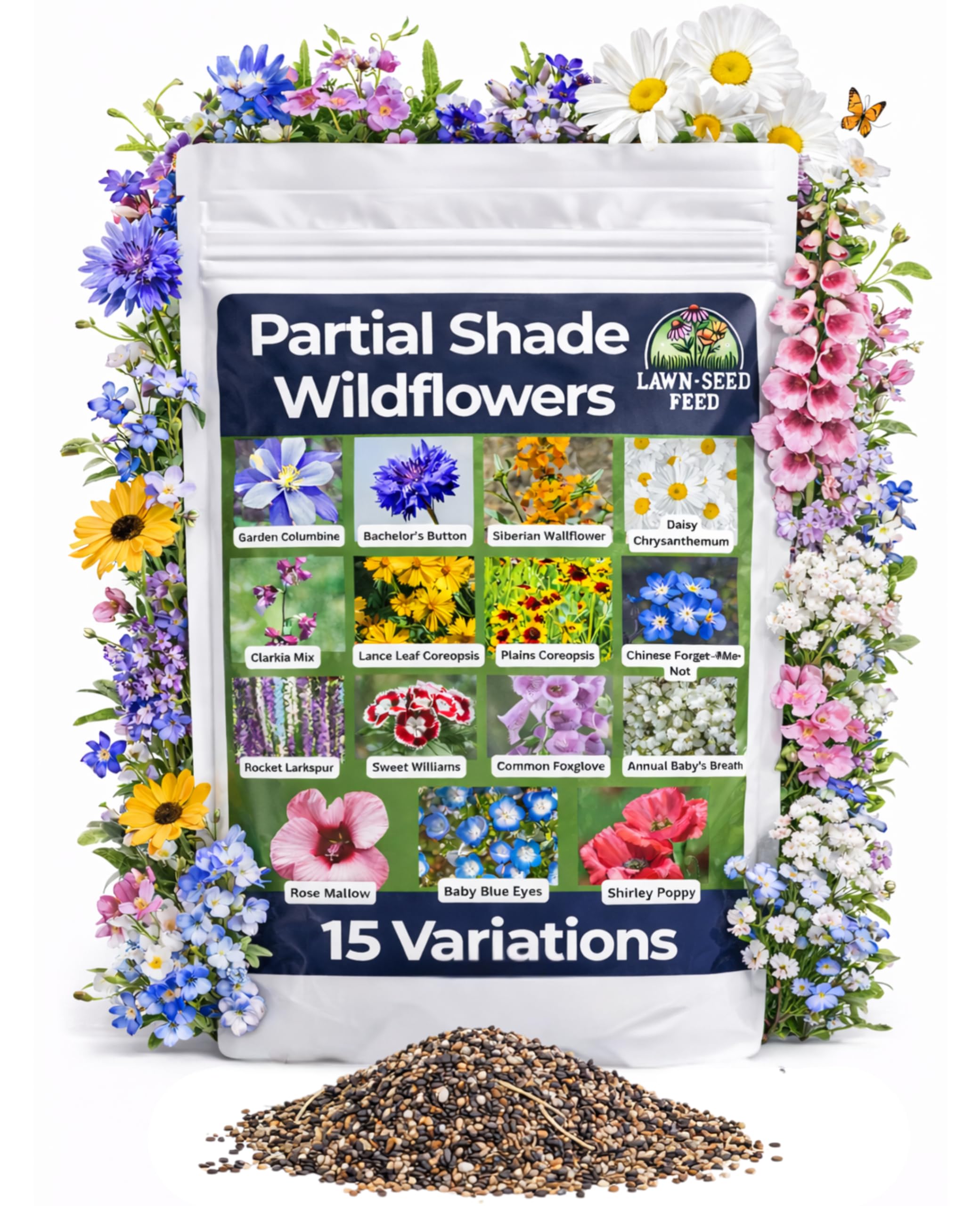
This four-ounce organic mix comes in a durable resealable pouch that protects against moisture and light — a practical design for gardeners who prefer to sow in stages. The blend includes multiple annual and perennial varieties selected for sun-to-partial-shade conditions, with bloom times staggered from early spring through fall.
Customers who sowed in late spring reported germination within days in pots, and the resealable bag allowed them to store leftover seeds for fall planting. The organic certification appeals to those avoiding synthetic additives, and the shade-resistant label clarifies that partial sun remains necessary.
A few buyers had disappointing results in heavy shade, and one reported that very few plants emerged despite good soil preparation. The smaller seed count per ounce compared to bulk options means coverage is best for beds under 150 square feet. For small-scale projects or container gardening, the resealable feature makes this a convenient pick.
Why it’s great
- Resealable pouch maintains seed freshness for multiple sowings
- Organic material composition for chemical-free gardening
- Germinates quickly in pots and prepared beds
Good to know
- Best for smaller areas — not ideal for large meadow coverage
- Heavy shade conditions produce very sparse results
7. Lawn Seed Feed Partial Shade Wildflower Mix (2 oz)
This two-ounce version of the Lawn Seed Feed mix is essentially a trial-size version of the four-ounce bag above. The resealable pouch is identical in design, protecting against humidity and light exposure. The blend contains 19 organic wildflower varieties that produce blooms in a mix of colors, shapes, and sizes.
Customers reported sprouts appearing roughly three weeks after direct sowing, with the resealable pouch keeping unused seeds viable for next season. The blend is described as pollinator-friendly, attracting bees, butterflies, and hummingbirds once the flowers open. It’s a good starter pack for someone new to shade gardening who wants to test a small area before committing to a larger bag.
The limited seed volume means coverage is best for containers or small beds under 100 square feet. Some customers found the seeds difficult to spread evenly due to tiny particle size, and a few had no germination at all. For its intended use as a compact, low-commitment option, it serves well.
Why it’s great
- Compact size ideal for small gardens, pots, or trial batches
- Resealable pouch extends shelf life across seasons
- Attracts beneficial pollinators with diverse bloom colors
Good to know
- Limited coverage area — not suitable for large beds
- Tiny seeds require careful spreading to avoid clumping
FAQ
What does “partial shade” mean for wildflowers?
Can I plant annuals for partial shade in fall instead of spring?
How do I prepare soil for a partial shade seed mix?
Final Thoughts: The Verdict
For most users, the annuals for partial shade winner is the Eden Brothers Partial Shade Wildflower Mixed Seeds because it packs 27 species in a high-volume quarter-pound bag that delivers first-year color and regrowth potential. If you want instant foliage depth without waiting for seeds, grab the Live Heuchera Coral Bells. And for a low-maintenance perennial bed that returns year after year, nothing beats the Willard & May Shade Bulb Garden.