
Our readers keep the lights on and the weekend projects moving. As an Amazon Associate, I earn from qualifying purchases.
The red, purple, or brown spots that linger long after a pimple has healed aren’t just frustrating — they often feel more stubborn than the original breakout. Post-inflammatory erythema and hyperpigmentation (PIH) can take weeks or months to fade on their own, which is why picking the right formula of brighteners, retinoids, and barrier-supporting ingredients matters more than just grabbing any “blemish” cream off the shelf.
I’m Rikta — the co-founder and writer behind FitlyFast. I’ve spent countless hours analyzing ingredient decks, clinical study claims, and real-user feedback across dozens of acne mark treatments to separate the genuinely effective formulas from the overhyped ones.
This guide breaks down the top serums and treatments designed to target discoloration, support skin healing, and restore an even tone — so you can find the right acne red mark treatment for your specific skin type and budget.
How To Choose The Best Acne Red Mark Treatment
Not all post-acne marks respond to the same ingredients. Redness (erythema) is often linked to lingering inflammation, while brown or purple spots signal excess melanin production. The best treatments target both pathways while respecting your skin barrier.
Target the Right Pigment Pathway
For red marks that refuse to fade, look for ingredients that calm inflammation and support microcirculation — centella asiatica, madecassoside, and niacinamide are proven choices. For darker spots, brightening agents like tranexamic acid, vitamin C derivatives, and glutathione inhibit melanin production at the source.
Retinoids Accelerate Cellular Turnover
Retinoids (retinol or adapalene) speed up the shedding of pigmented skin cells, helping fresh, evenly-toned cells rise to the surface faster. Adapalene, originally a prescription-strength retinoid, is now available over-the-counter and works well for active acne and post-inflammatory marks alike.
Barrier Support and Sun Protection Are Non-Negotiable
Any active ingredient that fades marks also makes your skin more vulnerable to UV damage and irritation. A formula that pairs active brighteners with ceramides, squalane, or hyaluronic acid reduces the risk of stinging, peeling, or rebound pigmentation. Daily sunscreen use is required to protect your progress.
Quick Comparison
On smaller screens, swipe sideways to see the full table.
| Model | Category | Best For | Key Spec | Amazon |
|---|---|---|---|---|
| Differin Adapalene Gel | Retinoid | Stubborn marks + active acne | 0.1% Adapalene | Amazon |
| JUMISO 20% Niacinamide Serum | Brightening | Dark spots + oil control | 20% Niacinamide + TXA | Amazon |
| Caudalie Vinoperfect Serum | Premium | Sensitive skin + sun spots | Patented Viniferine | Amazon |
| CeraVe Resurfacing Retinol | Retinol | Gentle daily retinol for marks | Encapsulated Retinol | Amazon |
| Innisfree Green Tea Enzyme Serum | Enzyme | Brightening + gentle exfoliation | Green Tea Enzyme + VC | Amazon |
| Mediheal Madecassoside Serum | Soothing | Redness + sensitive skin | Madecassoside + Niacinamide | Amazon |
| TruSkin Vitamin C Serum | Value | Entry-level brightening | Sodium Ascorbyl Phosphate | Amazon |
In‑Depth Reviews
1. Differin Acne Treatment Gel

Differin stands alone as the only over-the-counter retinoid originally developed as a prescription treatment. Its 0.1% adapalene works deep in the pore to normalize cell turnover, which means it treats active breakouts while simultaneously accelerating the fading of post-inflammatory marks. Users report that the initial retinoid “purge” phase (typically weeks 2–8) is followed by dramatic clearing — with clinical studies showing up to an 87 percent reduction in breakouts after 12 weeks.
The water-based, oil-free, fragrance-free formula is engineered for tolerability, making it suitable for acne-prone and sensitive skin when introduced gradually. Many users combine it with a gentle cleanser and moisturizer to manage dryness, and several reviewers noted that their cystic acne and deep scarring improved significantly after 8–12 weeks of consistent use, even after failing other treatments.
The primary tradeoff is the required patience: the initial purge phase can be discouraging, and skin sensitivity to sun and other actives is heightened during the adjustment period. Users who commit to the 3-month timeline, however, overwhelmingly report that Differin outperformed every other spot treatment and mark-fading serum they had previously tried.
Why it’s great
- Clinically proven to reduce acne by up to 87% at 12 weeks
- Treats active breakouts and fades post-inflammatory marks simultaneously
- Oil-free, alcohol-free, and fragrance-free formula
Good to know
- Requires a 3+ month commitment with an initial purge phase
- Increases sun sensitivity — daily SPF is mandatory
- Must be introduced slowly (1-2 times per week) to minimize irritation
2. JUMISO 20% Niacinamide Dark Spot Serum
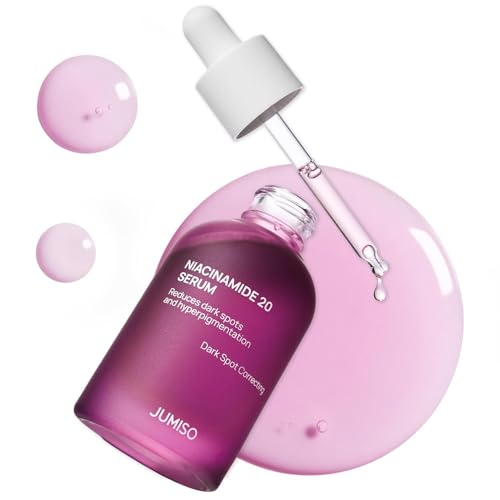
JUMISO packs a high-strength 20% niacinamide alongside tranexamic acid and glutathione — a combination that tackles hyperpigmentation through three different biochemical pathways. Niacinamide inhibits melanosome transfer, TXA reduces melanin production triggered by inflammation, and glutathione acts as a potent antioxidant. The clinical study data showing up to 27.7% improvement in skin clarity after just 2 weeks is impressive for a product in this range.
The serum also includes a Triple Centella Complex (asiaticoside, madecassic acid, asiatic acid), which helps calm irritation and supports the skin barrier — a smart inclusion given that high-percentage niacinamide can sometimes cause stinging. Users with oily and combination skin report that it helps minimize the appearance of enlarged pores and reduces excess shine throughout the day, contributing to a smoother “glass skin” finish.
The main caveat is that the serum has a thicker, moisturizer-like consistency that some users find leaves a slightly tacky residue if not layered correctly. A few reviewers with very sensitive skin experienced mild burning on application, suggesting that the 20% concentration may be too strong for beginners. Starting with one drop and allowing full absorption before layering is recommended.
Why it’s great
- Triple brightening formula targets discoloration at multiple levels
- Includes calming centella complex to reduce irritation risk
- Clinical study shows measurable improvement in 2 weeks
Good to know
- Thick consistency may feel tacky if not fully absorbed
- 20% niacinamide may cause stinging for beginners
- Not ideal for very dry or reactive skin types
3. Caudalie Vinoperfect Brightening Dark Spot Serum
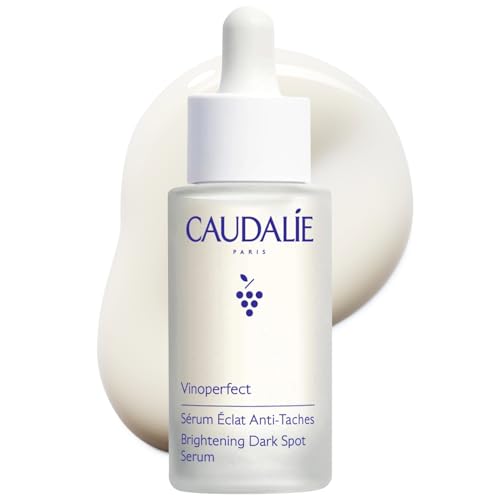
Caudalie’s patented Viniferine — derived from grapevine sap — is the cornerstone of this serum, and the brand claims it is 62x more effective than standard vitamin C at inhibiting tyrosinase, the enzyme responsible for melanin production. This makes it a compelling alternative for those who find L-ascorbic acid too irritating or unstable. Clinical data shows a 63% reduction in dark spots after one 56-day bottle, with 81% improvement noted in deeper skin tones.
The formula is formulated without retinol, hydroquinone, or fragrance allergens, and it has been assessed by a toxicologist as safe for use during pregnancy — a rare claim in the brightening serum category. Olive squalane provides non-greasy hydration, which helps maintain barrier integrity while active ingredients work. Long-term users report that consistent use over 3–6 months yields meaningful fading of sun spots, post-acne scars, and general unevenness.
The primary drawback is the investment required: the serum costs more per ounce than any other product in this lineup. Additionally, the results are gradual — most users notice visible changes only after finishing the first bottle, so it demands patience. Some users with melasma reported minimal improvement, indicating it may work better for post-inflammatory marks and sun spots.
Why it’s great
- Patented Viniferine offers vitamin C alternative for sensitive skin
- Safe for use during pregnancy
- Clinically validated improvement across all skin tones
Good to know
- Premium-tier product with a higher per-ounce cost
- Results require consistent use over 3–6 months
- May be less effective on melasma than on post-acne marks
4. CeraVe Resurfacing Retinol Serum

CeraVe’s Resurfacing Retinol Serum uses encapsulated retinol — a delivery system that releases the active gradually to reduce irritation — making it an excellent entry point for those new to retinoids. It also includes licorice root extract, a natural brightener that helps fade post-inflammatory hyperpigmentation, along with niacinamide to calm the skin. The addition of three essential ceramides (1, 3, 6-II) supports barrier repair, which is critical when using any form of retinol.
User reports consistently describe this serum as gentle enough for hypersensitive skin, with several reviewers noting noticeable smoothing of fine lines and evening of skin tone within a few weeks. The lightweight, non-greasy texture absorbs quickly and layers well under moisturizer or sunscreen. Many users combine it with a vitamin C serum in the morning for a comprehensive brightening routine.
This is not the right choice if you need a high-strength retinoid for severe acne or deep scarring — the encapsulated retinol concentration is relatively low. Users transitioning from stronger retinoids may find it too mild. It is best suited for maintenance, mild hyperpigmentation prevention, and gentle resurfacing.
Why it’s great
- Encapsulated retinol minimizes irritation for sensitive skin
- Contains ceramides to support barrier repair during use
- Licorice root extract provides additional brightening support
Good to know
- Retinol concentration is low compared to adapalene or clinical retinoids
- Not potent enough for severe acne or deep pigmentation
- May cause mild dryness if not paired with a rich moisturizer
5. Innisfree Green Tea Enzyme Vitamin C Serum

Innisfree takes a different approach by incorporating a patented Green Tea-derived enzyme that provides gentle enzymatic exfoliation alongside vitamin C and niacinamide for brightening. This dual-action formula helps smooth skin texture while fading dark spots, including sun spots and post-breakout marks. The brand’s clinical study reported visible improvement in as little as 7 days, which is unusually fast for a non-retinoid brightening product.
The serum absorbs quickly with a fresh, lightweight feel and a subtle natural scent from the tangerine peel extract. Users with sensitive skin report that it does not cause stinging or redness, even with twice-daily use. The dropper bottle is travel-friendly and the formula layers well under sunscreen or makeup without pilling. Many reviewers noted dramatic fading of brown spots after two months of consistent use.
The enzyme-based exfoliation means this serum may not be strong enough for deep, long-standing pigmentation or raised acne scars. It is best positioned as a daily brightening and texture-refining serum rather than a heavy-duty corrective treatment. Users looking for aggressive mark fading may need to pair it with a retinoid or higher-concentration brightener.
Why it’s great
- Enzymatic exfoliation smoothes texture while brightening spots
- Fast-absorbing and gentle on sensitive skin
- Clinical study shows visible improvement in 7 days
Good to know
- Enzyme exfoliation is mild — not for deep pigmentation alone
- May require pairing with a retinoid for stubborn marks
- Use sunscreen diligently as exfoliation increases UV sensitivity
6. Mediheal Madecassoside Repair Serum
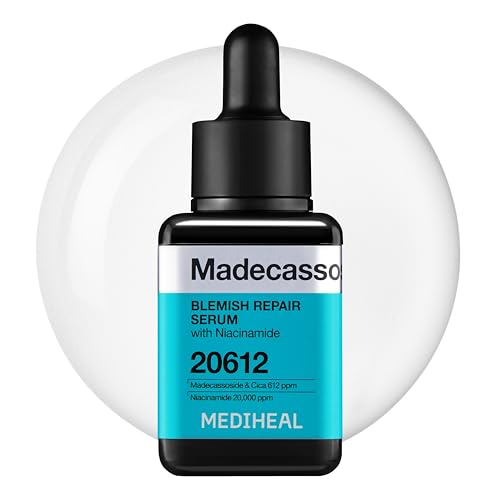
Mediheal’s Madecassoside Repair Serum centers on the healing power of Centella Asiatica, specifically the madecassoside compound known for its wound-healing and anti-inflammatory properties. This makes the serum particularly well-suited for red, inflamed post-acne marks where the primary issue is lingering erythema rather than melanin overproduction. The inclusion of niacinamide adds mild brightening support without irritation.
The formula is hypoallergenic, clinically tested on sensitive skin, and certified non-comedogenic — it is unlikely to clog pores or cause breakouts. Users report that it absorbs quickly without stickiness, layers well under makeup, and provides a soothing, hydrating base. Several reviewers noted that their skin appeared firmer, brighter, and more even after consistent use, with one long-term user calling it a “holy grail” for not breaking them out while moisturizing and firming the skin.
This serum is not designed to be a potent pigment inhibitor. Users with deep brown or purple marks from older scars will likely need a stronger brightener or retinoid. It excels as a calming, barrier-supporting treatment that helps redness subside gradually while maintaining skin health.
Why it’s great
- Centella-derived madecassoside targets inflammation and redness
- Hypoallergenic and dermatologist-tested for sensitive skin
- Non-sticky, fast-absorbing texture layers well under makeup
Good to know
- Best for red marks — less effective on dark pigmentation
- Results are subtle and gradual for hyperpigmentation
- Not a replacement for targeted brightening or retinoid treatment
7. TruSkin Vitamin C Serum

TruSkin uses Sodium Ascorbyl Phosphate (SAP), a stable, water-soluble vitamin C derivative that is gentler than L-ascorbic acid while still providing effective antioxidant protection and brightening. This makes it a great entry-level option for those who want vitamin C’s benefits without the stinging or oxidation issues common with pure ascorbic acid. The formula also includes hyaluronic acid, vitamin E, aloe vera, and jojoba oil to balance hydration and support the skin barrier.
Hundreds of user reviews report that this serum noticeably brightens the complexion, fades sun spots, and evens skin tone within a few weeks of consistent daily use. Many users with sensitive or reactive skin specifically praise it for not causing redness or breakouts. The unscented, cruelty-free formula appeals to those who prefer minimalist ingredient lists without parabens or dyes.
The brightening power of SAP is milder than high-concentration L-ascorbic acid or prescription-strength ingredients. Users seeking dramatic fading of deep pigmentation or old acne scars may find the results underwhelming on their own. This serum works best as a foundational antioxidant layer in a broader brightening routine.
Why it’s great
- Stable, gentle vitamin C derivative suitable for sensitive skin
- Hydrating formula with hyaluronic acid and jojoba oil
- Affordable entry point for daily antioxidant protection
Good to know
- SAP is milder than L-ascorbic acid for deep pigmentation
- May need to be paired with other actives for significant results
- Dropper bottle design can expose formula to air over time
FAQ
Can I use a red mark treatment while I still have active acne?
How long does it take for acne red marks to fade with treatment?
Is vitamin C or niacinamide better for red post-acne marks?
Final Thoughts: The Verdict
For most users, the acne red mark treatment winner is the Differin Adapalene Gel because it treats active acne at the source while dramatically accelerating the fading of post-inflammatory marks through proven retinoid action. If you want gentle daily vitamin C brightening without irritation, grab the TruSkin Vitamin C Serum. And for a premium, pregnancy-safe formula that works slowly but thoroughly on dark spots from sun and acne, nothing beats the Caudalie Vinoperfect Serum.