
Our readers keep the lights on and the weekend projects moving. As an Amazon Associate, I earn from qualifying purchases.
The biggest mistake backpackers make on the trail is carrying bars that melt into a sticky mess, crumble into dust inside your pack, or leave you hungry after two miles. The right bar for backpacking isn’t just about taste—it’s about caloric density, heat resistance, structural integrity, and sustained energy release. Whether you’re thru-hiking the Pacific Crest Trail or heading out for a weekend in the backcountry, choosing the wrong bar means bonking early or carrying dead weight.
I’m Rikta — the co-founder and writer behind FitlyFast. I’ve spent countless hours analyzing the nutritional profiles, packaging durability, and real-world trail performance of dozens of bars to build this definitive guide.
If you are searching for the very best bars for backpacking, you need to look beyond marketing hype and focus on the specific specs that matter: calorie-to-weight ratio, melt point, protein-to-fiber balance, and package weight per serving.
How To Choose The Best Bars For Backpacking
Picking the right trail bar is a trade-off between weight, nutrition, durability, and taste. A bar that tastes amazing at home may be a crumbly, melted mess after a day in your pack. Here are the key factors every backpacker must evaluate.
Caloric Density & Serving Size
Every ounce of food you carry costs you energy on the trail. The best backpacking bars deliver 120–180 calories per ounce. A bar that weighs 2 ounces but provides only 150 calories is dead weight compared to a 3-ounce bar that delivers 350 calories. Always calculate caloric density before buying.
Heat Resistance & Structural Integrity
Standard chocolate-coated or nut-butter-filled bars turn into soup at 80°F. If you’re hiking in warm weather, look for bars with wafer textures, baked oats, or fruit-based constructions that hold their shape even after hours in a hot pack. A bar that melts and coats everything in your food bag is a bar you’ll regret bringing.
Protein-to-Fat-to-Carb Ratio
Backpacking demands sustained energy, not a sugar spike. Look for bars that balance carbohydrates for quick energy with protein and healthy fats for satiety. A bar with under 5 grams of protein won’t keep you full, while one with over 15 grams of protein without enough carbs may leave you feeling heavy on a climb.
Packaging & Waste Management
Every wrapper you carry adds weight and creates trash you must pack out. Lightweight, tear-resistant, resealable packaging is a huge plus. Some bars come in two-bar pouches that double as waste bags, reducing the number of wrappers you need to manage on the trail.
Quick Comparison
On smaller screens, swipe sideways to see the full table.
| Model | Category | Best For | Key Spec | Amazon |
|---|---|---|---|---|
| Greenbelly Backpacking Meals | Meal Replacement | Full meal replacement on trail | 650 calories per pouch | Amazon |
| PROBAR MEAL Bar | Plant-Based Meal | Sustained energy for long days | 3 oz whole-food bar | Amazon |
| CLIF BAR Variety Pack | Classic Energy | Moderate-intensity trail days | 9–11g protein per bar | Amazon |
| Bobo’s Oat Bites Stuff’d | Bite-Sized Oats | Portion control & easy snacking | 1.3 oz per bite | Amazon |
| Power Crunch Protein Wafer | Crispy Wafer | Heat-resistant protein snack | 13g protein per bar | Amazon |
| RXBAR Protein Bars | Simple Ingredients | Clean-ingredient daily snack | 7–12g protein per bar | Amazon |
| That’s it. Fruit Bars | Pure Fruit | Ultra-light fruit-only snack | 100 calories per bar | Amazon |
In‑Depth Reviews
1. Greenbelly Backpacking Meals

Greenbelly is the only product on this list designed from the ground up as a backpacking meal rather than a snack bar. Each pouch contains two dense, fluffy bars delivering a massive 650 calories—enough to replace a full meal on the trail. The bars are made with all-natural, gluten-free ingredients and are formulated to provide a balanced 30/30/30 split of carbs, protein, and fat, which translates to steady energy without the sugar crash.
The real-world performance of these bars is proven in extreme conditions. Users have reported relying on Greenbelly through the Amazon Jungle Ultra and intense desert treks with elevation, noting that the bars stay intact in high heat, don’t melt, and are far more portable than freeze-dried meals. The resealable packaging doubles as a waste bag, which is a smart touch for Leave No Trace principles.
On the downside, the bars are dry and require water to go down easily—this is a feature, not a bug, for ultralight hikers who control hydration. The texture is dense and chewy, similar to a Rice Krispie treat but with more substance, and some users found the jaw workout significant. However, for serious backpacking where every gram and calorie is accounted for, Greenbelly is unmatched.
Why it’s great
- 650 calories per pouch — packed for a full meal replacement
- Resealable packaging designed for zero-waste trail use
- Proven heat resistance in jungle and desert conditions
- Balanced 30/30/30 macro split for sustained energy
Good to know
- Texture is dense and dry — best eaten with water
- Packaging can be difficult to open without a knife or scissors
2. PROBAR MEAL Bar
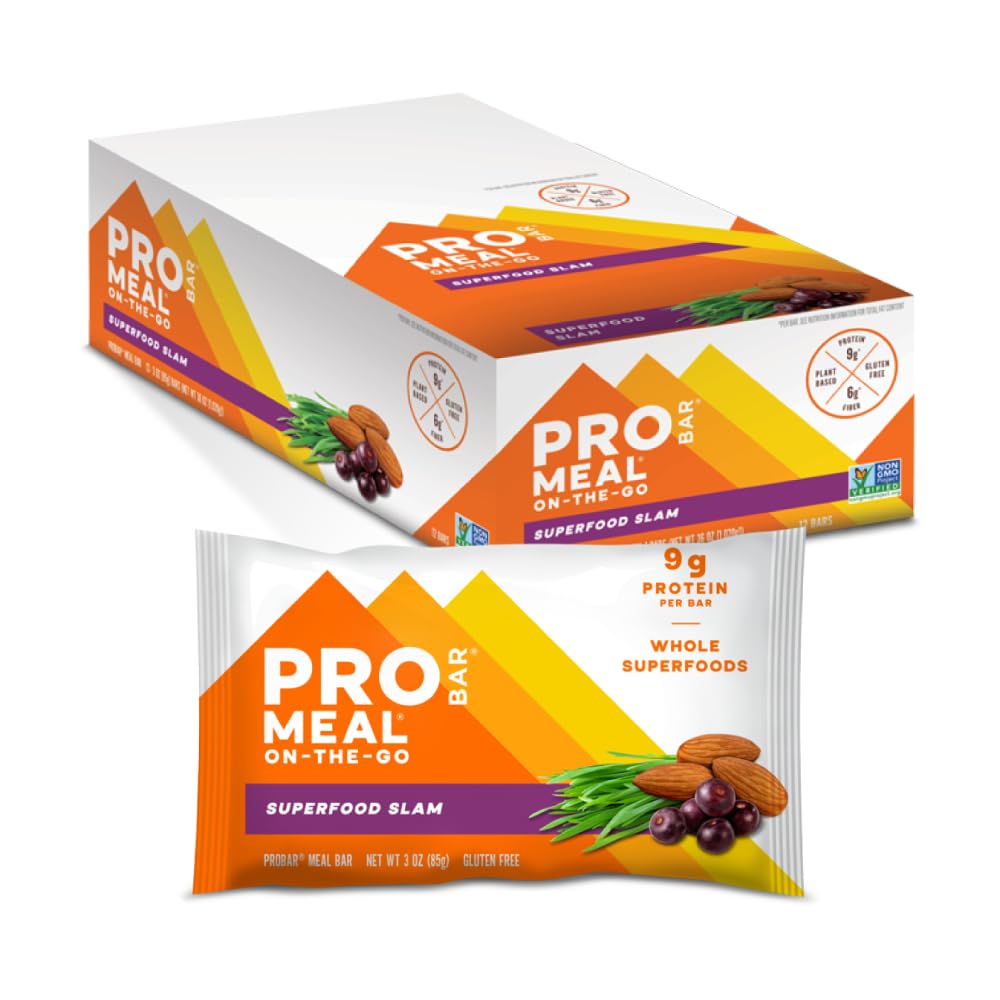
PROBAR MEAL is a plant-based, gluten-free, non-GMO bar that lives up to its name—it’s designed to replace a meal, not just tide you over. Each 3-ounce bar is packed with whole food ingredients like oats, nuts, and seeds, providing a hearty texture that feels and tastes like real food. The Superfood Slam flavor is a fan favorite, with a moist, chewy consistency that avoids the dry brick problem of many meal bars.
On the trail, these bars deliver sustained energy over long days. Users report using them for hiking, cycling, kayaking, and camping, noting that the bar keeps them full and energized for hours without the sugar spike. The ingredient transparency is excellent—you can see the actual oats, seeds, and nut pieces in every bite. For backpackers who prefer plant-based nutrition with a clean label, this is a top contender.
One consistent observation is that the protein content (10g) is lower than dedicated protein bars, which means it truly functions as a balanced meal rather than a post-workout recovery tool. There’s also a note about occasional inconsistency—some boxes arrive with perfectly moist bars, others with drier batches. But when these bars hit their mark, they are the best-tasting meal replacement for the trail.
Why it’s great
- Whole food ingredients with visible oats, nuts, and seeds
- Moist, chewy texture compared to dry meal bars
- Balanced nutrition with fiber and complex carbs for sustained energy
- Plant-based, gluten-free, non-GMO certified
Good to know
- Protein content is lower than dedicated protein bars
- Moisture consistency can vary between batches
3. CLIF BAR Variety Pack
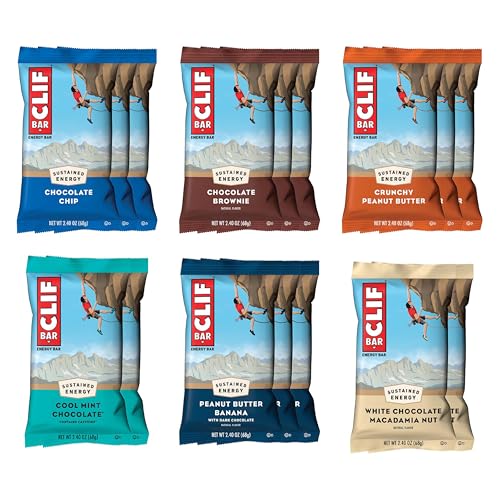
CLIF BAR is the gold standard of energy bars for a reason—it has been fueling hikers, climbers, and cyclists for decades. This 16-pack variety box includes six classic flavors like Chocolate Chip, Crunchy Peanut Butter, and White Chocolate Macadamia Nut, all built on a base of organic rolled oats. Each bar delivers 9–11 grams of protein and a blend of carbs and fats specifically designed for sustained energy during moderate-intensity activity.
What makes CLIF BAR a solid backpacking choice is its sturdy construction. The bar holds together well in a pack, resisting crumbling more than soft oat-based competitors. The chewy texture is satisfying without being teeth-pulling, and the flavor variety prevents the fatigue of eating the same bar day after day. For a day hike or a moderate backpacking trip where you need a reliable second breakfast or lunch replacement, CLIF delivers consistently.
The trade-off is that CLIF BAR is formulated for activity, not as a complete meal replacement. For very long days or multi-day treks where you need maximum caloric density, you’ll need to supplement with higher-calorie options. Additionally, while the bar resists melting better than chocolate-coated bars, it can soften significantly in hot weather, so pack it in a shaded section of your bag during summer hikes.
Why it’s great
- Proven track record as a trail energy bar for decades
- Organic rolled oats with plant-based ingredients and no HFCS
- Variety pack prevents flavor boredom on multi-day trips
- Sturdy construction with minimal crumbling inside pack
Good to know
- Not a full meal replacement — lower caloric density than meal bars
- Can soften in very hot weather, though better than chocolate bars
4. Bobo’s Oat Bites Stuff’d Variety Pack
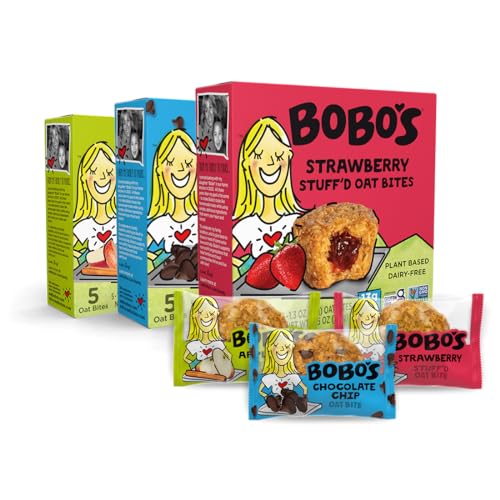
Bobo’s Oat Bites offer a completely different take on trail fuel—instead of a single large bar, you get 30 individually wrapped, bite-sized oat bites made from 100% whole grain, GFCO-certified gluten-free oats. Each bite is 1.3 ounces and comes in three Stuff’d varieties: Strawberry, Original Chocolate Chip, and Apple Pie. The soft oat exterior surrounds a gooey fruit or nut butter filling, making each bite a flavor-packed mini-meal.
For backpackers who struggle with portion control or prefer to graze rather than eat one big bar, these bites are ideal. They’re lightweight, easy to pack, and the individually wrapped format means you can eat one or two and save the rest for later without any waste. The clean-label ingredients—non-GMO, glyphosate residue free, kosher, and 100% plant-based—make them a guilt-free snack for health-conscious hikers.
The main limitation is that each bite is a snack, not a meal. At roughly 130–160 calories per bite, you’d need to eat four to five of them to get a 650-calorie meal equivalent. They also have a soft, moist texture that works well in mild weather but can become more fragile in extreme heat. For shorter day hikes or as a supplemental snack on long backpacking trips, they’re a fantastic option.
Why it’s great
- 30 individually wrapped bites for easy portion control
- Three delicious Stuff’d fillings prevent flavor fatigue
- GFCO-certified gluten-free, non-GMO, glyphosate residue free
- Soft, moist oat texture with clean-label ingredients
Good to know
- Each bite is a snack, not a meal — requires multiple for full meal replacement
- Soft texture can become fragile in very hot weather
5. Power Crunch Protein Energy Wafer Bars

Power Crunch breaks the mold of dense, chewy protein bars with its light, airy wafer construction. Each bar is made of cream-filled wafer layers that deliver a satisfying crunch without the heavy, brick-like texture of traditional protein bars. The Chocolate Strawberry flavor combines smooth protein cream with crispy wafers, making it taste more like a treat than trail food. With 13 grams of protein, 5 grams of sugar, and zero sugar alcohols, it’s a well-balanced option for backpackers who want protein without the artificial aftertaste.
The wafer construction is a secret weapon for warm-weather backpacking. Unlike nut-butter or chocolate-coated bars that melt into a mess, Power Crunch bars maintain their structure even in high temperatures. For summer hikes or desert trails, this makes them a reliable option that won’t coat your gear in sticky residue. The bars are also individually wrapped and lightweight, making them easy to toss into any pack pocket.
The main drawbacks are the bar’s fragility and variable quality in shipping. Several users reported receiving crushed or melted bars due to inadequate packaging, particularly when ordered through third-party sellers or during summer months. The strawberry flavor has also been noted to vary from box to box. Despite these issues, for backpackers seeking a crispy, heat-resistant protein source, Power Crunch is a standout choice.
Why it’s great
- Unique wafer texture provides satisfying crunch without melting
- 13g protein with 5g sugar and zero sugar alcohols
- Lightweight and individually wrapped for easy packing
- Excellent heat resistance compared to chocolate or nut-butter bars
Good to know
- Bars can arrive crushed or melted if shipped in hot weather
- Strawberry flavor consistency can vary between batches
6. RXBAR Protein Bars Variety Pack
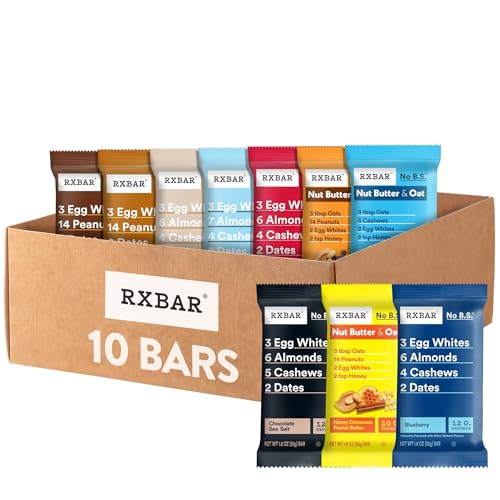
RXBAR has built a loyal following by keeping its ingredient list absurdly simple—egg whites, dates, nuts, and flavorings. This 10-count variety pack includes a mix of classic RXBARs in Peanut Butter Chocolate, Blueberry, and Chocolate Sea Salt, plus three new Nut Butter and Oat bars. The texture is dense and chewy, built on a foundation of whole ingredients that provide a clean, unprocessed energy source for the trail.
For backpackers who want to know exactly what they’re eating without decoding a long ingredient list, RXBAR delivers. The protein content ranges from 7 to 12 grams per bar, and the bars are naturally gluten-free with a good source of fiber. The variety pack format prevents flavor fatigue across a multi-day trip, and the bars are sturdy enough to survive moderate jostling in a pack without crumbling.
The biggest challenge with RXBAR on the trail is texture. The bars are very dense and chewy, which some users find jaw-achingly tough—especially when they’re cold. They also lack the caloric density of dedicated backpacking meals; at around 200–220 calories per bar, you’d need to eat three to four for a full meal replacement. For a quick, clean-ingredient snack between meals, however, they’re excellent.
Why it’s great
- Short, recognizable ingredient list with no artificial additives
- Naturally gluten-free with good fiber content
- Variety pack includes 7 different flavors for taste diversity
- Sturdy construction with minimal crumbling during transport
Good to know
- Very dense, chewy texture can be difficult to eat when cold
- Lower caloric density — 200–220 calories per bar, not a meal replacement
7. That’s it. Fruit Bars 12 Variety Pack

That’s it. Fruit Bars take minimalism to its logical extreme—each bar contains exactly two ingredients: fruit and fruit. The 12-pack includes 6 Mango and 6 Cherry bars, each made from just apple and mango or apple and cherry. There’s no added sugar, preservatives, concentrates, or purees. Each bar provides two full servings of real fruit in a portable, lightweight package that’s just 100 calories.
For ultralight backpackers looking to trim every gram while still getting real fruit nutrition, these bars are ideal. They weigh almost nothing, have a 2-year shelf life (great for emergency stashes), and are manufactured free from the top 12 allergens. They’re vegan, paleo, kosher, and non-GMO, making them one of the most inclusive options for hikers with dietary restrictions. The texture is soft and chewy, with no crumbs to clean up.
The critical limitation is caloric density. At 100 calories per bar, you’d need to eat six to seven of them to get a solid meal’s worth of energy—and they provide no protein or fat. This makes them a terrible standalone trail food for long days, but an excellent supplement for quick fruit intake or as a low-calorie treat between meals. Some users also noted occasional cherry stems in the cherry bars, so chew carefully.
Why it’s great
- 100% real fruit with zero added ingredients or sugar
- Ultra-lightweight with no crumbs — perfect for ultralight packs
- 2-year shelf life makes them great for emergency food stashes
- Free from top 12 allergens — inclusive for most dietary restrictions
Good to know
- Only 100 calories with no protein or fat — not a meal replacement
- Cherry bars may contain occasional stems
FAQ
How many bars should I pack for a multi-day backpacking trip?
Will protein bars melt in my pack during summer hiking?
What is the difference between an energy bar and a meal replacement bar for backpacking?
Are gluten-free bars a good choice for backpacking?
Final Thoughts: The Verdict
For most backpackers, the winner in the bars for backpacking category is the Greenbelly Backpacking Meals because they deliver a true meal replacement in a lightweight, heat-resistant, resealable pouch designed specifically for trail conditions. If you want a more traditional bar with whole-food ingredients and a satisfying texture, grab the PROBAR MEAL Bar. And for a classic, versatile option that works for everything from day hikes to climbing approaches, nothing beats the CLIF BAR Variety Pack.