
Our readers keep the lights on and the weekend projects moving. As an Amazon Associate, I earn from qualifying purchases.
That red, swollen halo around a spider bite isn’t just annoying—it’s the first sign your skin barrier has been breached and bacteria are moving in. Choosing the wrong ointment can lock in moisture, slow drainage, or even fuel antibiotic resistance, turning a minor bite into a stubborn infection that demands a doctor’s visit.
I’m Rikta — the co-founder and writer behind FitlyFast.
Whether you need a triple-antibiotic powerhouse that stops pain on contact or an iodine-based antiseptic that won’t contribute to resistance, this deep-dive into the best antibiotic cream for spider bites will help you pick the right active ingredient for your specific situation.
How To Choose The Best Antibiotic Cream For Spider Bites
Spider bites create a puncture wound, which is a closed environment perfect for bacterial growth under the skin. The wrong cream can seal that bacteria in, while the right one delivers active ingredients deep enough to stop infection before it spreads.
Active Ingredients: Antibiotic vs. Antiseptic
Triple-antibiotic ointments (bacitracin, neomycin, polymyxin B) directly kill bacteria and are the standard for preventing infection in open wounds. Antiseptic options like 2% iodine work by creating a hostile environment for microbes without contributing to antibiotic resistance—a smart choice for recurrent bite issues or sensitive skin.
Texture and Spreadability on Puncture Wounds
Puncture wounds from spider bites have a small entry point but sometimes a larger underlying reaction. A thin, water-soluble ointment penetrates the tiny opening more effectively than a thick, waxy balm that sits on top of the skin. Products with petroleum-heavy bases seal the bite and may trap heat and bacteria inside.
Pain Relief vs. Pure Antibiotic Action
Some triple-antibiotic creams include pramoxine HCl, which numbs the nerve endings around the bite and offers immediate relief from the burning and itching that spider venom causes. If your primary symptom is intense pain or itch, a formula with a built-in analgesic can make the difference between a sleepless night and quick recovery.
Quick Comparison
On smaller screens, swipe sideways to see the full table.
| Model | Category | Best For | Key Spec | Amazon |
|---|---|---|---|---|
| Cicatricure Triple Antibiotic Ointment with Pain Relief | Triple Antibiotic + Pain Relief | Painful, swollen bites needing immediate numbing | Bacitracin, Neomycin, Polymyxin B + Pramoxine HCl | Amazon |
| Dynarex Bacitracin Zinc Ointment USP 15 oz | Single Antibiotic | Large-area coverage and sensitive skin | Bacitracin Zinc USP | Amazon |
| Yodex Baar Topical Antiseptic Ointment | Iodine Antiseptic | Non-antibiotic infection prevention | 2% Iodine | Amazon |
| Globe 12-Pack Triple Antibiotic Ointment | Triple Antibiotic Value Pack | Stocking multiple first-aid kits | Neomycin, Bacitracin, Polymyxin B | Amazon |
| Bacitracin Antibiotic Ointment Packets (144-pack) | Single-Use Bacitracin | On-the-go and sterile travel application | Bacitracin Zinc USP | Amazon |
| 3rd Rock Essentials Nutrasporin Silver Ointment | Petroleum-Free Alternative | Petroleum-free sensitive skin | Silver-based, no antibiotics | Amazon |
| Christopher’s Original Formula Plantain Ointment | Herbal Ointment | Itch-focused natural relief | Plantain extract | Amazon |
In‑Depth Reviews
1. Cicatricure Triple Antibiotic Ointment with Pain Relief
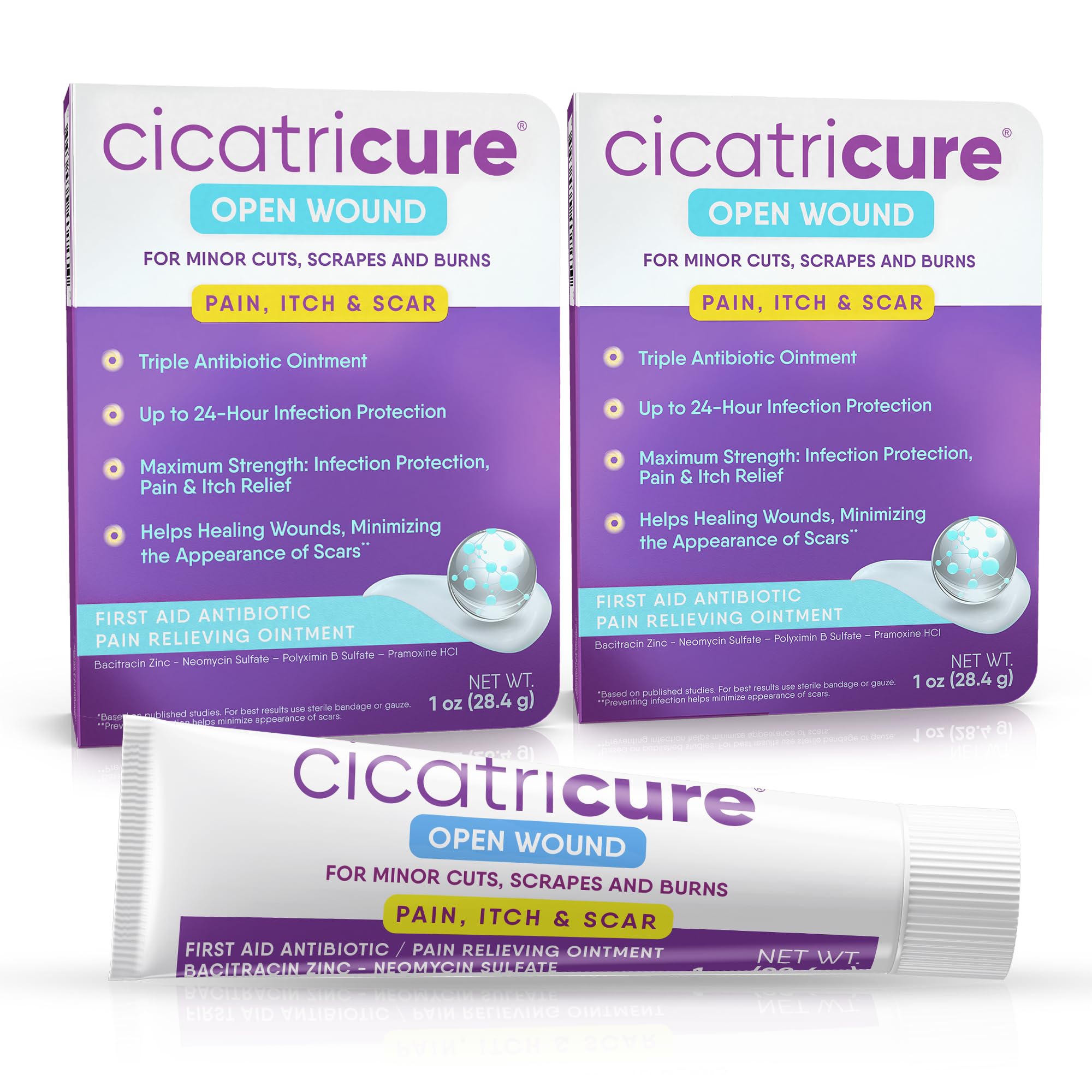
This is the complete package for a spider bite. You get the full triple-antibiotic lineup—bacitracin zinc, neomycin sulfate, and polymyxin B sulfate—to kill the broadest range of bacteria, plus pramoxine HCl for localized pain relief. That matters when spider venom triggers a burning sensation that ordinary antibiotic creams don’t address.
The texture is more ointment than cream, which means it stays on the bite site without running off, but it absorbs without that greasy, suffocating layer. Customers report it reduces both pain and itching from severe road rash and insect bites, and the scar-minimizing effect comes from preventing infection early rather than from any scar-specific ingredient.
At 3 ounces, you get nearly triple the volume of a standard 1-oz tube, making it a strong candidate for a home first-aid kit or a travel bag for outdoor seasons. The pramoxine ingredient is gentler on the skin than benzocaine or lidocaine, so it’s well-suited for applying around the sensitive, already-inflamed tissue of a bite.
Why it’s great
- Triple antibiotic coverage with added pain relief
- Large 3-oz size for long-term use
- Absorbs without excessive greasiness
Good to know
- Contains neomycin—potential allergen for some
- Ointment texture, not a light cream
2. Dynarex Bacitracin Zinc Ointment USP (15 oz Jar)
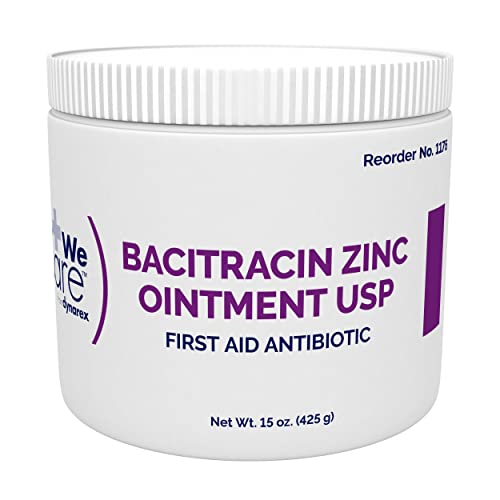
This jar holds 15 ounces of bacitracin zinc ointment, which is a massive amount compared to the standard 1-oz tube. For a household that deals with frequent bites, scratches, or minor burns, that volume eliminates the frustration of running out mid-treatment. The bacitracin zinc formulation is USP-verified, meaning it meets the United States Pharmacopeia standard for potency and purity.
Bacitracin is a single-antibiotic ointment, which reduces the risk of contact dermatitis that neomycin can cause on sensitive skin. Zinc aids tissue repair and immune response, making this a solid choice for bites that have already started to swell or show early signs of irritation. Customers mention it goes on smooth without stickiness and absorbs quickly enough for overnight use.
The 15-ounce jar is ideal for a medicine cabinet, clinic, or gym bag where you need to dip something more substantial than a tiny tube. It’s also effective on diaper rash and dry scalp, so it’s a versatile multi-purpose item that earns its place beyond bite care.
Why it’s great
- Massive 15-oz jar—exceptional value
- USP-verified quality standards
- Neomycin-free—lower allergy risk
Good to know
- Jar format less portable than a tube
- Single antibiotic—narrower bacteria coverage
3. Yodex Baar Topical Antiseptic Ointment – 2% Iodine

Yodex uses 2% iodine as its active ingredient, which makes it an antiseptic rather than an antibiotic. This distinction matters for spider bites because iodine doesn’t contribute to antibiotic resistance—something to consider if you treat bites frequently or want to reserve antibiotics for more serious infections. The iodine gradually separates from the carrier as it stays on the skin, providing sustained antimicrobial action.
Customers with infected sub-dermal cysts and stubborn bite reactions report that it minimized infection and drainage time faster than standard antibiotic ointments. The traditional iodine formula has been used for generations, and the feedback from older users confirms it’s a remedy their families have trusted for decades. It’s also non-antibiotic by design, so you won’t create resistant bacteria in your own microflora.
The texture is a smooth ointment that rubs in until the iodine color disappears, so you don’t have to walk around with orange skin. It’s ideal for puncture wounds where you want deep penetration of a broad-spectrum antiseptic without the neomycin allergy risk.
Why it’s great
- No contribution to antibiotic resistance
- Broad-spectrum antimicrobial action
- Trusted traditional formula for stubborn infections
Good to know
- Can stain fabrics temporarily
- Not a true antibiotic—different mechanism
4. Globe 12-Pack Triple Antibiotic First Aid Ointment (1 oz Each)

This 12-pack gives you a dozen individual 1-ounce tubes of triple-antibiotic ointment, matching the active ingredients of name-brand alternatives—neomycin sulfate, bacitracin zinc, and polymyxin B sulfate. For a family that camps, hikes, or simply wants a tube in every bag and first-aid kit, this is the most practical way to ensure you always have infection protection on hand when a spider bite happens.
The 24-hour infection protection claim comes from the sealed tube format that keeps the ointment sterile until you open it. Customers note that the quality is comparable to name-brand products at a fraction of the per-ounce cost, and the generic formulation means you get the same broad-spectrum bacteria coverage without paying for the marketing.
Each 1-ounce tube is small enough for a pocket or a glove compartment, so you can treat a bite immediately rather than waiting until you get home. The triple action covers the most common skin bacteria that colonize spider bite wounds, making this a reliable first-line defense.
Why it’s great
- 12 tubes—stock your whole house
- Same active ingredients as leading brands
- Per-tube cost is very low
Good to know
- Contains neomycin—potential allergen
- Generic brand may not have same reputation
5. Bacitracin Antibiotic Ointment Packets – 144 Count
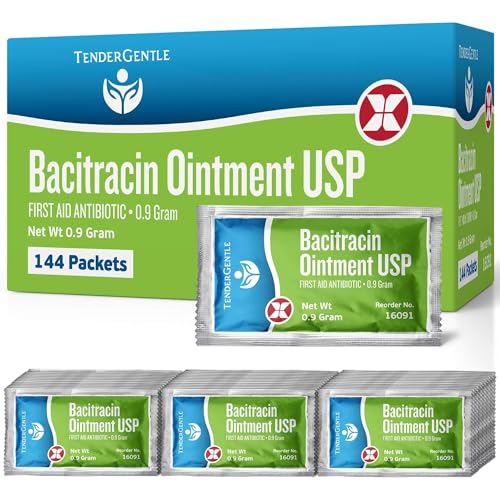
These single-use bacitracin zinc packets are designed for situations where a tube isn’t practical—think day hikes, travel first-aid kits, or throwing a few into a sports bag. Each packet contains enough ointment for one application, and the sterile packaging means you never risk contaminating the entire supply by touching the tube opening to an infected bite.
Bacitracin is a single-antibiotic ointment, so it’s a gentler option for people who know they react to neomycin. The 144-count box might seem excessive, but customers use them for everything from minor burns to pet care, and the individual packets stay fresh indefinitely as long as they remain sealed. The flimsy box is a minor complaint, but the contents are well-protected.
For spider bites specifically, the packet format is ideal because you can carry a few in your wallet or pocket and apply immediately after the bite, before bacteria have a chance to multiply inside the puncture wound. It’s also a smart addition to a car or office emergency kit where a full tube would be inconvenient.
Why it’s great
- 144 sterile single-use packets
- Neomycin-free—good for sensitive skin
- Perfect for travel and on-the-go use
Good to know
- Flimsy box packaging
- Single antibiotic—narrower coverage
6. 3rd Rock Essentials Nutrasporin Silver Water Soluble Ointment

Nutrasporin uses a silver-based ingredient instead of petroleum jelly as its carrier, making it a water-soluble, non-antibiotic alternative for people who want to avoid the greasy feel of traditional ointments. The silver creates a clean, balanced skin environment that discourages bacterial growth without the need for pharmaceutical antibiotics, which is a smart approach for preventing infection in minor bites before bacteria take hold.
Customers report dramatic results on second- and third-degree burns, where silver’s antimicrobial properties accelerated healing and reduced scarring. For spider bites, the water-soluble texture is a real advantage—it soaks into the small puncture opening rather than sitting on top of the skin, delivering the silver ions directly to the vulnerable tissue below the surface. The formula is also free of petroleum, which some users find irritating or comedogenic.
Some users note it feels less potent than heavy-duty triple-antibiotic ointments, which is accurate—this is a maintenance and prevention product, not an infection-fighter for a bite that’s already showing signs of pus or redness. It’s most effective when applied immediately after the bite to prevent bacteria from colonizing the wound.
Why it’s great
- Water-soluble—penetrates puncture wounds
- Petroleum-free formula
- Gentle for all ages and skin types
Good to know
- Less potent than triple-antibiotic options
- Not a true antibiotic—preventive, not curative
7. Christopher’s Original Formula Plantain Ointment (Formerly Sting and Bites)

Plantain ointment is an herbal alternative that takes a completely different approach from antibiotic creams. The plantain extract works by drawing out toxins and reducing histamine response, which directly targets the itching and swelling that spider venom triggers. Customers consistently report that it stops mosquito bite itch within an hour and reduces swelling from stings and bites that cortisol cream couldn’t touch.
The texture is a major talking point—it’s firm and waxy, almost like a chapstick in a jar. You need to scrape it out with a spoon or your fingernail, and it doesn’t spread easily across the skin. Despite this application friction, the results speak for themselves: users with allergic reactions to mosquitoes say this ointment prevents the bites from turning red and infected, and one customer even used it successfully on a pressure sore on a paralyzed cat.
This is not a true antibiotic, so it won’t directly kill bacteria. But its anti-inflammatory and drawing properties can prevent a bite from escalating to the point where infection becomes a risk. For someone who wants to avoid antibiotic ointments entirely and has mild to moderate bite reactions, this is a surprisingly effective natural option.
Why it’s great
- Stops itching and swelling fast
- Natural plantain extract—no antibiotics
- Works on stings, bites, and rashes
Good to know
- Waxy, hard texture—difficult to apply
- Small 0.8 oz jar
FAQ
Can I use Neosporin on a spider bite?
What is the difference between an antibiotic and an antiseptic for spider bites?
Should I apply cream or ointment to a spider bite?
Final Thoughts: The Verdict
For most users, the best antibiotic cream for spider bites winner is the Cicatricure Triple Antibiotic Ointment with Pain Relief because it combines full-spectrum antibiotic protection with pramoxine HCl for immediate pain and itch relief in a generous 3-ounce tube. If you want a single-antibiotic option with a huge supply, grab the Dynarex Bacitracin Zinc 15-ounce Jar. And for non-antibiotic antiseptic coverage that avoids resistance issues, nothing beats the Yodex 2% Iodine Ointment.