
Our readers keep the lights on and the weekend projects moving. As an Amazon Associate, I earn from qualifying purchases.
A 55-inch screen is the sweet spot for most living rooms, but finding the right one under fifteen hundred dollars means navigating a minefield of misleading brightness claims, fake refresh rates, and dimming zone counts that are rarely what they seem. You want deep black levels for nighttime movies, enough brightness to fight daytime glare, and a refresh rate that won’t blur your favorite games — and you need it all without blowing your budget.
I’m Rikta — the co-founder and writer behind FitlyFast. I’ve spent countless hours breaking down the contrast ratios, HDMI 2.1 port configurations, local dimming architectures, and real-world refresh rates of the TVs in this tier to separate the genuinely impressive performers from the over-marketed ones.
Whether you’re optimizing for gaming input lag, cinematic color accuracy, or just a bright room-friendly picture, this guide lays out the specs that actually matter for the money. Here is the definitive breakdown of the best 55 inch tv under $1500 options available right now.
How To Choose The Best 55 Inch TV Under $1500
In this price range, you’re moving past entry-level panels and into the territory where Mini-LED backlighting, proper local dimming, and high native refresh rates become available. The key is knowing which specs deliver a tangible upgrade and which are just marketing numbers.
Backlight Technology: Mini-LED vs Standard LED
The biggest visual jump in this tier comes from Mini-LED backlighting. Instead of a single edge-lit strip, Mini-LED arrays use thousands of tiny LEDs grouped into dimming zones that can turn on and off independently. This gives you much deeper black levels and brighter highlights — the closest you can get to OLED contrast without the burn-in risk. A standard LED TV at the same price will look flat and washed out next to a good Mini-LED model, especially in a dark room.
Refresh Rate: 60Hz vs 120Hz vs 144Hz
For movie watching, 60Hz is fine, but if you’re connecting a PS5, Xbox Series X, or gaming PC, a 120Hz or 144Hz native panel is a real requirement. Many TVs claim “effective” or “motion rate” high refresh rates that are just software interpolation. Check the native panel spec. A true 120Hz or 144Hz panel with Variable Refresh Rate (VRR) and Auto Low Latency Mode (ALLM) delivers smooth, tear-free motion that’s immediately noticeable in fast-paced games and sports.
HDR Performance: Peak Brightness and Dimming Zones
HDR is more than just a checkbox. A TV needs sufficient peak brightness — ideally 600 nits or higher — and enough local dimming zones to control contrast. A TV with 1,000 nits and 500+ zones will make HDR content look dramatically better than one with 400 nits and only 20 zones. Look for Dolby Vision IQ and HDR10+ support, as these formats dynamically adjust the picture based on the content and room lighting.
HDMI 2.1 Ports and Connectivity
For gaming, the number and type of HDMI 2.1 ports matter. A single 2.1 port is common, but having two that support 4K at 144Hz lets you connect both a console and a PC without sacrificing performance. Also check for eARC support on one port to send lossless audio to a soundbar. Avoid models that label a port as “2.1” but cap it at 4K 60Hz — a real 2.1 port supports 48Gbps bandwidth.
Quick Comparison
On smaller screens, swipe sideways to see the full table.
| Model | Category | Best For | Key Spec | Amazon |
|---|---|---|---|---|
| TCL QM7K Series | Mini-LED QLED | Halo-free contrast | Up to 2500 dimming zones | Amazon |
| iFFALCON 55U85 | Mini-LED Gaming | Ultra-fast refresh rate | Native 144Hz, 4x HDMI 2.1 | Amazon |
| Hisense U7 Series | Mini-LED Pro | High brightness, anti-glare | Native 165Hz, 3000 dimming zones | Amazon |
| Amazon Ember | Mini-LED QLED | Ecosystem integration | 144Hz, 512 dimming zones, 1400 nits | Amazon |
| Toshiba Z670R | Mini-LED QLED | Japanese-engineered picture | Native 144Hz, REGZA Engine ZRi | Amazon |
| Samsung M70H | Mini-LED 4K | Bright room, sports viewing | Soccer Mode, Pure Color Spectrum | Amazon |
| LG QNED85A | Mini-LED AI | AI-enhanced picture & sound | Alpha 8 AI Processor Gen2 | Amazon |
| Sony BRAVIA 2 II | LED 4K | PS5 integration | 4K Processor X1, PS5 features | Amazon |
| Samsung U8000F | Crystal UHD | Entry-level 4K with smart features | Motion Xcelerator 60Hz | Amazon |
| Hisense A6 Series | 4K UHD | Budget-friendly Google TV | Dolby Vision HDR, Game Mode Plus | Amazon |
| Panasonic W70 Series | 4K Smart Fire TV | Fire TV ecosystem | HDR10+, MEMC, HDMI 2.1 | Amazon |
In‑Depth Reviews
1. TCL QM7K Series
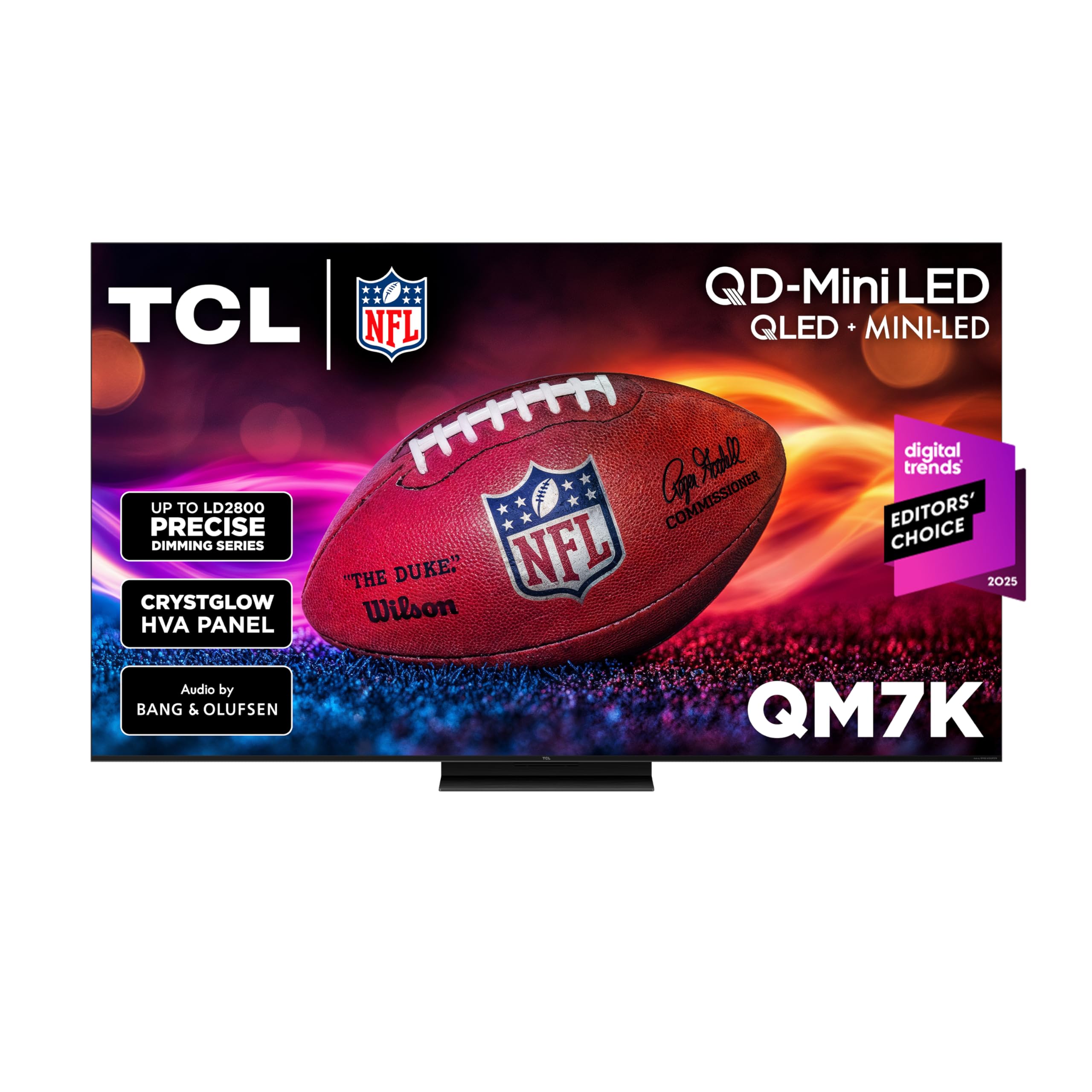
The TCL QM7K is the king of contrast in this price bracket, and it’s not close. Its QD-Mini LED backlight, driven by the Halo Control System, delivers up to 2,500 precisely controlled local dimming zones. That is a staggering number at this price point, translating to deep, black levels that rival OLEDs in dark scenes with zero visible halo around bright objects. The CrystGlow HVA panel is legitimately anti-reflective, keeping the image crisp and saturated even with a window behind you.
Gamers benefit from a native 144Hz refresh rate that supports 240Hz VRR for tear-free motion. The 4x HDMI 2.1 ports are ready for multiple consoles, and the Google TV interface runs smoothly with no perceptible lag. The Onkyo-tuned 2.1-channel audio system provides a wide soundstage with real bass, reducing the immediate need for a soundbar for casual viewing.
The only downsides are the cheap-feeling remote and the usual Google TV bloatware that can be partially disabled. Built-in audio, while good for a TV, is still outclassed by a dedicated soundbar for critical listening. But for the combination of Mini-LED zone density, native 144Hz, and excellent bright-room performance, the QM7K is the clear performance-per-dollar leader.
Why it’s great
- Class-leading local dimming zone count for deep blacks
- Excellent anti-reflective screen for bright rooms
- True 144Hz native refresh with HDMI 2.1 support
Good to know
- Included remote feels low-quality
- Built-in sound lacks the punch of a soundbar
- Google TV interface includes pre-loaded apps
2. iFFALCON 55U85
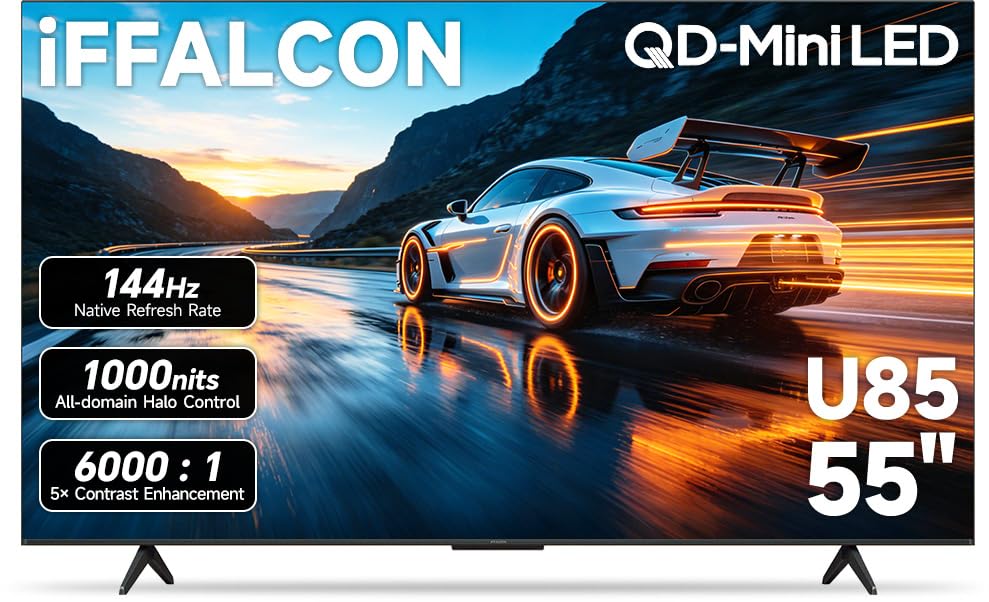
The iFFALCON 55U85 is engineered for gamers who refuse to compromise on connectivity. While most TVs in this range offer one or two HDMI 2.1 ports, this set delivers four — two running at 4K 144Hz for your PS5 and Xbox Series X, and two at 4K 60Hz for streaming boxes. The native 144Hz panel with VRR up to 288Hz and FreeSync Premium Pro certification ensures buttery-smooth motion with zero screen tearing, even in fast-paced shooters.
Picture quality is anchored by a Mini-LED backlight with a 6,000:1 contrast ratio and 1,000 nits of peak brightness. Dolby Vision Gaming and IMAX Enhanced certification mean HDR content is both bright and accurate. The 50W 2.1-channel audio system (with a dedicated woofer) provides room-filling sound with Dolby Atmos passthrough for external setups.
The Google TV interface is clean and responsive — several users note it outperforms LG and Samsung in speed. The built-in hotel mode and IP/IR control are a bonus for commercial or Airbnb use. It is slightly thicker than ultra-slim models, but this has no real-world impact on picture quality. For a pure gaming-first setup, this is the most future-proof HDMI 2.1 implementation available.
Why it’s great
- Four HDMI 2.1 ports with 4K 144Hz support
- High peak brightness with IMAX Enhanced HDR
- Responsive Google TV interface
Good to know
- Chassis is thicker than ultra-thin competitors
- Some units reported flickering issues initially
- Full retail price is less compelling than sale price
3. Hisense U7 Series
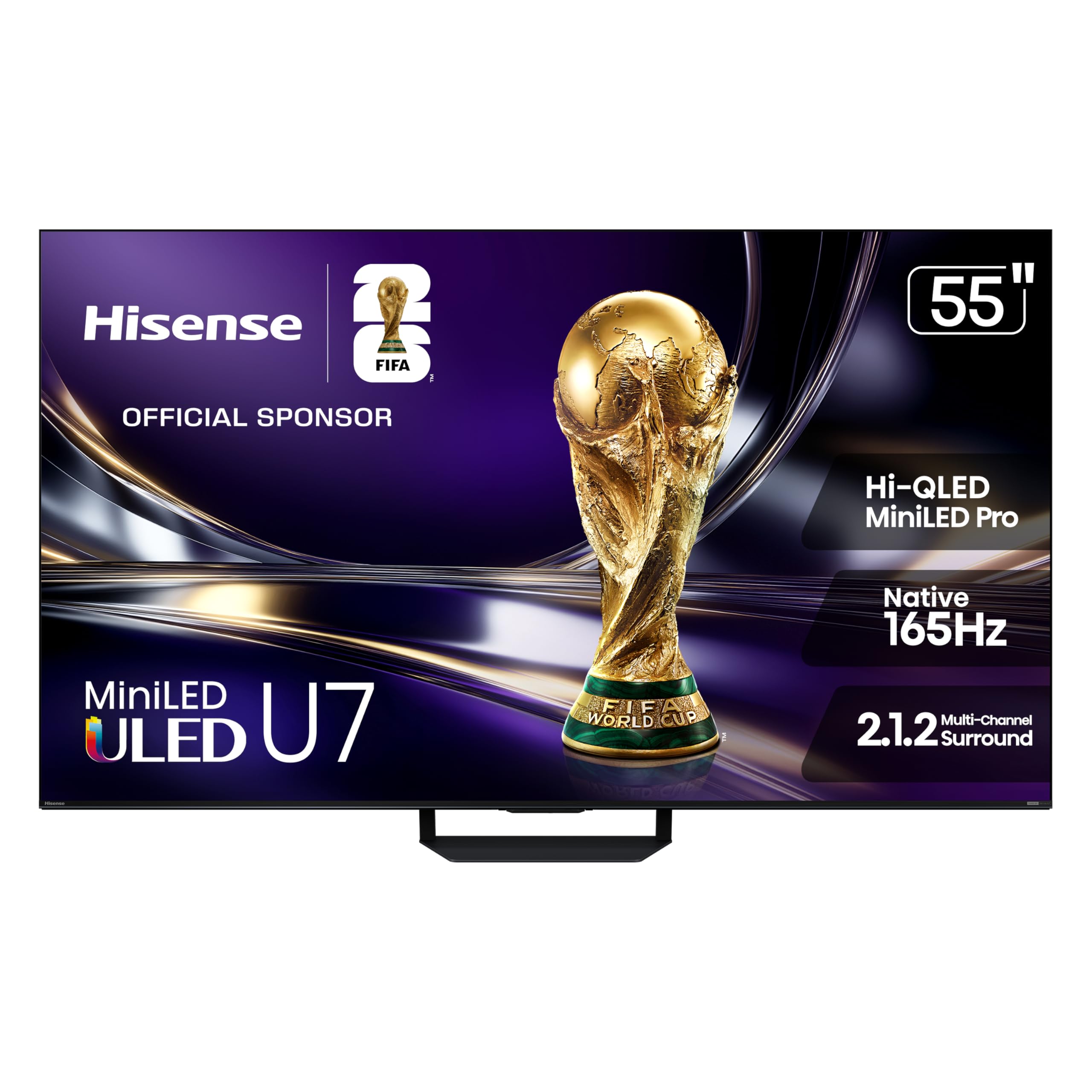
The Hisense U7 Series is a statement piece for anyone who values sheer brightness and contrast. It uses Hi-QLED Mini-LED Pro technology with up to 3,000 local dimming zones and a peak brightness of 3,000 nits. These numbers are not theoretical — they produce stunning HDR highlights that punch through even in the brightest rooms. The dual-layer anti-reflection screen is exceptionally effective, making it the best choice for living rooms with floor-to-ceiling windows.
The native 165Hz refresh rate is the highest in this lineup, and with VRR up to 330Hz, it handles high-frame-rate PC gaming without breaking a sweat. The Hi-View AI Engine Pro processor analyzes content scene by scene to optimize color, contrast, and sharpness automatically. The 2.1.2-channel audio system delivers good immersion with Dolby Atmos support.
The Google TV platform is responsive and well-integrated. It also supports simultaneous Bluetooth headphone and TV speaker output, a rare feature for late-night viewing. It is the most expensive option in the mid-to-premium tier, but the brightness and anti-glare performance justify the investment for users who watch HDR content in challenging lighting conditions.
Why it’s great
- Exceptional peak brightness (3000 nits) for HDR
- Very effective anti-glare coating
- Highest native refresh rate at 165Hz
Good to know
- Full HDR performance is best paired with a soundbar
- Premium price within the budget tier
- Built-in audio is decent but not class-leading
4. Amazon Ember
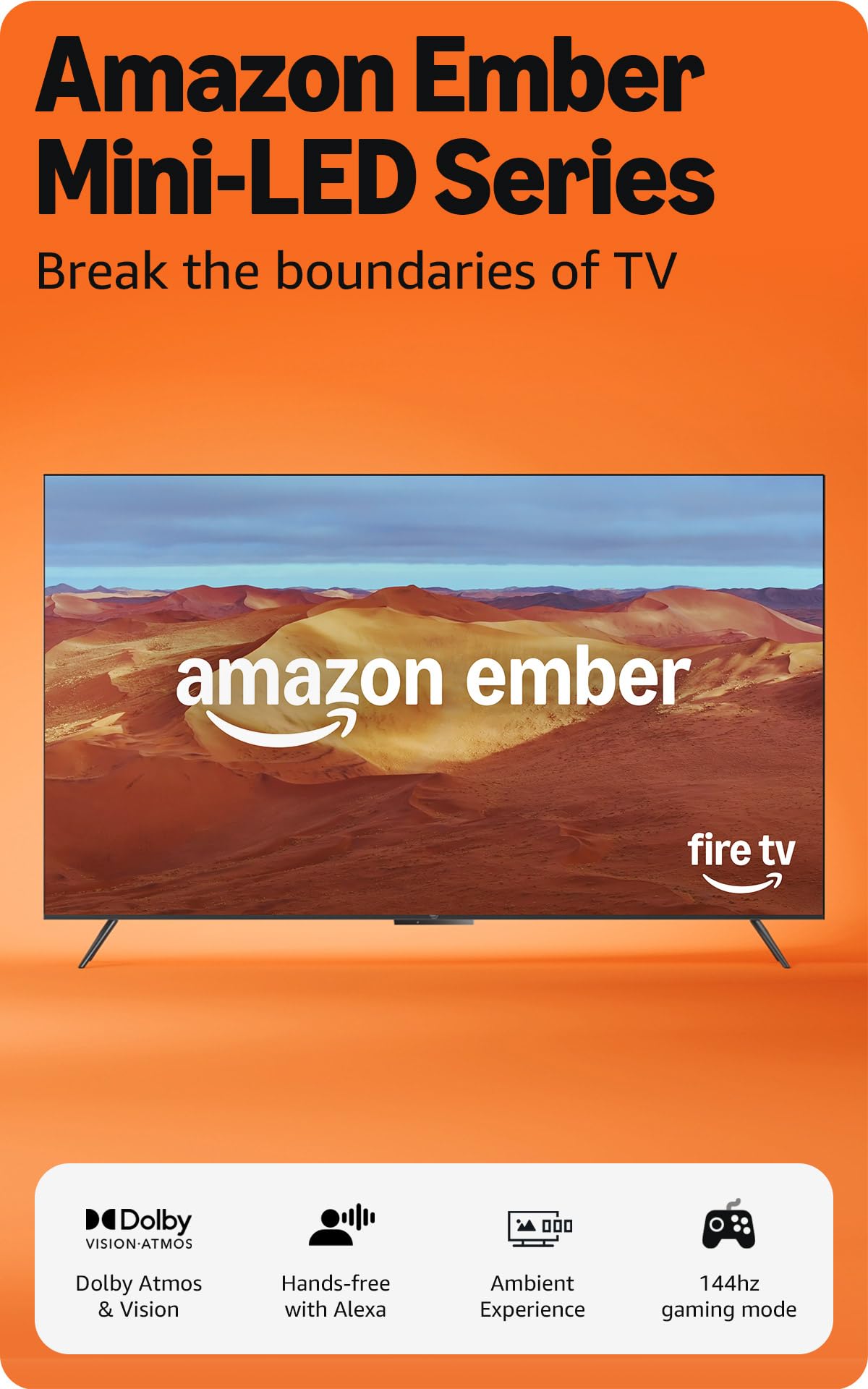
The Amazon Ember is the deepest integration of a smart TV platform you can get. The new Fire TV interface is fast and modern, with the Alexa+ voice assistant that understands natural language. It features 512 local dimming zones on a QLED Mini-LED panel that reaches 1,400 nits peak brightness — enough for bright-room HDR with black levels that approach OLED territory. The Dimming zones are dense enough to avoid distracting blooming around subtitles.
Gamers get a native 144Hz panel with AMD FreeSync Premium Pro certification, ensuring tear-free motion. The 2.1-channel Dolby Atmos audio system has a built-in subwoofer that produces surprising bass depth for a TV. The Omnisense technology wakes the screen when you enter the room, displaying ambient art — a nice smart-home touch.
The main drawback is that the Fire TV interface is heavily ad-supported, and some users report it becomes sluggish over time, requiring a FireStick to restore speed. For heavy Amazon Prime users who want a seamless Alexa ecosystem, this is a compelling option. For those who prefer a cleaner interface, the hardware is excellent but the software may be a frustration.
Why it’s great
- Deep Fire TV/Alexa integration with hands-free controls
- Excellent contrast with 512 dimming zones
- Built-in subwoofer for better sound depth
Good to know
- Fire TV interface can become sluggish over time
- Home screen is filled with Amazon ads
- Some units experience random reboots
5. Toshiba Z670R
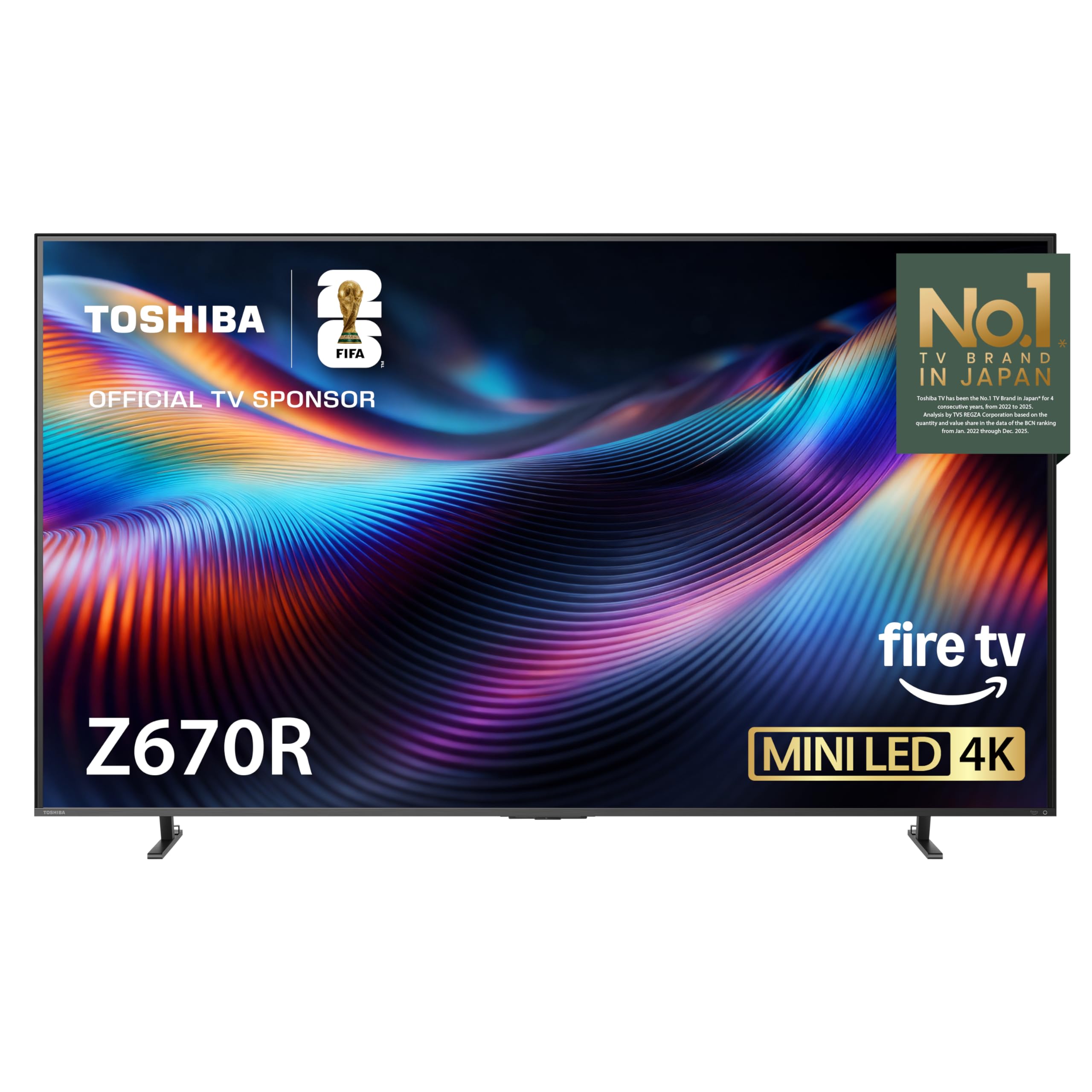
The Toshiba Z670R is a dark horse that punches well above its price class thanks to the REGZA Engine ZRi Gen3 processor. Toshiba’s Japanese engineering team has tuned this chip to optimize clarity, contrast, and audio scene by scene. The combination of Mini-LED with Full Array Local Dimming and QLED color produces rich, natural tones with deep blacks — the picture processing is more refined than most competitors at this price.
The native 144Hz panel supports AMD FreeSync Premium and VRR for smooth gaming. It also includes Game Mode Pro, which minimizes input lag. Dolby Vision IQ and HDR10+ Adaptive adjust the picture based on room lighting, which works well in mixed-use spaces. The REGZA Power Audio Pro system with a bass woofer delivers a surprisingly punchy sound stage, reducing reliance on a soundbar for everyday content.
Fire TV is the built-in smart platform, offering the same Alexa integration and app library as the Amazon Ember. The main advantage here is the superior picture processing from the REGZA engine. The AI Light Sensor Pro automatically adjusts brightness and color balance, reducing eye strain. It’s the best choice for viewers who prioritize refined, natural-looking images over raw brightness numbers.
Why it’s great
- Excellent picture processing by REGZA Engine ZRi Gen3
- Deep, natural color with QLED and Mini-LED
- Powerful built-in audio with bass woofer
Good to know
- Fire TV interface can be slow compared to Google TV
- Design is functional rather than ultra-slim
- Fewer local dimming zones than top competitors
6. Samsung M70H
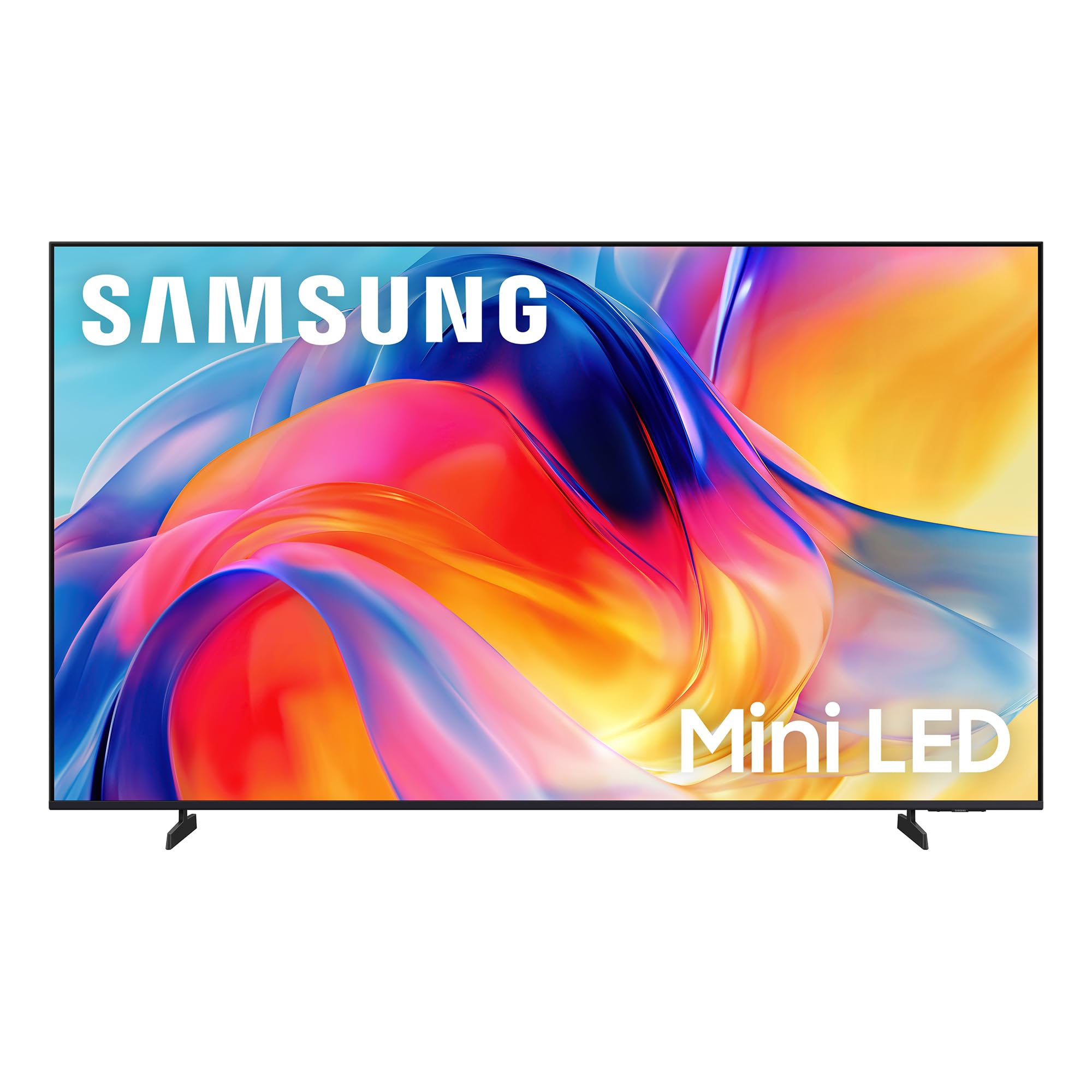
The Samsung M70H is an interesting hybrid: it features a 60Hz native panel but uses Motion Xcelerator with DLG to achieve 120Hz for smoother motion. This makes it a better choice for sports and casual gaming than high-frame-rate competitive play. The Mini LED Processor 4K delivers bright highlights, and the Pure Spectrum Color technology reproduces a billion true-to-life colors with impressive saturation.
The dedicated Soccer Mode is a standout feature — it optimizes motion and color for football matches, resulting in 40% clearer motion and 30% more vibrant greens on the pitch. The Samsung Gaming Hub integrates cloud gaming services and console games into a single menu. The Samsung Tizen OS is responsive, but the included remote has been widely criticized for a lack of dedicated input switching and poor ergonomics.
For sports fans who value vibrant color and smooth broadcast motion, this is a solid mid-range option. The Mini LED backlight does improve contrast over standard LED models. However, serious gamers and cinephiles will find the 60Hz panel limiting. It is best suited for a secondary living room or family room where sports and streaming are the primary use case.
Why it’s great
- Vibrant, accurate color with Pure Spectrum technology
- Excellent upscaling and motion for sports
- Integrated Gaming Hub for cloud gaming
Good to know
- Only 60Hz native panel, not ideal for competitive gaming
- Remote is poorly designed with limited controls
- Tizen OS can be frustrating for input management
7. LG QNED85A

The LG QNED85A is the most polished package in this lineup, thanks to the Alpha 8 AI Processor Gen2. This chip analyzes content in real-time, upscaling lower-resolution sources to near-4K with impressive clarity. It also adjusts sound dynamically, offering a mode that enhances dialogue clarity. The Mini-LED backlight with Precision Dimming provides good black levels and bright colors, with 100% Color Volume coverage.
The native 120Hz panel supports VRR up to 144Hz, making it compatible with both PS5 and PC gaming. The Game Optimizer dashboard puts all gaming settings in one place, and it supports cloud gaming via GeForce NOW and Xbox Cloud Gaming. The LG webOS platform is award-winning for its ease of use and includes access to over 350 free LG Channels.
The major complaint from users is the remote — it has no dedicated mute button, no number pad for quick access, and can be confusing. Some users report the sound switching back to internal speakers after using headphones. However, for pure picture processing quality and a premium, polished feel during movie watching, the LG QNED85A is a top-tier choice.
Why it’s great
- Excellent AI upscaling and picture processing
- Automated sound optimization for dialogue
- User-friendly webOS interface
Good to know
- Remote lacks basic features like mute and number pad
- Mode adjustments can be more complex than rivals
- Limited to VRR 144Hz, not native 165Hz
8. Sony BRAVIA 2 II

The Sony BRAVIA 2 II is not the highest-spec TV on the list, but it is the best for PlayStation 5 owners. The 4K Processor X1 delivers lifelike color and sharp detail through advanced upscaling of lower-resolution content. The exclusive PS5 features — Auto HDR Tone Mapping and Auto Genre Picture Mode — automatically optimize picture settings when you switch from a game to a streaming app, eliminating menu diving.
The Motionflow XR processing ensures that fast-moving sports and action movies remain blur-free. The Game Menu consolidates all gaming picture settings into one place, including assist features like a crosshair overlay. It also supports Dolby Atmos audio passthrough and includes Sony Pictures CORE for free movies. The Google TV platform is clean and responsive, with support for Apple AirPlay 2 and Google Cast.
The panel is a standard LED LCD, so contrast does not match Mini-LED rivals. Some users report freezing issues requiring a hard reset, though this may be due to unit variance. For the absolute best PS5 experience with one-remote control and auto-optimization, the BRAVIA 2 II is hard to beat.
Why it’s great
- Seamless PS5 integration with auto HDR/Genre modes
- Excellent upscaling from lower-resolution sources
- Clean Google TV interface
Good to know
- Standard LED panel lacks Mini-LED contrast
- Some users report freezing issues
- Limited to 60Hz, not ideal for high-frame-rate PC gaming
9. Samsung U8000F

The Samsung U8000F is the entry point to 4K in this list, offering solid picture quality with upscaled content at a very accessible price. The 3D Color Mapping technology produces vibrant colors, and the 4K upscaling engine does a reasonable job with 1080p content. Its MetalStream design with a slim bezel gives it a premium look that belies its cost.
The 60Hz panel and Motion Xcelerator are sufficient for watching movies and sports, but gamers should look elsewhere. The Samsung Tizen OS is responsive, and the included Samsung TV Plus service provides free, ad-supported channels. Samsung Knox Security adds a layer of protection for smart home devices connected to your network.
The sound is noticeably lower in volume than other Samsung models, requiring a slightly higher volume setting. The remote is responsive but can have a slight lag. For a secondary bedroom or guest room TV, this is a reliable, affordable choice. For a primary living room TV, the lack of high refresh rate and local dimming means it is outclassed by the Mini-LED models above.
Why it’s great
- Good upscaling for 4K content
- Sleek design with slim bezel and metal finish
- Includes Samsung Knox security for smart home
Good to know
- 60Hz panel is not suitable for gaming
- Lower sound volume than previous Samsung models
- VESA mount may require an adapter for standard brackets
10. Hisense A6 Series

The Hisense A6 Series is proof that a budget-friendly TV can still offer a satisfying 4K experience. The 4K Ultra High Definition panel with AI UHD Upscaler does a commendable job of enhancing lower-resolution content. Dolby Vision HDR and HDR10 support provide a wider color range and deeper blacks than standard SDR panels at this tier.
The Google TV interface is smooth and integrates well with streaming services. The included Game Mode Plus combines a 60Hz panel with variable refresh rate and auto low latency mode, making it a capable entry-level gaming companion for casual players. The Sports Mode automatically adjusts motion and color for a better game-day experience.
The main limitations are the edge-lit backlight (no local dimming) and viewing angle that deteriorates quickly off-center. The voice remote lacks a hands-free switch, and there is no printed manual included. For the lowest price point, this TV delivers surprising value and durability — many users report it working well for months with zero issues.
Why it’s great
- Excellent value for an entry-level 4K TV
- Dolby Vision HDR support
- Smooth Google TV interface
Good to know
- Narrow viewing angles
- Edge-lit panel limits contrast
- Remote lacks hands-free voice functionality
11. Panasonic W70 Series
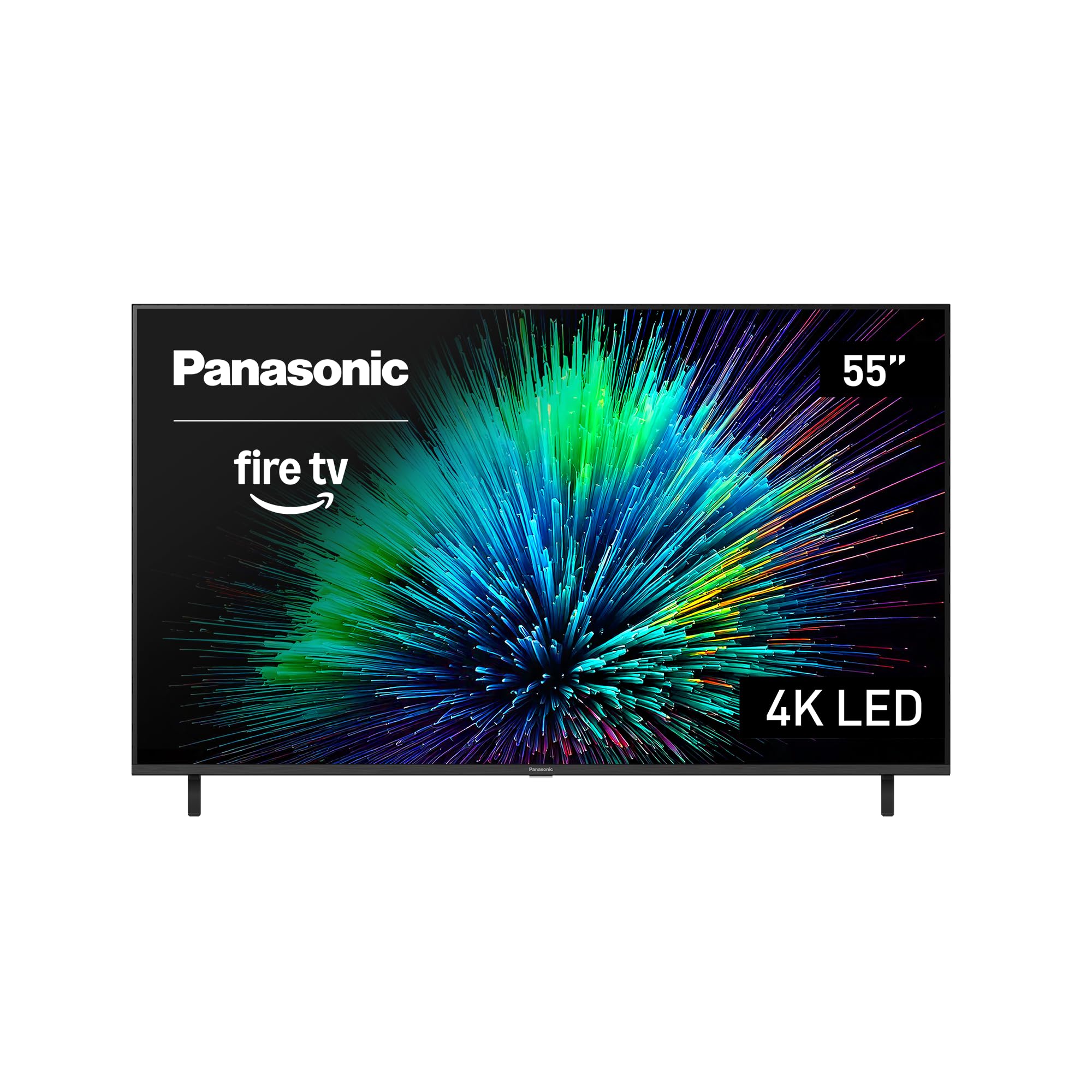
The Panasonic W70 Series is a solid entry-level option that combines the Fire TV platform with Panasonic’s display heritage. The HDR Bright Panel, powered by the 4K Studio Color Engine, delivers vibrant colors and supports HDR10+, HDR10, and HLG for broad compatibility. The MEMC technology ensures smooth motion in fast-paced content.
Connectivity is a strong point, with four HDMI ports including one HDMI 2.1 port, plus Bluetooth 5.0 support for wireless speakers or headphones. The Fire TV platform includes Alexa built into the remote, allowing hands-free search and smart home control. The sturdy chassis with metal stands gives it a reassuring build quality.
The consistent trade-off for the Fire TV platform is software speed — many users report the interface is slower than competing smart TV platforms, and some units have experienced freezing and rebooting issues. The design is also described as bulky and bland. For the price, it gets the job done for basic streaming and viewing, but it is not a performance-oriented choice for gaming or HDR enthusiasts.
Why it’s great
- Solid build quality with metal stands
- Good HDR format compatibility (HDR10+, HLG)
- Four HDMI ports including HDMI 2.1
Good to know
- Fire TV interface can be sluggish
- Multiple user reports of freezing and crashing
- Design is bulky and uninspired
FAQ
Is a 60Hz TV enough for PS5 or Xbox Series X?
How many local dimming zones do I really need for HDR?
What is the difference between Mini-LED and QLED?
Can I use a 55-inch TV for PC gaming?
Final Thoughts: The Verdict
For most users, the 55 inch tv under $1500 winner is the TCL QM7K Series because it delivers the best balance of Mini-LED zone count, native 144Hz refresh rate, and effective anti-glare screen at a mid-range price. If you want the ultimate brightness and anti-glare performance for a sun-drenched living room, grab the Hisense U7 Series. And for a pure gaming-first setup with the best HDMI 2.1 port configuration, nothing beats the iFFALCON 55U85.