
Our readers keep the lights on and the weekend projects moving. As an Amazon Associate, I earn from qualifying purchases.
Cutting rice means losing the comforting base that holds a stir-fry or bowl together. Cauliflower can turn watery, konjac can be rubbery, and the wrong product leaves a meal feeling unfinished rather than satisfying.
I’m Rikta — the co-founder and writer behind FitlyFast. This guide is built from hours of reviewing customer testing and cross-referencing nutrition labels to find the rice alternatives that actually keep their texture and taste.
The right swap matches the grain’s chew while delivering far fewer carbs. This guide compares the top contenders for the best rice alternative across texture, prep ease, and dietary fit.
How To Choose The Best Rice Alternative
A rice substitute’s job is to disappear into the dish — holding sauce and providing bite without adding flavor or turning to paste. The wrong choice leaves a meal feeling like a compromise.
Texture & Water Content
Overly wet alternatives — usually from water-packed konjac or under-drained cauliflower — make stir-fries soupy. Dried konjac and riced veggies that are par-cooked and shelf-stable typically hold a firmer, drier bite closer to real rice.
Net Carbs vs. Fiber
Riced cauliflower hovers around 2–4g net carbs per serving but offers almost no protein. Lupini flour options pack 18g protein with 3g net carbs, while konjac sits near zero. Match the macro profile to your daily targets — a keto dieter’s need differs from a paleo eater’s.
Prep Speed & Convenience
Most pouches heat in 60–90 seconds, but some benefit from a dry pan sauté to improve texture. Dried konjac requires boiling for 10 minutes. Shelf-stable packs remove the fridge requirement, making them ideal for campers and desk lunches.
Quick Comparison
On smaller screens, swipe sideways to see the full table.
| Model | Category | Best For | Key Spec | Amazon |
|---|---|---|---|---|
| Tame prime dried Shirataki rice | Konjac | Sticky rice texture | 25 cal per ½ cup cooked | Amazon |
| Natural Heaven Hearts of Palm Rice | Hearts of Palm | Low-sodium diets | 0 mg sodium per serving | Amazon |
| Aviate Keto Rice Orzo | Lupini Flour | High-protein meals | 18g protein per serving | Amazon |
| Mantova Organic Cauliflower Rice | Cauliflower | Clean-label bowls | Cooks in 1–2 minutes | Amazon |
| Kitchen & Love Organic Riced Cauliflower | Cauliflower | Meal prep & camping | Shelf-stable 8 oz pouch | Amazon |
| Kitchen & Love Riced Broccoli | Broccoli | Variety in veggie rice | 48 oz total (6 x 8 oz) | Amazon |
| SKINNY PASTA Konjac Shirataki Rice | Konjac | Zero-carb staples | 1 Weight Watchers point | Amazon |
In‑Depth Reviews
1. Tame prime dried Shirataki rice

This is the dried konjac option that solves the wet, rubbery texture problem most shoppers encounter with water-packed shirataki. The main ingredient is organic konjac powder, and the final cooked texture mimics sticky rice rather than the springy noodle feel. At 25 calories per half-cup cooked serving, it fits deep-keto and low-calorie plans without the flavor void.
Cooking requires boiling 1.5 cups of water, adding the rice, covering for 10 minutes, then fluffing — a short extra step that rewards with a noticeably rice-like chew. Multiple reviewers highlight that it smells and tastes like real jasmine rice, with no fishy konjac odor. The 12-ounce bag yields roughly ten 1/3-cup servings, so the value per serving is competitive with fresh cauliflower rice.
The main caution is accuracy of the nutrition label — one reviewer reported a blood sugar spike inconsistent with the claimed 6g total carbs. For most users, the texture and convenience of a dry konjac that cooks in 10 minutes makes this the strongest all-around performer. It disappears into stir-fries and side dishes better than any wet-packed alternative.
Why it’s great
- Closest sticky-rice texture among konjac options
- No unpleasant smell when cooked properly
- Low calorie density for portion-controlled meals
Good to know
- Requires boiling — not a 60-second microwave pouch
- Some users question the carb count accuracy
2. Natural Heaven Hearts of Palm Rice

Hearts of palm rice occupies a unique spot — it’s firmer and more neutral than cauliflower, with a naturally higher potassium content than a banana per serving. This 6-pack contains 9-ounce pouches that are fully cooked, requiring only microwave or stovetop reheating. The ingredient list is clean: just hearts of palm, no salt, oils, or preservatives, making it a strong choice for low-sodium meal plans.
Reviewers consistently describe the flavor as mild and versatile, absorbing sauces and seasonings well. The texture is widely compared to cooked rice, though some note a subtle artichoke-like aroma. Unlike water-heavy riced vegetables, these pouches don’t release excess liquid into stir-fries, keeping the dish intact. The convenience of no rinsing and 60-second prep works for quick lunches.
The main trade-off is cost — multiple reviewers mention the price is higher than fresh or frozen alternatives. For those needing a shelf-stable, zero-sodium, low-carb base that doesn’t taste like cauliflower, this is the most neutral option available. The family-owned brand emphasizes sustainable growing practices, which adds sourcing transparency.
Why it’s great
- Zero sodium per serving — ideal for restricted diets
- More potassium than a banana in each serving
- No rinsing needed, ready in 1 minute
Good to know
- Mild artichoke aroma may be noticeable
- Higher cost per serving than veggie rice options
3. Aviate Keto Rice Orzo

This lupini flour orzo-shaped rice delivers 18g of protein and 17g of fiber per serving with only 3g net carbs — a macro profile unmatched by cauliflower or konjac alternatives. The shape is small orzo, which works as a direct rice replacement in bowls, stir-fries, and even fried rice recipes. Users generally report a chewy al dente texture similar to brown rice when prepared correctly: boil 90 seconds, rinse cold, pan-fry 2 minutes, then steam covered for 5–6 minutes.
The taste is described as mildly buttery with an almost neutral base, though some reviewers detect a slight bitterness. The product takes on sauces and seasonings well, making it a strong base for flavor-heavy dishes. One specific fried rice recipe from a reviewer shows the ingredient works identically to short-grain rice in that application — a high bar for any alternative.
The clear downside is cost — reviewers note the 3-pack of 8-ounce bags feels expensive at roughly per bag. Several users also report significant digestive bloating and gas from the lupini fiber, which may limit how often you can eat it. For keto dieters who prioritize protein density and don’t have sensitive digestion, this is the macro king of the category.
Why it’s great
- 18g protein and 17g fiber with only 3g net carbs
- Holds texture in fried rice recipes
- Subtle buttery flavor works with strong sauces
Good to know
- High fiber can cause gas and bloating
- Cost is premium per serving
4. Mantova Organic Cauliflower Rice
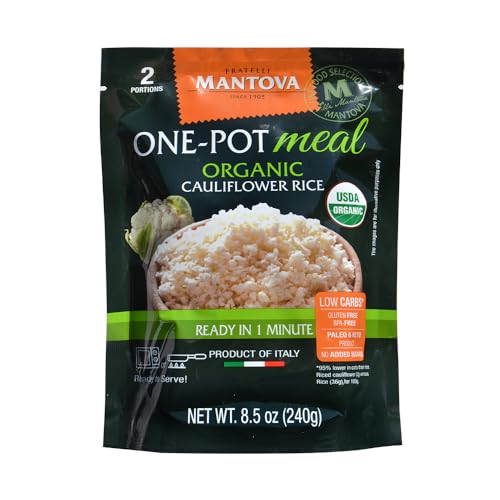
This Italian-made organic cauliflower rice stands apart for its non-mushy texture — a common failure point for frozen or fresh riced cauliflower. Multiple reviewers confirm it doesn’t turn watery during cooking, holding a texture that several described as tasting just like real rice. The 8.5-ounce pouches are microwaveable in 1–2 minutes, and users recommend finishing with butter, oil, or salt and pepper for the best results.
The ingredient is simple: organic cauliflower grown in Italy, with no artificial coloring or preservatives. It packs natural vitamin C, vitamin K, and potassium, supporting balanced nutrition without the need for a separate vegetable side. Paleo and gluten-free diets are covered, and the mild flavor base works with both savory stews and light salads.
A few reviewers found the product flavorless on its own, which is typical for cauliflower rice — it needs seasoning. Compared to water-packed or frozen cauliflower alternatives, the shelf-stable pouch improves texture retention. For anyone who has been disappointed by mushy cauliflower rice, this Italian import consistently wins taste tests for its light, distinct grain-like pieces.
Why it’s great
- Dries and cooks without becoming mushy
- Organic product sourced from Italy
- Fast 1–2 minute microwave prep
Good to know
- Very mild flavor requires added seasoning
- Cauliflower base means lower protein content
5. Kitchen & Love Organic Riced Cauliflower
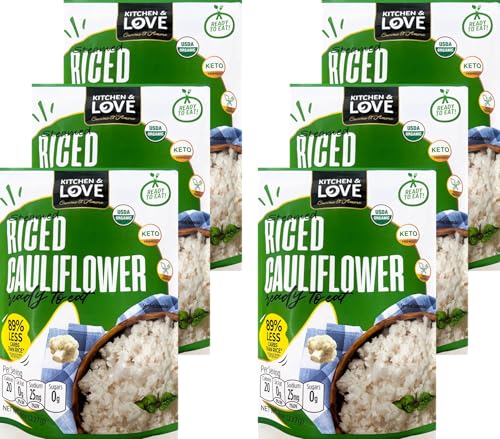
This organic shelf-stable pouch is the same base as Kitchen & Love’s riced broccoli but in the more popular cauliflower format. The 8-ounce packs require no refrigeration, making them a first-choice for camping, travel, or pantry meal prep. Reviewers specifically mention using these for hiking trips and beach vacations where coolers aren’t practical, which is the exact niche this product fills.
Texture feedback is consistently positive — it’s not watery compared to some other brands, heats evenly in a pan, and holds up in oven-baked recipes. One reviewer shared a baked fried rice method: mix with egg, dried fruit, nuts, and seasonings, then bake covered at 350°F for 25 minutes. That level of versatility shows the product can go beyond simple reheating into real recipe building.
The trade-off is cost per serving compared to frozen or fresh cauliflower rice. The convenience of shelf stability and the organic label command a premium that may not justify itself for home users who have freezer space. For anyone without fridge access who still wants a nutrient-dense, low-carb base, this is the most practical option.
Why it’s great
- Shelf-stable — no fridge needed for storage
- Works in oven-baked recipes without turning mushy
- Clean organic ingredient list
Good to know
- Cost is higher than frozen cauliflower rice
- Color can be slightly off-putting straight from pouch
6. Kitchen & Love Riced Broccoli
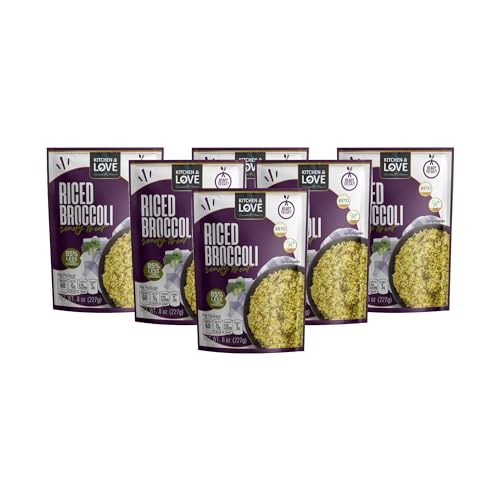
Broccoli rice is a less common alternative that brings a distinct vegetal flavor compared to the neutrality of cauliflower. This 6-pack of 8-ounce pouches uses non-GMO braised broccoli as the single ingredient, creating a shelf-stable base that’s ready after heating. It fits keto, paleo, and plant-based diets and provides a nutrient profile higher in fiber per gram than cauliflower rice.
Reviewers praise the convenience for camping and hiking, specifically noting that the lack of fridge requirement is a major advantage. One buyer said this is “fantastic for camping” and wished it were easier to find in physical stores. The texture is described as softer than oven-roasted broccoli but not watery — it holds shape in stir-fries and doesn’t disintegrate like frozen chopped broccoli often does.
The main limitation is the color and taste differentiation. Several reviewers noted the green hue can be visually off-putting for dishes typically made with white rice. The flavor is distinctly broccoli-forward, which may not work for every cuisine. If cauliflower rice feels too monotonous, this option adds variety without sacrificing convenience or nutritional density.
Why it’s great
- Shelf-stable and perfect for travel or camping
- Distinct broccoli flavor breaks cauliflower monotony
- Higher fiber content than cauliflower rice
Good to know
- Green color can look unusual as a rice base
- Broccoli taste may not suit all cuisines
7. SKINNY PASTA Konjac Shirataki Rice
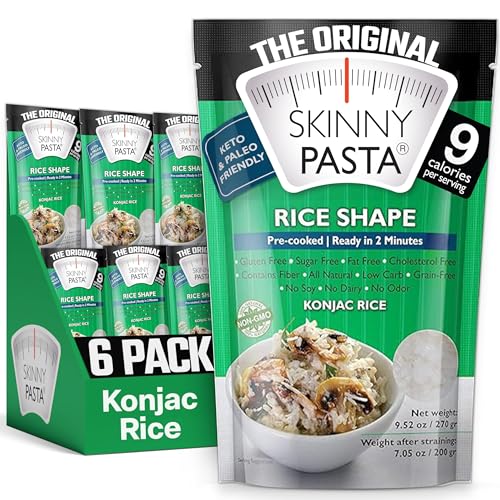
This water-packed konjac rice is the budget entry point for those new to the shirataki category. It’s endorsed by Weight Watchers at just one SmartPoint per serving, making it one of the lowest-point rice substitutes available. The rice-shaped pieces are pre-cooked and require only a rinse and quick reheat, significantly reducing prep friction compared to dried konjac options.
Reviewers highlight that this product doesn’t have the strong fishy smell that some konjac noodles emit, which is a common barrier for first-time buyers. The texture is less rubbery than thicker konjac pasta shapes, and the small rice granules take on sauce flavor well when added directly to curries or stir-fries. One diabetic user confirmed it works as a reliable low-carb staple for blood sugar management.
The limitations are the same as most wet-packed konjac: it doesn’t absorb liquid like real rice, so sauces sit on top rather than integrating. A few users noted the texture can be slightly springy, and one reviewer reported no weight loss results despite full substitution. For zero-carb compatibility and convenience in a budget-friendly pack, it remains a standard entry point for konjac beginners.
Why it’s great
- Zero net carbs and only 1 Weight Watchers point
- No fishy smell compared to other konjac products
- Ready after simple rinse and reheat
Good to know
- Doesn’t absorb liquid like real rice
- Can have a slightly springy, rubbery texture
FAQ
What is the best rice alternative for keto?
Does hearts of palm rice taste like real rice?
How do I fix watery cauliflower rice?
Final Thoughts: The Verdict
For most users, the rice alternative winner is the Tame prime dried Shirataki rice because it delivers the closest sticky-rice texture without requiring refrigeration and avoids the mushy pitfalls of wet-packed konjac. If you want high protein and fiber in a low-carb base, grab the Aviate Keto Rice Orzo. And for a neutral, zero-sodium, potassium-rich base that heats in 60 seconds, nothing beats the Natural Heaven Hearts of Palm Rice.