
Our readers keep the lights on and the weekend projects moving. As an Amazon Associate, I earn from qualifying purchases.
Scrolling through endless tea options promising “superfruit” status and “detox” magic gets exhausting fast, especially when the fine print rarely backs the hype with real ingredients. Most so-called antioxidant teas rely on cheap fillers, artificial flavors, or a single weak herb diluted by bulk, leaving you with a cup that tastes more like perfume than actual nutrition. The difference between a functional brew and a fancy hot water comes down to the specific plant material, the sourcing transparency, and whether the bioactive compounds survive the processing chain.
I’m Rikta — the co-founder and writer behind FitlyFast. I’ve spent countless hours cross-referencing lab reports, ingredient lists, and third-party certifications to separate the genuinely potent antioxidant teas from the cleverly marketed ones.
Whether you are a morning sipper chasing sustained energy or someone seeking a caffeine-free evening ritual, finding the right antioxidant tea means matching your preferred flavor profile with a measurable dose of polyphenols, flavonoids, or catechins that actually deliver on the health promise.
How To Choose The Best Antioxidant Tea
Not all antioxidant teas are created equal. The term “antioxidant” is unregulated on packaging, so a cup labeled as such might deliver negligible polyphenols. To make a genuinely informed choice, focus on the plant source, the processing method, and the independent verification behind the brand.
Identify the Primary Source of Antioxidants
Each plant delivers a different class of bioactive compounds. Green tea provides catechins like EGCG, which are well-studied for cellular protection. Hibiscus offers anthocyanins that give the deep red color and support cardiovascular function. Moringa leaves bring a broad spectrum of flavonoids plus vitamins A and C. Tulsi (holy basil) acts as an adaptogen with antioxidant properties. Decide which specific health angle — energy, heart, immunity, or stress — matters most to you, then choose the source that aligns.
Check for Third-Party Lab Testing and Organic Certification
Tea leaves absorb pesticides from soil, and low-quality batches can contain heavy metals or mold. USDA Organic certification guarantees the leaves were grown without synthetic chemicals. Third-party lab testing, often listed on the product page or brand site, screens for contaminants and verifies the antioxidant content. Brands that openly share batch-level test results demonstrate a level of transparency that generic bulk tea cannot match.
Evaluate the Format — Bags, Loose Leaf, or Powder
Tea bags offer convenience, but the quality of the leaf inside matters. Finely ground dust (fannings) oxidizes faster and loses potency, while whole-leaf or cut-and-sifted material retains more antioxidants. Loose-leaf options generally allow a higher leaf-to-water ratio, delivering a stronger extraction. Some brands use plant-based, compostable tea bags that avoid the microplastics found in conventional nylon or mesh bags — a detail that matters if you brew daily.
Quick Comparison
On smaller screens, swipe sideways to see the full table.
| Model | Category | Best For | Key Spec | Amazon |
|---|---|---|---|---|
| Republic of Tea Pomegranate Green | Green Tea | Daily energy with fruit flavor | 50 bags, organic green tea & hibiscus | Amazon |
| Attaya Hibiscus Loose Flowers | Herbal | Pure single-origin hibiscus | 16oz, 200+ cups, 3rd party tested | Amazon |
| Republic of Tea SuperGreen Detox | Green Tea | Minty detox with matcha & chlorella | 36 bags, organic with matcha powder | Amazon |
| BLUE TEA Butterfly Pea Flower | Herbal | Caffeine-free relaxation & color | 100 bags, plant-based biodegradable | Amazon |
| Organic Veda Moringa Tea Leaves | Herbal | Vitamin-rich, inflammation support | 7oz loose leaf, USDA Organic | Amazon |
| ORGANIC INDIA Tulsi Sweet Rose | Herbal | Stress relief with floral flavor | 54 bags, adaptogenic tulsi & rose | Amazon |
| Yogi Tea Green Tea Pure Green Decaf | Green Tea | Decaf vitality, bulk supply | 96 bags, USDA Organic, compostable | Amazon |
In‑Depth Reviews
1. The Republic of Tea – Pomegranate Green SuperFruit Tea

This pomegranate green tea combines China green tea with hibiscus to create a naturally tart, ruby-hued brew that avoids the grassy bitterness typical of plain green tea. The organic base — green tea and hibiscus — delivers a dual antioxidant profile: catechins from the tea leaves and anthocyanins from the hibiscus petals.
Customer feedback consistently highlights the refreshing flavor as a gateway for people who dislike standard green tea. Many reviewers note that it shines as an iced tea, with several reporting they brew multiple bags in cold water for a healthy soda alternative. The subtle natural sweetness means most drinkers add no sugar, which preserves the low-calorie advantage.
Republic of Tea sources organic ingredients and avoids artificial additives, though the tea bags themselves are standard paper filter material rather than plastic-free. At 50 bags per tin, the value per serving is strong for a certified organic blend. The main tradeoff is the caffeine content — while low, it is not caffeine-free, so afternoon or evening drinkers may want to switch to a herbal option later in the day.
Why it’s great
- Organic green tea and hibiscus deliver dual-source antioxidants
- Naturally tart-sweet flavor works hot or iced without added sugar
- Low caffeine level suits daily hydration without overstimulation
Good to know
- Standard tea bags, not compostable or plastic-free
- Not suitable for caffeine-free evening use
2. Attaya Hibiscus Loose Flowers
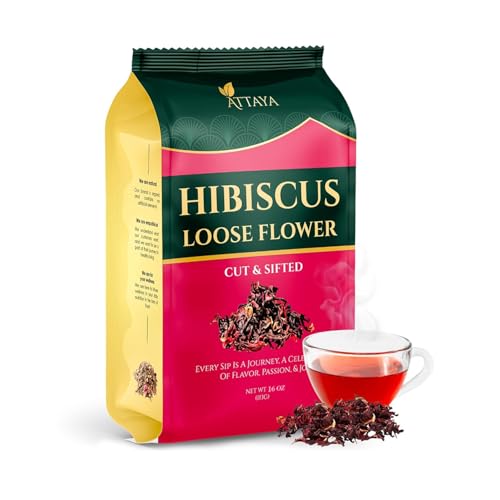
Attaya sources its hibiscus flowers directly from Nigeria, where the plant is a cultural staple for Zobo and Agua de Jamaica. These are whole, sun-dried petals — cut and sifted, not ground into dust — which preserves the vibrant red color and the full anthocyanin content that gives hibiscus its cardiovascular and immune-supporting reputation. The 16-ounce bag yields over 200 cups, making it one of the most economical options for daily herbal drinking.
Third-party lab testing confirms the flowers are free from soy, dairy, gluten, preservatives, and artificial flavors. The resealable packaging locks in freshness, important for loose-leaf material that can degrade when exposed to air and light. Reviewers describe the taste as fresh and delicious, with several noting it helps with relaxation and sleep quality due to the complete absence of caffeine.
The loose-flower format requires a strainer or infuser, which adds a small step compared to bagged teas. Some drinkers may find the natural tartness of pure hibiscus too sharp and will want to blend it with a touch of honey or a sweeter herb like stevia or rooibos. For anyone prioritizing a traceable, single-origin ingredient over convenience, this is a clean label champion.
Why it’s great
- Single-origin Nigerian hibiscus with full traceability
- Sun-dried processing preserves natural antioxidants
- Third-party lab tested for purity and safety
Good to know
- Requires a strainer or infuser for brewing
- Pure tart flavor may need blending for some palates
3. The Republic of Tea – Organic SuperGreen Detox Green Tea

This blend layers organic green tea with matcha powder and chlorella, a nutrient-dense supergreen algae that supports digestion and provides a chlorophyll boost. The addition of spearmint and natural apple flavor creates a sweet, minty finish that masks the earthy notes some drinkers find off-putting in straight green tea. Each bag delivers the full-spectrum catechins of green tea plus the unique phytonutrients from chlorella.
Reviewers frequently mention the surprisingly pleasant taste — the green apple and mint combination reads as fresh rather than artificial. Several users report noticeable digestive effects, describing the tea as “cleaning out the gut” when consumed regularly. The caffeine content sits at a moderate level, comparable to standard green tea, so it works best as a morning or midday brew.
The 36-bag tin is smaller than many competitors, and the price per cup runs higher than simpler green tea options. The chlorella component, while beneficial, has a distinct flavor that not everyone enjoys, though the mint and apple do a good job balancing it. For those specifically seeking a detox-oriented cup with functional ingredients beyond plain tea leaves, this is a targeted and well-executed blend.
Why it’s great
- Triple-source antioxidants from matcha, green tea, and chlorella
- Mint and apple create a genuinely pleasant flavor profile
- Organic certification across all ingredients
Good to know
- Only 36 bags per tin — less volume than standard options
- Chlorella taste may not suit every palate
4. BLUE TEA – Butterfly Pea Flower Tea
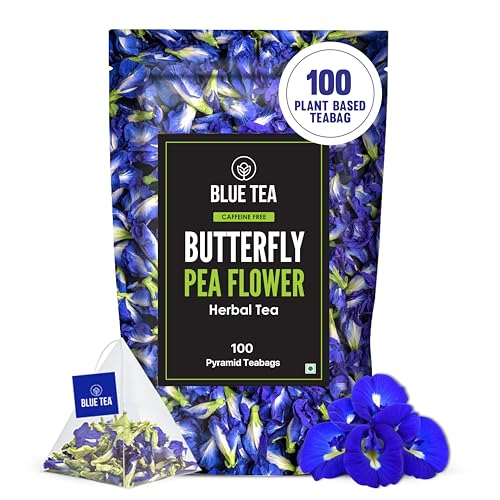
Butterfly pea flower is one of the most visually striking herbal teas — the petals release a deep blue infusion that shifts to purple when citrus is added. Beyond the color, the flower is rich in anthocyanins, the same class of antioxidants found in blueberries and red cabbage. This is a completely caffeine-free brew, making it suitable for evening relaxation or for anyone avoiding stimulants entirely.
The tea bags are made from plant-based corn starch, which is biodegradable and free from the microplastic contamination found in many nylon or mesh tea bags. Blue Tea India also emphasizes its farmer-support program, raising incomes for growers in India. Customer reviews consistently praise the relaxing effect and the unique visual experience, with many using it as a base for cocktails or colorful iced drinks.
Butterfly pea flower has a very mild, earthy taste — it is not sweet or fruity on its own. Drinkers accustomed to bold flavors like black tea or hibiscus may find it underwhelming unless blended with lemon, honey, or mint. The 100-count bag offers excellent value per serving for a premium herbal ingredient, but the subtlety of the flavor means it works best as a base for recipes rather than a standalone daily sipper.
Why it’s great
- Rich in anthocyanin antioxidants without any caffeine
- Plant-based, biodegradable tea bags — plastic-free brewing
- High volume at 100 bags with farmer-support mission
Good to know
- Very mild, earthy flavor — best paired with citrus or herbs
- Not a strong standalone flavor for tea purists
5. Organic Veda Moringa Tea Leaves
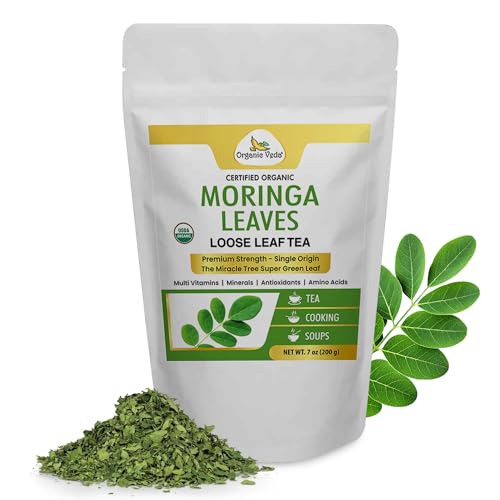
Moringa oleifera leaves contain a rare combination of antioxidants, vitamins, and minerals — including quercetin, chlorogenic acid, and significant levels of vitamin A and C — that distinguish this tea from standard herbal infusions. Organic Veda sources single-origin moringa and packages it as whole loose leaf, avoiding the dust and fannings common in lower-grade products. The vibrant green color of the leaves indicates proper sun-drying that preserves the chlorophyll and flavonoid content.
Users report using this tea for its anti-inflammatory properties, with several mentioning relief from ulcerative colitis flare-ups and general digestive comfort. The resealable bag keeps the delicate leaves fresh, and the 7-ounce volume lasts significantly longer than bagged options because a single teaspoon brews a full cup. The caffeine-free nature makes it suitable for any time of day.
Moringa has a distinct grassy, almost spinach-like flavor that some drinkers find challenging solo. Many customers mask it by blending with peppermint, ginger, or green tea. The loose-leaf format requires a strainer, which adds a step compared to bagged teas. For buyers specifically seeking moringa’s unique nutritional profile and willing to manage the flavor, this is a premium, clean-label option.
Why it’s great
- Single-origin organic moringa with high vitamin and flavonoid content
- Loose-leaf format preserves potency better than ground powders
- Resealable bag extends freshness for daily use
Good to know
- Grassy, earthy taste — often needs blending with other herbs
- Loose-leaf brewing requires a strainer or infuser
6. ORGANIC INDIA Tulsi Sweet Rose Herbal Tea
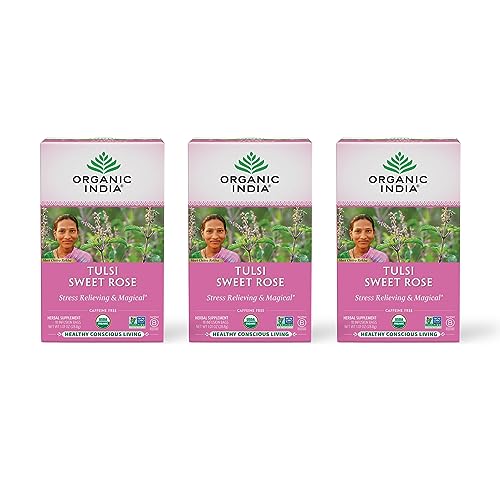
ORGANIC INDIA combines three varieties of holy basil — Rama, Vana, and Krishna tulsi — with rose petals and chamomile to create a floral, adaptogenic blend that targets stress response rather than pure antioxidant load. Tulsi is classified as an adaptogen, meaning it helps the body regulate cortisol and adapt to physical and mental stressors, while rose petals contribute additional antioxidant flavonoids. This is a completely caffeine-free formula, designed for evening wind-down or moments of high tension.
The rose and chamomile produce a naturally sweet, fragrant cup that reviewers describe as calming and delicious without needing added sweeteners. Multiple verified buyers note that drinking it daily helps with relaxation and sleep quality. The 54-bag, three-pack format offers good value for a specialty herbal blend, especially compared to single-box retail prices found in natural food stores.
The antioxidant content here is lower than straight green tea or pure hibiscus, because the formula prioritizes adaptogenic and calming effects over raw polyphenol density. Drinkers seeking maximum ORAC (Oxygen Radical Absorbance Capacity) per cup may prefer a moringa or green tea option. For anyone whose primary goal is stress management with a secondary antioxidant benefit, this blend delivers a refined, well-balanced experience.
Why it’s great
- Three adaptogenic tulsi varieties plus antioxidant-rich rose petals
- Caffeine-free and naturally sweet — no added sugar needed
- Multi-pack saves compared to single-box retail pricing
Good to know
- Antioxidant density is lower than straight green tea or hibiscus
- Floral profile may not appeal to those preferring bold, tannic teas
7. Yogi Tea – Green Tea Pure Green Decaf
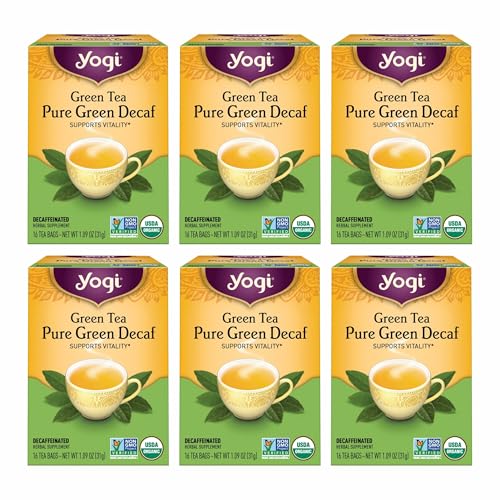
Yogi Tea delivers a straightforward decaf green tea with USDA Organic certification and Non-GMO verification. The decaffeination process uses a natural ethyl acetate method derived from fruit sources, which preserves more of the catechins compared to chemical solvent methods. Each bag is oxygen-bleached and compostable, avoiding the plastic contamination that many bagged teas introduce.
Long-term users praise the consistently fresh taste and reliable quality, with several noting they have been drinking this tea for years. The 6-pack format provides 96 bags total, making it a practical bulk option for households that go through multiple cups daily. The lack of artificial flavors or sweeteners means the flavor is pure green tea — slightly vegetal with a mild astringency that iced drinkers appreciate.
Some customers have flagged the small metal staple used to secure the bag string, which is a minor inconvenience for those composting the bags. The decaf process, while gentler than chemical alternatives, still removes a portion of the antioxidants, so the EGCG content will be lower than a caffeinated green tea of similar quality. For anyone needing the ritual of green tea without the caffeine jolt, this is a clean, high-volume solution.
Why it’s great
- USDA Organic and Non-GMO verified with compostable bags
- Bulk 96-bag format offers strong per-cup value
- Fruit-based decaffeination preserves more catechins than chemical methods
Good to know
- Decaf process reduces total antioxidant content versus caffeinated green tea
- Metal staple on bag string complicates full composting
FAQ
Which antioxidant tea has the highest ORAC score per cup?
Can I drink antioxidant tea while fasting or on an empty stomach?
How does steeping time affect the antioxidant yield of loose-leaf tea?
Final Thoughts: The Verdict
For most users, the antioxidant tea winner is the Republic of Tea Pomegranate Green SuperFruit Tea because it pairs organic green tea catechins with hibiscus anthocyanins in a refreshing, low-caffeine formula that works hot or iced. If you want a pure, single-origin herbal with maximum cup volume and third-party testing, grab the Attaya Hibiscus Loose Flowers. And for targeted stress relief with adaptogenic benefits, nothing beats the ORGANIC INDIA Tulsi Sweet Rose Herbal Tea.