
Our readers keep the lights on and the weekend projects moving. As an Amazon Associate, I earn from qualifying purchases.
Choosing a running shoe with genuine medial support is the single most impactful gear decision for women whose arches tend to collapse under the load of a long stride. A shoe that misaligns the foot can turn a training block into a losing battle against plantar fasciitis, shin splints, and knee tracking issues.
I’m Rikta — the co-founder and writer behind FitlyFast. I’ve spent hundreds of hours dissecting the stability platforms, foam densities, and guidance systems inside the newest running shoes to help readers separate true arch-support engineering from soft-cushion marketing.
This guide cuts through the noise to present the only models that structurally manage pronation while staying comfortable mile after mile, making it the definitive resource for anyone searching for the best arch support running shoes for women.
How To Choose The Best Arch Support Running Shoes For Women
Walking into a sporting goods store with only a vague sense that you need “arch support” is a recipe for buying a shoe that feels good in the aisle but fails you at mile four. The real engineering that controls arch collapse lives in the midsole platform, not the sockliner or the marketing tag. Learn to look past the soft feel and inspect the structure beneath the foot.
Stability Platform vs. Cushioned Sole
A thick, squishy midsole feels amazing during the first walk around the block, but excessive foam compression under the arch accelerates overpronation. True arch-support shoes use a wider platform, a firmer medial post (often a denser foam or a plastic guidance frame), and a structured heel counter to keep the foot aligned. When you press on the inner side of the midsole, it should feel noticeably firmer than the outer edge — that density differential is what prevents the arch from collapsing.
Guidance Systems and Medial Posts
Modern stability shoes have moved away from rigid plastic posts and toward integrated guidance systems. Brands like ASICS use a 3D GUIDANCE SYSTEM that wraps the medial side of the midsole. Saucony employs a TPU guidance frame that creates a “wall” on the inner edge. Brooks uses GuideRails holistically — they cradle the heel and knee rather than just the arch. Each of these technologies aims to reduce excessive pronation without creating a harsh, board-like ride. Look for a shoe with a documented medial support technology rather than relying on an insole to fix the problem.
Heel-to-Toe Drop and Arch Loading
The drop (difference in millimeters between heel and forefoot stack height) changes how the arch loads during a stride. Lower drops (4–6mm) encourage a midfoot strike and place more tension on the Achilles and arch. Higher drops (8–12mm) shift load toward the heel and reduce arch strain for runners with tight calves or a history of plantar fasciitis. For women with high arches, a higher drop is often more comfortable, while flat-footed runners may prefer a moderate 8mm drop that balances stability and natural gait.
Quick Comparison
On smaller screens, swipe sideways to see the full table.
| Model | Category | Best For | Key Spec | Amazon |
|---|---|---|---|---|
| Brooks Glycerin GTS 23 | Premium | Plush stability & overpronation | 8mm drop, GuideRails holistic support | Amazon |
| Saucony Guide 19 | Premium | Maximum cushion & forefoot flex | PWRRUN blend + TPU guidance frame | Amazon |
| New Balance Fresh Foam X More V6 | Premium | Max cushion for joint pain relief | 4mm drop, wide base, Fresh Foam X | Amazon |
| Brooks Cascadia 19 | Premium | Trail running with arch protection | Rock plate, thick midsole, 8mm drop | Amazon |
| ASICS GT-1000 13 | Mid-Range | Balanced stability & lightweight feel | 3D Guidance System, PureGEL heel | Amazon |
| Saucony Hurricane 24 | Mid-Range | Maximum support & overpronation | PWRRUN PB frame, 4mm drop | Amazon |
| New Balance Fresh Foam X Vongo V6 | Mid-Range | Soft stability for daily training | Fresh Foam X, medial support zone | Amazon |
| Mizuno Wave Inspire 21 | Mid-Range | High arch & pronation control | MIZUNO ENERZY NXT, moderate medial support | Amazon |
| Saucony Jazz 81 | Budget | Casual wear & light jogging | 4mm drop, low stack, minimalist build | Amazon |
In‑Depth Reviews
1. Brooks Women’s Glycerin GTS 23 Supportive Running Shoe
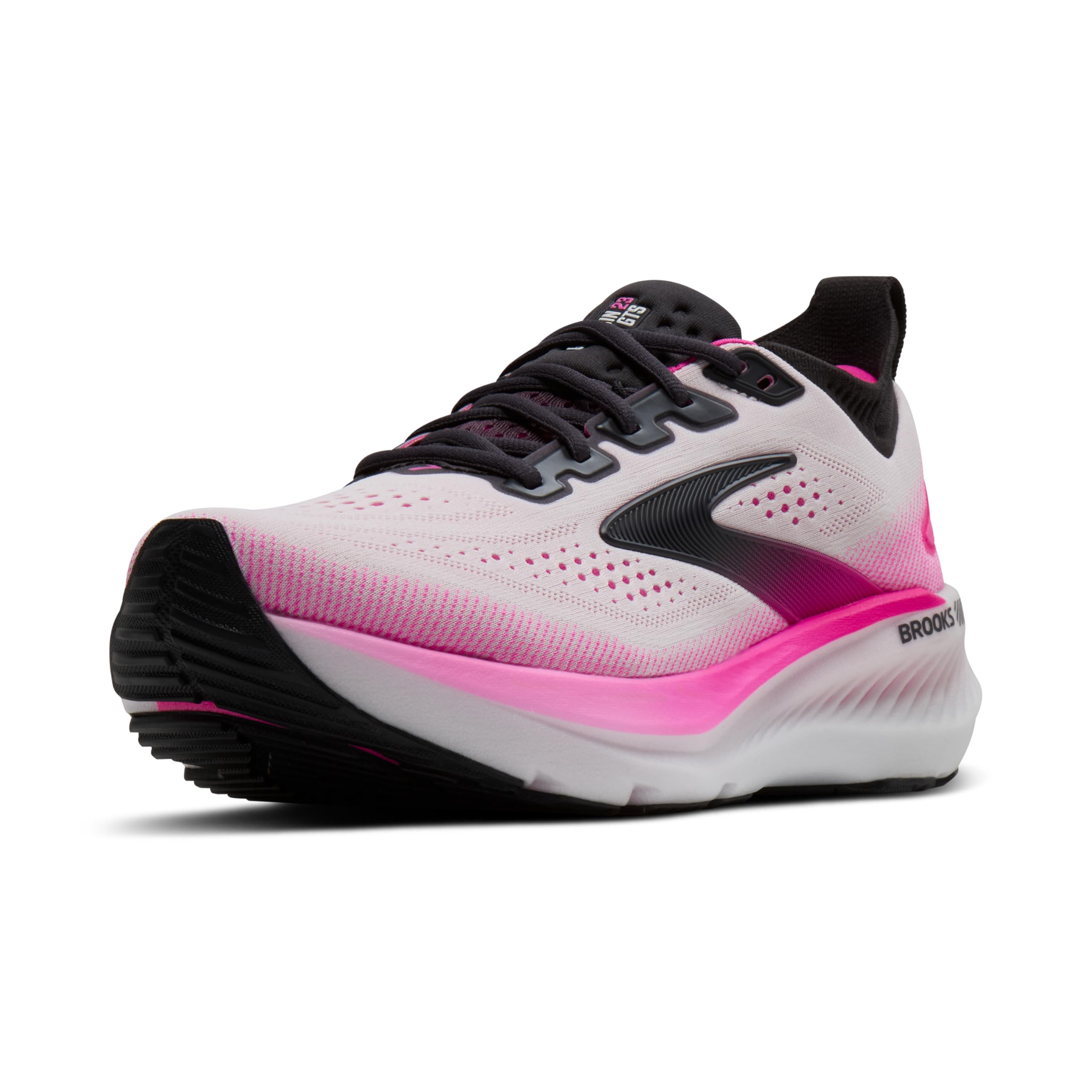
The Brooks Glycerin GTS 23 is the benchmark for plush-yet-structured support. Its GuideRails holistic system cradles the heel and knee rather than just jamming a hard post under the arch, which means overpronators get stability without the harsh feel that used to define “support shoes.” The 8mm drop and premium cushioning absorb impact while keeping the foot aligned, making this a rare shoe that works equally well for long slow miles and daily wear.
Women with plantar fasciitis or mild to moderate overpronation consistently report that this shoe eliminates foot fatigue and doesn’t require orthotic inserts. The roomy toe box and true-to-size fit accommodate swelling during longer runs. The structured upper locks the midfoot without pressure points, and the outsole rubber holds up well on pavement and treadmill surfaces.
While the price reflects its premium engineering, the Glycerin GTS 23 outlasts cheaper alternatives by multiple months of heavy training. The main trade-off is weight — at nearly 10 ounces, it’s not built for racing or speed workouts. For the runner whose priority is pain-free, supported miles, this is the strongest option on the market.
Why it’s great
- GuideRails deliver holistic stability without a harsh medial post feel.
- Plush cushioning works for road running, walking, and all-day wear.
- Excellent arch support reduces reliance on custom orthotics.
Good to know
- Heavier than neutral trainers; not ideal for speed days.
- Wide width color options are more limited than standard widths.
2. Saucony Women’s Guide 19 Sneaker
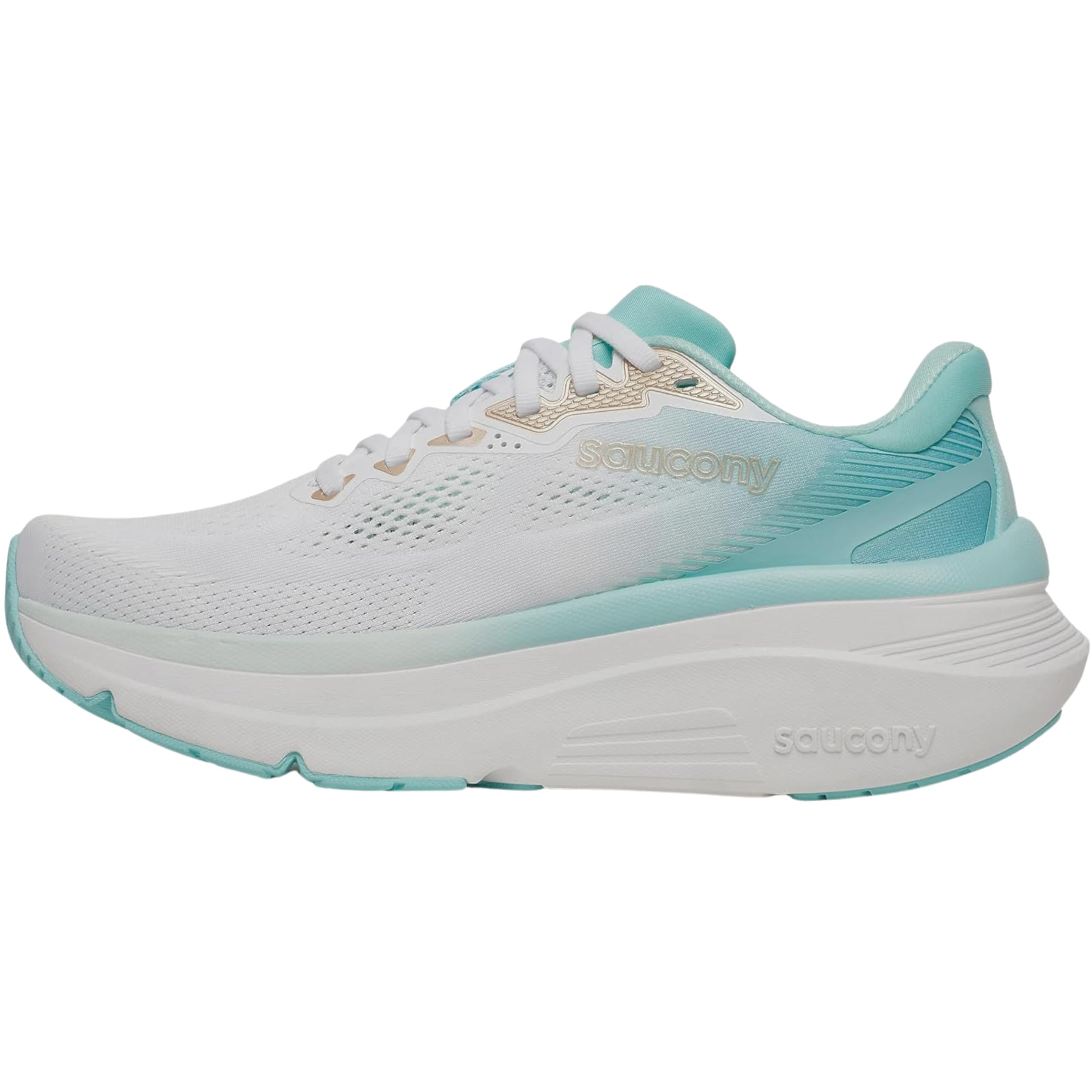
Saucony’s Guide 19 represents a refined approach to stability: instead of a rigid post, it uses a softer blend of PWRRUN foam paired with a TPU guidance frame that wraps the medial side. The result is a ride that feels marshmallow-soft underfoot while still preventing the arch from collapsing laterally. The increased forefoot flexibility also means the shoe moves with your foot rather than fighting it, which is rare in the stability category.
Many users describe the cushioning as “cloud-like” but note that the shoe remains stable enough for daily 3-mile walks and even gym workouts. The roomy toe box accommodates foot swelling, and the heel counter locks the rearfoot securely. For women recovering from injuries like Lis Franc fractures or dealing with severe overpronation, the Guide 19 provides a supportive platform that doesn’t force the foot into an unnatural position.
Some runners find the shoe slightly heavy for tempo efforts, and the deep cushioning can feel unstable during lateral movements. But as a dedicated stability trainer for road running and walking, the Guide 19 delivers one of the most comfortable arch-support experiences available at its price point.
Why it’s great
- TPU guidance frame provides stability without a harsh post feel.
- Excellent forefoot flexibility allows natural toe-off motion.
- Roomy toe box and wide-width options available.
Good to know
- Not the best choice for speed workouts or track sessions.
- Deep cushioning may feel less stable for cutting movements at the gym.
3. New Balance Women’s Fresh Foam X More V6
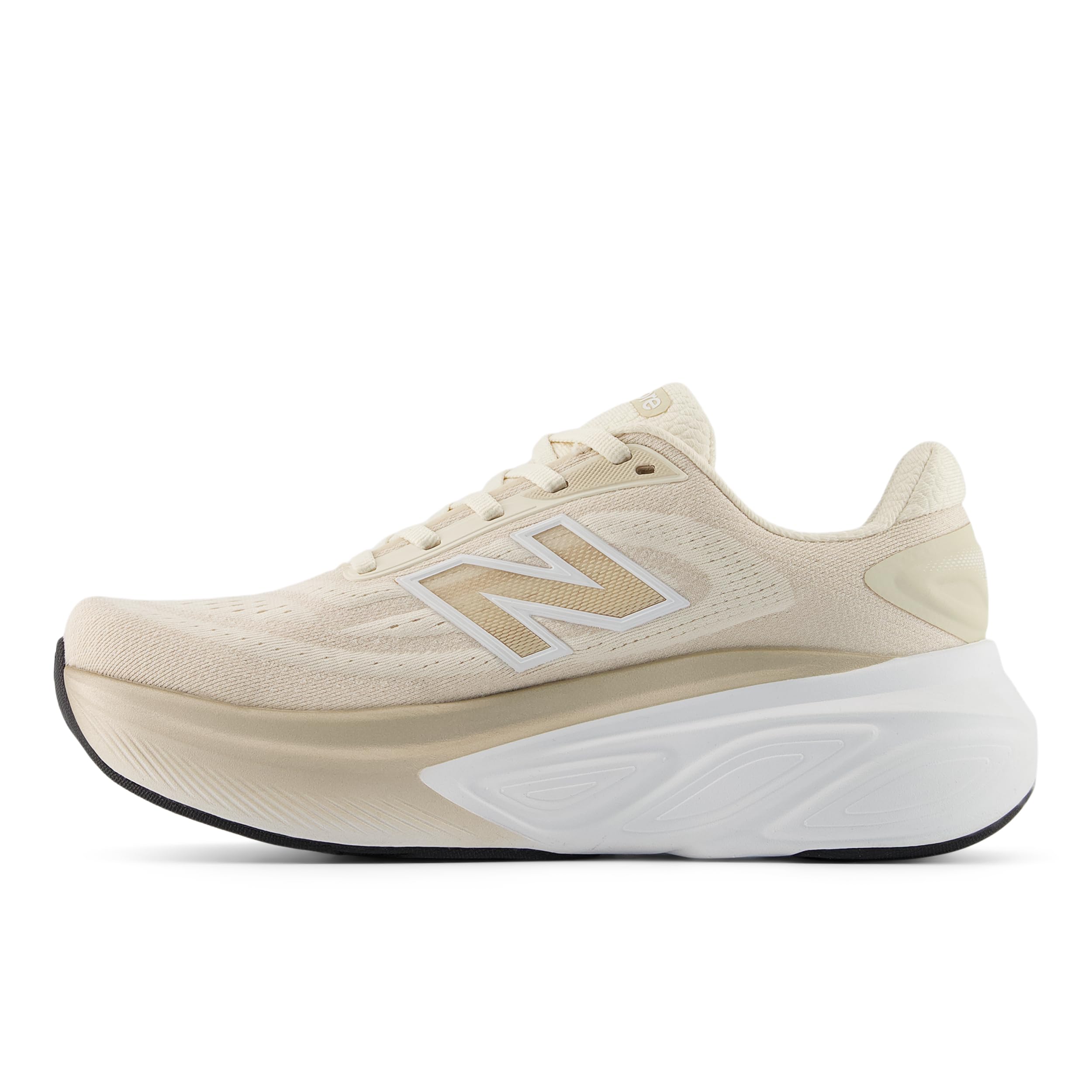
The Fresh Foam X More V6 sits at the extreme end of the cushioning spectrum with its massive stack height and 4mm drop, but it’s engineered with a wide base that prevents the instability usually associated with such thick midsoles. The high-volume Fresh Foam X compound is soft but supportive, and the medial contouring provides genuine arch support for flat arches without relying on a traditional medial post.
This shoe is a game-changer for women with severe knee pain, spinal issues, or plantar fasciitis who need maximum shock absorption. The wide platform creates a stable landing zone, and the rocker-shaped sole encourages a smooth heel-to-toe transition. Many nurses and retail workers wear this shoe for 12-hour standing shifts because the cushioning and arch support eliminate foot and knee pain by the end of the day.
The main drawbacks are the weight and the super-soft feel that some runners describe as “sinking in.” If you prefer a firmer, more responsive ride or need a shoe for faster paces, the More V6 may feel too plush. But for pure impact protection and arch relief, nothing in this guide matches its cushioning depth.
Why it’s great
- Maximum Fresh Foam X cushioning absorbs impact for joint pain relief.
- Wide base and medial contouring provide stable arch support.
- Excellent choice for long standing shifts and high-mileage walking.
Good to know
- Very soft feeling may lack ground feedback for some runners.
- Heavy weight makes it unsuitable for speed training.
4. Brooks Women’s Cascadia 19 Mountain Trail Running Shoe
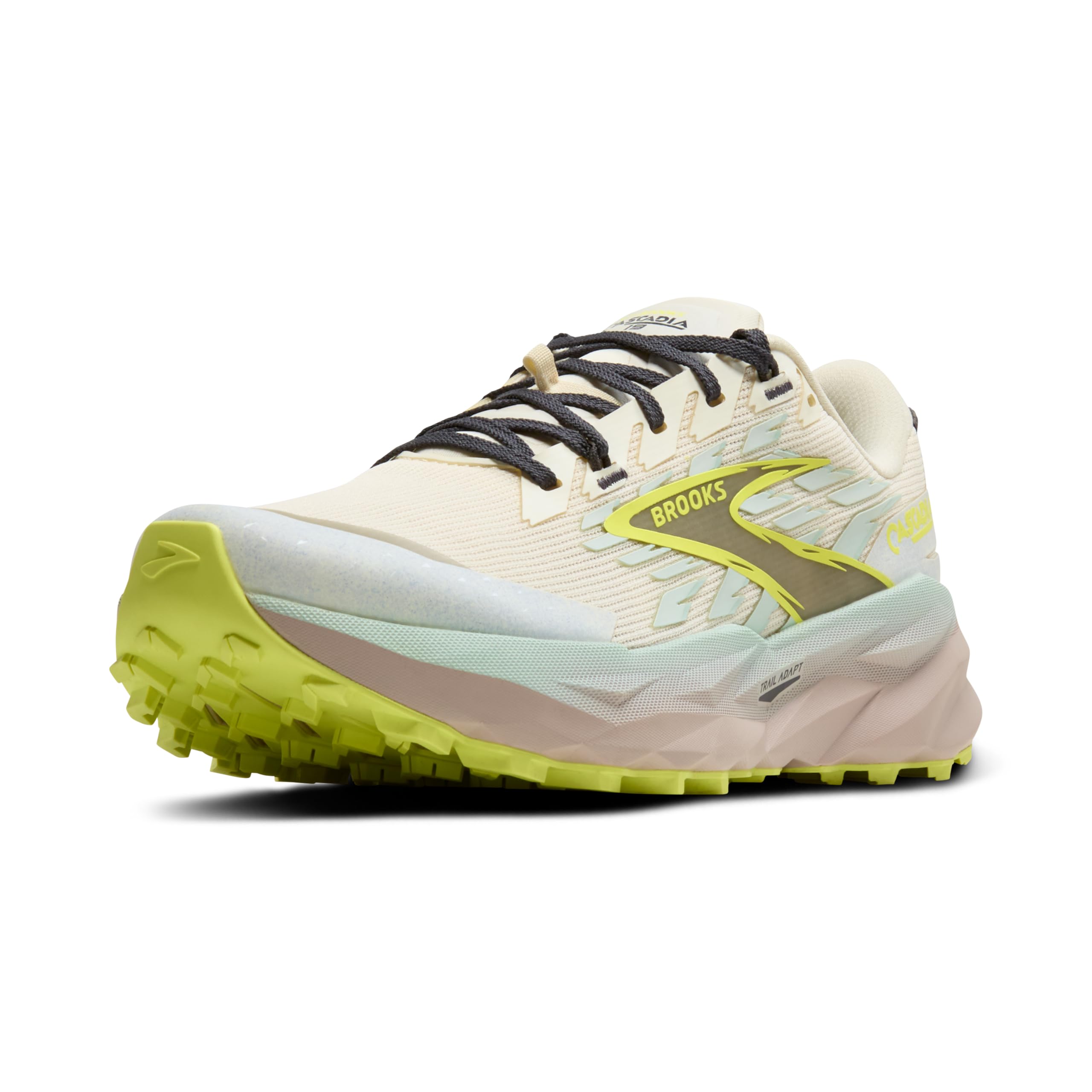
The Brooks Cascadia 19 is the rare trail shoe that offers genuine arch support rather than just a footbed with texture. A rock plate embedded in the thick midsole protects the arch from sharp terrain, while the overall platform provides stability on uneven ground. The structured heel counter and secure lacing system work together to lock the foot in place, preventing the rolling motion that can aggravate arch issues on technical trails.
Women who hike or trail run report that the Cascadia 19 requires zero break-in and delivers excellent traction on dirt and gravel. The toe box is slightly roomier than previous versions, allowing for sock layering and natural toe splay on descents. The supportive ride is especially helpful for runners who overpronate but want a trail shoe that doesn’t sacrifice underfoot protection.
The trade-offs are the shoe’s weight and the fact that the toe box can feel narrow for those with very wide feet. Traction falters in deep mud or on slick technical rock compared to more aggressive trail models. But as a daily trail trainer with real arch protection, the Cascadia 19 is a standout choice.
Why it’s great
- Rock plate shields the arch from sharp trail debris.
- Stable platform prevents rolling on uneven terrain.
- True to size with no break-in period needed.
Good to know
- Heavier than road shoes; not ideal for speed work.
- Toe box may be narrow for very wide feet.
5. ASICS Women’s GT-1000 13 Running Shoes
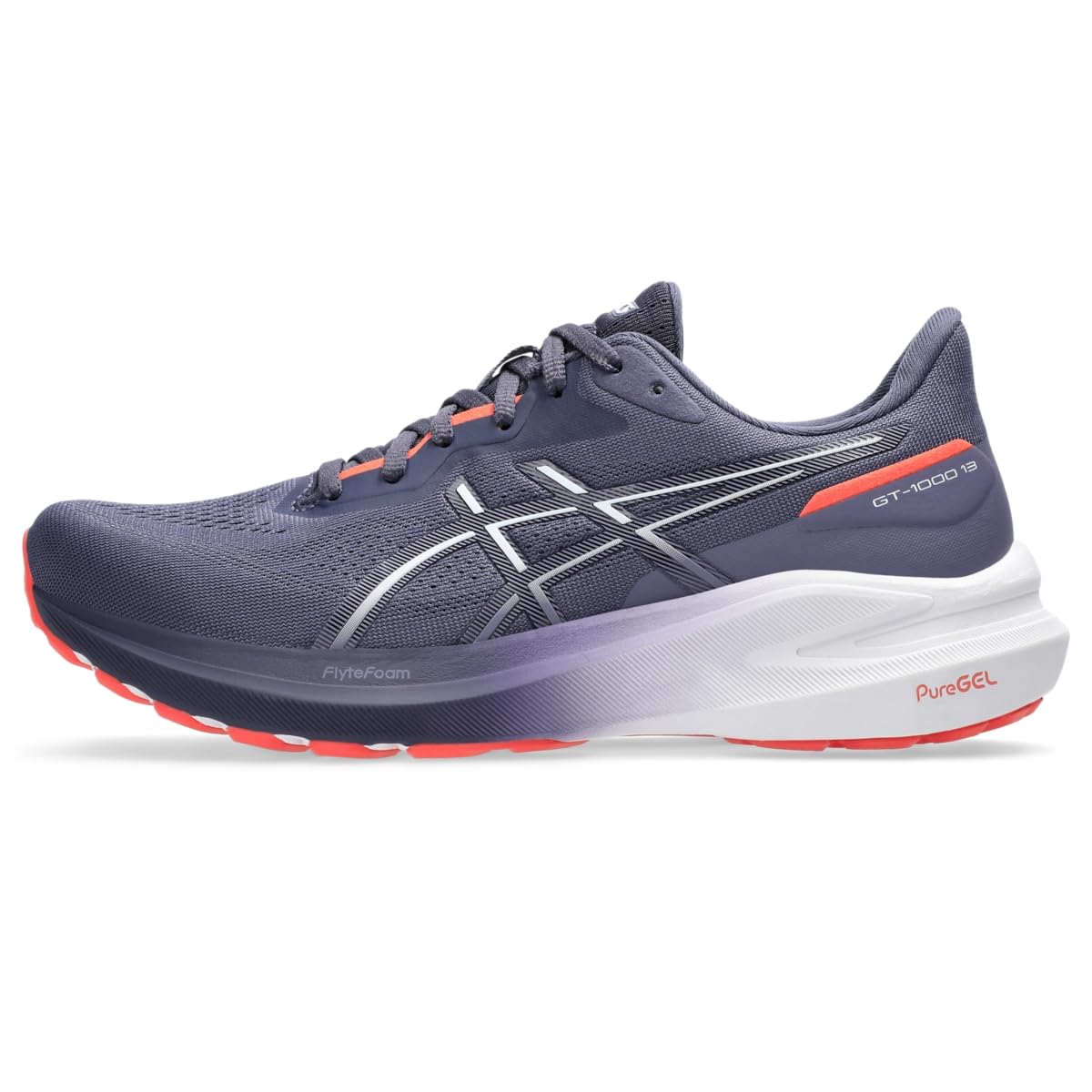
The ASICS GT-1000 13 proves that effective arch support doesn’t require a triple-digit price tag. Its 3D GUIDANCE SYSTEM uses a built-up medial wall and a firmer density of FLYTEFOAM to prevent excessive pronation, while the PureGEL unit in the heel softens impact. The shoe feels lighter and more nimble than its price suggests, making it a solid daily trainer for women who need stability but don’t want a boat-like feel.
Runners with flat feet and those recovering from ankle injuries consistently praise the GT-1000 for its supportive fit and lack of break-in time. The wide-width options (2E, 4E) accommodate full-footed runners without pinching the toes. The engineered mesh upper breathes well during warm runs, and the tongue is padded enough to prevent lace pressure over the instep.
Durability is the main concern — some users report the midsole begins to soften after 200–300 miles. The laces are also shorter than ideal for high-volume lacing. But for the price, the GT-1000 13 delivers stability and comfort that rivals shoes in the next price tier up.
Why it’s great
- 3D Guidance System provides real structural stability at a budget-friendly price.
- Lightweight feel and responsive cushioning for daily training.
- Wide width options available for flat or wide feet.
Good to know
- Midsole may feel softer after 200–300 miles.
- Laces are short for those who like a heel-lock lace pattern.
6. Saucony Women’s Hurricane 24 Sneaker
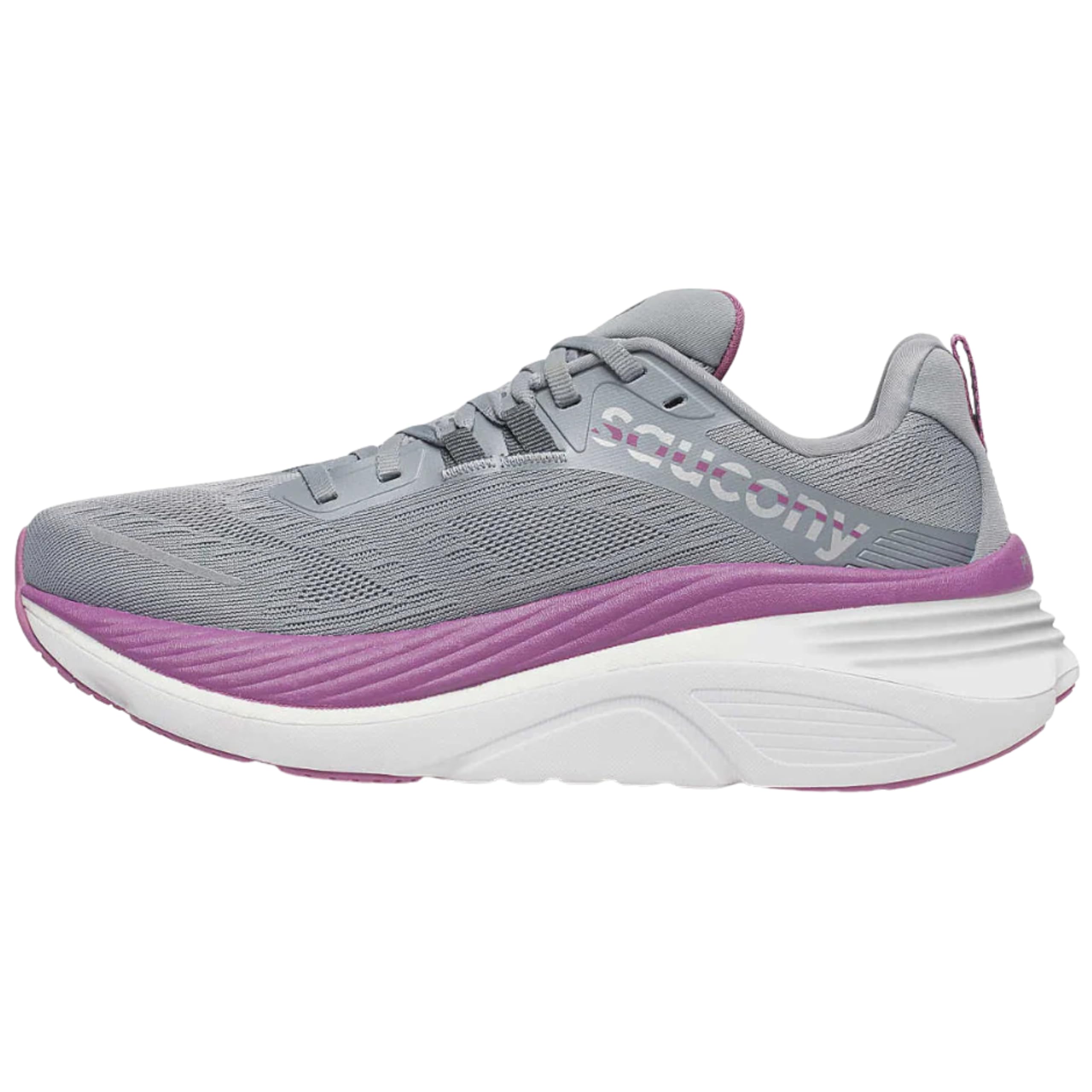
The Hurricane 24 is Saucony’s most robust stability offering, featuring a wide platform that feels planted from the moment you step in. The 4mm drop and generous PWRRUN PB cushioning create a low-to-the-ground, highly cushioned ride that absorbs shock without sacrificing control — an unusual combination in the max-support category. The medial side includes a firm foam density ramp that actively pushes the foot into a neutral position during the gait cycle.
This shoe is explicitly designed for severe overpronators and women with plantar fasciitis who have struggled to find enough arch control in other models. The aggressive toe rocker smooths the transition from heel to toe, reducing strain on the arch during push-off. The platform is wide enough to accommodate custom orthotics without raising the foot too high inside the shoe.
Weight is the primary trade-off — at around 9.8 ounces, the Hurricane 24 is heavy for any pace faster than easy cruising. Some runners have reported quality issues with the reflective strip detaching after a few months. For anyone whose runs are entirely at conversational pace and whose priority is maximum pronation control, this shoe is hard to beat.
Why it’s great
- Maximum medial support for severe overpronation.
- Aggressive toe rocker reduces arch strain during push-off.
- Wide platform accommodates custom orthotics easily.
Good to know
- Heavy weight limits versatility for faster runs.
- Some reports of quality issues with reflective strips over time.
7. New Balance Women’s Fresh Foam X Vongo V6 Running Shoe
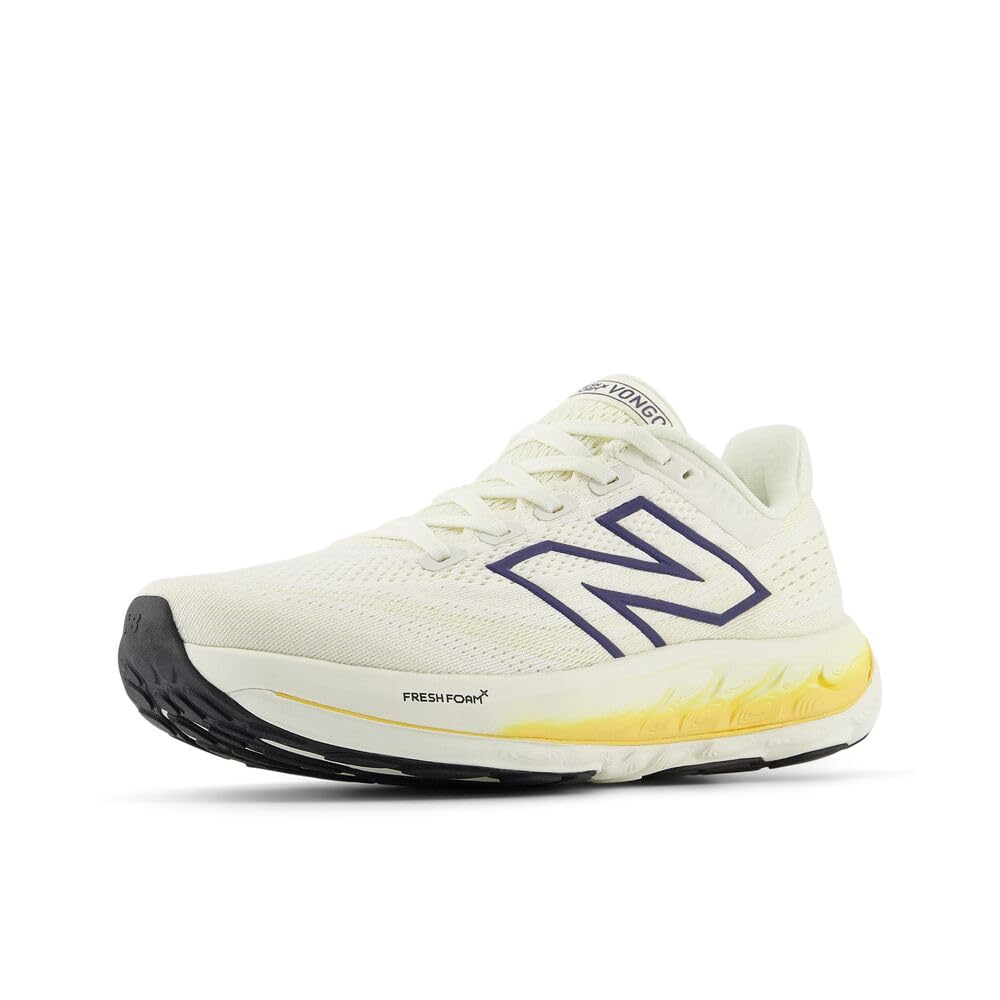
The Vongo V6 takes a softer approach to stability than many of its competitors, using a denser medial zone within the Fresh Foam X midsole rather than a plastic post or guidance frame. The result is a shoe that feels plush and forgiving under the entire foot while still resisting inward collapse. This makes it an excellent choice for women who need support but have historically found stability shoes too stiff or aggressive.
The upper uses a modern knit material that locks the midfoot without creating pressure points, and the wide width option fits fuller feet well. Runners transitioning from neutral shoes to stability models often find the Vongo V6 the most comfortable stepping stone because the support feels integrated rather than imposed. The outsole is durable enough for daily road mileage, and the shoe works well for walking as well as running.
Some users report inconsistent fit between colorways, and the softness of the Fresh Foam X means it compresses noticeably under heavier runners. The lateral stability is also less confident than shoes with more aggressive medial posting. For light to moderate overpronators who prioritize softness, the Vongo V6 is a strong mid-range pick.
Why it’s great
- Soft Fresh Foam X with denser medial zone for gentle but effective stability.
- Excellent transition shoe for those moving from neutral to support shoes.
- Durable outsole and comfortable knit upper.
Good to know
- May compress noticeably for heavier runners.
- Fit can vary between different colorways of the same size.
8. Mizuno Women’s Wave Inspire 21 Running Shoe
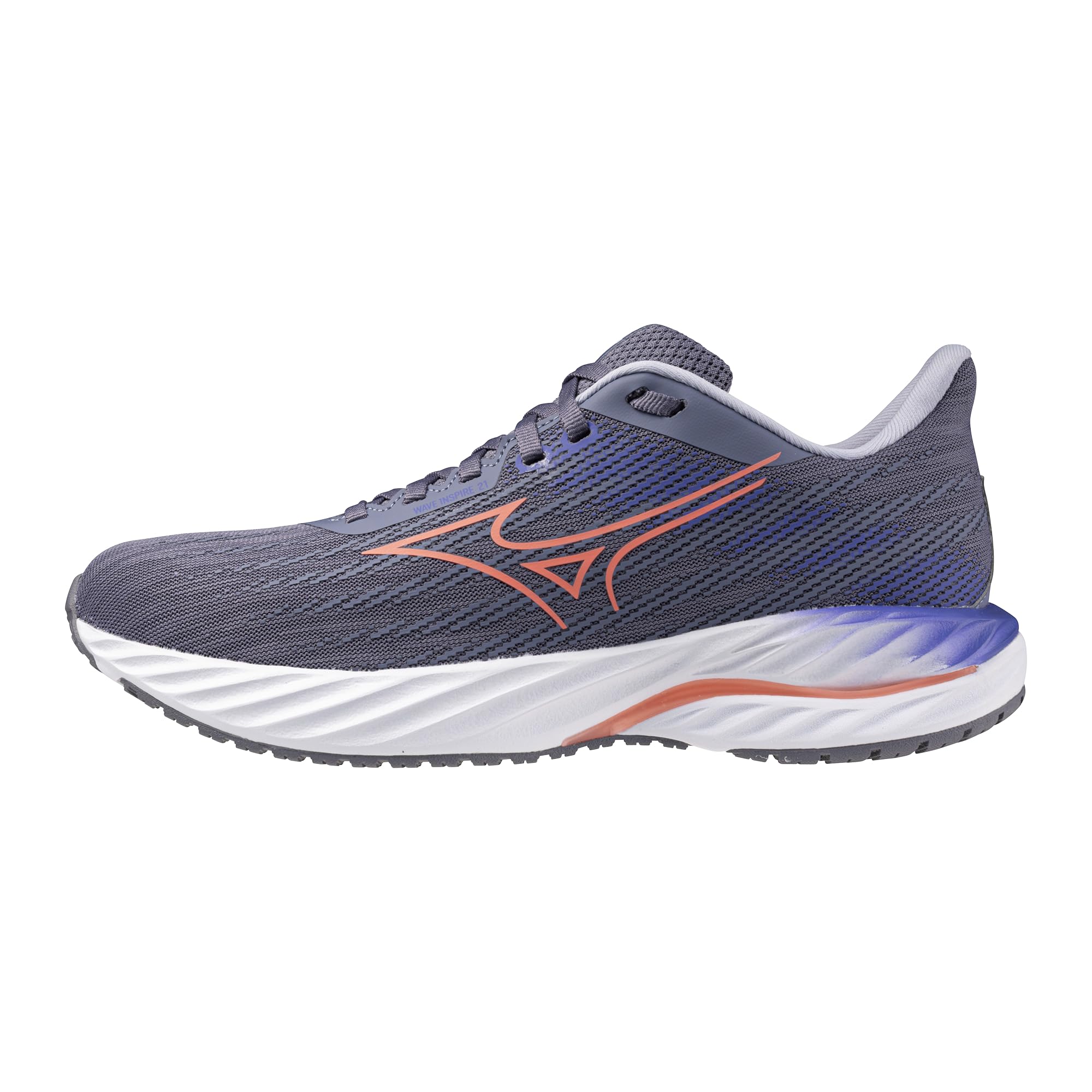
Mizuno’s Wave Inspire 21 stands out in this guide because it’s the model most frequently recommended by running specialty stores for women with genuinely high arches who still need pronation control. The medial post and MIZUNO ENERZY NXT foam combine to offer a softer heel landing and a more seamless transition than previous Inspire versions. The shoe feels firmer and more responsive than many plush stability models, which appeals to runners who want ground feedback and a snappy toe-off.
Women who have struggled to find a shoe that supports a high arch without collapsing inward often describe the Wave Inspire 21 as the perfect fit. The shoe works well for those whose feet pronate, as the structural support in the midsole reduces back pain and the “rolling-in” sensation. The outsole tread is durable and grips well on pavement and dry paths.
The main complaint is that the toe box can feel tight for those with wider forefeet, and the firm ride may not suit runners who prefer a marshmallow-soft feel. Some longtime Mizuno fans note that the 21 is slightly less comfortable than previous iterations. But for specificity — high arches that require stability — this shoe is a dedicated solution.
Why it’s great
- Specifically designed for high arches with pronation control.
- Firm, responsive ride with good ground feel.
- Durable build with excellent outsole grip.
Good to know
- Toe box may be narrow for wide feet.
- Firm cushioning not ideal for those seeking a plush feel.
9. Saucony Unisex Jazz 81 Sneaker
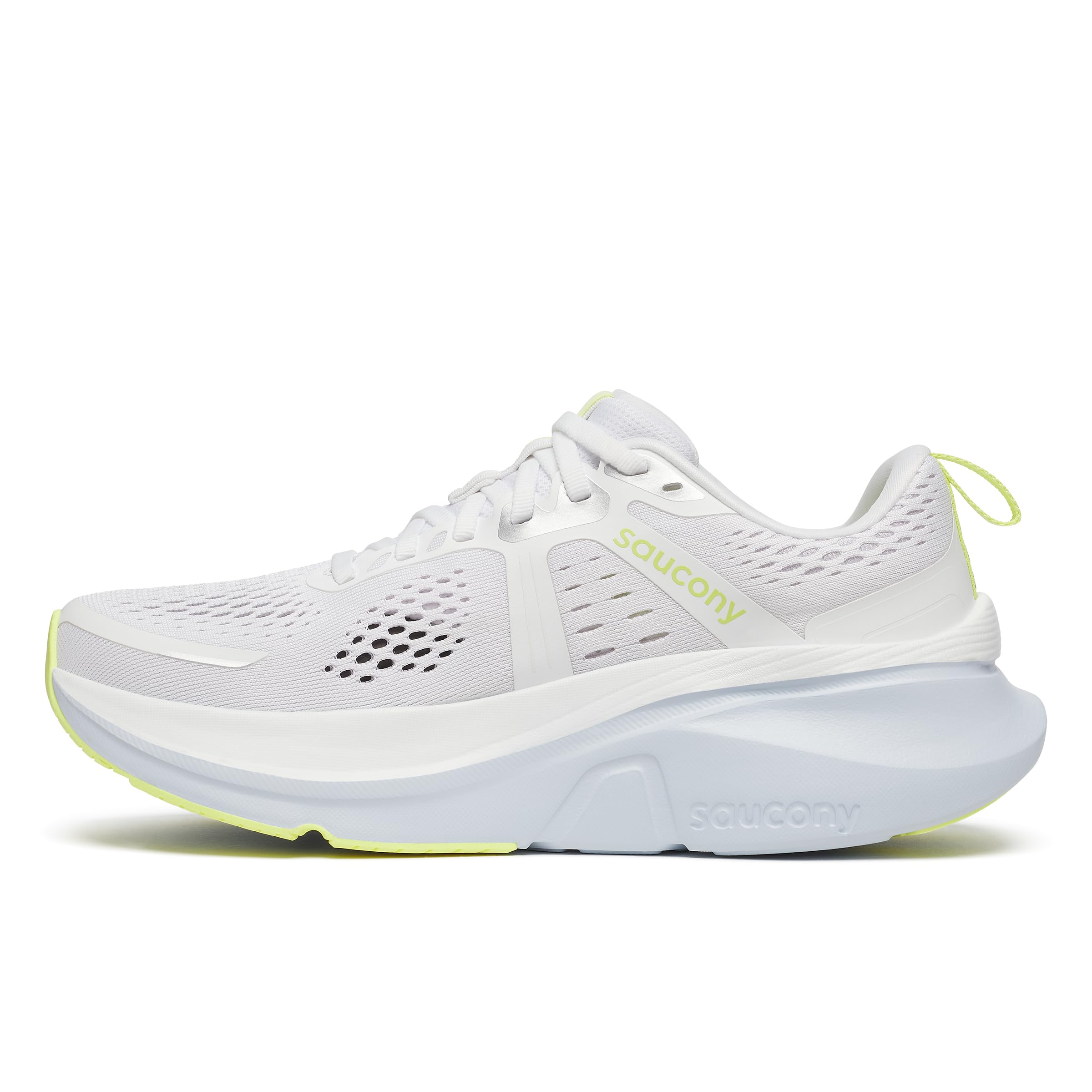
The Saucony Jazz 81 is the budget-friendly entry in this guide, but its value lies in its lightweight, low-profile design that appeals to runners who prefer a minimalist feel. The 4mm drop and moderate PWRRUN cushioning provide a road feel that many conventional stability shoes lack. While it doesn’t have a medial post or guidance frame, the firm foam in the midsole is dense enough to offer subtle arch support for runners with mild pronation who don’t need heavy intervention.
Many women use the Jazz 81 for short runs, walking, and casual daily wear, appreciating its low stack height that strengthens ankle and lower leg mechanics. The mesh upper is breathable and the fit is true to size for most foot shapes. The classic styling also makes it a versatile lifestyle shoe that doesn’t look out of place with jeans or athleisure wear.
The critical limitation is the lack of dedicated arch-support engineering — this is NOT a shoe for significant overpronation or plantar fasciitis. The cushioning is moderate rather than plush, and the shoe doesn’t offer the structural stability that heavy runners need. It’s an excellent entry-level option for casual use or for runners who want to strengthen foot mechanics naturally.
Why it’s great
- Lightweight and minimal design promotes natural foot strength.
- Versatile style works for both running and casual wear.
- Excellent affordability for a trusted brand.
Good to know
- Lacks dedicated medial support for significant overpronation.
- Moderate cushioning insufficient for high-mileage or heavy runners.
FAQ
Can arch support running shoes fix plantar fasciitis?
How do I know if I need a stability shoe vs. a neutral shoe?
What is the ideal heel drop for high arches?
Can I put my own orthotic insoles in these shoes?
Final Thoughts: The Verdict
For most women, the best arch support running shoes for women winner is the Brooks Glycerin GTS 23 because its GuideRails system delivers holistic stability without the harsh, board-like feel that drove many runners away from traditional support shoes. If you want maximum cushioning and joint relief, grab the New Balance Fresh Foam X More V6. And for trail running with genuine arch protection, nothing beats the Brooks Cascadia 19.