
Our readers keep the lights on and the weekend projects moving. As an Amazon Associate, I earn from qualifying purchases.
Walking into a gym or a physical therapy office and seeing those hard, unforgiving foam rollers can be intimidating. The real challenge for a beginner isn’t commitment—it’s finding a roller that provides relief without causing new pain from a surface that’s too firm.
I’m Rikta — the co-founder and writer behind FitlyFast. I’ve analyzed hundreds of spec sheets and customer reviews to identify which foam rollers truly work for someone new to self-myofascial release.
This guide focuses specifically on density, size, and texture to help you select the right tool for your comfort level and goals, making it the definitive resource for the best beginner foam roller.
How To Choose The Best Beginner Foam Roller
The market is flooded with rollers that look the same but feel radically different. For a beginner, the wrong density can turn recovery into a painful chore, leading you to abandon the practice entirely. Making an informed choice requires looking past marketing claims and focusing on three core factors.
Foam Density: The Make-or-Break Spec
This is the single most important feature. Foam density is not the same as firmness; it refers to the weight of the material per cubic foot. Low-density (soft) and medium-density rollers are forgiving on sensitive tissue and bones, making them ideal for first-time users. High-density or extra-firm rollers are designed for deep tissue work and can be unbearable for someone with low pain tolerance or an injury.
Length and Portability
Roller length affects stability and the muscle groups you can target. A 12-inch roller is highly portable and great for calves, IT bands, and the neck. An 18-inch roller gives you more control and is the standard for general back and leg use. A 26-inch or 36-inch roller provides superior stability for larger users or for rolling both legs at once, but it is less convenient to pack for the gym or travel.
Surface Texture vs. Smooth Rollers
Smooth rollers provide consistent, gentle compression across the entire muscle. Textured rollers featuring bumps, grooves, or knobs are designed to mimic the hands of a massage therapist, targeting knots and trigger points more aggressively. For a beginner, a smooth or lightly textured roller is usually safer, as aggressive textures can cause bruising or nerve discomfort if used incorrectly.
Quick Comparison
On smaller screens, swipe sideways to see the full table.
| Model | Category | Best For | Key Spec | Amazon |
|---|---|---|---|---|
| Healthy You Low Density Soft/Medium | Soft | Gentle recovery & injury rehab | Soft/Medium density (18″ full round) | Amazon |
| 321 STRONG Textured | Textured | Trigger point release & deep tissue | 4.75-inch diameter; medium density | Amazon |
| Gaiam Restore | Medium Density | General whole-body soreness | Medium density; textured tread pattern | Amazon |
| Teeter Massage Foam Roller | Firm | Durable support for larger users | 26″ length; hollow core PU foam | Amazon |
| TriggerPoint Foundation Roller | Soft EVA | Sensitive skin or bony areas | EVA foam; 12 inches; soft firmness | Amazon |
| BMP Extra Firm | Extra Firm | Deep muscle massaging & flexibility | 24-inch length; high density foam | Amazon |
| Amazon Basics High Density | Firm | Budget-friendly general stretching | 18-inch; high density polypropylene | Amazon |
In‑Depth Reviews
1. Healthy You Low Density Soft/Medium Foam Physical Therapy Roller

This roller is built for one specific mission: gentle compression that doesn’t punish your body. Its soft/medium density is a deliberate departure from the rock-hard traditional rollers found in most gyms. It is crafted from a non-porous foam that resists sweat absorption and wipes clean easily, making it great for daily home use.
Customer feedback consistently highlights its value for elderly users, those recovering from injury, or anyone with a slender frame who finds standard rollers painful. The 18-inch size provides full back coverage without requiring awkward repositioning. One verified reviewer with a chronic back injury described it as “painless to use,” which is the highest compliment a beginner can give.
While it is soft, it is not flimsy. The foam holds its shape during use and provides enough resistance for effective myofascial release on the legs and glutes. It is lightweight at just over 11 ounces, so you can carry it easily between rooms. For anyone who needs relief without a fight, this is the top recommendation.
Why it’s great
- Soft density is forgiving on bones and sensitive areas
- Excellent for rehab, chronic pain, and elderly users
- Non-porous foam is easy to clean and resists odor
Good to know
- Too soft for deep tissue massage or advanced users
- Limited availability in shorter or longer lengths
2. 321 STRONG Foam Roller – Medium Density

The 321 STRONG roller is a standout product because it solves two problems at once: it offers a medium density that is approachable for beginners, yet its patented three-zone texture system provides the deep tissue work that many intermediate users crave. The 4.75-inch diameter makes it easier to control than standard 6-inch rollers, especially for smaller frames.
The construction is BPA-free closed-cell EVA foam wrapped over a strong core. Reviewers have used it to relieve lower back knots, leg cramps, and shoulder stiffness with sessions as short as five minutes. The included free companion eBook is a genuine bonus, guiding new users on safe techniques for each muscle group.
Some users report that the 12.7-inch length requires frequent repositioning for larger muscle groups like the hamstrings. The textured surface, while effective, can be too aggressive for the IT band or shins without prior conditioning. For a beginner ready to progress beyond smooth rollers, this is the perfect upgrade.
Why it’s great
- Three-zone texture mimics massage therapist fingertips and palms
- Medium density is gentle enough for novices
- Includes a free instructional eBook for proper techniques
Good to know
- Short length means more repositioning for full back work
- Textured nubs can be uncomfortable on bony areas
3. Gaiam Restore Foam Roller (18-inch)
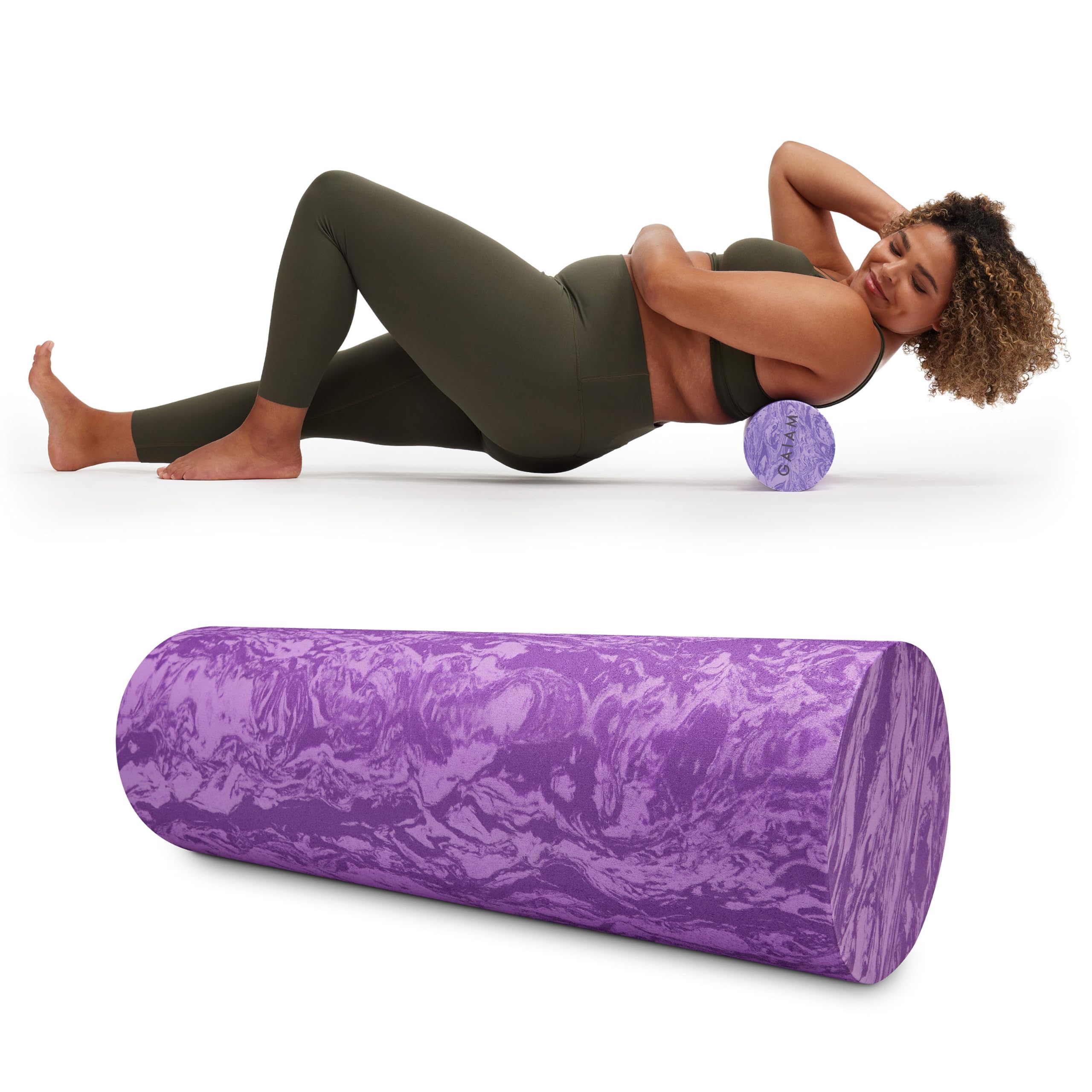
Gaiam’s Restore roller hits a sweet spot that few products achieve: it is firm enough to release tight quadriceps and calves after a workout, yet its medium-density foam and textured tread pattern prevent that “bruising” sensation that turns beginners away. At 18 inches, it is the standard length for general use—small enough to store under a bed, long enough for proper spinal rolls.
The textured surface provides additional grip and pinpoint leverage without the aggressive knobs found on some competitors. Reviewers praise its performance for daily morning back stretching and for warming up before yoga sessions. The durable construction has held up well in several long-term user reports with no denting or core breakdown.
One major caution from the feedback: this roller is still quite hard for some users. A 70-year-old reviewer described it as causing “extreme discomfort.” Beginners with low pain tolerance or significant muscle atrophy should consider a softer option first. For the average healthy adult, this is a reliable mid-range buy that will last for years.
Why it’s great
- Medium density offers a good balance of comfort and effectiveness
- Textured tread provides added grip and targeted pressure
- Lightweight and easy to store for home use
Good to know
- Can still feel too hard for very sensitive or older users
- Some units measure slightly shorter than advertised 18 inches
4. Teeter Massage Foam Roller (26-inch)
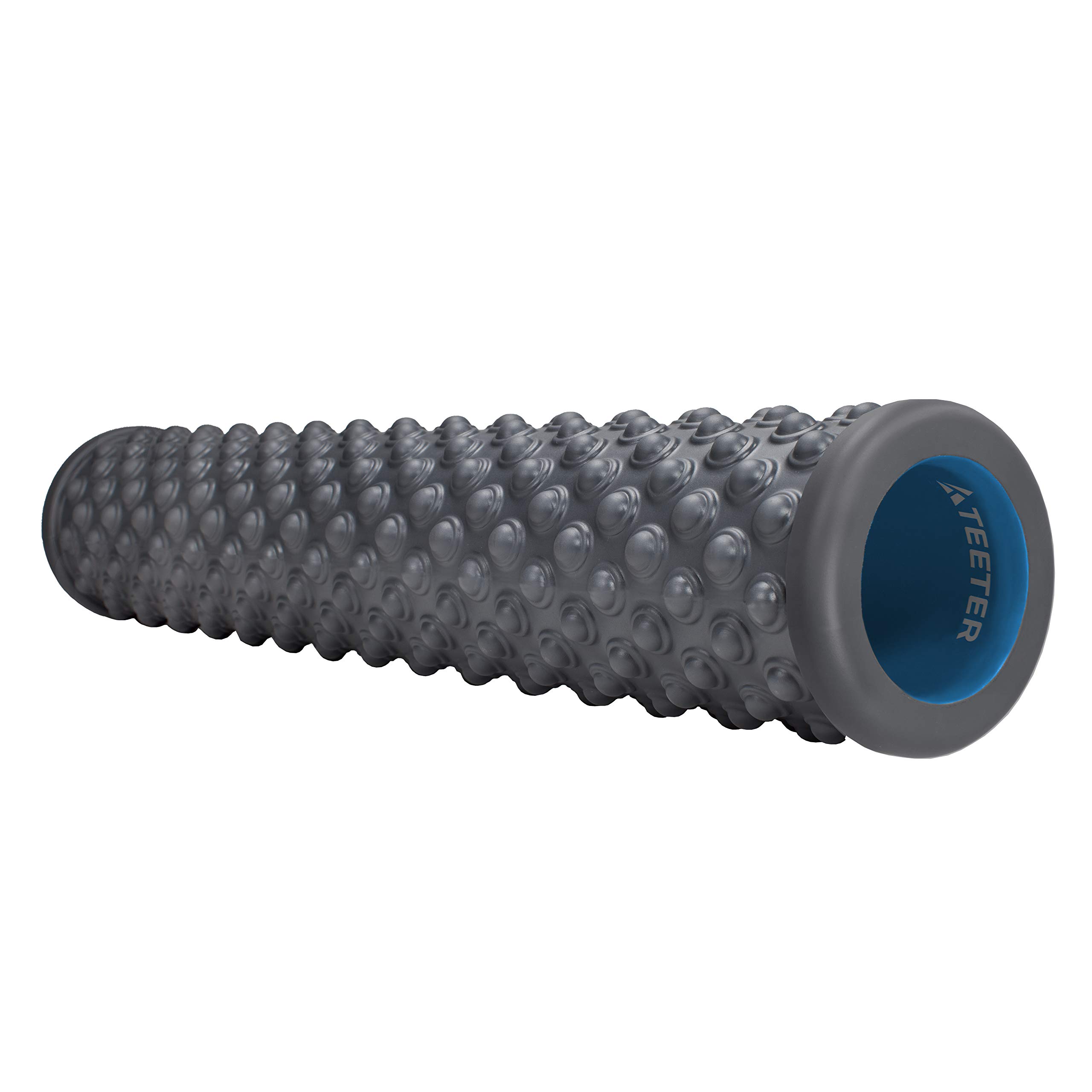
Teeter’s 26-inch roller is a premium choice for anyone who needs stability and length. Its hollow plastic core prevents the foam from sagging or compressing permanently, and the outer PU foam layer is resilient enough to support users over 250 pounds without flexing. The 5-inch diameter is slightly smaller than the standard 6-inch, making it easier to maneuver under the lower back.
The gray version (the “More Firm” option) features a bumpy texture designed to mimic fingertips. This texture is notably aggressive, which seasoned users love for digging into shoulder knots and IT bands. However, multiple reviews warn that the surface is slick when used with clothing, and it works best directly against bare skin for grip.
A major selling point is the pair-up with the Teeter inversion table, allowing users to decompress the spine before rolling. This integrated approach is unique. The 1-year warranty and durable build justify the premium positioning. Beginners should note that this roller is firm, and learning proper technique is essential to avoid discomfort.
Why it’s great
- 26-inch length provides stability and allows rolling both legs at once
- Solid-core construction prevents sagging or denting
- Effective for larger body types and wide shoulders
Good to know
- Firm texture can be too intense for novice users
- Slick surface requires bare skin or a yoga mat for grip
5. TriggerPoint Foundation Roller (12-inch)

TriggerPoint’s Foundation Roller is built from premium EVA foam, a material that is naturally softer on the skin than traditional polypropylene. This 12-inch model is exceptionally travel-friendly, weighing just 0.32 pounds, and fits easily into a carry-on bag. Its small size is ideal for isolating the neck, arches of the feet, or for pre-workout warm-ups on the floor.
The moderate compression level is designed for individuals who are new to self-massage or who have sensitive areas. Multiple reviews from physical therapy patients confirm that it matches the feel of professional office equipment without the institutional discomfort. Users have successfully used it for lower back pain relief and to release tension in the lower legs.
The trade-off for this travel-friendly size is limited surface area. Rolling out the full length of the hamstrings or the entire back requires extra time and multiple passes. It is also less stable during two-handed rolling compared to longer rollers. For a beginner focused on precision work or frequent travel, this is a solid investment.
Why it’s great
- Soft EVA foam is gentle on bare skin and sensitive areas
- Ultra-lightweight and highly portable for travel
- Chemical-free construction (BPA, phthalate, and latex free)
Good to know
- Short 12-inch length requires repositioning for larger muscles
- Limited stability compared to longer, wider rollers
6. Black Mountain Products High Density Extra Firm Foam Roller (24-inch)

The Black Mountain Products roller is a workhorse for those who have passed the initial “scared of pain” phase. Its extra-firm, high-density foam provides the kind of resistance needed to break up deep adhesions and flush lactic acid from the muscles. The 24-inch length is a versatile middle ground—long enough for bilateral leg work but not so long that it becomes cumbersome.
Users with scoliosis and chronic back issues report using this roller as a daily pain reliever. The consistent firmness does not degrade over time, and the foam maintains its shape even under heavy, repeated use. It is light enough to carry to the gym, though at 24 inches it won’t slip into a standard gym bag.
The primary drawback for absolute beginners is the unforgiving nature of the foam. It does not yield, and rolling directly on a knot can produce a sharp sensation that may cause muscle guarding rather than relaxation. Beginners who are not committed to tolerating this level of discomfort should start with a medium or soft roller first.
Why it’s great
- Extra-firm density is excellent for deep tissue and trigger point work
- 24-inch length provides good stability and coverage
- Backed by a manufacturer’s warranty for durability
Good to know
- Too firm for sensitive beginners, elderly users, or injury rehab
- Arrives wrapped in plastic only; packaging may not protect from dents
7. Amazon Basics High Density Foam Roller (18-inch)

Amazon Basics delivers a no-frills entry into foam rolling. The high-density polypropylene foam is firm and durable, holding its shape after six months of consistent use according to verified reviews. The 18-inch length is the standard for general stretching and works well for users between 5’3″ and 6’0″. Its lightweight construction makes it easy to reposition during a workout.
The value proposition here is straightforward: you get a functional piece of recovery equipment without paying for branding or packaging. Users have successfully used it to relieve hip and sciatic pain through piriformis release. The molded edges add a touch of comfort on the contact points, though the core is still notably stiff.
Several reviews note that the surface has a raised seam that can be trimmed with a nail clipper. It is also too large for precise shoulder or foot trigger point work, requiring additional tools like a lacrosse ball for those areas. For a cost-conscious buyer who understands that firm is the default, this roller is a capable starting point.
Why it’s great
- High-density foam holds shape and resists denting
- 18-inch length is versatile for legs, back, and glutes
- Great entry-level price for testing the waters
Good to know
- Firm density may be uncomfortable for new users
- Too large for targeting small muscles like the rotator cuff or feet
FAQ
What foam density should a beginner buy?
Is a longer foam roller better for stability?
Can a foam roller be too hard for my back?
How do I clean my foam roller?
What is the difference between a textured and smooth foam roller?
Final Thoughts: The Verdict
For most users, the best beginner foam roller winner is the Healthy You Low Density Soft/Medium Roller because its soft density removes the intimidation factor and delivers genuine relief without pain. If you want a textured roller for active trigger point release and are ready for a medium density, grab the 321 STRONG Foam Roller. And for a portable soft roller perfect for travel and sensitive areas, nothing beats the TriggerPoint Foundation Roller.