
Our readers keep the lights on and the weekend projects moving. As an Amazon Associate, I earn from qualifying purchases.
Swollen eyes, puffy lips, and tight, angry skin after an insect bite or a sudden allergic reaction demand a specific kind of relief — one that targets histamine-driven fluid buildup at the source. Not every allergy pill is engineered to handle the kind of visible, inflammatory swelling that goes beyond a simple sneeze or runny nose. The difference between a fast-acting sedating formula and a non-drowsy systemic option can mean the difference between immediate comfort and hours of misery.
I’m Rikta — the co-founder and writer behind FitlyFast. I’ve spent hundreds of hours analyzing over-the-counter antihistamine formulations, cross-referencing active ingredients, onset times, and clinical dosing guidelines to map out exactly which options deliver measurable reduction in swelling from hives, rashes, and allergic reactions.
Whether you are dealing with seasonal flare-ups or sudden contact reactions, finding the right antihistamine can significantly reduce recovery time and discomfort. This guide breaks down the top contenders for the best antihistamine for swelling, covering everything from fast-acting sedating options to long-lasting non-drowsy formulas.
How To Choose The Best Antihistamine For Swelling
Selecting an antihistamine for swelling requires matching the active ingredient’s potency and onset speed to the type of reaction you are treating. Hives, insect bites, and contact dermatitis each respond differently to various H1-receptor antagonists. Consider three specific criteria before making your choice.
First-Generation vs. Second-Generation Antihistamines
First-generation antihistamines like diphenhydramine (Benadryl) cross the blood-brain barrier more readily, producing faster relief from acute swelling along with significant sedation. Second-generation options like cetirizine (Zyrtec) and loratadine (Claritin) are less sedating but may take longer to fully suppress histamine-driven edema. For severe, sudden swelling — such as angioedema or a bad insect sting reaction — a first-generation formula often works fastest.
Onset Time and Duration of Action
A product that begins working within 20–45 minutes is critical for swelling already in progress. Cetirizine typically kicks in within 45 minutes, while diphenhydramine can take effect in 15–30 minutes. Loratadine and fexofenadine may take up to an hour for peak plasma concentration. For long-term swelling management from seasonal allergies, a 24-hour non-drowsy tablet is the practical choice; for unpredictable acute reactions, a fast-acting option with a shorter half-life lets you dose again sooner if swelling recurs.
Formulation and Additives
Liquid gels and fast-dissolving tablets absorb more quickly than standard coated tablets, which can matter when swelling involves the face or throat and prompt relief is needed. Dye-free formulations reduce the risk of additional allergic reactions in sensitive individuals. Avoid combination products containing decongestants like pseudoephedrine if you have high blood pressure, as they can worsen swelling in certain conditions.
Quick Comparison
On smaller screens, swipe sideways to see the full table.
| Model | Category | Best For | Key Spec | Amazon |
|---|---|---|---|---|
| Zyrtec Hives Relief | Non-Drowsy | Hives & Itching | 10 mg cetirizine, onset in 45 min | Amazon |
| Allegra 24-Hour | Non-Drowsy | All-Day Control | 180 mg fexofenadine, 24-hr relief | Amazon |
| Benadryl Liqui-Gels | Fast-Acting | Acute Reactions | 25 mg diphenhydramine, dye-free | Amazon |
| Claritin 24 Hour | Non-Drowsy | Daily Maintenance | 10 mg loratadine, no sedation | Amazon |
| GoodSense 24 Hour | Value | Seasonal Relief | 10 mg cetirizine, gluten free | Amazon |
| Benadryl Ultratablets | Fast-Acting | Multi-Symptom Relief | 25 mg diphenhydramine, 100-count | Amazon |
| Quality Choice HBP | Blood Pressure Safe | Cold & Allergy Combo | 4 mg chlorpheniramine, HBP safe | Amazon |
In‑Depth Reviews
1. Zyrtec 24 Hour Hives Relief Tablets
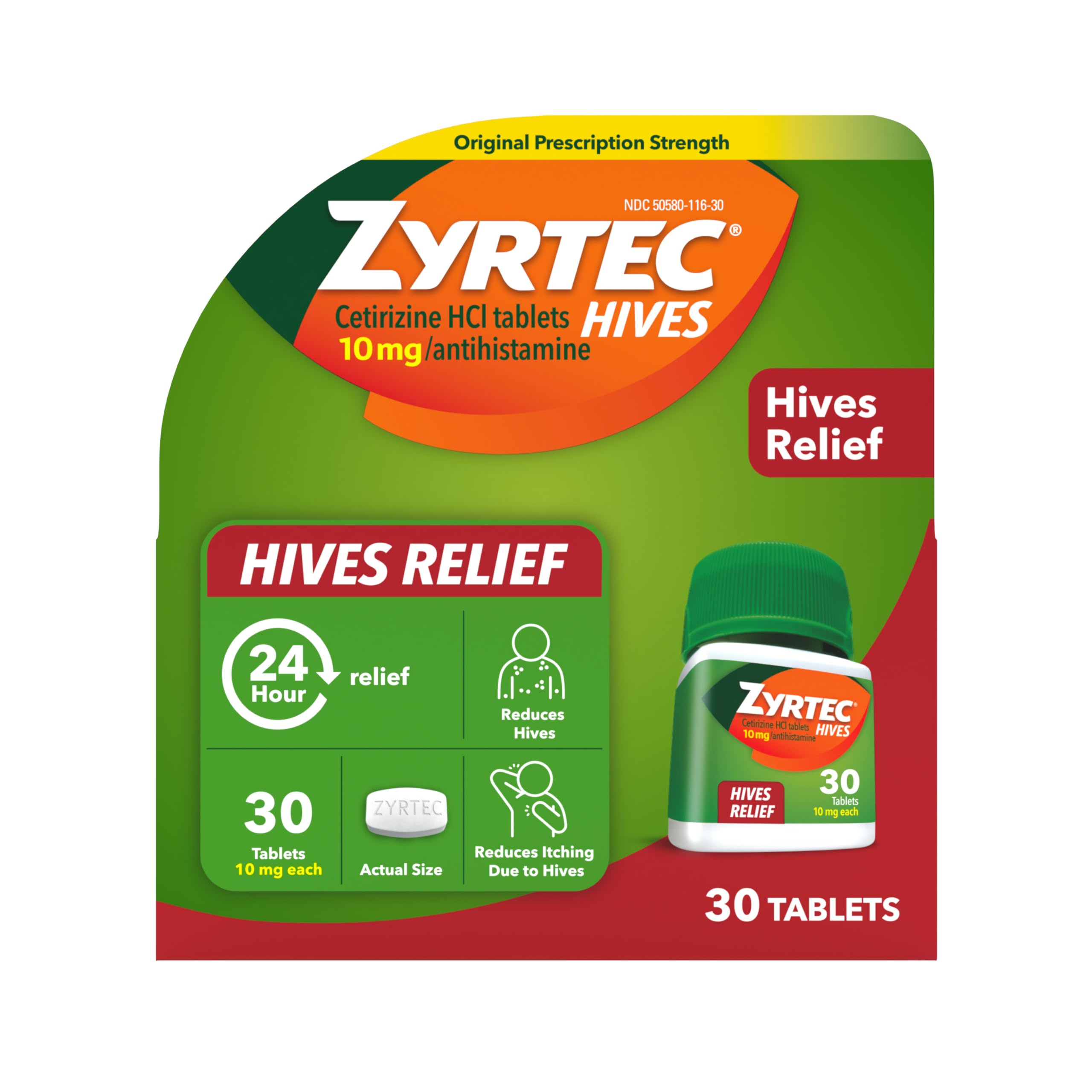
Zyrtec Hives Relief is specifically formulated to reduce the size and intensity of urticaria — the raised, red welts that signal histamine-driven swelling under the skin. The 10 mg cetirizine hydrochloride dose is identical to the standard Zyrtec allergy tablet, but this version is marketed directly for hive suppression and provides a noticeable reduction in swelling within 45 minutes according to the manufacturer’s data, with many users reporting visible results in under 20 minutes during acute flare-ups.
What sets this product apart for swelling management is its targeted approach to skin-level inflammation. Cetirizine is a second-generation antihistamine with a strong affinity for peripheral H1 receptors, meaning it works primarily outside the nervous system to block the vascular leakage that causes swelling. Users consistently report that hives shrink noticeably within the first hour and stay suppressed for a full 24 hours with a single daily dose.
The 30-count bottle is compact enough to keep in a backpack or glove compartment for on-the-go reactions. While it is not a substitute for epinephrine in anaphylaxis, it handles moderate hive outbreaks, contact dermatitis swelling, and insect bite reactions with reliable consistency. A small subset of users report that it did not work for their specific trigger, but the overwhelming majority describe it as a lifesaver for recurring hive issues.
Why it’s great
- Specifically indicated for reducing hives and associated swelling
- Fast onset of 20–45 minutes for most users
- Non-drowsy profile allows daytime use without brain fog
Good to know
- May not fully prevent hives from recurring — not a prophylactic
- Some users may require a higher or lower dose depending on severity
2. Allegra Adult 24-Hour Allergy Relief Tablets
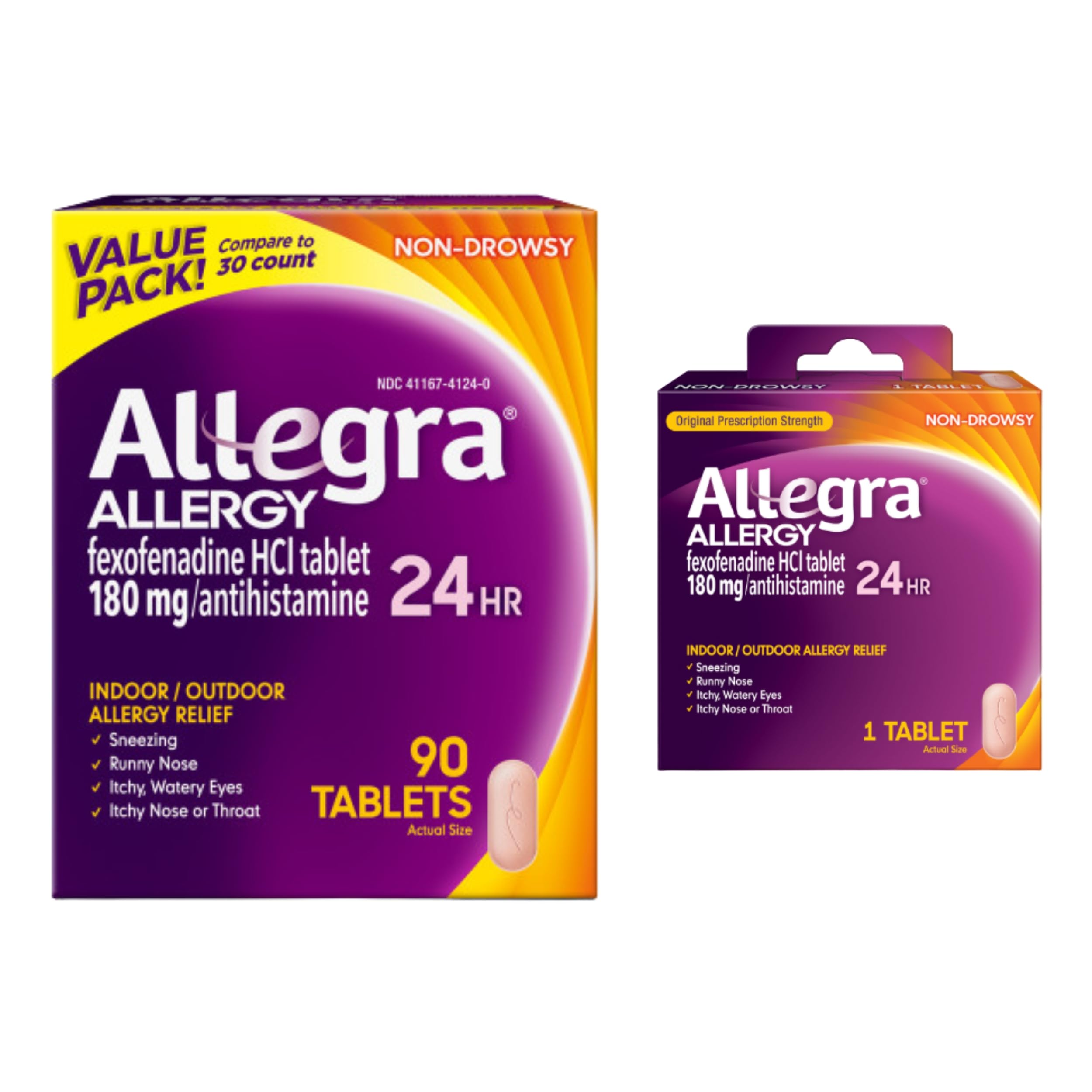
Allegra’s 180 mg fexofenadine dose is the only non-drowsy antihistamine in this guide with a clear distinction from the sedation spectrum — it genuinely does not cross the blood-brain barrier in significant amounts, making it the go-to option for people who need to stay sharp during allergy season. For swelling caused by seasonal allergens like ragweed, grass, or tree pollen, fexofenadine effectively blocks histamine release that triggers fluid accumulation in the sinuses, eyes, and throat tissues.
The bonus travel pack makes this 90-count bundle practical for frequent travelers who encounter unfamiliar allergens. Allegra works within one hour to reduce sneezing and nasal congestion, but users managing facial swelling or puffy eyes from allergies often pair it with a cold compress for faster cosmetic relief. It is the number one allergist-recommended non-drowsy oral antihistamine, which adds a layer of confidence for those switching from sedating formulas.
One trade-off is that fexofenadine absorption can be reduced by fruit juices — apple, grapefruit, and orange juice can decrease its efficacy by up to 30 percent. Taking it with water alone maximizes its swelling-suppression potential. For those with chronic allergic rhinitis that triggers morning eyelid swelling, this is the most consistent non-drowsy choice on the market.
Why it’s great
- No drowsiness — does not cross the blood-brain barrier
- 24-hour relief with a single tablet
- Allergist-recommended for seasonal swelling control
Good to know
- Avoid fruit juices within 2 hours of dosing
- May take longer to work on acute skin swelling
3. Benadryl Liqui-Gels Antihistamine Allergy Medicine

When swelling escalates quickly — think insect sting reaction, sudden angioedema of the lips or eyelids, or an itchy raised rash spreading across the skin — the liqui-gel format of Benadryl delivers 25 mg of diphenhydramine in a form that absorbs faster than a standard coated tablet. Diphenhydramine remains the gold standard first-generation antihistamine for acute swelling because it blocks both H1 receptors and central nervous system histamine receptors, producing a rapid anti-inflammatory effect within 15 to 30 minutes.
This particular pack contains four 24-count bottles of dye-free liquid gels, making it ideal for households with multiple allergy-sensitive members or for keeping a supply in different locations — car, office, and home. The dye-free formulation eliminates artificial colors that can themselves trigger sensitivity reactions in a small subset of people. Users consistently cite this as their go-to for any allergic reaction involving visible swelling, respiratory tightness, or rapidly spreading hives.
The major consideration with diphenhydramine is sedation. Users taking this during the day should anticipate some drowsiness, which can be beneficial if sleep is disrupted by itching but problematic for driving or operating machinery. The liqui-gel format also tends to be priced higher than tablet equivalents, though the faster absorption and dye-free profile justify the cost for acute scenarios.
Why it’s great
- Fastest absorption among oral antihistamines in this guide
- Dye-free formula reduces extra sensitivity risk
- Proven efficacy for acute allergic swelling
Good to know
- Causes significant drowsiness in most users
- Higher cost per dose compared to standard Benadryl tablets
4. Claritin 24 Hour Allergy Medicine

Claritin’s 10 mg loratadine dose provides a gentle, non-drowsy approach to swelling management that works best for people with mild-to-moderate seasonal allergic reactions. Loratadine has a slightly lower affinity for peripheral H1 receptors compared to cetirizine, meaning it may take longer to reduce visible swelling and may be less potent for acute urticaria. However, for everyday allergic rhinitis that causes puffiness around the eyes or mild facial swelling, it offers steady 24-hour coverage without sedation.
This 70-count bottle is a solid value for year-round daily use. Users transitioning from first-generation antihistamines often prefer Claritin because it does not interfere with sleep quality or daytime alertness. Many report that it prevents morning eyelid swelling triggered by dust mites or pet dander, keeping the face looking less puffy throughout the day.
The key limitation is onset speed — loratadine typically takes 1–3 hours to reach peak plasma levels, making it less suitable for swelling that appears suddenly. For planned exposure to known allergens (visiting a home with cats or spending time outdoors during high pollen counts), taking Claritin two hours before exposure provides the most reliable protection against swelling.
Why it’s great
- Completely non-drowsy with no cognitive impairment
- Ideal for daily preventive use against swelling
- Easy-to-swallow small tablets
Good to know
- Slower onset — not ideal for acute reactions
- Less effective for moderate-to-severe hives
5. GoodSense 24 Hour Allergy Relief
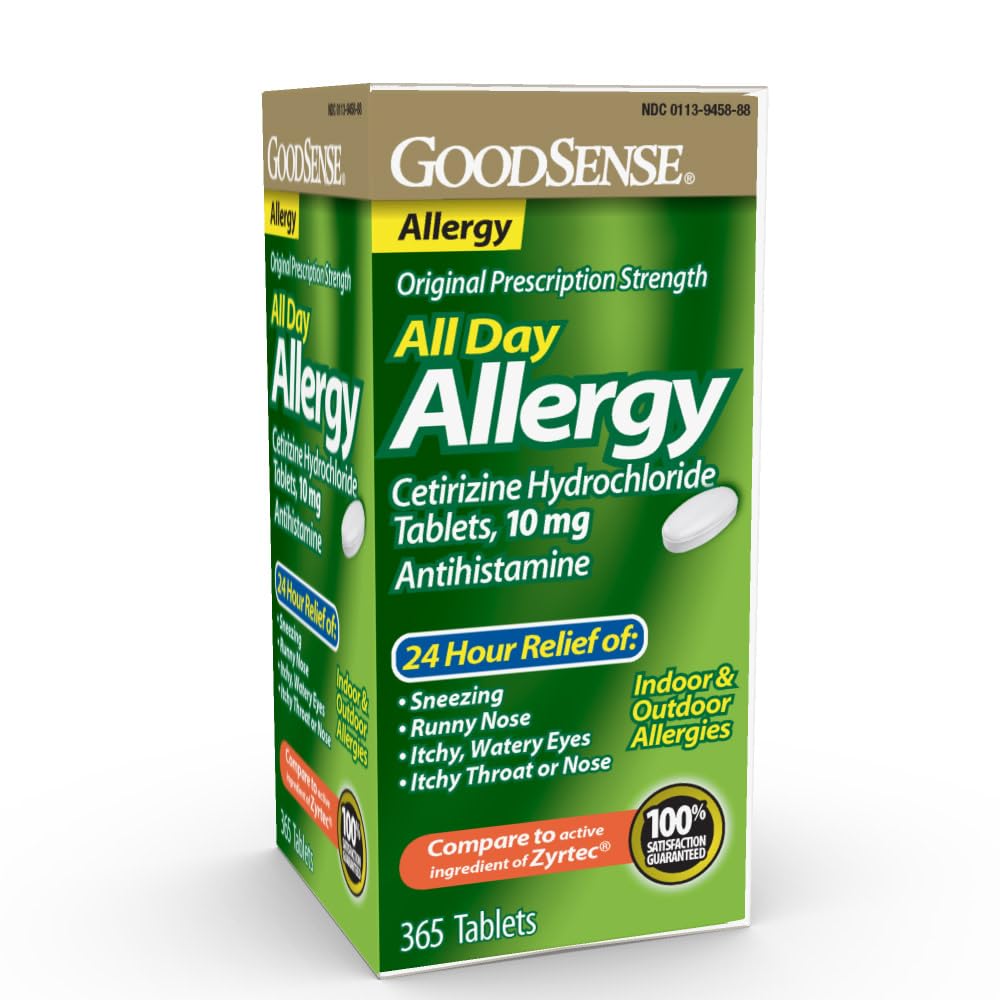
GoodSense 24 Hour Allergy Relief is a generic store-brand formulation of cetirizine hydrochloride that delivers the exact same active ingredient as Zyrtec for a fraction of the cost. The 10 mg tablet works identically on histamine receptors to reduce swelling in the nasal passages, sinuses, and throat, making it a reliable budget-conscious choice for seasonal allergy swelling. Users consistently confirm it matches name-brand performance in head-to-head comparisons.
The 365-count bottle provides a full year’s supply for daily users, eliminating monthly refill runs. Cetirizine reaches peak plasma concentration faster than loratadine or fexofenadine, typically within 45 minutes, which helps it respond to swelling that begins mid-day. It is gluten-free and suitable for adults and children over six years old, broadening its utility for family use.
Some users report mild drowsiness with cetirizine, though less pronounced than diphenhydramine. Those with severe swelling from reactions to specific foods or insect stings may still need a first-generation option for faster, more potent relief. However, for daily swelling from environmental allergens, this generic delivers exactly the same molecular effect as the brand-name product.
Why it’s great
- Dramatic cost savings vs. brand Zyrtec
- Cetirizine works faster than loratadine
- Year-long supply in one bottle
Good to know
- Mild drowsiness reported by some users
- Not as fast as diphenhydramine for acute swelling
6. Benadryl Allergy Ultratablets
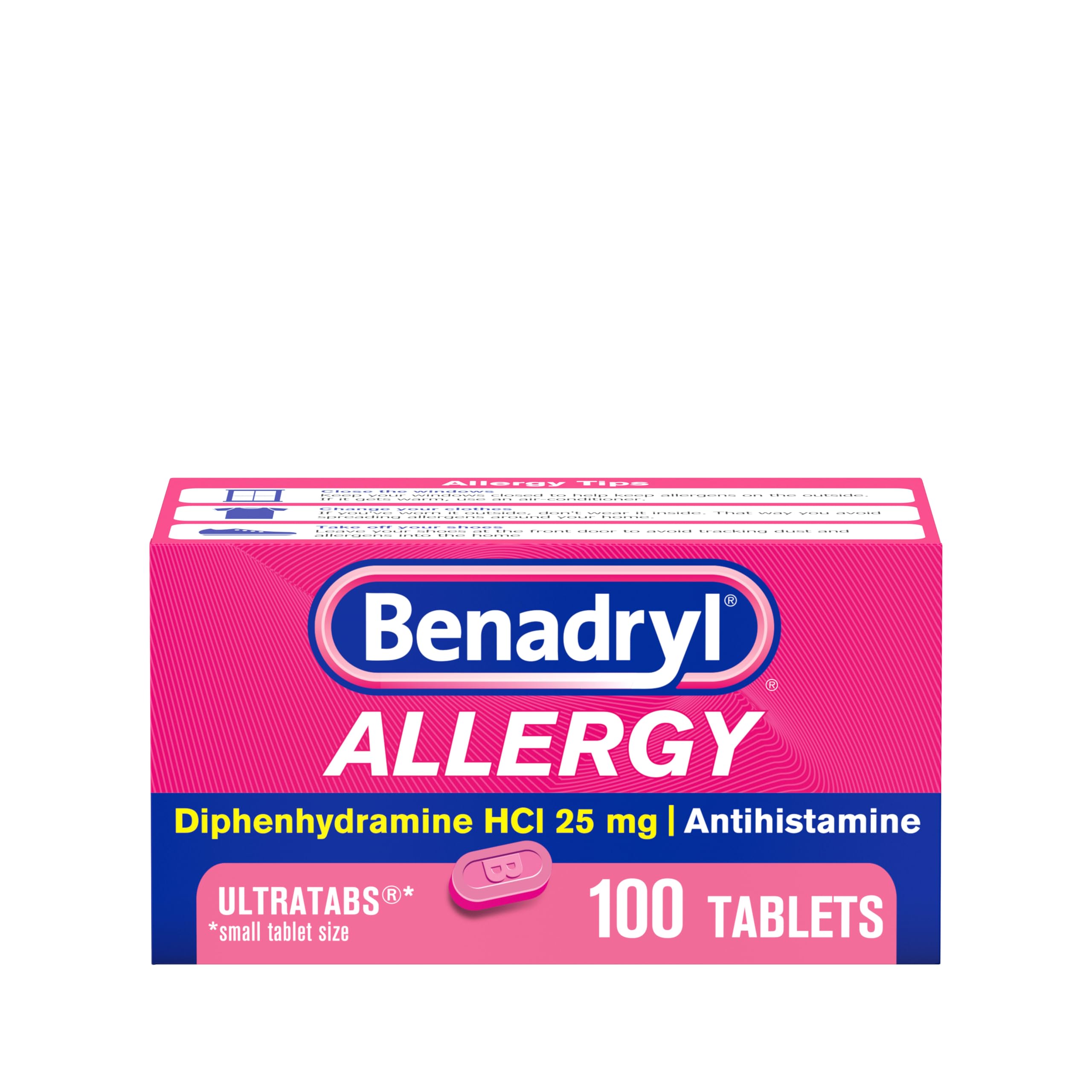
Benadryl Ultratablets remain the most recognizable name in antihistamine swelling relief for good reason — 25 mg of diphenhydramine reliably shrinks swollen tissue from hives, insect bites, and contact dermatitis within 15 to 30 minutes. This 100-count bottle is the classic option for households that want a large supply of fast-acting, sedating antihistamine on hand for unpredictable allergic reactions.
Users specifically mention this product’s effectiveness for drying up sinus drainage and reducing swelling in the face and throat caused by pollen or mold exposure. The small, easy-to-swallow tablet format is convenient for travel or for children over six years old. The vibrant pink color is a hallmark of the brand, though some users prefer dye-free alternatives if they have sensitivity to artificial coloring.
The sedation factor is the main drawback for daytime use — many users need to plan for a rest period after taking diphenhydramine. Additionally, long-term daily use of first-generation antihistamines is not recommended due to potential anticholinergic burden. For acute, short-term swelling control, however, this remains one of the most reliable and widely tested options.
Why it’s great
- Fast-acting with proven track record for swelling reduction
- Large 100-count bottle for extended supply
- Works on multiple allergy symptoms simultaneously
Good to know
- Strong sedation can impair daytime function
- Contains artificial pink dye
7. Quality Choice HBP Decongestant Free

Quality Choice HBP Decongestant Free tablets are specifically designed for people with high blood pressure who need antihistamine relief without decongestants like pseudoephedrine, which can spike blood pressure and worsen fluid retention. The active ingredient is 4 mg chlorpheniramine maleate, a first-generation antihistamine that reduces swelling, sneezing, and runny nose associated with colds and allergies.
This 6-pack of 24-count blister packs provides a substantial supply for managing seasonal allergy swelling or cold-related facial puffiness in hypertensive individuals. Chlorpheniramine is less commonly used for acute allergic swelling compared to diphenhydramine, but it effectively targets the histamine release that causes fluid buildup in the upper respiratory tract and around the eyes. Users report it clears sinus pressure and reduces facial puffiness without the cardiovascular stress of decongestant combination products.
Chlorpheniramine is a first-generation antihistamine and produces sedation similar to diphenhydramine, though slightly less intense for some users. The tablets also contain acetaminophen and dextromethorphan for cough and pain relief, making this a multi-symptom product rather than a pure antihistamine. For those focused solely on swelling from an allergic reaction, a single-ingredient antihistamine may be more appropriate.
Why it’s great
- Safe for individuals with high blood pressure
- Excellent value for a multi-pack supply
- Addresses swelling from both colds and allergies
Good to know
- Includes acetaminophen — be careful with daily max dose
- Causes drowsiness as a first-generation antihistamine
FAQ
Should I take diphenhydramine or cetirizine for allergic swelling?
How many days in a row can I use a first-generation antihistamine for swelling?
Can antihistamines reduce swelling from an insect sting?
Final Thoughts: The Verdict
For most users, the antihistamine for swelling winner is the Zyrtec 24 Hour Hives Relief Tablets because it combines a fast-absorbing second-generation molecule specifically marketed for urticaria with a non-drowsy profile that fits daily use. If you want the fastest emergency relief from an acute allergic reaction, grab the Benadryl Liqui-Gels. And for a zero-sedation, allergist-recommended option that covers 24 hours of seasonal swelling control, nothing beats the Allegra 24-Hour Tablets.