
Our readers keep the lights on and the weekend projects moving. As an Amazon Associate, I earn from qualifying purchases.
A dense, tough cake is almost always a flour problem, not a recipe one. All-purpose flour packs too much protein, which overdevelops gluten and turns a delicate sponge into a rubbery disc. The difference between a bakery-light crumb and a sad kitchen failure comes down to swapping your pantry staple for a lower-protein, finely milled option designed specifically for cakes.
I’m Rikta — the co-founder and writer behind FitlyFast. I’ve spent hundreds of hours analyzing protein content, particle size, and milling methods across dozens of flour brands to separate the flours that genuinely lift a cake from those that just fill a bag.
This guide breaks down the top contenders by texture, protein profile, and real baking behavior to help you find the best baking flour for cakes that fits your style and skill level.
How To Choose The Best Baking Flour For Cakes
The wrong flour can sabotage even a perfect recipe. Cake flour is a distinct category defined by low protein, fine particle size, and often chlorination or specific milling techniques. Here’s what separates the flours that produce a delicate crumb from those that make a brick.
Protein Content — The Crumb Decider
Cake flour typically sits between 7% and 9% protein, compared to all-purpose flour’s 10–12%. Lower protein means less gluten formation, giving you a soft, tender structure. For sponge cakes, chiffon cakes, and angel food cakes, aim for the lower end of that range. Pastry flour, at around 9–10%, works for scones and pie crusts but can still produce a slightly tougher cake.
Milling Fineness & Particle Size
Cake flour is milled finer than all-purpose flour, which allows it to absorb liquid faster and create a smoother batter. This fine texture also helps distribute fat more evenly, producing a more uniform crumb. Brands that use “super-fine” or “unifine” milling methods literally produce flours that feel silky between your fingers — that silkiness translates directly to a lighter cake.
Self-Rising vs. Plain Cake Flour
Self-rising cake flour already contains baking powder and salt, which speeds up prep but limits your control over leavening. Plain (or “unbleached”) cake flour lets you adjust your own leavening agents and salt levels, giving you more precision for delicate recipes. If you’re an experienced baker wanting fine control, stick with plain cake flour. For quick weekday bakes, self-rising simplifies the process.
Heritage & Specialty Wheat
Some flours use heritage wheat varieties like White Sonora or soft winter wheat, which were bred before modern hybridization. These wheat types often have a different protein structure that some people find easier to digest. They also tend to carry more nuanced flavor than commodity wheat. If you deal with gluten sensitivity but aren’t celiac, heritage wheat pastry flour can be a viable middle ground.
Quick Comparison
On smaller screens, swipe sideways to see the full table.
| Model | Category | Best For | Key Spec | Amazon |
|---|---|---|---|---|
| Bob’s Red Mill Cake Flour | Cake Flour | Light, airy cakes & delicate crumb | 7–9% protein, super-fine milled | Amazon |
| White Lily All Purpose Flour | Soft Winter Wheat | Fluffy biscuits & tender cakes | 100% soft winter wheat, 5 lb bag | Amazon |
| Antimo Caputo Pasticceria 00 | Italian 00 | Shortbreads & delicate pastries | 11% protein, P/L 0.50–0.60 | Amazon |
| Sunrise Flour Mill Organic Pastry | Heritage Organic | Gluten-sensitive bakers | USDA Organic White Sonora, 2 lb | Amazon |
| Bob’s Red Mill Self-Rising Flour | Self-Rising | Quick biscuits & pancakes | Blend with baking powder & salt | Amazon |
| Unpretentious Cake Flour | Pure Cake Flour | Value-conscious cake bakers | Soft, silky texture, 2 lb bucket | Amazon |
| Robin Hood Cake & Pastry Flour | Canadian Import | Large batch cake production | 5.51 lb imported from Canada | Amazon |
In‑Depth Reviews
1. Bob’s Red Mill Cake Flour – 3 lb
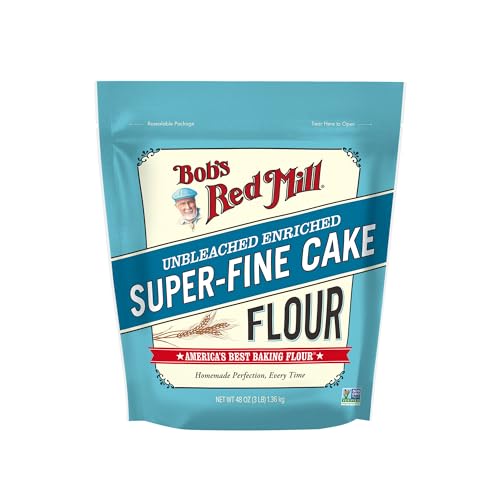
Bob’s Red Mill Cake Flour is the benchmark for home bakers who want consistent, lightweight results from a single bag. Its super-fine milling and lower protein content (roughly 7–9%) mean batters blend smoothly without forming tough gluten strands. Angel food cakes, sponge cakes, and chiffon cakes come out with that signature fluffy, airy crumb that all-purpose flour can never deliver.
The 3-pound bag hits a sweet spot between size and freshness — large enough for a few baking sessions without sitting around too long. The flour is non-GMO and kosher, which appeals to households with dietary guidelines. Reviewers consistently note that it produces “really good angle food cake” and “excellent for baking,” with very few complaints about performance.
This is the flour you reach for when you want a tender cake without fussing over protein percentages. It’s also versatile enough for cookies and muffins that benefit from a softer bite, but its real strength is in delicate, high-rise cakes where every gram of gluten reduction matters.
Why it’s great
- Super-fine texture produces light, tender crumb
- Consistent rise for sponge and chiffon cakes
- 3 lb bag offers good value for regular bakers
Good to know
- Not self-rising — requires own leavening
- Not suitable for bread or yeast recipes
2. White Lily All Purpose Flour – 5 lb
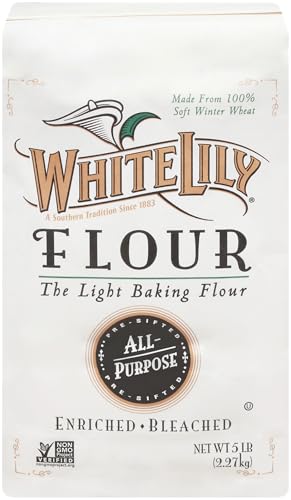
White Lily earns its legendary status among Southern bakers because it’s milled exclusively from 100% soft winter wheat, which naturally has a lower protein profile than the hard red wheat used in most all-purpose flours. The result is a flour that behaves more like a pastry flour — producing biscuits that are impossibly light and cakes that rise tall without gumminess.
The 5-pound bag is generous enough for serious home bakers who make multiple recipes per week. Reviewers rave about how it creates “light and fluffy” pound cakes and biscuits, calling it “the best flour” and “perfect for baking.” The fine grind also makes it ideal for pie crusts, pancakes, muffins, and scones where tenderness is the goal.
One nuance: despite being called “all purpose,” White Lily’s soft wheat base means it actually occupies a middle ground between all-purpose and cake flour. If you’re chasing the absolute lowest protein for angel food cake, a dedicated cake flour will still edge it out. But for everything between biscuits and snack cakes, this is a premium workhorse.
Why it’s great
- Soft winter wheat creates exceptionally light texture
- Large 5 lb bag for frequent bakers
- Versatile across cakes, biscuits, and pastries
Good to know
- Not as low-protein as true cake flour
- Can be harder to find outside southern US
3. Antimo Caputo Pasticceria 00 Flour – 2.2 lb (Pack of 4)
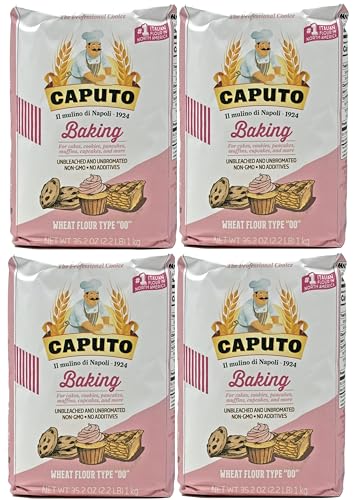
Antimo Caputo’s Pasticceria 00 flour is a specialized pastry flour from Italy, designed specifically for shortcrust pastry, biscuit dough, and cake bases. Its “00” classification refers to the finest grind size in the Italian milling system — literally the most powdery, silky flour you can buy. The protein content sits around 11%, with a P/L (elasticity-to-extensibility) ratio of 0.50–0.60, which means moderate gluten development that still produces a tender, short bite.
The pack of four 2.2-pound bags gives you about 8.8 pounds total, making it suitable for serious bakers who need a consistent premium flour across multiple projects. Reviewers mention that this flour helps those with gluten sensitivity experience fewer issues, and they love “the taste, and the way it affects baked goods.” A former baker noted that they “had no ill effects” when using Caputo flour versus standard American flours.
This flour is ideal for bakers who want a European-style fine pastry flour for specialized desserts like Italian shortbreads, tarts, and tea cakes. The 00 grind also hydrates quickly, creating smooth batters that slice cleanly. It’s an investment, but for bakers who prioritize texture and digestibility, the difference is measurable.
Why it’s great
- Finest Italian 00 grind for silky batters
- Moderate protein with controlled elasticity
- Packs of 4 for bulk value
Good to know
- More expensive per pound than standard options
- Small individual bags may not suit single-bag users
4. Sunrise Flour Mill Organic Heritage Whole Wheat Pastry Flour – 2 lb
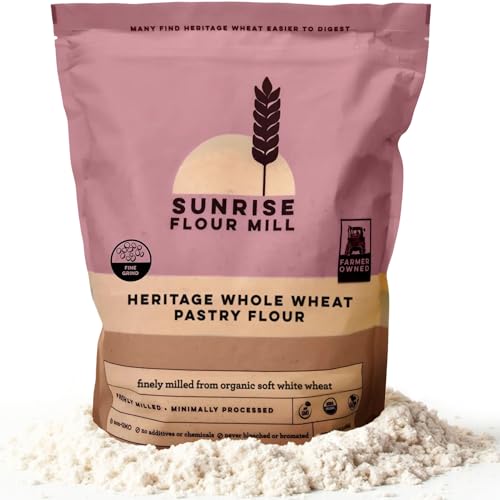
Sunrise Flour Mill’s organic heritage whole wheat pastry flour is a niche standout for bakers who want the flavor of whole wheat without the leaden density. It’s milled from White Sonora, a pre-hybridized soft spring wheat, using a 1930s unifine milling technique that produces a super-fine, fluffy texture. The result is a full-flavored, nutrient-dense flour that still handles like a pastry flour for non-yeasted goods.
The 2-pound bag is on the smaller side, but the flour’s digestibility story is compelling. Multiple reviewers with gluten sensitivity (but not celiac) report that they can eat baked goods made with this flour “with no digestive issues.” The USDA Organic certification means no chemicals, pesticides, or herbicides, and the whole-grain composition delivers more micronutrients than refined white flour.
This flour shines in whole wheat muffins, pancakes, brownies, biscuits, and pies where you want deeper flavor and a tender crumb. It’s the best option for bakers who prioritize organic, heritage ingredients and are willing to accept a slightly higher price for a flour that feels light and digestible.
Why it’s great
- Heritage wheat often easier to digest for sensitive people
- Super-fine unifine milling for light whole-grain texture
- USDA Organic, no additives or bleaching
Good to know
- Only 2 lb bag — limited volume
- Not suitable for yeast breads or high-gluten recipes
5. Bob’s Red Mill Self-Rising Flour – 3 lb
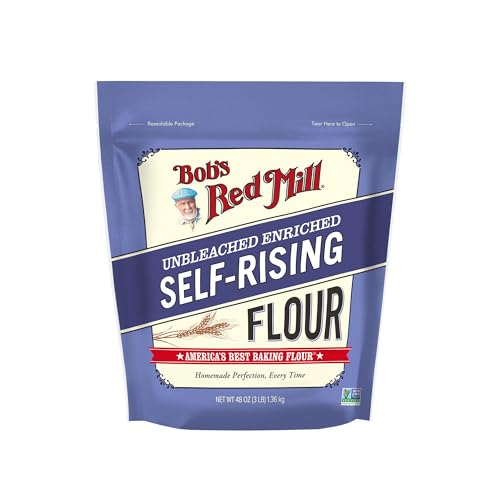
Bob’s Red Mill Self-Rising Flour is the shortcut option for bakers who want to eliminate measuring baking powder and salt from their workflow. It’s a blend of flour, baking powder, and salt already mixed in the correct proportions, designed specifically for quick bakes like biscuits, pancakes, and muffins. The “self-rising” mechanism means you can scoop, mix, and bake with fewer steps.
Reviewers appreciate the “great quality” and note that “it works great for biscuits.” One reviewer even used it for homemade bagels and reported good results. The 3-pound bag is a practical size for frequent quick-baking, and Bob’s Red Mill’s reputation for consistent quality is backed by the company’s employee-owned structure and natural-foods heritage since 1978.
The trade-off is control: because the leavening agents are pre-added, you can’t adjust them for different recipes. It’s also a higher-protein base than cake flour — better suited to biscuits than ultra-light sponges. Use this flour when you’re making rustic, fluffy quick breads or comfort bakes where convenience matters more than absolute crumb delicacy.
Why it’s great
- Convenient all-in-one blend for quick bakes
- Consistent rise and tender texture from a trusted brand
- Reduces measuring steps and potential errors
Good to know
- Higher protein than true cake flour
- Cannot adjust leavening or salt levels
6. Unpretentious Cake Flour – 2 lb
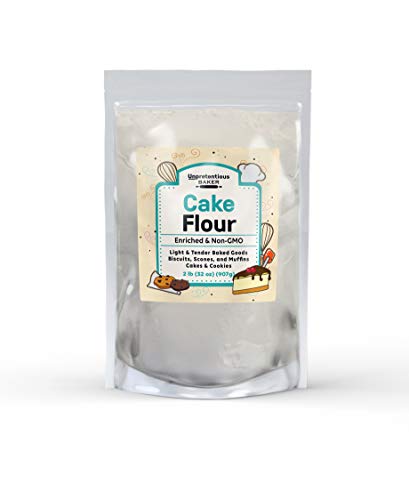
Unpretentious Cake Flour lives up to its name — it’s a straightforward, low-protein cake flour packaged in a resealable bucket that keeps the flour fresh and protected from pantry spills. The 2-pound size is ideal for occasional bakers who don’t want to commit to a large bag. Reviewers describe the flour as “very soft,” “fine and silky,” and say it “bakes up very tender in the final product.”
The container is a practical plus: it seals well between uses and the bucket shape makes scooping easy, though some reviewers mention the initial lid strip can be tricky to remove. Multiple bakers confirm that their “cakes came out great” and that the flour is “totally worth it” for chocolate cakes, sponge cakes, and other tender bakes.
This is the strongest entry-level option for new cake bakers who want to move away from all-purpose flour without spending heavily. The bucket-based storage also extends shelf life better than paper bags, making it a smart choice for infrequent baking sessions.
Why it’s great
- Silky fine texture for tender cakes
- Resealable bucket protects freshness
- Good value for casual cake bakers
Good to know
- Smaller 2 lb bag — limited volume
- Bucket lid can be stiff initially
7. Robin Hood Best for Cake & Pastry Flour – 5.51 lb
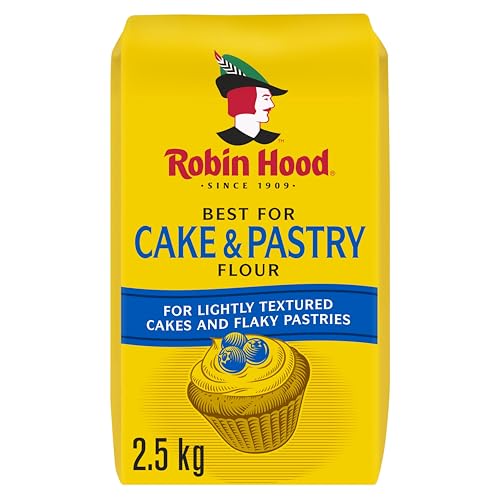
Robin Hood Best for Cake & Pastry Flour is a Canadian import designed for bakers who need larger volumes of specialized cake and pastry flour. The 5.51-pound bag is the largest dedicated cake flour in this lineup, making it practical for frequent bakers, small bakeries, or anyone making multiple cakes per week. It’s a straight cake and pastry flour milled from soft wheat, giving a lighter structure than standard all-purpose.
Reviewers generally praise the flour quality, calling it “great product” and noting that “she makes the most delicious things with this flour.” There are a few caveats: one reviewer reported a poor baking result, and another flagged that the packaging can arrive damaged during Amazon shipping, which could compromise freshness. The majority, however, are satisfied with the performance.
This flour works perfectly for large cake recipes where consistency across batches matters. The volume-to-price ratio is favorable if you bake often and can’t find dedicated cake flour in your local grocery store. Just be prepared to monitor packaging for damage upon delivery, and consider transferring the flour to an airtight container immediately after opening.
Why it’s great
- Largest volume of dedicated cake flour (5.51 lb)
- Imported from Canada — consistent soft wheat quality
- Ideal for high-volume baking and frequent use
Good to know
- Packaging can arrive damaged in transit
- Some inconsistent baking results reported
FAQ
Can I substitute all-purpose flour for cake flour in a cake recipe?
Why does my cake come out dense even when I use cake flour?
What is the difference between pastry flour and cake flour?
Does organic or heritage cake flour really bake differently than standard cake flour?
How should I store cake flour to keep it fresh?
Final Thoughts: The Verdict
For most users, the baking flour for cakes winner is the Bob’s Red Mill Cake Flour because its super-fine milling and reliably low protein content deliver consistently tender, well-risen cakes across recipes, all at a price that fits regular baking. If you want a versatile soft-wheat option that also excels in biscuits and pie crusts, grab the White Lily All Purpose Flour. And for gluten-sensitive bakers who won’t compromise on organic integrity, nothing beats the digestibility combined with fine texture of the Sunrise Flour Mill Organic Heritage Pastry Flour.