
Our readers keep the lights on and the weekend projects moving. As an Amazon Associate, I earn from qualifying purchases.
The concern over heavy metals in baby formula is not abstract — it’s a measurable, documented reality. Recent independent testing by organizations like the Clean Label Project has found detectable levels of arsenic, lead, cadmium, and mercury in many popular brands, forcing parents to scrutinize ingredient sourcing and manufacturing transparency more than ever. Choosing a formula that prioritizes purity is no longer optional; it is the single most important purchasing decision you will make for your infant’s foundational health.
I’m Rikta — the co-founder and writer behind FitlyFast. This guide is the product of hundreds of hours spent analyzing independent lab reports, parsing ingredient lists for heavy metal risk factors, and cross-referencing organic certifications with third-party purity seals to identify the formulas that genuinely deliver on their clean-label promises.
After a deep review of the market, these are the only options I would personally trust to feed a child. Whether you are seeking certified organic, hypoallergenic, or a budget-friendly alternative that does not cut corners on safety, this guide to the baby formula without heavy metals will clarify your decision with real data, not marketing claims.
How to Choose the Best Baby Formula Without Heavy Metals
The fear of heavy metals is real, but the solution is not to avoid formula altogether. The solution is to become a more discerning shopper. The following criteria represent the non-negotiable standards for a formula that can genuinely claim to be low in or free of heavy metal contaminants.
Third-Party Certifications Are Your Best Defense
A brand’s marketing copy is not a guarantee. The Clean Label Project Purity Award is the gold standard here — it requires that a product be tested for over 400 contaminants, including heavy metals, and be proven to have no detectable levels or levels well below public health guidelines. When you see this seal, you are looking at a product that has been independently vetted. Similarly, USDA Organic certification adds a layer of protection by banning the use of synthetic pesticides and fertilizers that can contribute to heavy metal accumulation in soil and crops. Always prioritize formulas that carry at least one of these seals.
Ingredient Sourcing Matters More Than You Think
The source of the protein (whey, casein, soy) and the location of the manufacturing facility can dramatically influence heavy metal content. European-sourced milk and formulas, for example, are often held to stricter environmental standards regarding soil contamination. Additionally, formulas that use brown rice syrup as a carbohydrate source are notoriously high in inorganic arsenic — this is an ingredient you must actively avoid. Look for formulas that are 100% lactose-based or use other, cleaner carbohydrate sources.
Form and Preparation Impacts Contamination Risk
Powdered formulas are more concentrated than ready-to-feed options, meaning any contaminants present in the raw ingredients are also concentrated. However, the primary vector for heavy metal exposure is the raw materials, not the manufacturing process itself. Therefore, focusing on the source and purity of the ingredients is far more critical than choosing between powder and liquid concentrate. Once you have a clean formula, always prepare it with cold, filtered water that has been boiled and cooled to the appropriate temperature, as water itself can be a source of heavy metals.
Quick Comparison
On smaller screens, swipe sideways to see the full table.
| Model | Category | Best For | Key Spec | Amazon |
|---|---|---|---|---|
| Happy Baby Organic Stage 1 | Premium Organic | Overal Purity & Gut Health | Clean Label Certified, Probiotic + Prebiotic | Amazon |
| Bobbie Combo Feeding Kit | Premium Organic | European-Inspired Standards | Clean Label Certified, DHA without Hexane | Amazon |
| Baby’s Only A2 Organic | Mid-Range Organic | Gentle Digestion + Organic | A2 Beta-Casein Protein, No Corn Syrup | Amazon |
| Similac Alimentum | Hypoallergenic | Severe Protein Allergies | Hypoallergenic, 2′-FL HMO | Amazon |
| Similac Soy Isomil | Plant-Based | Dairy-Free & Vegetarian | Plant-Based Protein, No Palm Olein | Amazon |
| Mama Bear Gentle Premium | Mid-Range Value | Gentle on Tummies | Non-GMO, No Artificial Growth Hormones | Amazon |
| Mama Bear Sensitivity | Mid-Range Value | Lactose Sensitivity | Dual HMOs, Reduced Lactose | Amazon |
In-Depth Reviews
1. Happy Baby Organic Stage 1 Baby Formula

This formula hits the trifecta of safety: it is USDA Organic, EU Certified Organic, and Clean Label Project Certified. This means it has been independently tested for over 400 contaminants, including heavy metals, and passed with flying colors. It is also the only USDA organic formula to offer a patented blend of probiotics and prebiotics intentionally designed to support gut bacteria that matches closer to a breastfed infant.
Parents report seamless transitions from breast milk, with virtually no gas, constipation, or digestive upsets. The DHA levels meet European requirements, which are often more stringent than FDA guidelines, providing another layer of confidence in the purity and composition of the fat sources. The use of organic milk from grass-fed cows in Europe is a strategic choice, as European soil regulations generally result in lower heavy metal uptake in crops and livestock.
The main drawback is availability — it is primarily an online-only purchase, which can be inconvenient. However, the subscription option offsets the hassle with consistent delivery and a slight cost reduction. For a parent whose top priority is a formula that is both nutrient-dense and independently verified to be low in heavy metals, this is the most complete choice on the market.
Why it’s great
- Triple-certified (USDA, EU, Clean Label) for unmatched purity verification.
- Clinically shown to produce softer, more regular stools than other organic formulas.
Good to know
- Retail availability is limited mainly to online channels like Amazon.
- Premium-tier price point, though the Clean Label certification justifies the cost.
2. Bobbie Organic Combo Feeding Kit
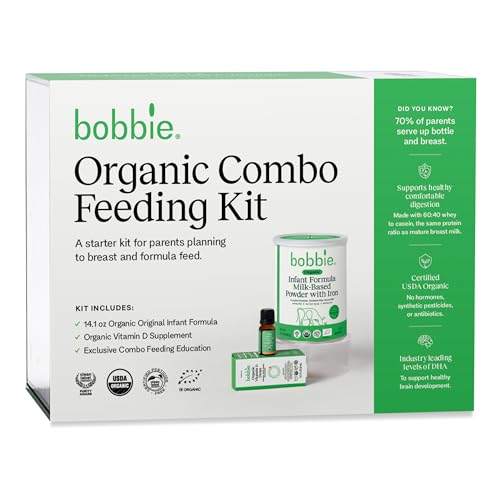
Bobbie has built a reputation on transparency and sourcing integrity. This formula is made in the USA with organic grass-fed cow’s milk, avoiding corn syrup, maltodextrin, and the problematic seed oils found in many conventional US formulas. The inclusion of a Vitamin D drop kit in this combo is a thoughtful addition for combo-feeding parents, but the core value is the formula itself: a Clean Label Project Certified product with DHA sourced without hexane, a neurotoxic solvent sometimes used in the extraction process.
Reviewers consistently note that their babies tolerate this formula exceptionally well, with less gas, constipation, and reflux compared to previous brands. The organic milk protein source is the primary defense against heavy metal contamination, as the grass-fed requirement typically means the cows graze on less contaminated soil. The formula’s “European-inspired” standards are a direct nod to the stricter contaminant regulations across the Atlantic.
The main consideration is the price point, which is a significant step up from generic or store-brand options. However, for a parent seeking a formula that mirrors the safety standards of European brands but is manufactured in the US, Bobbie is a top contender. Some parents note a metallic smell from the iron content, but this is a common trait of non-nano iron fortification and not a purity issue.
Why it’s great
- Clean Label Certified with DHA sourced without hexane, reflecting a commitment to clean processing.
- Formulated without corn syrup, maltodextrin, or seed oils — common vectors for contaminants.
Good to know
- Premium price point makes it one of the more expensive options on this list.
- Initial opening may have a metallic scent from the iron, though this is harmless.
3. Baby’s Only A2 Organic Milk Infant Formula

This formula targets two specific concerns: protein digestibility and ingredient purity. It is made with A2 beta-casein protein, which is the dominant protein type found in human breast milk and is generally easier for infants to digest than the A1 protein found in standard cow’s milk. More critically for heavy metal avoidance, it is organic, non-GMO, and contains no corn syrup or palm oil, the latter of which is often a carrier for contaminants in processing.
The manufacturing facility is based in Ohio, and the brand prides itself on small-batch, rigorous testing. This level of control over the supply chain is a strong indicator that heavy metal screening is a part of their quality assurance. Parents report that their babies have zero digestive issues on this formula, with normal bowel movements and no gas, which is a hallmark of a clean, well-digested protein source.
It is slightly more affordable than the premium European-style options but still sits in the mid-to-upper price bracket due to the specialized A2 protein. The main limitation is that many parents recommend adding a probiotic supplement for cesarean-delivered babies, as the formula itself does not include one. If you are looking for a certified organic formula that avoids common heavy metal risk ingredients like corn syrup, this is a fantastic balance of cost and safety.
Why it’s great
- A2 protein structure is naturally easier to digest and reduces potential for inflammation-related gut issues.
- Deliberately avoids corn syrup and palm oil, two ingredients often linked to higher contaminant loads.
Good to know
- Does not contain added probiotics, which may be necessary for some infants.
- Availability can be inconsistent, leading to stock-out frustrations for subscribers.
4. Similac Alimentum Hypoallergenic Formula
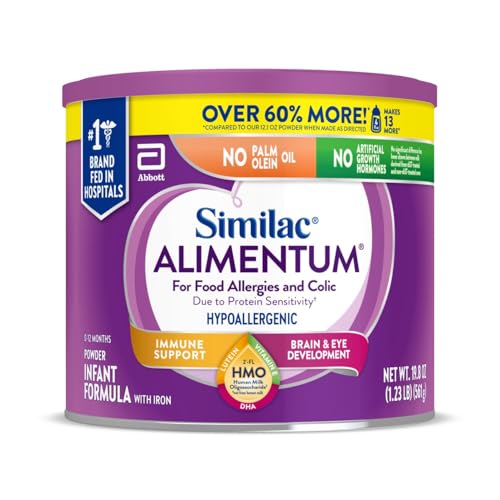
While not organic, Similac Alimentum is a medical necessity for infants with confirmed cow’s milk protein allergy (CMPA). It is a hypoallergenic formula, meaning the proteins are extensively hydrolyzed (broken down into tiny pieces) so the immune system does not recognize them as allergens. For a child with CMPA, the inflammation caused by the allergic reaction is a far greater health concern than the trace heavy metal risk in a non-organic formula, making this a pragmatic choice.
It contains 2′-FL HMO, an immune-nourishing prebiotic, which is a rare find in hypoallergenic formulas. This helps support the gut microbiome, which is often compromised in infants with allergies. Similac is the number one formula brand fed in hospitals, meaning it undergoes strict FDA quality control, including regular contaminant screening to meet federal safety standards. The key spec here is that it starts reducing colic symptoms within 24 hours in most infants with protein sensitivity.
The downsides are a high price point and the fact that it is not organic. Additionally, the hydrolyzed proteins give it a distinct, somewhat bitter taste that some babies reject initially. However, for a baby who cannot tolerate standard or even gentle formulas, the purity protocol of Similac’s manufacturing, combined with the absence of corn syrup in this specific variant, makes it a safer bet for avoiding heavy metals than many other non-organic market options.
Why it’s great
- Clinically proven to reduce colic symptoms due to protein sensitivity within 24 hours.
- Contains 2′-FL HMO, an immune-supporting prebiotic not found in most hypoallergenic formulas.
Good to know
- Premium price point; bulk buying individual cans is cheaper than multi-packs.
- Not organic, though it adheres to strict FDA safety and contaminant screening protocols.
5. Similac Soy Isomil Infant Formula

For families following a vegetarian or vegan diet, or for infants with a diagnosed lactose intolerance or cow’s milk protein allergy, Similac Soy Isomil provides a reliable plant-based protein alternative. The soy protein isolate used here is a complete protein, and the formula includes DHA and lutein for eye and brain development, as well as prebiotics for digestive health.
The avoidance of palm olein oil is a specific and important feature. Palm olein oil is known to interfere with calcium absorption and has been associated with higher levels of certain contaminants, including glycidyl esters. By using a different fat blend, Similac removes this potential vector. While this formula is not organic, the soy used in Similac products is sourced under controlled agricultural practices to minimize pesticide residue and heavy metal uptake from soil.
The primary concern with a soy-based formula is the presence of phytoestrogens, which mimic estrogen in the body. The general medical consensus is that they are safe for healthy, full-term infants, but it is a consideration. For the specific goal of minimizing heavy metals, the soy route requires careful water preparation (use filtered, boiled water) and a focus on fresh batches to avoid any bacterial contamination, which is the more pressing safety risk with powdered formula.
Why it’s great
- Excludes palm olein oil, removing a common source of processing-related contaminants.
- Clinically shown to reduce fussiness and gas in infants with milk protein sensitivity.
Good to know
- Not organic; parents concerned about pesticide residues should note this.
- Soy-based formulas are not recommended for premature infants without a pediatrician’s guidance.
6. Mama Bear Gentle Premium Baby Formula

The Amazon Brand Mama Bear formula is a powerhouse in the value segment, and this Gentle variant is its best iteration. It is made by Perrigo, the same manufacturer that produces most store-brand formulas in the US. It is non-GMO, contains no artificial growth hormones, and is gluten-free and kosher. At its core, it provides a gentler alternative for babies who experience fussiness, gas, and crying, comparing closely to Enfamil NeuroPro Gentlease.
For the heavy-metal-conscious parent, the key advantage is that this formula does not contain the expensive premium certifications, but it also does not contain the high-risk ingredients like brown rice syrup. It uses standard lactose and milk protein isolates that fall under FDA contaminant monitoring. The fact that it is made by Perrigo, a major manufacturer, means it has a consistent, quality-controlled supply chain that is routinely tested to meet federal standards.
It mixes easily without clumps and has a high customer satisfaction rate for its intended purpose — reducing stomach upset. However, it is not organic, and it does contain corn syrup solids and palm oil, which are common sources of concern. For a budget-friendly entry point into “gentle” formula, it is a solid choice, but parents should weigh the lack of organic certification against the significant cost savings. It is a practical choice for families who need to feed a baby but cannot afford the premium-tier options.
Why it’s great
- Exceptional value for a gentle formula; a direct, affordable alternative to Enfamil Gentlease.
- Manufactured by Perrigo, a major, quality-controlled producer of store-brand formulas.
Good to know
- Contains corn syrup solids and palm oil, which are common vectors for contaminants.
- Not certified organic, so it relies on standard FDA contaminant limits rather than third-party testing.
7. Mama Bear Sensitivity Premium Infant Formula
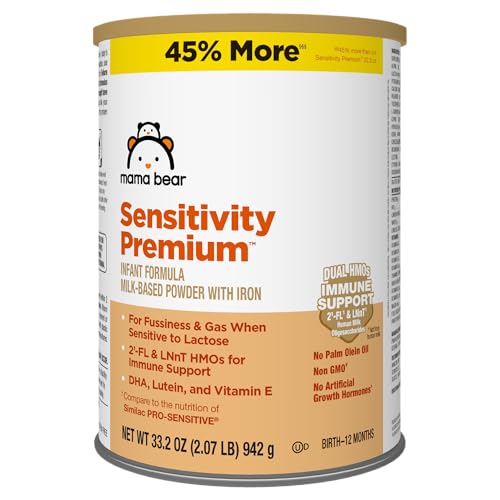
This formulation represents an upgrade in the Mama Bear line, specifically targeting lactose sensitivity. It reduces lactose content by 99% compared to standard milk-based formulas, making it suitable for infants who are gassy or fussy due to lactose malabsorption. It also features dual HMOs (2′-FL and LNnT), prebiotics found in breast milk that support the growth of beneficial gut bacteria, which is a feature usually seen in more premium formula lines.
From a heavy metal perspective, this formula has the same strengths and weaknesses as its “Gentle” sibling. It is SNAP eligible, non-GMO, and contains no palm olein oil or artificial growth hormones. The absence of palm olein oil is a significant point in its favor regarding contaminant load. The ingredients, while not organic, are sourced from a supply chain that meets FDA safety thresholds for arsenic, lead, and cadmium.
The dual HMO content is a real differentiator in the budget-friendly category, offering immune support that is rare at this price. However, some reviews note it can cause diaper rash and digestive upset in very sensitive babies, likely due to the reduced lactose or the fat blend. It is not a Clean Label Project certified product, so the burden of proof regarding heavy metals is on the manufacturer’s testing, not a third-party audit. It is a strong entry-level, mid-range option for parents prioritizing affordability and a reduced-lactose profile.
Why it’s great
- Dual HMO prebiotic blend provides immune support comparable to higher-priced formulas.
- Formulated without palm olein oil, which reduces the risk of certain processing contaminants.
Good to know
- Not certified organic; relies on FDA contaminant limits rather than independent third-party certification.
- Some infants experience diaper rash and digestive discomfort, likely due to the ingredient matrix.
FAQ
Does the Clean Label Project test for all heavy metals?
Is organic formula automatically free of heavy metals?
Why is brown rice syrup a heavy metal risk in baby formula?
Final Thoughts: The Verdict
For most users, the baby formula without heavy metals winner is the Happy Baby Organic Stage 1 because its triple certification (USDA, EU, and Clean Label Project) provides the highest verifiable standard of purity, combined with a probiotic-prebiotic blend that supports healthy digestion. If you want a formula with European-inspired purity but made in the USA, grab the Bobbie Organic Combo Feeding Kit. And for a budget-friendly option that still avoids the worst contaminants like palm olein oil, nothing beats the Mama Bear Sensitivity Premium.