
Our readers keep the lights on and the weekend projects moving. As an Amazon Associate, I earn from qualifying purchases.
The difference between a run that feels effortless and one that leaves your knees aching often comes down to the foam beneath your heel. Affordable running shoes for women no longer mean sacrificing midsole technology or joint protection, but separating the genuinely supportive daily trainers from the stylish lookalikes requires a hard look at what’s actually inside that stack height.
I’m Rikta — the co-founder and writer behind FitlyFast. I’ve spent countless hours dissecting midsole compounds, outsole rubber placement, and drop measurements to map exactly where the value lies in this competitive category.
This guide cuts through marketing fluff to deliver a clear, spec-driven breakdown of the top contenders for your next pair of affordable running shoes for women.
How To Choose The Best Affordable Running Shoes For Women
Finding the right daily trainer on a budget means focusing on the three pillars that actually affect your gait and recovery: midsole foam resilience, heel-to-toe drop, and outsole durability. Ignore flashy colorways and focus on how the shoe manages impact over the first hundred miles.
Prioritize Foam Chemistry Over Marketing Names
A shoe that feels soft in-store can turn into a lifeless slab after 50 miles. The best budget-friendly options use proprietary foams like PWRRUN+ (Saucony), FF BLAST PLUS (ASICS), or EGO MAX (Altra) that retain their energy return longer than basic EVA blends. A shoe’s weight in ounces also hints at foam density — lighter trainers often use more advanced foam recipes that last longer.
Match the Drop to Your Strike Pattern
Heel strikers generally feel more stable with drops between 8mm and 12mm, which provide a gradual transition. Midfoot or forefoot strikers often prefer low-drop (4mm to 6mm) or zero-drop platforms that encourage a more natural gait. Choosing the wrong drop for your stride can lead to Achilles strain, calf tightness, or knee tracking issues — not from a flaw in the shoe, but from a mismatch with your mechanics.
Check the Outsole Rubber Coverage
Entry-level shoes sometimes skimp on rubber placement to reduce weight, but this accelerates wear on high-impact zones — the heel strike area and the forefoot push-off zone. Look for models with generous carbon rubber pads in those areas. A shoe that shows visible wear before 300 miles is costing you more per mile in the long run, regardless of sticker price.
Quick Comparison
On smaller screens, swipe sideways to see the full table.
| Model | Category | Best For | Key Spec | Amazon |
|---|---|---|---|---|
| Saucony Triumph 22 | Max Cushion | Long runs & joint protection | PWRRUN+ foam / 8mm drop | Amazon |
| ASICS Gel-Cumulus 27 | Cushioned Neutral | Daily miles & moderate arches | FF BLAST PLUS / PureGEL | Amazon |
| Brooks Trace 4 | Neutral Support | Versatile road & treadmill use | 12mm drop / 8.1 oz weight | Amazon |
| Saucony Ride 18 | Lightweight Neutral | Responsive daily training | PWRRUN+ / 8mm drop / 8 oz | Amazon |
| ALTRA Torin 7 | Zero Drop | Natural gait & wide toe box | EGO MAX / 0mm drop / 28mm stack | Amazon |
| Nike Run Defy | Cushioned Flexible | All-day wear & treadmill jogging | Flex grooves / Waffle outsole | Amazon |
| adidas Ultrarun 5 | Everyday Comfort | Gym sessions & casual runs | Cloudfoam / Adiwear outsole | Amazon |
In‑Depth Reviews
1. Saucony Women’s Triumph 22 Sneaker
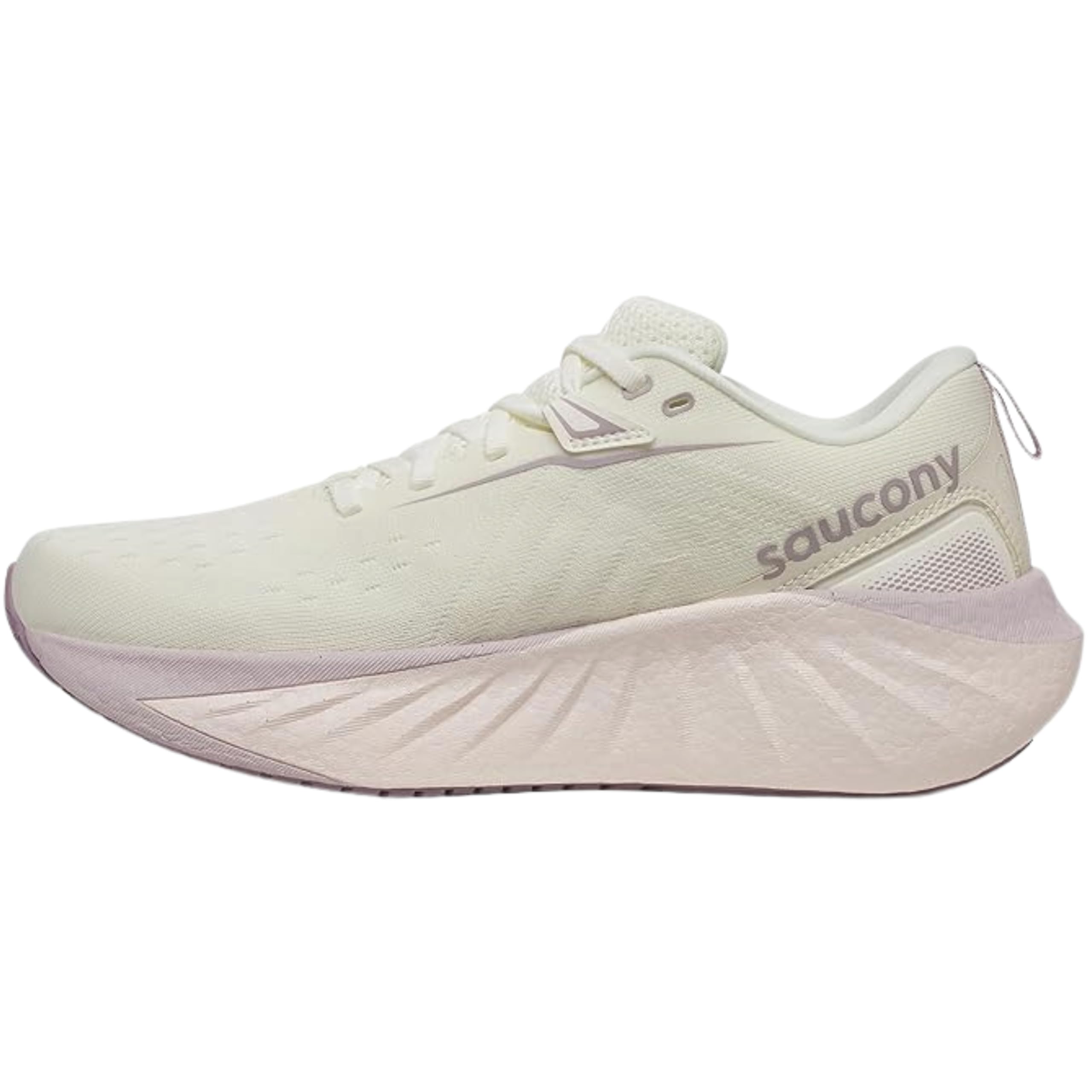
The Triumph 22 is the anchor of this list because it delivers maximum cushioning without the sluggish weight that usually plagues max-stack trainers. The PWRRUN+ midsole is noticeably more resilient than standard EVA — it retains its bounce well past the 300-mile mark, as confirmed by long-term user reports. The engineered mesh upper breathes effectively while keeping the foot locked, and the wide, stable platform (8.8 oz in women’s) provides a confident landing for heel and midfoot strikers alike.
Reviewers with Morton’s neuroma and general foot sensitivity consistently praise the generous toe box and the cushioned footbed, which eliminates the stinging sensation common in narrower trainers. The 8mm drop is an approachable middle ground that suits most neutral runners without forcing a gait adjustment. The high-abrasion rubber outsole holds up well on asphalt and treadmill surfaces, though it predictably lacks grip on wet trails.
For women logging regular road miles who want a shoe that protects joints without sacrificing ground feel, the Triumph 22 justifies its position at the premium end of the affordable spectrum. The only real trade-off is a slightly narrower color palette in wide widths, but the performance consistency is hard to beat at this price tier.
Why it’s great
- Exceptional 300-mile foam durability with consistent energy return
- Generous toe box accommodates bunions and neuroma relief
- Plush yet stable platform works for road running and daily walking
Good to know
- Wide width color options are limited compared to standard sizes
- Traction on wet or loose surfaces is noticeably weaker
- Laces may require half-size up for high-volume feet
2. ASICS Women’s Gel-Cumulus 27
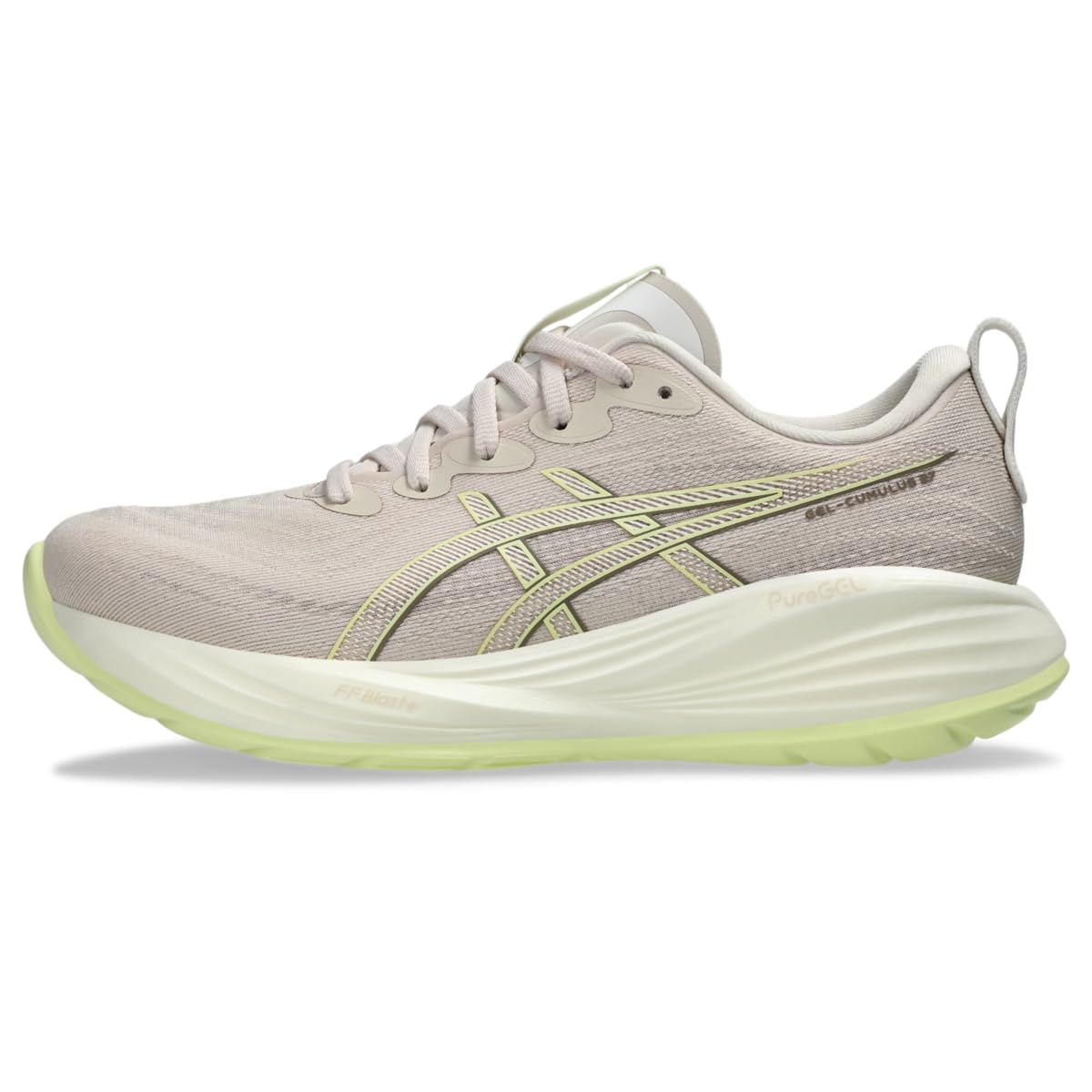
The Gel-Cumulus 27 represents a significant leap for ASICS in the mid-range neutral category. The combination of PureGEL inserts in the heel with FF BLAST PLUS foam creates a softer landing than the previous Cumulus iterations, reducing joint stress without turning the shoe into a marshmallow. At 1.44 pounds and a 8mm drop, it strikes a compelling balance between cushion and responsiveness that feels natural for 5-mile daily loops or longer weekend efforts.
User reviews consistently highlight the instant comfort — no break-in period required — and the improved lacing system that stays tied without a double knot. Testers with high arches and moderate pronation noted that the medial support is adequate for neutral feet but not designed for significant overpronation. The mesh upper is breathable but does accumulate wear over months of heavy use, and the toe box is slightly tapered, which some runners with Morton’s neuroma found restrictive for ultra distances.
This is a strong candidate for runners transitioning from budget brands into a shoe that actually supports a consistent weekly mileage schedule. The midsole holds up well past 300 miles for daily walkers, and the outsole grip on dry surfaces is reliable.
Why it’s great
- PureGEL heel units absorb shock effectively without excess weight
- Zero break-in period reported across a wide range of foot types
- Durable outsole with good traction on pavement and treadmills
Good to know
- Toe box is on the narrower side for wide-footed runners
- Mesh upper shows visible wear over extended use
- Not suitable for overpronation or heavy stability needs
3. Brooks Women’s Trace 4 Neutral Running Shoe
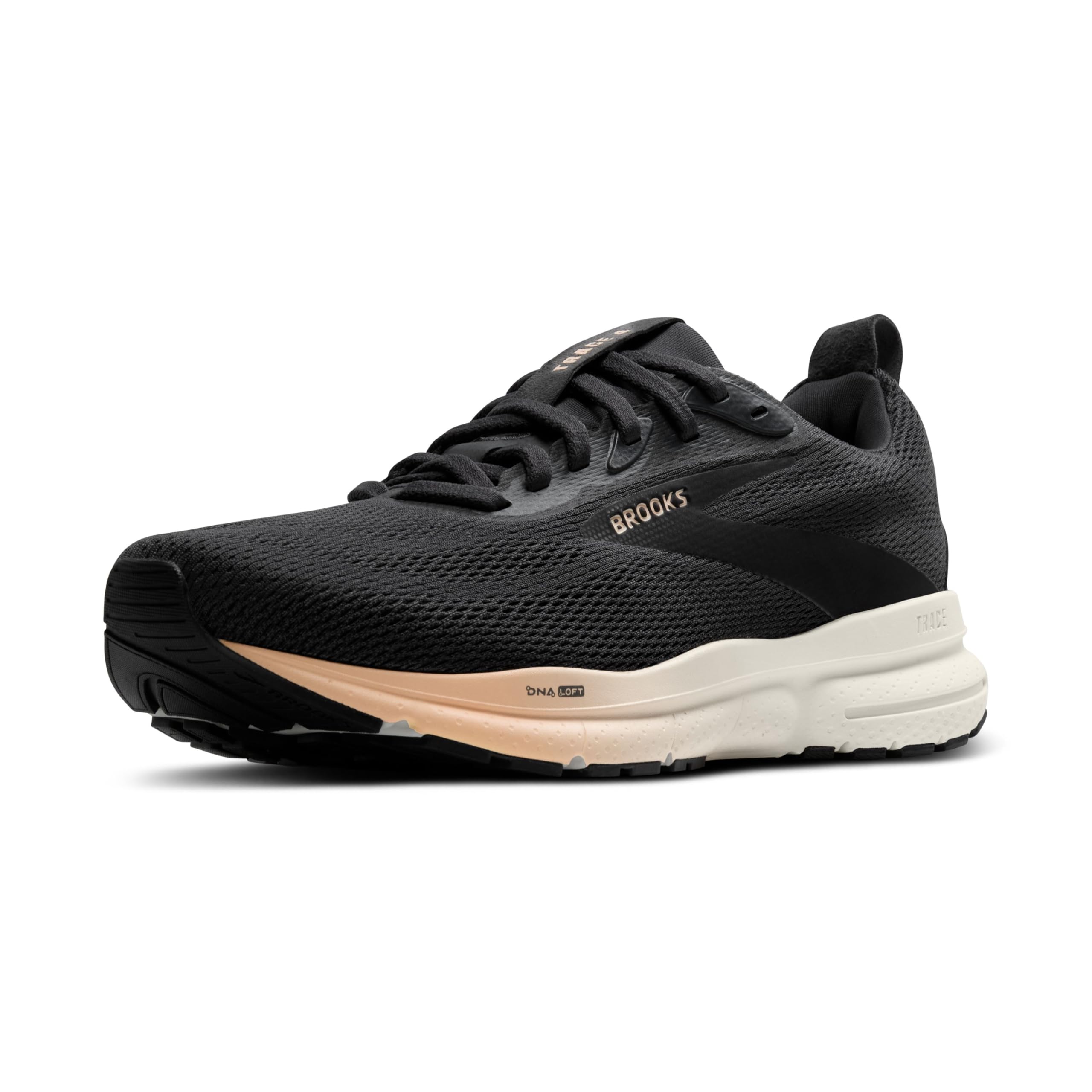
The Trace 4 is Brooks’ entry point into neutral cushioning, and it punches well above its price tier by offering the same DNA midsole feel found in the Ghost series at a lower cost. The 12mm drop is the highest on this list, making it a deliberate choice for runners who land hard on the heel and need a gradual transition through the gait cycle. The 8.1-ounce weight is impressively light for a shoe with this much foam, which reduces fatigue during longer efforts.
Feedback from runners who stand for long hours (hair stylists, retail workers) indicates that the memory-foam-like insole retains its shape after months of daily use. The upper is breathable and the fit runs true to size, with several reviewers noting that no break-in was required. The outsole coverage is generous, and the rubber compound holds up well on asphalt. However, lighter colorways tend to show dirt quickly, and the heel counter may feel slightly loose for those with narrow heels.
For women seeking a higher-drop shoe that protects the Achilles while still feeling light on the foot, the Trace 4 is a smart mid-range investment. It leans toward softness rather than responsiveness, so runners wanting a snappy feel for speed work should look at lower-drop alternatives.
Why it’s great
- High 12mm drop reduces Achilles strain for heel strikers
- Lightweight construction at 8.1 oz for a cushioned neutral shoe
- Durable insole holds shape well under prolonged standing
Good to know
- Heel counter can feel loose for narrow-heeled feet
- Softer ride may lack responsiveness for speed work
- Light colorways show grime quickly
4. Saucony Women’s Ride 18
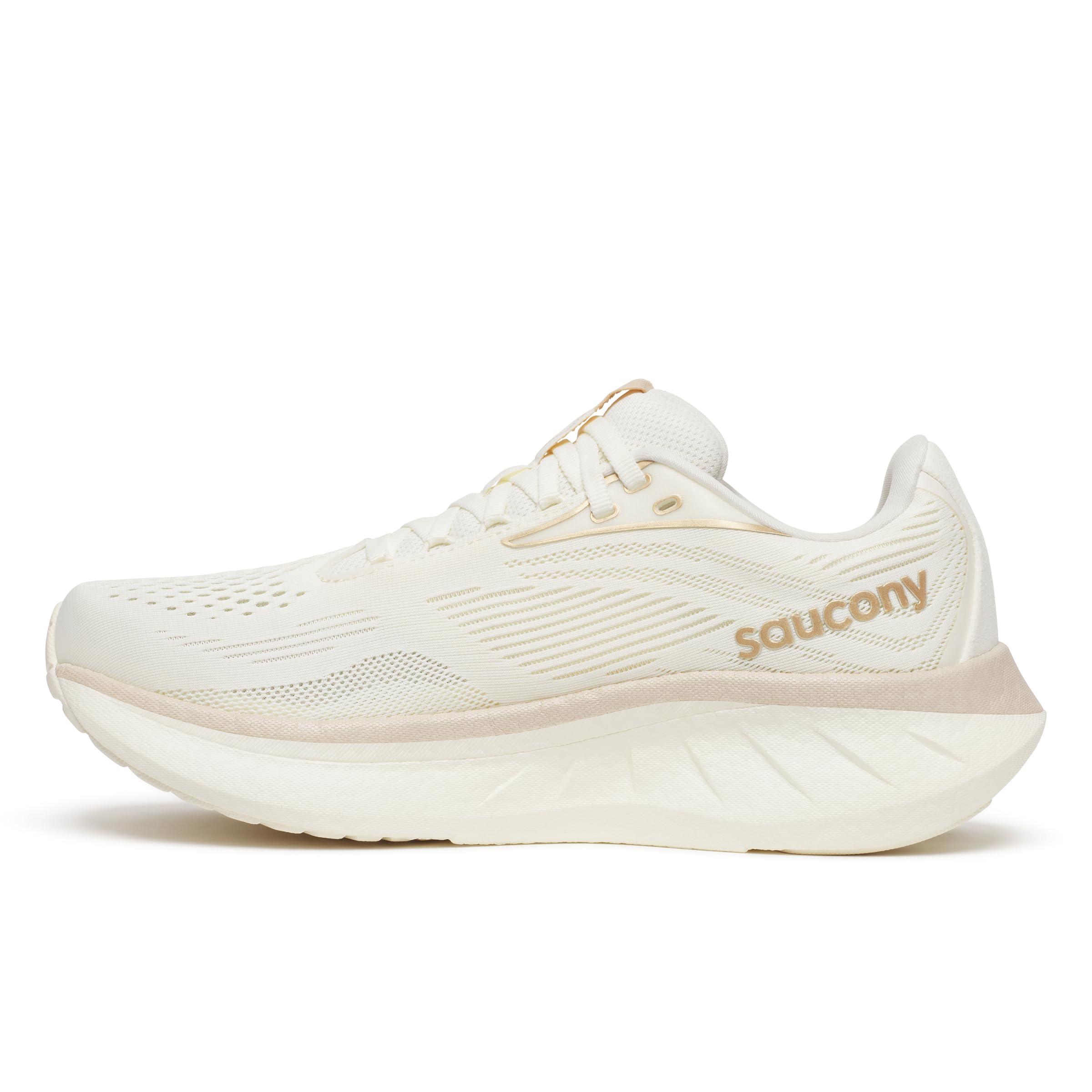
The Ride 18 is a masterclass in balancing weight, cushion, and price. At just 8.0 ounces with a 8mm drop and the reformulated PWRRUN+ foam, it responds faster than the Triumph while still offering enough padding for half-marathon distances. The increased rubber coverage on the outsole enhances durability at the front flex grooves, a common failure point in earlier Ride models. The engineered mesh upper incorporates stretch zones that accommodate foot swelling during longer runs without feeling sloppy.
Runners transitioning from heavier trainers consistently report that the Ride 18 makes their stride feel lighter and reduces lower back fatigue. The wide toe box is a bonus for those with metatarsal pressure, though the midfoot wrap is snug enough to prevent heel slip. The main durability concern is that the foam may pack out faster than the premium PWRRUN PB used in the Triumph line, but for the price difference, the trade-off is fair. Cleaning is difficult — light colorways stain permanently.
For the woman who wants one shoe that handles daily training, recovery runs, and walking without compromise, the Ride 18 delivers the best performance-to-dollar ratio in this category. It is not a max-cushion cruiser, but its lively ride and low weight make it the most versatile option here.
Why it’s great
- Lively PWRRUN+ foam offers great energy return at a light 8 oz
- Wide toe box and secure midfoot wrap accommodate varied foot shapes
- Improved outsole rubber placement extends tread life
Good to know
- Foam may pack out faster than max-cushion rivals
- Light colors stain easily and are difficult to clean
- Some users report excessive foot sweat due to mesh density
5. ALTRA Women’s Torin 7 Road Running Shoe
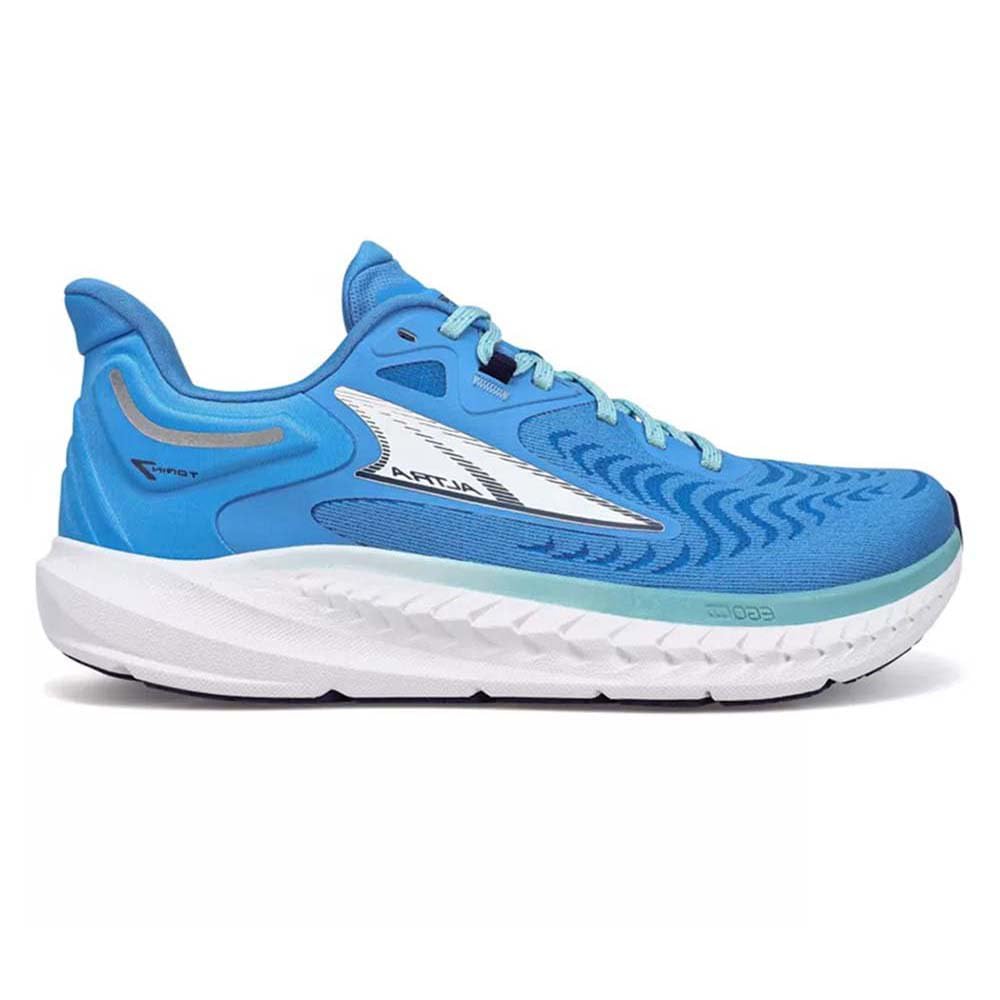
The Torin 7 is a niche pick that excels for a specific audience: women who want a zero-drop platform with a genuinely wide toe box that allows natural toe splay. The EGO MAX midsole provides 28mm of stack height — plenty of cushion for road running — while the Balanced Cushioning platform keeps the heel and forefoot at equal distance from the ground. This geometry promotes better alignment for runners with hip or knee issues, and multiple reviewers confirm it relieved neuroma pain and halted bunion progression.
The FootShape toe box is noticeably roomier than any other shoe on this list, accommodating wider feet and longer toes without crowding. The 8.3-ounce weight is reasonable for a zero-drop trainer, though the outsole rubber is thinner than the Saucony or ASICS options, leading to visible heel wear after about seven months of daily walking. Some users transitioning from conventional shoes experienced plantar fasciitis during the adaptation period, which is typical when moving to zero-drop but worth noting.
This is the best pick for runners committed to natural foot mechanics who are willing to accept a shorter outsole lifespan in exchange for better gait alignment. It is not a recommendation for heel strikers or those unwilling to adapt to a zero-drop feel.
Why it’s great
- Zero-drop platform with 28mm stack improves postural alignment
- Wide FootShape toe box halts bunion progression and reduces neuroma pain
- Plush EGO MAX foam requires no break-in period
Good to know
- Outsole rubber is thinner and wears faster than competitors
- Transition to zero-drop can cause temporary plantar fasciitis
- Shoelaces may be too short for double-knot preference
6. Nike Women’s Run Defy Road Running Shoes

The Run Defy is Nike’s budget-friendly answer to the daily trainer segment, and it succeeds by focusing on ride comfort rather than flashy tech. The foam midsole with flex grooves delivers a soft, flexible ride that feels forgiving on pavement and treadmills. The waffle outsole — a Nike hallmark — provides reliable traction across dry surfaces, and the rubber is placed strategically on high-wear zones to extend durability. At its price tier, the Run Defy competes directly with the adidas Ultrarun and slightly undercuts the ASICS Gel-Cumulus series.
Reviewers consistently mention the lockdown fit around the heel and midfoot, which gives a secure feel without pinching. The cushioning is described as supportive for treadmill running and all-day walking, though it lacks the bounce of premium foams like PWRRUN+ or FF BLAST PLUS. The colorways are the most fashion-forward on this list, which is typical for Nike, but lighter colors do show scuffs quickly. The toe box is moderate in volume — not tight, but not as roomy as the Saucony Ride 18 or ALTRA Torin 7.
This shoe is best suited for women who prioritize a locked-in fit and stylish design over maximum foam resilience. It handles 3-5 mile daily jogs and casual wear well, but heavy mileage runners will notice the foam pack out faster than the mid-range options above it.
Why it’s great
- Secure heel lock and midfoot wrap provide a stable, comfortable fit
- Durable waffle outsole rubber placed on key wear zones
- Flexible foam midsole works well for treadmill jogging and walking
Good to know
- Midsole foam packs out faster than premium alternatives
- Toe box is moderate in volume, not ideal for wide feet
- Light colorways show dirt and scuffs quickly
7. adidas Women’s Ultrarun 5 Running Shoes
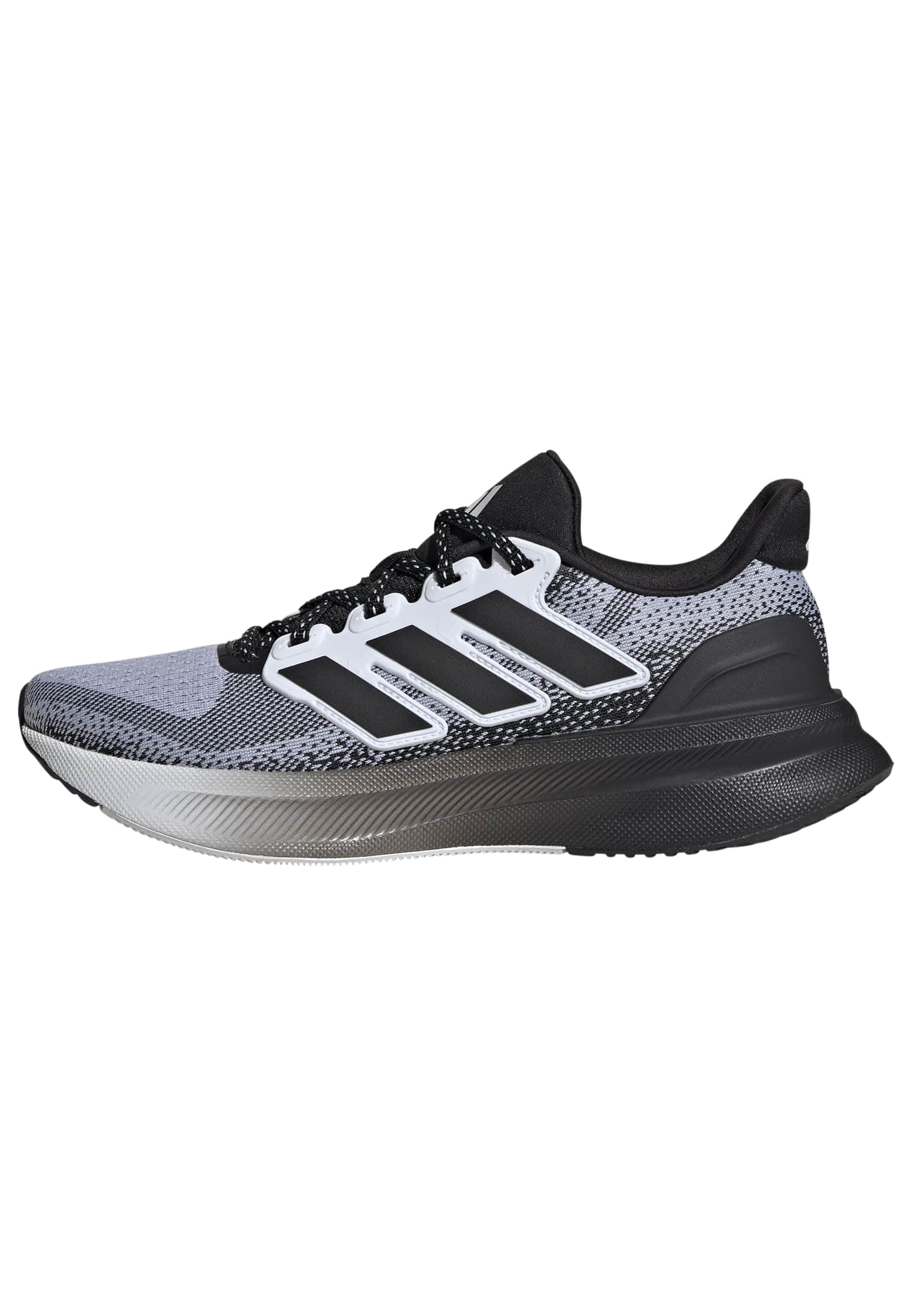
The Ultrarun 5 is adidas’ no-frills entry into the budget neutral category, built around Cloudfoam cushioning that prioritizes immediate step-in softness over long-term resilience. The mesh upper is lightweight and breathable, preventing overheating during moderate efforts. The Adiwear outsole rubber is a genuine highlight — it holds up well on asphalt and gym floors, outlasting the foam itself in many cases. This is a shoe designed for the runner who values instant comfort and low upfront cost above multi-season foam durability.
User feedback is overwhelmingly positive for gym use and casual runs, with many buyers noting the arch support is adequate for mild pronation and the shoe fits true to size for normal-width feet. The toe box has good vertical height, accommodating taller toes without pressure. However, several reviewers reported heel slip during walking, and the Cloudfoam midsole compresses significantly faster than the PWRRUN+ or FF BLAST PLUS alternatives, meaning the shoe loses its bounce within a few months of heavy use. A gel insole insert can mitigate this for users with back or foot sensitivity.
This is the clear budget choice for women who need a reliable shoe for the gym, short jogs, or everyday walking. It is not designed for high mileage, marathon training, or runners who need a structured stability platform. As a starter shoe or a low-cost rotation option, the Ultrarun 5 delivers fair value.
Why it’s great
- Instant Cloudfoam softness requires no break-in period
- Breathable mesh upper prevents overheating during gym use
- Adiwear outsole rubber is durable and grips well on hard surfaces
Good to know
- Cloudfoam compresses faster than premium midsole foams
- Heel slip reported by some users during walking gait
- Not suitable for high-mileage training or long-distance running
FAQ
How much drop should a neutral runner look for in an affordable running shoe?
What is the most important durability factor for women’s budget running shoes?
Should I size up for wide feet when buying affordable running shoes?
Final Thoughts: The Verdict
For most users, the affordable running shoes for women winner is the Saucony Triumph 22 because it delivers premium PWRRUN+ foam durability that outlasts every other shoe on this list while protecting joints through long miles. If you want the best balance of weight, cushion, and price, grab the Saucony Ride 18. And for zero-drop natural alignment with a truly wide toe box, nothing beats the ALTRA Torin 7.