
Our readers keep the lights on and the weekend projects moving. As an Amazon Associate, I earn from qualifying purchases.
Forget the glossy marketing: the real challenge with an affordable fitness tracker isn’t finding one under a certain budget—it’s finding one that accurately tracks your heart rate zones during a run, reliably logs your deep sleep stages, and still has enough battery to make it through a weekend camping trip without a charger. Most budget bands claim the world but deliver flaky connectivity and readings that drift by the hour.
I’m Rikta — the co-founder and writer behind FitlyFast. I’ve spent hundreds of hours cross-referencing spec sheets, analyzing real user data on sensor accuracy, and comparing battery endurance claims across dozens of models to separate the hardware that genuinely delivers from the ones that just check boxes.
Whether you’re a casual jogger or a gym regular, choosing the right affordable fitness tracker means prioritizing reliable heart-rate optics, a waterproof build, and a companion app that doesn’t frustrate you daily.
How To Choose The Best Affordable Fitness Tracker
Not all budget fitness bands are created equal. The cheapest option often skimps on the optical sensor quality or uses a generic algorithm that inflates step counts. Before you add to cart, lock in these three decision points first.
Prioritize the Optical Heart Rate Sensor
The PPG (photoplethysmography) sensor is the brain of any tracker. Budget units often use older green-LED arrays that struggle during high-intensity interval training or when the band shifts during movement. Look for models that advertise “24/7 heart rate” and “real-time zone tracking” — these typically have better signal processing chips. The more LEDs and photodiodes, the cleaner the reading during sweaty runs.
Battery Life vs. Always-On Display
A huge battery number (15–21 days) usually requires the display to be off most of the time and heart rate sampling to be set at longer intervals. If you want an always-on AMOLED screen, expect 5–7 days of real-world use. Decide whether you prioritize a glanceable face throughout the day or longer intervals between charging sessions — then match the spec to your habit.
Water Resistance That Matches Your Routine
IP68 means the device can survive submersion in 1.5 meters of fresh water for 30 minutes — fine for hand washing and rain, but not for lap swimming. For pool or open-water use, look for a 5 ATM rating, which guarantees survival down to 50 meters. A 5 ATM rating also often comes with dedicated swim-tracking algorithms that count laps and strokes accurately.
Quick Comparison
On smaller screens, swipe sideways to see the full table.
| Model | Category | Best For | Key Spec | Amazon |
|---|---|---|---|---|
| Fitbit Charge 6 | Premium Tracker | Ecosystem & Google integration | ECG + Stress Mgmt Score | Amazon |
| Amazfit Bip Max | Premium Watch | Offline maps & 20-day battery | 2.07″ AMOLED + 4GB storage | Amazon |
| Tensky Smart Watch | Mid-Range AMOLED | Bluetooth call & stylish design | 1.85″ AMOLED 60Hz | Amazon |
| XIAOMI Mi Band 10 | Mid-Range Band | Battery champ & swim tracking | 1.72″ AMOLED 21-day battery | Amazon |
| MorePro Fitness Tracker | Mid-Range | Women’s cycle & 120+ modes | 24/7 BP + SpO2 monitoring | Amazon |
| RLQA Fitness Tracker | Entry-Level | Budget pick with solid health data | 1.47″ TFT touch screen | Amazon |
| AMZAIZO Screenless Tracker | Minimalist | Zero-distraction sleep & recovery | 20-day battery, no display | Amazon |
In‑Depth Reviews
1. Fitbit Charge 6

The Fitbit Charge 6 is the gold standard for a reason: it packs an ECG sensor, a stress management score, and seamless Google Maps/Wallet integration into a slim, band-style form factor. The 24/7 heart-rate tracking uses Fitbit’s proprietary algorithm which, after years of refinement, delivers consistent readings even during variable-intensity workouts. The 1.58-inch AMOLED display is bright enough for direct sunlight and wakes reliably with a wrist turn.
Battery life hovers around 7 days with always-on display disabled — a fair trade for the depth of data it collects. You get over 40 exercise modes, built-in GPS for phone-free runs, and automatic exercise recognition that catches most walks, runs, and bike rides without manual input. The included 3-month Google Health Premium trial unlocks personalized readiness scores and guided coaching.
The magnetic charger is fiddly and takes some alignment, and the proprietary band system means you’re locked into Fitbit’s accessory ecosystem. Some users report that the step counter overcounts during daily fidgeting, but for structured cardio and sleep tracking, the Charge 6 remains the most reliable pick in this bracket.
Why it’s great
- ECG and stress management provide clinical-grade insights
- Google Maps navigation and contactless payments
- Auto exercise detection works with minimal false starts
Good to know
- Proprietary charger is magnetic and sometimes misaligns
- Band replacement options are limited and pricey
2. Amazfit Bip Max
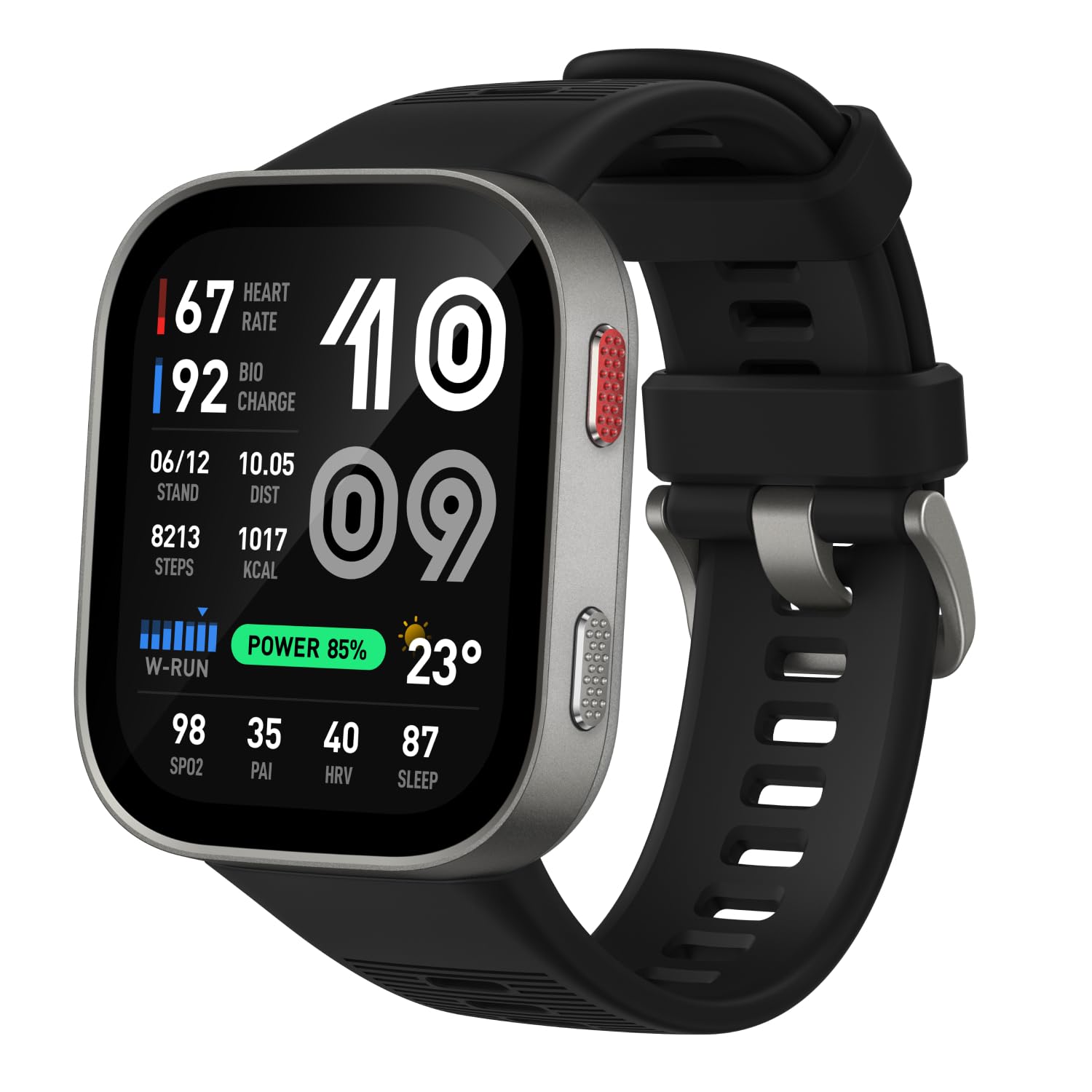
The Amazfit Bip Max is a rare beast: a full-size smartwatch with a 2.07-inch AMOLED panel, 4GB of onboard storage, and offline maps — all for a fraction of what a comparable Garmin or Apple Watch costs. The 20-day battery life is no gimmick; with the always-on display turned off and GPS used only during tracked activities, the watch easily hits two weeks of mixed use. The aluminum alloy case keeps it lightweight on the wrist despite the large screen.
Fitness tracking is deep. You get 150-plus sport modes, a dedicated HYROX mode, and Zepp Coach routines that adapt based on your training load and recovery score. The BioCharge recovery monitoring uses sleep quality, stress, and recent exertion to tell you when to push and when to rest — a feature usually reserved for watches twice the price. GPS lock is fast thanks to five satellite systems, and the offline map support is a genuine boon for trail runners who hate carrying a phone.
The Zepp app is ad-free and subscription-free, but the interface can feel crowded with data fields. The included silicone band works fine but some users with smaller wrists find the 50mm case a bit bulky for 24/7 wear. The lack of a built-in speaker means no on-wrist Bluetooth calls, which some may miss.
Why it’s great
- Offline maps and 4GB storage for phone-free adventures
- 20-day battery eliminates weekly charging anxiety
- Subscription-free app with advanced recovery metrics
Good to know
- 50mm case may feel large on smaller wrists
- No onboard speaker for Bluetooth calls
3. Tensky Smart Watch
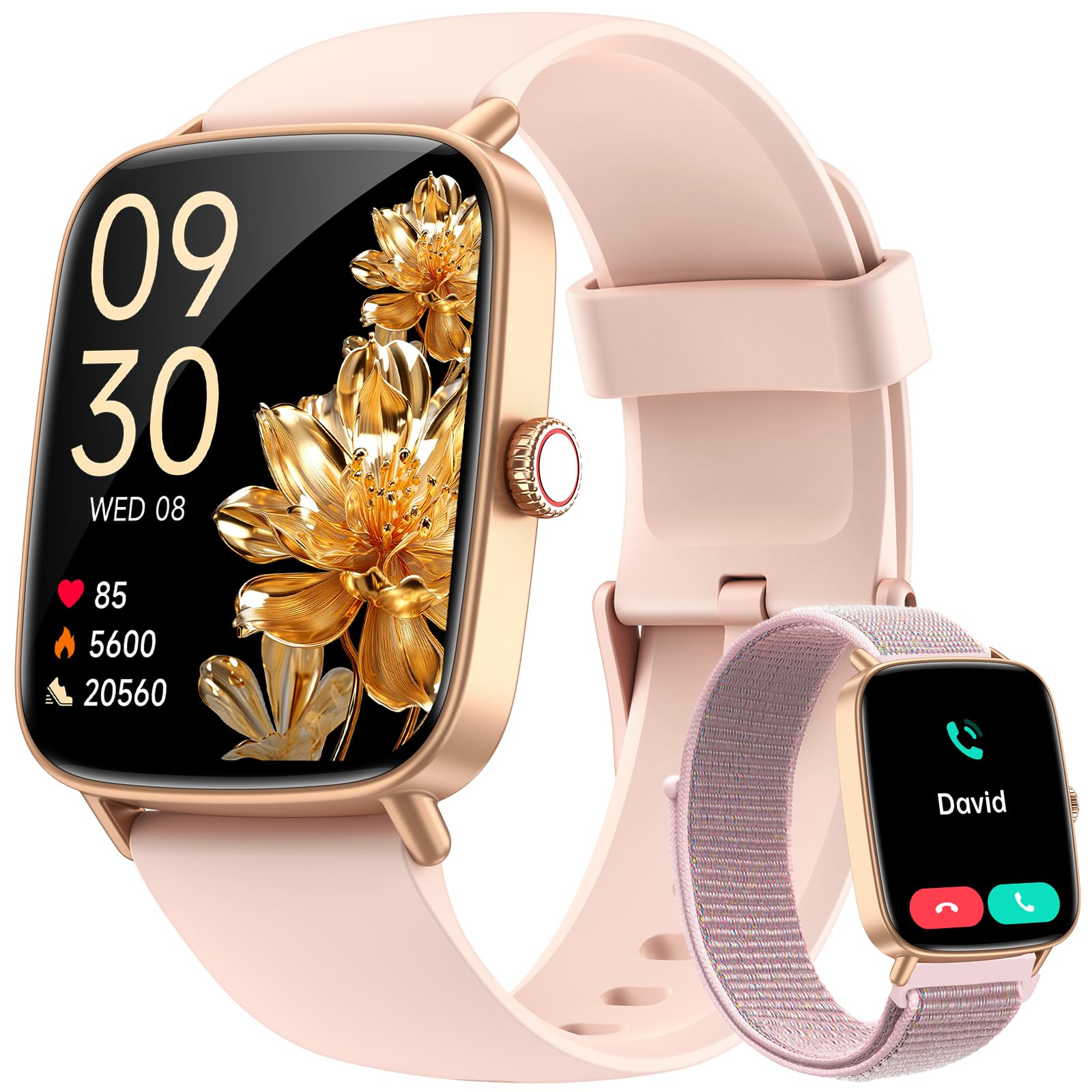
The Tensky Smart Watch brings an upscale aesthetic with its rose gold metal bezel and 1.85-inch HD AMOLED screen that runs at a smooth 60Hz. This is one of the few trackers in this tier that lets you answer and make calls directly from your wrist — the built-in DSP chip and microphone deliver clear audio during short calls. The package includes two bands (silicone and woven) so you can switch from gym to office without swapping hardware.
Health monitoring is comprehensive: 24/7 heart rate, SpO2, stress, and sleep staging with REM/light/deep breakdowns. The Veryfit app syncs reliably with both iOS and Android, and the IP68 rating means it survives hand washing and rain without concern. Battery life hits 7 days under normal use with heart rate cycling every 10 minutes, and the 2.5-hour full charge is convenient for overnight top-ups.
The step counter can be slightly generous — it registers arm movements during folding laundry as steps, which inflates daily totals for some users. The 10-year warranty is impressive on paper, but the brand (Tensky/Veryfit) is less established than Fitbit or Amazfit, so long-term service quality is still unproven. For style-conscious users who want call functionality, this is a compelling package.
Why it’s great
- Built-in speaker and mic for hands-free wrist calls
- 60Hz AMOLED display is fluid and vibrant
- Comes with two straps for different occasions
Good to know
- Step counter overcounts with non-walking arm motion
- Brand is less established than market leaders
4. XIAOMI Mi Band 10
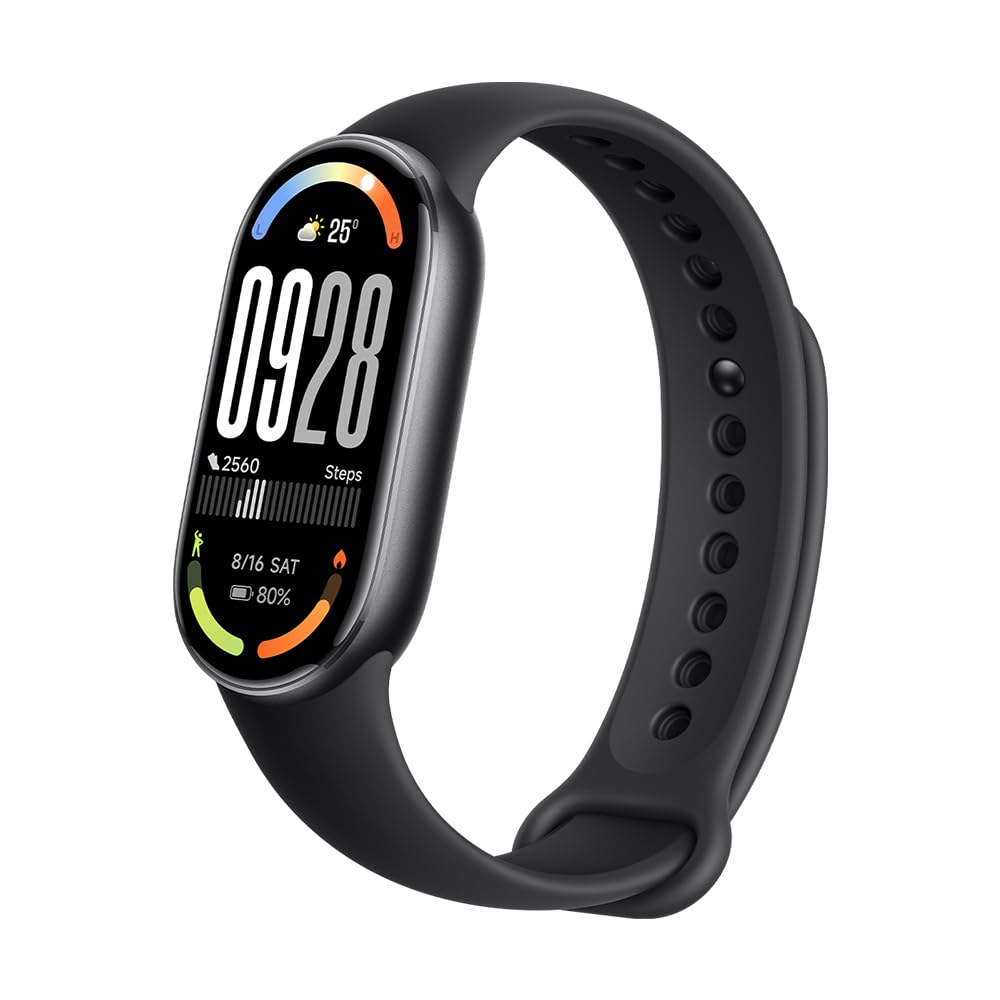
Xiaomi’s Mi Band line has dominated the budget fitness space for years, and the Band 10 refines the formula with a 1.72-inch AMOLED display that pushes 1500 nits of peak brightness — easily readable under direct sun. The 21-day battery claim holds up: with heart rate monitoring set to every 30 minutes and the raise-to-wake gesture enabled, most users report charging only once every two and a half weeks. The vacuum-filling sealing tech reduces bezels to 2.0mm, giving the display a nearly edge-to-edge look.
Activity tracking includes a new high-precision electronic compass for swim direction and a wide range of sport modes. The sleep monitoring is detailed, breaking down REM, light, and deep sleep with actionable tips. HyperOS 2 provides a fluid interface, and the fluoroelastomer band is sweat-resistant and comfortable for 24/7 wear. Fast charging reaches full in about an hour, so even a quick shower top-up adds days of use.
The step counter tends to read lower than competitors — some users report a 25% difference compared to Fitbit. The Xiaomi Fit app also defaults to metric units only; switching to imperial requires a Google Fit workaround. The lack of built-in GPS (it uses phone GPS) means you’ll need your phone for route tracking.
Why it’s great
- Exceptional 21-day battery life with normal usage
- 1500-nit AMOLED display is visible in bright sunlight
- Fluoroelastomer band is durable and skin-friendly
Good to know
- Step counter tends to undercount versus competitors
- App only supports metric units natively
5. MorePro Fitness Tracker
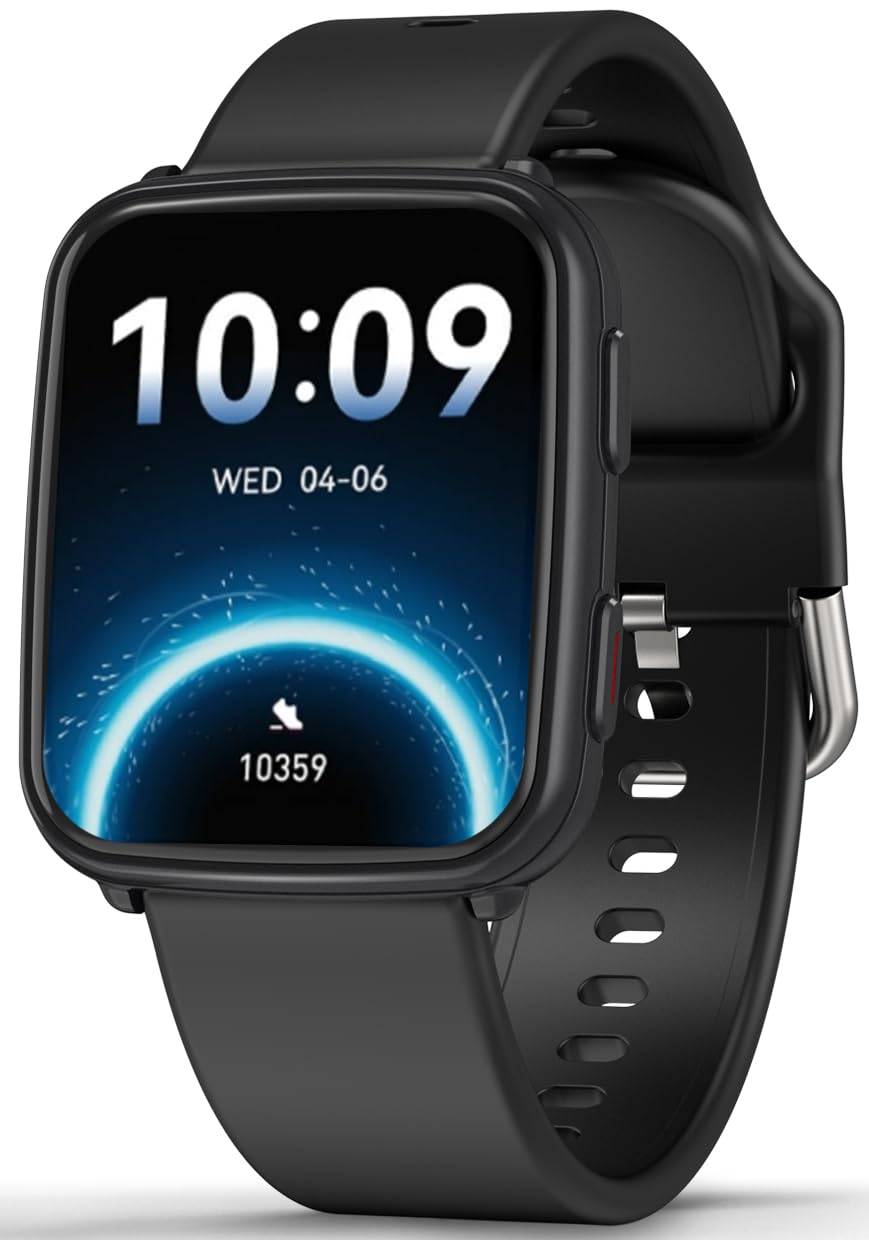
The MorePro tracker is built with women’s health at the center: the companion app offers period, trying-to-conceive, and pregnancy modes, with gentle wrist reminders for cycle phases and ovulation windows. Outside reproductive health, it delivers 24/7 heart rate, blood pressure, and SpO2 monitoring — the blood pressure readings are best used as trend references rather than absolute medical values, but for daily awareness they work well. The 1.47-inch TFT display is a step down from AMOLED rivals but remains legible indoors.
Fitness coverage is comprehensive with 120-plus sport modes and real-time step, distance, and calorie tracking. The IP68 rating handles sweat and rain, and the battery lasts about 7 days in normal operation with a 2-hour charge cycle. Users consistently mention that the in-box instructions are minimal, but the app setup is straightforward enough for most. The 200-plus custom watch faces add a nice personalization layer.
Blood pressure accuracy varies between readings — some users find it consistent with their home cuff, while others note a 5–10 mmHg variance. The silicone band is comfortable but attracts dust and lint. For women seeking a dedicated cycle tracker integrated with daily activity monitoring, this is the strongest option in the mid-range bracket.
Why it’s great
- Full cycle tracking with pregnancy and trying-to-conceive modes
- 120+ sport modes cover niche activities well
- 24/7 BP and SpO2 monitoring for daily health awareness
Good to know
- Blood pressure accuracy varies; not for medical use
- TFT screen lacks the punch of AMOLED displays
6. RLQA Fitness Tracker
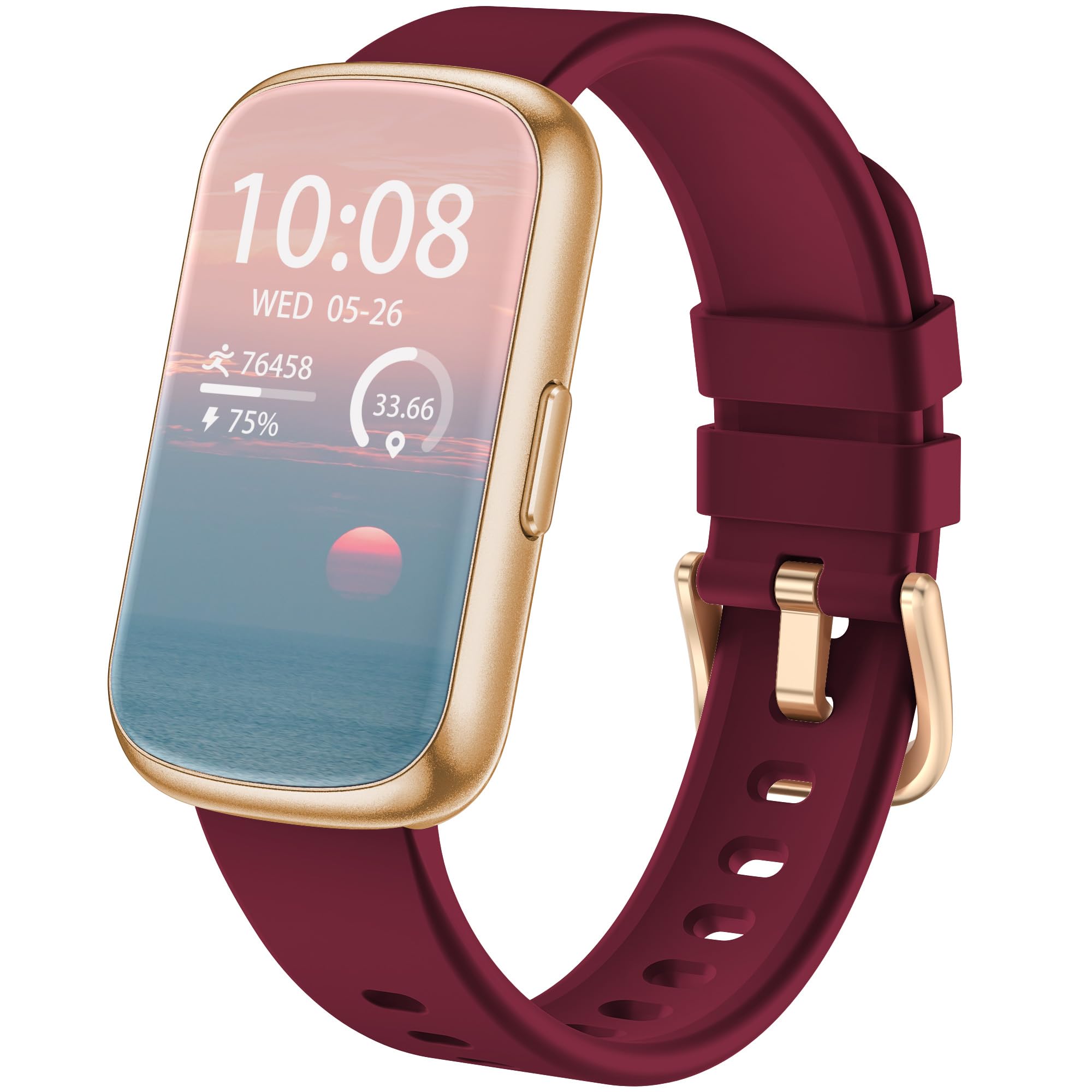
The RLQA Fitness Tracker proves that a sub-40 price doesn’t have to mean unusable data. It packs continuous 24/7 heart rate monitoring, blood oxygen checks, and detailed sleep staging (REM, light, deep) — all synced through the GloryFit app. The 1.47-inch TFT touchscreen isn’t AMOLED-class, but the colors are vibrant enough for indoor use, and the 200-plus watch faces keep the look fresh. The Bordeaux silicone band is a refreshing color alternative to the sea of black bands in this tier.
Activity tracking covers step counting, calorie burn, distance, and multiple sport modes including swimming, basketball, and football. The IP68 waterproof rating protects against sweat and hand washing, and the battery comfortably lasts a full week between charges. Notification mirroring works reliably for calls, SMS, and major apps, with a gentle vibration that’s noticeable but not jarring.
The built-in GPS relies on your phone, so you can’t leave it behind on runs. The blood pressure monitor is best treated as a trend tool rather than a clinical device. Some users wish the strap was available in more sizes for very small or large wrists. For the price, the RLQA delivers the core fitness metrics without major dealbreakers.
Why it’s great
- Reliable heart rate and sleep tracking at an entry-level price
- 7-day battery keeps charging cycles infrequent
- 200+ watch faces offer high customization for the price
Good to know
- Phone-dependent GPS limits phone-free outdoor tracking
- Blood pressure readings should be treated as rough trends only
7. AMZAIZO Screenless Tracker
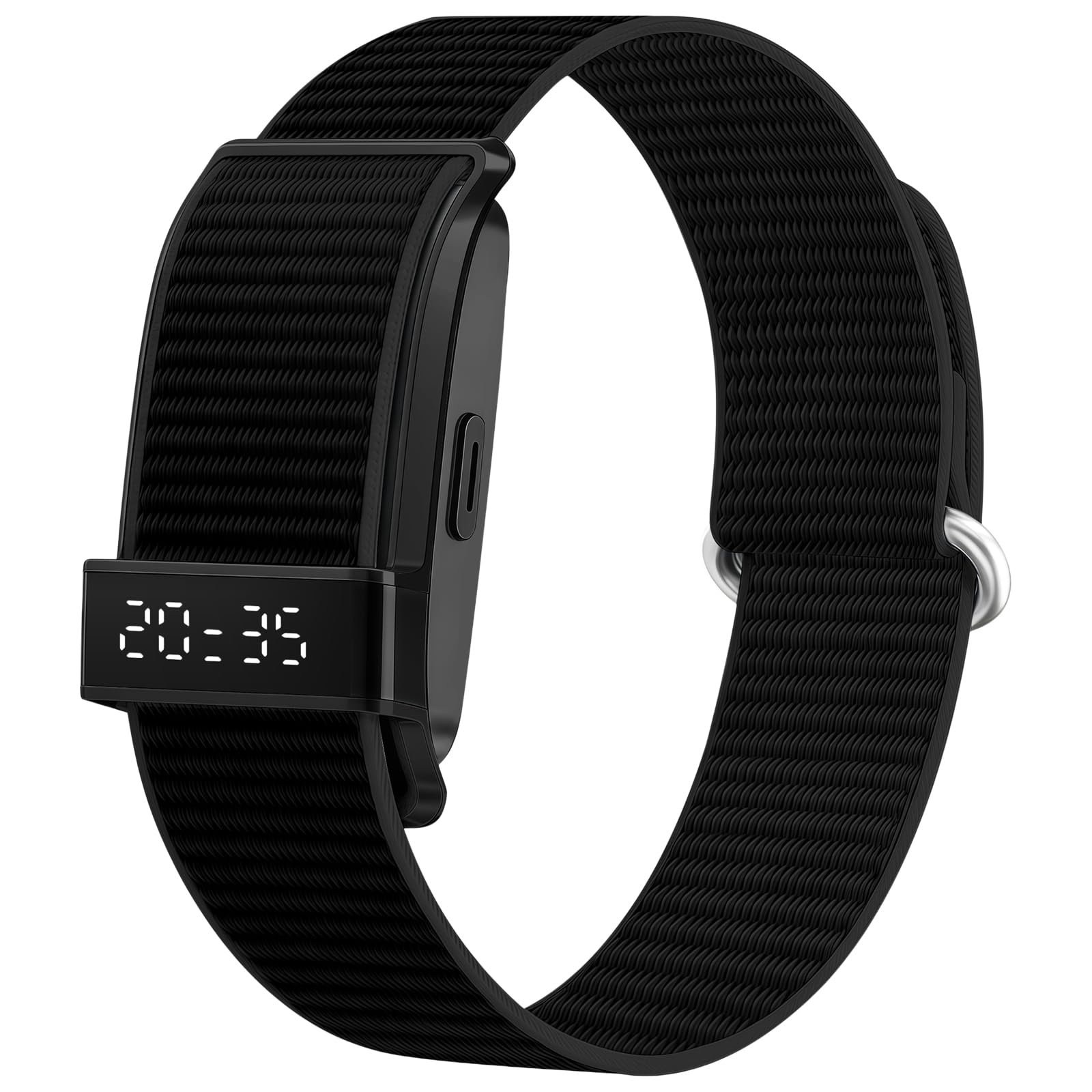
The AMZAIZO Screenless Tracker is designed for those who find smartwatch screens more distracting than useful. Without a display, it focuses entirely on biometric collection: 24/7 heart rate, sleep staging (light, deep, REM), and daytime nap detection. The companion app provides AI-generated insights and improvement plans, plus a care mode that shares your health reports with family members. A side button press gives an instant heart rate reading on a tiny hidden screen, preserving the minimalist aesthetic.
Battery life is a standout feature — users consistently report 18–20 days between charges, far outpacing display-based competitors. The magnet charger snaps on easily and reaches full in about 40 minutes. The package includes both a formal business strap and a sporty silicone band, covering office and gym use cases. Data syncs offline and automatically uploads when the phone is nearby, so you don’t lose logged sessions.
The AI coaching features felt underdeveloped to some early users — the personalized improvement plans can feel generic. Step counting and heart rate accuracy showed drift compared to higher-end trackers, especially during intense movement. There is no notification vibration for calls or messages, which some minimalists appreciate and others miss. For pure recovery and sleep tracking without screen time, this is a unique tool.
Why it’s great
- Zero screen distractions — pure biometric focus
- 20-day battery eliminates charging from your routine
- Includes both business and sport strap options
Good to know
- No notification vibration for calls or messages
- Step and heart rate accuracy can drift during vigorous activity
FAQ
Can an affordable fitness tracker accurately measure sleep stages?
Why does my step count differ between my cheap tracker and my friend’s Fitbit?
Do I need built-in GPS or is phone-connected GPS enough?
What does IP68 waterproofing actually protect against?
Final Thoughts: The Verdict
For most users, the affordable fitness tracker winner is the Fitbit Charge 6 because it combines ECG-grade health monitoring, Google ecosystem integration, and reliable fitness tracking in a slim band form factor. If you want a massive AMOLED display with offline maps and 20-day battery, grab the Amazfit Bip Max. And for pure biometric tracking with zero screen distraction, nothing beats the AMZAIZO Screenless Tracker.