
Our readers keep the lights on and the weekend projects moving. As an Amazon Associate, I earn from qualifying purchases.
The moment the shutter clicks and the film advances, you’re trusting a thin strip of plastic and silver halide to translate light into memory. Not all emulsions render that translation the same way—some chase accuracy, others nostalgia, and a few just bring the grain you actually want. Picking the wrong roll means spending weeks waiting for scans that don’t match the feeling you had when you pressed the button.
I’m Rikta — the co-founder and writer behind FitlyFast. I’ve spent countless hours analyzing emulsion charts, customer-developing comparisons, and exposure-latitude data to find which stocks deliver reliable color without punishing your wallet.
Whether you are loading a vintage SLR for a weekend trip or stocking up for a long-term project, the right choice hinges on color science, ISO range, and development consistency. This guide breaks down the top contenders to help you find the best 35mm color film for your specific shooting style and scenario.
How To Choose The Best 35mm Color Film
Selecting the right roll isn’t about picking the most expensive stock; it’s about matching the emulsion’s behavior to your camera, your light conditions, and the look you want out of the lab. Grain size, exposure latitude, and processing chemistry shape every frame, so understanding these fundamentals is easier than waiting through a disappointing development cycle.
ISO Speed and Your Light Environment
ISO 100 film demands bright daylight or a tripod; ISO 200 is the all-around sweet spot for sunny and partly cloudy scenes, while ISO 400 flexes into overcast, indoor, or late-afternoon conditions without sacrificing too much grain. Pushing or pulling film changes contrast and color saturation, so choose your speed based on the dominant light you’ll shoot in—not the one you hope to fix later.
Exposure Count and Roll Capacity
Twenty-four and twenty-seven exposure rolls are lighter on the wallet per spool but require more frequent reloading—something to consider if you’re shooting a fast-moving event. Thirty-six exposure rolls give you more mileage per reload, reduce the chance of mid-roll changes in color cast, and tend to offer better cost-per-frame value in multi-packs.
Processing Chemistry: C-41 vs. ECN-2
The vast majority of color negative film uses standard C-41 chemistry, which every retail lab handles with ease. Some motion-picture-origin emulsions, however, require ECN-2 processing—a different chemical bath that fewer labs offer. Buying a roll that demands ECN-2 without confirming your local lab’s capabilities is a common misstep that can ruin your negatives or force you to pay extra for specialty mail-order development.
Quick Comparison
On smaller screens, swipe sideways to see the full table.
| Model | Category | Best For | Key Spec | Amazon |
|---|---|---|---|---|
| Fujifilm 400 3-Pack | Premium Multi-Pack | Versatile low-light & daylight | ISO 400, 36 exp, 3 rolls | Amazon |
| Kodak ColorPlus 200 3-Pack | Premium Multi-Pack | Vibrant colors & sharpness | ISO 200, 36 exp, 3 rolls | Amazon |
| Kodak Ultramax 400 & Gold 200 Bundle | Premium Variety Pack | Mixed lighting & travel | ISO 200/400, 36 exp, 6 rolls | Amazon |
| RETOCOLOR Maple 100 | Mid-Range | Bright daylight & vintage tones | ISO 100, 27 exp, C-41 | Amazon |
| RETO Amber T200 | Mid-Range | Tungsten/indoor & halation effect | ISO 200, 27 exp, tungsten-balanced | Amazon |
| Arikit Kodak Gold 200 | Budget | Everyday snapshots & vintage cameras | ISO 200, 24 exp, wide latitude | Amazon |
| Ktsxxops 35mm Color Print | Budget | Experimental & short rolls | ISO 200-250, 8 exp, ECN-2 | Amazon |
In‑Depth Reviews
1. Fujifilm 35mm Color Negative Roll Film, 400 ISO, 36 Exposures, 3-Pack
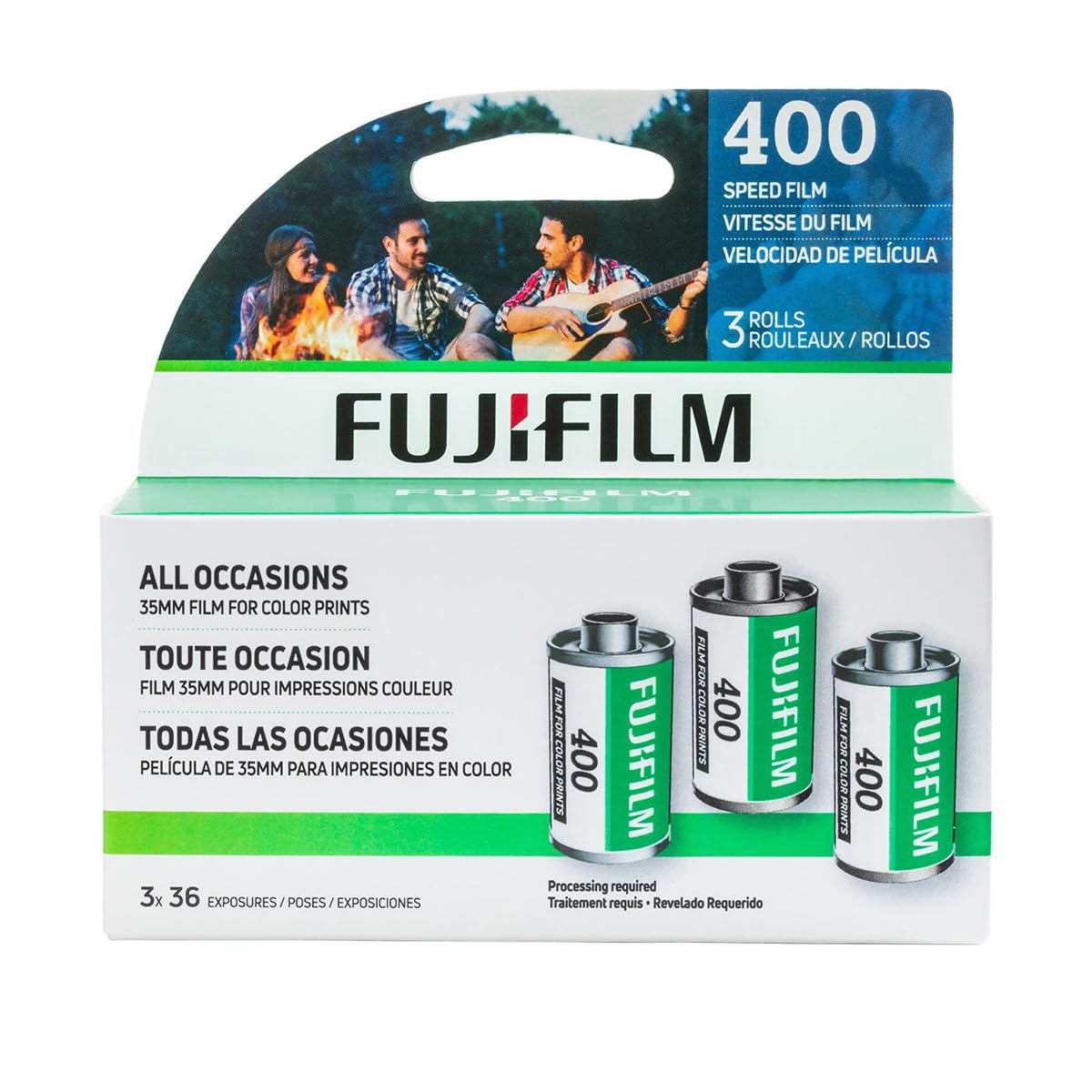
Fujifilm’s emulsion science delivers exceptional color accuracy and fine grain that holds up in large prints. The ISO 400 speed gives you real flexibility—you can shoot handheld in overcast light or indoors without flash, and the wide exposure latitude reduces the chance of blowing out highlights or losing shadow detail.
Each roll packs 36 exposures, making this 3-pack a strong value for both beginners loading their first SLR and experienced shooters who want consistent results across a trip. The Fuji color palette leans slightly cooler and more neutral compared to Kodak’s warm tones, which suits landscape and documentary photographers looking for faithful reproduction.
Customer reports consistently praise the archival-quality image stability and the reliable performance across cameras like the Canon AE-1 and Olympus Trip. A few users note a green tint in very low light, but the majority find the overall sharpness and color balance hard to beat at this tier.
Why it’s great
- Excellent exposure latitude handles mixed lighting well
- Fine grain structure that scans and enlarges beautifully
- Reliable C-41 process, no specialty lab needed
Good to know
- Cool color cast may not appeal to those seeking warm, vintage tones
- Three-roll pack is premium-priced compared to single rolls
2. Kodak colorplus film 200 (pack of 3)

Kodak ColorPlus 200 has earned a loyal following for its vivid, saturated colors and classic American warm rendering. At ISO 200, it is perfectly suited for bright daylight and flash photography, delivering high sharpness and resolution that make skin tones pop and landscapes look punchy without excessive contrast.
The 36-exposure rolls in this 3-pack offer a dependable cost-per-frame ratio, and users frequently report fresh stock with consistent results roll after roll. Shooters using half-frame cameras like the Ektar H35 appreciate how the fine grain still holds up well when doubling the number of frames per spool.
Reviewers consistently mention the nostalgic, slightly soft look that flatters portraits and street scenes. The only common note is that the film prefers sunny conditions—cloudy or overcast light can mute the vibrancy slightly, so plan your shooting day accordingly.
Why it’s great
- Rich, warm color palette with excellent saturation
- Sharp with fine grain for great enlargement
- Trusted Kodak consistency, easy to find C-41 processing
Good to know
- Performs best in bright daylight
- Packaging can arrive slightly damaged in transit
3. Kodak Ultramax 400 & Gold 200 35mm Film Bundle – 6 Rolls (36exp Each) – Includes Balveli Microfiber Cloth

This bundle solves the indecision between ISO 200 and 400 by giving you both across six rolls. Kodak Gold 200 delivers warm, fine-grained images ideal for daytime shooting, while Ultramax 400 offers extra speed for low-light or moving subjects, making this package extremely versatile for travel or mixed-conditions events.
With 36 exposures per roll, you get a consistent frame count across the entire lot. The included microfiber cloth is a thoughtful addition for keeping lenses and film surfaces clean, especially when switching bodies in dusty environments. Shooter reports confirm that both emulsions develop well in standard C-41 chemistry with no surprises.
Customer feedback highlights the superb color rendering and contrast of both stocks, noting that the Gold 200 gives a sweet vintage effect while the Ultramax 400 delivers gorgeous results even in the overcast Pacific Northwest winter. A small number of users mention the bundle’s premium price point, but the variety and quantity justify it for frequent shooters.
Why it’s great
- Two distinct film stocks for different lighting scenarios
- High frame count across six rolls for extended projects
- Exceptional color consistency and nostalgic rendering
Good to know
- Premium cost per roll compared to single-stock multi-packs
- Bundle includes a cloth, not extra film
4. RETOCOLOR Maple 100 35mm Color Negative Film, 27EXP, ISO100
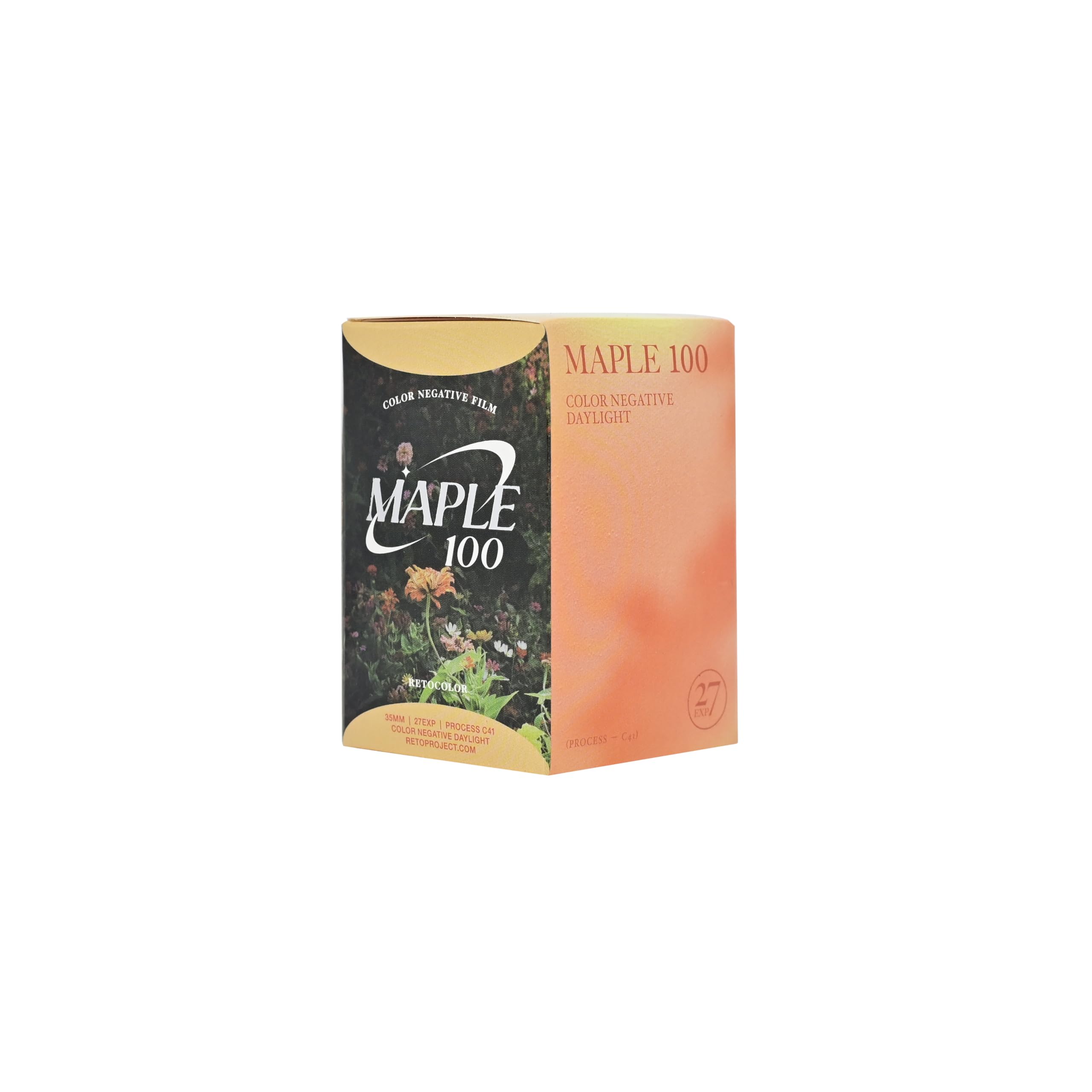
The RETOCOLOR Maple 100 is a slow-speed emulsion that rewards bright daylight shooters with a distinctly warm, sepia-toned palette. Its C-41 processing means any standard lab can handle it, and the 27-exposure count gives you enough frames for a solid session without the commitment of a full 36-roll.
DX-coding is included, allowing automatic cameras to set the correct ISO without manual adjustment. Users shooting with the Zeiss Ikon and Samsung point-and-shoots report clean prints with a vintage character that feels intentional rather than faded—almost like a built-in Instagram filter on film.
Customer reviews emphasize the strong vintage appeal and stunning results from Tokyo trips and portrait sessions. A few photographers note the sepia leaning may surprise those expecting neutral color, but if you’re after a warm, dreamy look, this film delivers reliably.
Why it’s great
- Unique warm, retro color profile straight from development
- DX-coded for automatic camera compatibility
- Standard C-41 processing, no specialty lab required
Good to know
- ISO 100 requires bright light or a tripod
- Color cast may be too warm for neutral or cooler aesthetic preferences
5. RETO Amber T200 35mm Color Negative Cine Film, 27 Exposures, ISO200

The RETO Amber T200 borrows its emulsion from motion-picture stock, giving it a tungsten-balanced color profile that renders indoor artificial light with a warm, amber glow. It also produces a slight halation effect around bright highlights—a light bleed that mimics the soft, dreamy look of classic cinema.
At ISO 200, it remains versatile enough for both interior and outdoor use, though its true character shines under tungsten or warm LED sources. The 27-exposure roll is factory-spooled and runs through standard C-41 processing, so you won’t need to hunt for an ECN-2 lab.
Users consistently praise the fun vintage vibe and the unique color palette that stands out from typical daylight-balanced films. Some reviewers note that the colors can be unpredictable in mixed lighting, but for casual creative shooting, the Amber T200 delivers a character that no ordinary print film can match.
Why it’s great
- Tungsten-balanced for warm indoor and night shots
- Distinctive halation effect for cinematic highlights
- C-41 compatible despite its cine-film origins
Good to know
- Color rendering can be unpredictable in daylight
- Not for photographers seeking neutral, accurate color
6. Pyhodi Kodak Gold 200 Color Negative Film, 24 Exposures

This Arikit-branded Kodak Gold 200 offers the same trusted color saturation and fine grain as name-brand Kodak Gold, but in a 24-exposure roll that lowers the entry cost for testing vintage cameras or casual experimenting. The wide exposure latitude, rated for up to two stops under or three stops over, forgives metering mistakes common with older bodies.
ISO 200 remains a flexible middle ground that handles daylight and electronic flash with ease. The 24-frame count also means you’ll finish the roll sooner, which is ideal if you’re testing a newly acquired thrift-store camera and want to see results without waiting through 36 exposures of uncertain light leaks.
Customer feedback is simple and positive—users confirm fast delivery and consistent quality. A lone three-star review notes it’s “just film,” which is fair given the commodity nature, but for a budget-friendly way to put Kodak Gold in your camera, this roll does the job with no fuss.
Why it’s great
- Classic Kodak Gold color science at a low entry cost
- Wide exposure latitude forgives metering errors
- 24 exposures are perfect for testing cameras or short trips
Good to know
- Third-party branding may raise authenticity concerns for some
- Fewer frames per roll than standard 36-exp options
7. 35mm Color Print Film Professional Wide Exposure Range ECN 2 Process, 8 Exposures
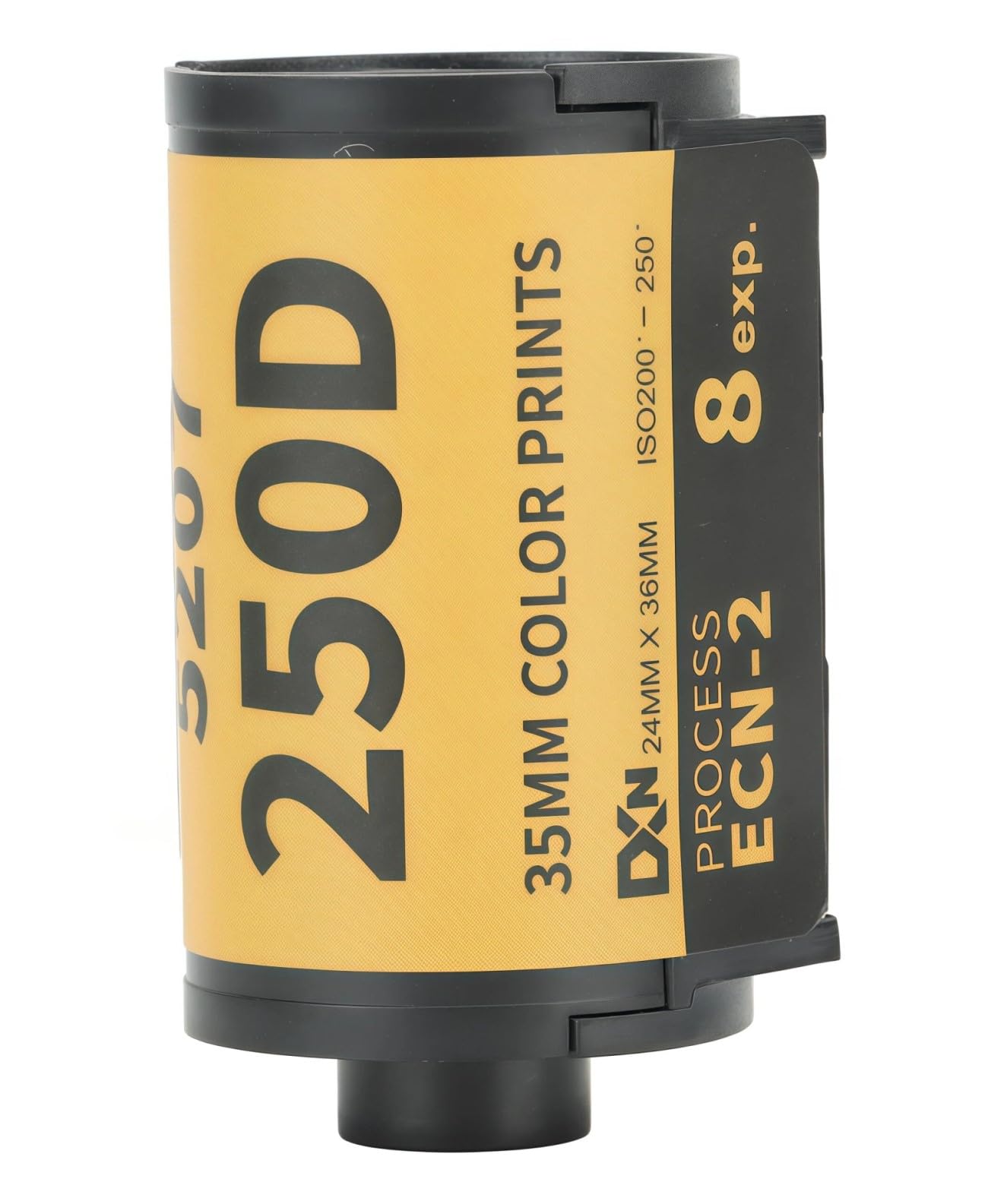
This Ktsxxops film is repurposed motion-picture stock that requires ECN-2 development—an important distinction from standard C-41 negative films. The 200-250 ISO range and wide exposure latitude provide high contrast and intense saturation, but the 8-exposure count means you’ll burn through the roll fast.
Photographers who know how to source ECN-2 processing report beautiful colors, fine grain, and a true cinematic look with unique halation and contrast characteristics. However, sending this to a lab that only offers C-41 will result in disappointing or damaged negatives—this is not a beginner-friendly choice.
Customer reviews reveal a split: some love the motion-picture aesthetic and vivid results, while others cite the 8-frame count as poor value and one report mentions the film ripping during advance. If you enjoy experimenting with specialty emulsions, this roll offers a distinct look—but be prepared for the extra processing logistics.
Why it’s great
- True cinematic color with high contrast and saturation
- Fine grain from repurposed motion-picture emulsion
- Wide exposure latitude for challenging light
Good to know
- Requires ECN-2 processing, limiting lab options
- Only 8 exposures, leading to poor cost-per-frame value
FAQ
Can I push process a C-41 color negative film?
What does DX coding do on 35mm film?
Why does my film look more green or blue than expected?
Final Thoughts: The Verdict
For most users, the best 35mm color film winner is the Fujifilm 400 3-Pack because its ISO 400 speed, fine grain, and excellent exposure latitude make it the most versatile choice for everything from bright daylight to overcast or indoor scenes. If you prefer rich, warm colors and classic Kodak saturation, grab the Kodak ColorPlus 200 3-Pack. And for shooters who want both an ISO 200 and ISO 400 option in one buy, nothing beats the value and variety of the Kodak Ultramax 400 & Gold 200 Bundle.