
Our readers keep the lights on and the weekend projects moving. As an Amazon Associate, I earn from qualifying purchases.
A proper Asian tea shouldn’t taste like hot leaf water. Yet most options on the shelf deliver a flat, one-note brew that fades fast. The difference between a forgettable sip and a genuinely good cup comes down to leaf grade, origin, and how the tea was processed.
I’m Rikta — the co-founder and writer behind FitlyFast. I’ve analyzed dozens of loose-leaf and bagged teas from Japan, China, and Taiwan, comparing harvest altitude, steaming techniques, and multiple-infusion performance to separate the daily-drink staples from the one-steep wonders.
This guide cuts through the marketing to the teas that actually deliver, helping you find the best asian tea for how you really drink it — steep after steep.
How To Choose The Best Asian Tea
Choosing an Asian tea isn’t just about picking a flavor. Each category — white, green, and oolong — behaves differently in the cup, and the right pick depends on how you plan to drink it, the caffeine load you want, and whether you value convenience or deep, layered taste that lasts through multiple infusions.
Leaf Grade: Whole Leaf vs. Dust and Fannings
The single biggest indicator of tea quality is the leaf grade. Whole leaves and large broken leaves retain more essential oils, giving you a fuller flavor and the ability to resteep multiple times. Tea dust and fannings, common in budget bagged teas, brew quickly but turn bitter and usually die after one cup. Look for loose-leaf packaging or whole-leaf tea bags made with actual leaves — not powder.
Origin and Processing Method
Geography defines character. Japanese teas (Sencha, Fukamushi) are steamed, producing a grassy, vegetal profile with rich umami. Chinese and Taiwanese oolongs are pan-fired or roasted, yielding floral, toasty, or creamy notes depending on oxidation level. White teas from Fujian are minimally processed — delicate, low-caffeine, and high in antioxidants. Always check the origin statement on the package to know exactly what you’re getting.
Quick Comparison
On smaller screens, swipe sideways to see the full table.
| Model | Category | Best For | Key Spec | Amazon |
|---|---|---|---|---|
| ZONE – 365 Oolong | Taiwanese Oolong | Multiple infusions | Up to 5 steepings per serving | Amazon |
| SUGIMOTO Sencha Fukamushi | Japanese Green | Deep umami flavor | Deep-steamed (Fukamushi) process | Amazon |
| Harney & Sons Sencha | Japanese Green | Everyday Sencha | 8 oz loose leaf (Shizuoka) | Amazon |
| Tealyra Tie Guan Yin | Chinese Oolong | Floral aroma | 8 oz roll-style loose leaf | Amazon |
| PiPi Tea Organic Oolong | Organic Oolong | Whole-leaf bagged convenience | 4g whole-leaf tea bags | Amazon |
| YAMASAN KYOTO UJI Organic Oolong | Japanese Oolong | Organic certification | 100g loose leaf (Miyazaki) | Amazon |
| Republic of Tea Asian Jasmine White | White Tea | Light, low-caffeine cups | 50 tea bags | Amazon |
In‑Depth Reviews
1. ZONE – 365 Oolong Tea Loose Leaf, Taiwanese Alishan High Mountain Roast
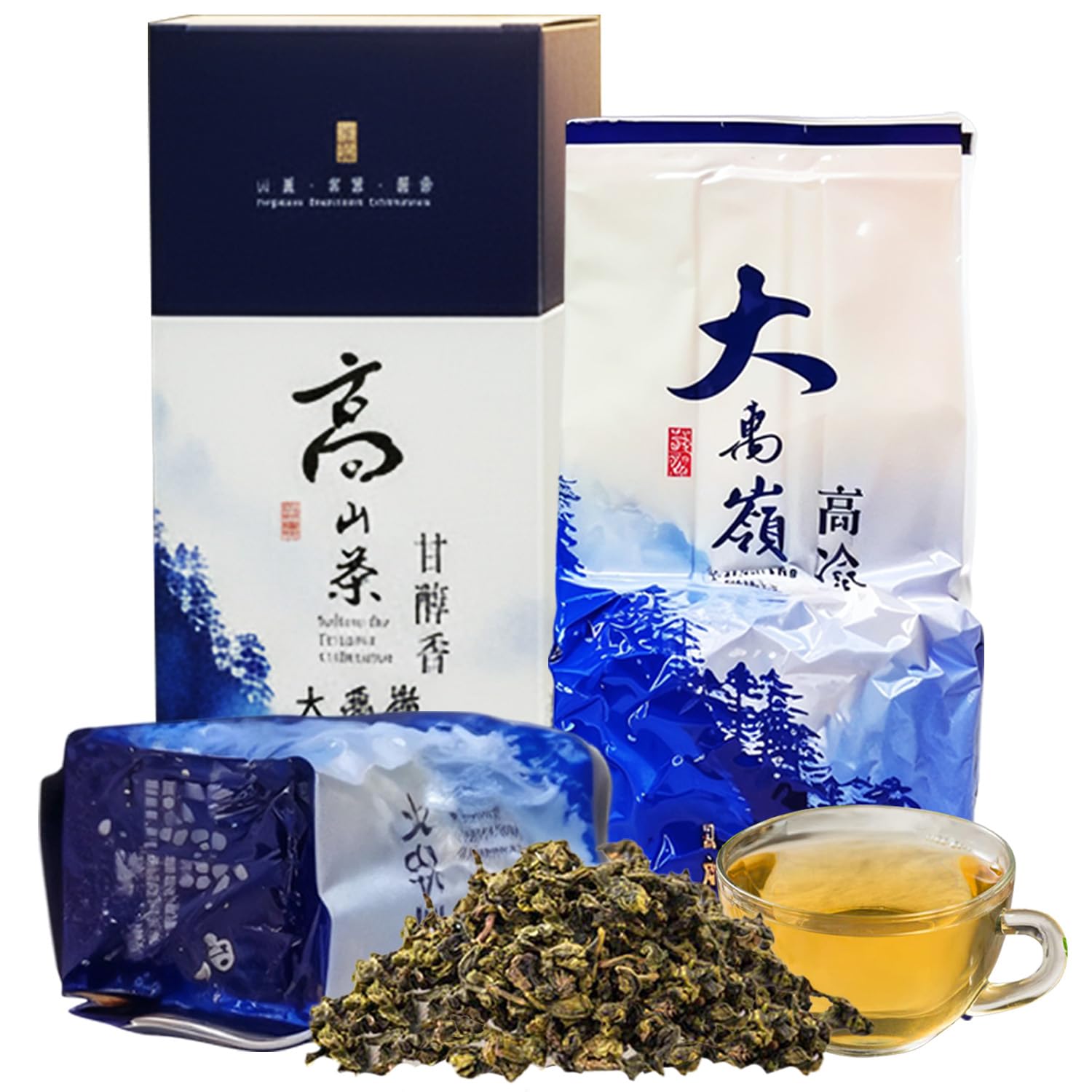
This Taiwanese high-mountain oolong from the Alishan tea district sets the standard for value-infusion performance. The hand-picked, rolled leaves deliver a sweet floral and vegetal aroma with a long, clean finish typical of high-altitude oolongs — a profile that many reviewers note rivals more premium Da Yu Ling offerings.
The real differentiator here is the staying power. Each serving can be resteeped up to five times while maintaining flavor depth, making the effective cost per cup remarkably low compared to single-steep bagged teas. The vacuum-sealed packaging preserves freshness for up to two years, so you don’t lose quality over time.
Some reviewers noted that achieving the best taste requires proper technique — a quick rinse of the leaves before the first steep and gradually increasing steep times. But once dialed in, this is a daily-drinker that punches well above its price point.
Why it’s great
- Authentic high-mountain origin with smooth, floral profile
- Holds flavor across 4-5 steeps, excellent cost-per-cup value
- Vacuum-sealed packaging locks in freshness for long-term storage
Good to know
- Requires proper brewing technique to avoid bitterness
- Not organic certified
2. SUGIMOTO TEA Japanese Sencha Fukamushi Green Tea Loose Leaf
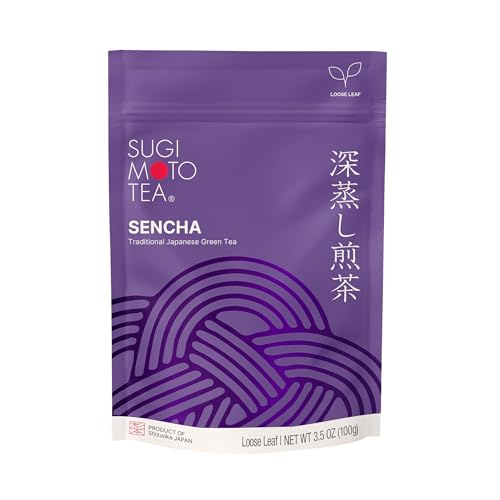
This award-winning Japanese Sencha uses the Fukamushi (deep-steaming) method, which breaks down the leaf structure for a fuller extraction of flavor and color. The result is a vibrant green liquor with a sweet vegetal aroma, smooth body, and concentrated umami finish that sets it apart from standard Sencha.
Temperature control is key here: brew at 160-170°F for 30-60 seconds. Going above 175°F or steeping longer than a minute can push it into bitterness. The reward for careful brewing is a tea that yields up to four excellent infusions, with the second steep often delivering the richest flavor.
One practical note — the deep-steamed leaves are very fine, so a standard mesh infuser may let sediment through. A fine-mesh strainer or paper filter will keep your cup clear. For daily Sencha drinkers who prioritize quality, this is a standout.
Why it’s great
- Deep-steamed for exceptional umami and vibrant green color
- Multiple infusions (3-4) with the second steep being the best
- Reusable zip pouch for easy storage
Good to know
- Fine leaf particles require a very fine strainer
- Water temperature must be kept below 175°F
3. Harney & Sons Japanese Sencha Tea
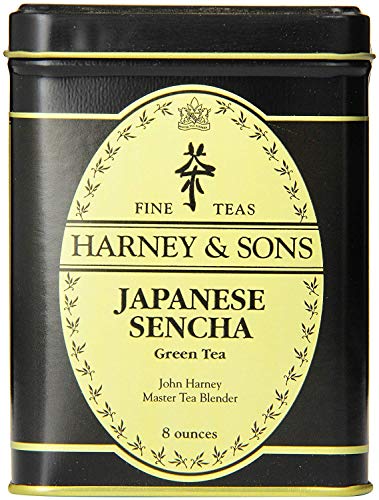
Harney & Sons sources this Sencha from Shizuoka, Japan’s most famous tea-growing prefecture, using a blend of mid-season leaves. The profile is medium-bodied with pleasant spinachy notes and a slight roast, offering a straightforward introduction to Japanese green tea without the high price of single-estate offerings.
One of the strongest marks in its favor is consistency. The leaves tolerate longer steeping without turning harsh, making it forgiving for less-experienced brewers.
The canister packaging is sturdy and resealable. It’s not organic, but for a daily Sencha that delivers clean flavor at a reasonable per-cup cost, this has been a reliable favorite for years.
Why it’s great
- Consistent, forgiving flavor that holds up to longer steeps
- Large 8 oz tin with strong re-sealable packaging
- Second steep remains as flavorful as the first
Good to know
- Not certified organic
- Spinachy flavor may not appeal to all palates
4. Tealyra – Tie Guan Yin Oolong – Iron Goddess of Mercy
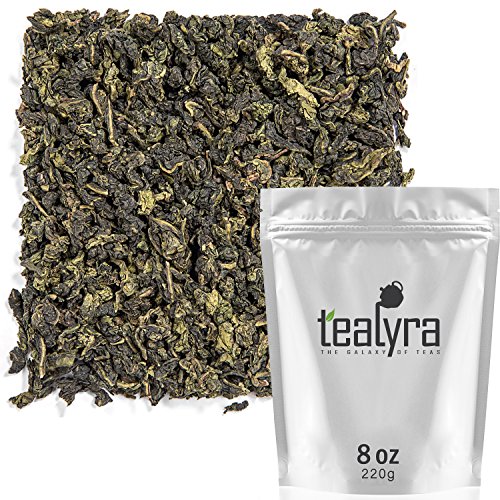
Tie Guan Yin is one of China’s most famous oolongs, and Tealyra’s version delivers the classic orchid-floral fragrance and smooth golden-amber infusion that defines the style. The rolled, whole leaves expand fully on steeping, releasing a naturally sweet finish without any added flavors.
For best results, steep at 190°F for 90 seconds — going over can push the cup into bitterness. The leaves hold up to at least three infusions, with the first two offering the most pronounced floral notes and the third still drinkable, if lighter. Some reviewers note a deep, slightly fungal undertone that oolong fans will recognize as part of the style.
At this price for an 8-ounce bag, it competes well against specialty tea shops. The packaging is a simple resealable bag, so transferring to an airtight container will help preserve the delicate aroma over time.
Why it’s great
- Strong orchid-floral aroma typical of premium Tie Guan Yin
- Rolled whole leaves resteep well for multiple cups
- Good entry point for exploring Chinese oolong
Good to know
- Brewing over 90 seconds increases bitterness
- Resealable bag is functional but doesn’t lock in aroma as well as a tin
5. PiPi Tea Organic Oolong Tea Bags – Whole Leaf
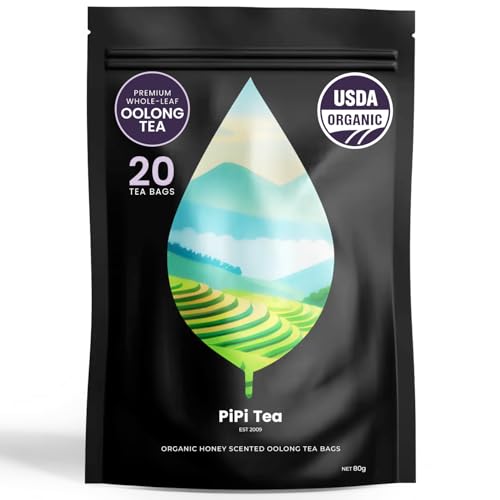
PiPi Tea bridges the gap between bagged convenience and whole-leaf quality. Each 4g bag contains actual whole oolong leaves — not dust or fannings — grown at 4,500 feet elevation. The flavor is naturally sweet with a light honeyed note that requires no added sweeteners, and reviewers consistently note its smooth mouthfeel and lack of bitterness.
A single tea bag can produce two full cups of tea, and some users report getting three solid steeps before the flavor drops off. The bags are sturdy and won’t leak or burst during steeping. The claimed cortisol-support and digestion benefits are secondary marketing points, but the core tea quality is legitimate.
The main drawback is the price per bag compared to loose leaf. For those who prioritize convenience but refuse to compromise on leaf quality — especially when traveling or at work — this fills a real gap.
Why it’s great
- Whole-leaf oolong in a bag, no tea dust or fillers
- Each bag gives 2-3 solid steeps
- Organic and smooth with natural honey notes
Good to know
- Premium price per bag compared to loose-leaf alternatives
- Not all batches use the same packaging design; check listing photos
6. YAMASAN KYOTO UJI Organic Oolong tea Loose Leaf
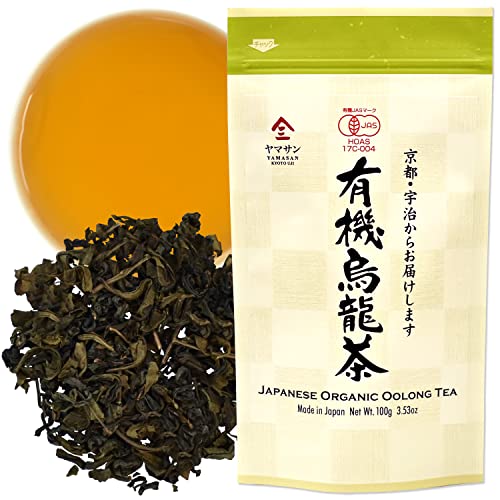
Japanese oolong is far rarer than its Chinese counterpart, and Yamasan’s version comes from Gokase Town in Miyazaki Prefecture, grown with organic methods. The roasting process delivers a mild, toasty character with a balanced bitterness and floral aroma that reads as cleaner and more refined than many Fujian-style oolongs.
The leaves are remarkably efficient — reviewers consistently note that a small amount of leaf yields a strong, flavorful cup and holds up for at least two full infusions. Unlike some organic teas that sacrifice flavor for certification, this one brings genuine depth and freshness. The 100g package is a resealable pouch.
For oolong drinkers who want organic certification from a country with strict agricultural standards, this is one of the few credible options. The flavor profile works equally well hot or iced, and the low leaf-to-cup ratio makes the package last longer than its size suggests.
Why it’s great
- Genuine Japanese oolong, a much rarer category than Chinese oolong
- Certified organic with no chemical fertilizers or pesticides
- Very efficient — small amount of leaf produces strong flavor
Good to know
- Packaging overestimates usable leaves per serving
- Not as widely available as Chinese oolong options
7. The Republic of Tea – Asian Jasmine 100% White Tea Bags

The Republic of Tea’s Asian Jasmine White is an approachable white tea scented with jasmine. Made with 100% white tea from Fujian Province, it’s the least processed varietal in the lineup, retaining high polyphenol levels and offering just 15-20mg of caffeine per cup. The flavor is fragrant, light, and floral — never bitter when brewed correctly.
Brewing instructions recommend steeping for 30-60 seconds in water just short of boiling. Longer steeps or hotter water can make the flavor seem weak rather than stronger, so precise temperature matters. The tea bags are individually wrapped, making this a practical choice for office drawers or travel kits.
For white tea purists, the jasmine flavor is milder than artisan-grade loose jasmine pearls. But as a daily bagged white tea that’s celiac-safe and reliably pleasant, it serves its role well. Just don’t expect the complexity of a loose-leaf white tea.
Why it’s great
- Very low caffeine (15-20mg), suitable for evening or sensitive drinkers
- Gluten-free certified, safe for celiac diets
- Convenient individually wrapped bags
Good to know
- Flavor is on the lighter side, not as strong as loose-leaf white tea
- Requires careful water temperature to avoid a bland cup
FAQ
What is the difference between Chinese and Japanese oolong?
Can I resteep Japanese Sencha more than once?
Why does my white tea taste weak?
Final Thoughts: The Verdict
For most users, the best asian tea is the ZONE – 365 Alishan Oolong because it delivers authentic high-mountain Taiwanese flavor with the best multi-steep value in the lineup. If you want deep umami in a green tea, grab the SUGIMOTO Sencha Fukamushi. And for bagged convenience without dust-filler quality, nothing beats the PiPi Tea Organic Oolong.