
Our readers keep the lights on and the weekend projects moving. As an Amazon Associate, I earn from qualifying purchases.
Toenail fungus is stubborn, often returning even after topical treatments seem to clear it. The infection lives beneath the nail plate, where creams struggle to reach. At-home laser devices using specific wavelengths of red and near-infrared light offer a non-invasive way to target the fungus directly, disrupting its cellular activity and supporting clear nail regrowth without the side effects of oral medication.
I’m Rikta — the co-founder and writer behind FitlyFast. This guide is the result of hundreds of hours spent analyzing medical literature on photobiomodulation, cross-referencing device specifications like wavelength accuracy and irradiance, and studying real user experiences with home laser units for fungal nail infections.
Whether you are dealing with a single discolored toenail or recurring fungal issues across multiple digits, finding the right at home laser treatment for toenail fungus means understanding power output, wavelength depth, and application consistency, all of which we break down clearly below.
How To Choose The Best At Home Laser Treatment For Toenail Fungus
Not all red light devices are built for fungal nail infections. The infection lives under the keratin layer, so surface-level light won’t stop it. You need a device that delivers enough energy at the right depth.
Wavelength Penetration Depth
For nail fungus, 808nm or 850nm near-infrared light is essential because it travels deeper through the nail plate and into the nail bed where fungal colonies thrive. Devices offering only 630-660nm are effective for skin but lack the penetration needed for subungual infections.
Irradiance and Power Output
Irradiance, measured in mW/cm², determines whether the light energy is strong enough to disrupt fungal cells. A device delivering at least 50-75 mW/cm² at treatment distance can generate the thermal and photochemical effects needed. Low-power wands may feel warm but won’t penetrate the nail bed effectively.
Pulsed vs Continuous Light Delivery
Pulsed mode allows the tissue to cool between pulses, enabling deeper penetration with less surface heat buildup. For fungal infections at the base of the nail, a device with a pulsed option can deliver more energy to the target area without causing discomfort on the skin.
Session Consistency and Timer Control
Fungal treatment requires daily or twice-daily sessions for weeks. A device with a programmable timer (15-30 minute windows) and auto shut-off ensures you hit the same dose every session without needing to watch the clock.
Quick Comparison
On smaller screens, swipe sideways to see the full table.
| Model | Category | Best For | Key Spec | Amazon |
|---|---|---|---|---|
| BONTANNY BO-60 | Handheld | Deep nail bed penetration | 75 mW/cm² at 3 in. | Amazon |
| Lunix LX24 | Foot Pad | Full foot coverage | 850nm + 660nm | Amazon |
| Tendlite Pro | Pen Wand | Spot treatment on single nail | 660nm + 850nm | Amazon |
| LifePro BioLux | Portable | Versatile body + nail use | 650nm + 670nm + NIR | Amazon |
| Weituoguang Panel | Panel | Multiple toes at once | 5 wavelengths 630-850nm | Amazon |
| Zelvory Cold Laser (2) | Handheld | Fungal + joint relief combo | 4×808nm + 14×650nm | Amazon |
| Zelvory Cold Laser (1) | Handheld | Budget fungal starter | 4×808nm + 14×650nm | Amazon |
| ANHOM Dual Wand | Wand | Entry-level fungal trial | 660nm + 808nm | Amazon |
| CAREMORR Handheld | Wand | Low-cost introduction | 650nm + 808nm | Amazon |
In‑Depth Reviews
1. BONTANNY BO-60

The BO-60 pushes beyond standard dual-wavelength designs by adding a 1060nm near-infrared channel, which travels deeper into tissue than 808nm or 850nm. For subungual fungal infections, this extra depth means you are irradiating the nail bed matrix where new fungal colonies take hold, not just the surface keratin.
Its 12 triple-chip LEDs deliver over 75 mW/cm² at three inches, placing it in the clinical-grade range for photobiomodulation. The device reaches 41-45°C at the treatment surface, generating enough thermal energy to disrupt fungal cell membranes without burning the skin. The 3000mAh battery supports up to three hours of cord-free sessions.
The only friction point is the recessed on/off button, which users with reduced hand dexterity found difficult to press. The included travel case makes it easy to maintain daily treatment consistency whether at home or traveling.
Why it’s great
- Third 1060nm wavelength penetrates deeper than most consumer devices
- High irradiance above 75 mW/cm² reaches clinical thresholds
- Portable case supports daily consistency
Good to know
- Button design can be stiff for arthritic hands
- Premium price tier for a handheld unit
2. Lunix LX24
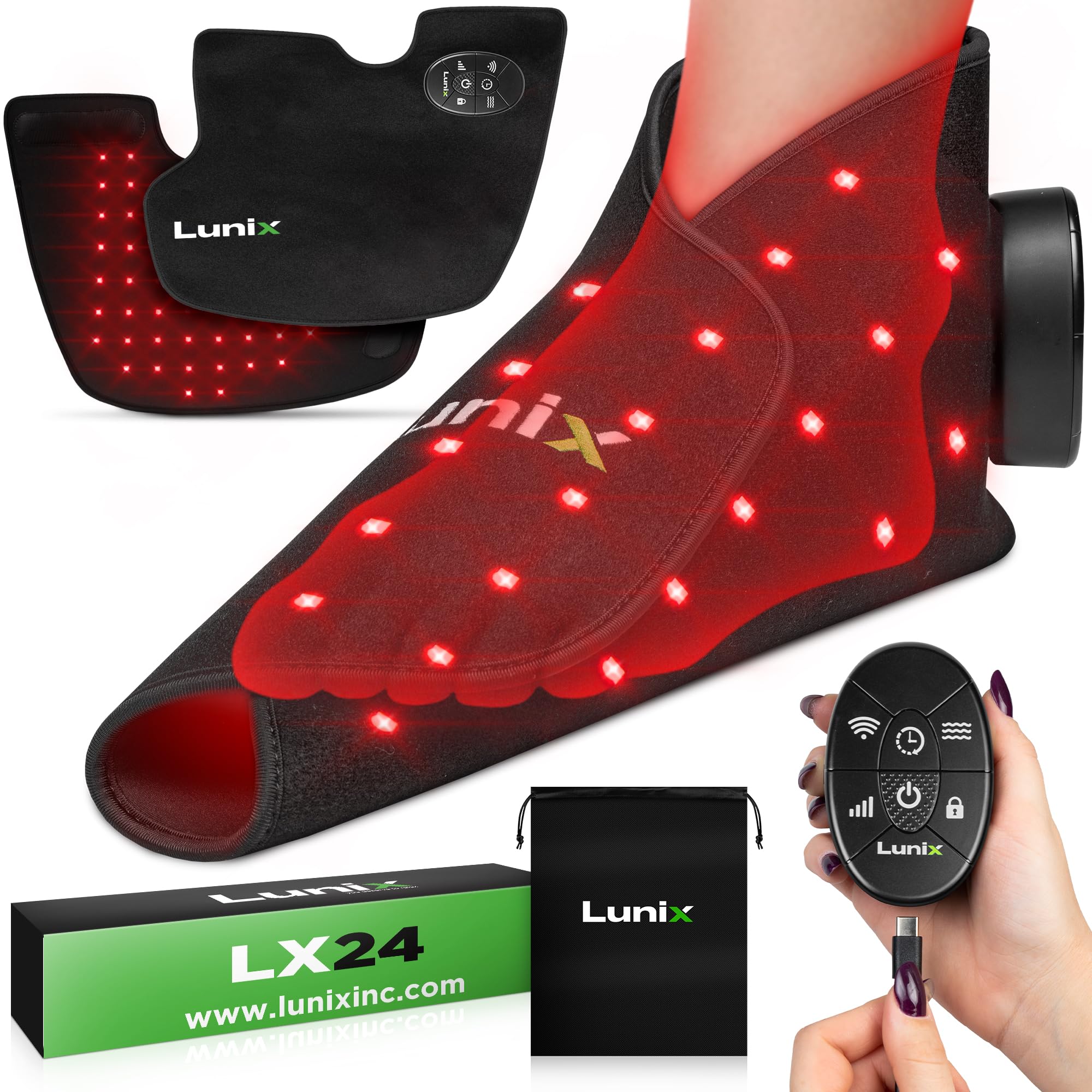
The LX24 is the only device in this list built specifically for feet, with a curved pad that wraps around the toes and top of the foot. For toenail fungus, this form factor is advantageous because it keeps the light sources at a consistent distance from all ten nails simultaneously, eliminating the need to hold a wand over each toe individually.
It uses dual 850nm near-infrared and 660nm red LEDs with three selectable light modes and two pulse settings (10Hz and 40Hz). The 40Hz pulsed mode is particularly relevant for fungal treatment, as it allows deeper energy penetration without excessive surface heating. The timer adjusts from 1 to 30 minutes.
Some users reported battery degradation over extended months of use, though the manufacturer’s customer service resolved claims. The static pad design means you cannot use it on other body parts as easily as a wand, but for targeted foot fungal care, it is the most efficient option.
Why it’s great
- Ergonomic foot pad treats all toes simultaneously
- Two pulse modes support deeper penetration
- Adjustable intensity and wide timer range
Good to know
- Battery life may decline after several months
- Not designed for multi-body area use
3. Tendlite Pro
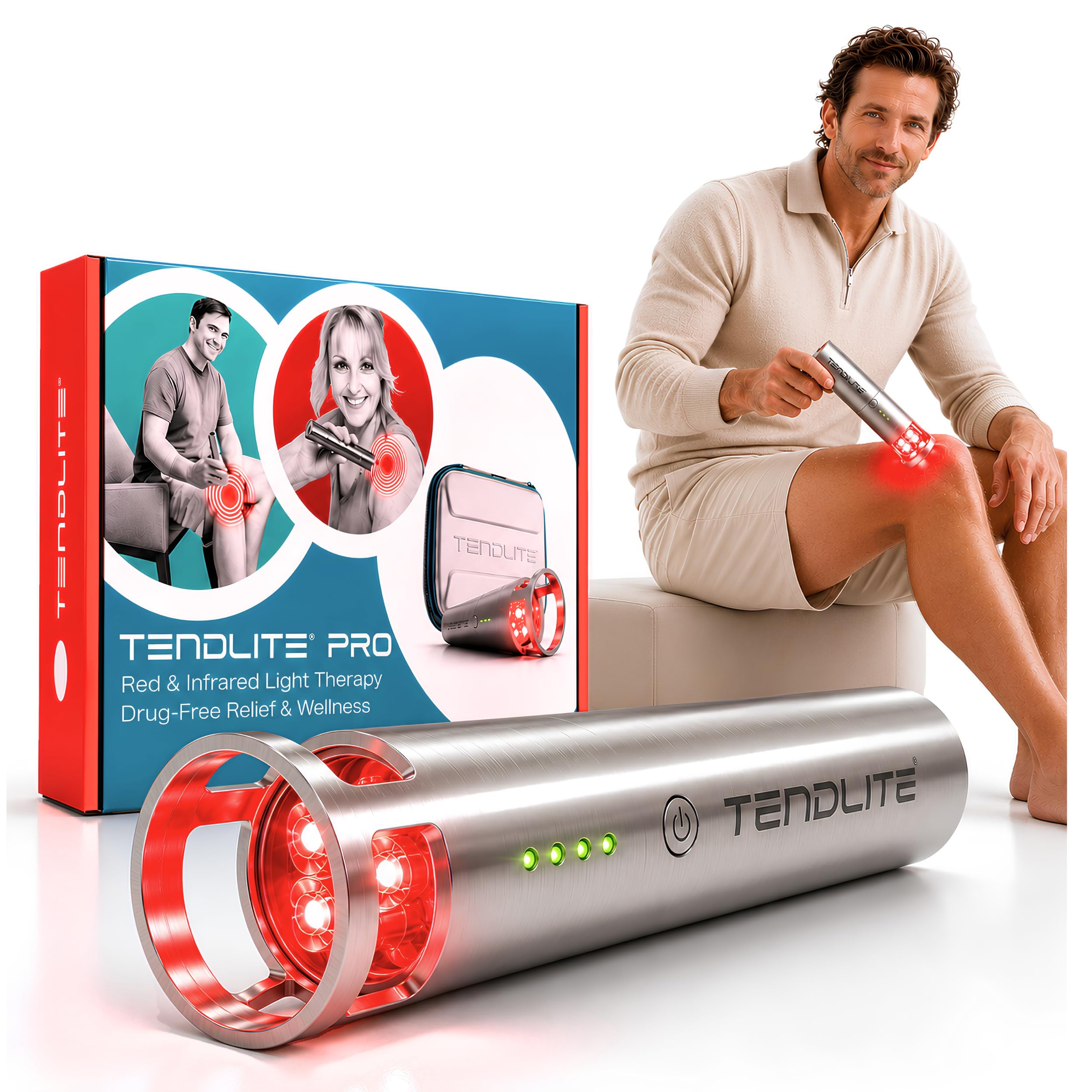
The Tendlite Pro uses a focused one-inch treatment window that concentrates 660nm red and 850nm near-infrared light into a small, precise area. For single-nail fungal infections, this form factor minimizes light spillover and ensures the full energy dose hits the infected nail plate and bed.
Each joint session runs only four minutes, making it easy to maintain a twice-daily schedule without disrupting your routine. The rechargeable battery delivers consistent power for weeks of regular use. Users with arthritis in their toes and senior cats alike reported noticeable improvement in nail bed health and reduced discoloration.
Several users reported the unit stopped functioning after the return window closed, which is a concern for long-term fungal treatment that can require months of use. The pen shape also requires steady hand placement, which can be tiring during longer sessions on multiple nails.
Why it’s great
- Focused one-inch spot delivers concentrated energy
- Short four-minute sessions encourage daily compliance
- Sleek, portable design with storage case
Good to know
- Reports of device failure after initial months
- Small treatment area requires repositioning for multiple nails
4. LifePro BioLux

The BioLux uses a triple-wavelength approach with 650nm and 670nm red light plus near-infrared frequencies. While 670nm is less common in fungal protocols, it supports cellular repair in the nail matrix, which aids healthy regrowth after the infection clears. The device weighs just 6.4 ounces and includes a tripod stand.
Users found the BioLux effective for reducing inflammation around the nail bed and for speeding recovery in nails that had already lifted from the nail bed due to trauma. The rechargeable battery lasted a full month with daily use without needing a recharge. The included padded case and protective glasses add travel convenience.
The 670nm wavelength offers less depth than 808nm or 850nm, so users with thick toenails or deep infections may need longer sessions. The small treatment window also requires careful positioning over each affected nail individually.
Why it’s great
- Triple wavelengths support both fungal treatment and nail regrowth
- Extremely lightweight and portable with padded case
- Excellent battery longevity with daily use
Good to know
- 670nm lacks deep penetration for thick nails
- Must reposition for each individual nail
5. Weituoguang 5-Wavelength Panel
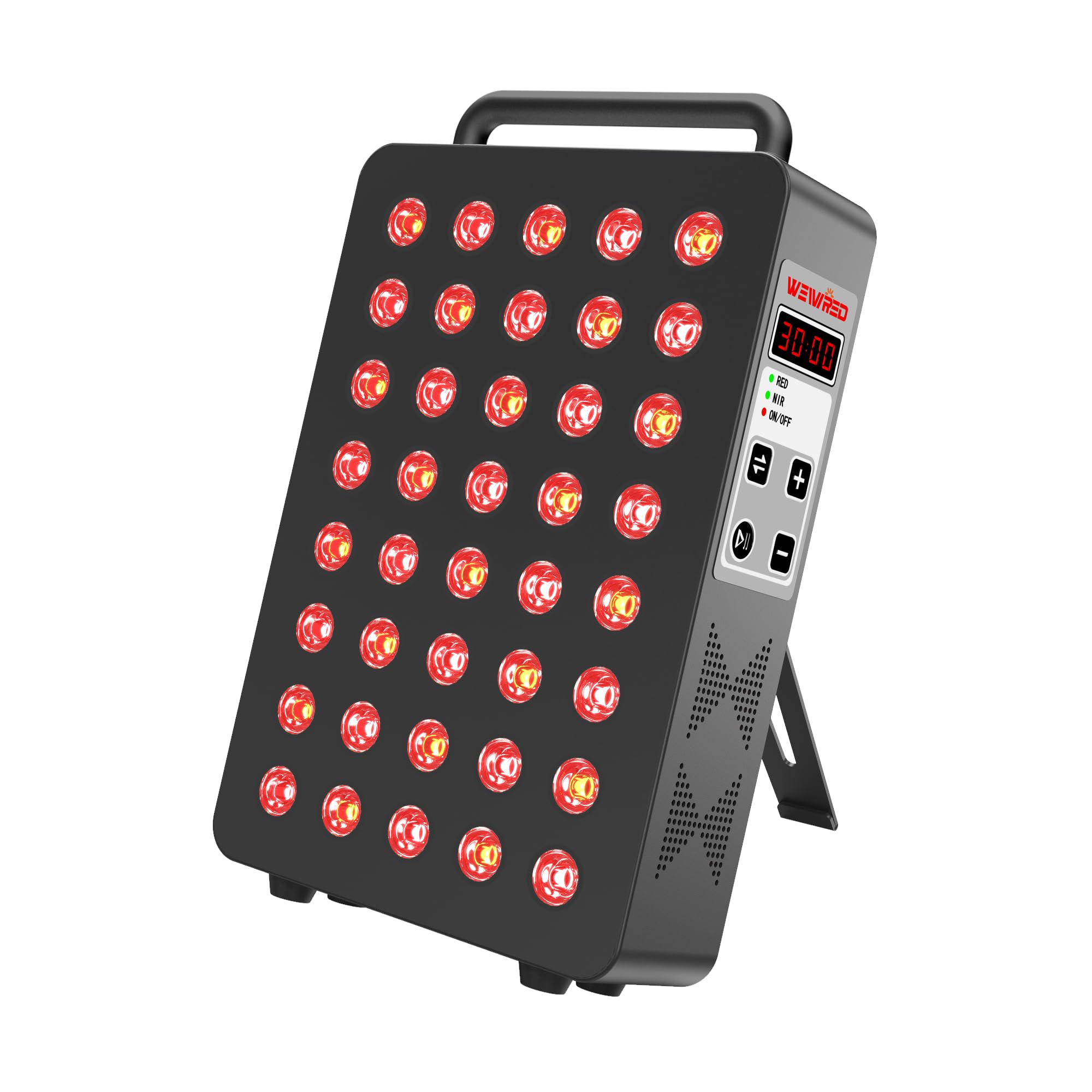
This panel covers five clinically relevant wavelengths from 630nm to 850nm in a single unit with 40 dual-chip LEDs. For toenail fungus, the 810nm, 830nm, and 850nm channels provide overlapping near-infrared depth that penetrates the nail plate from multiple angles simultaneously, which is more efficient than a single-point wand.
The 30-degree precision refraction angle focuses light into a defined beam, reducing scatter and ensuring that energy reaches the nail bed rather than diffusing into surrounding air. The all-metal housing dissipates heat effectively, allowing sustained sessions up to 30 minutes without overheating. Users noted improved recovery from fungal discoloration after consistent daily use over several weeks.
The panel is heavier at 5.69 pounds and requires a nearby power outlet, reducing portability. It is also significantly brighter than handheld units, and the supplied goggles are mandatory for eye safety during sessions.
Why it’s great
- Five overlapping wavelengths cover multiple penetration depths
- 30-degree beam angle focuses energy efficiently
- All-metal construction for durability and heat management
Good to know
- Bulky and not travel-friendly
- Protective eyewear is essential during use
6. Zelvory Cold Laser (B0FM2RXVSG)
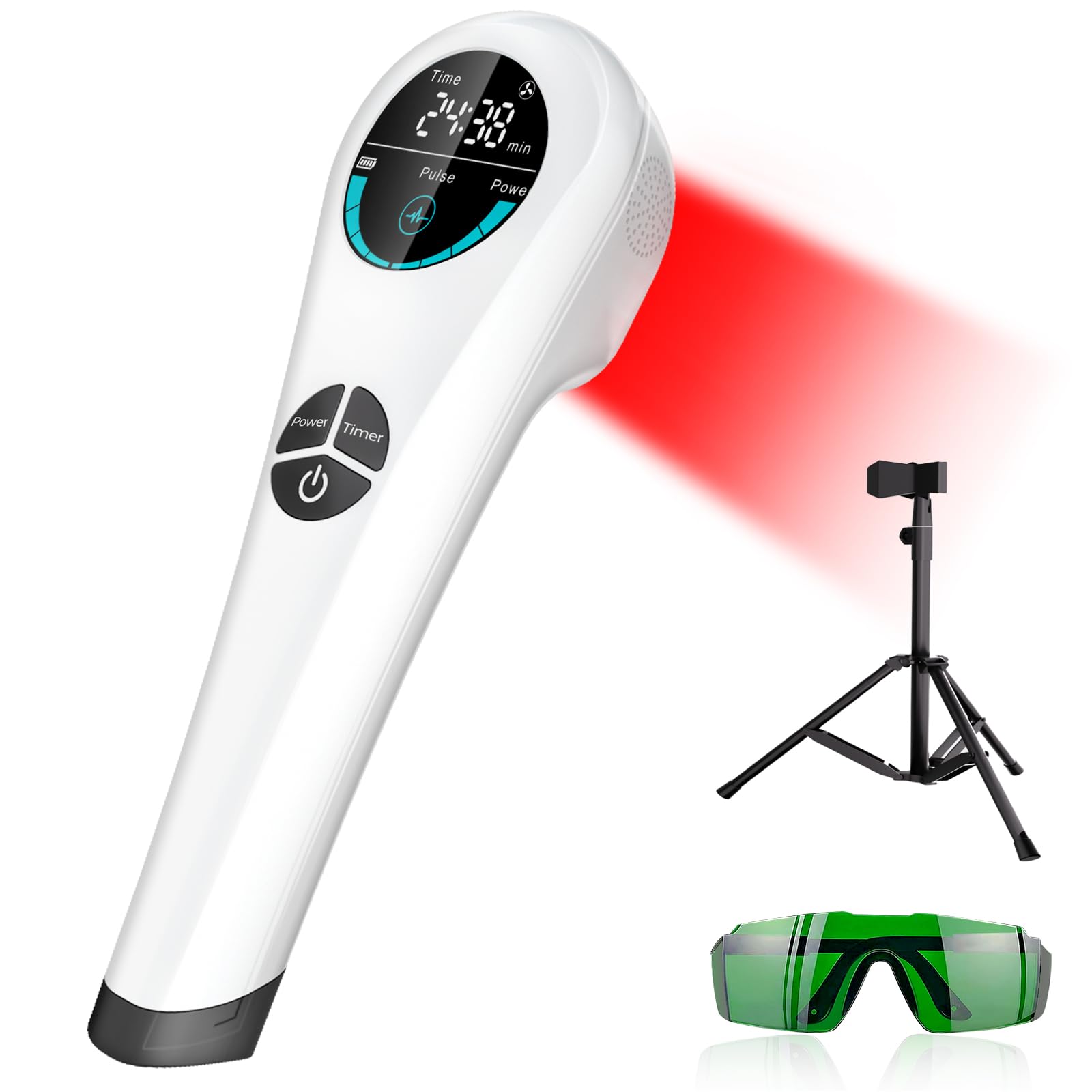
With four 808nm LEDs and fourteen 650nm LEDs, this Zelvory wand delivers a strong near-infrared component for penetrating the nail bed. The 808nm wavelength is well-documented for deep tissue penetration and has shown antifungal effects in dermatological studies by disrupting fungal cell mitochondrial function.
The unit includes a pulse mode that reduces surface heat buildup while maintaining light output, which is ideal for sensitive nail beds affected by infection. The 4000mAh battery provides up to five hours of continuous use, meaning you can treat all affected nails in a single session without recharging mid-week.
Multiple users reported LED failures after several months of use, with some units losing multiple diodes within the warranty period. The stand included in the package is adjustable but felt top-heavy to some users, requiring careful placement during hands-free sessions on toes.
Why it’s great
- Four 808nm emitters for strong nail bed penetration
- Pulse mode reduces heat on sensitive infected nails
- Excellent battery life for multi-nail sessions
Good to know
- Reports of LED failures over extended use
- Stand feels unstable at certain angles
7. Zelvory Cold Laser (B0FVWX7L49)
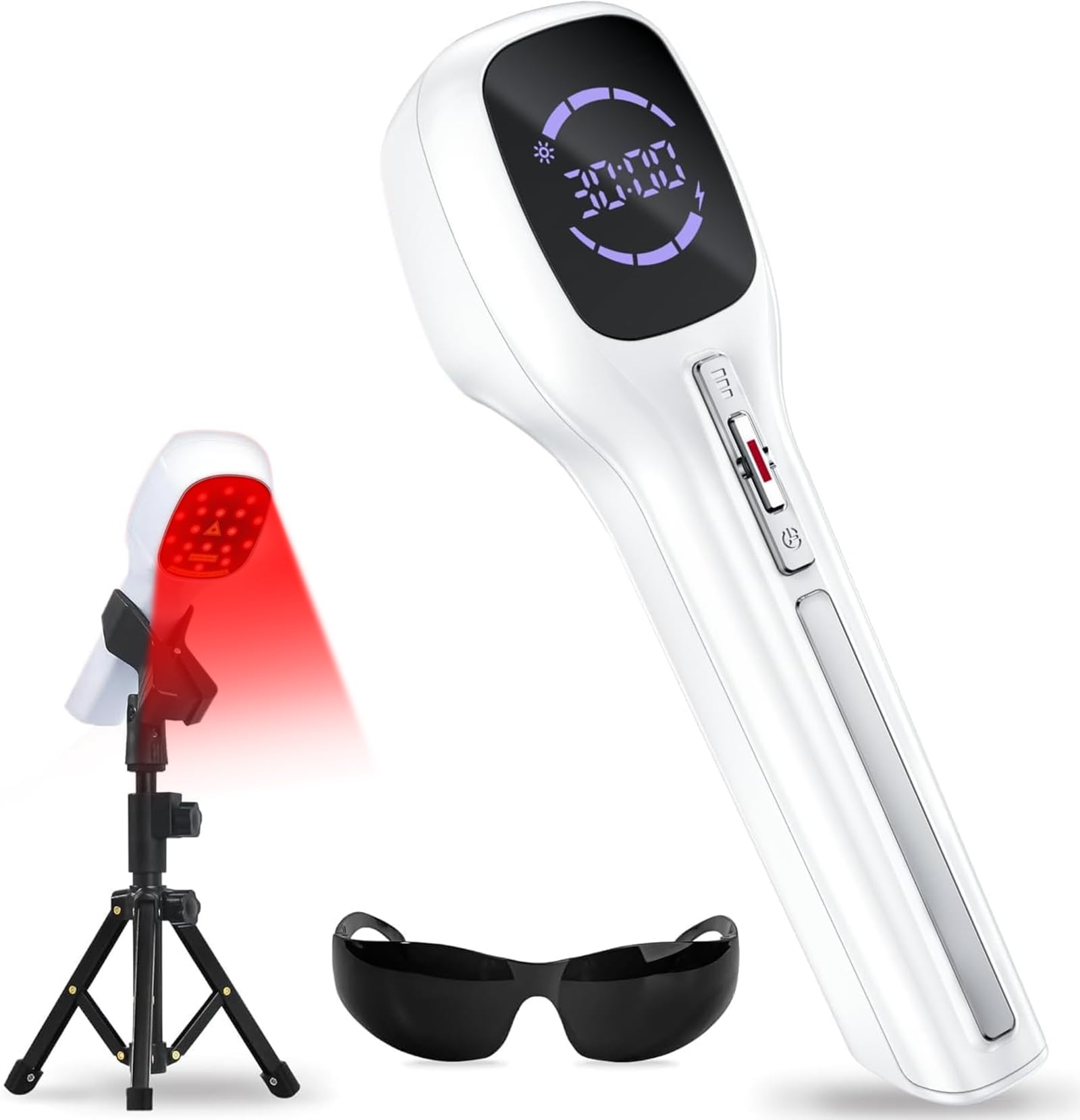
This earlier Zelvory model shares the same dual-wavelength array — four 808nm and fourteen 650nm LEDs — as its higher-priced sibling, making it a viable entry point for anyone wanting to test at-home laser therapy for fungal nails without committing to a premium-tier device.
The 3600mAh battery holds enough charge for four to five days of daily 15-minute sessions, which aligns with the typical treatment cadence recommended for fungal clearance. Users with chronic muscle tension also noted reduced discomfort in surrounding joints, an indirect benefit of consistent use.
A failure-to-power-on issue was reported by one user, suggesting potential quality control inconsistencies. The device also lacks a built-in timer completion beep, so you will need to track session duration manually or use an external timer.
Why it’s great
- Same 808nm/650nm array as more expensive models
- Long battery life supports weekly treatment schedules
- Low weight reduces hand fatigue during sessions
Good to know
- No end-of-session notification
- Quality control can be inconsistent
8. ANHOM Dual Wand
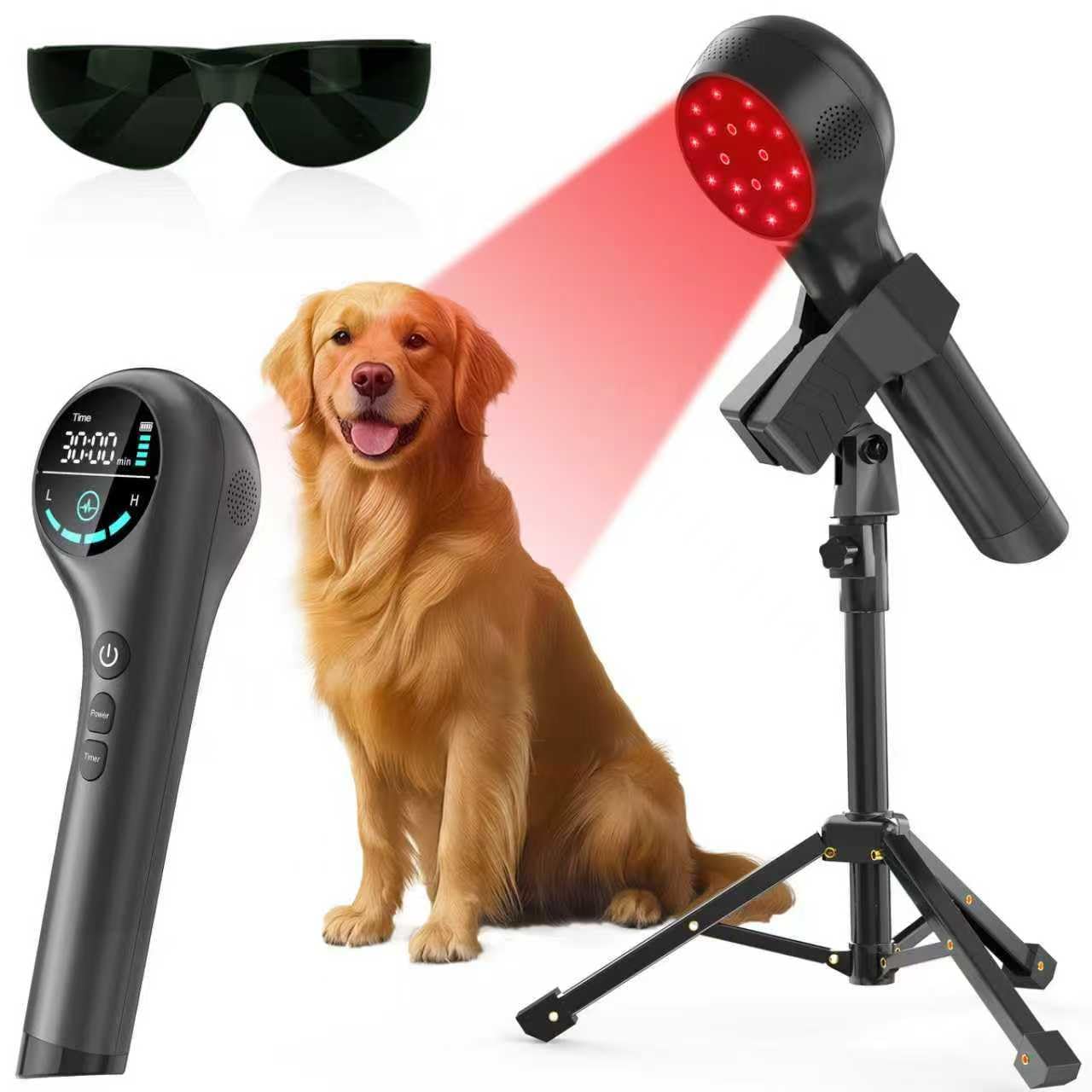
The ANHOM wand combines 660nm red and 808nm near-infrared light in a handheld package that weighs 1.57 pounds, making it one of the heavier options. Its 808nm channel provides the depth needed for nail bed penetration, while the 660nm channel supports surface healing of the nail plate and surrounding cuticle tissue.
The unit offers four power levels and a timer ranging from 5 to 30 minutes. Users with hormonal acne and skin issues reported improved skin tone after two weeks, but for fungal treatment, the key metric is the 808nm penetration which users found soothing on thick toenails after consistent daily application.
The tripod stand included in the kit was described as awkward to position for foot treatments, making hands-free use on toes less stable than some competing stands. The lightweight overall build of the wand itself, at 1.57 pounds, can still cause hand fatigue during extended sessions covering multiple nails.
Why it’s great
- 808nm near-infrared targets deep fungal colonies
- Adjustable power levels for sensitive nail beds
- Includes goggles and USB-C charging
Good to know
- Tripod stand is poorly suited for foot positioning
- Heavier build may cause hand fatigue
9. CAREMORR Handheld
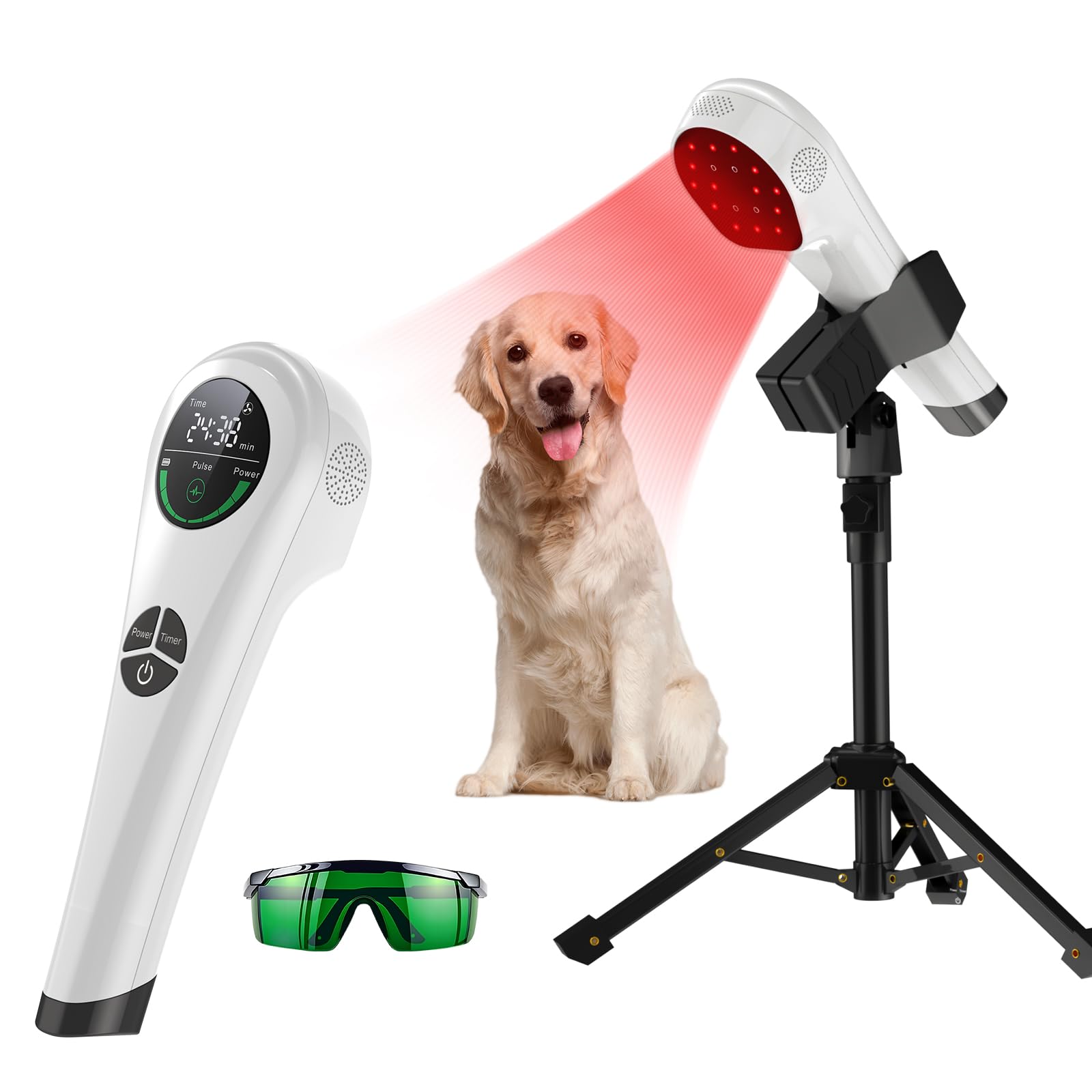
At 0.53 pounds, the CAREMORR wand is the lightest option in this guide, making it easy to hold steady over each toenail for the full session duration. It uses 650nm red and 808nm near-infrared wavelengths, with four adjustable power levels ranging from 25% to 100% intensity.
The 4000mAh battery supports multiple daily sessions before needing a recharge, which is important for the twice-daily cadence often recommended for fungal treatment. A sturdy stand is included for hands-free operation, allowing you to position the wand over your toes while reading or watching television.
Some users found the device ineffective for deep knee and joint pain relief, which suggests the irradiance may be on the lower side for thick tissue penetration. For fungal nails that are not extremely thickened, the 808nm channel still provides adequate depth, but users with very dense keratin may need longer sessions or a higher-power unit.
Why it’s great
- Ultra-lightweight design minimizes hand fatigue
- Four intensity levels allow gradual acclimation
- Stable stand supports hands-free toenail sessions
Good to know
- Lower irradiance may not penetrate very thick nails
- Mixed feedback on deep pain relief effectiveness
FAQ
How does laser light actually kill toenail fungus?
Can I use a red light panel instead of a handheld wand for my toes?
How long until I see clear nail regrowth with at-home laser treatment?
Should I use pulsed or continuous mode for fungal nail treatment?
Can at-home laser devices damage the nail bed or skin?
Final Thoughts: The Verdict
For most users, the at home laser treatment for toenail fungus winner is the BONTANNY BO-60 because its 1060nm wavelength offers the deepest penetration and its 75 mW/cm² irradiance reaches clinical efficacy thresholds. If you want full foot coverage without repositioning, grab the Lunix LX24. And for a precision spot treatment on a single infected nail, nothing beats the focused beam of the Tendlite Pro.