
Our readers keep the lights on and the weekend projects moving. As an Amazon Associate, I earn from qualifying purchases.
Arizona’s intense sun, dry air, and alkaline soil turn most houseplants into crispy casualties within weeks. The trick isn’t a green thumb — it’s choosing plants evolved for brutal conditions. Succulents, certain palms, and prayer plants with thick leaves handle low humidity far better than moisture-loving tropicals.
I’m Rikta — the co-founder and writer behind FitlyFast. I’ve analyzed the soil needs, light thresholds, and watering rhythms of dozens of indoor varieties to find the specimens that actually thrive in Arizona’s climate rather than just surviving.
This guide breaks down the key specs, care requirements, and durability factors so you can confidently pick the right house plants for arizona without losing another plant to sunburn or underwatering.
How To Choose The Best House Plants For Arizona
Arizona homes present a unique growing environment — intense light through windows, bone-dry air from AC systems, and tap water that’s often alkaline. Not every trendy houseplant can handle these conditions. Prioritize plants with built-in water storage or thick, waxy leaves that resist moisture loss.
Drought Tolerance Is Non-Negotiable
A plant that needs daily misting or constant soil moisture will struggle in Arizona’s low humidity. Look for species classed as drought-tolerant — succulents, cacti, snake plants, ZZ plants, and certain palms store water in their tissues. They forgive missed waterings and adapt to dry air without browning at the leaf tips.
Sunlight Exposure and Window Direction
South- and west-facing windows in Arizona deliver punishing direct sun that scorches delicate leaves. Plants that prefer full sun — like Crown of Thorns or Kalanchoe — thrive on windowsills. Prayer plants and spider plants need bright indirect light, so place them a few feet back from the glass or behind a sheer curtain. Reading the sunlight exposure spec on each plant is critical.
Pet Safety Considerations
Many popular indoor plants are toxic to cats and dogs. In a state where outdoor space is limited and pets spend more time indoors, choosing ASPCA-recognized non-toxic varieties like prayer plants or spider plants gives peace of mind. Maranta and spider plants are excellent options if you share your home with curious chewers.
Quick Comparison
On smaller screens, swipe sideways to see the full table.
| Model | Category | Best For | Key Spec | Amazon |
|---|---|---|---|---|
| Ponytail Palm | Premium | Modern decor, low maintenance | 14-16 in tall in 6-in pot | Amazon |
| Kalanchoe 3 Pack | Premium | Vibrant year-round blooms | 3 plants, 7 in tall each | Amazon |
| Spider Plant Variety Pack | Mid-Range | Air purification, beginner-friendly | 4 varieties, bare-root | Amazon |
| Red Prayer Plant | Mid-Range | Pet-safe, indirect light spaces | 4-in pot, moderate watering | Amazon |
| Lemon Lime Maranta | Mid-Range | Low humidity, pet households | 12-16 in tall, 4-in pot | Amazon |
| Euphorbia Crown of Thorns | Budget | Full sun, pink blooms | Drought tolerant, 7 lb | Amazon |
| Cactus & Succulent 3 Pack | Budget | Low-light, decorative gift | 3 plants in ceramic pots | Amazon |
In‑Depth Reviews
1. Ponytail Palm Live Plant by United Nursery
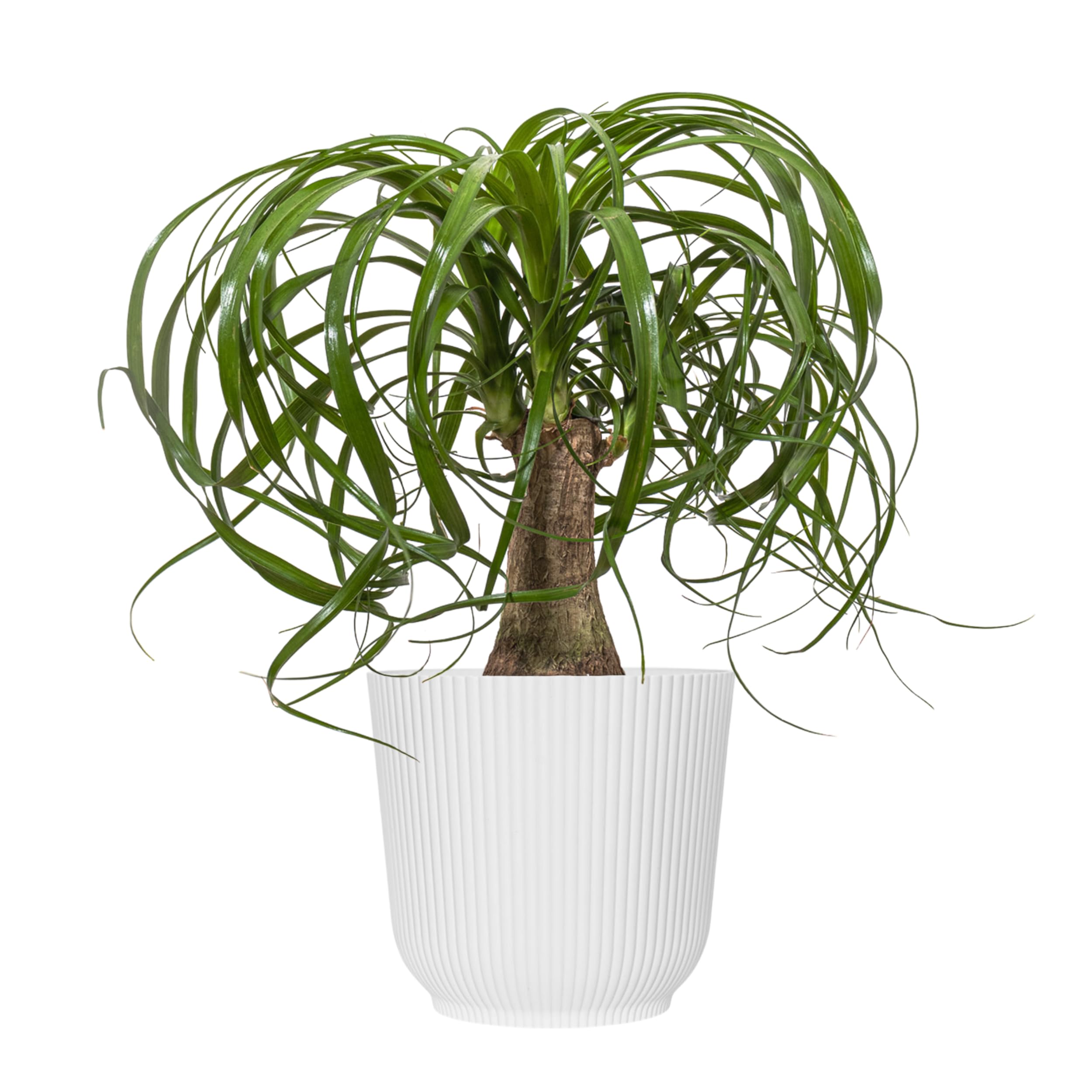
The Ponytail Palm is a standout pick for Arizona because its bulbous trunk stores water like a camel, letting it go weeks without a drink. Arriving 14–16 inches tall in a 6-inch white decorative pot, it’s ready to sit on a desk or shelf immediately — no repotting needed. The cascading green leaves create a sculptural look that fits modern interiors while tolerating the low humidity that kills ferns and calatheas.
Customers consistently praise the packaging and size — many report the plant arrived larger than expected with a thick trunk that had already begun branching. It thrives on neglect: bright indirect light and watering only when the soil is bone dry (every 2–3 weeks). The slow growth means it stays manageable indoors, reaching only 36–48 inches over years, making it a long-term companion.
The only trade-off is that direct Arizona sun through a south window can scorch the leaves, so placement a few feet back from the glass is ideal. For a fuss-free, decorative plant that actually enjoys Arizona’s dry air, this is the top choice.
Why it’s great
- Thick trunk stores water, forgiving of missed waterings
- Comes in a decorative pot, no repotting needed
- Slow-growing, stays compact for years
Good to know
- Needs bright indirect light, not direct desert sun
- Can be sensitive to overwatering if soil stays wet
2. Florist Kalanchoe Live Succulent Plants (3 Pack)
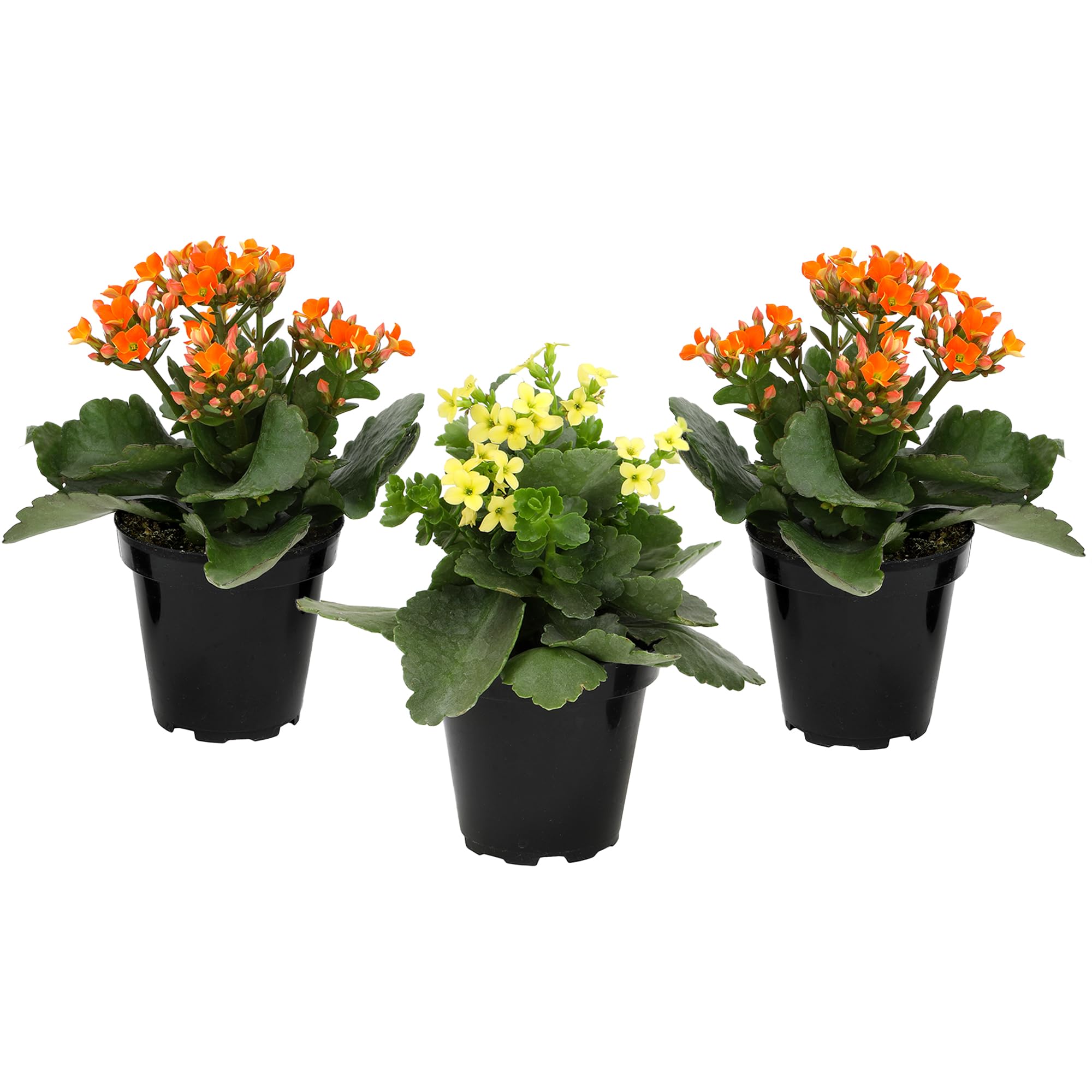
Kalanchoes are native to Madagascar and built for arid conditions, making them a natural fit for Arizona homes. This 3-pack delivers orange, red, and yellow blooms that last for months — far longer than cut flowers. Each plant arrives about 7 inches tall in a 3.5-inch grower pot, and the thick, fleshy leaves indicate serious drought tolerance.
Buyers highlight that the plants survived cold shipping with heat packs and bounced back quickly, blooming within a week. The extended bloom time (year-round under proper light) means you get constant color without much effort. They love full sun, so a bright windowsill is perfect — and they handle the dry air without browning.
Because they arrive in grower pots, you’ll want to place them inside a cachepot or repot for display. The biodegradable material in the pots is a nice touch for eco-conscious gardeners. For anyone wanting consistent, low-effort color in an Arizona room, this three-pack delivers serious value.
Why it’s great
- Vibrant, long-lasting blooms in three colors
- Handles full Arizona sun without leaf burn
- Thick leaves store water, very forgiving
Good to know
- Flowers can arrive slightly smushed from shipping
- Grower pots need a decorative cover or repotting
3. Spider Plant Variety Pack by August Breeze Farm
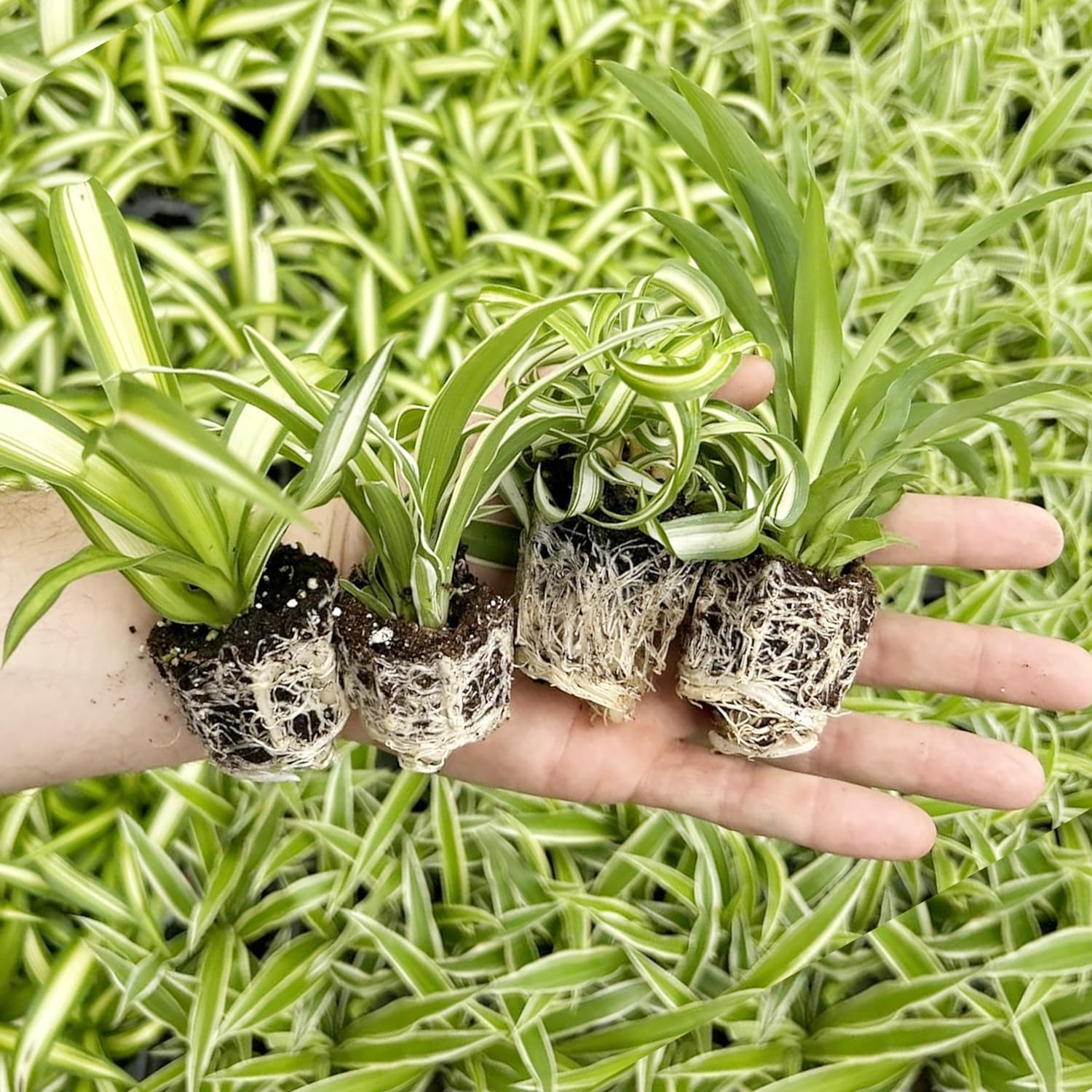
Spider plants are legendary for surviving neglect, and this variety pack gives you four distinct types — Ocean, Hawaiian, Green, and Bonnie Curly — to create an instant collection. They arrive as bare-root starter plants with extensive root systems, ready to be potted into 4-inch containers. The foliage diversity means you get upright blades, variegated stripes, and curly leaves in one box.
Customer reports consistently note the impressive root development — far more advanced than typical starter plants. Spider plants are known for removing indoor air pollutants like formaldehyde and xylene, which is a bonus in sealed Arizona homes. They prefer bright indirect light and tolerate the dry air well, though the variegated varieties need slightly more light to keep their patterns.
Because they come bare-root, immediate potting is required, and they need a week or two to settle before regular care begins. The Bonnie Curly variety can be more particular about watering consistency. Still, for the price of a single nursery plant, you get four established specimens that will produce pups within months.
Why it’s great
- Four distinct varieties in one purchase
- Excellent root systems for quick establishment
- Pet-safe and air-purifying qualities
Good to know
- Bare-root arrival requires immediate potting
- Curly variety needs more consistent moisture
4. Red Prayer Plant by Hopewind Plants Shop

The Red Prayer Plant (Red Maranta) brings tropical vibes without demanding tropical humidity. Its oval leaves feature prominent red veins and a deep green backdrop, and they fold upward at night in a prayer-like movement. Native to Brazil’s forest understory, it thrives in partial shade — perfect for rooms without direct southern exposure.
Buyers rave about the exceptional packaging, with multiple layers of protection that keep plants healthy even during slow USPS transit. The 4-inch pot size is ideal for desks or shelves, and the plant is recognized by the ASPCA as non-toxic to cats and dogs. In Arizona homes where pets are often indoors, this is a worry-free green addition.
It does need weekly watering when the top half of the soil dries, and occasional misting helps prevent leaf tips from browning in dry air. Place it in a warm room (65–70°F) and avoid cold drafts from AC vents. For a pet-safe, visually dynamic plant that adds movement to your space, this is a strong contender.
Why it’s great
- Beautiful red-veined leaves with nightly movement
- ASPCA-recognized as non-toxic to pets
- Superb packaging ensures healthy arrival
Good to know
- Needs watering every 1-2 weeks, not drought-tolerant
- Prefers partial shade, not full Arizona sun
5. Lemon Lime Maranta Prayer Plant by Hopewind Plants Shop

The Lemon Lime Maranta offers a softer color palette than its red cousin, with vibrant chartreuse and lime-green leaves accented by dark veins. It grows to 12–16 inches tall in a 4-inch nursery pot, making it a substantial presence without overwhelming a small space. Like all prayer plants, its leaves rise at night, creating a calming daily rhythm.
Customer reviews highlight the plant’s exceptional health upon arrival — even after 6-day shipping and being left on its side in a mailbox. The eco-friendly California packaging and pet-safe certification make it a reliable choice for homes with animals. It naturally purifies indoor air, which helps offset the sealed environment of air-conditioned Arizona homes.
It needs bright, indirect light and water when the top half of the soil is dry — about once a week in summer, less in winter. Misting every few days helps maintain leaf humidity. For a lively, air-purifying plant that’s safe for pets and forgiving of shipping stress, this Maranta is a top-tier pick.
Why it’s great
- Stunning lime-green and yellow leaf patterning
- Pet-safe, ASPCA-recognized non-toxic
- Air-purifying qualities improve indoor air quality
Good to know
- Needs consistent moisture, not for forgetful waterers
- Leaves can crisp in very dry air without misting
6. Euphorbia Crown of Thorns by Plants for Pets

The Crown of Thorns is a classic desert-adapted plant that laughs at Arizona’s harshest windowsills. It produces delicate pink flowers year-round atop thorny, branching stems, and its thick, fleshy leaves minimize water loss. This is one of the few flowering houseplants that actually wants full, direct sun — a perfect match for south-facing windows that scorch other species.
Customers consistently describe the packaging as exceptional — bamboo supports, cardboard, and moist soil keep the plant intact even when the shipping box is crushed. Many report it arriving larger than expected, already blooming with vibrant pink flowers. It’s equally happy outdoors on a patio during warm months, then moving indoors when temperatures drop.
It needs moderate watering when the soil dries out, and it’s highly drought-tolerant if you forget. The thorns mean careful handling is required, and it’s not pet-friendly if animals tend to chew. For a sun-drenched room where nothing else survives, this Euphorbia delivers reliable color and texture.
Why it’s great
- Thrives in direct Arizona sun with continuous blooms
- Extremely drought-tolerant, forgiving of neglect
- Can transition indoors and outdoors seasonally
Good to know
- Thorny stems require careful handling
- Sap can be irritating, not safe for pets
7. Cactus & Succulent 3 Pack by Plants for Pets

This pre-potted set includes three small succulents — Gasteria, Haworthia cooperi, and a cactus variety — already planted in white ceramic pots with decorative pebble topping. These are low-light tolerant, meaning they can survive in rooms without bright windows, which is useful for Arizona interior spaces that get harsh light only at certain times of day.
Buyers love the attractive pots and the healthy condition of the plants upon arrival. The assortment provides variety in texture and shape — some have zebra-like stripes, others have translucent tips. Being succulents, they require minimal watering and handle dry air effortlessly. They’re small enough for desks, shelves, or bathroom counters.
The one caveat is that the pots are tiny (2.5 inches), and some customers reported one plant perishing if the soil shifted during shipping. These are true mini succulents, not statement plants. For a decorative, low-effort gift or a starting collection for a desk, this 3-pack delivers charm without demanding special care.
Why it’s great
- Pre-potted in attractive ceramic pots with pebbles
- Tolerates low-light conditions in interior rooms
- Mix of textures and varieties in one set
Good to know
- Very small pots, not for making a statement
- Some risk of soil spillage during shipping
FAQ
Can I keep a prayer plant alive in Arizona’s dry air?
What is the lowest-maintenance house plant for an Arizona office with no windows?
Are any of these plants safe for cats and dogs?
How often should I water succulents in an air-conditioned Arizona apartment?
Final Thoughts: The Verdict
For most users, the house plants for arizona winner is the Ponytail Palm because it combines striking sculptural form with extreme drought tolerance and arrives ready to display in its decorative pot. If you want vibrant blooms that last months, grab the Kalanchoe 3 Pack. And for pet-friendly, air-purifying variety on a budget, nothing beats the Spider Plant Variety Pack.