
Our readers keep the lights on and the weekend projects moving. As an Amazon Associate, I earn from qualifying purchases.
The difference between a thriving vegetable patch and a sad, yellowing garden bed often comes down to what’s inside the bag you pour into the ground. Store-bought mixes vary wildly, with some delivering a dense, nutrient-rich foundation while others are little more than processed bark and sawdust that leaves your plants starving by mid-season.
I’m Rikta — the co-founder and writer behind FitlyFast. I’ve spent hours cross-referencing organic certifications, analyzing texture consistency from customer photos, and comparing biological content like mycorrhizae and worm castings to separate the premium soils from the filler-heavy bags.
Whether you are amending a new raised bed or refreshing a container garden, finding the right blend is vital. This guide breaks down the top contenders to help you select the best bagged garden soil for your specific growing needs.
How To Choose The Best Bagged Garden Soil
Not all bags of soil are created equal. Some are designed to be a complete growing medium for containers, while others are meant to be mixed with your native earth to improve its structure. Understanding a few key ingredients will help you avoid bringing home a bag that compacts into concrete or starves your plants after a few weeks.
Organic Matter & Nutrient Base
Look for a soil that lists specific organic materials like aged forest products, sphagnum peat moss, compost, or earthworm castings near the top of the ingredient list. These components provide the slow-release nutrients and beneficial microbes that feed your plants over time. Soils that rely heavily on sand or unprocessed bark often lack the biological richness needed for vigorous growth.
Drainage & Aeration
Good garden soil must hold moisture without becoming waterlogged. Perlite, pumice, or coarse sand improve drainage and oxygen flow to the roots. If a bag feels extremely heavy and dense, it may have poor aeration, leading to root rot. Conversely, a mix that is too light and fluffy can dry out too fast in hot weather. The ideal blend balances moisture retention with free-draining texture.
Certifications & Additives
If you are growing edibles, look for OMRI (Organic Materials Review Institute) listing or USDA Organic certification to ensure no synthetic pesticides or chemicals are in the mix. Additional ingredients like mycorrhizal fungi, kelp meal, and crab meal are signs of a premium product that supports root health and provides trace minerals. Avoid soils that rely on synthetic time-release fertilizers if you prefer organic growing.
Quick Comparison
On smaller screens, swipe sideways to see the full table.
| Model | Category | Best For | Key Spec | Amazon |
|---|---|---|---|---|
| FoxFarm Ocean Forest | Premium Potting Mix | Container vegetables & heavy feeders | 1.5 cu ft / 34 lbs | Amazon |
| Coast of Maine Bar Harbor Blend | Organic Potting Soil | Container gardening & raised beds | 16 QT / 14 lbs | Amazon |
| Espoma Organic Vegetable & Flower | In-Ground Mix | Amending native garden soil | 1 cu ft / 96 lbs | Amazon |
| Michigan Peat General Purpose | All-Purpose Potting Soil | Large pots & raised beds | 50 lbs / Reed Sedge Peat | Amazon |
| Coast of Maine Organic Tomato | Organic Planting Mix | In-ground tomatoes & vegetables | 20 QT / Composted Manure | Amazon |
| Great Big Roses Liquid Booster | Liquid Fertilizer | Boosting blooms in tired soil | 32 oz / 70+ Trace Minerals | Amazon |
| Back to the Roots Worm Castings | Soil Amendment | Adding microbes to any mix | 5 lbs / Pure Vermicompost | Amazon |
In‑Depth Reviews
1. FoxFarm Ocean Forest Potting Soil
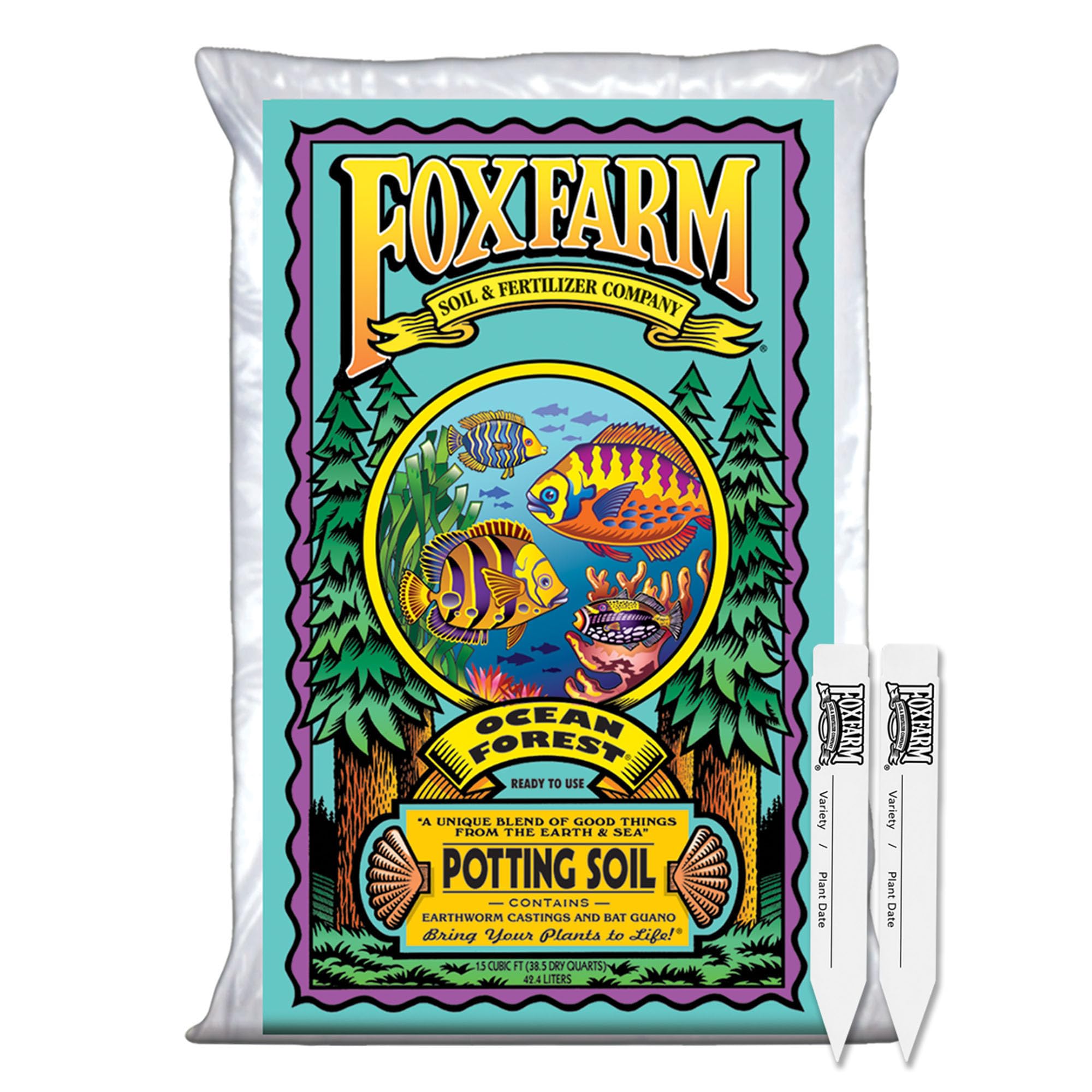
FoxFarm Ocean Forest is the benchmark that other premium potting soils are measured against. This 1.5-cubic-foot bag delivers a light, aerated texture thanks to its blend of aged forest products, sphagnum peat moss, and perlite. The inclusion of sandy loam provides excellent drainage properties that help prevent the root rot that often plagues container gardens.
What sets this mix apart is its ingredient diversity: fish emulsion, crab meal, shrimp meal, earthworm castings, kelp meal, and oyster shell. This creates a rich, slow-release nutrient profile that supports heavy feeders like tomatoes and peppers from seedling through harvest. The bag is ready for immediate use — no mixing or supplements required. Gardeners consistently report dramatic growth differences compared to standard store brands.
One practical note: the rich organic content can sometimes encourage mushroom growth in humid conditions, which is harmless but worth knowing. The price point sits at the premium end, so some growers blend it with a cheaper base soil to stretch the value while still benefiting from the nutrient load.
Why it’s great
- Immediately water-absorbent, no dry pockets
- Rich, diverse organic ingredients for heavy feeders
- Light texture with excellent drainage and aeration
Good to know
- Premium pricing; may need blending for budget
- Can occasionally grow mushrooms in high humidity
- Not intended for direct in-ground use
2. Coast of Maine Bar Harbor Blend Potting Soil
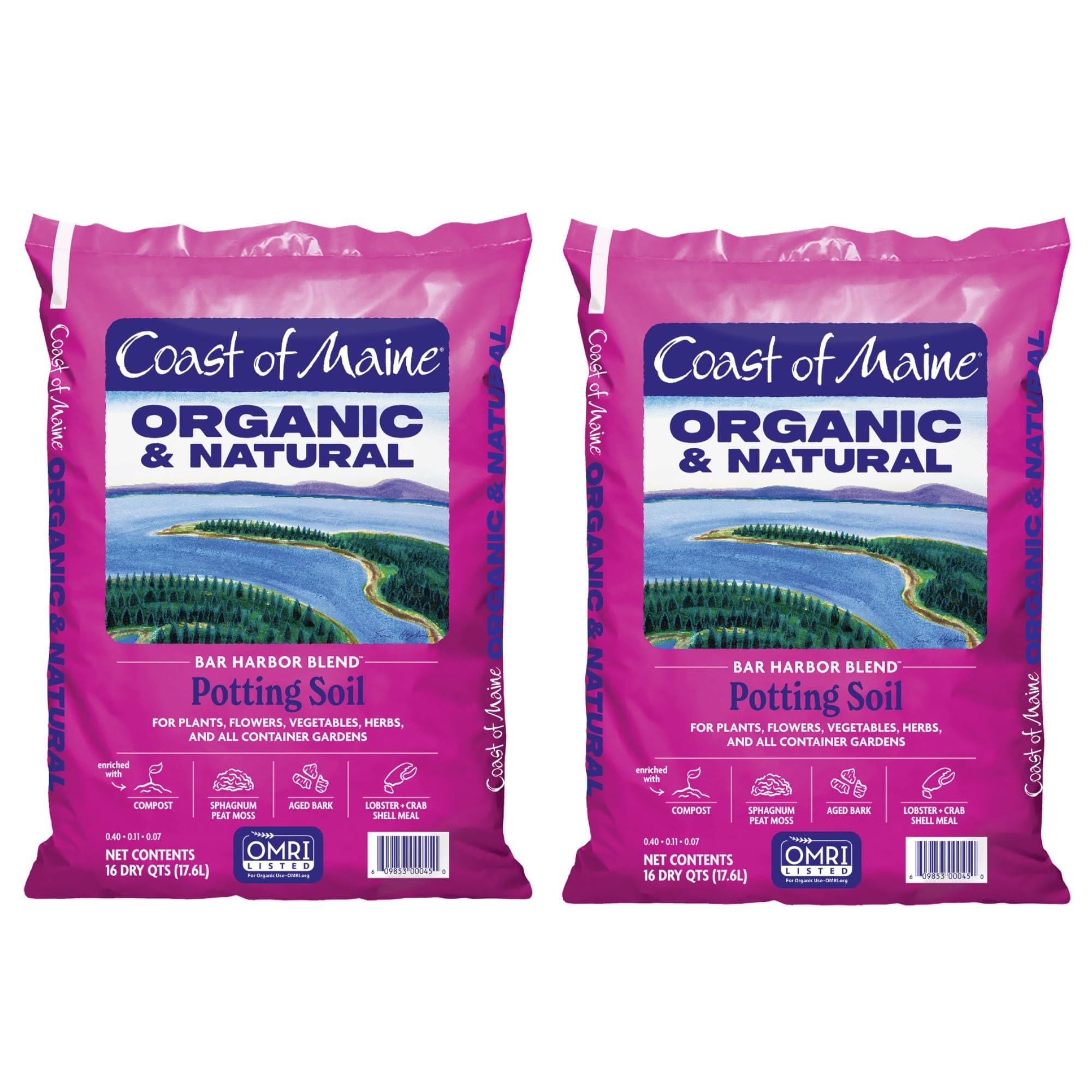
Coast of Maine brings a regional twist to its Bar Harbor Blend, incorporating lobster and crab shell meal alongside kelp meal, sphagnum peat moss, compost, and perlite. This marine-based nutrient profile provides a steady release of calcium and nitrogen, which is especially beneficial for flowering plants and fruiting vegetables. The texture is noticeably dark and rich, with less reliance on peat than many competitors.
Gardeners consistently praise this mix for its balanced moisture retention and aeration. It holds enough water to reduce watering frequency in hot weather while still draining freely enough to prevent soggy roots. The compost base gives it a soil-like feel that transitions well from seedlings to mature plants without needing additional feeding for several weeks.
Some users note that the bag size (16 quarts per pack) is smaller than bulk options, so larger raised beds may require multiple bags. The lack of synthetic fertilizers aligns with organic practices, and the slow-release nature of the marine meals means less frequent fertilizing during the growing season.
Why it’s great
- Unique marine-based organic nutrients (crab, lobster, kelp)
- Excellent balance of moisture and drainage
- No weeds or bad odors reported
Good to know
- Smaller bag size for the price
- May need supplementing for heavy feeders late season
3. Espoma Organic Vegetable & Flower Garden Soil

Espoma’s Vegetable & Flower Garden Soil is formulated specifically for in-ground use, making it the ideal product for amending native soil rather than filling containers. It contains a rich blend of organic ingredients and earthworm castings, but the standout feature is Myco-Tone — a proprietary mix of endo and ecto mycorrhizal fungi that colonize plant roots and dramatically improve nutrient and water uptake.
When mixed with existing garden soil, this product improves moisture retention and introduces beneficial biology that synthetic-heavy mixes cannot match. Gardeners report that tomatoes and marigolds show noticeably stronger growth compared to other organic brands. The texture is well-structured and easy to work with, and the 1-cubic-foot bag covers a substantial area for top-dressing or soil improvement.
Some feedback indicates potential for fungus gnats if used indoors without proper drying, but this is common with any organic mix. The bag does not contain perlite or other aeration agents, so it is best mixed with native earth or compost rather than used straight in containers.
Why it’s great
- Includes mycorrhizal fungi for root health
- Solid organic base with worm castings
- Excellent for in-ground planting and amending
Good to know
- Potential for fungus gnats if kept too wet indoors
- Lacks perlite, not ideal for straight container use
4. Michigan Peat General Purpose Potting Soil

When you have a large project like filling multiple raised beds or big planters, Michigan Peat’s 50-pound bag offers serious volume at a practical price point. The blend combines rich dark reed sedge peat with perlite and sand to create a ready-to-use medium that requires no mixing. It also includes starter and slow-release fertilizers to support plants through the early growing stages.
The texture is consistent and works well for a wide variety of plants — from vegetables to flowers to bulbs — making it a versatile option when you need a general-purpose mix. The reed sedge peat provides good water retention, while the perlite and sand ensure drainage doesn’t become an issue. Many users find it arrives moist and ready to work with straight from the bag.
A recurring note from buyers is the potential for fungus gnats to emerge from the bag, which is a common issue with peat-based soils stored in humid conditions. The fertilizer included is not organic, so this mix is better suited for general gardening than strict organic growing.
Why it’s great
- 50-pound bag for large-scale projects
- Ready-to-use with perlite already mixed in
- Good moisture retention from reed sedge peat
Good to know
- Reported issues with fungus gnats
- Contains synthetic fertilizers, not organic
- Heavy bag, shipping cost can be significant
5. Coast of Maine Organic Tomato & Vegetable Soil

Coast of Maine’s Tomato & Vegetable Soil is built around a composted manure base that delivers a big nutrient punch specifically tailored to heavy-feeding crops. The 20-quart bag is lightweight and easy to handle, yet the organic compost blend provides excellent nutrient density. The mix balances moisture retention and drainage in a way that heirloom tomatoes in particular respond to well.
The inclusion of aromatic wood components acts as a natural insect deterrent, which is a smart addition for vegetable beds prone to pests. Gardeners note that this soil supports high yields and robust growth, especially when used for seeding or transplanting tomatoes and peppers. The OMRI listing confirms its suitability for organic gardening.
Some users reported an initial wave of fungus gnats straight out of the bag, which is typical for rich organic mixes. A short period of airing out or a neem oil treatment resolves this quickly. For large gardens, the cost per bag adds up, so it is best used strategically for priority plants rather than covering an entire in-ground bed.
Why it’s great
Why it’s great
- High-nutrient composted manure base
- Aromatic wood helps deter insects naturally
- OMRI listed for organic gardening
Good to know
- Fungus gnats possible from the bag
- Premium price for smaller-volume bag
6. Great Big Roses Liquid Fertilizer Booster
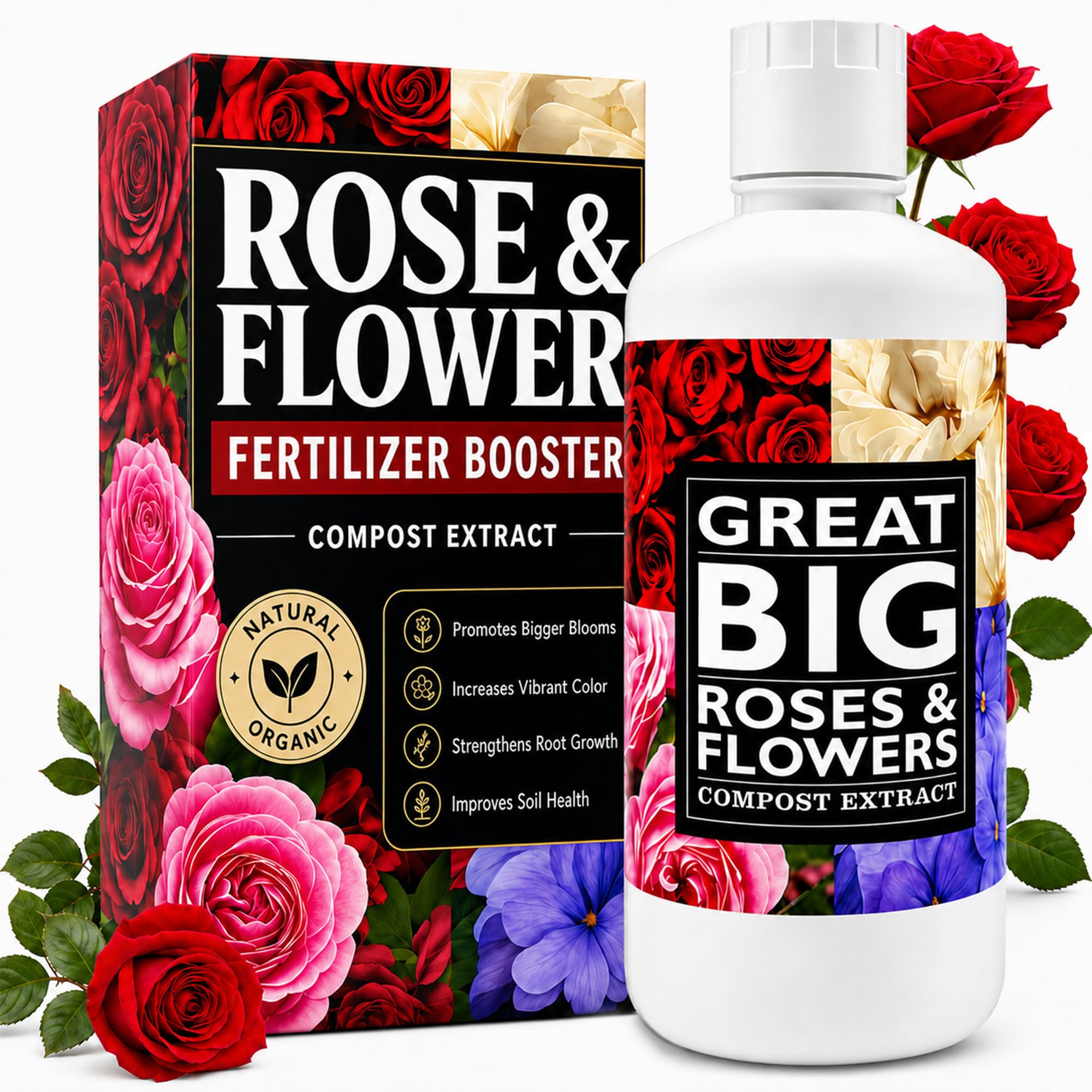
This liquid concentrate is not a soil itself, but it is a powerful tool for reviving tired or nutrient-depleted garden soil. The formula delivers humic acids, seaweed, and over 70 chelated trace minerals directly to the root zone, unlocking nutrients that may already be present in your soil but are in plant-unavailable forms. Gardeners report rose bushes that had not bloomed in years producing abundant flowers within weeks of the first application.
The 32-ounce bottle makes up to 32 gallons of solution, covering an entire growing season for most gardens. It works alongside your existing organic fertilizers — fish emulsion, bone meal, worm castings — amplifying their results rather than replacing them. Users also see strong results on hydrangeas, citrus, and other flowering shrubs.
The packaging is a common frustration point: the large-mouth jug makes it easy to spill the concentrated liquid when measuring. Despite this design flaw, the biological results are consistent across thousands of reviews. It is best viewed as a soil conditioner rather than a standalone nutrient source.
Why it’s great
- Unlocks existing soil nutrients for plants
- Proven bloom-boosting results within weeks
- High dilution ratio; one bottle lasts a season
Good to know
- Jug design makes pouring and measuring messy
- Premium cost per bottle
7. Back to the Roots Organic Worm Castings

Worm castings are one of the most potent natural soil amendments available, and Back to the Roots delivers them in a pure, 5-pound bag that is odor-free and ready to use. Unlike synthetic fertilizers, these castings contain beneficial microbes that protect seedlings from harmful pathogens and improve the overall soil food web. They can be mixed directly into garden beds, potting mixes, or used as a top dressing.
The texture is granular and blends easily into any soil structure — whether you are working with a chunky aroid mix or heavy clay ground. Users note it holds a significant amount of moisture, which is beneficial for water retention but something to watch if you are mixing it into already-dense soil. The slow-release nature of the nutrients means there is no risk of burning delicate roots.
This product is best used as a booster rather than a complete soil. It enriches the biology of your existing medium but lacks the bulk and structure of a full garden soil. For gardeners who already have a base soil and want to add a biological kick, this is a clean, USA-made choice.
Why it’s great
- Pure vermicompost with no fillers or odor
- Adds beneficial microbes to protect seedlings
- No risk of burning plant roots
Good to know
- High water retention; needs care in dense soil
- Not a complete soil — use as an amendment
FAQ
Can I use bagged garden soil directly in pots and planters?
Why does my bagged soil have fungus gnats?
Should I mix worm castings with potting soil?
Final Thoughts: The Verdict
For most users, the best bagged garden soil winner is the FoxFarm Ocean Forest because its blend of aged forest products, marine-based meals, and earthworm castings provides the richest nutrient profile for container-grown vegetables. If you want an organic mix with slow-release feeding for raised beds and hanging baskets, grab the Coast of Maine Bar Harbor Blend. And for those amending native in-ground soil with living biology and mycorrhizae, nothing beats the Espoma Organic Vegetable & Flower Garden Soil.