
Our readers keep the lights on and the weekend projects moving. As an Amazon Associate, I earn from qualifying purchases.
That pale, bitter, brownish-green powder you’ve tried before isn’t real matcha—it’s stale stock that’s been oxidizing on a warehouse shelf for months. Real affordable matcha powder bursts with a vibrant jade hue, a creamy, vegetal sweetness called umami, and a steady, jitter-free energy that coffee simply can’t match. The trick is knowing which value-priced options actually deliver this without cutting corners on freshness or origin.
I’m Rikta — the co-founder and writer behind FitlyFast. I’ve pored over hundreds of spec sheets, production batches, and customer reports to compile this guide on quality-driven, cost-conscious matcha that respects both your morning ritual and your wallet.
Whether you are switching from coffee, building a home latte routine, or simply looking for a clean daily green tea, finding the right affordable matcha powder means knowing which brands prioritize stone-grinding, first-harvest leaves, and monthly air-freight to keep the chlorophyll and L-theanine intact.
How To Choose The Best Affordable Matcha Powder
Cheap should not mean chalky or dull. When you’re hunting for a value-priced matcha, the key is focusing on three variables that separate a vibrant daily staple from a dusty regret: harvest season, grind method, and packaging freshness. Ignore “grade” labels and look at the actual leaf origin and the production timeline.
First Harvest vs. Second Harvest
First-harvest leaves (the spring flush) contain higher concentrations of L-theanine, the amino acid responsible for matcha’s signature umami and calm-focus effect. Second-harvest or summer-harvest leaves have more catechins, which increase bitterness and astringency. Affordable options that use a blend of first and second harvest can still taste smooth if the cultivar mix is right, but pure first-harvest powder offers the best flavor-per-dollar ratio for daily drinking.
Stone-Ground vs. Jet-Milled
Traditional granite stone-grinding produces an ultra-fine particle size (5–10 microns) without generating heat that degrades chlorophyll and antioxidants. Jet-milling is cheaper and faster, but the friction heat diminishes color and terpene complexity. A budget-friendly matcha that lists stone-grinding in its specs is almost always a safer bet for vivid green color and a silky texture than an equivalently priced jet-milled product.
Airtight Packaging and Freshness Date
Matcha begins losing its bright green color and sweet aroma within weeks of being exposed to oxygen. Look for opaque, airtight tins or resealable pouches with a harvest or “packed on” date rather than just a “best by” year. Brands that air-freight their matcha from Japan in monthly shipments deliver dramatically fresher flavor than those that sit in a distributor’s warehouse for months.
Quick Comparison
On smaller screens, swipe sideways to see the full table.
| Model | Category | Best For | Key Spec | Amazon |
|---|---|---|---|---|
| Jade Leaf Organic Matcha Latte Mix | Latte Mix | Café-style lattes at home | Lightly sweetened, 50 servings per tub | Amazon |
| FKRO Tea Master’s Ceremonial | Ceremonial | Daily traditional usucha | Air-flown monthly, 30g tin | Amazon |
| Dona First Flush Ceremonial | Ceremonial | Nutty, roasted flavor profile | First flush, small-farm sourced | Amazon |
| Ocha & Co. Shizuoka Organic | Ceremonial | Deep umami & sustained energy | Gokou cultivar, 100g bag | Amazon |
| Midori Spring Gold No.2 | Ceremonial | Unique roasted flavor blend | 5-cultivar blend, 30g tin | Amazon |
| Republic of Tea Full-Leaf | Ceremonial | Authentic traditional preparation | Stone-ground, 1.5 oz tin | Amazon |
| Jade Leaf Culinary Grade | Culinary | Baking, smoothies, lattes | Bulk 3.53 oz resealable pouch | Amazon |
In‑Depth Reviews
1. Jade Leaf Organic Matcha Latte Mix

This 500-gram tub is the workhorse of daily matcha lattes. It combines high-quality Japanese matcha with organic unrefined cane sugar, resulting in a smooth, creamy blend that mimics the café latte without the bitter or grassy aftertaste. Each two-teaspoon serving delivers roughly 20–30 mg of caffeine paired with natural L-theanine, providing that calm, focused energy coffee drinkers often miss. The frother-friendly formulation means no clumping, no need to sift, and no gritty residue in the bottom of your cup.
Customers consistently report that it mixes instantly in both hot and cold preparations, and that the flavor is indistinguishable from overpriced coffee-shop versions. The tub lid includes a spoon, a small but thoughtful touch that keeps the routine simple. Because it’s pre-sweetened, it works best for those who enjoy a latte rather than a straight, unsweetened usucha.
The 1.1-pound pouch yields approximately 50 servings, which brings the per-cup cost down to a fraction of what you would spend at a café. While purists may want an unsweetened option, this blend excels at exactly what it promises: a fast, delicious, café-style matcha latte that makes weekday mornings significantly better.
Why it’s great
- Pre-portioned for convenience, no need to measure separate sweetener
- Froths beautifully with any milk—dairy, oat, almond, or soy
- Excellent per-serving value for the quality level
Good to know
- Contains organic cane sugar; not suitable for those avoiding sweeteners
- Not ideal for traditional ceremonial preparation due to the added sugar
2. FKRO Tea Master’s Organic Ceremonial Grade Matcha
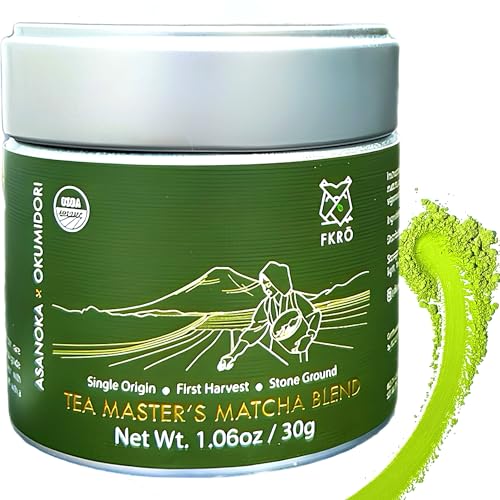
This 30-gram tin is proof that ceremonial-grade quality does not require a ceremonial budget. The matcha is curated by Sakuya-san, a 9th-dan tea master and winner of Japan’s 58th National Tea Appraisal—a credential that guarantees the leaf selection, flavor balance, and grind consistency are at an expert level. The blend draws from single-origin Kagoshima teas, producing a floral, creamy cup with gentle umami and no bitterness whatsoever.
What sets FKRO apart from other affordable ceremonial options is its supply chain. The matcha is air-freighted from Kagoshima every month, minimizing oxidation time. Customers repeatedly note the vivid jade-green color, which is the first indicator of fresh chlorophyll content, and the easy whisking consistency that produces a thick, silky foam without clumps. The dual USDA Organic and JAS Organic certifications add an extra layer of confidence for purity-focused buyers.
With 19 mg of L-theanine and 80 mg of natural caffeine per serving, it delivers that centered, jitter-free alertness that matcha drinkers chase. The only trade-off is the smaller tin size relative to bulk culinary options, which means more frequent reordering. But for a daily traditional usucha or a high-end latte, the freshness-per-scoop ratio is hard to beat at this price tier.
Why it’s great
- Expert-curated flavor profile from a national tea champion
- Monthly air-freight ensures peak freshness and vibrant color
- Dual organic certification (USDA + JAS)
Good to know
- 30g tin yields about 15 servings; best for individual daily use
- Premium first-harvest flavor may taste too delicate for those used to culinary-grade
3. Dona First Flush Ceremonial Grade Matcha
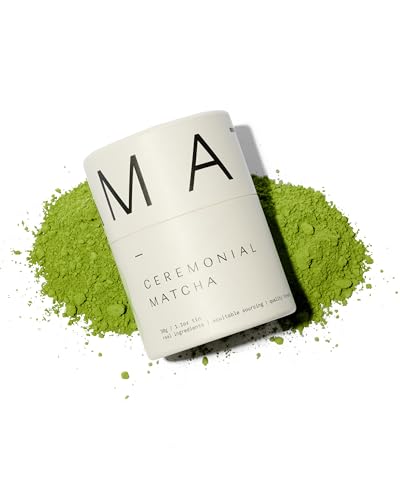
Dona sources its leaves exclusively from a first flush (May harvest) at small family estates in Shizuoka, Kagoshima, and Kyoto’s Wazuka region. This single-harvest approach concentrates the L-theanine and natural sugars, producing a matcha with a well-balanced umami core and toasty, nutty notes achieved through a unique high-temperature firing process. The result is a cup that appeals to coffee refugees who find overly grassy matcha off-putting.
The powder is an exceptionally fine, vibrant green that mixes easily for both hot and iced preparations. Customers consistently highlight that it never turns bitter, even when whisked at slightly higher water temperatures, and that a single teaspoon yields a thick, creamy texture that works beautifully as a straight tea or a latte base. The airtight tin packaging preserves the volatile aromatic compounds far better than a bag would.
With zero sugar, gluten-free composition, and vegan certification, Dona keeps the ingredient list minimal—just tea leaves. Some may find the 1.1-ounce size modest for the price, but the consensus among reviewers is that a little goes a long way due to the pure, concentrated flavor. It is a strong contender for anyone seeking a premium ceremonial experience without crossing into the high-end boutique price zone.
Why it’s great
- Roasted, nutty flavor profile that bridges coffee drinkers to matcha
- Sourced from small family farms with transparent origin details
- Luxurious creamy texture with zero bitterness
Good to know
- 1.1 oz tin is relatively small for the cost
- Toasty notes may not appeal to purists seeking a purely vegetal matcha
4. Ocha & Co. Shizuoka Organic Ceremonial Grade Matcha
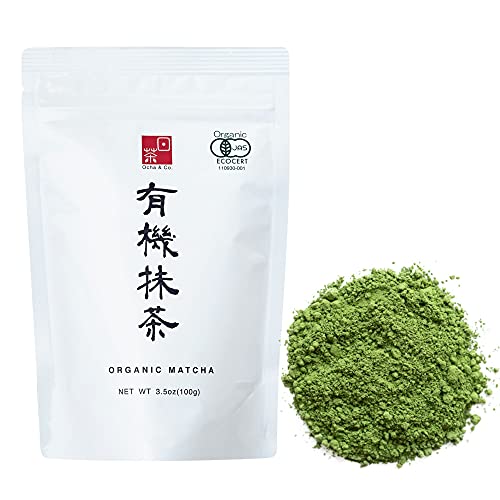
Ocha & Co. uses the rare Gokou cultivar, a tea variety prized for its exceptionally high L-theanine content and natural sweetness. The 100-gram bag delivers 50 servings of ceremonial-grade matcha that is shade-grown and traditionally stone-milled on-site at the company’s own farm in Shizuoka. The flavor is deep umami with a mellow finish—free of the astringency that plagues lesser powders.
Customers repeatedly note the vivid, lush green color and the fresh, toasted-nori aroma that signals proper amino acid preservation. Several reviewers mention that this matcha is noticeably stronger in caffeine than other ceremonial options—a factor that heavy coffee drinkers appreciate but that caffeine-sensitive individuals should approach a serving at a time.
The resealable bag packaging is practical for bulk storage, though some buyers prefer to transfer the powder to an airtight tin after opening. The JAS Organic certification and transparent origin reporting from the Suzuki family farm offer peace of mind about heavy-metal testing and agricultural practices. For the volume-to-quality ratio, this is one of the strongest daily-drinker options in the category.
Why it’s great
- Rare Gokou cultivar delivers deep umami and natural sweetness
- 100g bag yields 50 servings—excellent value for ceremonial grade
- Farm-direct sourcing from Shizuoka with fast shipping cadence
Good to know
- High caffeine content may be too strong for some users
- Bag packaging is less ideal long-term; best stored in a tin
5. Midori Spring Gold No.2 Ceremonial Grade Matcha
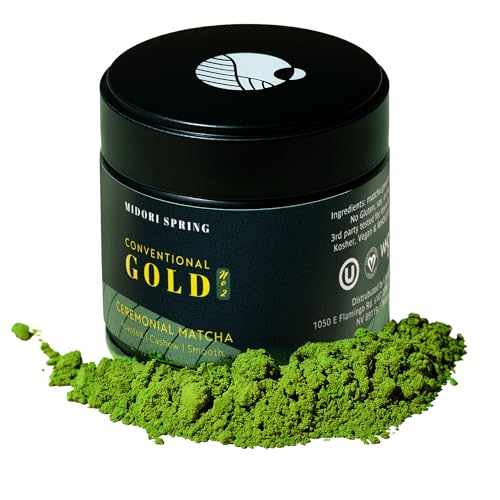
Midori Spring’s Gold No.2 uses a five-cultivar blend—Okumidori, Samidori, Kanayamidori, Yabukita, and Sayamakaori—from first-harvest leaves grown in Kyoto prefecture. This blend produces a uniquely roasted, nutty, and toasty flavor that is less floral than typical ceremonial matcha, making it a bridge for people who find traditional matcha too grassy or vegetal. The powder is small-batch stone-milled, resulting in an ultra-fine texture that blends into a silky, creamy foam with minimal whisking.
Reviewers consistently describe the taste as bold, full-bodied, and smooth with very low astringency. The nutty notes come from a longer roast of the tencha leaves before grinding, which is unusual for affordable matcha and gives Midori Spring a distinct advantage for latte drinkers who want complexity without bitterness. Third-party lab testing for metals and toxins is an additional quality layer that adds confidence for daily consumption.
The 30-gram tin is compact but dense, and the powder’s vibrant green color confirms fresh chlorophyll content. Some users find the roasted flavor profile less suited for traditional usucha, where a purer, sweeter umami is preferred. But for cold-brew preparations, lattes, and anyone who enjoys a warm, toasty tea experience, Gold No.2 punches well above its modest price point.
Why it’s great
- Unique roasted, nutty flavor that appeals to coffee drinkers
- 5-cultivar blend provides rare flavor complexity at this price
- Third-party lab tested for purity and heavy metals
Good to know
- Roasted notes may not suit purists seeking a traditional ceremonial profile
- 30g tin is on the smaller side for daily use
6. The Republic of Tea Organic Full-Leaf Japanese Matcha
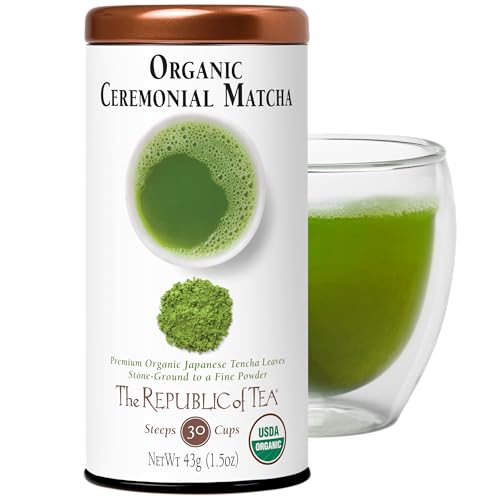
Republic of Tea’s offering is a straightforward entry into traditional matcha. The organic tencha leaves are stone-ground into a fine powder that, when whisked, produces a smooth cup with vegetal sweetness and no astringency. The flavor profile leans authentic: nutty, oatty, and creamy, with the bright green color that signals proper chlorophyll preservation. Customers who have tried premium Japanese matcha report that the taste and aroma are unmistakably genuine.
The 1.5-ounce tin steeps approximately 30 cups, which is a reasonable starting point for a new matcha drinker testing ceremonial-grade quality. The powder blends well with nut milks, and users who pair it with oat milk describe a creamy latte that rivals café offerings. The caffeine content is less than half that of coffee, making it a comfortable choice for those reducing their caffeine intake gradually.
Where this product divides opinion is in its cost-per-ounce ratio relative to the smaller container size. Some buyers feel the premium price does not match the volume, particularly compared to bulk options like the Jade Leaf Latte Mix. However, for a purist who values traditional stone-grinding and organic certification in a compact, resealable tin, Republic of Tea delivers a consistent, reliable daily matcha without any surprise flavors or additives.
Why it’s great
- Authentic stone-ground texture and traditional flavor profile
- Distinct nutty, oatty notes that pair well with plant-based milks
- Compact tin is easy to store and keeps powder fresh
Good to know
- Higher per-ounce cost compared to bulk options
- Some users find the quantity small for the price
7. Jade Leaf Organic Culinary Grade Matcha Powder

This pouch from Jade Leaf is the volume champion of the list. The 100-gram (3.53-ounce) resealable bag contains pure, unsweetened culinary-grade matcha that is USDA organic and sourced from Uji and Kagoshima, Japan. Culinary-grade means the leaves are harvested slightly later than ceremonial-grade, giving a more robust flavor with a touch more astringency—ideal for baking, smoothies, and lattes where the matcha flavor needs to cut through other ingredients.
Customers praise the consistent quality, fresh aroma, and vibrant green hue, which holds up well even when baked into muffins or blended into a protein shake. The fine powder mixes smoothly without clumping, and the mild bitterness that appears in straight tea disappears entirely when paired with milk or sweetener. For daily latte drinkers who go through multiple servings, this pouch delivers approximately 225 full-sized lattes, bringing the per-cup cost into the cents range.
The packaging is a practical stand-up pouch with a resealable zipper, though some buyers transfer the powder to an airtight tin for longer-term freshness. This is not a ceremonial sipping matcha—drinking it straight as usucha would reveal its lower-grade leaf structure and slightly astringent finish. But as a workhorse for affordable daily lattes, smoothies, and baking applications, Jade Leaf’s culinary grade offers the best volume-to-quality ratio in the entire category.
Why it’s great
- Unmatched per-serving value—pennies per latte
- Versatile across beverages, baking, and even skincare applications
- USDA organic and farm-direct sourcing from Japan
Good to know
- Culinary grade has slightly more astringency than ceremonial
- Not recommended for traditional usucha or ceremonial preparation
FAQ
What is the difference between ceremonial grade and culinary grade matcha?
Why is my matcha turning yellow-brown instead of staying green?
Is there a meaningful difference between Japanese and Chinese matcha?
Final Thoughts: The Verdict
For most users, the affordable matcha powder winner is the Jade Leaf Organic Matcha Latte Mix because it combines the smoothest flavor with the lowest per-serving cost and zero preparation hassle—a true café alternative that lands in your pantry for pennies. If you want a traditional ceremonial-grade experience with fresh, air-flown leaves for pure usucha, grab the FKRO Tea Master’s Ceremonial Matcha. And for high-volume smoothie and baking applications, nothing beats the bulk-friendly per-ounce value of the Jade Leaf Culinary Grade.