
Our readers keep the lights on and the weekend projects moving. As an Amazon Associate, I earn from qualifying purchases.
After a full day on the trail, the last thing you want is a bland, soggy pouch that needs two cups of fuel to boil and tastes like salted cardboard. Real backpacking dinners balance calorie density with actual flavor, rehydrate in less than ten minutes, and don’t weigh down your pack with unnecessary water weight or bulky packaging. The difference between a good trip and a great one often comes down to what you eat when the sun goes down.
I’m Rikta — the co-founder and writer behind FitlyFast. For this guide, I’ve cross-referenced hundreds of verified buyer reviews, analyzed ingredient labels, tested rehydration ratios, and compared protein content, calorie density, and sodium levels across seven of the most popular backpacking dinner options available right now to find the ones that actually deliver on the trail.
Whether you want a hearty meal you can cook with cold water or a premium freeze-dried feast with real meat, this guide will help you find the perfect backpacking dinners for your next adventure.
How To Choose The Best Backpacking Dinners
Not all trail dinners are created equal. The best choice depends on how you hike, whether you carry a stove, and how much weight you’re willing to haul. Focus on these core factors to avoid ending up with a meal that’s too heavy, too bland, or too slow to prepare.
Calorie Density vs. Total Calories
A meal that claims 800 calories is useless if it weighs a pound. The real metric is calories per ounce — shoot for 120-150 cal/oz for most freeze-dried meals. No-cook meal bars like Greenbelly hit over 200 cal/oz because they contain no water at all.
Rehydration Time & Water Volume
When you’re tired and cold, waiting 20 minutes for a pouch to rehydrate feels like an hour. Look for meals that rehydrate in 10 minutes or less. Also check the water requirement: some premium brands like Peak Refuel use less water per serving, which saves fuel and reduces weight on longer trips.
Real Meat vs. TVP
Textured Vegetable Protein (TVP) is cheap and lightweight but lacks the texture and amino acid profile of real meat. If protein matters to you — especially for recovery after high-mileage days — choose meals that specify 100% real meat and avoid soy-based fillers.
Quick Comparison
On smaller screens, swipe sideways to see the full table.
| Model | Category | Best For | Key Spec | Amazon |
|---|---|---|---|---|
| Greenbelly Variety Pack | No-Cook Meal Bar | Ultralight & stoveless trips | 650 cal per pouch | Amazon |
| Peak Refuel Basecamp 3.0 | Freeze-Dried Bucket | High-protein & bulk supply | 100% real meat | Amazon |
| BIGHORN Butter Chicken | Freeze-Dried Pouch | Big flavor & generous meat portions | 2850 cal for 4 packs | Amazon |
| Harmony House Backpacking Kit | Dehydrated Veggie Kit | Customizable & plant-based | 70+ servings per kit | Amazon |
| Mountain House Chicken Mashed | Freeze-Dried Pouch | Quick comfort food, 2 servings | 0.28 lb pack weight | Amazon |
| Mountain House Biscuits & Gravy | Freeze-Dried Pouch | Hearty breakfast-for-dinner | 3 servings per pouch | Amazon |
| PROBAR MEAL Superfood Slam | Plant-Based Meal Bar | Quick, no-prep trail lunch | Whole food ingredients | Amazon |
In‑Depth Reviews
1. Greenbelly Backpacking Meals Variety Pack

Greenbelly reimagines backpacking dinners by removing the stove, pot, and fuel entirely. Each pouch contains two soft, dense bars that deliver a full 650 calories with 5.5 ounces of weight — an industry-leading calorie density that ultralight hikers and trail runners depend on. The whole food ingredients include oats, nuts, seeds, and dried fruit, and the bars come in a resealable pouch that keeps them fresh for days on the trail.
Customers who used these on multi-day treks — including the Amazon Jungle Ultra — report sustained energy without the bloating or blood sugar crashes typical of sugary bars. The bars have a chewy, flaky texture similar to a soft granola bar, and they go down easy even when you’re not hungry. Because they require no water to eat, they’re also ideal for cold-weather trips where boiling water is a chore.
The main trade-off is taste: while many find the flavor pleasant, the texture can be dense and dry, and some pouches are difficult to open in the field. You’ll want to drink water alongside them to wash down each bite. For stoveless trips where every ounce counts, Greenbelly is the clear winner.
Why it’s great
- Zero cooking required — saves fuel and pot weight
- 650 calories in a 5.5 oz pouch
- Made with whole food, gluten-free ingredients
Good to know
- Dry texture requires water to eat comfortably
- Foil packaging can be hard to open without scissors
2. Peak Refuel Basecamp Bucket 3.0
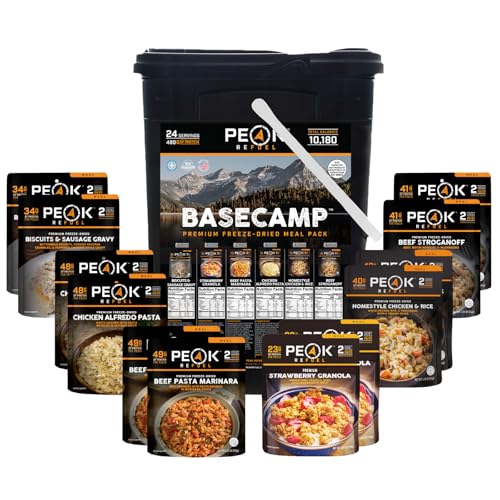
Peak Refuel sets a new standard for freeze-dried backpacking dinners by using 100% real USDA-inspected meat instead of TVP or soy fillers. The result is nearly double the protein per serving compared to typical camping meals — a critical advantage for muscle recovery after high-mileage days. Every meal in the Basecamp Bucket 3.0 rehydrates in about 10 minutes with less water than competitors, saving fuel on longer trips.
Customers consistently describe these as the best-tasting meals in the category, with flavors that rival home-cooked food. The biscuits and gravy, in particular, earned rave reviews for its authentic texture and rich flavor. The bucket itself is rodent-proof, making it ideal for car camping, basecamp setups, or week-long trips where you need to keep food secure from animals.
The most notable downside is the shorter shelf life — about 5 years versus Mountain House’s 30-year guarantee — so these are best for active use rather than long-term emergency storage. Also, nearly every meal contains dairy, which can be a problem for lactose-intolerant hikers.
Why it’s great
- 100% real meat with no TVP or fillers
- Requires less water than most freeze-dried meals
- Rodent-proof bucket for basecamp storage
Good to know
- Shorter shelf life than Mountain House
- Most meals contain dairy
3. BIGHORN Mountain Food Butter Chicken and Rice
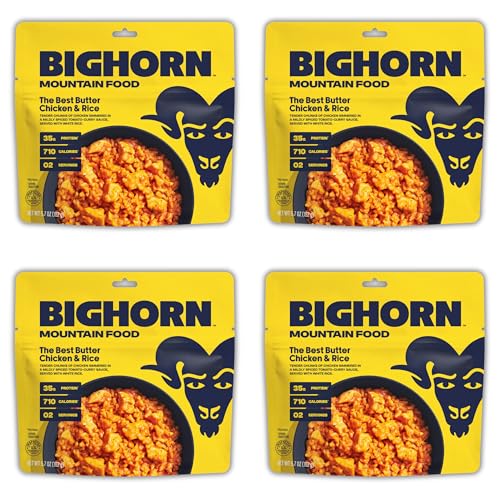
BIGHORN Mountain Food brings bold, authentic curry flavor to the backcountry with their Butter Chicken and Rice meal. Each pouch contains generous chunks of real chicken and tender rice in a creamy, spiced tomato sauce that tastes remarkably close to restaurant-quality takeout. The 4-pack yields 8 servings with a combined 2,840 calories and 140 grams of protein — enough to fuel two people for a 3-day trip or one hungry hiker for a long weekend.
Reviews consistently highlight the tender texture of the chicken and the richness of the sauce, with many calling it the best-tasting freeze-dried meal they’ve ever had. The preparation is straightforward: add hot water, stir, and let it sit for 8-10 minutes. Some users recommend adding slightly more water than the instructions call for to avoid a thick, paste-like consistency, and a double soak time helps the rice rehydrate fully.
The biggest drawback is the price per serving, which runs higher than Mountain House equivalents. The sodium content is also notable — one reviewer called it “a heart attack in a bag” — so it’s best reserved for high-output days when you’re sweating heavily and need electrolyte replacement.
Why it’s great
- Authentic butter chicken flavor with real meat
- High protein and calorie count for recovery
- Simple preparation with fast rehydration
Good to know
- Premium price per serving
- High sodium content
4. Harmony House Foods Backpacking Kit
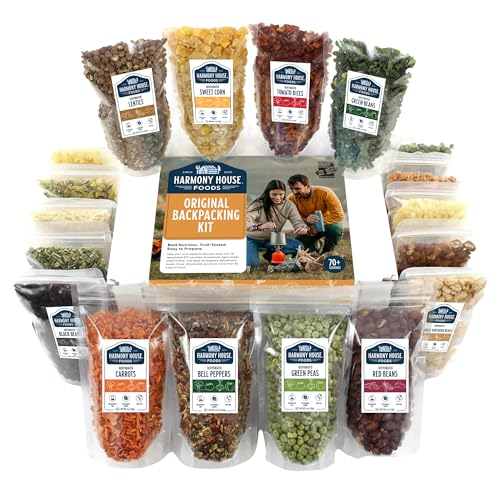
Harmony House takes a fundamentally different approach to backpacking dinners: instead of pre-made pouches, they give you the raw ingredients to build your own meals. This kit contains 18 individual bags of dehydrated vegetables, beans, and lentils — over 70 servings total — that you can mix and match with your own starches like rice, ramen, or couscous. Because there are no preservatives, no additives, and no artificial anything, this is the cleanest eating option in the lineup.
Backpacker Magazine named this kit an Editor’s Choice winner, and customers who took it on 5-night trips praised its versatility. One hiker created Mexican, Italian, Creole, and Indian-inspired meals by combining different ingredients with spices and broth. The lightweight 4.5-pound package is easy to split between two people for a week-long trip, making it significantly more economical per serving than individual freeze-dried pouches.
The trade-off is effort: these aren’t “just add water” meals. You’ll need a stove, cook pot, and patience — some vegetables like peas and green beans take longer to rehydrate than the instructions suggest. Flavor is also neutral, so you’ll need to bring your own seasonings and broth to create satisfying dishes.
Why it’s great
- Ultra-versatile — create endless meal combinations
- Clean ingredients, no additives or preservatives
- Cost-effective for long trips
Good to know
- Requires cooking and seasoning
- Some vegetables rehydrate slowly
5. Mountain House Chicken & Mashed Potato Dinner
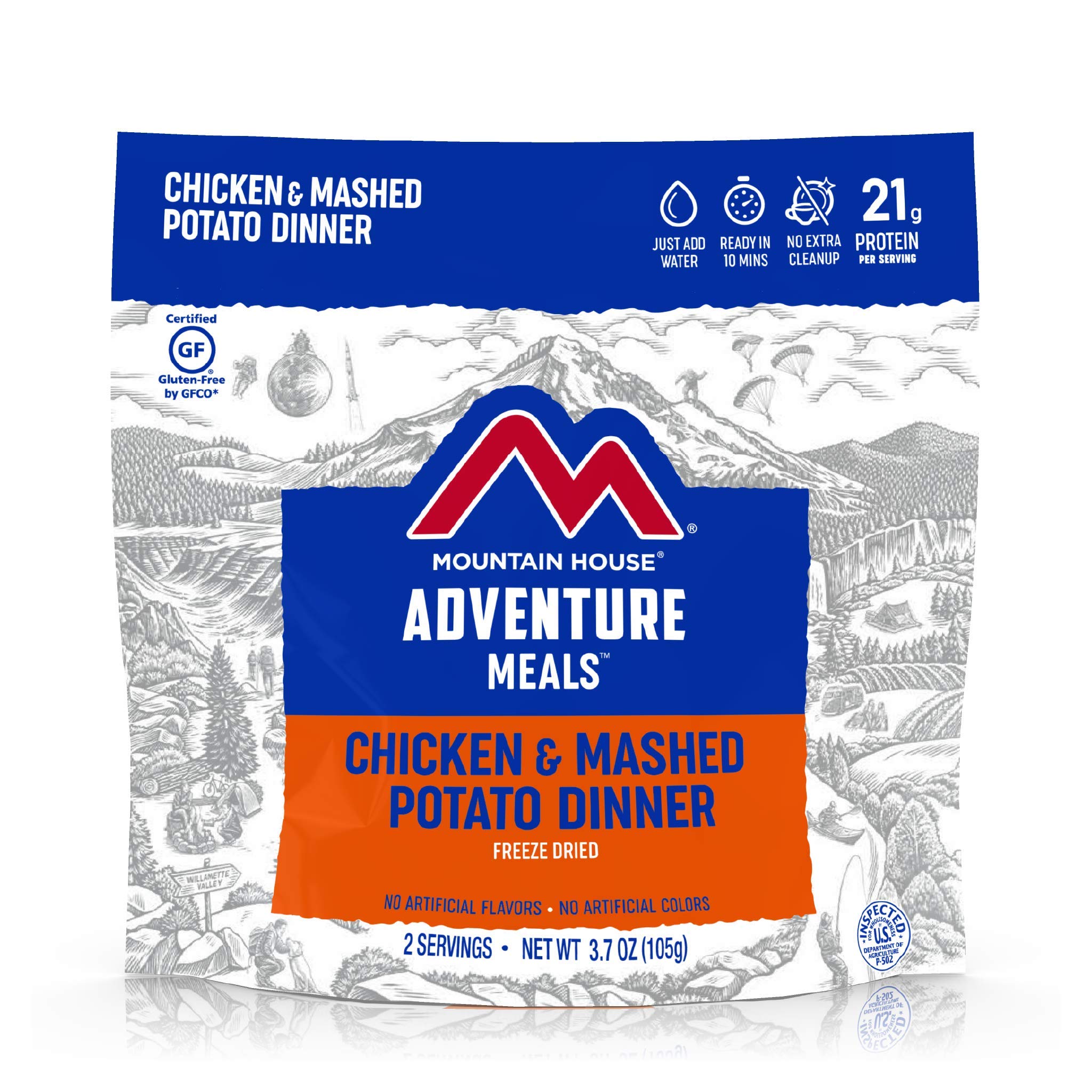
Mountain House’s Chicken and Mashed Potato dinner is the gold standard of comfort food on the trail. The combination of tender chicken pieces and creamy mashed potatoes seasoned with herbs and chives delivers a familiar, satisfying meal that feels like a reward after a long hike. Certified gluten-free by the GFCO, this pouch also fits into restricted diets better than many competitors.
Preparation is dead simple: pour in hot water up to the fill line, stir, and wait 8-10 minutes. The two-serving pouch is enough for one hungry adult or a light meal for two. Customers praise the texture, noting that the chicken stays moist and the potatoes don’t turn into paste — a common problem in cheaper freeze-dried meals. The 30-year shelf life also makes it a solid choice for emergency food storage.
However, several reviews note that the flavor is mild and benefits from added seasoning like garlic powder, rosemary, or black pepper. The mashed potato flakes are also prone to clumping if you pour water too fast, so a slow, careful pour is recommended. At around 280 calories per serving, it’s on the lighter side for a full dinner — you may want a bar or extra snacks alongside it.
Why it’s great
- Familiar comfort food that satisfies after a long day
- Certified gluten-free
- 30-year shelf life for emergency storage
Good to know
- Mild flavor may need extra seasoning
- Potato flakes can clump if not poured slowly
6. Mountain House Classic Biscuits & Gravy

Mountain House’s Biscuits and Gravy proves that backpacking dinners don’t have to be savory stews and rice bowls. This pouch recreates a Southern breakfast classic with buttermilk biscuit pieces and pork patty crumbles in a creamy, peppered gravy. At 3 servings per pouch, it’s one of the most generous portions available, and it works equally well for breakfast, dinner, or a post-hike recovery meal.
Customers who have taken this into the backcountry consistently rate the taste highly, describing it as a “sure bet” for quality. The preparation is identical to other Mountain House pouches — add hot water, stir, wait 8-10 minutes — and the texture stays consistent without turning mushy. The high calorie count and substantial fat content make it especially valuable for cold-weather trips where you need extra energy.
The main concern is the sodium level: one serving contains nearly 1,500 mg, over 60% of the daily recommended value. Combined with the high calorie density, this meal is best reserved for high-output days when you’re sweating heavily. The price per serving is also higher than the Chicken and Mashed Potato option, reflecting the larger portion size.
Why it’s great
- Generous 3-serving portion for hungry hikers
- Comforting flavor that feels like a real meal
- Fast, simple preparation
Good to know
- Very high sodium content
- Premium price per pouch
7. PROBAR MEAL Bar Superfood Slam
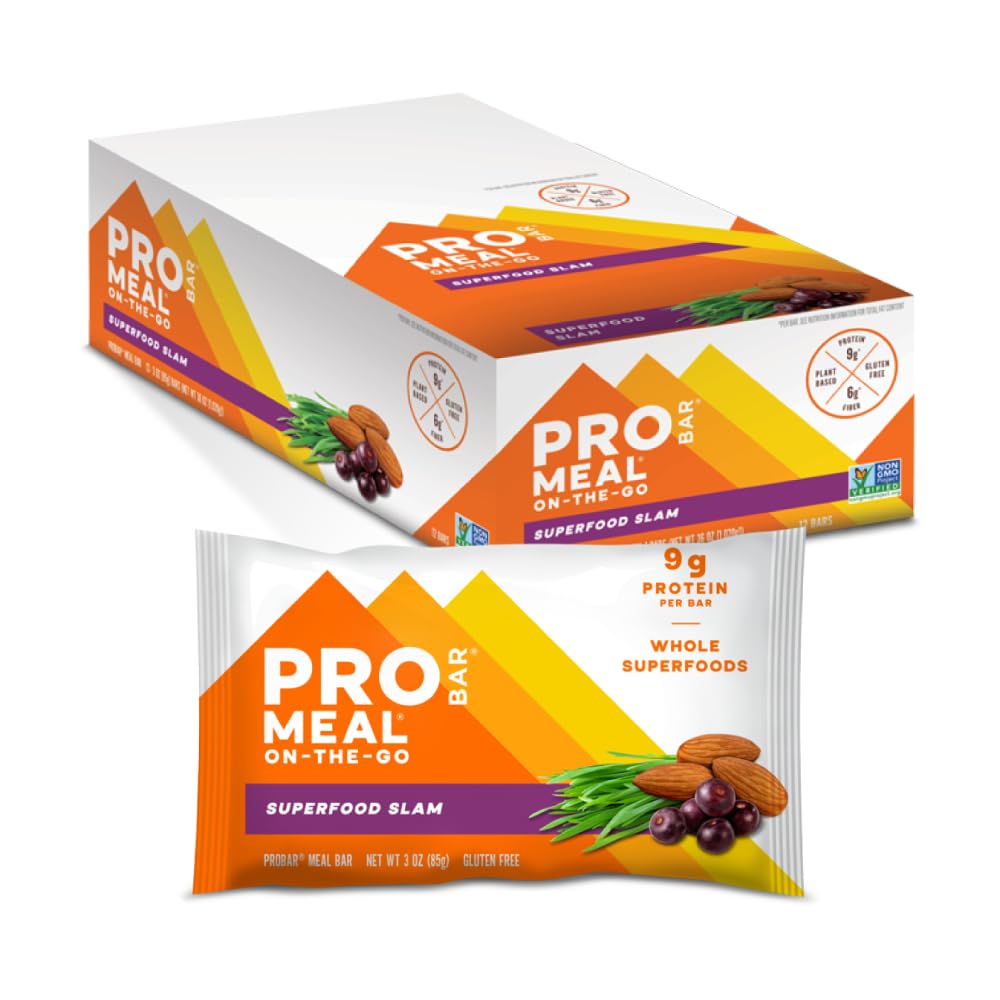
PROBAR MEAL bars are the bridge between a snack and a full dinner. Each bar packs real oats, nuts, seeds, and dried fruit into a dense, chewy format that provides sustained energy without any cooking or cleanup. While not a true “dinner” in the traditional sense, the 12-count box works perfectly as a lightweight, grab-and-go meal for days when you want to skip the stove entirely or need a quick boost between longer cooked meals.
Customers consistently praise the texture — moist and chewy rather than dry or chalky — and the fact that the ingredients are recognizable as food, not lab-formulated powder. The Superfood Slam flavor includes goji berries, flax seeds, and hemp seeds, delivering a solid mix of protein, fiber, and healthy fats. Hikers and cyclists report that a single bar keeps them satiated for 3-4 hours of moderate activity, making it a dependable option for day hikes or the first half of a long day.
The biggest limitation is protein content: at around 10 grams per bar, it’s not enough to serve as a true meal replacement for high-output days. Some customers have noted inconsistency between boxes — occasionally bars arrive dry and crumbly. Still, for the price point and convenience, these are a smart addition to any backpacker’s food kit.
Why it’s great
- No cooking, no cleanup, no stove needed
- Made with whole food, plant-based ingredients
- Convenient for day hikes or quick lunches
Good to know
- Low protein for a full meal replacement
- Texture can be inconsistent between boxes
FAQ
Can I make backpacking dinners without a stove?
How much water do I need for a typical freeze-dried meal?
Are vegan or vegetarian backpacking dinners widely available?
Final Thoughts: The Verdict
For most users, the backpacking dinners winner is the Greenbelly Variety Pack because it eliminates the stove entirely while delivering 650 calories in a lightweight, 5.5-ounce pouch. If you want real meat with high protein for recovery, grab the Peak Refuel Basecamp Bucket 3.0. And for customizable, clean-ingredient meals that let you cook from scratch on long trips, nothing beats the Harmony House Backpacking Kit.