
Our readers keep the lights on and the weekend projects moving. As an Amazon Associate, I earn from qualifying purchases.
A sideline-ready camcorder needs to lock focus on a sprinting player, handle shifting outdoor light, and deliver sharp 4K footage you can replay in slow motion. The wrong choice leaves you with blurry clips, buffering streams, or a camera that can’t keep up with the pace of the game. This guide cuts through the hype to find the models that actually perform when the whistle blows.
I’m Rikta — the co-founder and writer behind FitlyFast. I’ve spent hundreds of hours cross-referencing specs, analyzing user feedback, and comparing real-world performance metrics across the 4K camcorder market to identify which models truly serve the sports shooter.
Whether you need a compact action cam for helmet-mounted POV shots or a full-featured camcorder with a 20x optical zoom for the bleachers, the right 4k camcorder for sports balances stabilization, zoom range, autofocus speed, and battery endurance to never miss a game-winning moment.
How To Choose The Best 4K Camcorder For Sports
Picking a camcorder for sports means prioritizing features that handle motion, distance, and variable lighting. Here are the critical specs to evaluate before you buy.
Optical Zoom: Your Ticket to the Action
Digital zoom crops into an image and destroys resolution. For sports, you need optical zoom — the lens physically extends to magnify the subject. Look for a minimum of 15x to 20x optical zoom to comfortably cover a soccer field or basketball court from the sidelines or stands. Premium models from Sony, Canon, and Panasonic offer 20x or more, letting you fill the frame with a player at midfield.
Autofocus Tracking: Follow the Play, Not the Blur
Fast, reliable autofocus is non-negotiable. Camcorders with phase-detection AF or dedicated AI tracking systems can lock onto a player and maintain focus as they cut, sprint, or change direction. Models like the Canon XA70 use Dual-Pixel CMOS AF for smooth transitions, while AI-powered units like the XbotGo Falcon use dual lenses and processors to track the ball and players automatically.
Image Stabilization: Smooth Footage From Any Angle
Handheld or tripod-mounted, some shake is inevitable. Optical SteadyShot (Sony) or 5-Axis Hybrid O.I.S. (Panasonic) provide the smoothest results without cropping the image. For action cameras, a physical gimbal (like the Xtra Muse) delivers buttery stabilization ideal for run-and-gun sidelines shooting or helmet mounts.
Battery Life and Recording Time
A single game can run 90 minutes plus overtime, and tournaments can span hours. A camcorder should last at least two to three hours on a single charge. Look at battery capacity (measured in mAh) and whether the camera supports external USB power. The DJI Osmo Action 5 Pro, for example, boasts a 1950mAh battery that records up to four hours.
Live Streaming Capability
If you want to broadcast games for remote family or fans, check for built-in Wi-Fi, ethernet, RTMP/RTMPS support, or NDI compatibility. Cameras like the AVKANS GO and OBSBOT Tail Air are specifically built for streaming to platforms like GameChanger, YouTube, and Facebook Live without extra hardware.
Quick Comparison
On smaller screens, swipe sideways to see the full table.
| Model | Category | Best For | Key Spec | Amazon |
|---|---|---|---|---|
| Sony FDR-AX43 | Handheld | Versatile sideline recording | 20x Optical Zoom | Amazon |
| Canon XA70 Pro | Professional | Pro broadcast & streams | 15x Optical Zoom | Amazon |
| Panasonic HC-X20 | Professional | High-end event coverage | 20x Optical Zoom | Amazon |
| Canon VIXIA HF G70 | Handheld | All-purpose sports recording | 20x Optical Zoom | Amazon |
| XbotGo Falcon | AI Auto | Hands-free game tracking | Dual-Lens AI Tracking | Amazon |
| OBSBOT Tail Air | PTZ | Live streaming & multi-cam | AI PTZ Tracking | Amazon |
| Blackmagic Micro Studio | Studio | Multi-cam broadcast | 12G-SDI/HDMI | Amazon |
| DJI Osmo 360 | 360 Action | Immersive POV perspectives | 8K 360° Video | Amazon |
| DJI Osmo Action 5 Pro | Action | Rugged POV & vlogging | 4K 120fps | Amazon |
| AVKANS Go | Streaming | Budget live streaming | NDI/RTMP Support | Amazon |
| Xtra Muse | Gimbal | Stable mobile POV clips | 3-Axis Gimbal | Amazon |
In‑Depth Reviews
1. Sony FDR-AX43 Handycam

The Sony FDR-AX43 is the gold standard for sideline parents and coaches who want a dedicated camcorder with real optical reach. Its 20x optical zoom paired with Clear Image Zoom extends to 30x in 4K and 40x in HD, letting you pull a midfielder into tight frame from the bleachers. The Balanced Optical SteadyShot acts like a built-in gimbal, counteracting hand shake during long zooms or quick pans across the field.
Low-light performance benefits from the Exmor R CMOS sensor, keeping noise manageable under stadium lights or overcast skies. The Fast Intelligent AF tracks subjects responsively, which is critical when a player suddenly cuts toward goal. The battery slots into the back and supports charging while recording, so you can plug into a portable battery pack for full tournament days.
Wi-Fi connectivity lets you control the camera remotely from a smartphone, and the mic input allows you to capture clean ambient sound or commentary. The protruding battery can make it slightly awkward on a selfie stick, but for tripod-based recording, this is a non-issue. The Sony FDR-AX43 is a true point-and-shoot workhorse that delivers reliable 4K footage without requiring advanced manual skills.
Why it’s great
- 20x optical zoom with Clear Image boost
- Balanced Optical SteadyShot for smooth pans
- Fast Intelligent AF tracks fast players
Good to know
- Battery protrudes from the back
- No internal memory; SD card required
2. Canon XA70 Pro Camcorder

The Canon XA70 sits at the top of the consumer-pro boundary with a 1-inch CMOS sensor and DIGIC DV 6 processor that capture rich 4K UHD footage at up to 160Mbps. The 15x optical zoom lens delivers a versatile focal range, and with the 1-inch sensor’s light-gathering ability, you get clean low-light performance that smaller sensors can’t match. The Dual-Pixel CMOS AF provides smooth, accurate focusing on fast-moving subjects, which is essential for hockey or basketball games.
The detachable handle unit includes two XLR inputs with phantom power, enabling professional-grade audio from shotgun or wireless mics. Dual SD card slots support simultaneous recording — one card captures a wide shot while the other records a close-up — a huge asset for game-day backup. USB-C UVC support lets you stream HD video directly to a computer without a capture card.
The tiltable OLED EVF is invaluable for shooting in bright sunlight when the 3.5-inch touchscreen washes out. The camera also features infrared and optical image stabilization to keep footage steady during handheld panning. The monitor resolution is lower than ideal for critical focus checking, and one reviewer noted the ND filters appeared defective. Still, for a do-it-all prosumer camcorder that can handle live streaming, audio, and long recording sessions, the XA70 is a powerhouse.
Why it’s great
- 1-inch sensor for excellent low-light
- XLR audio inputs with phantom power
- Dual SD card slots with simultaneous recording
Good to know
- Monitor resolution is low for critical focus
- ND filter performance may vary between units
3. Panasonic HC-X20

The Panasonic HC-X20 is purpose-built for professionals covering news, interviews, and live events — and it translates those strengths directly to sports production. Its 1-inch MOS sensor captures 4K 60p with HEVC encoding, offering incredible detail and high frame rates for smooth slow-motion playback. The 20x optical zoom lens has a 24.5mm wide-angle start, so you can capture the full field and then zoom into a specific player without swapping lenses.
The 5-Axis Hybrid O.I.S. is among the best in the class, providing rock-steady footage during long focal length shots. Face Detection AF/AE keeps athletes sharp even when they move quickly in and out of shadows. The triple manual ring gives you tactile control over focus, zoom, and iris, which seasoned shooters will appreciate during live games.
For streaming, built-in Wi-Fi and ethernet readiness (via USB-LAN adapter) let you broadcast directly. XLR inputs on the handle ensure clean audio from a lapel or shotgun mic. The camera does require manual adjustments in very bright sunlight to avoid automatic darkening, but this is a minor trade-off for the level of pro control it offers. For event videographers who need reliability and broadcast-quality 4K, the HC-X20 delivers.
Why it’s great
- 1-inch sensor with 4K 60p capability
- 5-Axis Hybrid O.I.S. superb for long zoom
- Triple manual ring for precise control
Good to know
- Auto exposure can darken in bright sunlight
- Cheaper options exist for casual use
4. Canon VIXIA HF G70

The Canon VIXIA HF G70 brings 4K UHD recording and a 20x optical zoom to a compact, user-friendly package at a mid-range price point. The DIGIC DV 6 image processor and 8-blade aperture deliver sharp video with pleasing background bokeh, which is rare at this level. The Hybrid AF system with face detection locks onto players and keeps them in focus as they move across the frame, making it a strong option for soccer, basketball, and baseball.
UVC livestreaming is a standout feature — you can plug the G70 into a PC via USB and stream HD footage directly to platforms like YouTube, Zoom, or Facebook without additional hardware. The dual SD card slots allow relay recording, so you never miss a moment when a card fills up. The On-Screen Display Time Stamp recording embeds date, time, and timecode directly into the video, which is useful for game analysis and coaching review.
Low-light performance is adequate but not outstanding — gain settings above 4 introduce softness, and above 10 the image becomes mushy. The built-in stabilization works well for minor hand shake but isn’t as effective as Sony’s Balanced Optical SteadyShot for long zoom pans. For outdoor daytime games and budget-conscious buyers who need reliable 4K and easy streaming, the VIXIA HF G70 is a smart choice.
Why it’s great
- 20x optical zoom with good bokeh
- UVC livestreaming direct to PC
- Dual SD card slots with relay
Good to know
- Low-light performance softens above ISO 4
- Stabilization less effective than Sony’s option
5. XbotGo Falcon
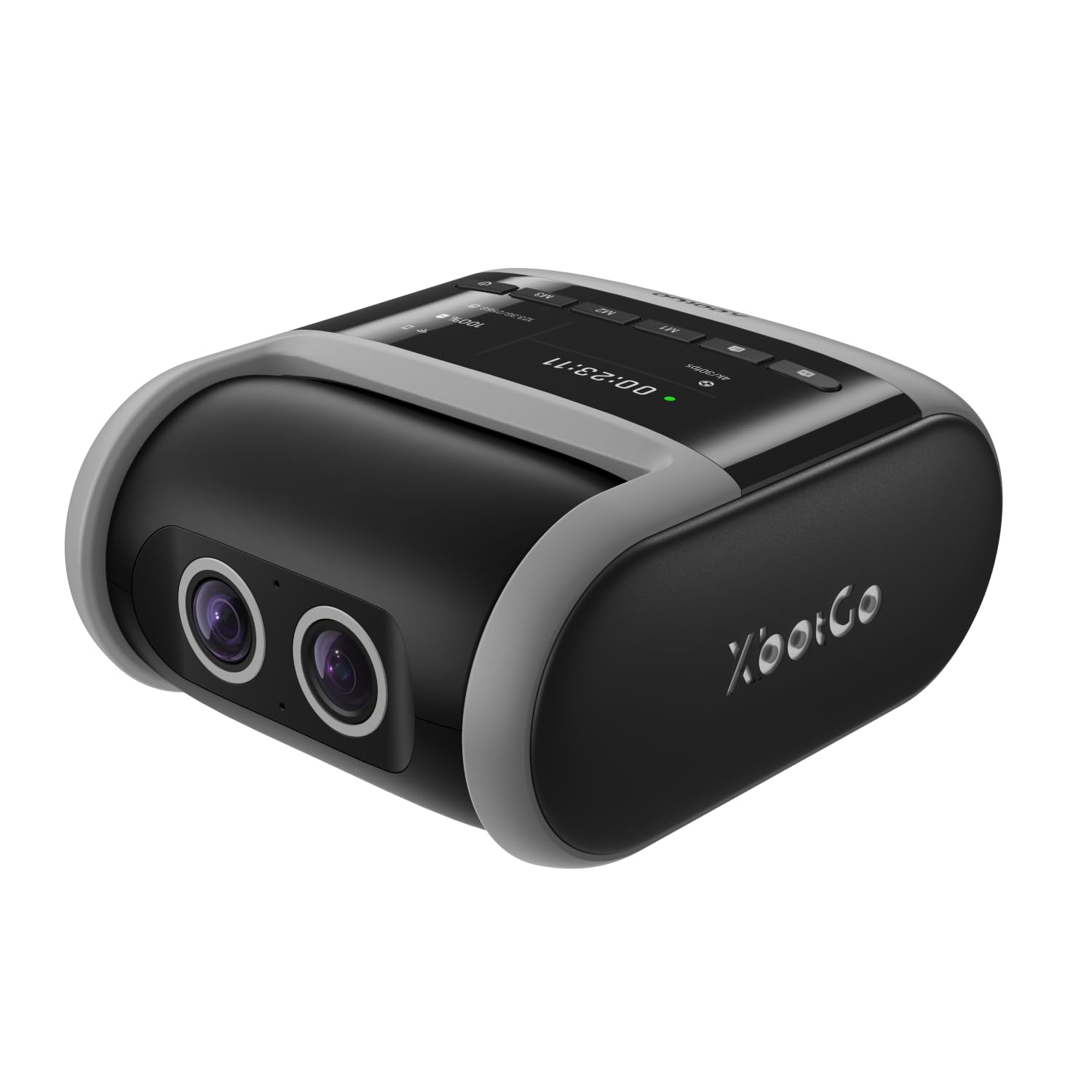
The XbotGo Falcon is an all-in-one AI-powered sports camera designed to eliminate the need for a human camera operator. Its dual-lens system combines a 4K recording lens with a dedicated AI lens that processes 6 TOPS of performance to automatically track the ball and players during soccer, basketball, and football games. The camera mounts on any standard tripod with a 1/4-inch screw and uses a phone app for control, making it exceptionally easy to deploy on the sidelines.
The AI tracking is the headline feature — it follows the action reliably during most plays, though it can lag slightly during very fast transitions or when multiple players converge. The IPX5 water-resistant rating means light rain won’t stop the recording, a real advantage for outdoor sports. Live streaming is baked in via built-in Wi-Fi, and there’s no subscription fee, which sets it apart from several competitors.
The Falcon records to a microSD card (sold separately) and can also push to cloud storage. The all-in-one design means you don’t need a separate gimbal, but the camera body is heavier than some alternatives, requiring a sturdy tripod. Battery life is good for a full game, and USB-C charging allows you to extend recording with an external power bank. For parents and coaches who want to capture games hands-free, the XbotGo Falcon is a game-changer.
Why it’s great
- AI auto-tracking for hands-free operation
- No subscription required
- IPX5 water-resistant for outdoor use
Good to know
- Heavier body needs a stable tripod
- Tracking can lag during very fast plays
6. OBSBOT Tail Air

The OBSBOT Tail Air is a compact PTZ camera that brings professional AI tracking and multi-platform streaming to sports content creators. Its 320° horizontal and 180° vertical rotation range covers an entire field or court from a single fixed position. The AI tracking system now supports humans, animals, and objects, so it can follow a soccer player, a dog on an agility course, or even the ball itself.
Connectivity is the Tail Air’s superpower — it offers HDMI, USB-C, Ethernet, and wireless options, and supports NDI streaming (with a separate license key). This makes it easy to integrate into an existing multi-camera production setup. The companion OBSBOT Start app gives you full manual control over ISO, shutter, and white balance, as well as gesture control for changing tracking subjects on the fly.
The 4K sensor captures clean footage at 30fps, and the 23mm f/1.8 lens works well in indoor gym lighting. Battery life is rated at 2.5 hours, which covers most games. The major drawback is that the battery is not user-replaceable and the camera becomes inoperable if it fails, which has been a documented complaint after roughly a year of use. For live streaming setups that prioritize connectivity and AI tracking, the Tail Air is a strong contender.
Why it’s great
- Full PTZ with 320° range
- AI tracking for humans, animals, objects
- Multiple connectivity options including NDI
Good to know
- Non-replaceable battery may fail over time
- NDI license key purchased separately
7. Blackmagic Micro Studio Camera 4K G2

The Blackmagic Micro Studio Camera 4K G2 is a modular broadcast camera designed for multi-camera live production. It records 12-bit Blackmagic RAW internally to USB drives, giving color graders immense flexibility in post-production. The MFT lens mount means you can use a wide variety of glass, from wide-angle zooms to telephoto primes, to match the specific demands of your sports setup.
For sports broadcast, the 12G-SDI input and output allow daisy-chaining multiple cameras into an ATEM switcher for instant switching between angles. The dual native ISO of 400 and 3200, combined with 13 stops of dynamic range, delivers clean images in challenging stadium lighting. The carbon composite body is incredibly lightweight, making it suitable for crash cam setups or mounting on a jib.
The camera lacks a built-in screen, so you’ll need an external monitor or a Blackmagic Video Assist for framing and focus. The LP-E6N battery lasts less than 30 minutes, so external power is essentially mandatory. The menu system requires facing the front of the camera, which is awkward during setup. This is not a grab-and-go camcorder — it’s a specialist tool for production teams who need high-quality RAW feeds in a tiny package.
Why it’s great
- 12-bit Blackmagic RAW for grading freedom
- 12G-SDI for professional multi-cam setups
- Extremely compact and lightweight
Good to know
- No built-in screen; monitor required
- Very short battery life; external power needed
8. DJI Osmo 360
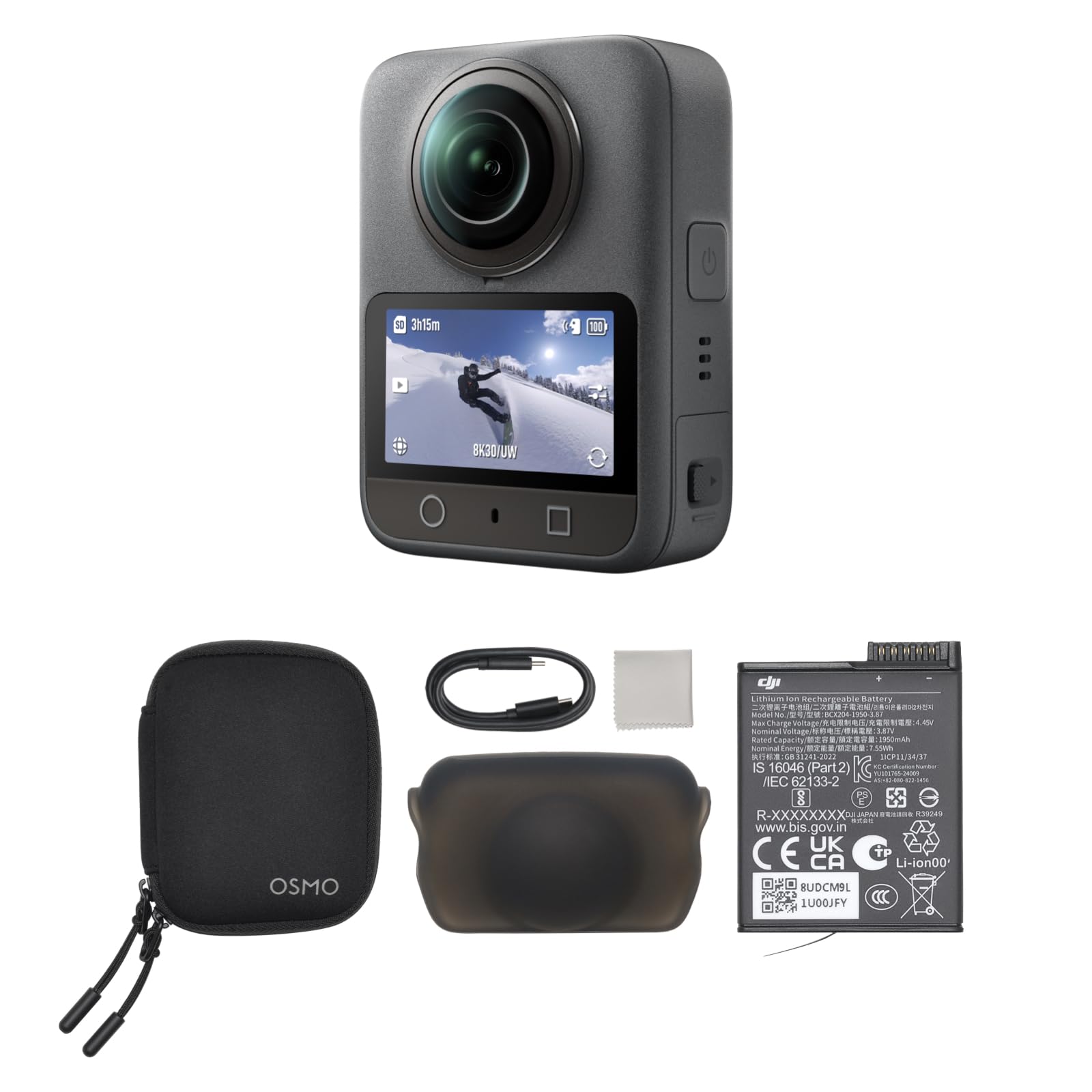
The DJI Osmo 360 redefines sports POV by capturing everything around you in 8K 360° video. The 1-inch sensors stitch together footage that you can later reframe in any direction — perfect for helmet mounts on bike rides, skiing runs, or race cars where you don’t know which way the action will come from. The 1.2-meter invisible selfie stick disappears from the shot, creating an effortless third-person perspective.
Built-in 105GB storage means you can start recording immediately without a memory card, and the 1950mAh battery delivers up to 190 minutes of recording. The magnetic quick-release mount is compatible with DJI’s accessory ecosystem, allowing fast transitions between 360° mode and single-lens vlogging. The four-microphone array captures spatial audio, and it can connect directly to two DJI Mic 2 transmitters for professional sound.
The DJI Mimo app streamlines editing with Pano Dewarp and color grading tools, making it easy to export traditional 16:9 clips from the 360° footage. The camera does get hot during extended recording, and battery life is closer to two hours in real-world use with 360° active. The Osmo 360 is not a traditional camcorder — it’s a creative tool for capturing immersive sports highlights that standard cameras can’t replicate.
Why it’s great
- 8K 360° for post-shot camera reframing
- 105GB internal storage included
- Magnetic quick-release mount
Good to know
- Runs hot during extended 8K recording
- Not a direct replacement for traditional zoom camcorders
9. DJI Osmo Action 5 Pro
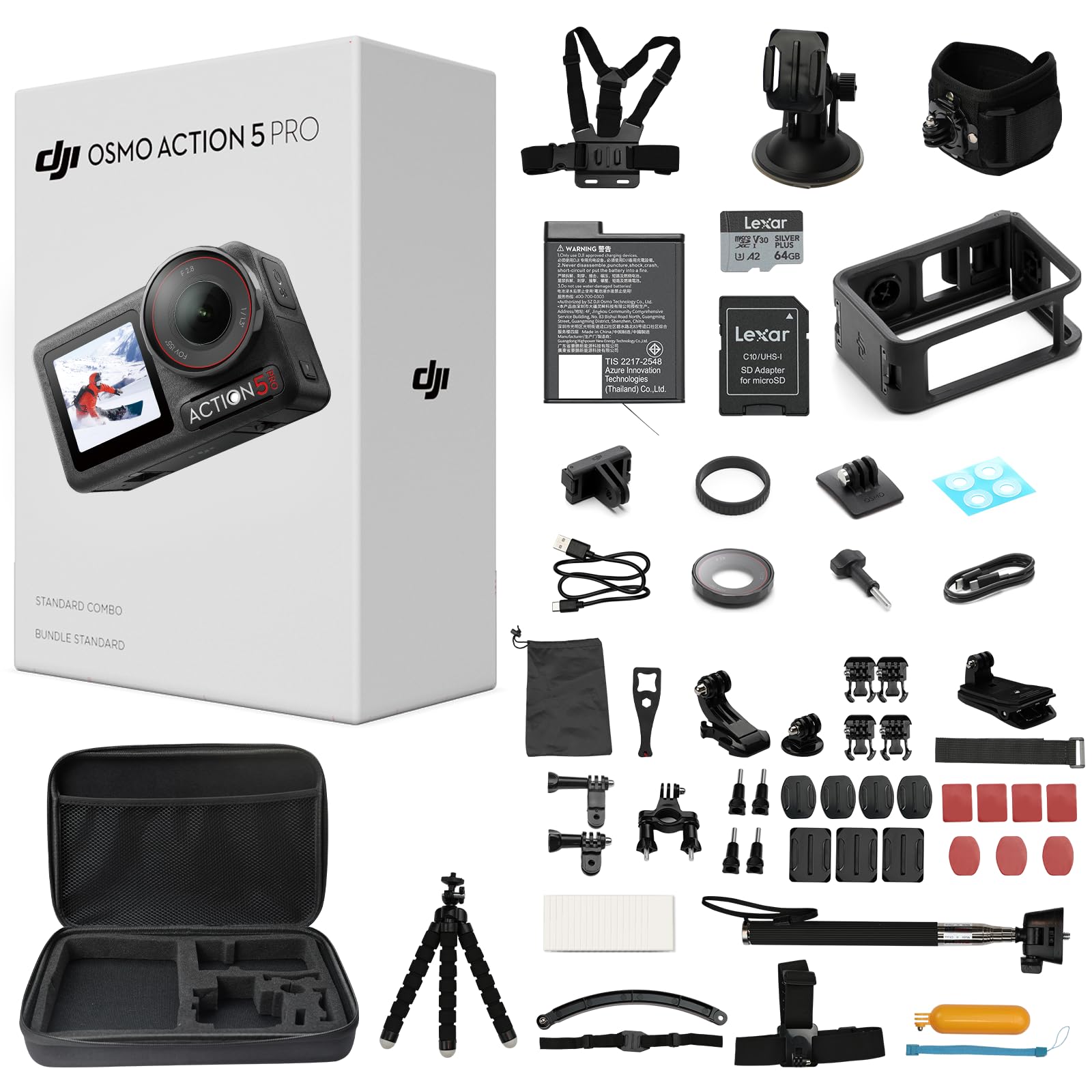
The DJI Osmo Action 5 Pro brings a larger 1/1.3-inch sensor to the action camera world, offering superior low-light performance and 13.5 stops of dynamic range. This sensor makes a big difference when recording dusk soccer practices or indoor basketball games — shadows retain detail and highlights don’t blow out. The 4K 120fps mode allows smooth slow-motion replays, and HorizonSteady stabilization keeps the horizon level even during 360° rolls.
Waterproof to 20 meters without a housing, this camera is ready for rain, snow, or sideline splashes. The 1950mAh battery lasts up to four hours, which is enough for back-to-back games. The dual OLED touchscreens are bright enough to see in direct sunlight, and the magnetic quick-release system lets you swap mounts in seconds.
Subject tracking from the 4nm chip keeps a player centered in the frame, though it works best at closer ranges. Some users have reported overheating after about 15 minutes of continuous recording at high resolutions. The included accessory kit with 58 pieces provides plenty of mounting options, though the sheer number of small parts can be confusing without a guide. For a rugged, waterproof action cam that produces excellent 4K footage, the Osmo Action 5 Pro is tough to beat.
Why it’s great
- Large 1/1.3-inch sensor with great dynamic range
- Waterproof to 20m without housing
- Up to 4 hours of battery life
Good to know
- May overheat after 15 minutes of 4K recording
- Mounting accessory kit lacks clear instructions
10. AVKANS Go
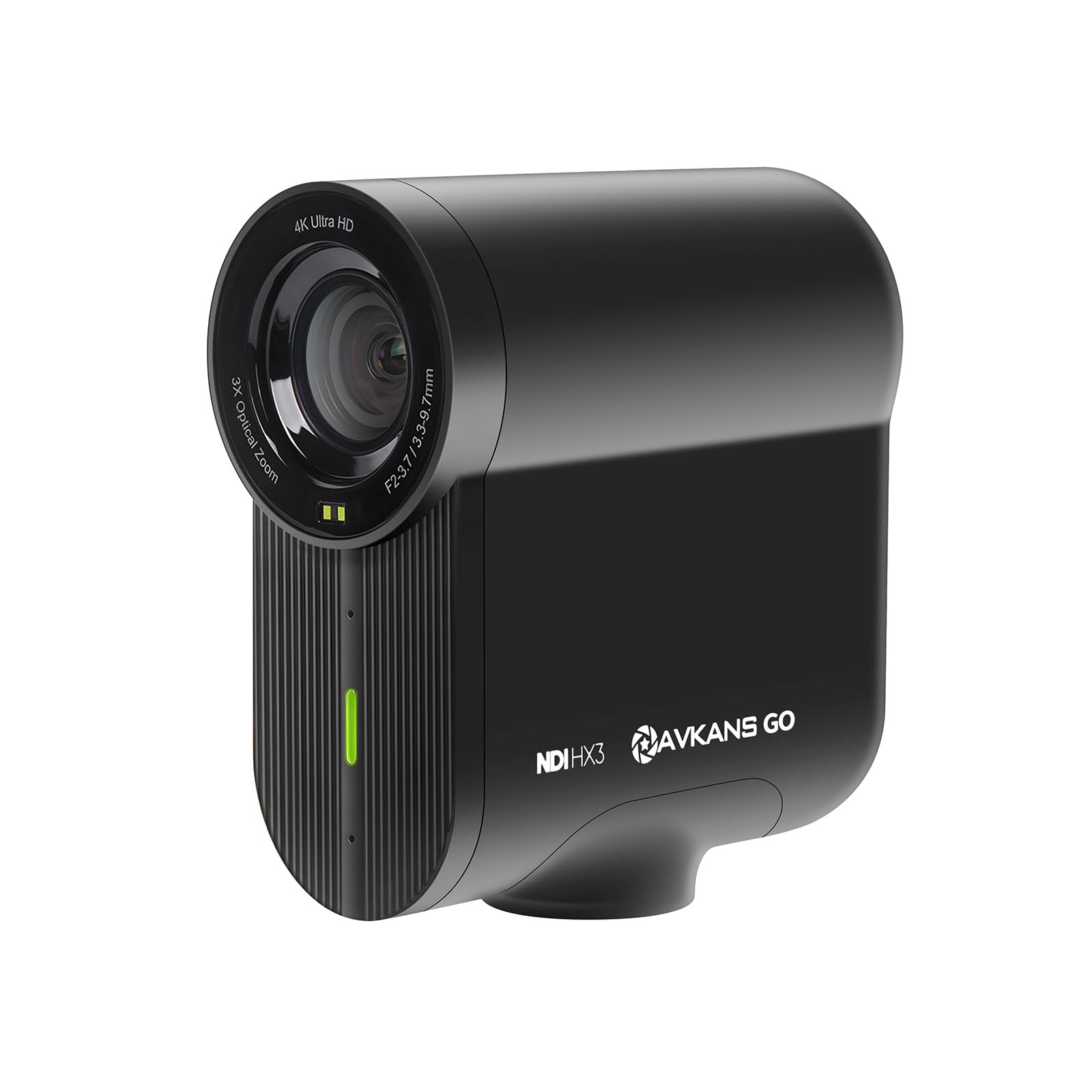
The AVKANS Go is a streaming-first 4K camera built for parents and coaches who want to broadcast youth sports directly to platforms like GameChanger, SidelineHD, and YouTube. The 90-degree wide-angle lens captures most of the field from the sideline, and the 3x optical zoom provides modest reach. The camera supports simultaneous 4K local recording to a microSD card while streaming 1080p — meaning you get a high-quality archive even if the stream bandwidth is limited.
The standout feature is the six-hour battery life, which can easily cover a tournament day or a doubleheader. The camera connects via Wi-Fi, wired Ethernet, or USB, and supports NDI, RTMP, and SRT protocols. The AVKANS Live app includes overlays, scoreboards, and lower thirds for a professional-looking stream without a laptop.
Setup is straightforward for streaming but can be finicky for standalone recording — some users report the camera dropping the stream and stopping recording simultaneously. The build feels solid, but the 3x zoom is limited compared to traditional camcorders, making it less ideal for large fields. For the budget-conscious streamer who needs long battery life and direct GameChanger integration, the AVKANS Go represents a solid entry point.
Why it’s great
- Excellent 6-hour battery for all-day use
- Simultaneous 4K recording and 1080p streaming
- Direct GameChanger and SidelineHD support
Good to know
- Only 3x optical zoom limits field coverage
- Stream stability can be inconsistent
11. Xtra Muse

The Xtra Muse is a pocket-sized gimbal camera that delivers surprisingly stable 4K 120fps footage thanks to its integrated 3-axis stabilization. The 1-inch CMOS sensor captures sharp details and supports 10-bit X-Log color mode for flexible grading in post. This camera is ideal for shooting player highlights by running alongside the sideline — the gimbal eliminates the jarring shake that ruins handheld clips.
The Master Follow feature locks the camera on a subject — mount it on a tripod and it will follow the action, keeping the player centered. The 2-inch touchscreen is responsive and flips for vlogging. The camera is significantly cheaper than a DJI Pocket 3 while offering a similar feature set, making it a strong budget alternative for creators who want stable mobile footage.
Battery life is just over two hours, which is fine for a single game but requires a power bank for tournaments. Some users report the camera works best as a secondary or B-cam due to the lack of optical zoom. The included 1/4-inch threaded handle and carrying bag make it easy to pack. For vloggers or side-hustle sports content creators who need gimbal-smooth clips, the Xtra Muse punches above its weight.
Why it’s great
- 3-axis gimbal delivers buttery smooth footage
- 1-inch CMOS with 10-bit color profile
- Budget-friendly alternative to DJI Pocket 3
Good to know
- Battery lasts just over 2 hours
- Lacks optical zoom for distant subjects
FAQ
Is 4K 30fps enough for sports recording?
What optical zoom do I need for youth soccer or football?
Can I use a standard action camera for team sports?
How important is image stabilization for sideline shooting?
What does NDI mean for a sports streamer?
Final Thoughts: The Verdict
For most users, the 4k camcorder for sports winner is the Sony FDR-AX43 because its 20x optical zoom, Balanced Optical SteadyShot, and reliable autofocus make it a dependable point-and-shoot for parents and coaches covering any outdoor sport. If you need professional broadcast features with XLR audio and dual SD cards, grab the Canon XA70 Pro. And for hands-free AI auto-tracking that follows the ball and players without an operator, nothing beats the XbotGo Falcon.