
Our readers keep the lights on and the weekend projects moving. As an Amazon Associate, I earn from qualifying purchases.
Few things are more disappointing than kneading a perfect dough only to have your rotis turn out stiff and dry within minutes. Achieving that pillowy, foldable softness isn’t luck—it’s about choosing the right wheat variety and grind. The gluten structure, protein content, and particle size of your atta dictate whether your chapati stays pliable until the last bite or turns into a cracker before you finish your dal.
I’m Rikta — the co-founder and writer behind FitlyFast. I’ve spent countless hours researching wheat varieties, stone-grinding techniques, and protein levels to separate the atta that delivers truly soft rotis from the ones that fall short.
Whether you are a home cook making rotis daily or someone looking to replicate restaurant-quality results at home, choosing the right atta for soft roti makes all the difference in texture, taste, and staying power.
How To Choose The Best Atta For Soft Roti
Not all whole wheat flour is created equal. The atta that yields soft, fluffy rotis depends on the wheat source, the milling method, and the absence of additives. Here are the factors that matter most.
Wheat Variety: Sharbati vs. Conventional
Sharbati wheat, grown primarily in the Sehore region of India, is prized for its lower protein content and finer gluten structure. Rotis made from Sharbati atta stay soft for hours because the gluten network is less rigid. Conventional wheat varieties (like durum or hard red wheat) produce stronger doughs ideal for bread, but they often yield rotis that stiffen quickly after cooking.
Milling Method: Chakki (Stone Ground) vs. Roller Mill
Traditional Chakki grinding uses two stone wheels rotating at low speed, preserving the bran and germ without generating excessive heat that damages starches. This produces a flour with better water absorption and a finer texture that holds moisture longer—key for soft rotis. Roller-milled flours are often finer but can overheat the grain, reducing the flour’s ability to stay hydrated.
Absence of Additives: No Maida, No Preservatives
Many mass-market atta brands mix in refined flour (maida) or add preservatives and whitening agents to extend shelf life. These additives weaken the dough structure and produce rotis that dry out faster. The best atta for soft roti lists 100% whole wheat with no hidden ingredients.
Quick Comparison
On smaller screens, swipe sideways to see the full table.
| Model | Category | Best For | Key Spec | Amazon |
|---|---|---|---|---|
| TAJ Sharbati 10lbs | Premium | All-Day Soft Rotis | 100% Sharbati Wheat, Stone Ground | Amazon |
| Rani Chakki 10lbs | Premium | Bulk Family Cooking | Kosher, Non-GMO, 10lb Bulk | Amazon |
| Sujata Chakki Atta 10lbs | Mid-Range | Traditional Authentic Roti | Traditionally Ground Whole Wheat | Amazon |
| TAJ Sharbati 4lbs | Mid-Range | 5-Day Trial / Small Kitchen | Sharbati Wheat, No Maida | Amazon |
| Sunrise Heritage Organic | Premium Organic | Digestive Sensitivity / Sourdough | USDA Organic, Pre-Hybridized Wheat | Amazon |
| Rani Chapati 4lbs | Budget | Entry-Level Atta Trial | Kosher, Fine Whole Wheat Texture | Amazon |
| White Lily All Purpose | Budget | Biscuits & Baked Goods | 100% Soft Winter Wheat | Amazon |
In‑Depth Reviews
1. TAJ Signature Sharbati Atta, 10lbs

This is the benchmark for soft roti performance. The TAJ Signature uses 100% Sharbati wheat with no blending, so you get the pure low-protein gluten profile that keeps rotis flexible for hours. It mimics the texture of top Indian brands like Sujata Gold and Aashirvaad Select, but the stone-grind process here delivers a noticeably finer particle size that absorbs water evenly without clumping.
Users report the dough feels slightly softer during kneading and rolls out with less spring-back—a telltale sign of proper gluten relaxation. After cooking, the rotis retain their golden color even after four hours, which means the starches aren’t degrading into dryness. The 10lb bag is practical for weekly cooking, and the freshness date on recent shipments extends well past a year from purchase.
One reviewer mentioned this outperformed their regular aata from Indian grocery stores, noting it tasted purer and had better consistency. The only trade-off is the higher per-pound cost compared to commodity flours, but for roti-specific performance, this is where the premium pays off.
Why it’s great
- 100% Sharbati wheat delivers longest-lasting softness
- Stone ground for ideal water absorption and rollability
- Golden color retention for hours after cooking
Good to know
- Higher per-pound cost than standard whole wheat flour
- 10lb bag may be too large for very small households
2. Rani Chapati Flour (100% Pure Whole Wheat Chakki Atta), 10lbs
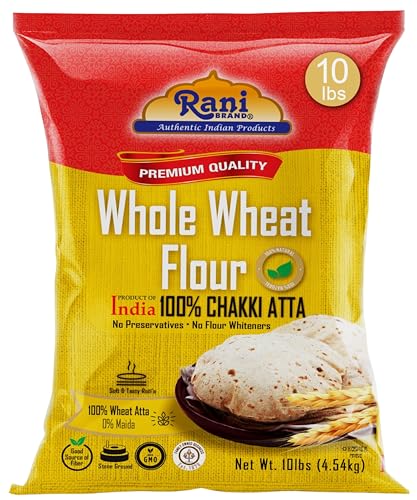
Rani’s 10lb bulk option brings the same fine-textured Chakki-grounded atta that its smaller bag is known for, but at a lower per-pound rate. The flour is 100% natural with no salt, colors, or preservatives, and it carries Kosher certification—important for households with dietary restrictions. The grind is noticeably fine, which helps the dough come together quickly with warm water and roll out smoothly without cracking at the edges.
Reviewers consistently call this the best atta they have tried for flatbreads, with one user saying their Indian coworker was shocked they had made parathas from scratch. The flour works well for roti, chapati, and puri, and the expiration dates on recent shipments have been a full year out. Since Rani has been in the spice business for over four decades, the supply chain reliability is solid.
The main downside is that the 10lb bag can feel large if you cook infrequently. But for families making rotis 3-4 times a week, this bulk size reduces the number of reorders and keeps the cost low. Some users also note that a 5lb option would be welcome for trial purposes.
Why it’s great
- Bulk 10lb size at an economical per-pound cost
- Fine Chakki grind for easy dough handling
- Kosher certified and preservative-free
Good to know
- Large bag may lead to staleness if used slowly
- No Sharbati wheat label—uses blend of Indian wheat
3. Sujata Chakki Atta, Whole Wheat Flour, 10-Pound Bag
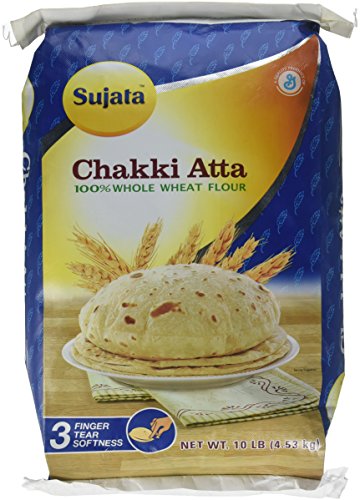
Sujata has been a staple name in Indian households for decades, and this 10lb bag continues that legacy. The flour is traditionally ground using stone chakkis, which preserves the natural oils and bran integrity. The protein content is moderate, giving rotis a soft but structured bite—not as delicate as Sharbati-based options, but more robust for people who prefer a slightly chewier texture.
Users report excellent results with chapattis, rotis, and stuffed parathas, noting the flavor tastes authentic and not bitter like some over-processed flours. One reviewer mentioned the dough rises when resting and simply needs a quick stir before rolling—a sign of active enzymes and proper fermentation potential. The bag dimensions are compact for a 10lb size, making storage manageable in standard pantry shelves.
The biggest concern with Sujata has been freshness on delivery. Some customers reported receiving bags past the “best by” date, especially from third-party sellers. Check the packaging date upon arrival and consider buying directly from Amazon fulfillment to avoid expired stock. Once fresh, this flour performs reliably for daily roti making.
Why it’s great
- Time-tested brand with consistent traditional grind
- Moderate protein for balanced softness and structure
- Compact bag size for easy storage
Good to know
- Freshness varies by seller—check packaging dates
- Not as ultra-soft as pure Sharbati options
4. TAJ Signature Sharbati Atta, 4lbs
Think of this as the trial-size version of our top pick. It contains the exact same 100% Sharbati wheat flour, stone ground with no maida, preservatives, or flour whiteners. The 4lb bag is ideal for singles, couples, or anyone who wants to test Sharbati atta before committing to the 10lb bulk bag. The smaller quantity also ensures you’re always cooking with fresh flour rather than letting a large bag stale over weeks.
Customer feedback mirrors the 10lb version: rotis come out soft, fluffy, and maintain that restaurant-quality texture. One reviewer noted the flour tastes just like what you get in Indian restaurants, praising its ease of use with just warm water. Another called it a “good deal” despite the smaller size being slightly pricier per pound than bulk alternatives.
The unit economics work best for low-volume users. If you make rotis once or twice a week, this bag lasts roughly two weeks without losing freshness. For heavy daily use, the 10lb version is more economical and reduces packaging waste.
Why it’s great
- Same premium Sharbati wheat as the 10lb bag
- Compact size ensures flour stays fresh
- No preservatives or whitening agents
Good to know
- Higher per-pound cost than bulk sizes
- May sell out frequently due to popularity
5. Sunrise Flour Mill Heritage Organic Whole Wheat Flour, 5 lbs
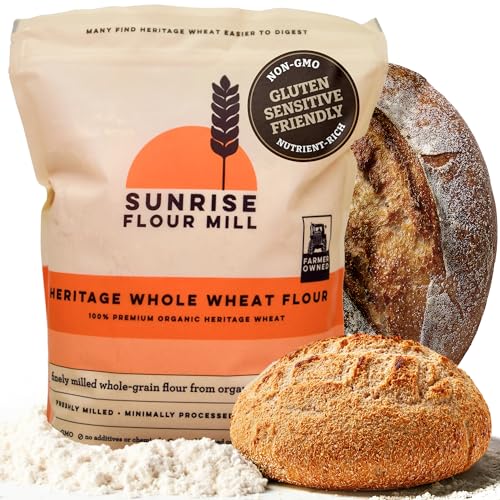
This is not your standard roti atta, but it deserves a spot for a specific audience: people who experience bloating or digestive discomfort from modern wheat. Sunrise uses pre-hybridized heritage wheat that hasn’t been crossbred for high gluten yields, making it structurally different from conventional whole wheat. The single-pass unifine milling produces an ultra-fine powder that integrates bran smoothly without the gritty texture typical of stone-ground alternatives.
Reviewers with gluten sensitivity report significantly less bloating compared to store-bought whole wheat flour. The nutty, rich flavor is a bonus—rotis made with this flour have a deeper taste, almost like freshly milled grain. The 5lb bag is milled within 10 days of shipping, so you receive flour that is fresher than most grocery store options by a long margin.
The trade-off is that this is not a traditional Chakki atta. The gluten structure is looser, so rotis may not hold together as firmly when rolling thin. For soft roti enthusiasts strictly after the Indian-style texture, this works better blended with standard atta. It excels for flatbreads where digestibility is the priority over pure pliability.
Why it’s great
- Pre-hybridized wheat for easier digestion
- Ultra-fine grind for smooth dough integration
- Milled fresh within 10 days of shipment
Good to know
- Not traditional Chakki atta—different gluten structure
- Premium price point compared to standard atta
6. Rani Chapati Flour (100% Pure Whole Wheat Chakki Atta), 4lbs
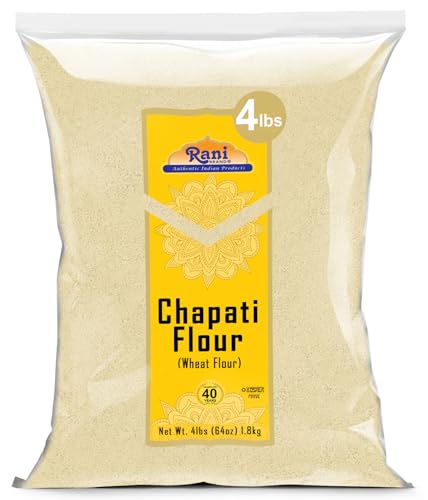
Rani’s 4lb bag gives you the same 100% whole wheat Chakki-ground flour as the bulk version, but in a size that’s easy to store and finish before it loses freshness. The grind is fine and soft, making it beginner-friendly for anyone new to making rotis from scratch. Users describe the texture as “very fine” and the parathas made with it as “excellent” in taste and texture.
The flour is Certified Kosher and contains no salt, colors, or GMOs, which matters for clean-label cooking. One reviewer who is not Indian-made parathas that impressed an Indian coworker, proving this flour is forgiving enough for less experienced hands. The expiration date on recent shipments was a full year out, so you have plenty of time to use it even at a slower cooking pace.
At this size, the per-pound cost is higher than the 10lb Rani bag. If you confirm you like the flour, switching to the larger size cuts the price significantly. The bag is plain resealable poly, so transfer to an airtight container for best long-term storage.
Why it’s great
- Fine soft grind ideal for beginners
- Kosher certified with no additives
- Small size perfect for trial use
Good to know
- Higher per-pound cost than bulk sibling
- Not Sharbati-specific—uses blended Indian wheat
7. White Lily All Purpose Flour, 5 Pound
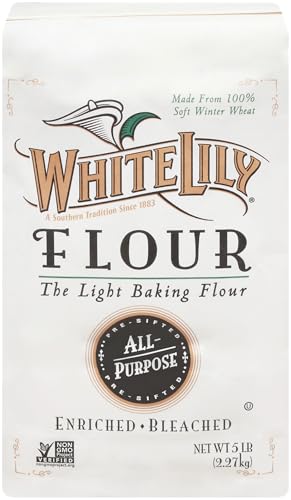
White Lily is a classic American flour made from 100% soft winter wheat with a low protein content (around 8-9%), which is actually closer to the protein level of ideal roti atta than many whole wheat flours. While it is not whole wheat nor Chakki ground, its low gluten strength means rotis made from it can be surprisingly soft and tender. This is not traditional atta, but for emergencies or for cooks who cannot find Indian flour locally, White Lily produces passable soft flatbreads.
Bakers have relied on White Lily for decades for light-textured biscuits and pancakes. The flour is bleached (unless you buy the unbleached version), which affects the flavor profile—rotis will taste milder and less nutty than whole wheat versions. The grind is super fine, so it hydrates quickly and rolls out smoothly with less water than atta.
The major limitation is nutritional: since it’s all-purpose flour (enriched but not whole grain), it lacks the bran and germ that give atta its fiber and richer taste. It works in a pinch but should not be your daily roti flour if you care about whole grain nutrition. Keep it as a backup for baking projects where texture matters more than whole grain content.
Why it’s great
- Very low protein for ultra-soft roti texture
- Super fine grind for easy dough handling
- Excellent for biscuits and baked goods too
Good to know
- Not whole wheat—lacks fiber and bran
- Not traditional Chakki atta
FAQ
What makes Sharbati wheat better for soft rotis than other wheat varieties?
Can I use organic heritage wheat flour like Sunrise for rotis?
How should I store atta to keep it fresh for soft rotis?
Final Thoughts: The Verdict
For most users, the atta for soft roti winner is the TAJ Signature Sharbati Atta 10lbs because it uses pure Sharbati wheat with stone grinding to deliver consistently soft rotis that stay pliable for hours. If you want a bulk family option, grab the Rani Chapati Flour 10lbs. And for digestive sensitivity, nothing beats the Sunrise Flour Mill Heritage Organic Whole Wheat Flour.