
Our readers keep the lights on and the weekend projects moving. As an Amazon Associate, I earn from qualifying purchases.
Treating a deep wound is fundamentally different from cleaning a surface scrape. The wrong antiseptic can damage delicate new tissue, delay closure, and increase scar formation. You need a formula that kills pathogens without killing the cells your body needs for repair.
I’m Rikta — the co-founder and writer behind FitlyFast. I’ve spent extensive time researching wound care pharmacology, comparing active ingredient concentrations, and analyzing hundreds of clinical reviews to separate the truly effective antiseptics from the ones that just burn.
This guide focuses exclusively on options designed to penetrate and protect deeper tissue without causing unnecessary chemical trauma. After thorough analysis, this is the definitive resource for finding the best antiseptic for deep wounds on the market today.
How To Choose The Best Antiseptic For Deep Wounds
Selecting an antiseptic for a deep wound requires more care than a typical first-aid purchase. The active ingredient and its concentration determine whether you clean the wound or irritate it. Pay close attention to formulations designed for wound beds, not just intact skin.
Active Ingredient and Cytotoxicity
The core difference between antiseptics is their effect on living tissue. Hydrogen peroxide and alcohol are cytotoxic — they kill bacteria but also harm the fibroblasts and keratinocytes needed for wound closure. Agents like chlorhexidine gluconate (CHG), sodium hypochlorite (Dakin’s solution), and certain saline-based cleansers are designed to be antimicrobial while remaining gentle on granulation tissue.
Application Method and Coverage
For a deep wound, a spray or liquid pour-on delivery is often superior to a cream or salve. Sprays and liquid solutions can flush debris from the wound track, reach the base of the injury, and be used with a syringe for irrigation. Salves and ointments, while protective, risk sealing contaminants inside a deep puncture if applied before thorough cleansing.
Quick Comparison
On smaller screens, swipe sideways to see the full table.
| Model | Category | Best For | Key Spec | Amazon |
|---|---|---|---|---|
| Hibiclens 32 oz | Antimicrobial Soap | Pre-op & deep wound cleaning | 4% Chlorhexidine Gluconate | Amazon |
| BerbereX Wound Spray | Antimicrobial Spray | Chronic & diabetic ulcers | FDA-Registered Formula | Amazon |
| Anasept Wound Cleanser | Spray Cleanser | Gentle daily cleansing | Fragrance-Free Medical Grade | Amazon |
| Arm & Hammer Saline Wash | Saline Solution | Non-sting initial rinse | Preservative & Drug-Free | Amazon |
| De La Cruz Merthiolate | Tincture Antiseptic | Minor cuts & scrapes | Mercury-Free Formula | Amazon |
| Rawleigh Antiseptic Salve | Protective Salve | Post-cleanse protection | Century-Old Formula | Amazon |
| Dakin’s Quarter Strength | Sodium Hypochlorite | Chronic & infected wounds | 0.125% Non-Cytotoxic | Amazon |
In‑Depth Reviews
1. Hibiclens Antimicrobial Skin Cleanser

Hibiclens is the gold standard in hospital-grade antiseptics. Its active ingredient, 4% chlorhexidine gluconate (CHG), provides persistent antimicrobial activity that continues killing bacteria on the skin for hours even after rinsing. This makes it invaluable for pre-operative wound preparation and for cleaning deep wounds where sustained protection is critical.
Unlike alcohol-based solutions, Hibiclens is gentle enough for daily use on broken skin. Surgeons and dermatologists have recommended it for decades because CHG has a low cytotoxicity profile compared to hydrogen peroxide, meaning it kills pathogens without aggressively damaging the healing tissue. The 32-ounce bottle provides a substantial supply for ongoing care.
Users report its effectiveness for everything from pre-surgical bathing to managing chronic skin conditions and preventing infection in deep cuts. The key is to use it as a gentle wash, diluting slightly for sensitive areas, and to rinse thoroughly. It leaves a protective barrier that continues working between cleansings.
Why it’s great
- Provides long-lasting residual protection even after rinsing
- Low cytotoxicity makes it safe for deep wound beds
- Trusted and recommended by medical professionals
Good to know
- Should not be used near the eyes, ears, or mouth
- Can cause skin irritation if not rinsed properly
2. BerbereX Antimicrobial Wound Cleanser

BerbereX stands out for its clinical focus on stubborn, slow-healing wounds. It is an FDA-registered formula backed by research that demonstrates its effectiveness against bacteria specifically in chronic wounds like diabetic ulcers and pressure sores. The spray application makes it easy to reach the base of a deep wound without physical contact.
User reports show remarkable results for wounds that had not healed for months or even years. One case involved a non-healing leg wound from a black widow bite that showed visible improvement after just one week. Another user reported venous ulcers that had resisted doctor-directed care for months began closing shortly after introducing BerbereX.
It delivers a thorough yet gentle cleansing that calms redness and inflammation without stinging, a critical feature for wounds requiring repeated daily dressing changes. The fine mist allows for precise application directly into the wound bed.
Why it’s great
- Clinically proven to support healing in chronic wounds
- Spray applicator reaches deep into wound tracks
- Non-staining formula won’t discolor skin or clothing
Good to know
- Higher price point for the 4-ounce size
- Best suited for targeted use rather than full-body cleansing
3. Dakin’s Solution Quarter-Strength
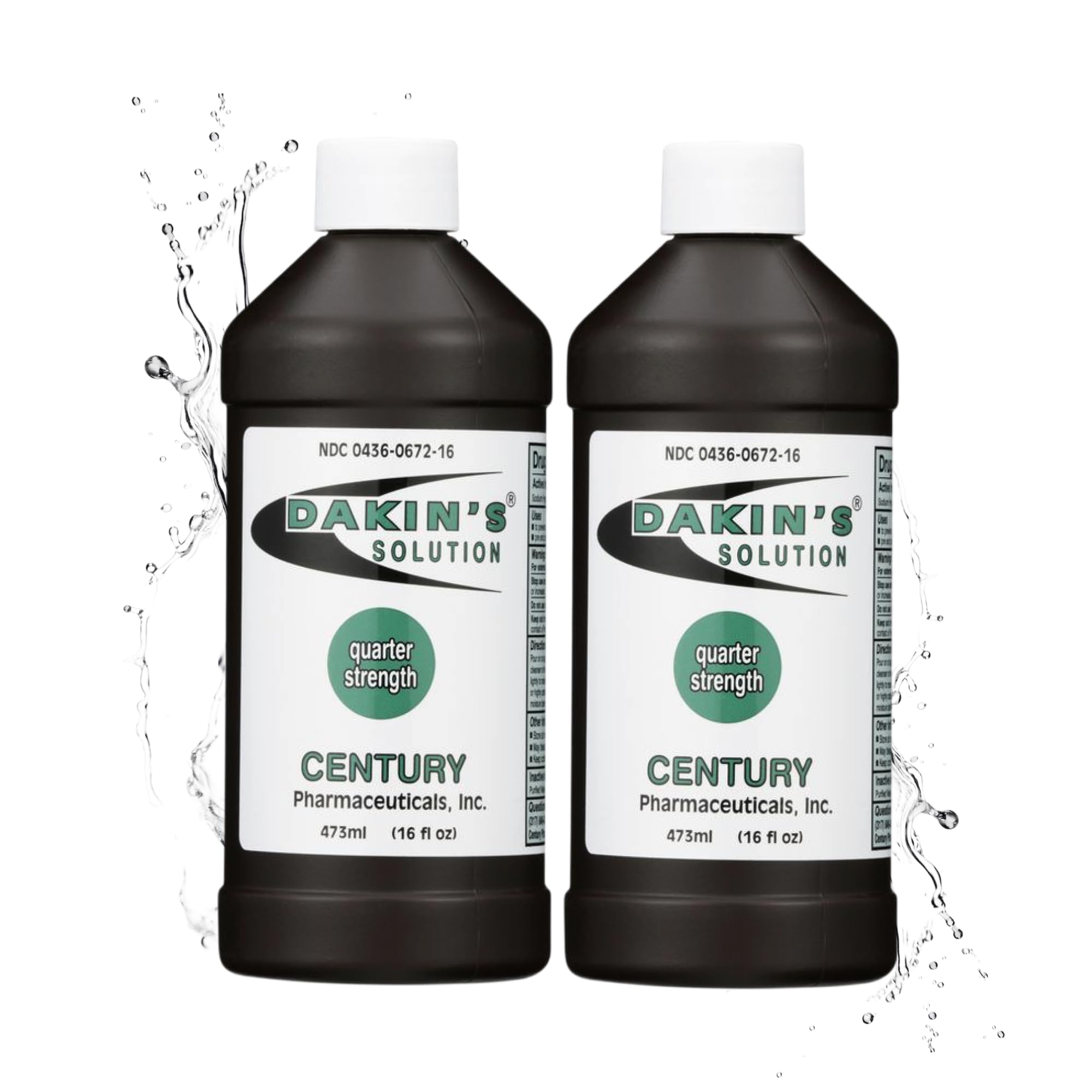
Dakin’s Solution has been a trusted wound care formula since its development during World War I. The quarter-strength version contains 0.125% sodium hypochlorite — a concentration carefully calibrated to kill a broad spectrum of pathogens without being cytotoxic to the healing tissue. This makes it an excellent choice for daily wound cleansing during dressing changes.
Wound care physicians frequently recommend Dakin’s for non-healing pressure sores and chronic ulcers. Users report that it keeps wounds clean during tissue regeneration without causing the drying or tissue damage associated with hydrogen peroxide or alcohol. The two-pack of 16-ounce bottles provides excellent value for ongoing care.
The gentle formula flushes out dirt, dead tissue, and microorganisms, setting the stage for the body’s natural healing processes. It is particularly effective for reducing the odor often associated with chronic wounds, a significant quality-of-life benefit for patients managing long-term injuries.
Why it’s great
- Specifically formulated to be non-cytotoxic to healing tissue
- Broad-spectrum antimicrobial action against bacteria and fungi
- Helps reduce wound odor effectively
Good to know
- Has a distinct chlorine scent similar to bleach
- Must be stored in a cool, dark place to maintain potency
4. Anasept Skin and Wound Cleanser
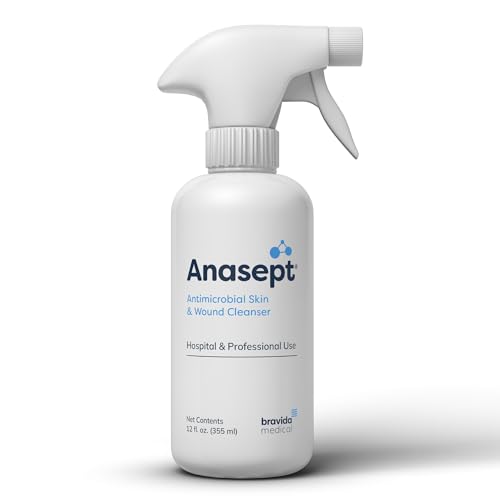
Anasept is a medical-grade wound cleanser used in hospitals, designed to remove debris without the sting or discomfort of traditional antiseptics. Its fragrance-free formulation reduces the risk of allergic reactions and makes it safe for repeated application on sensitive or compromised skin around a deep wound.
The finger sprayer provides controlled, direct application to the wound site, allowing you to target the affected area without contaminating the bottle. Users who underwent reconstructive facial surgery reported their doctors specifically recommended this product, trusting its gentle yet effective cleansing profile for delicate post-surgical wounds.
It supports faster healing by keeping the wound bed clean without drying out the surrounding skin. The 12-ounce bottle offers a generous amount of product, making it a practical choice for wounds that require frequent cleaning throughout the day.
Why it’s great
- Zero stinging makes it ideal for sensitive or post-surgical wounds
- Fragrance-free formula prevents allergic reactions
- Large bottle with convenient sprayer for easy application
Good to know
- Primarily a cleanser, not a strong antiseptic for infected wounds
- Should be followed by an antimicrobial if infection is present
5. Arm & Hammer Simply Saline Wound Wash

Arm & Hammer Simply Saline is the simplest and gentlest option on this list. It is a preservative and drug-free saline solution that cleanses wounds by flushing out dirt and debris without any chemical burning or stinging. This makes it a top choice for children, elderly individuals with thin skin, or initial wound irrigation.
Many users keep multiple cans in their medicine cabinet and vehicle first aid kit because of its reliability and safety. Piercers and tattoo artists also recommend it for aftercare because it provides effective cleansing without interfering with the healing process. The pressurized can delivers a steady stream that effectively removes debris from the wound track.
While it does not contain active antimicrobial ingredients, it is an essential first step for deep wound care — rinsing away contaminants before applying a dedicated antiseptic. The 4-pack provides excellent value for families or anyone managing a long-term wound care routine.
Why it’s great
- Absolutely no burning or stinging, even on open wounds
- Safe for all ages, including infants and the elderly
- Preservative-free formula minimizes irritation risks
Good to know
- Contains no antiseptic agents to kill bacteria
- First spray burst can come out with significant force
6. De La Cruz Merthiolate Tincture

De La Cruz Merthiolate is a revived iconic antiseptic that has been a staple in American medicine cabinets since the 1920s. The modern formula is mercury-free, making it safe for the entire family. Its distinctive red color provides a visual cue, allowing you to see exactly where you have applied the antiseptic — a useful feature for tracking coverage on a wound.
Users specifically value the visible coverage for treating wounds on animals or for ensuring they haven’t missed a spot on a larger injury. The applicator bottle uses a dabber rather than a brush, allowing for precise application directly to the wound. Reviewers note that it has the classic sting associated with effective disinfectants, which many interpret as confirmation of its activity.
This product is best suited for minor cuts, scrapes, and burns rather than deep puncture wounds. Its strong antiseptic action makes it a reliable choice for preventing infection on surface-level injuries, but it is not formulated for irrigation of deep wound tracts.
Why it’s great
- Red color provides visible confirmation of application coverage
- Mercury-free formula is safe for modern use
- Trusted antiseptic with decades of proven effectiveness
Good to know
- Stings upon application, which may be uncomfortable for children
- Not recommended for deep, puncture, or serious wounds
7. Rawleigh Antiseptic Salve
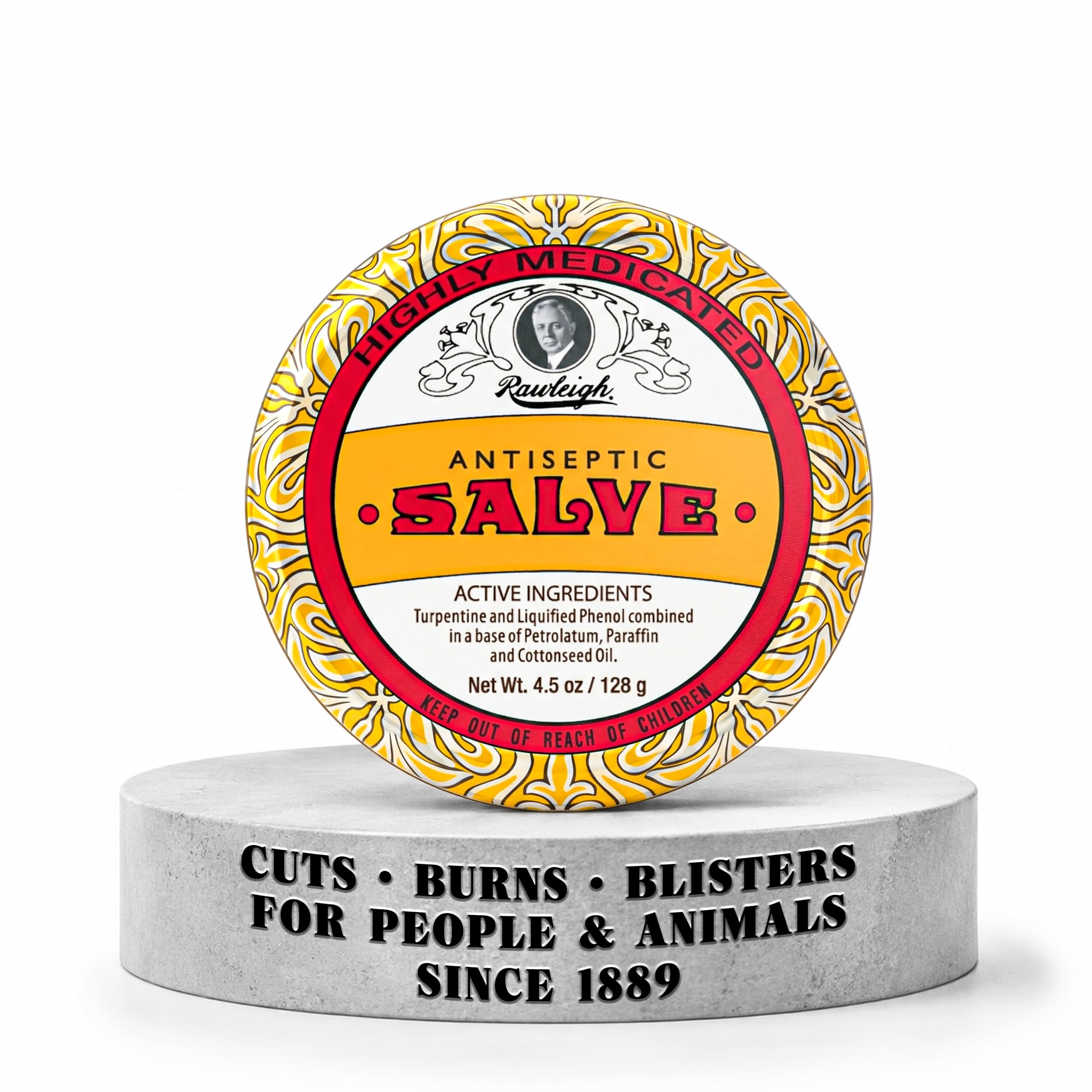
Rawleigh Antiseptic Salve is a multi-purpose protective ointment with an unchanged formula dating back to 1889. It contains turpentine and liquefied phenol in a base of petrolatum, paraffin, and cottonseed oil. This creates a thick, protective barrier that seals the wound from contaminants while providing antiseptic action.
This product is unique in that it is safe for both humans and animals, making it a true household staple for farms and homes. Users report effectiveness on cuts, scrapes, burns, blisters, chapped skin, and even bedsores. Its thick consistency means a little goes a long way, and the large 4.5-ounce tin provides months of use.
It is important to note that a salve is not suitable for initial deep wound cleansing or irrigation. Its role is to protect the wound after it has been thoroughly cleaned with a liquid antiseptic or saline solution. It excels at preventing the wound from drying out and creating a physical barrier against external bacteria.
Why it’s great
- Versatile formula works on people, livestock, and pets
- Thick barrier protects wounds from dirt and moisture
- Century-old trusted recipe with a loyal following
Good to know
- Should only be applied after the wound is thoroughly cleansed
- Strong herbal-medicinal scent may not appeal to everyone
FAQ
Can I use hydrogen peroxide on a deep wound?
Should I use a salve or a liquid for a puncture wound?
How often should I apply antiseptic to a deep wound?
Final Thoughts: The Verdict
For most users, the antiseptic for deep wounds winner is the Hibiclens because its 4% chlorhexidine formula provides unmatched persistent protection suitable for both pre-operative and daily wound care. If you want a targeted solution for chronic, non-healing wounds, grab the BerbereX. And for a gentle, non-sting rinsing first step before any antiseptic application, nothing beats the Arm & Hammer Simply Saline.