
Our readers keep the lights on and the weekend projects moving. As an Amazon Associate, I earn from qualifying purchases.
A murky, algae-choked pond isn’t a relaxing feature—it’s a chore. The single most effective natural solution is introducing the right mix of submerged oxygenators, floating canopy plants, and marginal filters that directly compete with algae for nutrients and block sunlight from reaching the bottom.
I’m Rikta — the co-founder and writer behind FitlyFast. My research for this guide involved analyzing dozens of customer experiences across multiple growing zones to identify which aquatic specimens actually perform in real backyard ponds, not just in ideal greenhouse conditions.
If you want crystal-clear water without chemical additives, you need to understand the biological filtration of aquatic plants for ponds — and which specific species deliver the fastest nutrient uptake and most reliable algae suppression.
How To Choose The Best Aquatic Plants For Ponds
Every pond has a unique combination of sun exposure, water depth, fish load, and local climate. The right plant selection depends on matching each species to these site-specific variables rather than randomly buying the most popular plant on a store shelf.
Zonal Depth Placement
Marginal plants like Iris ‘Black Gamecock’ and Arrow Arum thrive in shallow water shelves less than six inches deep, where their roots can anchor in saturated soil. Floating species such as Water Hyacinth and Water Lettuce need zero planting depth — they simply drift on the surface. Submerged oxygenators including Anacharis require a minimum water depth of ten inches to stretch toward the surface and maximize nutrient absorption.
Nutrient Competition vs. Shade Strategy
Submerged plants win the algae war by direct nutrient competition — they consume ammonia, nitrates, and phosphates from the water column before algae can use them. Floating plants win by blocking 40 to 60 percent of sunlight from penetrating the pond surface, which halts the photosynthesis cycle that drives blanket weed and green water. A balanced pond ecosystem needs both strategies operating simultaneously.
Hardiness Zone Realism
Tropical species such as Water Hyacinth are annuals in zones below USDA 9 — they provide vigorous summer filtration but will die back at the first frost. Perennial marginals like Arrow Arum and Louisiana Iris survive winters in zones as low as 5, returning each spring from dormant root crowns. Beginners should verify each plant’s zone rating against their local winter low temperatures before ordering.
Quick Comparison
On smaller screens, swipe sideways to see the full table.
| Model | Category | Best For | Key Spec | Amazon |
|---|---|---|---|---|
| Chalily Water Hyacinth (3) | Floating | Koi Pond Shade Cover | 14.4 oz mature plant weight | Amazon |
| Chalily Arrow Arum | Marginal | Shallow Shelf Filtration | Hardy to Zone 5 | Amazon |
| Iris ‘Black Gamecock’ | Marginal | Vertical Interest & Blooms | Hardy to Zone 5 | Amazon |
| 3 Plant Bundle (Lettuce, Hyacinth, Hornwort) | Mixed Bundle | Diverse Ecosystem Starter | 3 species per box | Amazon |
| 2 Lettuce + 2 Hyacinth Bundle | Floating Bundle | Double Canopy Algae Block | 100% chemical-free material | Amazon |
| Water Hyacinth (3 Count) | Floating | Budget Summer Filtration | Attracts Pollinators | Amazon |
| Pond Oxygenating Elodea Anacharis Bunch | Submerged | Direct Algae Competition | 6-8 stems per bunch | Amazon |
In‑Depth Reviews
1. Chalily Water Hyacinth Floating Pond Plants (3)

Each plant in this three-pack arrives as a mature specimen weighing a substantial 14.4 ounces, with glossy green foliage and root structures already developed for immediate nutrient uptake. The long trailing roots dangle beneath the surface, pulling dissolved waste from the water column while the broad leaves create shade that blocks algae-triggering sunlight. Buyers consistently report these hyacinths quadrupling in size within two weeks when placed in a full-sun koi pond.
The lilac blooms appear sporadically from summer through fall, adding ornamental value on top of the biological filtration function. Chalily ships these with a live-arrival guarantee, and the packaging includes moisture-retaining materials that keep the plants hydrated during transit. Most users note that the plants look slightly tired upon opening but perk up dramatically within 24 hours of floating on the pond surface.
Because Water Hyacinth is an annual outside USDA zone 9, you should plan to replace these each spring unless you overwinter them indoors in a frost-free container. The fast growth rate also means you will need to thin them every few weeks during peak summer to prevent the entire surface from being covered.
Why it’s great
- Mature plants with heavy root mass for instant filtration
- Produces attractive lilac blooms in peak conditions
- Live-arrival guarantee from a specialist aquatic nursery
Good to know
- Will die back at first frost in zones below 9
- Requires regular thinning to prevent full surface coverage
2. Chalily Arrow Arum
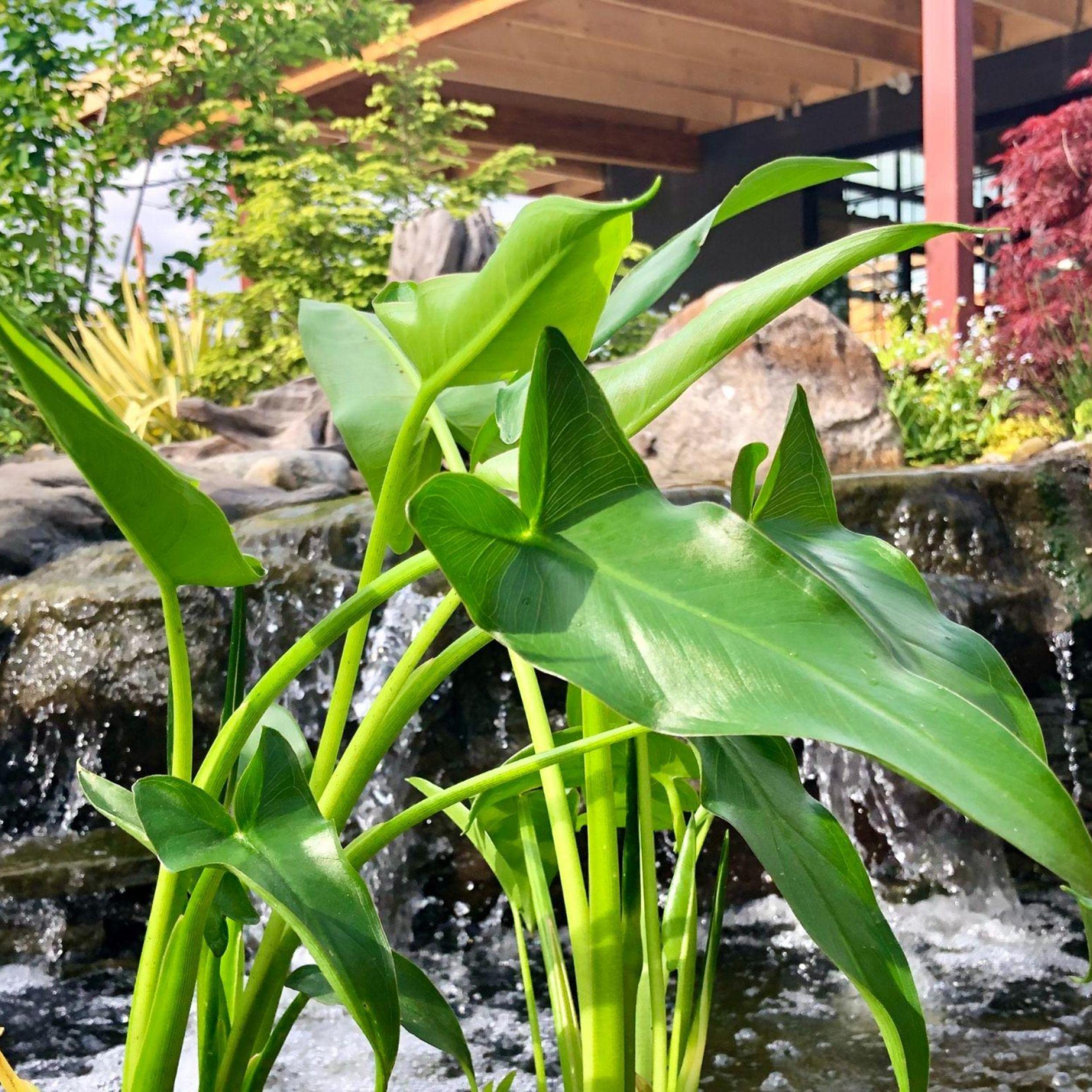
Arrow Arum delivers a permanent structural presence along the pond edge thanks to its perennial hardiness down to zone 5 — it returns each spring from its root crown even after harsh winters. The large arrowhead-shaped foliage reaches roughly 15 inches in height, creating a lush tropical border that softens the transition between water and land. Each leaf is glossy and thick, providing visual weight that no floating annual can match.
The plant functions as a marginal biological filter: its roots pull excess nutrients from shallow water shelves while the stems trap floating debris. The calla lily-like flower spike appears in mid-summer, followed by seed heads that attract ducks and other wildlife. Multiple buyers praised the robust root system visible upon unboxing, with roots extending several inches in length and showing vigorous white growth tips.
Because this is a bog plant, you need to place it in no more than six inches of water depth on a shelf or in a planting basket filled with sandy loam soil. It tolerates full sun to partial shade, making it one of the most flexible marginal species for ponds that receive inconsistent light throughout the day.
Why it’s great
- Perennial that survives winter in zone 5 and above
- Large arrowhead leaves provide thick visual border
- Shade-tolerant; works in ponds with partial sun coverage
Good to know
- Requires shallow water shelf or bog zone placement
- Some plants arrived with yellowing leaves in transit
3. Iris ‘Black Gamecock’
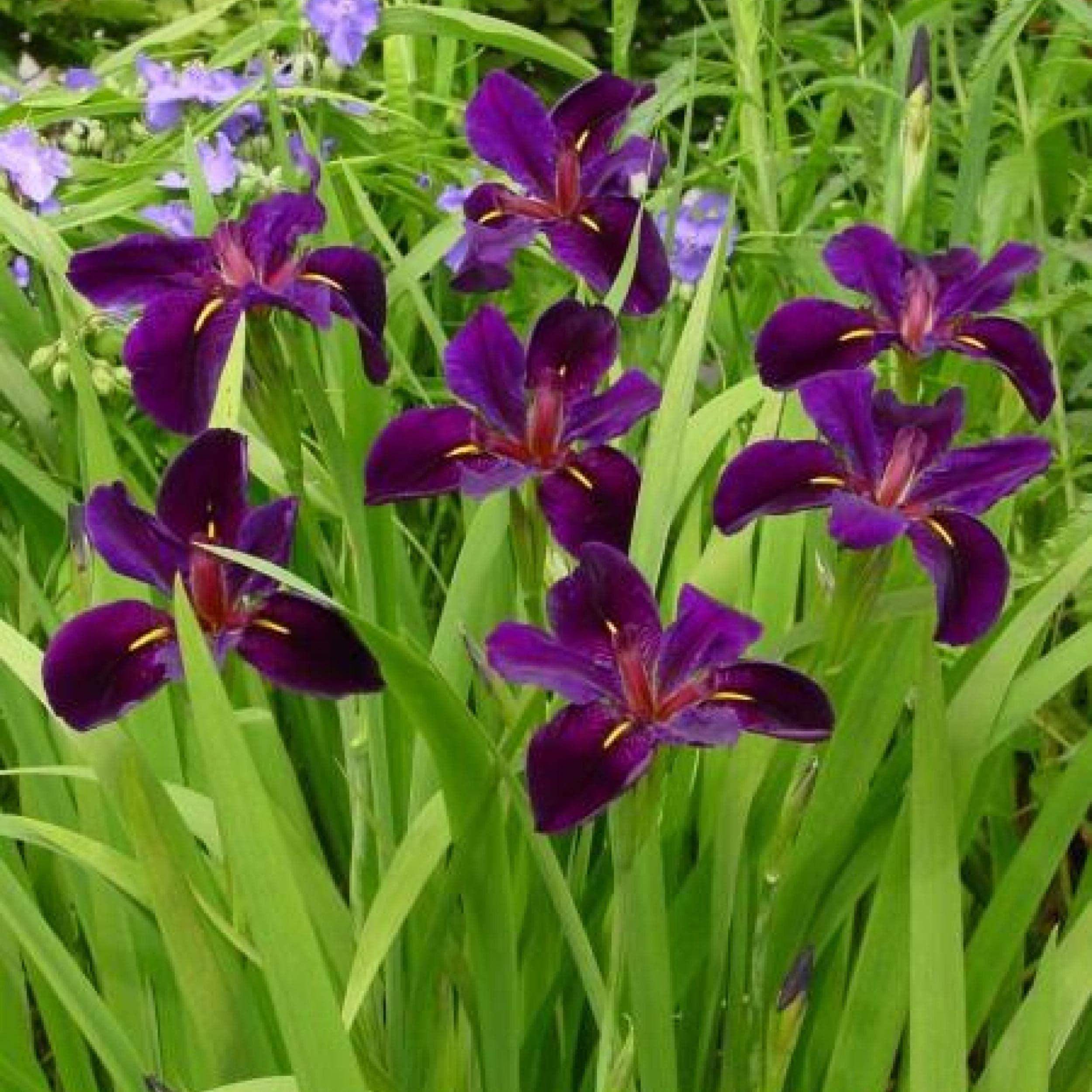
This Louisiana Iris cultivar delivers one of the darkest purple blooms available in the aquatic plant world — a velvety, almost black flower that stands out dramatically against the green sword-like foliage. The plant stays compact compared to standard pond irises, making it suitable for small water gardens where oversized marginals would overwhelm the scale. It flowers reliably in spring, with occasional repeat blooms if the growing conditions remain favorable.
Beyond its ornamental value, the dense root mat provides excellent biological filtration by absorbing nitrates and phosphates from shallow water shelves. The upright foliage offers structural contrast against spreading floaters and creates hiding spots for small fish and amphibians. Buyers consistently note that the plants arrive with strong root systems and multiple leaf fans packed in moisture-retaining wrappers.
Like Arrow Arum, this iris is winter hardy to zone 5 and requires a marginal shelf with saturated soil rather than deep water. It prefers full sun for best flowering performance but will still produce foliage in partial shade. Deadhead spent blooms to keep the plant channeling energy into root and leaf growth throughout the summer.
Why it’s great
- Rare velvety dark purple flower color stands out
- Compact size fits smaller ponds and containers
- Perennial in zone 5 with reliable spring return
Good to know
- Best bloom performance requires full sun exposure
- Some plants shipped with yellowing upon arrival
4. 3 Pond Plants Bundle — Water Lettuce, Water Hyacinth, Hornwort

This bundle provides three distinct growth forms in a single order: Water Lettuce and Water Hyacinth cover the surface with their rosette leaves, while Hornwort operates as a submerged oxygenator below the waterline. Together these three species attack pond algae from multiple angles — the floaters block light penetration while the Hornwort absorbs dissolved nutrients directly from the water column. The bundle is ideal for someone establishing a new pond ecosystem from scratch.
Water Lettuce forms soft velvety rosettes with long feathery roots, while Water Hyacinth adds height with its swollen bulbous leaf stems and occasional purple blooms. Hornwort is a rootless submerged plant that can either float freely in deeper water or be anchored loosely to the bottom. Many buyers reported that the Lettuce and Hyacinth reproduced quickly and filled the surface within a few weeks, but the Hornwort was more fragile and sometimes shed needles during transit.
The plants ship with trimmed roots, which is standard practice for aquatic species — the roots will regrow within one to two weeks after floating on the pond. This bundle cannot be shipped to Alabama, Florida, South Carolina, Texas, Wisconsin, or Louisiana due to state restrictions on Water Hyacinth. Check local regulations before ordering.
Why it’s great
- Three distinct growth forms cover all pond zones
- Combined light block and nutrient uptake strategy
- Water Lettuce and Hyacinth reproduce quickly for full coverage
Good to know
- Hornwort often sheds needles during shipping stress
- Cannot ship to several southern states due to restrictions
5. 2 Water Lettuce + 2 Water Hyacinth Bundle

This bundle gives you four individual floating plants — two Water Lettuce and two Water Hyacinth — each measuring roughly three to five inches in diameter at the time of shipment. The real value lies in the genetic diversity: having both species means you get the broad velvety leaf rosettes of Lettuce alongside the tall bulbous foliage and bloom potential of Hyacinth. Both plants are 100 percent chemical-free, grown without pesticides or fertilizers that could harm fish.
The long roots of both species dangle six to twelve inches below the surface, creating a submerged matrix that traps fine particulates and provides spawning habitat for fish and shelter for fry. Customers who ordered this bundle in late spring reported that the plants doubled in size within three weeks when placed in full sun with moderate fish load. The Lettuce tends to spread horizontally while the Hyacinth rises vertically, creating visual depth on the pond surface.
As with all floating hygrophila species, these are tropical annuals that will die at the first hard frost. The bundle cannot ship to Alabama, Florida, Connecticut, Michigan, Minnesota, Ohio, Indiana, Texas, or Wisconsin. Order early in the growing season to maximize the number of weeks your pond benefits from biological filtration.
Why it’s great
- Two complementary species for visual and biological diversity
- Grown without any chemical pesticides or fertilizers
- Fast reproduction rate when placed in full sun
Good to know
- Both species are tropical annuals outside zones 9+
- Shipping restrictions apply to several states
6. Water Hyacinth (Eichhornia crassipes) — 3 Count

This entry-level three-pack of Water Hyacinth gives you a cost-effective way to introduce biological filtration to a small or medium pond without a large upfront investment. Each plant ships as a bare-root specimen with trimmed roots — standard practice that reduces transit stress. The plants need no soil or potting, just a gentle float on the pond surface where they will quickly re-establish their root systems within two weeks.
The lavender flowers emerge on stalks above the foliage during peak summer heat, and these blooms attract bees and butterflies to the pond area. The roots absorb ammonia and nitrates while providing shaded refuge for goldfish and minnows from aerial predators. Buyers in northern states noted that these hyacinths performed beautifully during summer but died completely when brought indoors for winter, confirming their status as warm-season annuals.
Because these are grown specimens ready to reproduce, you can expect them to multiply through runner plants if the water temperature stays above 70 degrees Fahrenheit. The main trade-off is that the individual plant size upon arrival is smaller than premium offerings — expect three to five inches in diameter that will grow outward as the plants acclimate.
Why it’s great
- Low entry cost makes it easy to trial in your pond
- Lavender blooms attract pollinators to the garden
- No soil or planting required — just float and grow
Good to know
- Smaller arrival size compared to premium hyacinth packs
- Will not survive winter in zones below 9
7. Pond Oxygenating Elodea Anacharis Bunch
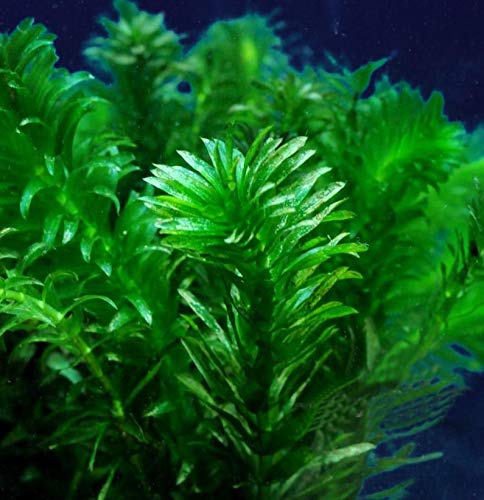
Anacharis is the workhorse of submerged pond plants — it grows fast, consumes massive quantities of dissolved nutrients, and requires no rooting medium. Each bunch contains six to eight individual stems that you simply weight at the base and drop into the pond. The stems will root into the substrate if present, but the plant can also survive floating freely while absorbing nutrients from the water column.
The plant thrives in full sun to full shade and can grow from a six-inch cutting into a six-foot stalk that reaches the surface of a deep pond. The recommended stocking density is one bunch for every two to four square feet of pond surface area. Multiple buyers reported that the cuttings arrived pale but greened up within a week of submersion, and the plant consistently outcompeted algae for available nutrients in their ponds.
One significant advantage of Anacharis is its winter hardiness to zone 6 — it will survive under ice in many climates and resume growth in early spring before algae has a chance to establish. The main complaint from users was inconsistency in bundle size, with some boxes arriving with only four usable stems and others with the full eight. Inspect each cutting upon arrival and remove any yellowing leaves before planting.
Why it’s great
- Fast-growing submerged plant that directly starves algae
- Winter hardy to zone 6 — survives under ice
- No planting required; just sink and let it grow
Good to know
- Bundle sizes can vary; count stems upon arrival
- Some shipments arrive with pale or damaged cuttings
FAQ
How many aquatic plants do I need for a 500-gallon pond?
Can I keep Water Hyacinth alive indoors during winter?
Why do my floating pond plants keep dying after a week?
What is the difference between an annual and perennial pond plant?
Final Thoughts: The Verdict
For most users, the aquatic plants for ponds winner is the Chalily Water Hyacinth 3-Pack because it delivers mature, heavy-rooted specimens that immediately begin filtering the water and providing shade for fish. If you want a perennial marginal that survives winter and adds structural height, grab the Chalily Arrow Arum. And for the most budget-friendly submerged oxygenation, nothing beats the Pond Oxygenating Elodea Anacharis Bunch for directly competing with algae in deep water zones.