
Our readers keep the lights on and the weekend projects moving. As an Amazon Associate, I earn from qualifying purchases.
A boot that fails on day 10 of a backpacking trip—blistered heels, soaked socks, and a sole that feels like cardboard—isn’t just a bad purchase; it’s a trip-ruiner. The difference between a rewarding trek and a misery march often comes down to how your boot handles the three non-negotiables: waterproofing integrity, underfoot stability on loose terrain, and a last that matches your foot’s anatomy out of the box.
I’m Rikta — the co-founder and writer behind FitlyFast. This guide draws from months of cross-referencing real user feedback on Gore-Tex membrane durability, midsole density, outsole lug patterns, and weight trade-offs across the under- backpacking boot market. Every spec and review point here comes from verified owners, not marketing copy.
Whether you prioritize a roomy toe box for swollen feet, 400-gram insulation for alpine winters, or a full-grain leather upper that shrugs off scree, these evaluations will help you match a boot to your actual trail conditions. This is your complete roadmap to finding the best backpacking boots for men.
How To Choose The Best Backpacking Boots For Men
Selecting a backpacking boot isn’t about picking a color or a brand you recognize. It’s about matching three variables—your foot shape, your typical load weight, and the predominant terrain—to the boot’s construction. A boot built for carrying 50 pounds over talus fields will feel like a brick on a flat, well-graded trail. Conversely, a lightweight hiker will leave your ankles unsupported and your soles bruised under a heavy pack.
Waterproof Membrane: Gore-Tex vs. Proprietary Liners
Gore-Tex remains the gold standard for breathable waterproofing because its membrane allows vapor molecules to escape while blocking liquid water. Proprietary systems like KEEN.DRY or Oboz B-DRY can match Gore-Tex in dry conditions but often sacrifice breathability, leading to sweat accumulation during high-output hikes. For multi-day trips where your feet stay wet from perspiration, a boot with a Gore-Tex Performance Comfort lining is your best bet. For short, wet approaches in cool weather, a proprietary liner is perfectly adequate and usually cheaper to replace.
Midsole Density: EVA vs. Polyurethane
EVA (ethylene-vinyl acetate) midsoles feel plush and light out of the box, but they compress over time—typically losing 20-30% of their cushioning after 300 miles. Polyurethane (PU) midsoles are denser, heavier, and far more durable, maintaining their structure for over 1,000 miles. For a backpacking boot that will see annual multi-day trips, PU is the smarter long-term investment. For weekend warriors who replace boots every season, EVA offers immediate comfort at a lower weight.
Last Width and Toe Box Volume
Narrow lasts (like those from Lowa and SCARPA) excel at heel lock and precision on technical terrain but can cause blisters on the outside of the fifth toe if your foot is medium or wide. Brands like KEEN and Oboz build on wider lasts with generous toe boxes, which accommodate foot swelling on long descents and reduce the risk of black toenails. Always try boots with the socks you’ll wear on the trail—a size up with a thicker sock often solves volume issues better than a wider width.
Outsole Rubber and Lug Pattern
Vibram outsoles with a rubber compound rated for both wet rock and loose dirt (like XS Trek or Megagrip) provide the best all-around traction. A deeper lug pattern (5mm+) is critical for mud and loose gravel, while a shallower lug (3-4mm) performs better on hard-packed trails and rock slabs. The shape of the heel brake—angular for descending, rounded for rolling—also affects how confidently you can step down steep pitches. Pay attention to the outsole’s edge: sharp lugs that wrap onto the side of the boot help with side-hilling on off-camber terrain.
Quick Comparison
On smaller screens, swipe sideways to see the full table.
| Model | Category | Best For | Key Spec | Amazon |
|---|---|---|---|---|
| SCARPA Kinesis Pro GTX | Premium Leather | Alpine backpacking, heavy loads | 2.4mm Smoothout Leather, Gore-Tex | Amazon |
| Lowa Zephyr GTX Mid TF | Lightweight Tactical | Fast hiking, technical terrain | Gore-Tex, 1.7 lbs per boot | Amazon |
| Oboz Bridger 10″ Insulated | Winter Insulated | Deep snow, below-freezing temps | 400g Freeze Guard, B-DRY liner | Amazon |
| KEEN Targhee 4 Mid | Wide Fit | Bunion-friendly, roomy toe box | KEEN.DRY, Direct-Attach PU | Amazon |
| Vasque St. Elias | Classic Leather | Long-term durability, resoling | Full-grain leather, Vibram outsole | Amazon |
| Columbia Konos TRS Outdry | Entry-Level | Day hikes, light loads | Outdry membrane, Techlite+ midsole | Amazon |
| Timberland White Ledge Mid | Budget Classic | Casual hiking, wet conditions | Seam-sealed leather, EVA midsole | Amazon |
| Rocky Outback Gore-Tex | Everyday Rugged | Work-hybrid, light trails | Full-grain leather, Gore-Tex, 4.5 lbs | Amazon |
| Rocky Men’s Outback Low | Value Leather | Light boot, casual terrain | Gore-Tex, anti-friction mesh | Amazon |
In‑Depth Reviews
1. SCARPA Kinesis Pro GTX
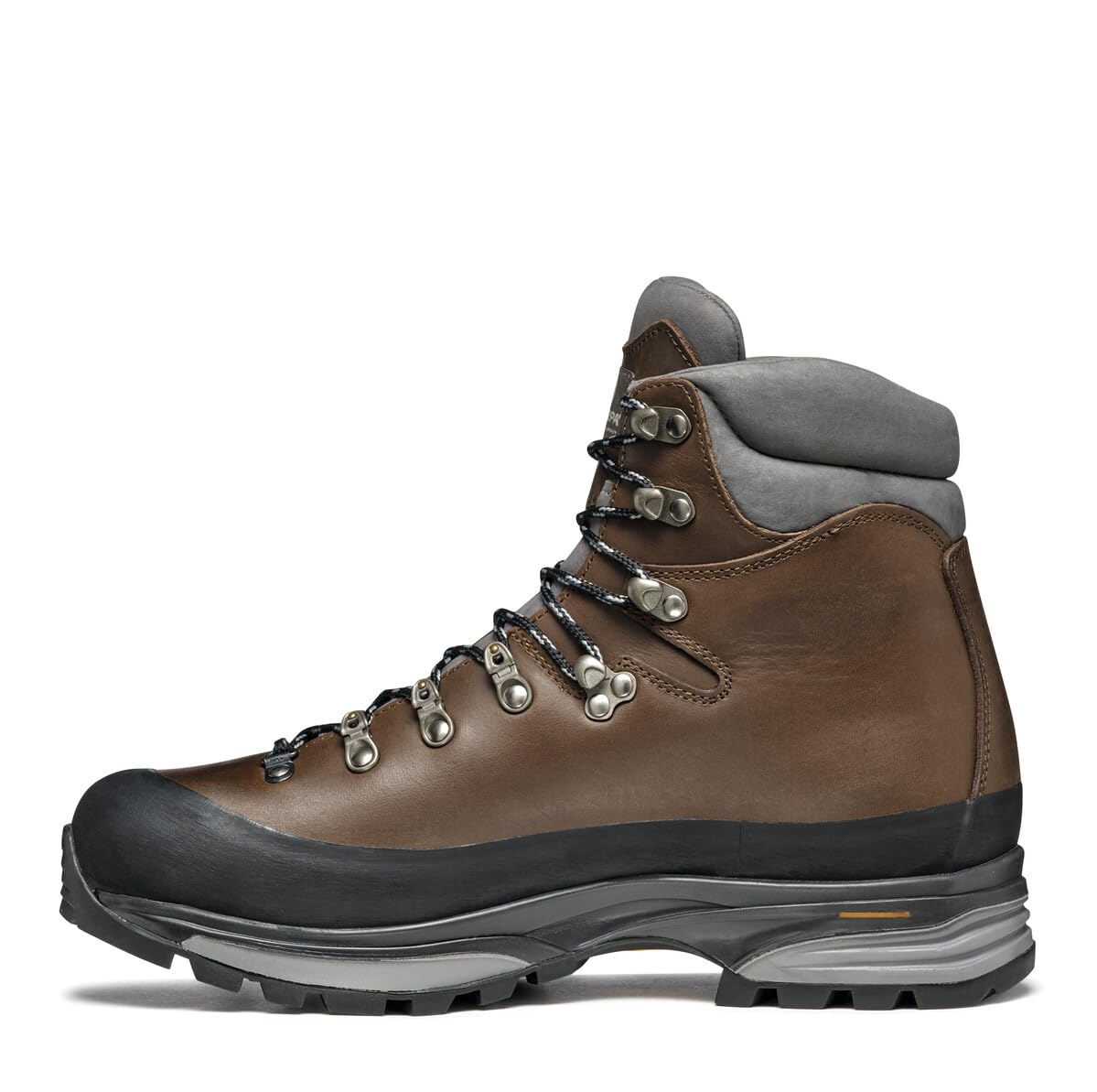
The SCARPA Kinesis Pro GTX is the benchmark for load-bearing alpine boots. Its 2.4mm smoothout leather upper is thicker than almost any competitor, providing exceptional puncture and abrasion resistance when side-hilling on talus. The Gore-Tex Performance Comfort membrane delivers reliable waterproofing without the clammy feel of lower-tier liners. Verified owners with narrow to medium feet (11.5D) report a precise heel lock that eliminates slip on steep descents—a direct result of SCARPA’s low-volume last and pulley eyelet system.
Underfoot, the dual-density PU midsole offers minimal compression over distance—users note that after 200 miles of break-in, the boot settles into a supportive platform rather than collapsing into a flat sole. The Vibram Biometric outsole with XS Trek rubber compound provides reliable grip on wet rock, though some owners note it lacks the aggressive bite of a dedicated approach boot on slimy slabs. The high-cut ankle collar (reaching 7.5 inches) limits dorsiflexion for heavy pack loads but can feel restrictive for casual walking.
One critical caveat: the break-in period is substantial. Several verified reviewers reported 200-400 kilometers of wear before the boot fully molded to their foot, with initial toe-box narrowing causing discomfort for medium-width feet. This boot demands patience. It’s built for the backpacker who plans to carry 50-pound loads over 100-mile trips and wants a boot that will last 1,500 miles before needing a resole. The Kinesis Pro GTX is not a weekend warrior’s boot—it’s an investment in terrain capability.
Why it’s great
- Peerless leather durability resists punctures from scree and sharp rocks
- Gore-Tex Performance Comfort breathes well despite full-grain leather
- PU midsole maintains support for well over 1,000 miles of use
Good to know
- Long break-in of 200+ km can cause initial discomfort
- Narrow last unsuitable for wide feet or high-volume insteps
- Vibram outsole grip less aggressive on wet, slimy rock
2. Lowa Zephyr GTX Mid TF
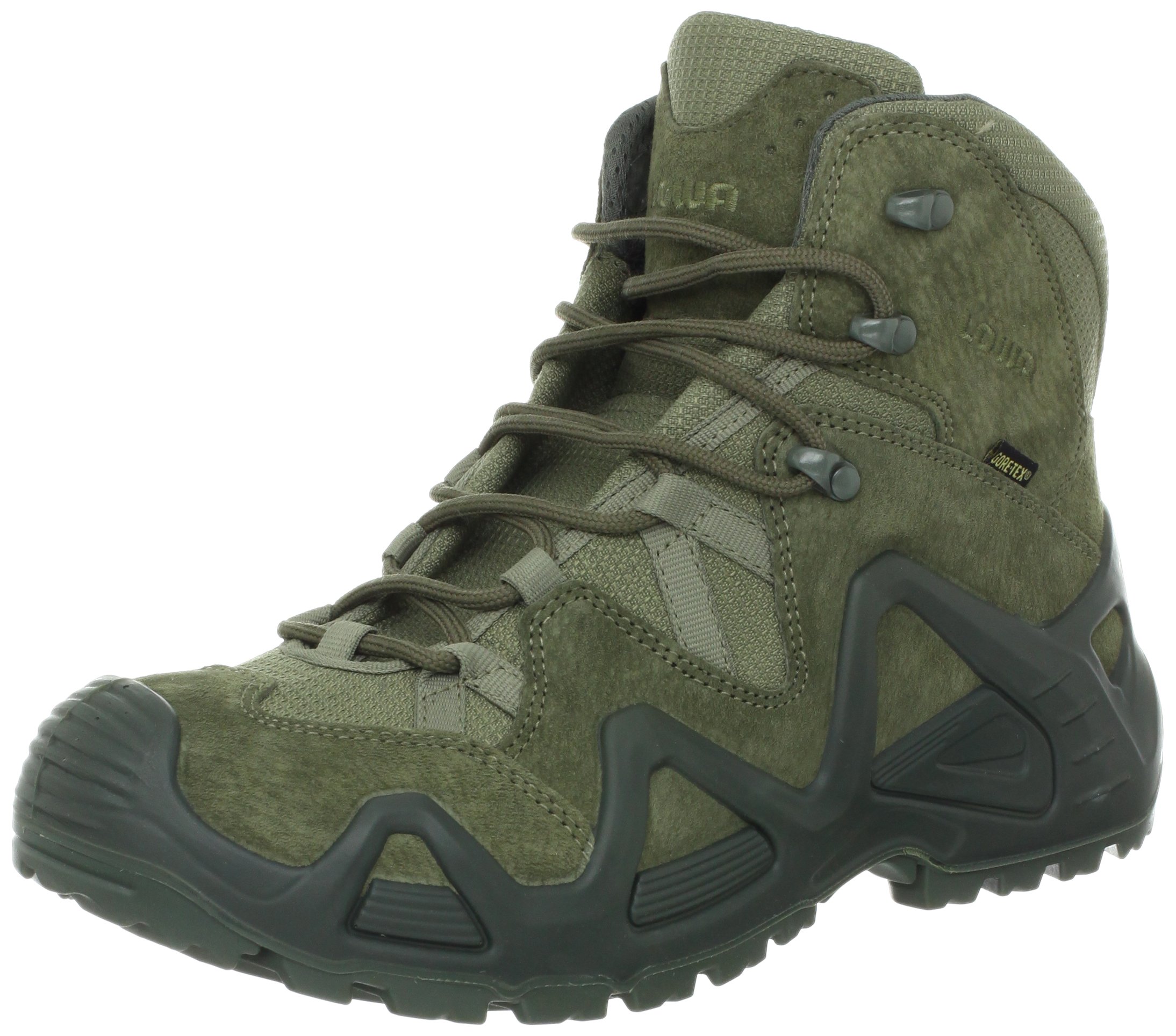
The Lowa Zephyr GTX Mid TF is the anomaly of this list: a lightweight mid-height boot that delivers bona fide ankle support without the weight penalty of traditional leather boots. At roughly 1.7 pounds per boot, it feels more like a trail runner than a backpacking boot, yet verified owners with ankle instability report it prevents rolls on uneven terrain—a feat achieved by Lowa’s narrow, heel-hugging last and the rigid TPU stabilizing frame embedded in the midsole.
The Gore-Tex lining in this model is the Extended Comfort version, which prioritizes breathability over absolute waterproof protection. Users confirm it handles rain and stream crossings, but it’s not designed for submersion for minutes at a time. The outsole rubber—a proprietary Lowa compound—tests well on dry granite and hardpack but has less bite on wet, slick algae than Vibram Megagrip. The speed lacing system is widely praised for its simplicity: one pull tightens the entire upper evenly, eliminating pressure points that cause lace-bite.
Fit-wise, the Zephyr runs slightly small. Multiple owners advise ordering half a size up, especially if you plan to use thick merino socks. The narrow last means wide-footed hikers should steer clear or consider a size up with a different insole. The boot requires essentially zero break-in—owners report zero blisters and zero hot spots from the first mile. This makes it the top recommendation for hikers who want a do-it-all boot for day hikes and fastpacking, but it lacks the torsional rigidity for serious off-trail loads exceeding 35 pounds.
Why it’s great
- No break-in required; comfortable from first wear
- Excellent ankle support in a sub-2-pound package
- Speed lacing system eliminates pressure points
Good to know
- Runs small; order half to full size up
- Narrow last not suitable for wide feet
- Outsole lacks aggressive bite on wet, slick rock
3. Oboz Bridger 10″ Insulated B-DRY

If your backpacking season includes snow, sub-zero temperatures, and frozen ruts, the Oboz Bridger 10″ Insulated is the warmest boot in this roundup. Its 400 grams of Freeze Guard insulation traps heat effectively while the B-DRY waterproof membrane keeps slush and meltwater at bay. Verified owners who work 12-hour days off-trail in swampy, wooded environments report that the Bridger maintains comfort across 12,000-step days without developing pressure points or cold spots. The 10-inch shaft height provides snow protection that a standard 6-inch boot can’t match.
The O FIT Insole Thermal footbed uses a heat-reflective layer that bounces warmth back at the foot, which users confirm makes a noticeable difference when standing still on frozen ground. The Granite Peak outsole features deep, widely spaced lugs that shed mud effectively. However, the TPU chassis that provides torsional stability also adds significant weight—the Bridger is a heavy boot by modern standards. Users note that it’s not designed for fast hiking; its purpose is to provide bombproof insulation and ankle protection for slow, deliberate movement through deep snow and uneven terrain.
Fit is medium-high volume with a heel pocket that locks down well. Owners consistently report the boot runs small, with recommendations to order half a size to a full size larger than your street shoe. A few long-term users noted a L-shaped cut in the upper near the sole after four years of hard use, but the boot remained functional after gluing. Oboz’s one-tree-planted sustainability program is a nice bonus, but the real story here is the Bridger’s ability to keep feet warm and dry in conditions that would freeze through a standard three-season boot.
Why it’s great
- 400g insulation is effective for deep winter backpacking
- B-DRY membrane stays waterproof for years
- Reflective insole improves standing-warmth on frozen ground
Good to know
- Runs small; size up significantly
- Heavy and not designed for fast hiking
- Upper may show wear near sole after hard use
4. KEEN Targhee 4 Mid Height
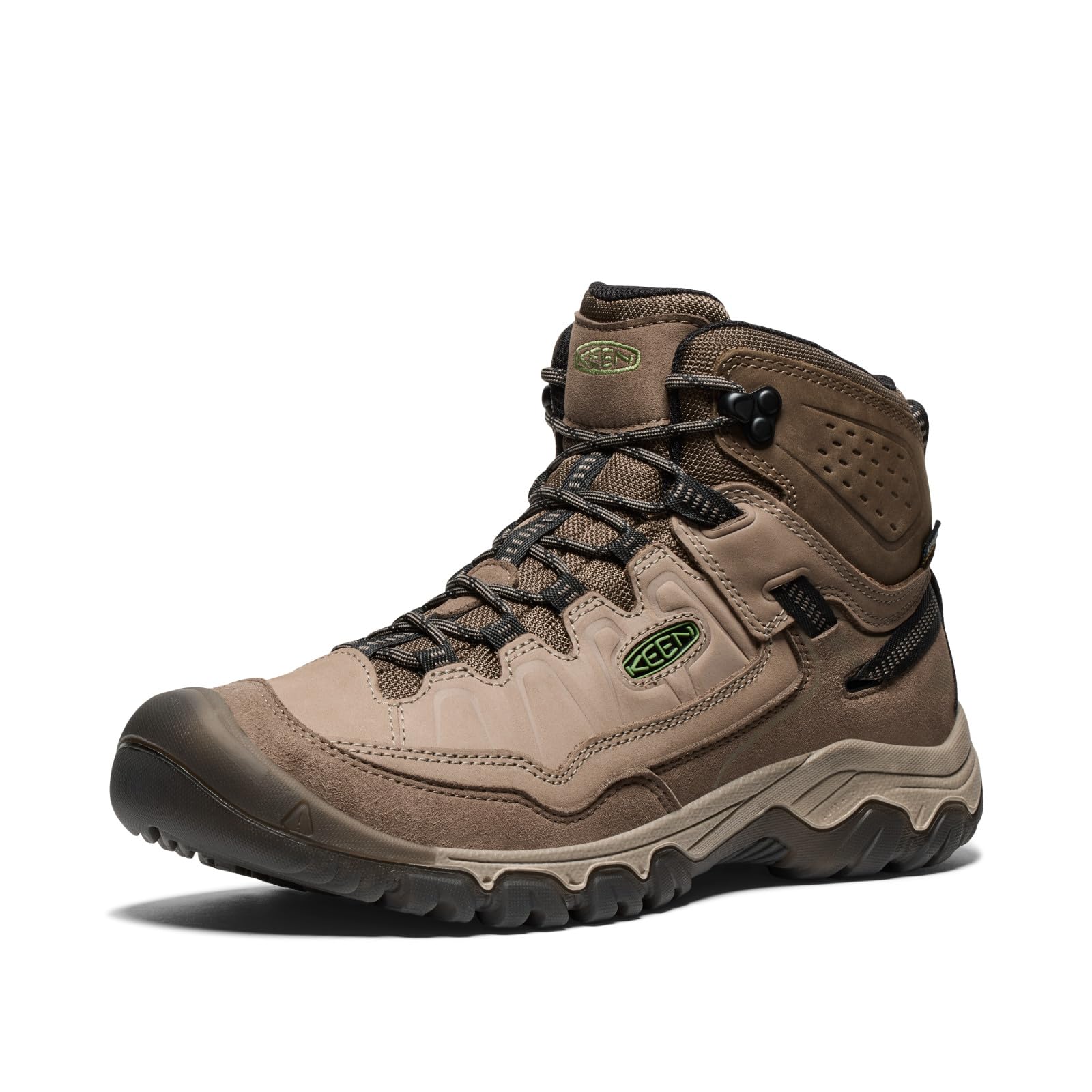
The KEEN Targhee 4 Mid is the solution for hikers with wide feet, bunions, or a history of black toenails. The last is noticeably wider through the toe box as well as across the ball of the foot, allowing toes to splay naturally during descents. One verified reviewer with neuropathy in both feet reported that Targhee 4s in wide sizing, combined with prescription inserts, fit “like a glove” and noticeably reduced discomfort. The direct-attach construction fuses the upper to the midsole using a PU bond, which eliminates delamination—a common failure point in glued boots.
KEEN’s proprietary KEEN.DRY membrane is less breathable than Gore-Tex, but for this category it’s adequate: the boot handles rain and stream crossings effectively. Owners caution that the factory insoles are thin and unsupportive for multi-day loads; swapping in a third-party insole (like Superfeet or KEEN’s own K-30) transforms the underfoot feel. The rubber outsole features a dense tread pattern that grips well on dirt and rock but can feel clogged in deep mud. At 620 grams per boot, the Targhee 4 is slightly heavier than the previous generation but gains durability from the fusion construction.
One caveat: some production units have shown minor quality issues, such as missed stitching near the toe cap or excess material that could compromise waterproofing over time. KEEN’s warranty handles these cases, but it’s worth inspecting your pair immediately. The Targhee 4 is the best choice for backpackers who prioritize foot health and need a boot that requires zero break-in for irregular feet. It is not, however, the most precise or agile boot for technical terrain—the generous fit trades precision for comfort.
Why it’s great
- Exceptionally wide toe box accommodates bunions and swelling
- Direct-attach PU construction prevents sole delamination
- Zero break-in required, even for problem feet
Good to know
- KEEN.DRY membrane is less breathable than Gore-Tex
- Stock insoles are thin; replacement recommended for heavy loads
- Some units show minor stitching or material defects
5. Vasque St. Elias Waterproof
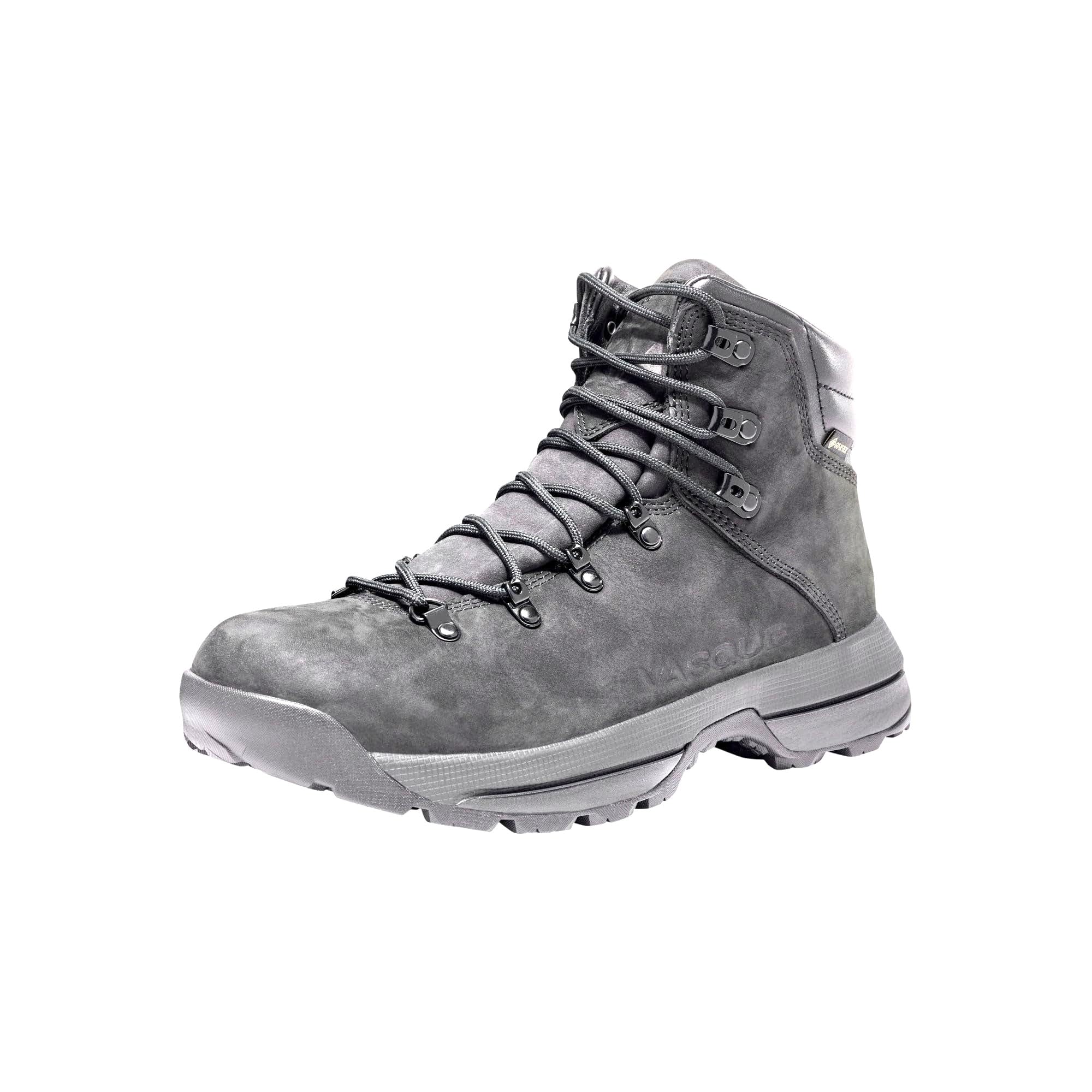
The Vasque St. Elias is a throwback to the era when backpacking boots were built to be resoled and worn for a decade. The full-grain leather upper (unlined in some versions) develops a personalized fit over time that a synthetic boot simply can’t replicate. Verified owners who have worn this model for 20+ years call it the closest modern equivalent to the discontinued Vasque Sundowner, with a glove-like fit around the heel and ankle, superior support, and a seamless interior that reduces hot spots.
The Vibram outsole provides predictable grip on mixed terrain, and the boot is waterproof from day one—owners report stepping into streams without any moisture penetration. The PU midsole is dense and supportive, ideal for loads exceeding 30 pounds. However, the boot’s break-in is real: it takes about 40 miles for the leather to soften and mold to your foot shape. Some owners note that the speed hooks at the top are too small, making it difficult to cinch the boot tight and causing laces to loosen during the day.
Durability is the St. Elias’s strongest suit, but there are compromises. Two long-term owners reported that the sole cushioning section blew out the side or that the sole lost its support after about a year of hard use—though each noted that Vasque’s customer service resolved the issue. This boot is for the backpacker who values tradition, repairability, and the feel of a leather boot with a distinct heel pocket. It is not a lightweight boot, nor one that breathes well in hot conditions. If you’re looking for a boot that evolves with your foot over years, the St. Elias is a worthy choice.
Why it’s great
- Full-grain leather molds to your foot over time
- Resoleable construction extends boot life significantly
- Excellent ankle support for heavy loads
Good to know
- Requires 40+ miles of break-in before peak comfort
- Speed hook opening too small for secure lace cinching
- Limited breathability; not ideal for hot-weather hiking
6. Columbia Konos TRS Outdry
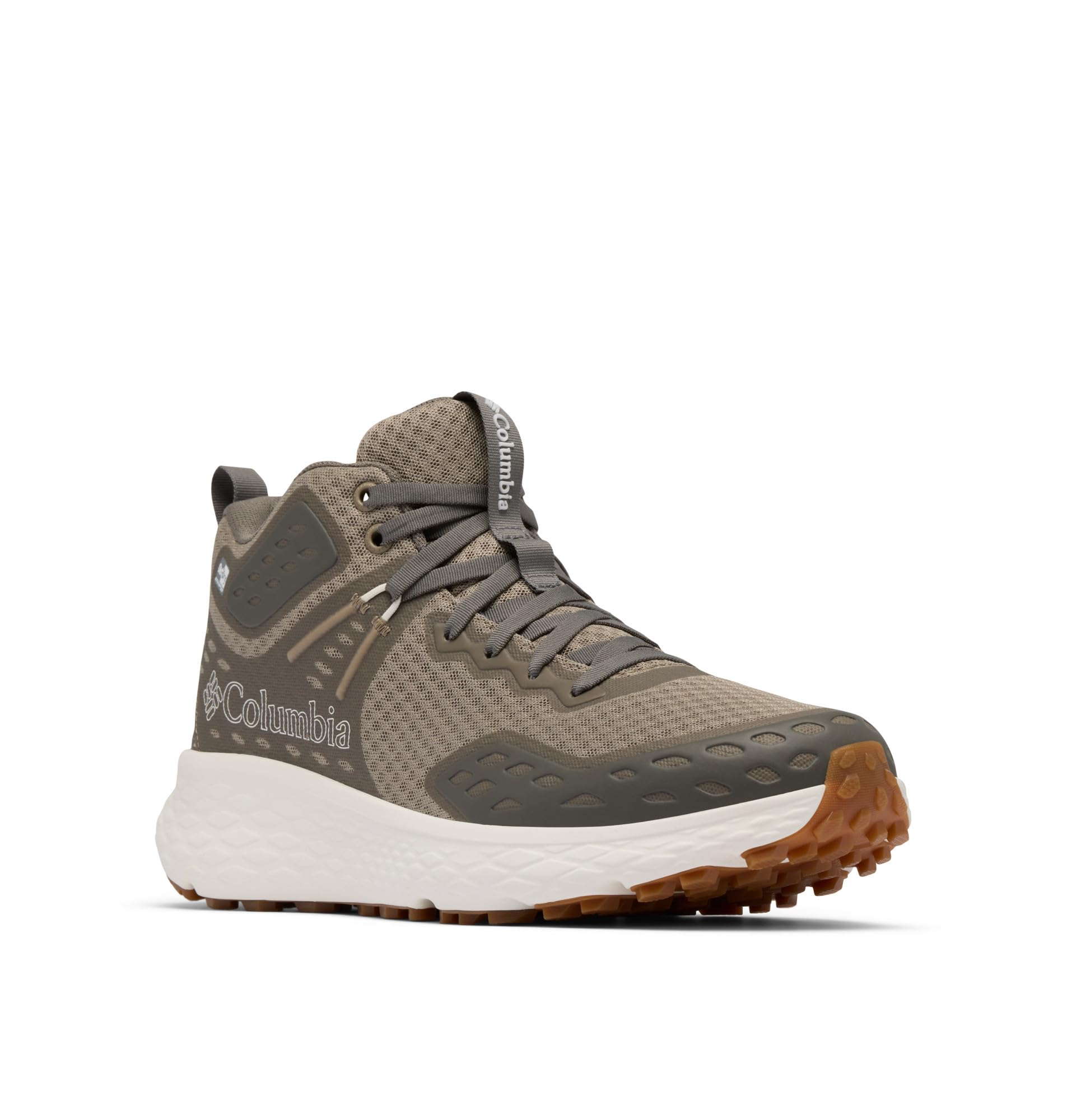
The Columbia Konos TRS Outdry positions itself as a lightweight, all-day hiker for moderate terrain. Its signature feature is the Outdry membrane, which is a waterproof layer applied directly to the interior of the upper—no separate liner, which reduces bulk. Verified owners with bunions appreciate the relatively wide fit throughout the midfoot and toebox, noting that the boot accommodates swelling without causing pressure on the fifth toe. The Techlite+ midsole provides plush cushioning that owners describe as “bouncy” on hard-packed trails.
On the traction front, the Omni-Grip outsole uses a multi-directional lug pattern that delivers reliable purchase on dirt, gravel, and wet pavement. Owners report that it handles steep terrain well, with one 300-pound reviewer completing a 20-mile hike without a single blister while his companions with other boots suffered. The boot is lightweight for its class, and it requires essentially no break-in—most owners find it comfortable from the first step. Additionally, the styling is modern and the color options keep mud marks concealed.
The main drawback is squeakiness. Multiple owners report that the outsole produces an audible squeaky noise on hard surfaces like wet cement or hospital floors. Additionally, the Outdry membrane, while effective at blocking water, tends to trap heat more than Gore-Tex, making the Konos a warm boot in summer conditions. The ankle support is moderate—adequate for day hikes with a light pack but insufficient for backpacking loads beyond 25 pounds. This boot is a strong choice for someone who wants reliable waterproofing and all-day cushioning on well-maintained trails, but it’s not built for rugged off-trail work or heavy hauling.
Why it’s great
- Lightweight and comfortable straight out of the box
- Wide fit accommodates bunions and foot swelling
- Outdry membrane keeps feet dry in rain and puddles
Good to know
- Notorious for loud squeaking on hard surfaces
- Outdry membrane runs warm in hot conditions
- Ankle support insufficient for loads over 25 lbs
7. Timberland White Ledge Mid Waterproof

Its formula is simple: a premium waterproof leather upper (sourced from LWG Silver-rated tanneries) mated to a seam-sealed construction that reliably keeps water out. Verified owners who have used them for everything from hiking to working on their feet all day in a factory report that the boots are comfortable, supportive, and durable for the price. The EVA midsole is softer than PU, offering immediate underfoot plushness.
Fit is the biggest variable. Many owners report that the White Ledge runs large—you may want to order half a size down from your normal shoe size. The toe box is generous, and the boots feature rustproof speed lacing hardware with top hooks that make getting a snug fit straightforward. The multi-directional rubber outsole provides solid grip on dirt, snow, and wet pavement, though owners note that it’s not as aggressive as a proper Vibram sole on steep, loose terrain. The mid-height collar offers moderate ankle support that works well for easy hiking, trail walking, and field work.
The primary downside is that the White Ledge requires deliberate leather care to remain waterproof. Multiple owners emphasized that the leather needs to be treated with mink oil or a similar waterproofing compound after each wash and dried thoroughly after wet hikes, or the leather toe will wick moisture and cause damp socks. The boot is also heavier than contemporary synthetic models, tipping the scales at a substantial 4 pounds per pair. For the backpacker on a budget who is willing to maintain leather, the White Ledge offers genuine value. For someone who wants a maintenance-free synthetic boot, look elsewhere.
Why it’s great
- Genuine leather waterproofing with seam-sealed construction
- Generous toe box accommodates thicker socks
- Proven durability for the price point
Good to know
- Runs large; consider half size down
- Leather requires regular mink oil treatment to stay waterproof
- EVA midsole compresses faster than PU
8. Rocky Outback Gore-Tex (Model 8729)
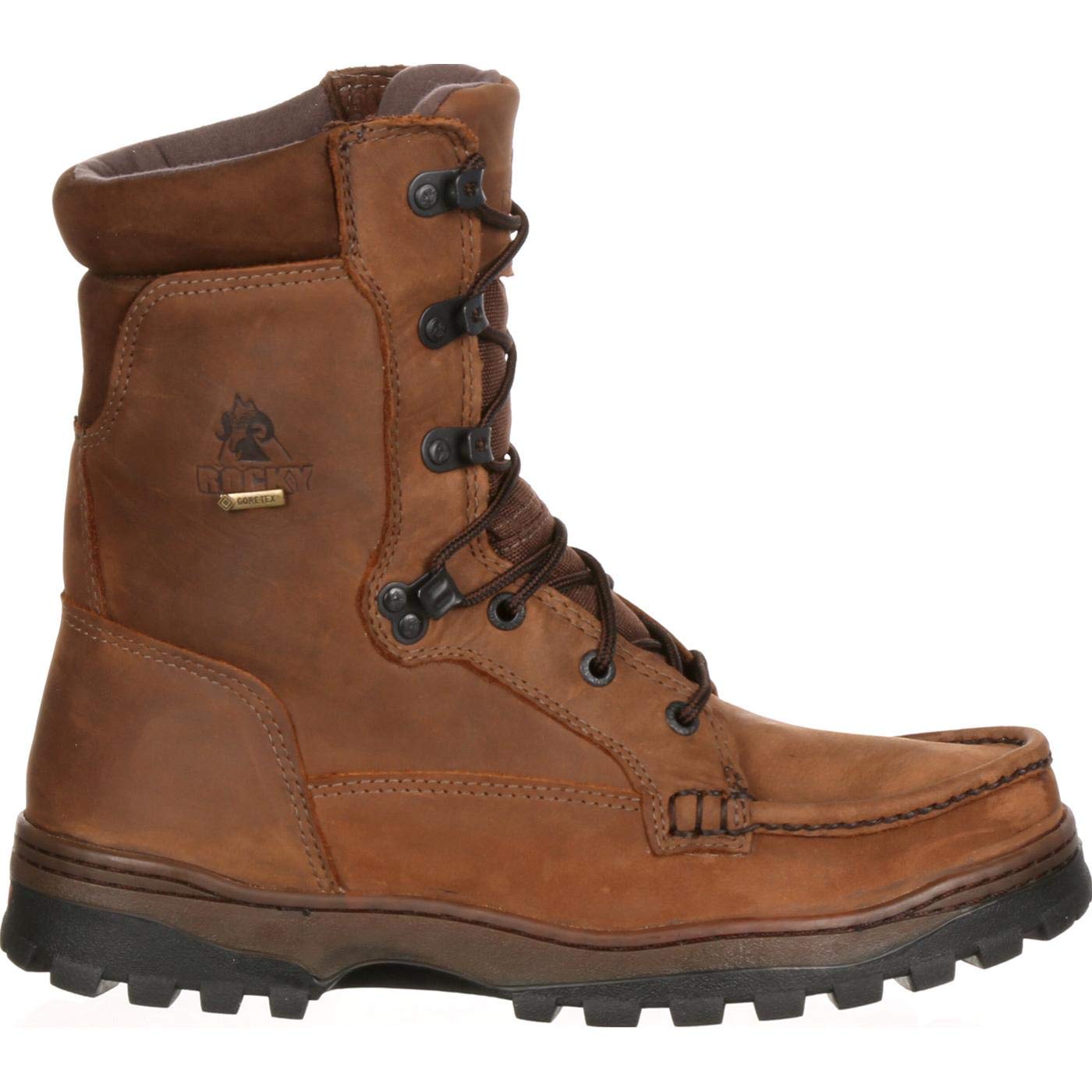
The Rocky Outback Gore-Tex boot exists where hunting heritage meets backpacking practicality. Its full-grain leather upper is thick and stiff, providing excellent abrasion protection against brush and rocks. The Gore-Tex membrane ensures waterproofing that owners confirm works for kayaking, rockhounding, and hiking through wet grass for three years without failure. The moc-toe styling gives it a distinctive look that works equally well for casual wear after the trail. The Rocky Air-Port footbed offers reasonable shock absorption, though it’s not upgradeable.
Fit is a point of contention: owners with average-width feet strongly recommend ordering the wide version, as the standard width runs narrow. The boot is true to size in length. The rubber outsole is tough and provides good traction on rugged terrain, but multiple owners note that the heel grip is weak on wet slopes—the lug pattern lacks the aggressive heel brake found on dedicated hiking boots. The boot also has a notable lack of breathability; the Gore-Tex membrane combined with the full-grain leather creates a sweatbox in warmer conditions.
Durability is the Outback’s primary strength. Owners report that after 60 miles of hard use (including post-hurricane cleanup), the boots showed no visible wear and remained completely waterproof. The boot is heavy at 4.5 pounds per pair, and the stiff upper requires some break-in before the ankle flexes naturally. The Rocky Outback is best suited for hunters, forestry workers, and backpackers who need a boot that can handle abusive off-trail conditions and keep feet dry—but it’s not the most comfortable or breathable choice for long days on well-maintained trails.
Why it’s great
- Gore-Tex membrane delivers multi-year waterproofing
- Full-grain leather upper resists punctures and abrasion
- Durable construction withstands heavy off-trail use
Good to know
- Poor breathability; feet get sweaty in warm conditions
- Weak heel grip on wet, sloping terrain
- Order one width wider than usual for comfortable fit
9. Rocky Men’s Outback Gore-Tex (Low)

The Rocky Men’s Outback Low (model Outback-M) is essentially the same full-grain leather construction as the taller Outback boot but in a low-cut profile. This makes it a crossover—part hiking boot, part rugged casual shoe. The Gore-Tex membrane is effective for light rain, puddles, and damp grass, and the anti-friction mesh interior wicks moisture away from the foot. Owners who wear it for factory work and light hiking report that it’s comfortable for all-day wear with minimal break-in needed. The deep-tread rubber sole provides decent traction on wet and dry trails.
Where this boot falls short for backpacking is ankle support—the low cut offers none. For day hikes on flat, well-marked trails, it’s a comfortable option. For any terrain where a twisted ankle is a risk, it’s inadequate. Users also point out that the leather toe can wick water in tall grass, causing damp socks—a limitation of the leather construction that mink oil treatment can mitigate but not eliminate. The boot weighs 4.5 pounds per pair, which is heavy for a low-cut shoe and reflects the thick, dense leather upper.
The Outback Low is best understood as a durable, waterproof leather shoe for light outdoor use, not a dedicated backpacking boot. It shines as a work boot, a camp shoe, or a day-hiking option for groomed paths. For the backpacker carrying 30+ pounds over uneven ground, the lack of ankle support and the weight penalty make it a poor choice. The value proposition is solid for someone who wants a single pair of waterproof leather shoes that can double for casual wear and light trail use.
Why it’s great
- Gore-Tex membrane is effective for rain and puddles
- Full-grain leather is durable and abrasion-resistant
- Comfortable for all-day wear with minimal break-in
Good to know
- Low cut provides zero ankle support for backpacking
- Leather toe can wick water through tall grass
- Heavy for a low-profile shoe
FAQ
How long should my backpacking boots last before needing replacement?
Should I size up or stick with my street shoe size for backpacking boots?
Are Gore-Tex boots worth the premium over proprietary waterproof liners?
How do I break in a new pair of full-grain leather backpacking boots?
Final Thoughts: The Verdict
For most users, the backpacking boots for men winner is the SCARPA Kinesis Pro GTX because it combines the most durable full-grain leather upper with a Gore-Tex Performance Comfort lining and a PU midsole that will outlast every other boot in this lineup—provided you’re willing to endure the break-in. If you want a boot that requires zero break-in, has excellent ankle support, and works for fast hiking with light-to-medium loads, grab the Lowa Zephyr GTX Mid TF. And for deep winter backpacking where insulation and snow protection are non-negotiable, nothing beats the Oboz Bridger 10″ Insulated B-DRY.