
Our readers keep the lights on and the weekend projects moving. As an Amazon Associate, I earn from qualifying purchases.
The line between a camp shoe and a trail-worthy performer has all but vanished. Modern backpacking sandals need to handle wet creek crossings, dry fast on a ridgeline, and still provide the grip and support to cover tough miles without weighing your pack down. Getting that balance right is the difference between a foot-saver and a blister machine.
I’m Rikta — the co-founder and writer behind FitlyFast. For this guide, I’ve broken down the traction, sole density, strap security, and weight specs of every model here to separate true backpacking sandals from casual beach flip-flops.
Whether you need a sandal for fording rivers or crushing dry trail miles, this analysis of today’s top contenders will help you find the perfect pair of backpacking sandals for your next adventure.
How To Choose The Best Backpacking Sandals
A backpacking sandal has to earn its spot in your pack. Every ounce and every millimeter of sole stack matters when you are carrying it for miles and wearing it on variable terrain. These are the key factors to weigh before you buy.
Outsole Traction and Tread Depth
Look for a rubber compound with a proven wet-grip reputation — Vibram Megagrip is the gold standard. Tread depth of 3–5 mm provides enough bite on loose dirt and slick rock without adding excessive weight. Avoid smooth or shallow tread patterns; they turn dangerous on wet granite or muddy descents.
Sole Stack Height and Stability
Thicker soles (15–20 mm) offer more cushion for rocky trails but reduce ground feel and can feel unstable on uneven terrain. Ultra-thin soles (6–10 mm) give you proprioceptive feedback for better foot placement but punish your heels on sharp talus. A mid-range stack around 10–14 mm with a rocker profile balances protection and natural movement for most backpackers.
Strap Configuration and Lockdown
An adjustable heel strap is non-negotiable for keeping debris out and preventing heel slip on descents. Look for a design that uses three points of adjustment — toe, midfoot, and heel — to dial in the fit. Hook-and-loop closures are easier to micro-adjust on the trail, while buckle systems offer a more secure, long-term hold.
Weight and Packability
Every ounce counts. A pair of backpacking sandals should weigh between 10 and 20 ounces total. The flattest models pack down to the size of a folded shirt, making them ideal for slipping into a stuff sack. If you plan to wear them as a primary trail shoe rather than a camp-only shoe, prioritize durability over minimal weight.
Quick Comparison
On smaller screens, swipe sideways to see the full table.
| Model | Category | Best For | Key Spec | Amazon |
|---|---|---|---|---|
| KEEN Hyperport H2 | Closed-Toe | Water crossings & rocky terrain | High-rebound insole, 5 mm tread | Amazon |
| Teva Terra Fi 5 | Open-Toe | High-mileage trail days | Spider rubber outsole, 3-strap adjust | Amazon |
| LUNA MONO Winged | Minimalist | Ultralight/ bikepacking | 5.9 oz per sandal, Vibram Morflex | Amazon |
| Chaco Z1 Classic | Adjustable Strap | All-day arch support | LUVSEAT PU footbed, ChacoGrip | Amazon |
| ECCO Offroad Roam | Lifestyle | Casual hikes & everyday wear | 1.5 lb weight, three-strap design | Amazon |
| Xero Z-Trail EV | Barefoot | Zero-drop experience | 10 mm FeelLite sole, 100% vegan | Amazon |
| Orthofeet Maui | Orthopedic | Foot pain & stability | Ortho-Cushion insole, stretch straps | Amazon |
In‑Depth Reviews
1. KEEN Hyperport H2
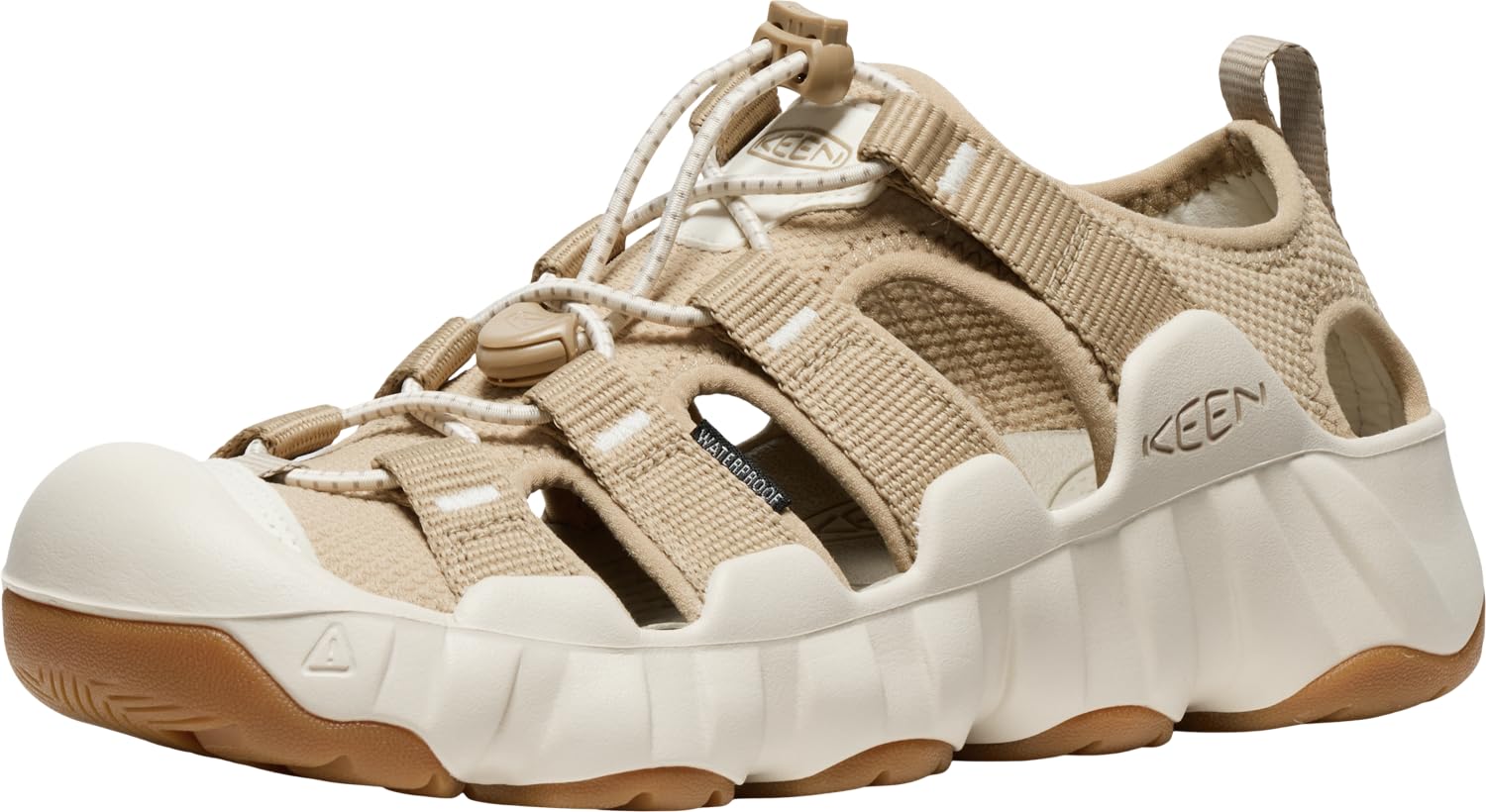
The KEEN Hyperport H2 nails the sweet spot for backpackers who need a do-it-all sandal. The closed-toe design shields your toes from stubbed rocks on creek crossings while the extra-thick, high-rebound insole dampens impact on long descents. At a premium tier, it competes with classic Newport models but feels lighter on the foot and breathes better thanks to the quick-dry active lining.
The rubber sidewalls add lateral stability on off-camber trails, and the outsole lugs bite into wet rock confidently. Reviewers note the toe box is slightly narrower than the Newport H2, so those with wider feet should check the fit — the expandable forefoot helps but doesn’t transform the shape. Arch support is present without being aggressive, making this an easy all-day wear for varied terrain.
Weight is reasonable for a closed-toe design, and the quick-dry nylon straps shed water fast. If you only bring one sandal on a multi-day trip, this is the most versatile option. The high-rebound insole makes it feel more like a hiking shoe than a traditional sandal, which is exactly what a backpacker wants when miles add up.
Why it’s great
- Toe protection eliminates rock-stub anxiety
- High-rebound insole keeps legs fresh on long days
- Quick-dry materials handle wet crossings
Good to know
- Runs large; order half size down
- Slightly narrower toe box limits wide-footers
2. Teva Terra Fi 5 Universal
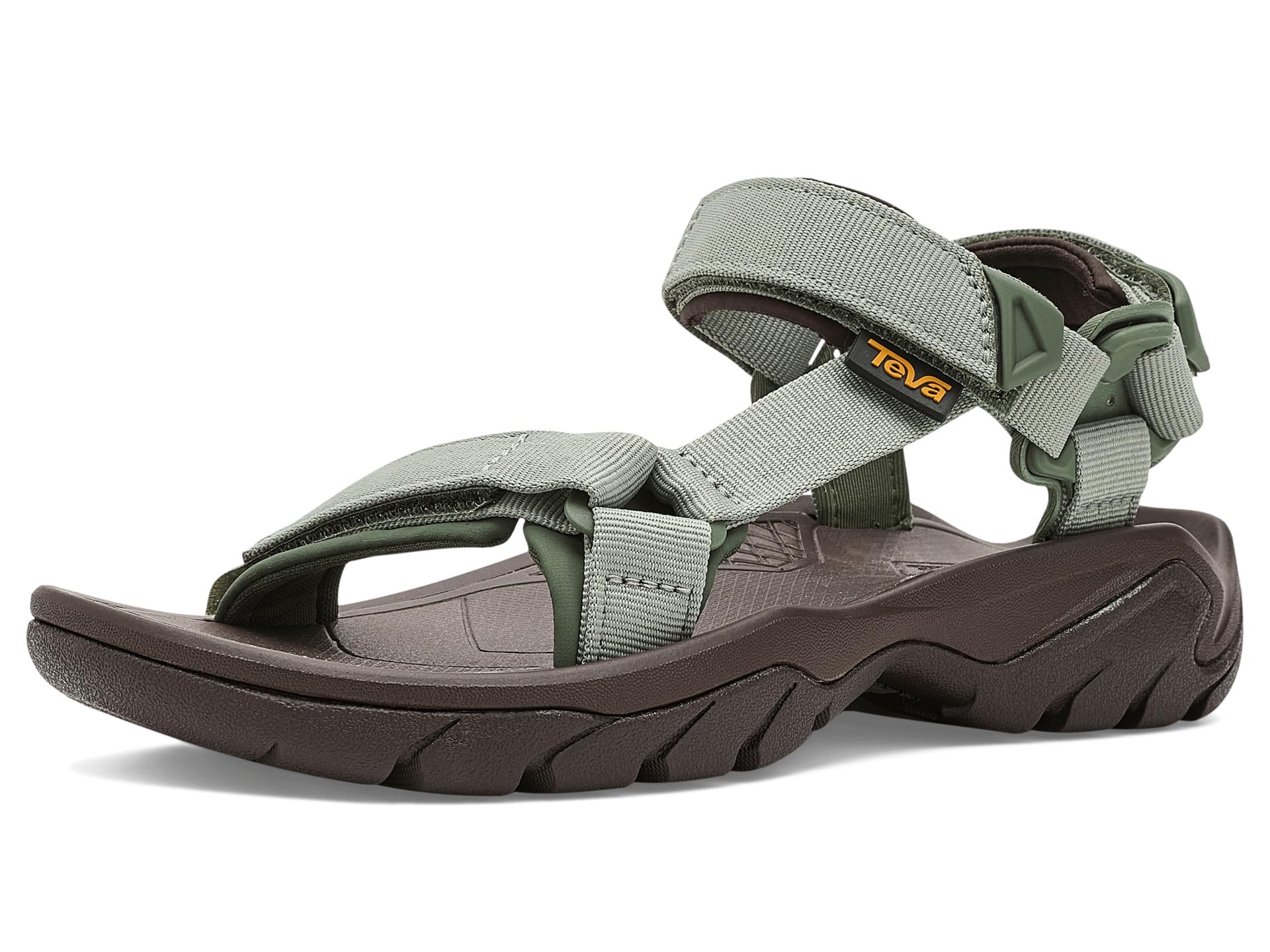
The Teva Terra Fi 5 is a benchmark for open-toe trail sandals. The Spider rubber outsole delivers grip comparable to Vibram Megagrip, holding confidently on dry rock and loose gravel. The three-point strap system — toe, midfoot, and heel — provides a locked-in feel that minimizes foot shift during steep descents, a critical feature when crossing scree fields.
Cushioning is generous out of the box, with an EVA midsole that absorbs shock without feeling mushy. Arch support is pronounced but not intrusive, making this a strong option for hikers who need structure underfoot. Weighing around 12 ounces per sandal, it strikes a good balance between protection and pack weight, though it is not the lightest option here.
Durability reviews are mixed for heavy daily stream use — some users report delamination after a season of consistent wet exposure. However, for general backpacking trips involving mixed terrain, the Terra Fi 5 holds up well. The adjustable heel strap is particularly effective at keeping fine gravel out, a small but appreciated detail on sandy trails.
Why it’s great
- Excellent out-of-box comfort and arch support
- Three-point strap system locks down the heel
- Spider rubber outsole grips varied trail surfaces
Good to know
- Durability can suffer with frequent wet use
- Not the lightest option for ultralight packs
3. LUNA Sandals MONO Winged Edition

The LUNA MONO Winged Edition is the lightest sandal in this roundup at just 5.9 ounces per foot in a men’s size 9. That featherweight build comes from an 11 mm Vibram Morflex base with a 4 mm tread pattern — a setup that offers surprising durability for its weight. The winged lacing design prevents strap migration and keeps the foot centered on the footbed, a common failure point in simpler huarache-style sandals.
Ground feel is pronounced, and the zero-drop platform encourages a natural gait. This is not a sandal for talus fields or sharp rock gardens — the thin sole transmits pain from pointy stones. But on established trails, dirt paths, and grassy campsites, it feels nimble and connected. The supple laces adjust easily, and the whole package folds flat enough to slide into a side pocket.
Reviewers consistently advise sizing down one full size from your normal shoe, and the break-in period can be brief if the fit is dialed correctly. The Morflex outsole grips well on dry surfaces but is less confidence-inspiring on wet slabs compared to Megagrip variations. For the gram-conscious backpacker who values simplicity and packability above all, this is the sandal to beat.
Why it’s great
- Extremely lightweight and folds flat for packing
- Winged lacing system keeps foot centered
- Zero-drop platform promotes natural stride
Good to know
- Thin sole painful on sharp, rocky terrain
- Wet traction limited compared to Megagrip models
4. Chaco Z1 Classic

The Chaco Z1 Classic is built around the podiatrist-certified LUVSEAT PU footbed, which delivers pronounced arch support that rivals dedicated hiking insoles. This makes it a standout for backpackers with high arches or a history of plantar fasciitis. The single strap weaves through the midsole for a fully adjustable fit that wraps the foot securely, eliminating heel lift even on steep off-camber sections.
The ChacoGrip rubber outsole is a meaningful upgrade over previous generations, offering better traction on wet rock and muddy slopes. At roughly 17 ounces per pair, it is heavier than most competitors, but the durability justifies the weight — many owners report 10-plus years of use. The PU footbed does not pack out quickly, maintaining its shape through hundreds of miles.
Water-friendly construction means you can ford rivers and keep hiking without sloshing. The adjustable strap accommodates wide feet, but some users with narrow or low-volume feet find the heel strap sits awkwardly. Once dialed, the fit is exceptionally stable, making the Z1 a reliable partner for technical cross-country travel where foot security is paramount.
Why it’s great
- Class-leading arch support for high-mileage days
- Adjustable heel strap eliminates slipping
- ChacoGrip outsole improves wet traction
Good to know
- Heavier than most backpacking sandals
- Fit can be tricky for narrow or low-volume feet
5. ECCO Offroad Roam
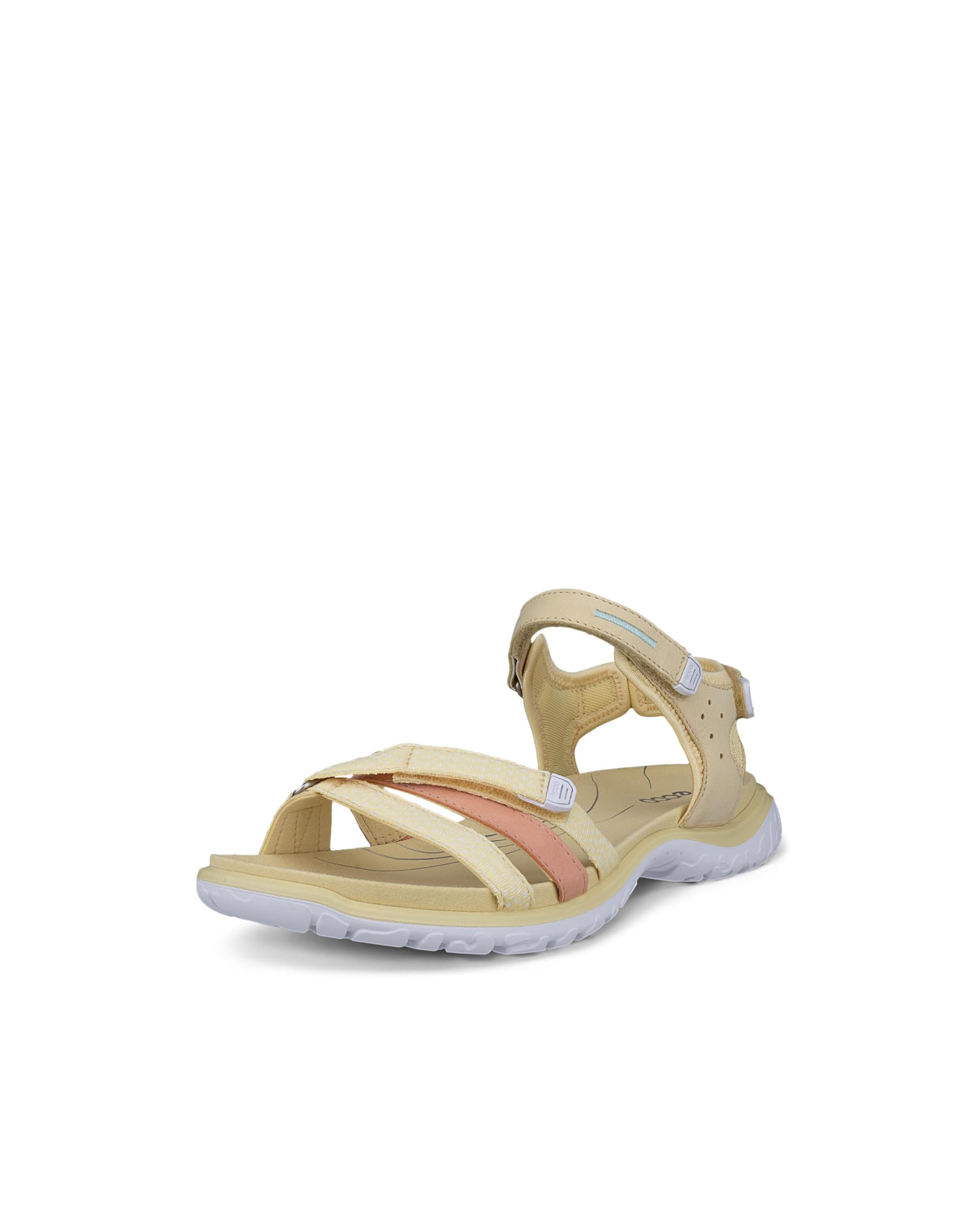
The ECCO Offroad Roam bridges the gap between everyday sandal and light trail gear. Its three-strap design is simple and effective, with a quick-adjust buckle system that accommodates different foot volumes easily. The footbed features noticeable arch support that helps with plantar fasciitis, and the overall flex is generous enough for varied terrain without feeling flimsy.
This sandal is not designed for technical scrambling or heavy loads — the outsole lacks the aggressive lug pattern of dedicated trail sandals. However, for moderate day hikes, camp use, and casual approaches, it is exceptionally comfortable. The mid-range price point makes it accessible, and the build quality holds up well over multiple seasons.
Fit is where the Offroad Roam shows its limits. The non-adjustable strap across the top can pinch wide feet, and the sizing runs long, requiring a full size down for many users. For backpackers who value a sandal that doubles as a camp shoe and a short-trail performer, this is a strong contender. For extended off-trail use, the traction and strap adjustability fall short.
Why it’s great
- Comfortable right out of the box with good arch support
- Quick-adjust buckle system is easy to use
- Versatile for trail and casual wear
Good to know
- Outsole lacks aggressive traction for technical trails
- Non-adjustable strap can pinch wide feet
6. Xero Shoes Z-Trail EV

The Xero Z-Trail EV offers the most authentic barefoot experience in this lineup. The 10 mm FeelLite sole provides just enough protection to walk on gravel without pain while preserving ground feel for technical foot placement. At under 12 ounces per pair, it is among the lightest models here and packs down completely flat for minimal pack volume.
The strap system is straightforward — a simple hook-and-loop closure at the heel and a buckle at the ankle. Adjusting the fit while standing can be awkward, but once set, the sandal stays secure. The open-toe design allows for natural splay, and the lack of a toe strap reduces irritation between toes, a common complaint with huarache styles. Wet conditions are the Z-Trail’s weak point: the sole becomes notably slippery on slick surfaces.
Durability is strong for the weight class, with a lifetime warranty on the sole and a 24-month strap warranty. Users transitioning from conventional shoes may need a break-in period to adapt to zero-drop geometry. For backpackers who prioritize sensory feedback and packability over maximum cushion, the Z-Trail EV is a proven, low-cost entry into minimalist trail sandals.
Why it’s great
- Exceptional ground feel for technical foot placement
- Extremely lightweight and flat-packing
- Lifetime sole warranty and 24-month strap warranty
Good to know
- Sole is very slippery when wet
- Strap adjustment can be awkward without sitting
7. Orthofeet Maui

The Orthofeet Maui is purpose-built for backpackers who struggle with foot pain, knee strain, or balance issues. The Ortho-Cushion system combines a built-in orthotic insole with a shock-absorbing sole and a wide, stable base to reduce pronation. The adjustable back strap and stretchy upper accommodate swelling and orthotics, making this a strong choice for those with diabetes or arthritis.
This sandal is not aimed at ultralight or technical cross-country use — it weighs more than minimalist options and the sole lacks aggressive tread. However, for gentle trails, campgrounds, and long periods on your feet, the stability is excellent. The removable insole allows you to swap in custom orthotics, and the deep heel cup cradles the foot securely.
Durability is rated highly by repeat buyers, though some note the outsole wears faster on pavement than rubber-compound competitors. The roomy toe box prevents pinch points, and the overall fit runs true to size. If your priority is pain-free walking on moderate terrain rather than peak performance on rugged trails, the Maui delivers reliable relief.
Why it’s great
- Ortho-Cushion system reduces foot and back pain
- Removable insole accepts custom orthotics
- Wide, stable base enhances balance
Good to know
- Heavier than other backpacking sandals
- Tread is not designed for technical or wet terrain
FAQ
Are closed-toe sandals better than open-toe for backpacking?
How should backpacking sandals fit compared to hiking shoes?
Can I use backpacking sandals as my primary hiking footwear?
What tread depth do I need for wet rock traction?
Final Thoughts: The Verdict
For most users, the backpacking sandals winner is the KEEN Hyperport H2 because it combines toe protection, high-rebound cushioning, and reliable wet traction in a single package. If you want the lightest possible sandal for ultralight trips, grab the LUNA MONO Winged Edition. And for maximum arch support and all-day stability on technical trails, nothing beats the Chaco Z1 Classic.