
Our readers keep the lights on and the weekend projects moving. As an Amazon Associate, I earn from qualifying purchases.
Walking boots shouldn’t feel like a penalty. Whether you’re logging city miles on pavement, covering uneven trail terrain, or spending entire days on your feet for work or travel, the wrong boot turns every step into a negotiation with discomfort. The right one disappears beneath you — supportive enough to prevent fatigue, flexible enough to move naturally, and durable enough to outlast the break-in period many boots demand as a tax.
I’m Rikta — the co-founder and writer behind FitlyFast. My approach to this guide involved cross-referencing hundreds of verified customer experiences with build specs like midsole construction, outsole rubber compound, waterproof membrane type, and weight per boot to separate the genuinely walkable from the merely overbuilt.
After filtering through the options, the models that emerged as genuinely supportive, breathable, and shock-absorbing earned their place on this list of the best boot for walking across different foot shapes, climates, and daily distances.
How To Choose The Best Boot For Walking
Walking is repetitive. Every stride loads your foot, ankle, knee, and hip with roughly 1.2 to 1.5 times your body weight. A boot designed for short, aggressive hikes or heavy pack loads may feel punishing after mile ten on a flat sidewalk. The key specs that separate a true walking boot from a generic outdoor boot are midsole flexibility, outsole lug depth, and weight per boot.
Midsole and Underfoot Support
A walking boot needs enough stiffness to prevent foot fatigue on long days, but not so much that the boot resists the natural roll of your gait. Look for EVA or polyurethane midsoles — EVA is lighter and more cushioned from the first step. A partial nylon shank adds torsional stability without the rigidity of a full steel or hard plastic shank you’d find in mountaineering boots. If you walk mostly on pavement, prioritize midsole cushion thickness over shank stiffness.
Outsole Lug Pattern for Mixed Terrain
Deep, aggressive lugs (5mm+) grip well on mud and loose rock but feel clunky and catch on asphalt. Walkers who split time between trail and sidewalk should look for a multi-directional lug pattern with lugs no deeper than 4mm. A flat heel strike zone also helps the boot transition smoothly from heel to toe on hard surfaces, reducing the slap and drag that causes knee strain over distance.
Weight and Break-In Curve
Every extra ounce on your foot multiplies fatigue exponentially with each mile. A true walking boot should weigh under 2 pounds per boot (or roughly 32 ounces for a half-pair). Avoid boots that list a break-in period longer than a few hours — a well-designed walking boot uses flexible leather, mesh uppers, or split-grain construction that moves with your foot from day one. Stiff full-grain leather boots that require 50+ miles to break in belong on mountainsides, not city streets.
Quick Comparison
On smaller screens, swipe sideways to see the full table.
| Model | Category | Best For | Key Spec | Amazon |
|---|---|---|---|---|
| Merrell Speed Strike 2 Mid Waterproof | Mid-Range | All-day walking out of the box | 2.5 lbs / boot; EVA midsole | Amazon |
| Columbia Newton Ridge Plus II | Budget-Friendly | Urban and casual daily walking | Waterproof suede leather; lightweight | Amazon |
| Timberland White Ledge Mid | Mid-Range | Mixed terrain with reliable grip | Premium waterproof leather; rubber outsole | Amazon |
| LOWA Zephyr MK2 GTX Mid | Premium | Lightweight tactical and all-day wear | GORE-TEX; CORDURA/suede upper | Amazon |
| SCARPA Kinesis Pro GTX | Premium | Heavy loads and steep terrain | 1 lb 14 oz / half-pair; Vibram outsole | Amazon |
| SOREL Kinetic Impact Conquest Plus | Mid-Range | Winter walking with warmth | Waterproof; lightweight build | Amazon |
| Naturalizer Darry-Bootie | Mid-Range | Style-focused walking in light rain | Water-repellent; Contour+ Comfort footbed | Amazon |
| La Sportiva Makalu Leather | Premium | Heavy backpacking and trail work | Full steel shank; 3mm leather upper | Amazon |
| Kenetrek Mountain Extreme Non-Insulated | Premium | Rough mountain terrain and hunting | 10″ height; Windtex membrane; K-Talon outsole | Amazon |
In‑Depth Reviews
1. Merrell Men’s Speed Strike 2 Mid Waterproof
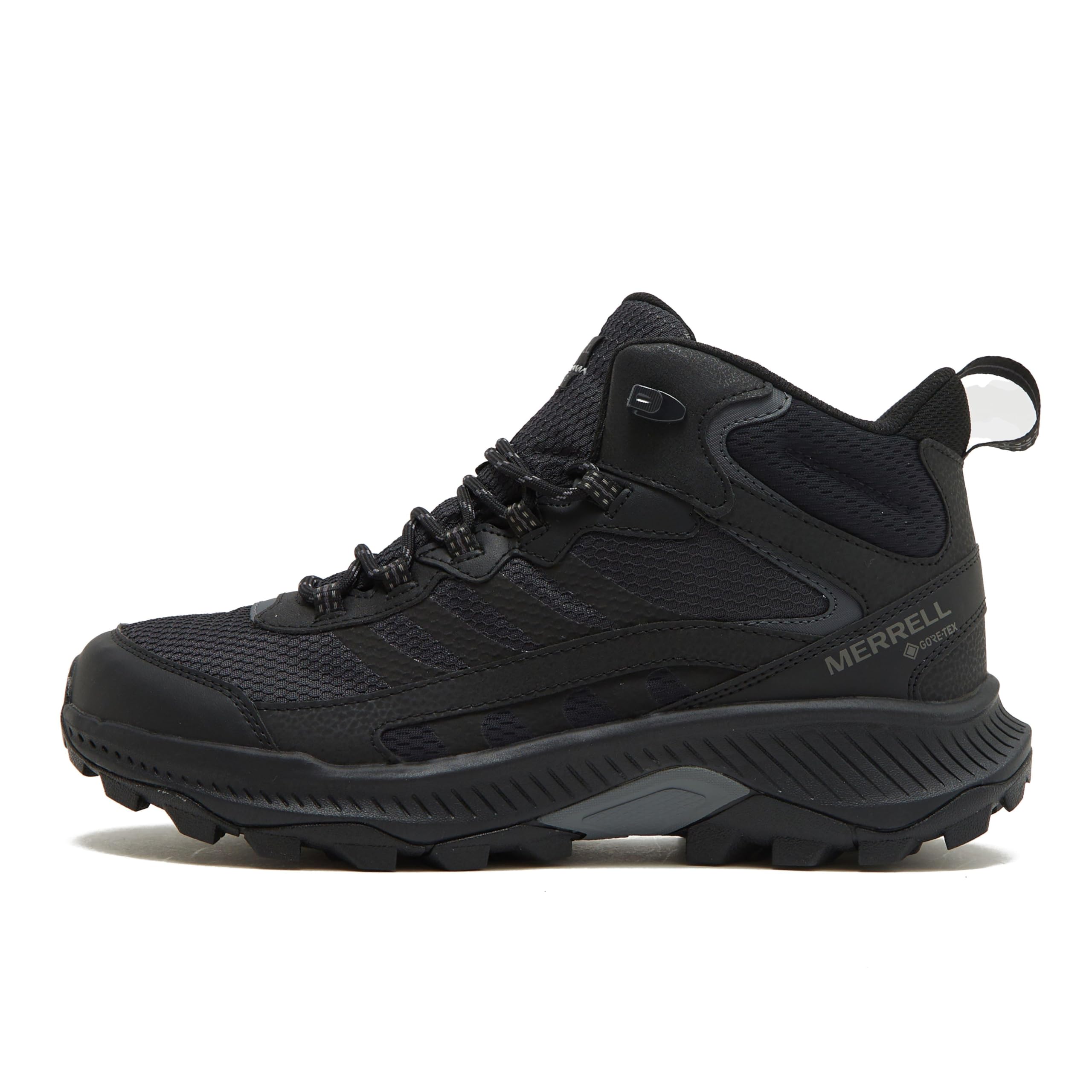
The Merrell Speed Strike 2 Mid Waterproof hits an ideal balance for walkers: it delivers reliable cushioning and a roomy toe box without the board-like stiffness common in many hiking boots. The EVA midsole absorbs shock well on pavement, while the sticky rubber outsole provides enough traction for light trail detours. Multiple reviewers noted zero break-in required — a critical advantage for anyone who needs immediate comfort for daily walking routines.
Breathability stands out here compared to full-leather competitors. Testers who walked for hours in warm conditions reported minimal sweating, thanks to the mesh-and-leather upper construction. The waterproof membrane keeps feet dry during rain without creating that clammy foot feel that plagues less breathable boots. At roughly 2.5 pounds per boot, it feels closer to a sneaker than a traditional mid-height boot.
Some users with flat feet mentioned the arch support felt less pronounced than they expected. For most walkers, however, the underfoot platform provides enough structure for 5 to 10 mile days without requiring aftermarket insoles. The aesthetic works equally well with jeans or outdoor gear, making it a genuinely versatile choice for daily wear.
Why it’s great
- Zero break-in time — comfortable from the first step
- Breathable mesh upper prevents sweaty feet during long walks
- Roomy toe box accommodates natural toe splay
Good to know
- Arch support is moderate, not aggressive
- Olive green color may not appeal to everyone
2. Columbia Men’s Newton Ridge Plus II Suede Waterproof Hiking Boot
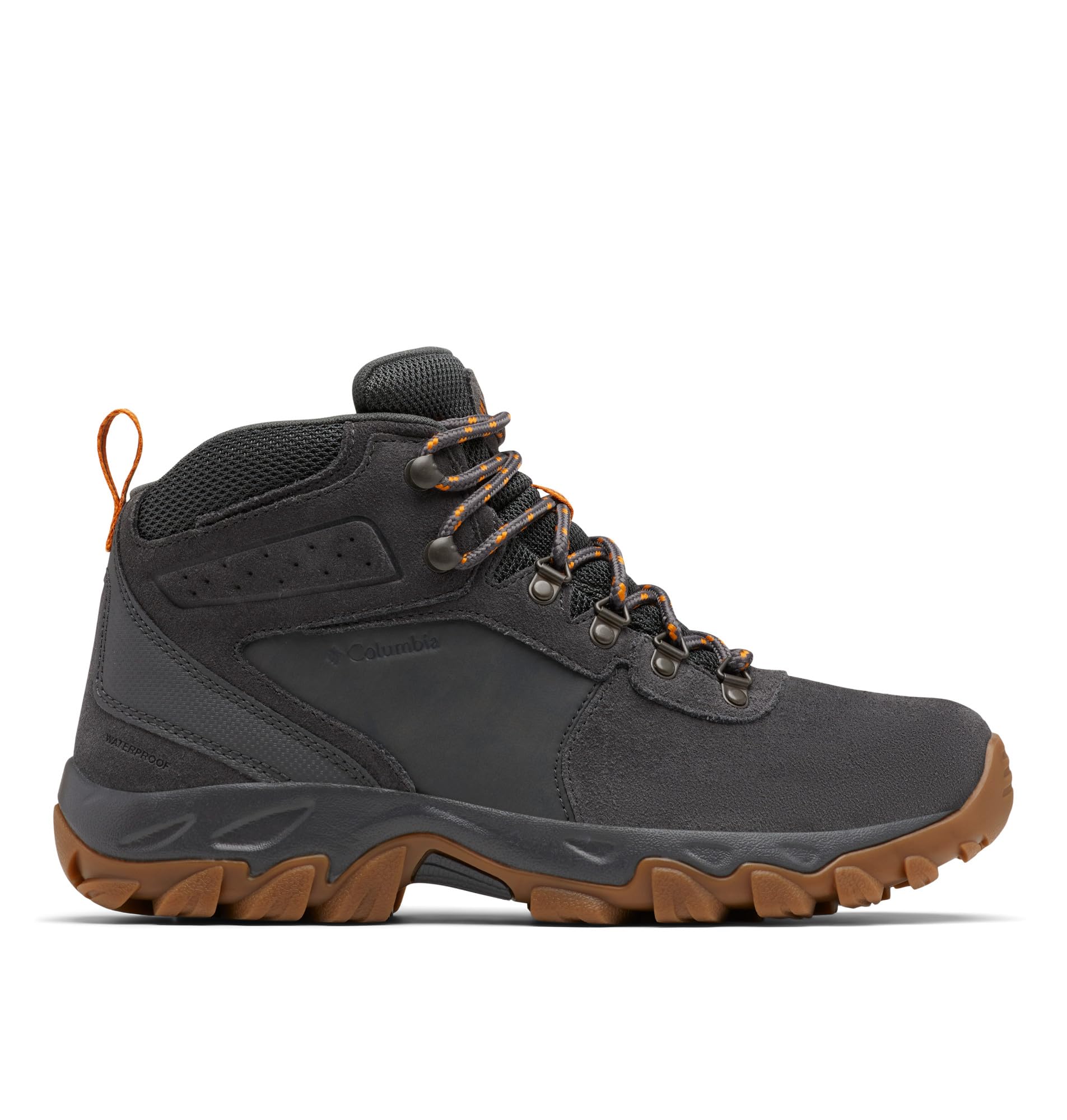
The Columbia Newton Ridge Plus II is the boot that keeps showing up in positive reviews year after year — one reviewer reported five years of use from their first pair before needing a replacement. The waterproof suede leather and authentic metal hardware deliver a classic hiker aesthetic that works for urban walking, light trails, and casual daily wear. The arch and ankle support earned consistent praise from walkers who log miles on sidewalks and gravel paths.
Weight is a strong point here. Testers described the boot as noticeably lighter than comparably priced leather hiking boots, which reduces fatigue on longer walks. The traction pattern handles snow, mud, and wet grass adequately, though the boot does run warm — several reviewers noted it feels too insulated for summer use. Going half a size up accommodates thicker winter socks without feeling cramped.
The primary compromise is waterproofness: the boot resists moisture effectively but is not fully submersible. One tester in sub-20°F conditions reported needing thicker socks for warmth. The suede exterior requires occasional cleaning to maintain appearance, and some users replaced the stock insoles with foam alternatives for added comfort. For the walker who sticks to maintained paths and daily commutes, this is an efficient, proven choice.
Why it’s great
- Proven durability — many users get multiple years of wear
- Lightweight feel reduces foot fatigue on long days
- Strong arch and ankle support for the price tier
Good to know
- Runs warm; less ideal for hot summer walking
- Not fully waterproof — resists moisture but won’t handle deep puddles
3. Timberland Men’s White Ledge Mid Waterproof Hiking Boots

The Timberland White Ledge Mid is a benchmark in the mid-range walking boot category, largely because of its premium waterproof leather from an LWG Silver-rated tannery and its seam-sealed construction. The boot handles grass, pavement, gravel, snow, mud, and ice with equal confidence — testers praised the multi-directional rubber outsole for delivering solid grip without feeling like a tank. The EVA footbed and midsole keep the ride comfortable for all-day wear.
Fit runs large; several long-term users advised ordering a half size down. The toe box accommodates wider feet better than many competitors, and the speed lace hardware makes adjusting tension quick. Many reviewers reported putting 25+ miles per week on these boots with consistent comfort. Maintenance is required — mink oil application every few months preserves the leather and maintains waterproofness. The boot is breathable for a full-leather model but still benefits from merino wool socks in warmer weather.
Where this boot shows its age is weight and break-in. It requires a short break-in period before reaching peak comfort, especially for walkers accustomed to sneakers. Ankle support is moderate rather than restrictive, which suits easy hiking and flat terrain better than technical scrambles. For the walker covering mixed terrain daily, the White Ledge remains a strong, time-tested option.
Why it’s great
- Excellent grip across varied surfaces (pavement, snow, mud, ice)
- High-quality waterproof leather from a certified sustainable tannery
- Roomy toe box accommodates wide feet
Good to know
- Requires regular mink oil treatment to maintain waterproof seal
- Needs short break-in period before peak comfort
4. LOWA Zephyr MK2 GTX Mid

The LOWA Zephyr MK2 GTX Mid is built for users who need a boot that performs under pressure all day. Originally designed for military and police use, it combines a tear-resistant suede and CORDURA upper with a breathable GORE-TEX Extended Comfort liner that keeps feet dry without trapping heat. The adjustable lacing system allows a precise fit around the midfoot, and the boot is noticeably lighter than other premium tactical-style boots — one reason walkers gravitate toward it for long days on their feet.
Durability is exceptional. Multiple reviewers noted that this was their fourth pair of Zephyrs, citing consistent quality and the ability to resole the boot when the outsole wears down. The sole offers good stability on uneven surfaces, though the harder rubber compound is slightly less grippy on wet smooth surfaces compared to softer hiking-specific outsoles. For walking, this trade-off favors durability and reduces wear on pavement.
The main barrier is sizing — some buyers experienced customs delays or received boots without the original box when ordering through third-party sellers. The boot also commands a premium price that reflects its build quality and materials. For the dedicated walker who values long-term durability over initial savings, this boot pays for itself over time.
Why it’s great
- Extremely durable CORDURA and suede upper resists tears and abrasion
- Breathable GORE-TEX liner prevents overheating on long walks
- Resoleable design extends boot lifespan significantly
Good to know
- Premium price point may exceed casual walker budgets
- Slightly less grip on wet smooth surfaces
5. SCARPA Men’s Kinesis Pro GTX Waterproof Gore-Tex Boots
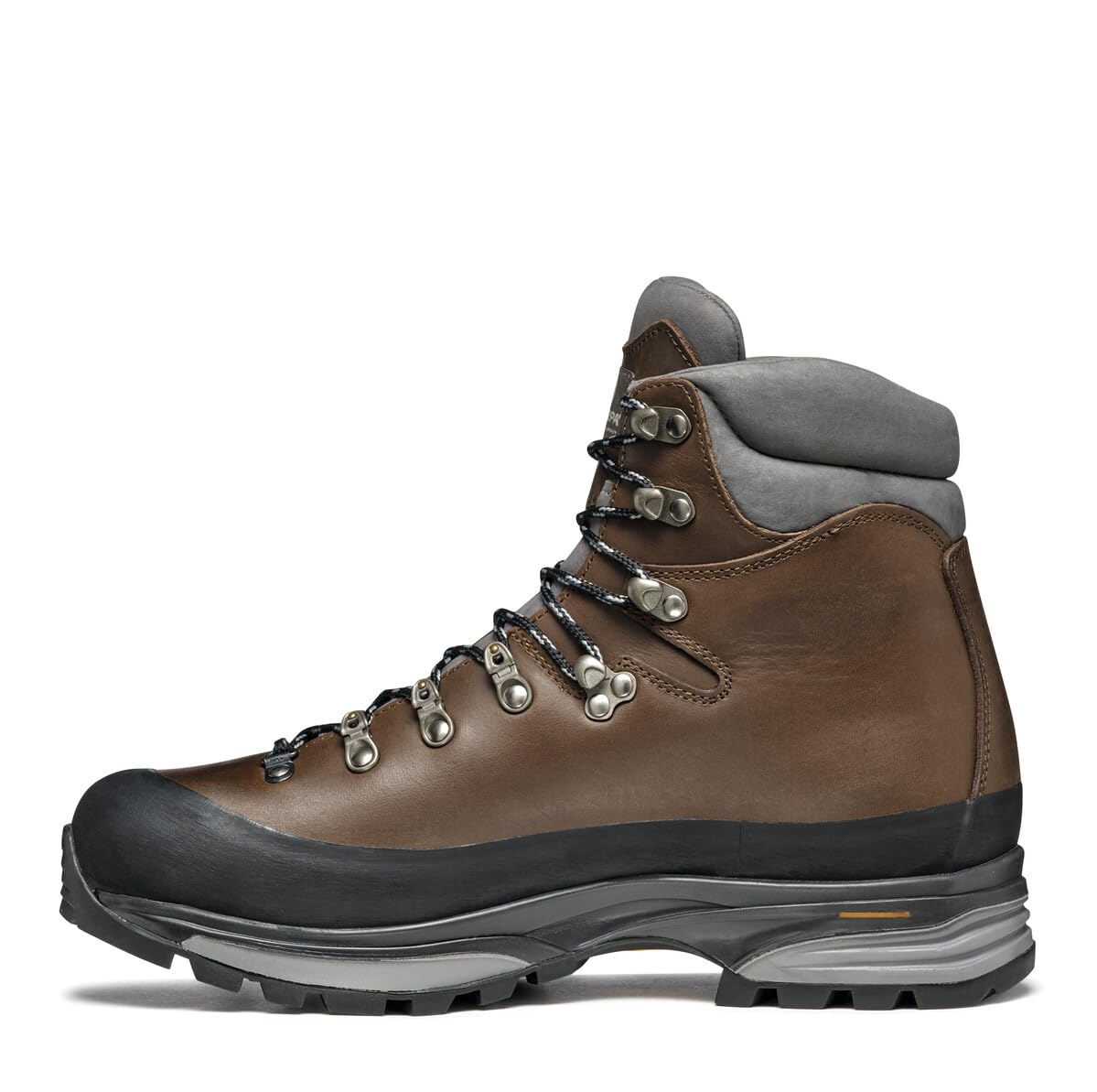
The SCARPA Kinesis Pro GTX is a serious backpacking boot that happens to serve dedicated walkers who carry heavy packs or tackle steep, rocky terrain. The 2D PU midsole offers exceptional support under load — it resists compression far better than EVA, maintaining its cushioning properties over hundreds of miles. The Vibram Biometric outsole with XS Trek compound delivers reliable traction on loose rock and wet trails. For the walker who frequently carries 30+ pounds, this boot minimizes fatigue better than any lightweight competitor.
Fit favors narrow to medium feet. Testers with narrow D-width feet reported a snug, secure feel with excellent heel lock, while those with wider feet struggled with the tight toe box during the break-in period — which some users described as lengthy (up to 200km). The Gore-Tex Performance Comfort lining provides reliable waterproofing without the clammy feel of older membrane designs. The unique tongue construction reduces lace pressure across the instep.
This is not a casual walking boot. The stiff sole and high ankle support limit natural foot motion on flat pavement, and the hard Vibram outsole feels slippery on wet rock. Buyers looking for a boot that can double as a daily walker may find it overbuilt. For serious long-distance walkers on technical terrain, however, the Kinesis Pro GTX is one of the best investments available.
Why it’s great
- PU midsole retains cushioning far longer than EVA for heavy loads
- Excellent heel lock and ankle support for uneven terrain
- Water-tight Gore-Tex construction tested by hundreds of users
Good to know
- Break-in period can exceed 200km for some users
- Narrow toe box not suitable for wide feet
6. SOREL Women’s Kinetic Impact Conquest Plus Waterproof Boot
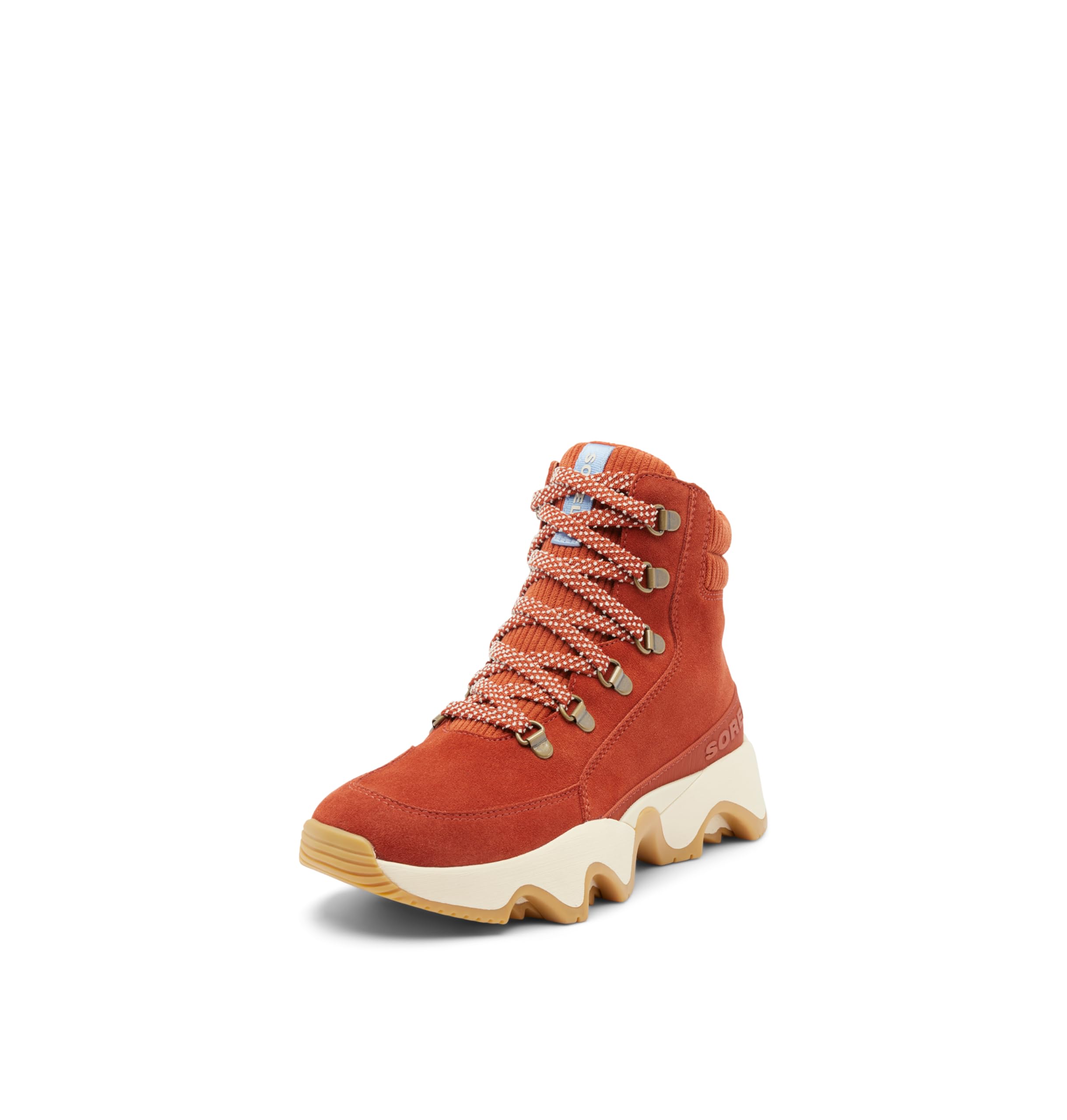
The SOREL Kinetic Impact Conquest Plus hits a sweet spot for walkers who need a warm, waterproof boot that doesn’t feel like a snowmobile boot. Reviewers consistently noted that the boot provides genuine warmth for winter conditions without the bulk and weight of traditional insulated snow boots. The thick sole lifts feet above slush and puddles, and the slip-resistant outsole provides confidence on wet tile, ice, and packed snow. Internal support is solid, with no reports of foot fatigue even after hours on hard floors.
Style is a genuine asset here. The suede and metal lace loop construction looks good enough for casual office environments or dinner out — unusual for a boot with this level of weather protection. The fit runs slightly large, which gives room for thicker socks but may require sizing down for those who prefer a snug fit without extra sock layers. The boot is not designed for wide feet; several users noted the toe box runs narrow.
Although marketed as a winter boot, the Conquest Plus remains flexible enough for extended walking — more like a sneaker-boot hybrid than a rigid winter boot. The main trade-off is warmth: in very cold conditions (below 20°F), the insulation may feel insufficient for standing still, though active walking generates enough heat. It is a solid choice for the walker who needs one boot to handle cold mornings, wet sidewalks, and indoor transitions.
Why it’s great
- Warm without the weight of traditional snow boots
- Thick sole lifts feet above slush and puddles
- Stylish enough for casual indoor settings
Good to know
- Runs slightly large; size down for a snug fit without thick socks
- Not suitable for wide feet
7. Naturalizer Darry-Bootie Water-Repellent
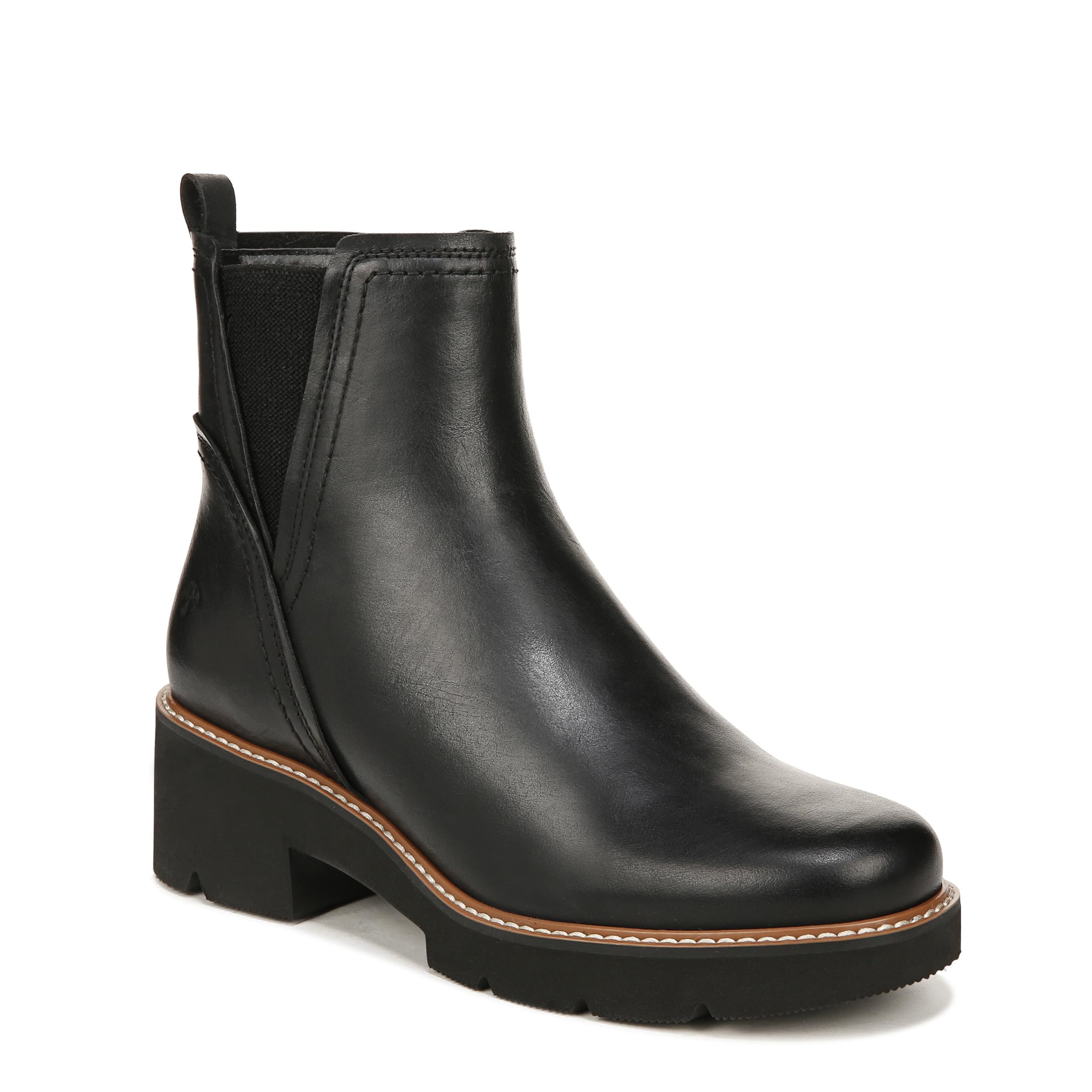
The Naturalizer Darry-Bootie stands out for walkers who need wide widths and prefer a Chelsea boot silhouette over a traditional lace-up hiker. The water-repellent suede or leather upper, side zip closure, and elastic goring make it easy to slip on and off — a meaningful advantage for commuters and travelers. The Contour+ Comfort technology provides a contoured footbed with solid arch support, and testers praised the immediate comfort with zero break-in.
The sole design deserves attention: a 2.25-inch block heel with a rubber traction outsole and a flexible EVA sole creates a walking experience that feels stable despite the heel height. The boot is designed for light rain rather than heavy downpours, and the water-repellent treatment performs well in drizzle and wet grass. Lug depth is shallow, making the boot better suited for pavement and manicured paths than muddy trails.
Fit runs narrow in standard widths. Several reviewers with flat, wide feet recommended ordering up 1 to 1.5 sizes for a comfortable fit. The boot also has limited insulation, so it is best for three-season walking rather than deep winter. For the walker who prioritizes style, easy entry, and all-day comfort on hard surfaces, this is a refined choice that avoids the hiking boot aesthetic.
Why it’s great
- Available in wide widths — rare for stylish waterproof booties
- Side zip and elastic goring make on/off effortless
- Contour+ footbed provides all-day comfort with no break-in
Good to know
- Standard width runs narrow; size up for wide feet
- Not designed for heavy rain or deep mud
8. La Sportiva Men’s Makalu Leather Boots

The La Sportiva Makalu Leather Boot is built for heavy loads, technical terrain, and harsh conditions — not for casual pavement walks. The full steel shank provides exceptional stiffness for carrying heavy packs and using crampons, but this rigidity comes at a cost: the boot has very little natural flex, which makes walking on flat, hard surfaces feel clunky. The 3mm Idro-Perwanger roughout leather upper is incredibly durable and, with proper waxing, maintains waterproofness for years.
Users who wear these for their intended purpose — trail work, tree climbing, mountaineering, and heavy backpacking — report that the boot is among the most comfortable stiff boots they have worn, provided the fit is correct. The Makalu runs narrow compared to other La Sportiva models, requiring careful sizing. Break-in takes significant time: some reviewers reported needing 50+ miles before the leather softened, and others lost toenails during the process. This is not a boot for the impatient walker.
The Makalu is not waterproof out of the box; it requires regular treatment with waterproofing wax to seal the leather. The boot also breathes poorly compared to modern mesh-and-membrane designs, making it warm in summer and cold in deep winter without proper socks. For the small subset of walkers who spend days carrying heavy gear over rocky, alpine terrain, the Makalu is a trusted tool. For everyday walking, it is overkill.
Why it’s great
- Exceptional durability for heavy backpacking and alpine conditions
- Full steel shank provides unmatched support for heavy loads
- Leather ages well and can be resoled
Good to know
- Long break-in period (50+ miles) with risk of blisters
- Very stiff sole — unpleasant for flat pavement walking
9. Kenetrek Men’s Mountain Extreme Non-Insulated Hiking Boots
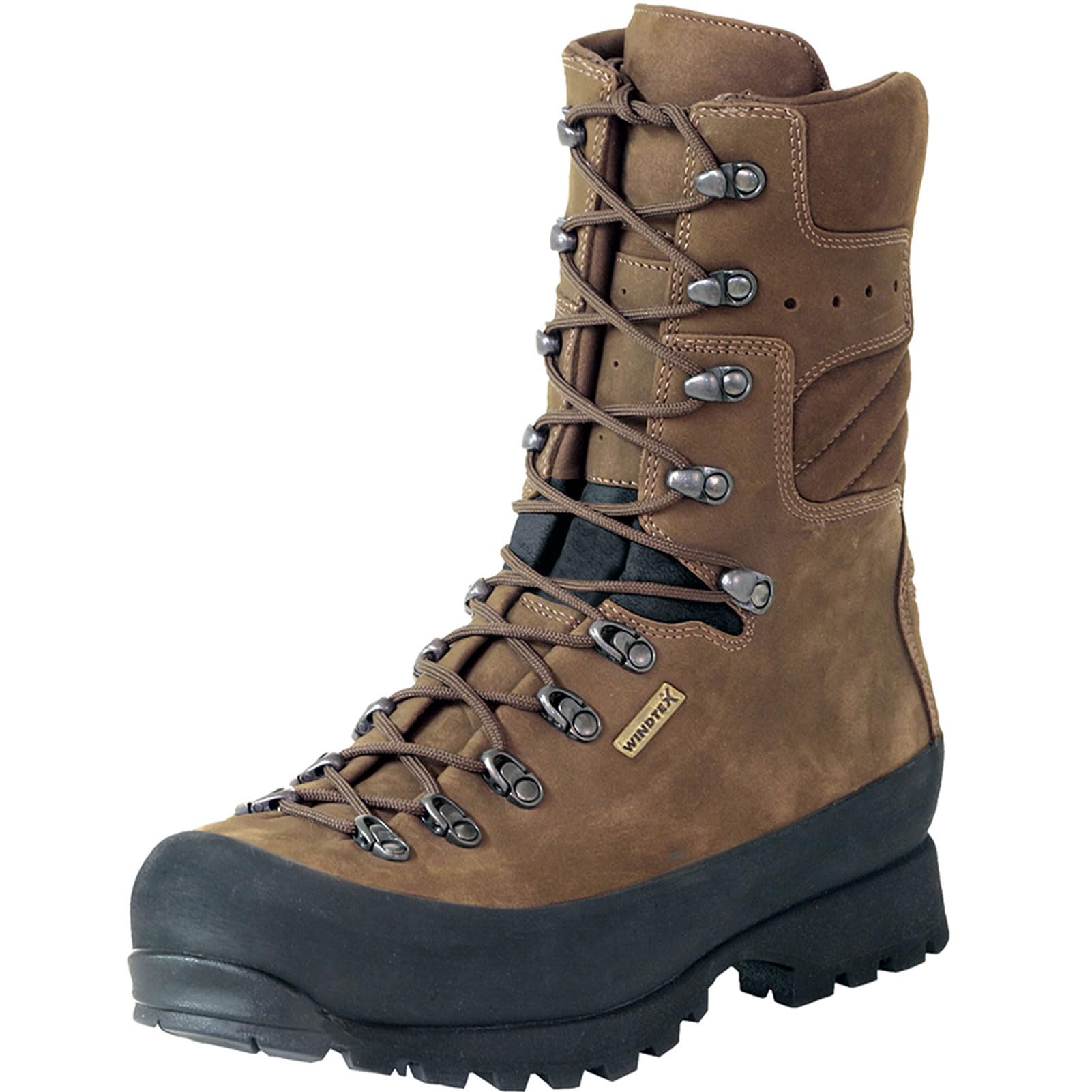
The Kenetrek Mountain Extreme Non-Insulated hiking boot is built for the most demanding walking environments — rocky mountains, heavy brush, and long hunting trips. The 10-inch height provides exceptional ankle and lower calf support, and the Windtex waterproof membrane is more breathable than most Gore-Tex competitors, according to long-term users. The K-Talon outsole delivers outstanding traction on loose rock and steep slopes, with a stiff 7mm nylon midsole that supports heavy loads without collapsing.
Build quality is exceptional. Reinforced double and triple stitching in high-wear areas, anti-corrosion hardware, and a supportive footbed contribute to a boot that one reviewer reported still going strong after 800 rough miles. The boot runs true to size with room for thick socks, and several users reported a painless break-in — a surprise given the boot’s stiffness. The non-insulated version is warm enough for most three-season walking, with some users noting it feels warmer than insulated models from other brands.
The trade-offs are substantial for casual walkers. The tall shaft limits ankle flexibility, and the stiff sole feels unnatural on flat pavement and concrete. At a premium price point, the Mountain Extreme is overbuilt for anyone walking primarily on roads or maintained trails. It also requires specific Kenetrek wax for optimal waterproof performance. For the serious outdoor walker who tackles rough, steep, rocky terrain daily, this boot is a long-term investment that outperforms nearly everything else in its class.
Why it’s great
- Incredible durability — reported to last 800+ rough miles with proper care
- 10-inch height provides excellent ankle and calf support
- Windtex membrane offers breathability superior to many Gore-Tex options
Good to know
- Tall shaft and stiff sole feel restrictive on flat pavement
- Requires specific Kenetrek wax for waterproof performance
FAQ
Should I buy a waterproof boot if I mostly walk on pavement?
How much ankle support do I actually need for walking?
Can I wear walking boots for daily office or casual use?
Final Thoughts: The Verdict
For most users, the best boot for walking winner is the Merrell Speed Strike 2 Mid Waterproof because it offers immediate comfort, breathable waterproofing, and a lightweight feel that works equally well on pavement and light trails. If you want a classic, long-lasting leather boot with proven grip on mixed terrain, grab the Timberland White Ledge Mid. And for the walker who tackles rough, rocky backcountry with a heavy pack, nothing beats the SCARPA Kinesis Pro GTX.