
Our readers keep the lights on and the weekend projects moving. As an Amazon Associate, I earn from qualifying purchases.
You open a jar of active dry yeast, stir it into warm water (around 105–115°F), and wait — hoping the surface turns foamy within ten minutes. If it doesn’t, you are staring at wasted flour and a flat loaf. The right yeast for your kitchen comes down to freshness, how you store it, and whether you prefer individual packets or a bulk block. This guide walks you through five proven options so you know exactly which bag or box to grab for your next bake.
I’m Rikta — the co-founder and writer behind FitlyFast. This guide is built by comparing the manufacturers’ published specifications and the patterns across verified customer reviews, so you get each pick’s real strengths and trade-offs instead of marketing spin.
“Proofing” means rehydrating the yeast in warm water to check it is alive — a foamy top within ten minutes tells you it is ready. That is why we have focused entirely on finding the best active dry yeast for real kitchens, based on what hundreds of home bakers report.
How To Choose The Best Active Dry Yeast
Active dry yeast is the classic pantry workhorse for bread, pizza dough, and rolls. You need to rehydrate it in warm liquid (typically 105–115°F) before mixing — if it foams within ten minutes, it is alive and ready. The main factors to weigh are packet size versus bulk, storage life, and any extra ingredients in the bag.
Packet or Bulk Bag?
Individual 0.25-ounce packets are perfect if you bake once a week or less — each packet is pre-measured for one standard loaf (about 2¼ teaspoons). Bulk bags (1 to 2 pounds) cost far less per ounce, but you must store the unused portion in an airtight container in the fridge or freezer. A 2-pound bag keeps for a year or longer frozen, so heavy bakers save money with bulk.
Check for Additives
Some commercial yeasts contain sorbitan monostearate (a texturizer that keeps granules from clumping) or ascorbic acid (a dough conditioner that strengthens the dough). If you want nothing but yeast, look for a brand that advertises itself as additive-free or all-natural. The ingredient list should say “yeast” and nothing else.
Proofing Temperature Matters
Active dry yeast needs a narrow temperature window — water that is too hot (above 130°F) kills the yeast instantly, while water that is too cold (below 90°F) slows it way down. A simple kitchen thermometer takes the guesswork out of proofing.
Quick Comparison
On smaller screens, swipe sideways to see the full table.
| Model | Category | Best For | Key Spec | Amazon |
|---|---|---|---|---|
| Anthony’s Yeast Packets | Mid-Range | Weekly bakers who want convenience | 42 packets × 0.25 oz each | Amazon |
| Antimo Caputo Yeast | Premium | Neapolitan pizza & artisan bread | 17.63 oz vacuum-sealed bag | Amazon |
| Red Star Bulk Yeast | Mid-Range | Heavy weekly baking, bulk storage | 16 oz block | Amazon |
| Fleischmann’s Packets | Premium | Classic recipe, trusted brand | 12 packets × 0.25 oz each | Amazon |
| Seitenbacher Yeast | Value | Additive-free & natural baking | 32 packets × 0.35 oz each | Amazon |
In‑Depth Reviews
1. Anthony’s Active Dry Yeast Packets
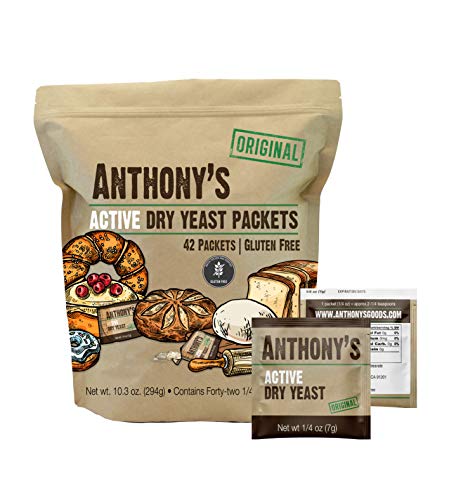
42 pre-measured 0.25-ounce packets make this the top pick for bakers who want zero measuring and consistent one-loaf portions — one packet equals exactly one standard loaf (about 2¼ teaspoons). Buyers report this yeast handles colder kitchens better than grocery-store brands; a buyer in Nebraska reported it rose in 1 hour versus the expected 3 hours when using high-protein flour. The packets are batch-tested and verified gluten free, giving you added confidence for special diets.
Compared to the Fleischmann’s box (12 packets for 3 ounces total), this gives you 3.5 times more packets for similar space on the shelf. However, each Anthony’s packet is 0.25 ounces — smaller than the Seitenbacher 0.35-ounce packets, so you may need two for extra-large recipes. The packaging lacks a serrated edge, so owners mention you often need scissors to open them cleanly.
For reliable, no-measure baking in cool kitchens, this is the packet yeast to beat.
Why it’s great
- 42 individually sealed packets stay fresh for months at room temperature
- Gluten-free certified gives added confidence for special diets
Good to know
- Packets have no tear-notch — you need scissors every time
- Static cling makes it tricky to empty the last bit of yeast
2. Antimo Caputo Lievito Active Dry Yeast
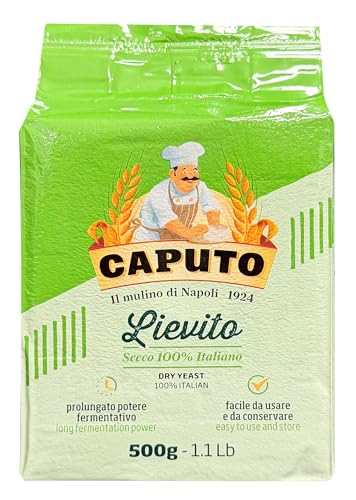
Compared to the top pick’s 4-ounce jar, Antimo Caputo Lievito Active Dry Yeast comes in a 17.63-ounce vacuum-sealed bag — roughly 4.4 times more yeast by weight — at a mid-range price, not the top pick’s budget-friendly cost per ounce.
Customers note the expiration date is typically about 1.5 years out, so you have plenty of time to work through the bag. The vacuum seal keeps the yeast dormant and potent until you open it; reviewers point out it freezes well, meaning you can portion it into a jar and pull out a tablespoon at a time for months. The big differentiator here is the fermentation power for long, slow rises — ideal if you let dough cold-ferment in the fridge for 24 to 72 hours. The yeast produces an airy crumb and authentic Italian texture without the sharp smell that some other yeasts develop.
Choose Antimo Caputo Lievito Active Dry Yeast over the top pick if you prioritize bulk value and authentic Italian fermentation for Neapolitan pizza or rustic loaves, and you have freezer space to store the larger bag.
Where it shines
- Made by Antimo Caputo, Naples’ acclaimed miller since 1924
- Vacuum-sealed 500g bag stays fresh until you open it
Worth noting
- Once opened, you need an airtight container and refrigeration
- Bulk bag is less convenient if you bake only once a month
3. Red Star Active Dry Yeast, Value Size 1 Pack (2 Pound Ea)

You get a 16-ounce solid block of yeast — about 5.3 times more than a 3-ounce box of Fleischmann’s packets — at roughly one-third the cost per ounce versus individual packets. That makes this the clear pick if you bake several times a week and want the absolute lowest cost per ounce.
The catch is form factor: this is a solid block (also called a “cake”) of yeast, not a powder in a jar. Unlike instant yeast, you must rehydrate it in warm water before using — a step some bread machine owners tell reviewers they need to confirm works for their model. However, reviewers praise its freezer life: they store it in a glass jar with an airtight lid and pull out only what they need for years of reliable performance. The remaining yeast keeps perfectly for pizza bases, bagels, and daily bread.
One 2-pound block delivers roughly 5.3 times the yeast of a standard 3-ounce box of Fleischmann’s packets at a fraction of the per-ounce cost.
What stands out
- 16-ounce block gives you the best cost per ounce among all picks
- Freezes for a year or longer in an airtight container
The trade-offs
- Not instant — you must dissolve it in warm water before adding to flour
- Block form can confuse buyers expecting a jar or packets
4. Fleischmann’s Active Dry Yeast Original Packets
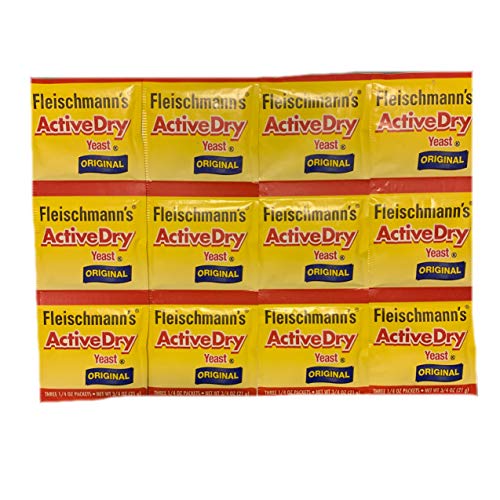
The single number that matters most in this category is 12 individually sealed 0.25-ounce packets, giving a total of 3 ounces of yeast — and it scores as the most expensive per-ounce option in this lineup.
Fleischmann’s is the household name in American baking — the brand your grandmother likely used for her dinner rolls. The downside is straightforward: at 3 ounces total, this is a smaller box. If you bake a single loaf every two weeks, 12 packets will last you half a year or more. But if you bake every weekend, you might blow through the box in three months and pay more per loaf than you would with a bulk bag. Reviewers describe it as “just works” — no surprises, no need to check for additives (this is plain active dry yeast). It is the pick for the baker who wants to follow a classic recipe exactly as written without overthinking the yeast.
You pay for the trust of a 150-year-old brand and the convenience of zero measuring — a price-to-value read that favors occasional bakers over heavy users.
The upsides
- Fleishmann’s is the most recognized and widely trusted baking yeast brand
- 12 pre-measured packets fit neatly in a drawer for months
Keep in mind
- Most expensive per ounce compared to bulk bags
- Small box size means frequent repurchase for heavy bakers
5. Seitenbacher Active Dry Yeast, 0.35 Ounce (Pack of 32)

You get 32 larger 0.35-ounce packets — totaling 11.2 ounces — and the ingredient list contains only yeast, water, and a trace of honey. That makes this the cleanest option if you want to avoid sorbitan monostearate (a clump preventer) and ascorbic acid (a dough conditioner). Shoppers say the dough produces a proper beer-like smell during proofing (rehydrating in warm water) rather than the nail-polish-remover odor some yeasts create, which signals a healthy fermentation.
The upfront cost is the highest in this lineup, but you are paying for purity and larger packets — each one covers bigger recipes than the standard 0.25-ounce packets from Anthony’s or Fleischmann’s. If you want total ingredient transparency and bake frequently enough to use 32 packets before they age, this is your pick. If you bake only once a month, the bulk size might exceed your needs.
This is the perfect pick for the budget buyer who prioritizes ingredient purity over packet count and bakes large batches often enough to justify the bulk.
Why we’d pick it
- Zero additives — just pure yeast, water, and a trace of honey
- Each 0.35-ounce packet is bigger than standard, covering larger recipes
A few caveats
- Highest upfront cost — but you pay for purity, not filler weight
- German brand may be harder to find in local stores for restock
Understanding the Specs
Packet Size
A standard active dry yeast packet is 0.25 ounces (about 2¼ teaspoons), enough for one loaf of bread using roughly 3 cups of flour. Bigger packets, like the Seitenbacher at 0.35 ounces, give you a safety margin or let you scale up a recipe without opening a second packet.
Bulk Bag vs. Individual Packets
A 1-pound bag of yeast costs significantly less per ounce than a box of 12 packets, but you must store the leftover yeast properly. To keep it alive, pour the unused yeast into an airtight glass jar and put it in the freezer — it stays viable for a year or more.
Proofing
Proofing means rehydrating the yeast in warm water (105–115°F) with a pinch of sugar before adding it to flour. If the water is too hot (over 130°F), you kill the yeast; too cold (below 90°F), it wakes up very slowly. A clear foam layer on top after five to ten minutes tells you the yeast is alive.
Additives
Some active dry yeast brands add sorbitan monostearate (to keep granules from clumping) or ascorbic acid (a dough conditioner). If you see these on the label and prefer plain yeast, look for brands that explicitly say “no additives” or “all-natural.” Seitenbacher is one of the few that contains only yeast.
FAQ
Can I use active dry yeast instead of instant yeast in any recipe?
How do I know if my old active dry yeast is still alive?
Should I store opened yeast in the fridge or freezer?
Final Thoughts: The Verdict
When it comes down to it, the best active dry yeast winner is the Anthony’s Active Dry Yeast Packets because 42 pre-measured packets combine bulk value with the convenience of grab-and-go portions — no measuring, no freezer jar to manage. If you want pure, additive-free yeast with the longest shelf life, grab the Seitenbacher Active Dry Yeast. And for heavy weekly baking on a tight budget, the standout is the Red Star Value Size Block.