
Our readers keep the lights on and the weekend projects moving. As an Amazon Associate, I earn from qualifying purchases.
Specs are compiled from manufacturer listings and verified buyer reviews and can change over time — please confirm the key details on the product page before buying.
You want the detail and clarity of audiophile-grade sound, but you refuse to be tied down by a cable snaking to your phone. The problem is that most Bluetooth earbuds squeeze your music into a thin, lifeless version of the recording — and the “high-res audio” label on the box often means very little. This guide sorts through the codec confusion (the digital translation your earbuds use to play music over Bluetooth) and build-quality noise, so you can find models that deliver genuine high-resolution sound wirelessly, with real driver setups (the tiny speakers inside each earbud) and honest battery life you can count on.
I’m Rikta — the founder and writer behind FitlyFast. This guide is built by comparing the manufacturers’ published specifications and the patterns across verified customer reviews, so you get each pick’s real strengths and trade-offs instead of marketing spin.
This breakdown of the best audiophile bluetooth earbuds helps you match your ears and your budget to the right pair without spending money on hype.
Quick Picks
- AVIOT TE-ZX1 Wireless Earbuds — Cowboy Bebop Edition — Best Overall
- Noble Audio FoKus Prestige Encore — Top Performer
- Bowers & Wilkins Pi8 Wireless Earbuds — Premium Pick
- Status Pro X Wireless Earbuds — Best Value
- Nothing Ear Wireless Earbuds — Smart ANC Pick
- Noble Audio FoKus Amadeus — Personalized Sound
- Cambridge Audio Melomania A100 Earbuds — Entry-Level Hi-Fi
How To Choose The Best Audiophile Bluetooth Earbuds
Choosing the right pair depends on three things: the codec (how the music is streamed), the driver hardware (the tiny speakers), and the noise isolation. These define whether a set of earbuds will satisfy a critical listener or just sound like every other Bluetooth accessory.
Codec Support Is the Real Gatekeeper
A Bluetooth connection squeezes your music through a digital pipe. Standard codecs (the digital translation) like SBC and AAC cap the bitrate so aggressively that fine detail in the recording gets lost. For true high-resolution audio, your earbuds must support LDAC (up to 990 kbps), aptX Adaptive, or aptX Lossless. The source device — your phone or digital audio player (DAP) — must also transmit that codec, or the earbuds will fall back to a lower-quality stream.
Driver Architecture Shapes the Sound Signature
A single 10mm or 11mm dynamic driver can produce a pleasing thump, but multi-driver setups — hybrid configurations that split bass, mids, and treble across different driver types (dynamic, balanced armature, planar magnetic) — deliver the instrument separation and transient speed that serious listeners expect. More drivers mean a heavier body and a higher price, so the trade-off is comfort and portability.
Active Noise Cancelling vs. Passive Isolation
Audiophile-grade earbuds often prioritize a tight passive seal (the fit of the tip in your ear canal) over aggressive ANC. A good passive seal gives you blacker backgrounds and more micro-detail without the hiss or pressure that ANC circuits can introduce. If you commute or fly regularly, look for hybrid ANC that tunes out ambient noise without smearing the frequency range — and check whether the ANC can be switched off for pure listening sessions.
Quick Comparison
| Model | Best For | Driver Setup | Bluetooth / Codec | Battery (Total) | Amazon |
|---|---|---|---|---|---|
| AVIOT TE-ZX1 | Multi-driver precision | 5-driver tribrid | 5.2 / LDAC | 20 hrs | Amazon |
| Noble FoKus Prestige Encore | Ultimate wireless hi-fi | 3-way hybrid (8mm DD + 2x BA + 6mm planar) | 5.4 / LDAC, aptX Lossless | 35 hrs | Amazon |
| Bowers & Wilkins Pi8 | Reference tuning and build | 12mm carbon cone dynamic | 5.2 / aptX Lossless | 6.5 hrs (buds) | Amazon |
| Status Pro X | Triple-driver value | 12mm DD + dual Knowles BA | 5.3 / LDAC | 32 hrs | Amazon |
| Nothing Ear | Smart ANC and app depth | 11mm ceramic dynamic | 5.3 / LDAC, LHDC 5.0 | 40.5 hrs | Amazon |
| Noble FoKus Amadeus | Personalized sound calibration | Custom driver | 5.4 / LDAC, aptX Adaptive | — | Amazon |
| Cambridge Audio Melomania A100 | Budget hi-fi entry point | 10mm dynamic | 4.0 / aptX Lossless, LDAC | 39 hrs | Amazon |
In‑Depth Reviews
1. AVIOT TE-ZX1 Wireless Earbuds — Cowboy Bebop Edition
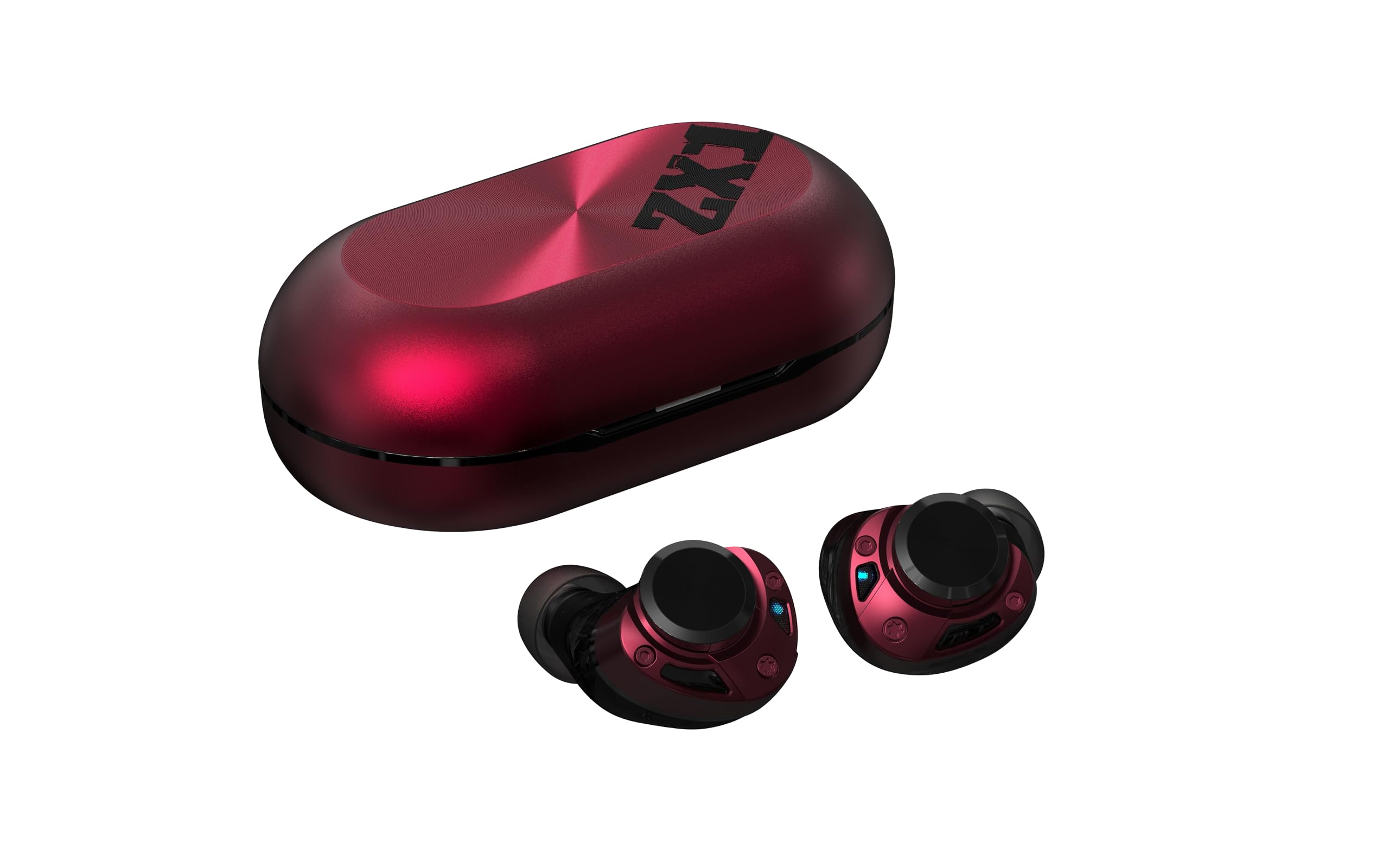
You get five tiny speakers (three different types) inside each earbud — more than any other true wireless model — so you hear each instrument clearly instead of a single jumbled sound.
These earbuds use a 5-driver tribrid design — a dynamic driver (for deep lows), a planar magnetic driver (for smooth mids), and balanced armature drivers (for crisp highs) — all working together so you hear each instrument separately, not mashed into one wall of sound. The result is a flat, neutral tuning from the start that reveals detail without artificial boost, and a V-curve is easy to reach through the app’s EQ if you prefer a more energetic signature. With LDAC on Bluetooth 5.2 the wireless pipe stays wide open for high-resolution streaming, so your music keeps its full detail even over a wireless connection.
Buyers report that the sound quality is crisp and detailed with excellent instrument separation, and that the premium metal case feels substantial in the hand. The trade-off comes in ANC performance — it is not as aggressive as flagship Sony or Bose models, and transparency mode struggles with wind noise. The earbuds themselves are on the larger, heavier side, which may cause discomfort for smaller ears over long sessions. The app has occasional connectivity hiccups, though a quick reset usually fixes it.
Unlike the Noble FoKus Prestige Encore which uses a three-way hybrid system, the AVIOT squeezes an extra set of drivers into a tribrid layout for a slightly more layered soundstage at a lower entry price. It also differs from the Status Pro X on battery endurance, with AVIOT listed at 20 hours total and Status listed at 32 hours total.
Sound Signature Strengths
- Exceptional instrumental separation with LDAC streaming
- Flat, distortion-free tuning that responds well to EQ
- Premium metal case with a unique Cowboy Bebop design
Real-World Trade-Offs
- ANC and transparency mode are weaker than the competition
- Large, heavy shell may not fit all ears comfortably
- App can be glitchy and requires occasional resets
Ideal for: The critical listener who values multi-driver soundstage over ANC power.
Worth noting: Owners mention the large size and wide tip barrels can make a secure fit tricky for some ear shapes.
2. Noble Audio FoKus Prestige Encore
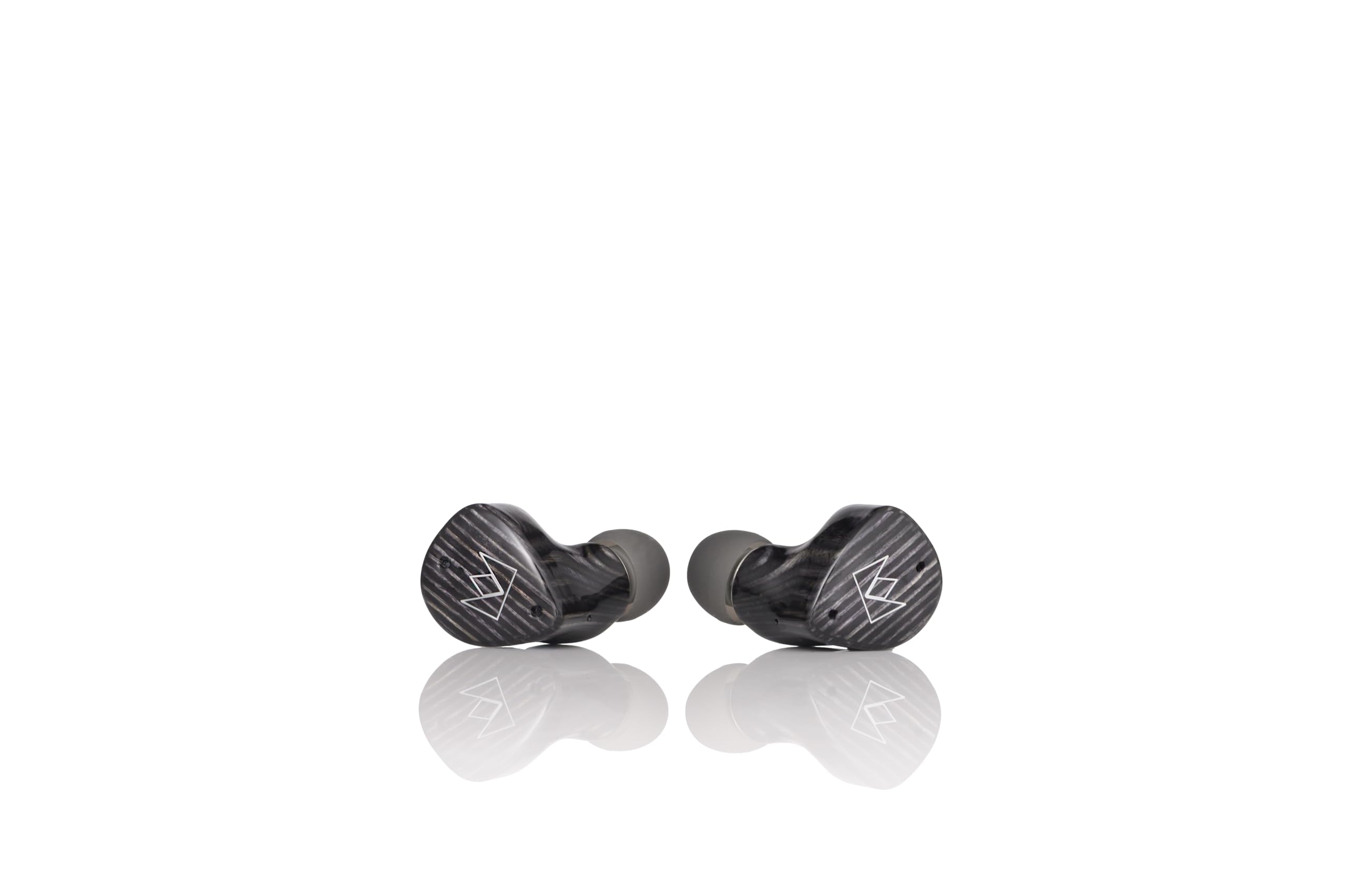
Wood-shelled wireless earbuds that rival mid-fi wired IEMs in clarity — each unit has a unique wood grain pattern because the body is CNC-machined from solid wood.
If sound quality is your only priority, the Prestige Encore is the toughest contender in the wireless space. It uses a three-way hybrid driver configuration — an 8mm dynamic driver for authoritative bass, dual Knowles balanced armatures for midrange clarity, and a new 6mm planar magnetic driver for extended treble air and micro-detail — all housed in a CNC-machined wood body so each unit has a unique grain pattern. On the wireless side, it runs on Bluetooth 5.4 and supports aptX Lossless, so you can stream bit-perfect music (the exact digital data of a CD-quality track) straight from a compatible Android device. The Audiodo Personal Sound calibration analyzes your hearing in each ear and writes a profile directly onto the earbuds, meaning your tuned sound follows you across any source without needing the app.
Customers note that this is “the best sounding TWS” they have ever heard, comparing it favorably to much more expensive wired IEMs, with exceptional soundstage, imaging, and bass that remains tight and clean even at higher volumes. The battery life holds up to 7 hours with LDAC and ANC on, and the case adds a total of 35 hours. Reviewers also note that the stock tips are poor — a swap to Comply 400c foam tips fixes both the fit and the passive isolation dramatically.
Vis-a-vis the Bowers & Wilkins Pi8, reviewers point out the Prestige Encore’s treble sparkles more, the mids are sharper, and the bass feels tighter. The Pi8 has a stronger ANC system, but the Prestige Encore’s passive isolation with aftermarket tips is already excellent. It does weigh more and costs more, but for absolute wireless fidelity, it justifies every cent.
Audio Prowess
- class-leading detail and depth for a Bluetooth earbud
- Unique solid-wood construction with per-ear sound calibration
- Supports bit-perfect streaming via aptX Lossless
Consider Before Buying
- Stock ear tips are poor; aftermarket tips recommended
- Large shell may feel bulky in smaller ears
- Significant investment for a wireless audio device
The wireless summit: Choose this if you want the closest thing to a wired hi-fi rig that fits in your pocket.
A practical limitation: The physical size and the need for third-party tips mean it is not a grab-and-go out-of-box solution for everyone.
3. Bowers & Wilkins Pi8 Wireless Earbuds
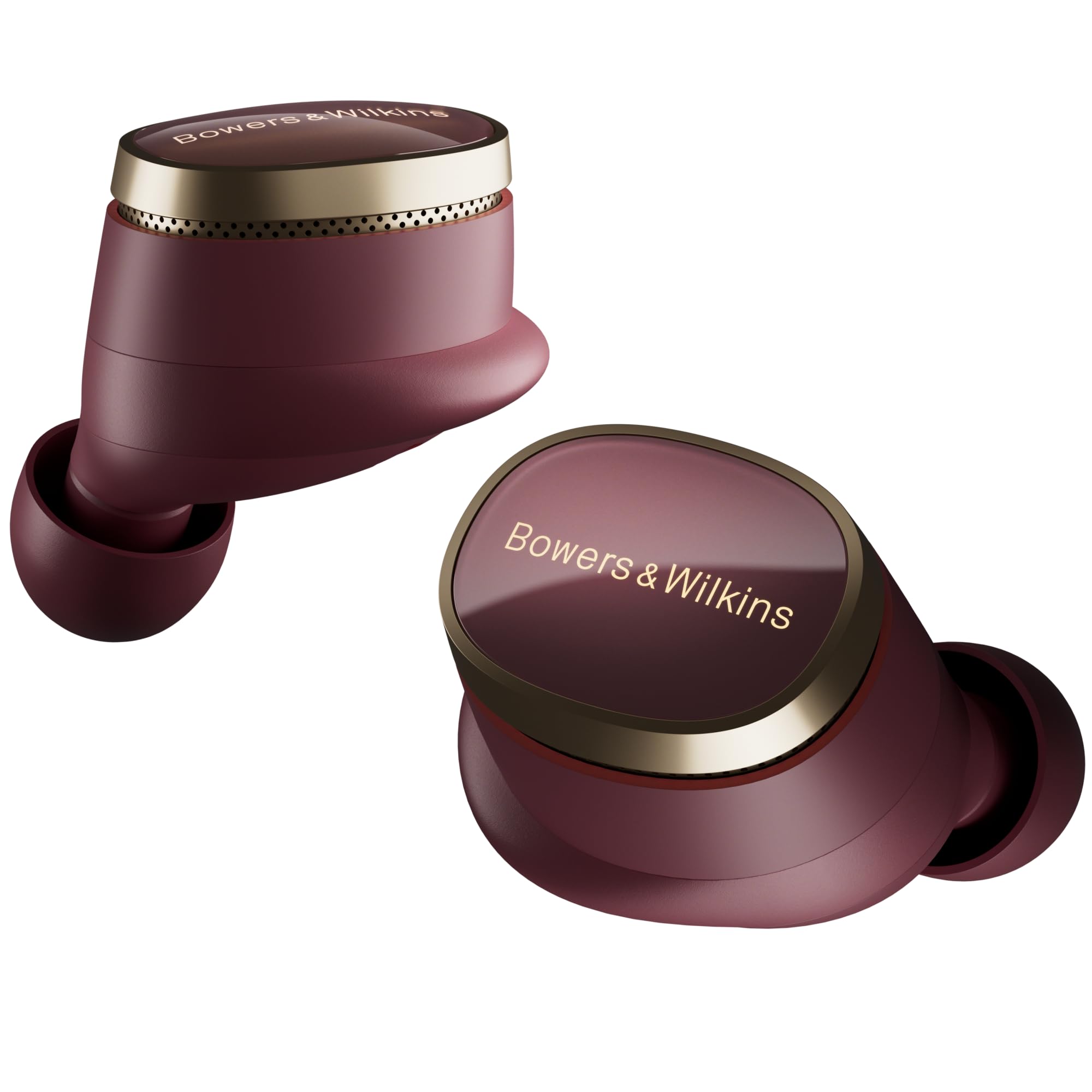
You get a 12mm carbon cone driver (the same material used in Bowers & Wilkins’ flagship Px8 over-ear headphones) for lifelike clarity without harshness, and the charging case can act as a wireless transmitter for high-res audio from any source.
The Pi8 uses a 12mm carbon cone dynamic driver — the same material and engineering philosophy as Bowers & Wilkins’ full-size headphones, tuned to deliver lifelike clarity and high-frequency detail without harshness. Over Bluetooth 5.2 it supports aptX Lossless, so you get true 24-bit wireless audio when your source device cooperates. The adaptive ANC adjusts automatically to your environment, and the charging case doubles as a wireless transmitter: you can plug it into a laptop’s USB-C or a plane’s 3.5mm aux jack and the case re broadcasts the audio to the earbuds in aptX Lossless quality — a clever workaround for systems that cannot stream high-res Bluetooth natively.
Shoppers say that the sound quality is stellar — clear, full, rich — with remarkable instrument separation, and that 50 percent volume on the Pi8 sounds as loud as 70 percent on many competitors. Some owners did run into initial connection issues, though a firmware update typically resolved them. The app is basic (a 5-band EQ and minimal controls), and the ANC is rated as adequate but not top-tier — good for low-frequency drone but not for sharp mid-to-high noises like a nearby air filter. Fast charging gives you 2 hours of playback from a 15-minute charge, though a full charge takes about 2 hours.
Against the Cambridge Audio Melomania A100, which also supports aptX Lossless and LDAC, the Pi8’s 12mm carbon cone driver delivers a wider soundstage and more easy dynamics — the Cambridge’s 10mm driver is punchy but cannot match the air and separation of the Bowers. However, the Melomania runs on the older Bluetooth 4.0, versus Bluetooth 5.2 on the Pi8, which can mean less stable connections in congested areas.
Sound & Design
- Exceptional clarity and dynamics from the 12mm carbon cone driver
- Case retransmits audio from USB-C and 3.5mm for universal high-res streaming
- Fast 15-minute charge yields 2 hours of playback
Practical Downsides
- ANC is weak for mid-to-high frequencies
- Basic app with limited EQ and feature set for the price
- Battery life of 6.5 hours per charge is merely adequate
Who it suits: The brand-conscious listener who wants a trusted acoustic pedigree and a clever streaming case for travel.
Honest limitation: If you need industry-leading ANC or a deep app ecosystem, the Pi8 falls short of cheaper competition on non-sound features.
4. Status Pro X Wireless Earbuds

You get three tiny speakers (a 12mm dynamic driver plus two Knowles balanced armatures) and a claimed 52dB of hybrid ANC at a price that undercuts most multi-driver competitors.
The Status Pro X packs a 12mm dynamic driver plus dual Knowles Balanced Armature drivers into a single earbud, giving you the kind of multi-driver separation that used to cost twice as much. It supports LDAC for high-resolution wireless streaming and claims a 52dB hybrid ANC rating — among the highest noise cancellation numbers you will see in this category. The six beamforming microphones with Voiceloom AI take care of call clarity, and Bluetooth 5.3 keeps the connection stable with multipoint support and future-ready LE Audio.
Buyers report that the sound quality is genuinely audiophile-grade, delivering an 80 percent of wired IEMs experience, with detailed, balanced, and impactful presentation. The ANC is effective enough to handle motorcycle and heavy equipment noise. However, the same reviewers point out compromises: limited ear tip sizes, a cheap-feeling build, a short warranty, and average battery life that drops to around 5 hours with ANC on. The case is compact and pocket-friendly but needs daily charging, and the app sometimes requires reconnecting. Despite this, the triple-driver architecture makes it a standout value for listeners who prioritize driver hardware over premium finishes.
Compared with the AVIOT TE-ZX1’s 5-driver tribrid system, the Status Pro X uses a simpler 12mm dynamic + dual BA layout that still delivers excellent instrument separation for most genres — but it lacks the midrange texture and treble air that the AVIOT’s extra drivers provide. The Status pulls ahead on raw ANC depth, though, at 52dB vs the AVIOT’s respectable but less aggressive ANC.
What You Get
- Triple-driver (12mm DD + dual BA) for layered sound
- 52dB hybrid ANC is among the highest in this category
- Compact, pocketable charging case
Sacrifices
- Limited ear tip selection and a cheaper overall build feel
- Short warranty and average battery life per charge
- App reconnects frequently and lacks case battery percentage
The smart buy for: Anyone who wants multi-driver separation and strong ANC without entering premium territory.
Reconsider if: You expect luxurious packaging or a polished app experience at this price.
5. Nothing Ear Wireless Earbuds
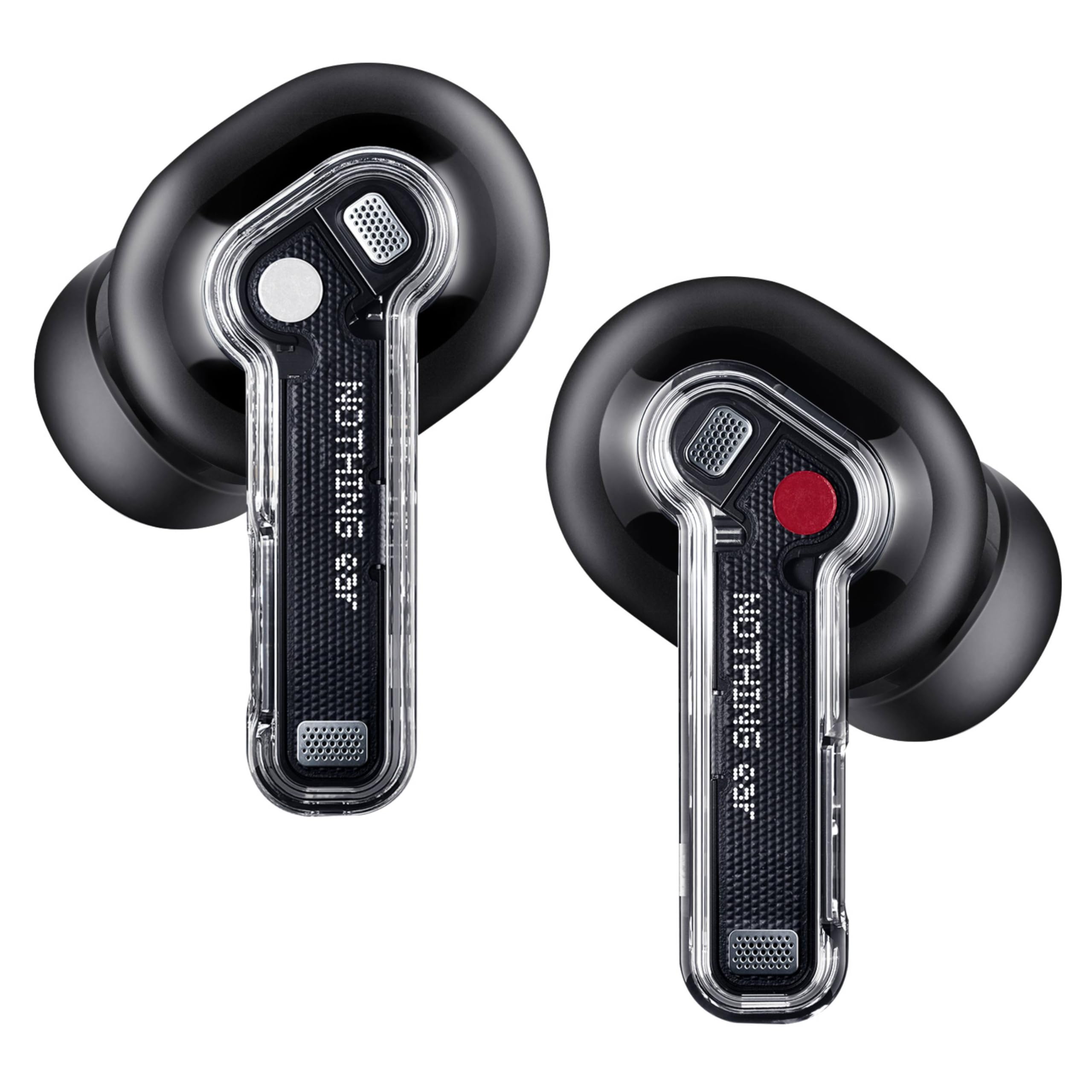
An 11mm ceramic diaphragm driver (which increases airflow by 10% inside the earbud for less distortion) and adaptive ANC that self-adjusts to your ear seal — plus LHDC 5.0, which can stream at up to 1 Mbps for 24-bit/192kHz files.
The Nothing Ear uses a custom 11mm driver with a ceramic diaphragm that increases airflow by 10% inside the earbud, leading to less distortion and richer clarity than conventional dynamic drivers. It supports both LDAC and LHDC 5.0 — the latter capable of streaming up to 1 Mbps at 24-bit/192kHz, which is the highest bitrate you will find in a consumer TWS. The ANC is adaptive: the earbuds automatically check for noise leakage between the bud and your ear canal and apply more cancellation to compensate, making it 1.8x stronger than the previous generation.
Owners mention that the sound is clear, punchy, and detailed, with deep bass that works especially well for EDM. The smart ANC is effective in most environments, though a few customers note it is closer to an 8/10 compared to the absolute top-tier Sony or Bose ANC. One reviewer warns of a durability issue: the charging case stopped working before 10 months and the warranty process was reported as difficult. Despite that, the deep app with a highly customizable EQ, multipoint connectivity, and wireless charging makes this a sturdy package for the price. Battery life sits at about 5.5 to 6 hours with ANC on, and fast charging gives you 10 hours of playback from a 10-minute charge with ANC off.
Measured against the Cambridge Audio Melomania A100, the Nothing Ear uses an 11mm driver versus Cambridge’s 10mm driver, which can translate to slightly fuller bass and more air in the treble. The Nothing Ear also runs on Bluetooth 5.3, versus the Melomania’s Bluetooth 4.0, which means fewer dropouts and more stable multipoint switching.
Smart Features
- Adaptive ANC that self-adjusts based on seal leakage
- Supports LHDC 5.0 for up to 1 Mbps high-resolution streaming
- Deeply customizable app with personal sound profile
Watch For
- Reported durability issues with the charging case
- Battery drops to about 5-5.5 hours with ANC and HD codecs
- Transparency mode feels slightly artificial with audible hiss
Best suited for: The tech-savvy listener who wants bleeding-edge codecs and adaptive ANC in a stylish, affordable chassis.
Exercise caution if: You value long-term warranty support and a proven track record — the Nothing brand is still young.
6. Noble Audio FoKus Amadeus

A hearing calibration profile for each ear is stored directly on the earbuds, so your personalized sound follows you to any device — no app needed after setup.
The FoKus Amadeus integrates Audiodo Personal Sound, an advanced hearing calibration that analyzes your hearing sensitivity in each ear independently and builds a personalized sound profile that lives on the earbuds — not the app. That means your tuned profile works even when you pair with a new phone, laptop, or a friend’s device. Under the hood it runs Qualcomm’s QCC3091 chipset on Bluetooth 5.4, supporting aptX Adaptive and LDAC for high-resolution playback, along with TrueWireless Mirroring and multipoint pairing. The build is premium, with an elegant red/black design and a hard carrying case that includes six pairs of ear tips (double-flange and silicone).
Reviewers point out sensational sound quality with excellent instrument separation and vivid detail straight from the start — no EQ needed. One reviewer called the soundstage “wide” and the tuning “refined and balanced,” with deep, textured bass after EQ. The main complaints are software-related: the FoKus app is extremely basic and multipoint is reportedly non-functional in some firmware builds. ANC is notably weaker than competitors like the Bose Ultra earbuds — one reviewer noted the passive isolation from a good seal actually outperforms the ANC circuit — and the transparency mode is described as “peaky and scratchy.” Touch controls are hit-or-miss, occasionally registering accidental input.
Compared to the AVIOT TE-ZX1, the Amadeus uses a single custom driver rather than a multi-driver tribrid layout, so instrument separation is slightly less layered, but it compensates with a more refined, balanced stock tuning that many listeners prefer for critical listening. Where the AVIOT wins on driver architecture, the Amadeus wins on personalization depth and Bluetooth 5.4’s future-proofing.
Customization Strength
- Per-ear hearing calibration stored on the buds, no app needed daily
- Refined, balanced tuning with excellent detail retrieval
- Bluetooth 5.4 with aptX Adaptive and LDAC
Where It Lags
- Weak ANC; passive isolation often works better
- Buggy software with non-functional multipoint for some users
- Basic app with limited features relative to the price
Choose this for: A tailored listening experience that adjusts to your ears and moves with you across devices.
skip it if: Reliable ANC and a polished app ecosystem are non-negotiable for your daily commute.
7. Cambridge Audio Melomania A100 Earbuds
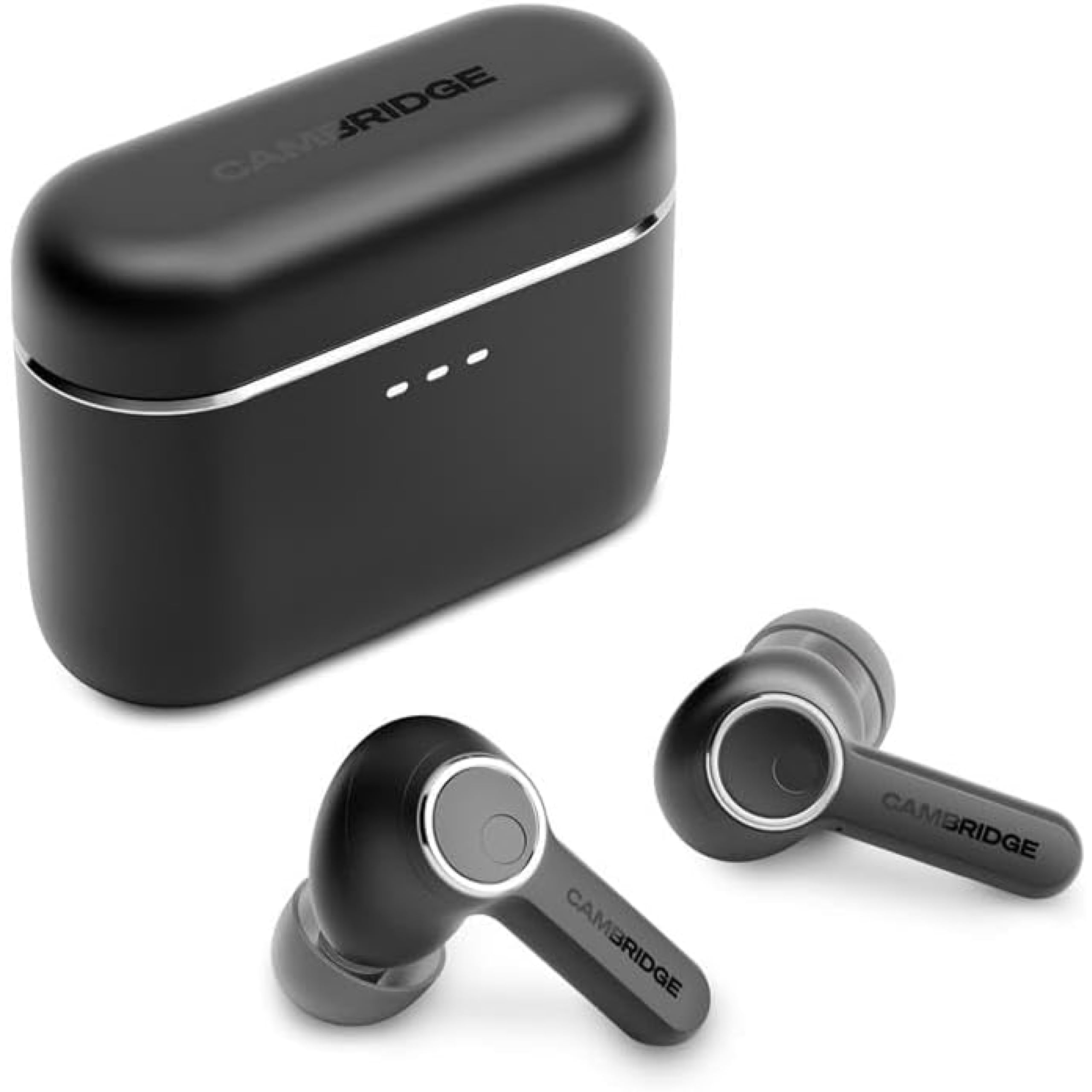
You get both aptX Lossless and LDAC — the two key high-resolution codecs — in the same affordable shell, a rarity at this price.
The Melomania A100 packs a 10mm dynamic driver into a long-stem design that fits snugly, supporting both aptX Lossless and LDAC codecs — a rare combo at this price point. It offers adaptive ANC, a 7-band adjustable EQ in the companion app, and six microphones for voice calls. Total battery life reaches up to 39 hours with the charging case, and wireless charging is included. IPX5 water resistance gives you confidence during light exercise or rain.
Shoppers say that the sound quality is “amazing quality TWS for the price,” rivaling earbuds at and above, with large drivers delivering rich, clear sound and deep bass. However, a significant design flaw keeps coming up: the earbuds sit deep inside the charging case and require you to grip the silicone tips to pull them out. Multiple buyers report this makes removal extremely difficult and frequently leads to dropping the buds. Some also note that call quality on the receiving end can sound “boxy” and terrible compared to music performance. The Bluetooth version is also surprisingly dated at 4.0, versus the Nothing Ear’s Bluetooth 5.3 — meaning you may experience more dropouts in crowded Wi-Fi environments.
When compared to the Nothing Ear’s 11mm ceramic driver, the Melomania’s 10mm driver delivers a slightly less extended bass response, but the Cambridge Audio tuning is praised for its smooth, transparent mids and crisp, non-fatiguing treble. If you value codec versatility above all else and can manage the case design, this is the budget entry point to high-resolution wireless audio.
The Upside
- Dual high-resolution codec support (aptX Lossless + LDAC) at a low cost
- Rich, clear sound with deep bass from a 10mm driver
- Excellent battery life at 39 hours total
The Real Frustration
- Earbuds are extremely difficult to remove from the charging case
- Bluetooth 4.0 is dated and less stable than modern versions
- Call quality is noticeably worse than music playback performance
The right pick for: The budget-conscious audiophile who prioritizes codec specs and sound quality over everyday convenience.
Look elsewhere if: You make frequent phone calls through your earbuds or value a frustration-free case experience above all.
Understanding the Specs
Codecs (LDAC, aptX Lossless, LHDC)
A codec is the digital translation your earbuds use to play music sent over Bluetooth. Standard codecs like SBC and AAC compress the audio so much that fine details vanish. LDAC can stream at up to 990 kbps (kilobits per second, or how much data is sent per second), keeping almost all the original detail intact, so you hear the full recording. aptX Lossless goes further by streaming the exact bit-for-bit data of a CD-quality track, so it sounds identical to the source. LHDC 5.0 pushes to 1 Mbps (megabits per second) for 24-bit/192kHz files, which is extremely high-resolution. Your phone or source device must also support the same codec, or the earbuds will fall back to a lower-quality standard.
Driver Configuration
Think of the driver as a tiny speaker inside the earbud. A single dynamic driver (measured in millimeters, like 10mm or 11mm) handles all frequencies at once, which is simple but can blur instruments together. A hybrid design splits the work: a dynamic driver handles the low bass for punch, a balanced armature (BA) driver handles the mids for clarity, and a planar magnetic or extra BA driver handles the treble for sparkle and air, so each part of the music sounds distinct. More drivers give better instrument separation and detail but increase the physical size of the earbud.
FAQ
Do I need LDAC or aptX Lossless to get good sound from these earbuds?
Will these earbuds work with an iPhone for high-resolution streaming?
What is the difference between a tribrid and a hybrid driver system?
How important is Bluetooth version for sound quality?
Can I use just one earbud at a time for calls or music?
Why do audiophile earbuds have worse ANC than mainstream brands?
How long do the batteries last with LDAC turned on?
Will aftermarket ear tips improve the sound quality?
What does an 11mm driver versus a 10mm driver actually sound like?
Are these earbuds suitable for workouts and running?
Final Thoughts: The Verdict
For most listeners, the best audiophile bluetooth earbuds is the AVIOT TE-ZX1 because its world-first 5-driver tribrid system delivers class-leading instrument separation and detail without requiring a wired connection. If you want absolute wireless fidelity with bit-perfect streaming and a personalized hearing profile, grab the Noble Audio FoKus Prestige Encore. And for the budget-conscious audiophile who wants both aptX Lossless and LDAC support, the standout is the value of the Cambridge Audio Melomania A100 — if you can work around the frustrating case design.
How We Picked
We do not accept paid placement. Every pick is matched to a real buyer and a real use-case; we do not hands-on test units.
Sources & Methodology
Specifications: manufacturer listings and product documentation. Review insights: verified customer reviews, as of July 2026. Pricing: not shown on this page (it changes often); check the current price via the retailer link.
As an Amazon Associate, FitlyFast earns from qualifying purchases. This does not affect which products we feature.