
Our readers keep the lights on and the weekend projects moving. As an Amazon Associate, I earn from qualifying purchases.
Specs are compiled from manufacturer listings and verified buyer reviews and can change over time — please confirm the key details on the product page before buying.
Slapping cheap tint on your windows might darken the glass, but it does almost nothing to stop the blast of heat that turns your car into an oven. Real heat reduction depends on one thing — the film’s ability to block infrared radiation before it ever reaches your skin or dashboard. This guide breaks down the ceramic and nano-carbon films that actually keep your cabin cooler, protect your interior from fading, and still let you see clearly at night.
I’m Rikta — the founder and writer behind FitlyFast. This guide is built by comparing the manufacturers’ published specifications and the patterns across verified customer reviews, so you get each pick’s real strengths and trade-offs instead of marketing spin.
The five films below represent the best balance of heat rejection, clarity, and value on the market right now. if you need deep privacy or a legal-compliant shade,, the right auto window tint for heat reduction depends on matching the VLT level (Visible Light Transmission — the percentage of light that gets through the film) to your local laws and your tolerance for DIY installation.
Quick Picks
- MotoShield Pro 25% VLT Nano Ceramic Window Tint — Best Overall
- United Nano Carbon 2Ply Window Tint Film 20% VLT — Bulk Coverage Pick
- ARANA 20% VLT 36″×15FT Ceramic Car Window Tint Film — Wide Roll Winner
- IAQWE 50% VLT Ceramic Car Window Tint Film 36 in x 15 ft — Legal-Compliant All-Rounder
- ARANA 35% VLT 20″×20FT Ceramic Car Window Tint Film — Budget First-Timer Pick
How To Choose The Best Auto Window Tint For Heat Reduction
Buying window tint for heat is different from buying tint just for looks. Here are the three specs that separate a cooler car from a dark one that still bakes.
VLT — Visible Light Transmission
This is the number that cops care about. VLT (Visible Light Transmission — the percentage of visible light that passes through the film) tells you how dark the tint looks. A 5% VLT is limo-dark — almost no light gets in. A 50% VLT is light and usually legal everywhere. Lower VLT means more privacy and glare reduction, but it also means harder night driving. Pick a VLT that keeps you legal in your state first, then prioritize heat rejection.
Heat Rejection Specs — IRR and TSER
IRR (Infrared Rejection — how much of the sun’s heat-causing infrared radiation the film stops) can help show how well a film handles infrared. TSER (Total Solar Energy Rejected — a broader measure that includes all forms of solar energy: infrared, visible light, and UV) gives a fuller picture when a manufacturer publishes it.
UV Block and Film Material
In this lineup, every film blocks at least 99% of UV (ultraviolet — the rays that fade your interior and damage your skin) rays. That protects your skin and stops your dashboard from cracking. The material — ceramic, nano-carbon, or dyed polyester — affects how well the film rejects heat over time. Ceramic films use nano-sized particles that scatter infrared light without blocking radio signals (like phone or GPS reception). Nano-carbon films offer a similar effect at a lower price, though they may not be quite as clear.
Quick Comparison
| Model | Best For | VLT | Roll Size | UV Block | Amazon |
|---|---|---|---|---|---|
| MotoShield Pro 25% | Maximum heat rejection | 25% | 20 in x 15 ft | 99.9% | Amazon |
| United Nano Carbon 2Ply 20% | Large-area / bulk coverage | 20% | 24 in x 100 ft | 99% | Amazon |
| ARANA 20% VLT 36″×15FT | Wide roll for DIY | 20% | 36 in x 15 ft | 99% | Amazon |
| IAQWE 50% VLT Ceramic | Legal-compliant all-rounder | 50% | 36 in x 15 ft | 99% | Amazon |
| ARANA 35% VLT 20″×20FT | Budget first-timer tint | 35% | 20 in x 20 ft | 99% | Amazon |
In‑Depth Reviews
1. MotoShield Pro 25% VLT Nano Ceramic Window Tint
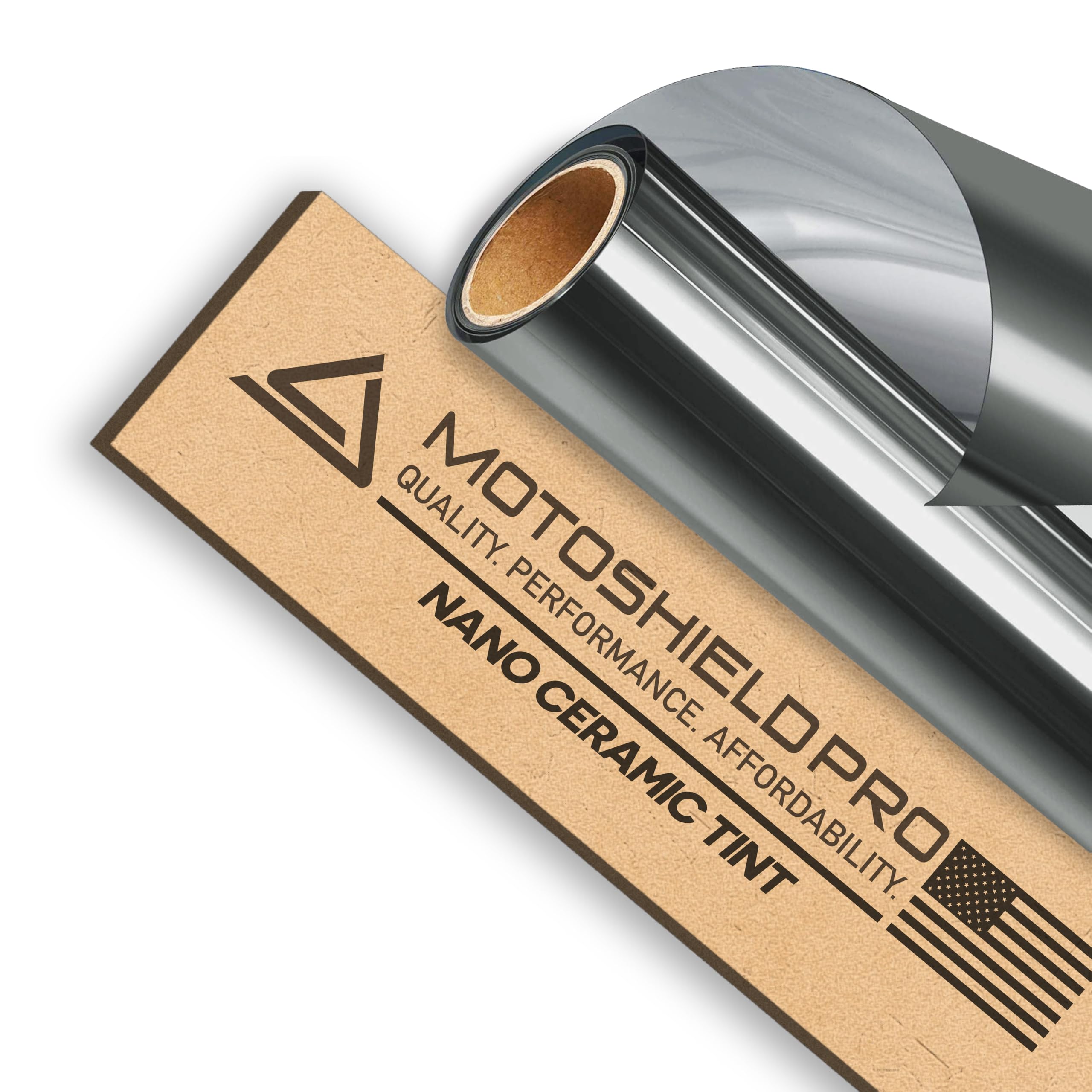
It blocks 99% of infrared heat (IRR) and The brand claims it reduces interior temperature by up to 25°F. — the best heat-fighting spec in this lineup.
MotoShield Pro doesn’t just claim heat rejection — it publishes a 99% infrared rejection figure, and according to the brand, it has been tested to cool your interior by up to 25°F. That is a specific, verifiable performance claim you do not get from most budget films. At 25% VLT (Visible Light Transmission — lets 25% of visible light through), it strikes a strong balance between daytime privacy and night visibility — dark enough to cut glare, light enough to keep you legal in most states.
The catch is installation. Buyers report this 2-ply (two polyester layers bonded together — makes it thicker and more durable) film is stiffer than some alternatives, making it harder for a beginner to avoid creases on curved windows. One reviewer noted that a professional installer took three hours on a single curved rear window. But those who got it right praised the result, especially in extreme sun like Arizona, where they described a noticeably cooler cabin. Compared to the United Nano Carbon 2Ply, MotoShield Pro is listed at 99% IRR, while the United film is listed at 30-35% IRR.
The Heat-Blocking Specs
- Blocks up to 99% of infrared heat (IRR)
- Brand claims it reduces interior temp by up to 25°F
- Blocks 99.9% of UV rays
The Installation Hurdles
- Stiffer film makes curved-window application tough for beginners
- Some buyers received shorter roll lengths than ordered
- Customer support responsiveness has mixed reviews
Reach for this if: you want proven heat rejection numbers and are comfortable with an intermediate-level DIY install or plan to have a pro apply it.
Look elsewhere if: you are a first-time tinter seeking the easiest film to handle — the stiffer material demands patience and practice.
2. United Nano Carbon 2Ply Window Tint Film 20% VLT
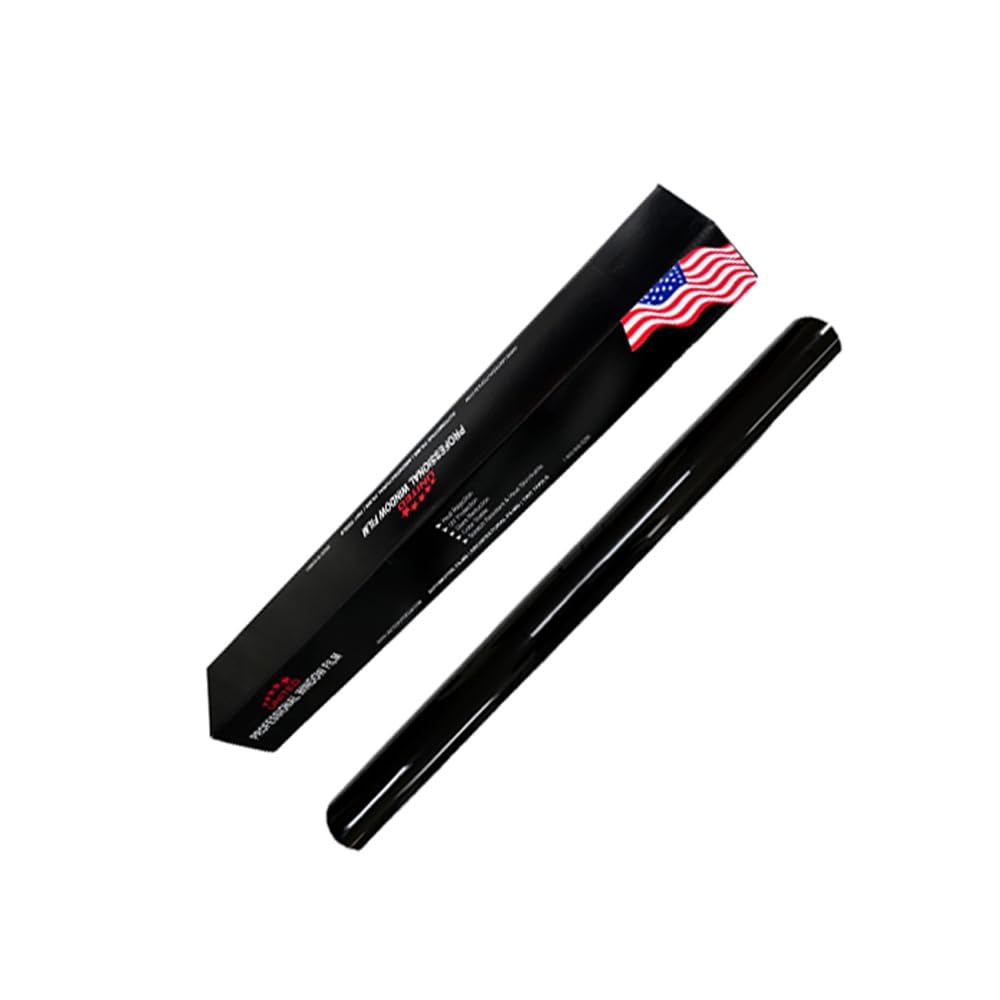
A 100-foot roll covers a full SUV or even a house window, versus the 15-foot and 20-foot rolls elsewhere in this lineup.
Most window tint rolls give you 15 or 20 feet — enough for a sedan’s side windows and maybe the rear. The United Nano Carbon 2Ply roll gives you 100 feet of 24-inch-wide film, so you can tint multiple vehicles, a home window, or a truck with leftover material. It uses nano-carbon particles (carbon particles suspended in the adhesive and hard coat) for long-lasting color stability and a non-reflective matte finish at 20% VLT (lets 20% of light through — very dark).
Where it falls short of the top spot is in raw heat rejection. While it blocks 99% of UV (ultraviolet), its IRR (Infrared Rejection) sits at 30-35% and TSER (Total Solar Energy Rejected) at 35-50% — noticeably lower than the MotoShield Pro’s 99% IRR claim. That makes it a solid UV protector and glare reducer, but not the strongest heat blocker in this list. The carbon construction, however, means it won’t fade to purple over time the way some dyed films do.
Why the Long Roll Wins
- 100-foot roll covers multiple vehicles or home windows
- Nano-carbon construction resists color fading
- Wet/dry shrink installation for curved windows
Heat Rejection Trade-Off
- IRR is listed at 30-35%, versus MotoShield Pro at 99%
- 20% VLT may be illegal for front windows in some states
Grab this for: covering a large vehicle or multiple windows on a budget where you need more film, not just better film.
skip it if: maximum heat rejection is your priority — the ceramic films above will keep your cabin much cooler.
3. ARANA 20% VLT 36″×15FT Ceramic Car Window Tint Film
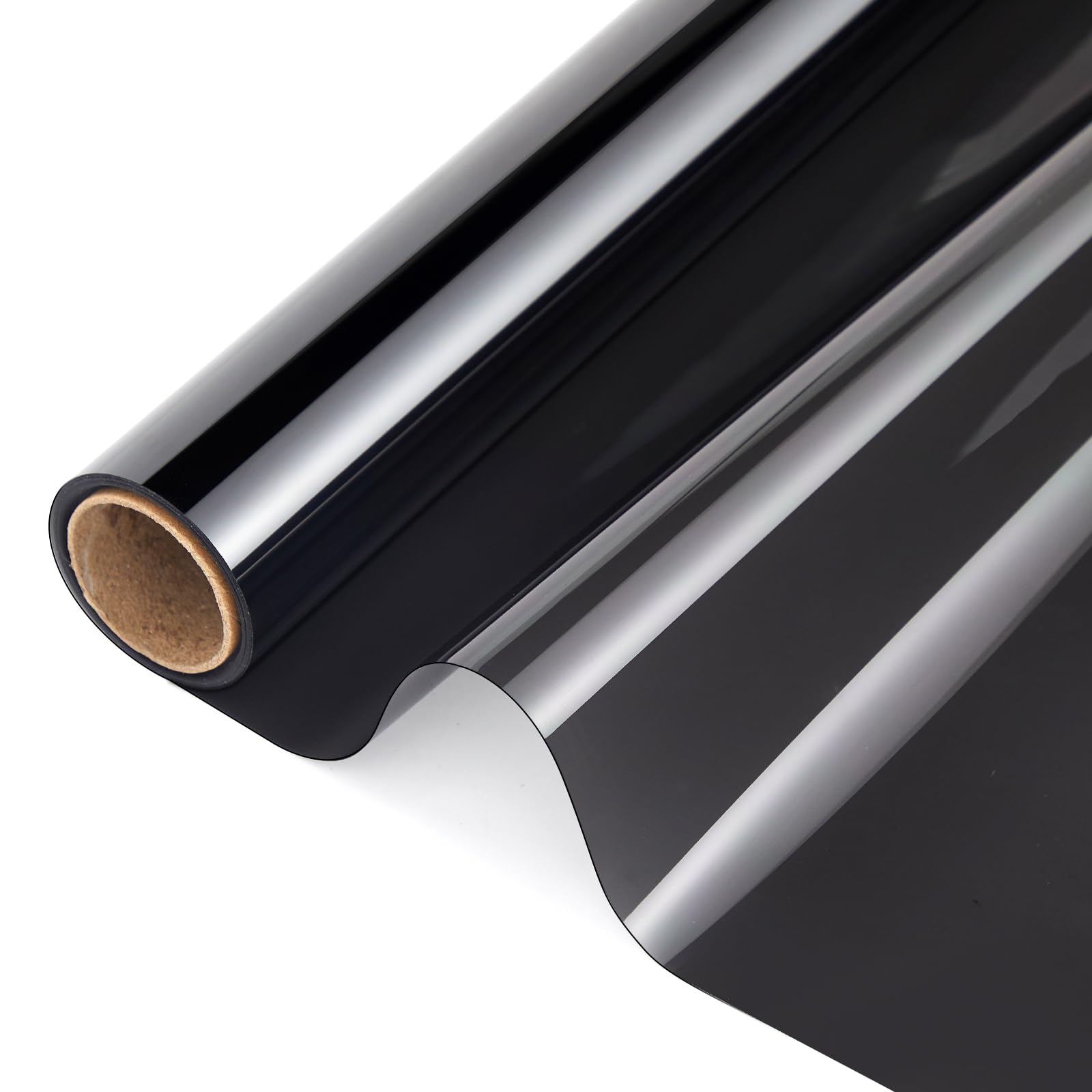
Three feet wide — 36 inches — so you cut one piece per window instead of worrying about seams.
Standard tint rolls are 20 inches wide — fine for most car side windows, but you often need two strips for a truck or SUV rear glass. The ARANA 20% comes in a 36-inch-wide roll that spans 180 inches long, so you cover more glass with fewer cuts and fewer visible seams. Its ceramic construction (nano-sized ceramic particles that scatter infrared light) blocks 99% of UVA and UVB radiation (two types of ultraviolet rays) while reducing solar heat buildup, and the 20% VLT (Visible Light Transmission — lets 20% of light through) gives strong daytime privacy and glare reduction.
Compared to the IAQWE 50% below, the ARANA 20% VLT lets through 20% of visible light versus 50% for the IAQWE, which means more privacy but also more caution needed at night. The film itself is a 36-inch by 15-foot roll, whereas the ARANA 35% VLT option is 20 inches by 20 feet. This 36-inch width makes it the best choice for someone tinting a vehicle with large curved rear glass. Buyers consistently praise the scratch-resistant hard coating, noting it holds up well to daily wear.
The Wide-Roll Advantage
- 36-inch width reduces seams on large windows
- Ceramic construction for heat and UV protection
- Scratch-resistant hard coating protects from daily wear
Where to Be Careful
- 20% VLT may be too dark for legal front-window use in many states
- Requires careful trimming on curved windows
Best suited to: DIYers tinting a large SUV or truck who want a single wide sheet per window.
Not ideal for: front side windows where local tint laws demand a lighter VLT — choose a 35% or 50% option instead.
4. IAQWE 50% VLT Ceramic Car Window Tint Film 36 in x 15 ft
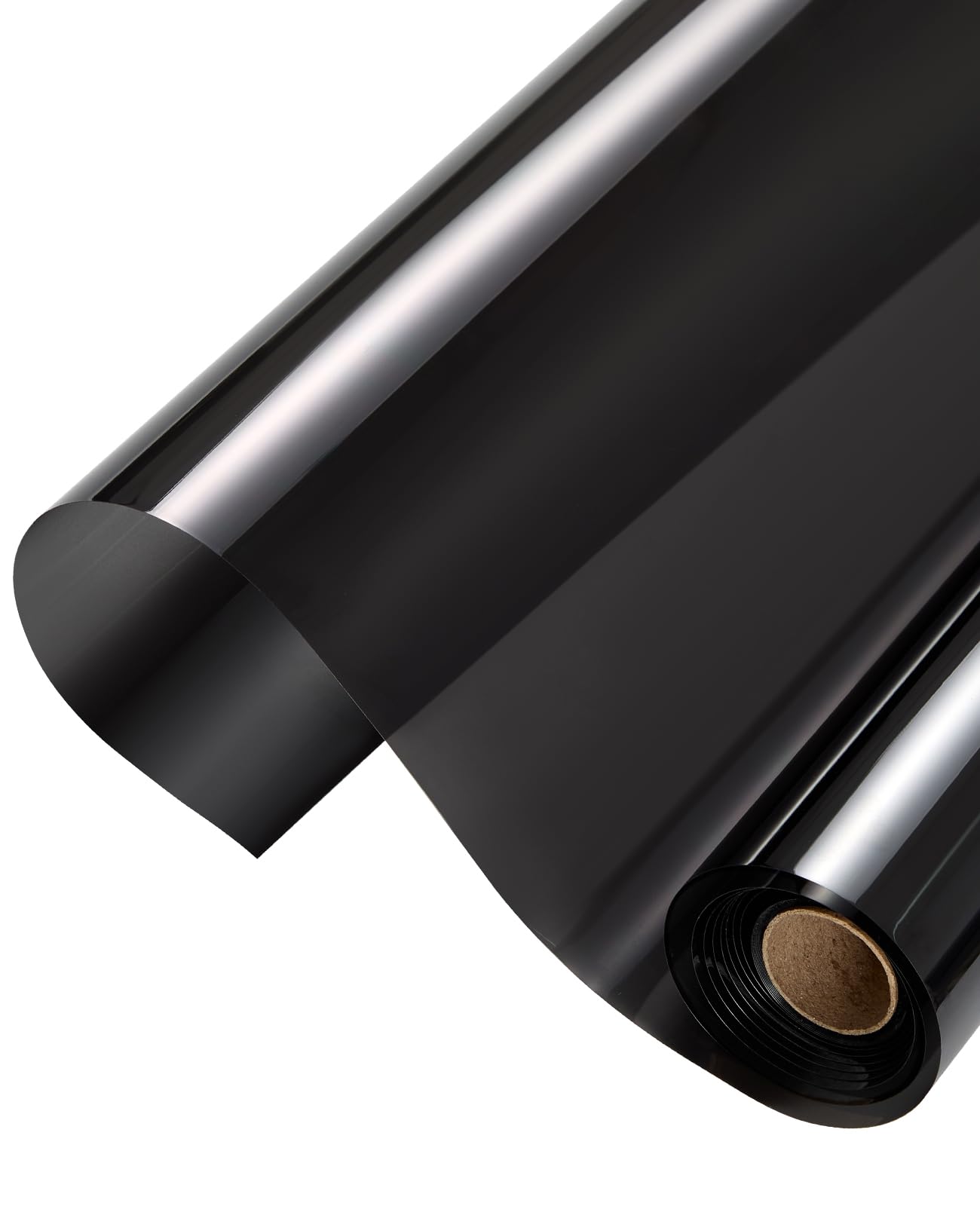
The 50% VLT (Visible Light Transmission — lets half of visible light through) keeps you legal on front windows in most states, even as the ceramic layer reduces heat.
If you want heat reduction but cannot run dark tint on your front windows, IAQWE’s 50% VLT film is the answer. It lets half of visible light through — enough that most states allow it on all windows — while still using a nano-ceramic layer to reduce infrared heat buildup. The 36-inch by 15-foot roll gives you the same wide coverage as the ARANA above, but in a lighter shade that preserves night vision.
It also adds a 5-layer safety construction that holds glass shards together on impact — a shatterproof safety feature the budget films lack. At a 50% VLT, it meets legal limits in most states for safe night driving, while still reducing glare noticeably. The trade-off is that you give up the deep privacy look of a 20% tint. For heat alone, the ceramic layer pulls its weight without attracting unwanted attention from law enforcement. Owners mention it is noticeably cooler than no tint, though not as dramatically cool as the MotoShield Pro 25%.
The Legal-Friendly Package
- 50% VLT is legal on front windows in most states
- 5-layer shatterproof film adds impact safety
- Nano-ceramic reduces infrared heat without darkening everything
The Honest Downsides
- Lighter tint offers far less daytime privacy than 20% films
- Heat rejection is good but not at the 99% IRR level of premium options
Choose this if: you want maximum heat rejection without breaking window tint laws or sacrificing night vision.
Pass on this if: you need deep privacy or a limo-dark look — the 20% films above match that better.
5. ARANA 35% VLT 20″×20FT Ceramic Car Window Tint Film
At 35% VLT (Visible Light Transmission — lets 35% of light through), it is a forgiving ceramic entry point that won’t punish your first mistake.
At 35% VLT, the ARANA 20-inch by 20-foot roll hits a balance for budget-minded first-timers. It is dark enough to reduce glare and provide daytime privacy, but not so dark that night driving becomes a guessing game. Customers note that the 35% film “reduces heat, blocks UV rays, and has anti-scratch, explosion-proof features,” which is impressive at this price tier. The ceramic construction keeps the film from interfering with phone or GPS signals, so your dashboard reception stays clean.
The dimensions are where the trade-off shows. The ARANA 35% roll is 255 inches long by 20 inches wide, while the IAQWE 50% roll is 180 inches long by 36 inches wide. That means you will need more vertical strips for wide rear windows. It comes in just under the ARANA 20% VLT in cost but delivers nearly the same UV and heat protection — just in a lighter shade that keeps you legal in more situations. A common buyer tip: because the film is more flexible than the MotoShield Pro, it shrinks more easily around curved glass with a heat gun.
Why Beginners Like This One
- 35% VLT offers a practical balance of privacy and visibility
- Ceramic material won’t block phone or GPS signals
- Flexible film is more forgiving during DIY installation
Where It Gets Tight
- 20-inch width may require multiple strips on wide SUV rear glass
- Some buyers have reported manufacturing line defects on the roll
- No published IRR or TSER spec to compare heat rejection directly
Perfect for: someone trying window tint for the first time who wants ceramic protection at a low-risk price.
Not for: tinting large windows in one piece — go with the 36-inch wide rolls if seam-free coverage matters.
Understanding the Specs
VLT — Visible Light Transmission
This is the percentage of visible light that passes through the film. A lower VLT number means darker tint. A film rated at 5% VLT is nearly black (limo tint), while 50% VLT is light and lets through half the light. Your state likely has a legal minimum VLT for front side windows, usually between 35% and 50%. Always check your local laws before buying.
IRR and TSER — The Real Heat Numbers
IRR (Infrared Rejection — how much of the sun’s invisible infrared radiation the film blocks) is one heat-related spec manufacturers sometimes publish. TSER (Total Solar Energy Rejected — a broader number that includes infrared, visible light, and ultraviolet energy combined) gives a fuller picture when it is available. In this lineup, published IRR figures range from 30-35% to 99%.
FAQ
What VLT percentage is best for heat reduction?
Can I install window tint myself?
How does ceramic window tint block heat without being dark?
Will window tint interfere with my phone or GPS signal?
What does 99% UV block actually do for my car?
How long does car window tint last?
What is the difference between 1-ply and 2-ply tint film?
Can I put tint on top of existing tint?
Final Thoughts: The Verdict
Across the board, the best auto window tint for heat reduction is the MotoShield Pro 25% because it delivers the highest heat rejection specs in this lineup and withstands brutal sun better than any other film tested. If you want a massive roll to cover a truck or home windows, grab the United Nano Carbon 2Ply. And for a budget-friendly ceramic entry point that will not break the bank, the ARANA 35% VLT gives you UV protection and heat reduction without the premium price tag.
How We Picked
We do not accept paid placement. Every pick is matched to a real buyer and a real use-case; we do not hands-on test units.
Sources & Methodology
Specifications: manufacturer listings and product documentation. Review insights: verified customer reviews, as of July 2026. Pricing: not shown on this page (it changes often); check the current price via the retailer link.
As an Amazon Associate, FitlyFast earns from qualifying purchases. This does not affect which products we feature.