
Our readers keep the lights on and the weekend projects moving. As an Amazon Associate, I earn from qualifying purchases.
Specs are compiled from manufacturer listings and verified buyer reviews and can change over time — please confirm the key details on the product page before buying.
Your kid’s first bike is a big step — that first wobbly ride down the driveway, a huge grin on their face. But finding a safe, sturdy bike that does not drain your wallet can feel like a hunt. You need something safe for the driveway, light enough for little legs to push, and tough enough to survive the falls. This guide helps you find the best budget kids bike that actually lasts through real childhood play.
I’m Rikta — the founder and writer behind FitlyFast. This guide is built by comparing the manufacturers’ published specifications and the patterns across verified customer reviews, so you get each pick’s real strengths and trade-offs instead of marketing spin.
From a three-year-old taking their first cautious roll to a seven-year-old ready to ditch training wheels, you will find a straightforward pick for your situation in this roundup of the best budget kids bike options on the market.
Our Picks at a Glance

How To Choose The Best Budget Kids Bike
A kids’ bike is a simple machine, but the wrong one can turn a birthday gift into a frustrating afternoon. Focus on a few key details and you will find a bike your child actually loves riding — one you won’t have to replace next season.
Sizing by Inseam, Not Just Age
Age ranges on a bike box are a loose guide — kids grow at very different rates. The real measure is your child’s inseam (the length from their crotch to the floor). They need to stand over the top tube (the frame’s top bar) with both feet flat on the ground. A bike that is too tall scares a beginner; one that is too small means they outgrow it in months.
Brakes: Coaster vs. Hand Brakes
Most beginner bikes use a coaster brake — you pedal backward to stop. It is intuitive for small hands that lack the grip strength for a hand lever. Many budget models add a hand brake (caliper or V-brake) as a second option, which helps as your child gets ready for more control. For a first bike, a solid coaster brake is usually enough.
Frame Material and Weight
At this price level, almost every frame is carbon steel — durable and able to take falls, but heavier than aluminum. That weight matters because a heavy bike is hard for a small child to balance and steer. The key is finding a carbon steel model with geometry (the angles and shape of the frame) that keeps the bike stable and the center of gravity low, rather than chasing weight savings with a pricier material.
Assembly and Extras
Nearly every budget kids bike arrives 85% pre-assembled — you attach the front wheel, handlebars, seat, pedals, and training wheels. A clear manual and included tools make the difference between a 20-minute job and an afternoon of frustration. Look for listings that mention a tool kit and easy assembly. Bells, baskets, and doll seats are fun extras your child will enjoy, but they do not affect safety or ride quality.
Quick Comparison
| Model | Best For | Frame Material | Brake Type | Size Range | Amazon |
|---|---|---|---|---|---|
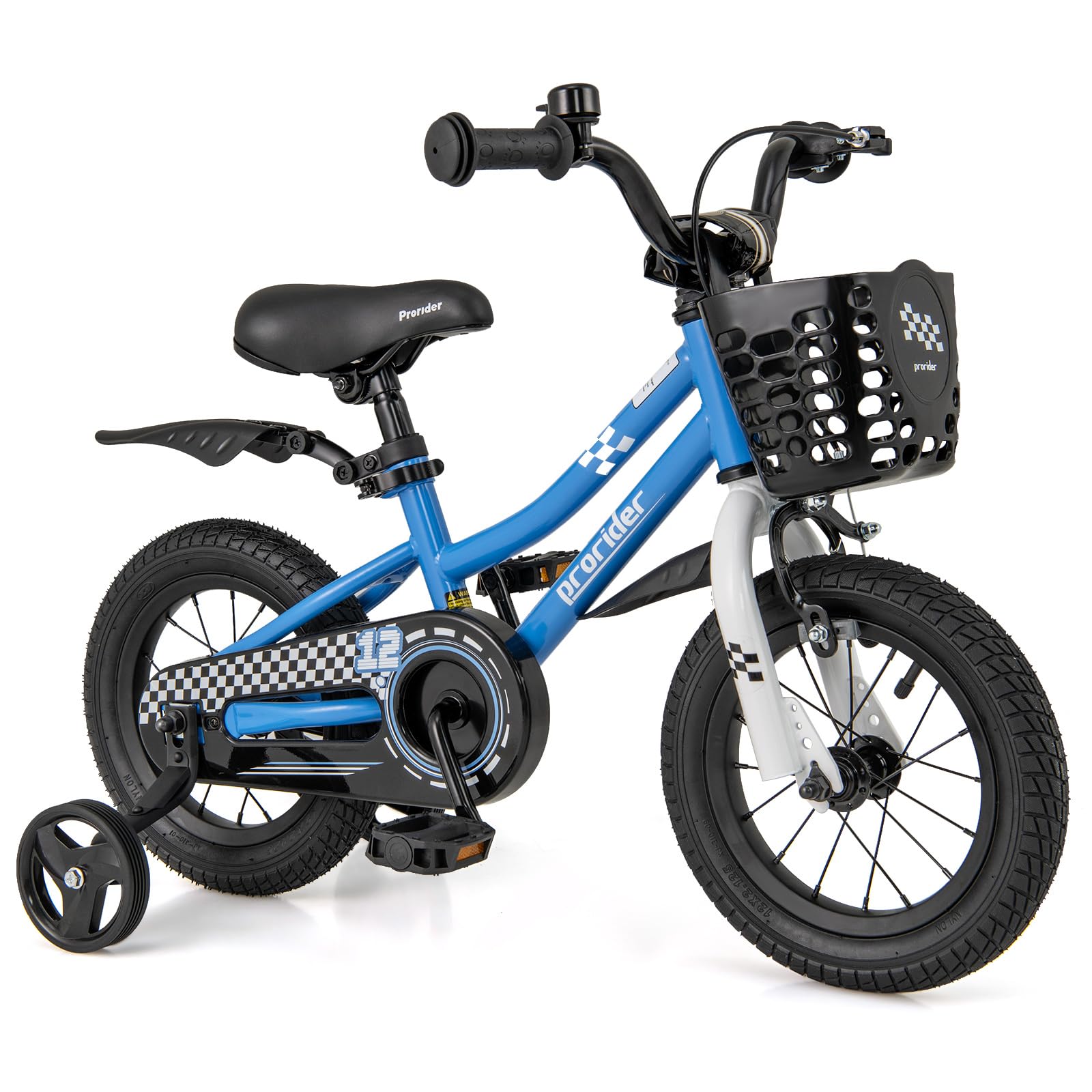
| Chipmunk Kids Bike★ Best Overall | Best Overall | Carbon Steel | Coaster | 12–18 Inch | Amazon |
| COSTWAY Kids BikeBest Value | Best Value | Carbon Steel | Handbrake + Coaster | 12–20 Inch | Amazon |
| WEIZE Kids Bike | Best for Girls | High Carbon Steel | Coaster | 14–16 Inch | Amazon |
| Glerc Little Molly | Best Style | Carbon Steel | Coaster, V Brake | 12–20 Inch | Amazon |
| cubsala Kids Bike | Best BMX Style | Carbon Steel | Coaster | 12–18 Inch | Amazon |
| Glerc Maggie Girls Bike | Best Princess | High Carbon Steel | Coaster | 12–20 Inch | Amazon |
| RoyalBaby EZ Bike | Best 2-in-1 | Carbon Steel | Caliper, Coaster | 12–20 Inch | Amazon |
In‑Depth Reviews
1. Chipmunk Kids Bike 12 14 16 18 Inch Bicycle with Training Wheels
A solid carbon steel frame and a sporty look, tuned for a confident first ride without a premium price tag.
The Chipmunk gets the fundamentals right — and buyers notice. Quality is the most-praised aspect here, and for good reason. The carbon steel frame carries a lifetime warranty, which is a strong promise for a budget-tier bike. The patented sealed bearings (a protective cover inside the wheel hubs) keep the pedaling smooth, so a child isn’t fighting a stiff drivetrain from day one. At 18.5 pounds for a 16-inch version, it is not the lightest bike on the list, but the geometry is built for beginner stability, making it easier to balance than a heavier, generic frame.
Assembly is a consistent win: delivered 85% pre-assembled with the manual and tools in the box. Buyers report getting it together in about 20 minutes, and several note that “size was exactly what I ordered perfect for my 6 yr old granddaughter.” That speaks to the sizing accuracy, which is often the biggest headache in this category. The coaster brake (pedal backward to stop) is simple enough for small feet to learn quickly, and the quick-release seat and handlebars make it easy to adjust as your child grows, extending the bike’s usable life.
The main catch: some owners mention the training wheels bending over time, especially on rougher pavement. It is not a universal problem, but if your child is hard on equipment, you might need to replace the training wheels later. The single-speed drivetrain (one gear, no shifting) is perfect for flat streets but will leave a child struggling on any real hill.
Why It Earns the Top Spot
- Lifetime warranty on the carbon steel frame provides serious confidence
- Praise for assembly ease and overall quality
- Quick-release adjustments let the bike grow with your child through multiple seasons
- Sporty contrasting colors stand out from the standard black or pink options
The Real Trade-Offs
- Training wheels can bend with repeated hard use
- Single-speed drivetrain means hills will be tough for a small rider
- At 18.5 pounds, it is a bit heavier than some premium aluminum alternatives
Best for the first-timer: If your child is between ages 3 and 7 and needs a safe, stable, well-built starter bike that won’t break after a few months, this is the one to buy.
A note on the training wheels: They hold up fine on sidewalks and smooth driveways, but if your child’s riding includes gravel or curbs, you might need to reinforce or replace them later.
2. COSTWAY Kids Bike, 12 14 16 18 20 Inch Toddler Bike for Boys & Girls
Packs a hand brake, coaster brake, basket, and bell into a price that feels like a steal for what you get.
The COSTWAY is the overachiever of this group. You get a dual brake system (a handbrake sized for small hands plus a coaster brake) that gives a child two ways to stop as they learn. That is a safety feature more common on bikes that cost significantly more. It also adds a fully enclosed chain guard (a metal or plastic cover over the chain), which keeps little fingers and loose pant legs from getting caught. The 5-layer pneumatic tires (air-filled tires with multiple layers of rubber) provide good grip on asphalt, brick paths, and even grass, so this bike is not limited to pavement.
Assembly gets strong marks from owners, with one buyer saying it was “easy to assemble with the manual” and another calling the 30-minute assembly straightforward. The removable front basket is a practical plus — your child can haul snacks or a small toy, and you can take it off when they want a cleaner look. The adjustable seat and handlebars are standard at this level, but the fact that the bike covers a wider size range (12 to 20 inches) than most competitors means it can work for a wider age gap between siblings or as a hand-me-down.
A small catch: the bike runs slightly small for its stated wheel size, so a 16-inch model fits more like a typical 14-inch. Measure your child’s inseam carefully and consider sizing up if they are near the upper height limit for a given wheel size. The handbrake lever, while sized for small hands, still requires a decent amount of grip strength — very young riders (around age 3) may rely entirely on the coaster brake at first.
For a child who is just starting out and needs a bike that handles different surfaces, this is the smartest buy on the list.
One size consideration: If your child is right at the top of the height range for a 16-inch, move up to the 18-inch to avoid them outgrowing it in six months.
3. WEIZE Kids Bike, 14 16 Inch Children Bicycle for Girls Ages 4-12 Years

A cute wicker basket, a rear doll seat, and a color palette that make this the most gift-ready bike in the lineup.
The WEIZE bike leans hard into the fun stuff that kids actually care about. The wicker front basket and the rear doll seat (a small seat strapped to the back for a stuffed animal) turn a simple bicycle into a play vehicle for imaginary adventures. Owners praise the design — the most-discussed feature after quality — and one buyer put it simply: “Cute bike. My daughter loves it.” That emotional connection matters, because a bike your child is excited to ride gets used more often than a generic one they treat as a chore.
The build quality is a bright spot: a high carbon steel frame with anti-slip tires keeps things stable during the wobbly phase. The bike comes 85% pre-assembled and customers note getting through it in about 20 minutes, consistent with the category standard. The adjustable seat and handlebars mean it can adapt as your child grows through multiple inches of height. The bike is single-speed with a coaster brake — simple, no shifting, no confusing hand levers for a young rider.
The doll seat is the main point of honest feedback. Several owners note that it feels “fairly flimsy and a tad too close to the seat,” making it more decorative than practical for an actual ride down the street. It works fine for a slow driveway cruise with a small stuffed animal, but do not expect it to hold up to heavy use. Also, the bike does not come with a kickstand, which a few owners found inconvenient — you will need to buy one separately. The brakes get mixed feedback, with a small number of units reported to have function issues from the start, so check them carefully during assembly.
The visual appeal is real: If you are buying for a child who loves pink, purple, and the idea of taking a doll along for the ride, this bike will be a hit before they even sit on it.
The doll seat is a cosmetic extra: Treat it as a bonus, not a core feature. The real value is in the sturdy frame and the kid-friendly proportions that make the first ride feel safe.
4. Glerc Little Molly 12-20 Inch Kids Retro Cruiser Bike
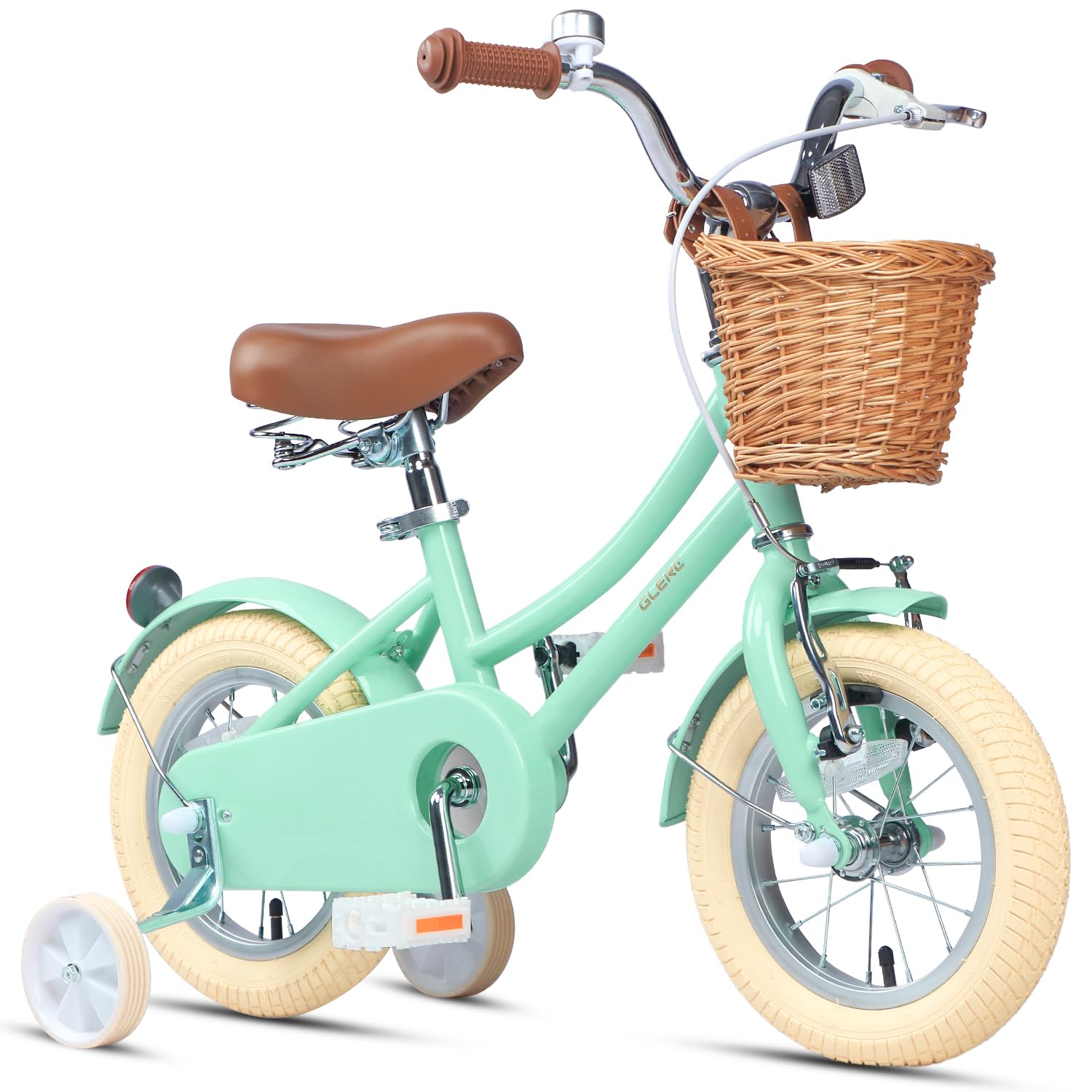
A vintage-style metal frame and brown faux leather saddle make this the best-looking budget bike on the street.
The Glerc Little Molly proves that a budget price does not have to mean a boring look. The retro carbon steel frame, with its curvy lines and that brown faux leather saddle, stands out against a sea of generic bright plastic. Owners consistently talk about the appearance as a top reason to buy — the mint green color is a particular favorite, and one buyer summed it up as “awesome looking good quality bike!” The wicker basket, mudguards (metal or plastic covers over the wheels that keep mud off the rider), and bell complete the vintage vibe.
Beyond looks, the bike is built with beginner safety in mind. It uses short-travel aluminum brake levers (handbrake levers that require a smaller squeeze), a lower standover height (the distance from the top tube to the ground, making it easier for a child to stand over the frame), and protective handlebar pads. It combines a coaster brake with a V-brake (a handbrake that uses two rubber pads to pinch the wheel rim), giving your child two braking options as they gain confidence. The 12-inch version weighs 19 pounds, which is manageable for a 2 to 4-year-old.
Assembly is the main sticking point here. It comes 85% pre-assembled and includes all tools, but the process has more steps than some simpler bikes. Owners say the illustrated guide is good, but plan for closer to 25 minutes rather than the quick 15-minute setup of some competitors. Durability gets mixed feedback — some reviewers point out issues with parts after a few months, so it is not the tank-like choice if your child is especially rough on equipment.
The Draw of the Design
- Unique retro look that kids and parents both enjoy
- Short-travel brake levers make hand braking easier for smaller hands
- Comes fully accessorized with basket, bell, mudguards, and training wheels
- Low standover height helps a child feel secure on the saddle
What to Watch For
- Assembly involves more steps than some other budget models
- Durability gets mixed feedback — some shoppers say issues after a few months
- At 23.8 pounds for the larger sizes, it is on the heavier side for this category
Best for the style-conscious kid: If your child wants a bike that looks different from every other one on the block and you value aesthetics, this is the standout pick.
Not the toughest option: If you know your child will be riding hard on rough terrain daily, a simpler, more rugged frame might hold up better over time.
5. cubsala 12 14 16 18 Inch Kids Bike BMX Style Bicycle
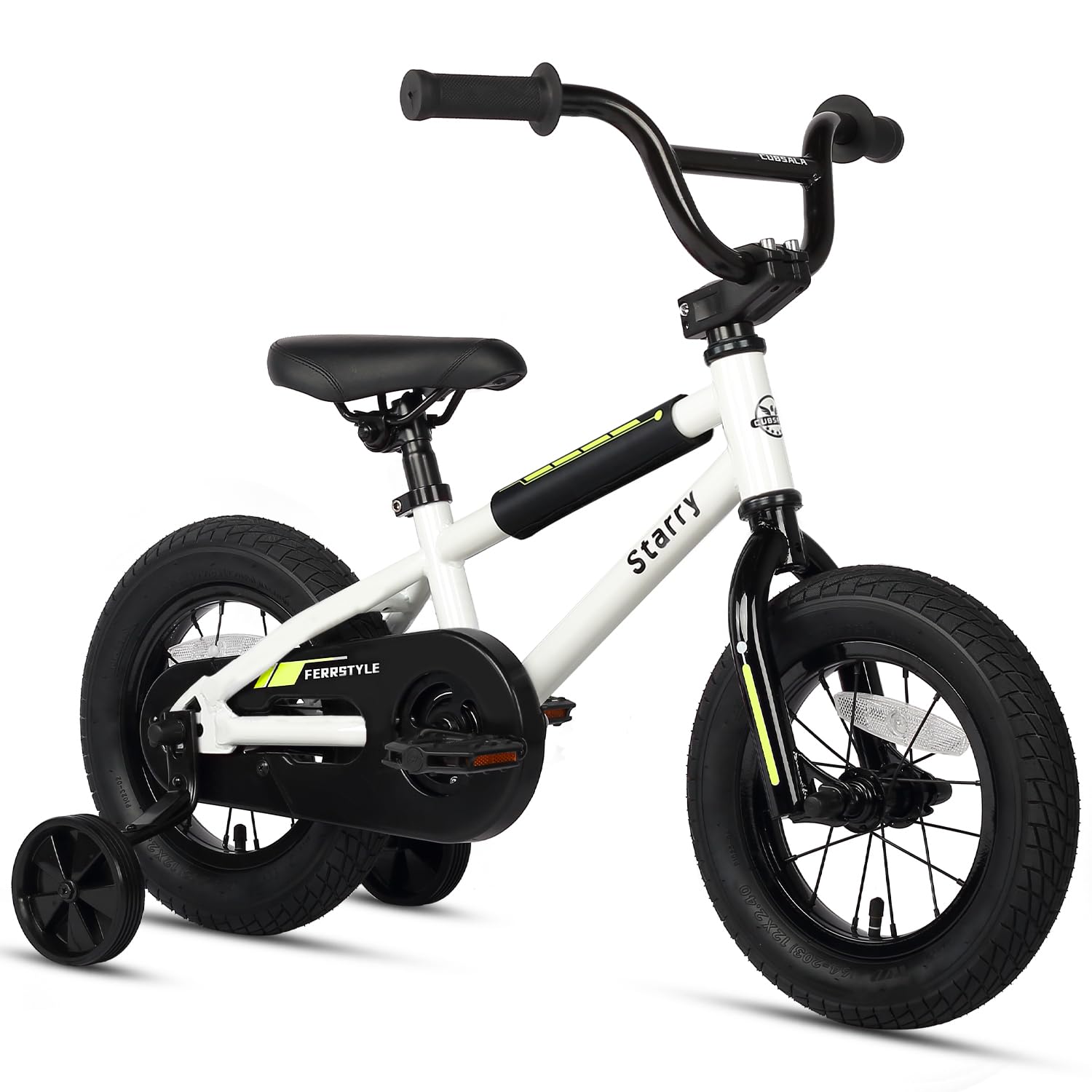
A BMX-inspired frame and wide tires give this bike a cool-factor that matches its decent build quality and easy assembly.
The cubsala bike brings a BMX aesthetic (a style borrowed from motocross, with a low, sturdy frame and thick tires) that a lot of young riders will find appealing. The wide tires add slip-resistant traction (grip on loose surfaces), making this a reasonable choice for riding on grass or gravel, not just smooth pavement. The high tensile carbon steel frame supports a limited lifetime warranty, which is a confidence-booster at this price point. Owners consistently single out the quality as a top reason to buy, with one noting it “passed adult weight bounce test” — a strong indicator of solid construction.
The bike comes 85% pre-assembled and most families report finishing in 20 minutes with the included tools and gloves (a thoughtful extra). The coaster brake is the primary stopping method, and it is paired with a full chain guard for safety. The adjustable seat lets the bike grow with your child across the recommended height ranges: a 12-inch for ages 2-4 (33-37 inches tall), 14-inch for ages 3-5, 16-inch for ages 4-7, and 18-inch for ages 5-10. That range covers a lot of ground for a single bike, so siblings can share or a younger child can stay with it for several years.
The main trade-off is that the coaster brake can feel limiting if your child eventually wants to take the bike to a skatepark or do any trick riding — a hand brake would be better for that use case, and this bike does not have one. Durability gets mixed feedback from owners; while the frame is solid, some report that the training wheels can come loose after extended use, so plan to check the bolts periodically. The BMX stickers are easily removable if your child wants a cleaner look.
Good for active beginners: If your child wants something that looks like the bikes they see older kids riding, this hits the mark without the usual premium price.
Stick to pavement and grass: The coaster brake works fine for neighborhood riding, but this is not designed for skatepark jumps or technical terrain.
6. Glerc Maggie Girls Bike, 12-20 Inch Kids Bike for 2-13 Years Old

A princess-themed frame with a doll-style seat and matching basket that makes everyday riding feel like a fairy tale.
The Glerc Maggie is all about the charm. It features a pink and white color scheme with decorative details that lean into the princess theme — a doll seat mounted on the back, a front basket, and a bell. Owners call it “perfect Christmas gift” and “a great purchase and highly recommended for kids.” The adjustable saddle and handlebars are standard, but the bike covers a wide size range (12 to 20 inches), making it suitable for children from about 2 years old up to 13. The high carbon steel frame provides a decent foundation for the playful look.
Assembly is generally straightforward, though the back reflector can be tricky to attach. The bike uses a single-speed drivetrain with a coaster brake, keeping things simple for a young rider. The training wheels help with balance during the learning phase. Owners appreciate that the bike feels “sturdy and safe” once assembled, and the basket and doll seat are frequently mentioned as favorite features — children love being able to carry a stuffed animal or snacks on their ride.
Sturdiness is the most debated aspect here. Some owners find it sturdy, while others describe it as flimsy — that split opinion suggests the build quality can vary between units. A few owners note that the front basket feels wobbly and that the doll seat hardware is not the most secure. If your child is very young (around 3 years old), they may find the bike heavy to pedal, especially since the coaster brake can create some drag. Most feedback suggests this bike is better suited for children ages 4 and up who have a bit more leg strength.
Where It Shines
- Enchanting princess design that children adore and ask for by name
- Adjustable seat and handlebars allow the bike to adapt as the child grows
- Includes doll seat, basket, and bell for a complete package
Honest Caveats
- Sturdiness gets mixed feedback — some units feel less solid than others
- Front basket can feel wobbly with anything heavy inside
- Younger riders (around 3) may struggle with the weight and pedal drag
Best for the dreamy rider: If your child is obsessed with princesses and wants a bike that matches their imagination, this one delivers the fantasy.
Better for ages 4 and up: For a 3-year-old, the weight and pedal resistance might make the learning curve steeper than a smaller, lighter option.
7. RoyalBaby EZ Kids Bike 12 14 16 18 20 Inch Balance Pedal 2-in-1
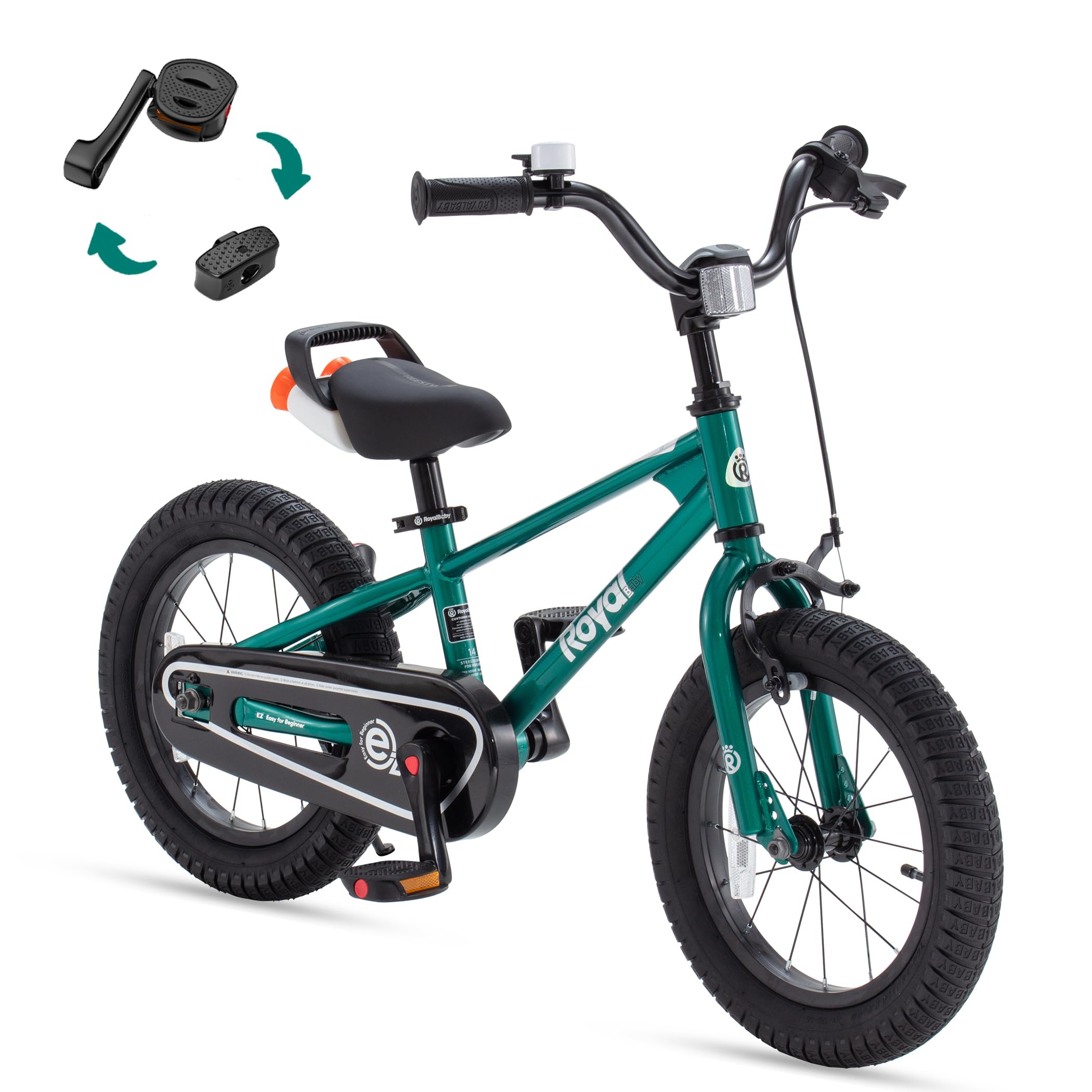
A 2-in-1 design that skips training wheels entirely by teaching balance first, then adding pedals — and assembly takes 15 minutes.
The RoyalBaby EZ is a completely different approach to learning. Instead of training wheels, it works as a balance bike first (your child pushes with their feet on the ground to learn steering and balancing), and then transforms into a pedal bike once they are ready. The patent-pending quick-release cranks (the part that holds the pedals) come off without tools, so the switch is smooth. Owners confirm that kids “learned how to ride without training wheels within a week” using this method. The frame is designed for easy handling, making it noticeably easier for a toddler to manage.
The assembly is the best in the class — the bike arrives 98% pre-assembled, so you spend about 15 minutes attaching the pedals, handlebars, and seat instead of the typical 25-30. The bike meets both CPSC (U.S. Consumer Product Safety Commission) and EN-71 (European safety standard) certifications, providing a solid safety baseline. The metallic paint and sporty color contrast give it a premium look, and the integrated “jet engine” water bottle is a clever touch that kids love. Owners consistently mention the sturdy build and easy setup as highlights.
The biggest caveat is the price — it is the most expensive bike on this list by a clear margin. The 2-in-1 mechanism and the lightweight frame cost more, so this is a budget pick only if you value the faster learning curve over saving money. Some owners also note that the footrest (where a child rests their feet in balance bike mode) protrudes enough to bump their ankles — a few removed it entirely. The bottle holder has had some durability issues reported, though RoyalBaby’s customer service is frequently praised for handling such problems quickly.
More expensive upfront, but it replaces two purchases: You are buying a balance bike and a pedal bike in one, which saves money in the long run if you would otherwise buy both stages separately.
skip it if you prefer training wheels: If you want a traditional bike with training wheels and a lower upfront cost, this is not the right fit — the learning method here is intentionally different.
Understanding the Specs
Coaster Brake vs. Hand Brake
A coaster brake is the most common brake on beginner kids’ bikes — you pedal backward to stop. It is intuitive and requires no hand strength, which is why it is the standard for toddlers and preschoolers. A hand brake (sometimes called a caliper or V-brake) uses a lever on the handlebar to squeeze rubber pads against the wheel rim. It gives more control and is better for older children, but the lever needs to be sized for small hands to work well. The best budget kids bikes combine both: a coaster brake for easy stopping when the child is not ready for a hand lever, and a hand brake for when they are.
Training Wheels vs. 2-in-1 Balance Bike
Training wheels are the traditional approach — two small wheels attached to the rear axle that keep the bike upright. They let a child learn pedaling first and balancing later. A 2-in-1 balance bike (like the RoyalBaby EZ) takes the opposite approach: the pedals can be removed so the child scoots along with their feet, learning balance and steering before pedaling is ever introduced. Research and real-world feedback show that the balance-first method often produces a faster transition to a standard two-wheeler, but training wheels are simpler and cheaper. Your choice depends on whether you prefer to teach balance or pedaling first.
FAQ
How much should I spend on a budget kids bike?
What size bike does my child need?
Is a carbon steel frame too heavy for a child?
Can I convert a coaster brake bike to add hand brakes later?
How long does a kids bike usually last?
Should I buy a bike with a kickstand?
What safety certifications should I look for?
Can a 3-year-old use a 14-inch bike?
Which is better: training wheels or a 2-in-1 balance bike?
How can I tell if the brakes are adjusted properly after assembly?
Final Thoughts: The Verdict
For most families looking at the budget kids bike category, the budget kids bike winner is the Chipmunk Kids Bike because it combines a solid carbon steel frame with a lifetime warranty, easy 20-minute assembly, and the most consistent praise for quality from real buyers. If you want the most features for your money — dual brakes, a basket, and a chain guard — grab the COSTWAY Kids Bike. And for parents who want their child to skip training wheels entirely and learn balance first, the RoyalBaby EZ Bike is the smartest investment despite costing more upfront — it replaces two purchases and consistently delivers confident riders in under a week.
How We Picked
We do not accept paid placement. Every pick is matched to a real buyer and a real use-case; we do not hands-on test units.
Sources & Methodology
Specifications: manufacturer listings and product documentation. Review insights: verified customer reviews, as of July 2026. Pricing: not shown on this page (it changes often); check the current price via the retailer link.
As an Amazon Associate, FitlyFast earns from qualifying purchases. This does not affect which products we feature.