
Our readers keep the lights on and the weekend projects moving. As an Amazon Associate, I earn from qualifying purchases.
Specs are compiled from manufacturer listings and verified buyer reviews and can change over time — please confirm the key details on the product page before buying.
Picking bushes for flower beds can feel like a gamble — you open the box and find either a lush shrub ready to burst or a sad bundle of sticks. The difference between a bed that fills with color and one that stays bare depends on a few specific details most people miss. This guide walks you through the seven best options based on what they actually deliver once they hit the soil.
I’m Rikta — the founder and writer behind FitlyFast. This guide is built by comparing the manufacturers’ published specifications and the patterns across verified customer reviews, so you get each pick’s real strengths and trade-offs instead of marketing spin.
if you need compact groundcover roses, tall reblooming azaleas, or pollinator magnets that pull in butterflies and bees, the right choice is in here. These are the bushes for flower beds that earn their keep season after season without fussy maintenance or disappointing first-year flops.
Our Picks at a Glance


How To Choose The Best Bushes For Flower Beds
A bush that thrives in your neighbor’s yard might sulk in yours — the secret is matching the plant to your specific conditions rather than just picking the prettiest photo. Here is what separates a five-year showstopper from a one-season disappointment.
Match Your USDA Zone First, Everything Else Second
Your USDA hardiness zone (a map that tells you the coldest winter temperature your area sees) tells you the coldest temperatures your area sees. A shrub rated for zone 5 will survive winters that would kill one rated for zone 8. Check the zone range on the plant before you fall in love with the flower color — it is the single most important compatibility factor. The seven picks here cover zones from 3 through 10b, so there is a match for nearly every climate.
Bloom Cycle — Do You Want One Big Show or Months of Color?
Some bushes blast out all their flowers in a few spring weeks and then sit green the rest of the year. Reblooming varieties — like Encore azaleas and Knock Out roses — flower in waves from spring through fall, keeping your beds colorful much longer. If you want constant color, prioritize “spring to fall” or “reblooming” in the plant description.
Mature Size and Spacing — Plan for Year Three, Not Day One
A small 1-gallon pot can become a 4-foot-wide shrub within a few growing seasons. Check the mature width and recommended spacing — 24 inches for the Spirea versus 48 inches for the Encore azalea, for example — and give each bush enough room to grow without cramping. Overcrowding leads to poor airflow, disease, and disappointing blooms.
Quick Comparison
| Model | Best For | USDA Zones | Mature Height | Bloom Period | Amazon |
|---|---|---|---|---|---|
| Proven Winners Double Play Doozie Spirea★ Best Overall | Low-maintenance color from spring to fall | 3-8 | 24-36 in | Spring to Fall | Amazon |
| Encore Azalea Autumn TwistReblooming Evergreen | Evergreen rebloomer in milder zones | 6a-10b | 54 in | Spring, Summer, Fall | Amazon |
| Perfect Plants Nanho Butterfly Bush | Attracting pollinators with fragrant blooms | 5-9 | — | Spring | Amazon |
| Knock Out Double Pink Rose | Reliable double-pink blooms all summer | 5-11 | 48 in | Spring to Fall | Amazon |
| Coral Drift Rose | Low-growing groundcover color | — | 1-2 ft | Spring-Fall | Amazon |
| Pugster Amethyst Buddleia | Butterfly and hummingbird magnet | 5-10 | 24 in | Spring to Summer | Amazon |
| Encore Azalea Autumn Bonfire (3 Gal) | Fast-growing red rebloomer for hedges | 6a-10b | 3 ft | Spring to Fall | Amazon |
In‑Depth Reviews
1. Proven Winners 2 Gal. Double Play Doozie Spirea Shrub
Our pick — over 4.5★ from 200+ verified ratings; the strongest balance of quality and price.
The Spirea that arrives looking like it came from a nursery — big, lush, and already blooming.
What wins people over here is the sheer size and health upon arrival. At 8.8 pounds, this 2-gallon shrub dwarfs most mail-order plants — buyers describe it as “full and healthy appearing with russet tips and blooms on many branches” even before it goes in the ground. One buyer needed to delay planting by three weeks due to a late frost and the shrub “stayed alive on my enclosed porch and even started to bloom,” which speaks to its resilience. The mature size lands at 24-36 inches wide and tall, so it fills a bed without overwhelming it, with a recommended spacing of 24 inches between plants.
The color show runs from spring through fall, shifting from red to purple flowers on a deciduous plant (a plant that drops its leaves in winter and regrows them each spring) that drops leaves in winter and returns fresh each spring. It thrives in full sun to partial shade across USDA zones 3-8, making it among the most cold-hardy options in this lineup. The recurring feedback is that this is “not little like most of the ones you get from mail order” — it arrives as a substantial, ready-to-perform shrub rather than a starter twig. Compared to the Encore Azalea below at 5 pounds, the Spirea is a notably heavier, more established plant at 8.8 pounds, giving it a clear head start in the ground.
The honesty note: this plant ships dormant from winter through early spring, and it is trimmed before shipping to promote health, so first-timers should not worry if it looks a bit compact on arrival. That slight pruning is exactly what encourages the bushy, bloom-filled shape it delivers once established. For anyone in colder zones wanting a sure-thing bloomer with minimal fuss, this is the one to beat.
What Owners Rave About
- Arrives unusually large and healthy for a shipped plant — buyers consistently note the impressive condition
- Blooms start right away, with many reporting flowers already showing on arrival
- Cold-hardy down to zone 3, covering the widest climate range in this list
- Low maintenance once established — moderate watering is all it needs
The Real Trade-Off
- Deciduous — loses leaves in winter, so the bed goes bare until spring regrowth
- Ships dormant in cold months, which can surprise buyers expecting a fully leafed-out plant
Reach for this if: you live in zones 3-8 and want a reliable, low-work shrub that arrives ready to bloom and fills a bed with red-purple color from spring through frost.
Think twice if: you need year-round evergreen structure — this one goes dormant and drops its leaves each winter before bouncing back.
2. Encore Azalea 1 Gal. Autumn Twist Azalea Shrub
An azalea that blooms three seasons and keeps its green leaves all winter long.
This is the only evergreen rebloomer in the lineup — it holds its foliage year-round while flowering in spring, summer, and fall. The Autumn Twist variety produces magenta purple and white blooms that grow larger as the plant establishes. One buyer in zone 6 reported “3-4 inches new growth” and a bloom that arrived “mid-October with gorgeous flowers,” proving the reblooming claim holds even in the cooler end of its zone range. The mature size reaches 54 inches tall and 48 inches wide at a 48-inch spacing, making it the tallest option here — better suited for back-of-bed anchoring than front-edge trimming.
It requires partial sun and moderate watering, and the 5-pound weight (including the pot) means it is lighter than the Spirea but still arrives as a solid 1-gallon plant. The honest trade-off is the mixed bloom experience — some buyers report plants arriving with no buds or blooms, while others describe theirs as “blooming like crazy.” This variability is common with shipped azaleas, and the consensus suggests planting promptly in well-draining acidic soil gives the best shot at the three-season show the Encore brand is known for. The healthiness and appearance are the most-praised aspects by a wide margin, and nearly every positive review notes that the packaging kept the plant moist and undamaged in transit.
Three seasons, one plant: spring, summer, and fall blooms on an evergreen frame — you get color and structure together, which is rare in a single shrub at this price tier.
Best for: gardeners in zones 6a-10b who want year-round green structure plus reblooming flowers in purple and white through three seasons.
Not ideal if: you need instant bloom coverage — results vary on first-year flowering, so patience in the first season is part of the deal.
3. Perfect Plants Nanho Butterfly Shrub 1 Gallon
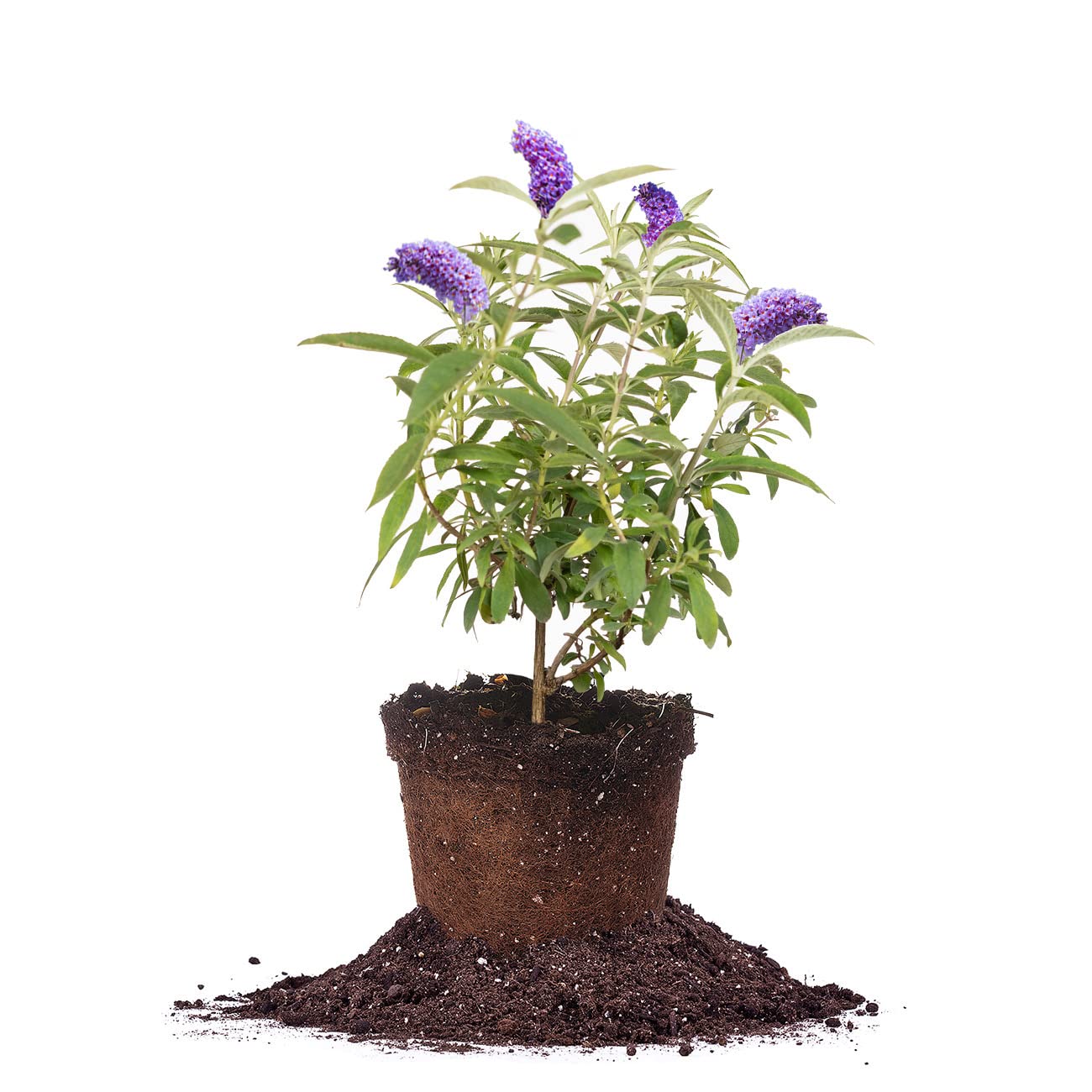
A fragrant purple bush that pulls butterflies and bees like a magnet once it settles in.
The Nanho Butterfly Shrub is built for one job — attracting pollinators with its “heavenly scent” and purple spring flowers. It is drought tolerant (needs less water once its roots are established) once established and thrives in full sun across zones 5-9, so it handles the warmer southern heat without wilting. The plant is Florida-grown and ships nationwide, though state law blocks delivery to Washington, California, and Arizona, so double-check your address before ordering. A buyer who received theirs in great shape noted it was “bigger than expected” and came with a support rod included, which is a thoughtful touch for a top-heavy bush.
The catch: blooming can be slow in the first season. One honest owner reported “only 2 blooms so far” while the plant acclimates, which is common for butterfly bushes that prioritize root establishment before flower production. The most-praised aspects are health and appearance — the majority of owners mention it arrives “healthy & alive” and starts taking off quickly after planting. Condition and moisture content are the most mixed areas, with occasional reports of dry or dead plants on arrival. If you want a pollinator workhorse for a sunny, warm-climate bed and can give it a season to settle before judging the bloom count, this is a strong bet.
Why It Stands Out
- Fragrant flowers that actively attract butterflies, bees, and hummingbirds
- Drought tolerant once established — less watering once the roots dig in
- Often arrives larger than expected with a support rod included for stability
The Main Caveat
- Blooming can be sparse in the first year — some customers note only a few flowers while the plant acclimates
- Cannot ship to CA, WA, or AZ due to state agricultural restrictions
Grab this for: sunny beds in zones 5-9 where you want a fragrant, drought-tolerant bush that pulls in butterflies, bees, and hummingbirds.
skip it if: you are in California, Washington, or Arizona — state law blocks delivery — or if you need heavy first-year bloom production.
4. Knock Out 2 Gal. Double Pink Rose Shrub

A double-pink rose that blooms all summer with zero deadheading required.
This is the lowest-maintenance rose you will find — it produces large, double pink blooms from spring through fall without needing you to snip off spent flowers (a process called deadheading). The Knock Out brand is famous for this trait, and the reviews back it up: “blooms all summer with no maintenance” is the consistent customer refrain. It grows to a mature height of 48 inches in zones 5-11 and ships as a deciduous plant that may arrive dormant if ordered mid-fall to mid-spring. The watering schedule is simple — twice per week until established, then once per week.
Buyers praise the appearance and bloom count most of all. Many report the shrub arriving “in excellent condition” with “roses, buds, and leaves” already showing, then continuing to push out flowers after planting. One owner described a slight half-wilt after planting that resolved quickly — a normal transplant response rather than a defect. The honest limit is that as a deciduous plant it loses leaves in winter, so the bed goes bare during cold months. But for anyone who wants a rose that just works without fussing over pruning schedules or deadheading, this is the easy button.
Zero-effort roses: no deadheading needed, minimal watering after establishment, and continuous double-pink blooms from spring through first frost.
Perfect for: anyone who loves roses but hates the maintenance — this one blooms itself silly without you lifting a finger after planting.
Not for: gardeners who need year-round foliage — it drops leaves in winter like any deciduous rose.
5. Coral Drift 1 Gallon Rose

A low-growing rose that spreads like groundcover and blooms in true coral all season.
The Coral Drift Rose takes a completely different approach from the upright Knock Out — it stays low at 1-2 feet tall and spreads 2-3 feet wide with foliage that grows linear along the soil. This makes it ideal for the front edge of beds, along walkways, next to patios, or in mulch beds where you want a blanket of coral-colored flowers. It blooms every year from spring through fall and arrives with easy-to-use rose food included, which is a nice starter bonus. The true coral color gets consistent praise — “a true coral color” and “beautiful miniature roses” are typical reactions from buyers.
The plant is marketed as both drought-tolerant and winter hardy, making it forgiving for new gardeners. One owner with an established bush of four years reports it grows to about 3 feet high with pruning 3-4 times per year and low water needs in Florida, surviving below 25 degrees and snow. The main trade-off: size expectations. A buyer who previously purchased the 3-gallon version notes that the 1-gallon is “not substantial” in comparison, so if you want a full look immediately, sizing up to the larger pot is worth considering. Condition upon arrival is hit-or-miss according to the mixed feedback — most arrive thriving, but a small number report withered plants. Plant it immediately in full sun with well-draining soil for the best recovery.
What Shines
- Low-growing spread fills in bed edges and walkways with continuous coral blooms
- Drought-tolerant and winter-hardy — survives snow and heat alike once established
- Blooms within 6 weeks of planting for many owners
What to Know
- 1-gallon pot is smaller than expected if you are used to the 3-gallon version of the same plant
- Arrival condition varies — most are healthy, but a fraction arrive withered
Best for: bed edges, walkway borders, and patio containers where you want coral color that spreads low instead of growing tall.
Consider the 3-gallon instead if: you want a fuller, bushier plant on day one — the 1-gallon needs time to spread out.
6. 2 Gal. Pugster Amethyst Buddleia Shrub

A compact butterfly bush with big purple blooms that hummingbirds cannot resist.
The Pugster Amethyst is a Proven Winners butterfly bush that stays compact at 24 inches tall while producing full-size purple flower spikes that attract butterflies and hummingbirds. It is a deciduous shrub (drops leaves in winter) hardy in zones 5-10, flowering from spring through summer. One buyer who ordered a second unit after success with the first noted that the initial plant grew noticeably within one week of planting in late May, with blooms that were “great” — enough to pull hummingbirds and butterflies almost immediately. The plant ships at 8.8 pounds in a 2-gallon pot, matching the Spirea’s weight and indicating a substantial root system.
The honest picture here is more mixed than the top picks. While many buyers receive a healthy, bud-heavy plant that takes off quickly, a notable share report the bush arriving “wilted” or “leggy with brown leaves.” The brand trims plants before shipping to promote health, but the transition can look rough before it bounces back. The recurring advice from successful owners is to plant immediately, water consistently, and give it a week to recover from shipping stress before judging. If you want a butterfly-magnet for a sunny mid-sized bed and are comfortable nursing a plant through its first week, the payoff is a compact bush that punches above its size in pollinator traffic.
Compact but powerful: at just 24 inches tall, this Buddleia still produces full-size purple flower spikes that attract hummingbirds and butterflies all spring and summer.
Choose this for: sunny beds in zones 5-10 where you want a compact pollinator plant that fits smaller spaces but still pulls in butterflies and hummingbirds.
Be ready for: a potential rough first week — some arrive wilted and need careful watering and patience to bounce back into growth.
7. Encore Azalea Autumn Bonfire (3 Gallon) Red Flowering Shrub
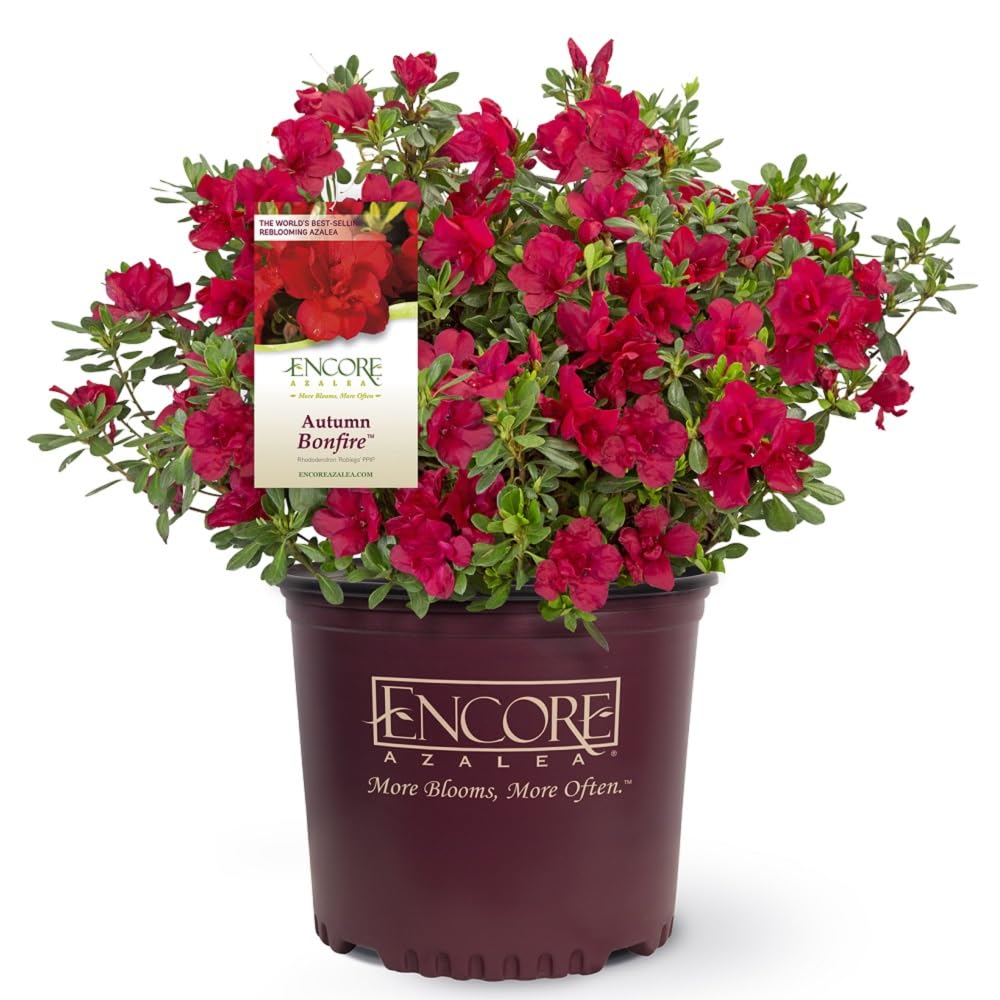
A fast-growing red Encore azalea that blooms spring, summer, and fall in a big 3-gallon pot.
The Autumn Bonfire is Encore’s fast-growing dwarf azalea in the largest pot size of this lineup — 3 gallons at 15 pounds, giving it a head start over the 5-pound 1-gallon Autumn Twist. It produces red single and semi-double blooms across three seasons and holds bright green foliage year-round as an evergreen (a plant that keeps its leaves through winter). The mature dimensions land at 3 feet high by 3 feet wide, making it compact enough for low hedges along walkways or foundation plantings while still making a statement as a single accent in mixed beds. The description specifies that it requires 4-6 hours of sunlight for optimum growth and flowering — slightly more sun-tolerant than traditional azaleas.
Buyers consistently praise the healthiness and appearance, noting that plants arrive in “large pots with healthy root balls and vibrant foliage” that surpass what local garden centers stock. One owner reports their Autumn Bonfire survived “110+°F, 25°F freezing nights, torrential rain/wind” over six months, which backs up the brand’s reputation for hardiness. The main durability concern is real — the negative feedback cluster centers on broken branches in transit and occasional plants that do not return the following year. The manufacturer’s warranty covers reporting damage within seven days of shipping, but it explicitly states that failure to thrive after planting is the customer’s responsibility. For committed gardeners who want the biggest possible start and the most forgiving reblooming azalea for tough conditions, this is the premium choice.
The Big Advantages
- 3-gallon pot at 15 pounds gives the largest, most established start of any plant in this guide
- Fast-growing dwarf that reaches 3×3 feet with red blooms spring through fall
- Evergreen foliage stays green year-round — no bare winter beds
- Survives extreme heat and freezing nights according to multiple verified reports
The Real Risks
- Branches can break during shipping due to the plant’s size and weight
- Some plants do not return the following year — warranty covers arrival condition only, not long-term survival
Go with this if: you want the biggest head start — 3 gallons at 15 pounds — with a red reblooming evergreen azalea that can take extreme heat and cold.
Be cautious if: you are not prepared to inspect and photograph the plant immediately upon arrival, since the warranty window for damage is only seven days.
Understanding the Specs
USDA Hardiness Zones
This is the temperature range a plant can survive in your area. Zones are numbered by the average coldest winter temperature — zone 3 (down to about -40°F) is much colder than zone 10 (down to about 30°F). Always match the plant’s listed zone range to your own zone before buying. A bush rated for zones 5-9 will die in a zone 3 winter, and one rated for zones 6-10 will struggle in a zone 5 freeze. The seven picks here cover zones 3 through 10b, so check your zone against the plant’s range as your first filter.
Bloom Period and Reblooming
Bloom period tells you how many months of flowers to expect. “Spring to Fall” means continuous or repeated waves of color from early spring through first frost. “Spring only” bushes flower for a few weeks and then go green. Reblooming varieties like Encore azaleas and Knock Out roses flower in multiple cycles — they put out a big spring show, rest, then bloom again in summer and fall. If you want color across the whole growing season, prioritize reblooming or “spring to fall” plants over single-season bloomers.
FAQ
Will Encore azaleas survive a freeze?
How far apart should I space my flower bed bushes?
Can I plant these bushes in partial shade instead of full sun?
What does it mean when a plant ships dormant?
Are these bushes safe for pets?
How long does it take for a shipped bush to start blooming?
What is the difference between a 1-gallon and a 3-gallon pot?
Should I fertilize these bushes after planting?
Final Thoughts: The Verdict
For most people, the bushes for flower beds winner is the Proven Winners Double Play Doozie Spirea because it arrives big and healthy, blooms from spring through fall, and thrives in the widest cold-weather range of any pick here. If you want year-round evergreen structure with three-season reblooming, grab the Encore Azalea Autumn Twist. And for a low-growing coral groundcover that fills bed edges and walkways, the Coral Drift Rose is the one to reach for.
How We Picked
We do not accept paid placement. Every pick is matched to a real buyer and a real use-case; we do not hands-on test units.
Sources & Methodology
Specifications: manufacturer listings and product documentation. Review insights: verified customer reviews, as of July 2026. Pricing: not shown on this page (it changes often); check the current price via the retailer link.
As an Amazon Associate, FitlyFast earns from qualifying purchases. This does not affect which products we feature.