
Our readers keep the lights on and the weekend projects moving. As an Amazon Associate, I earn from qualifying purchases.
Specs are compiled from manufacturer listings and verified buyer reviews and can change over time — please confirm the key details on the product page before buying.
A cheap movie TV needs one thing more than anything else: deep black levels that do not turn gray in a dark room. You do not need a thin bezel, a loud brand name, or a high refresh rate. You need a panel that makes a midnight car chase look inky, not washed out. That focus on deep contrast, accurate color, and a fast interface that gets you to the film quickly is what separates a real cinema TV from a living-room screen that just happens to play video.
I’m Rikta — the founder and writer behind FitlyFast. This guide is built by comparing the manufacturers’ published specifications and the patterns across verified customer reviews, so you get each pick’s real strengths and trade-offs instead of marketing spin.
Each TV here sits within a practical budget. Every one earned its spot by delivering the one thing movie lovers need most: a picture that disappears so only the story remains. This is your honest shortlist for the best budget tv for movies you can buy right now.
Our Picks at a Glance
How To Choose The Best Budget TV For Movies
When the lights go down, a TV that looks great in a bright showroom can fall apart. Movie viewing puts unique demands on a panel — dark scenes need shadow detail, and motion needs to stay smooth during a fast car chase. Here is what actually matters at this price tier.
Panel Technology: QLED vs Standard LED
A QLED panel uses a layer of quantum dots (tiny crystals that convert light into pure colors) to boost color volume and brightness. For movies, that means rich reds and deep blues that stay vivid even in HDR highlights (bright spots in a scene). A standard LED backlight can still look good, but QLED generally delivers richer color saturation without costing much more.
HDR Compatibility: Dolby Vision vs HDR10+
Dolby Vision adjusts the picture scene-by-scene, which is great for movies that support it. HDR10+ does something similar but is less common on disc. Both beat plain HDR10 (which uses one static setting for the whole movie) hands-down. A TV that supports either format is way ahead of one that only handles basic HDR.
Refresh Rate and Motion Handling
A standard 60Hz panel (60 image redraws per second) works fine for dialogue-heavy dramas. But if you watch action films or sports, a higher motion rate (like Motion Rate 120) or a motion-smoothing feature called MEMC (motion estimation and motion compensation, which creates in-between frames) keeps fast pans and quick cuts from stuttering. You want smooth motion, not the soap-opera effect (where everything looks unnaturally fluid).
Smart Platform Speed
Nothing kills a movie mood like a laggy interface (slow menus that take seconds to respond). Roku, Fire TV, and Google TV are the big three. Roku is famously fast and simple. Fire TV ties you into Amazon’s ecosystem. Google TV offers deep integration with Android apps. Pick the one you find least annoying to navigate.
Quick Comparison
| Model | Best For | Screen Size | Refresh Rate | Panel Type | Amazon |
|---|---|---|---|---|---|
| Hisense 43″ E6 Cinema Series★ Best Overall | Best Overall Movie Value | 43 inches | 120 (Motion Rate) | Hi-QLED | Amazon |
| Roku 55″ Select SeriesBiggest Screen | Largest Screen for the Money | 55 inches | 60 | QLED | Amazon |
| Samsung 43″ Crystal UHD | Smart OS & Bright Room Viewing | 43 inches | 60 | LED | Amazon |
| INSIGNIA 65″ F50 Series | Maximum Screen for the Buck | 65 inches | 60 | LED | Amazon |
| Sony 43″ BRAVIA 2 | Best Color Accuracy & PS5 | 43 inches | 60 | LED | Amazon |
In-Depth Reviews
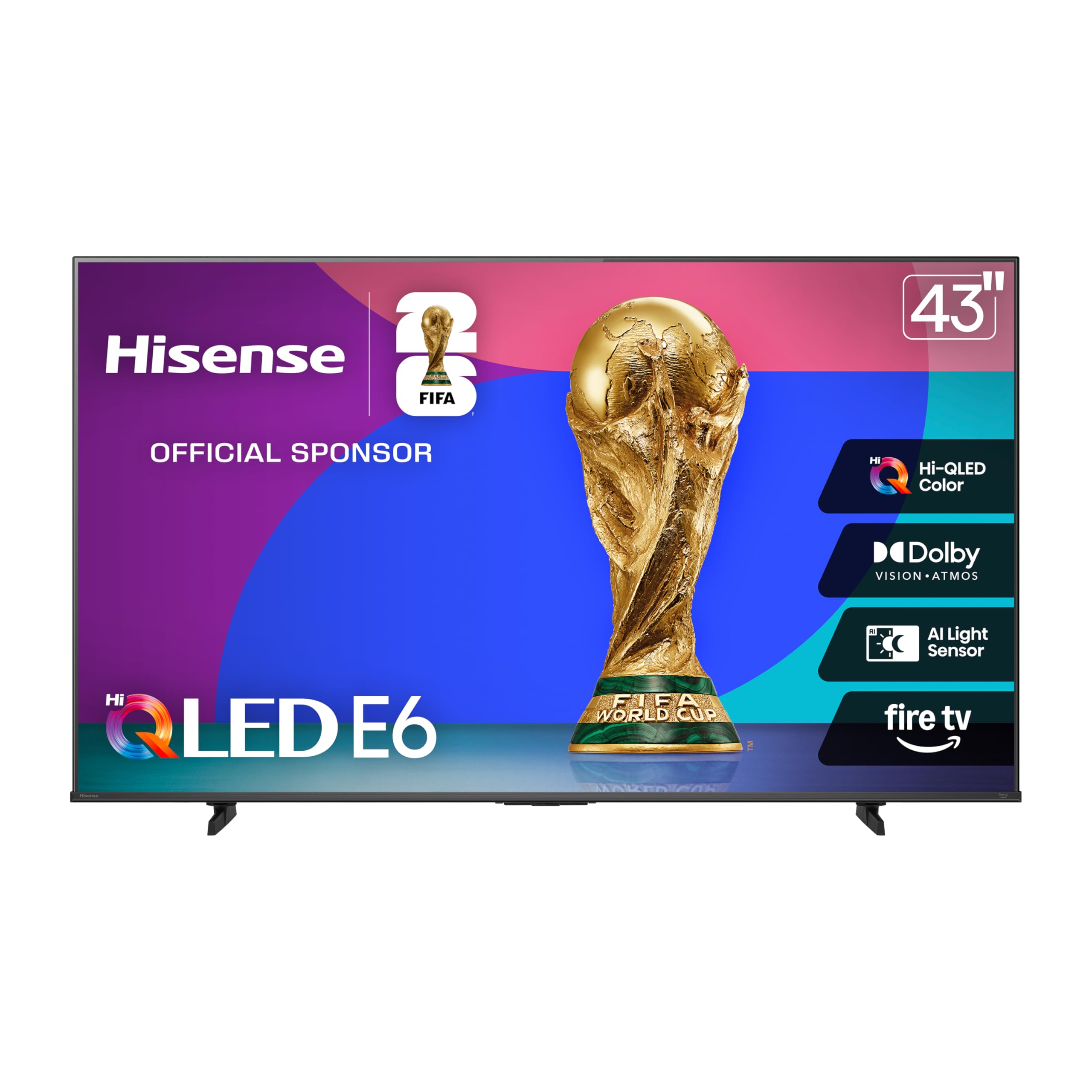
1. Hisense 43″ E6 Cinema Series Hi-QLED 4K UHD Smart Fire TV (43E6QF)
The cinema-first TV that packs Dolby Vision, QLED color, and a 120 motion rate into a truly budget price.
This Hisense does something rare at this price: it brings actual movie-theater tech into your living room without watering it down. The Hi-QLED panel delivers rich, vibrant colors that stay true even in dark scenes, which is exactly what you need for a dim-lit movie night. It supports Dolby Vision and HDR 10+ Adaptive — both of which adjust the picture scene-by-scene — so you see the inky blacks and bright highlights the director intended. The Dolby Atmos sound processing (audio that feels three-dimensional, like sounds coming from above) gives the built-in speakers a wider, more rich feel, though a sound bar still helps.
Motion handling is a clear step above the 60Hz competition. The Motion Rate 120, paired with MEMC (motion estimation and motion compensation) and AI noise reduction, keeps fast action smooth and blur-free. The AI 4K Upscaler uses machine learning to sharpen lower-resolution content to near-4K, which matters if you stream older films. Buyers report a “sharp, vibrant picture” and that it “exceeded expectations for movies, sports, streaming,” though a few note a “slow initial load (30-60 sec) outdoors” and “occasional freezing with sound (likely WiFi issue).” The Fire TV platform is fast and integrates Alexa, but the reliability of the WiFi connection can be a weak point in some homes.
At 43 inches, the screen is a tight fit for larger rooms compared to the 55-inch Roku below, but it delivers way better per-inch movie quality. The crowd favorite here is real — it has thousands of ratings confirming the picture is its standout win. The catch is reliability: a small fraction of owners mention random shutdowns. For the price, you are getting a bigger leap in movie performance than any other pick on this list.
QLED color wins
- Dolby Vision + HDR 10+ Adaptive for scene-by-scene movie quality
- Motion Rate 120 with MEMC keeps action blur-free
- AI 4K Upscaler sharpens old content noticeably
limited viewing angle
- Occasional freezing or slow startup reported in some homes
- 43-inch screen is smaller than several picks here
- Panel reliability gets mixed feedback from a minority of owners
bright room gem: you care most about picture quality per inch — Dolby Vision and a 120 motion rate at this price are class-leading.
wide couch crowd: you need a 55-inch-plus screen for a large room or your WiFi signal is weak in the TV location.
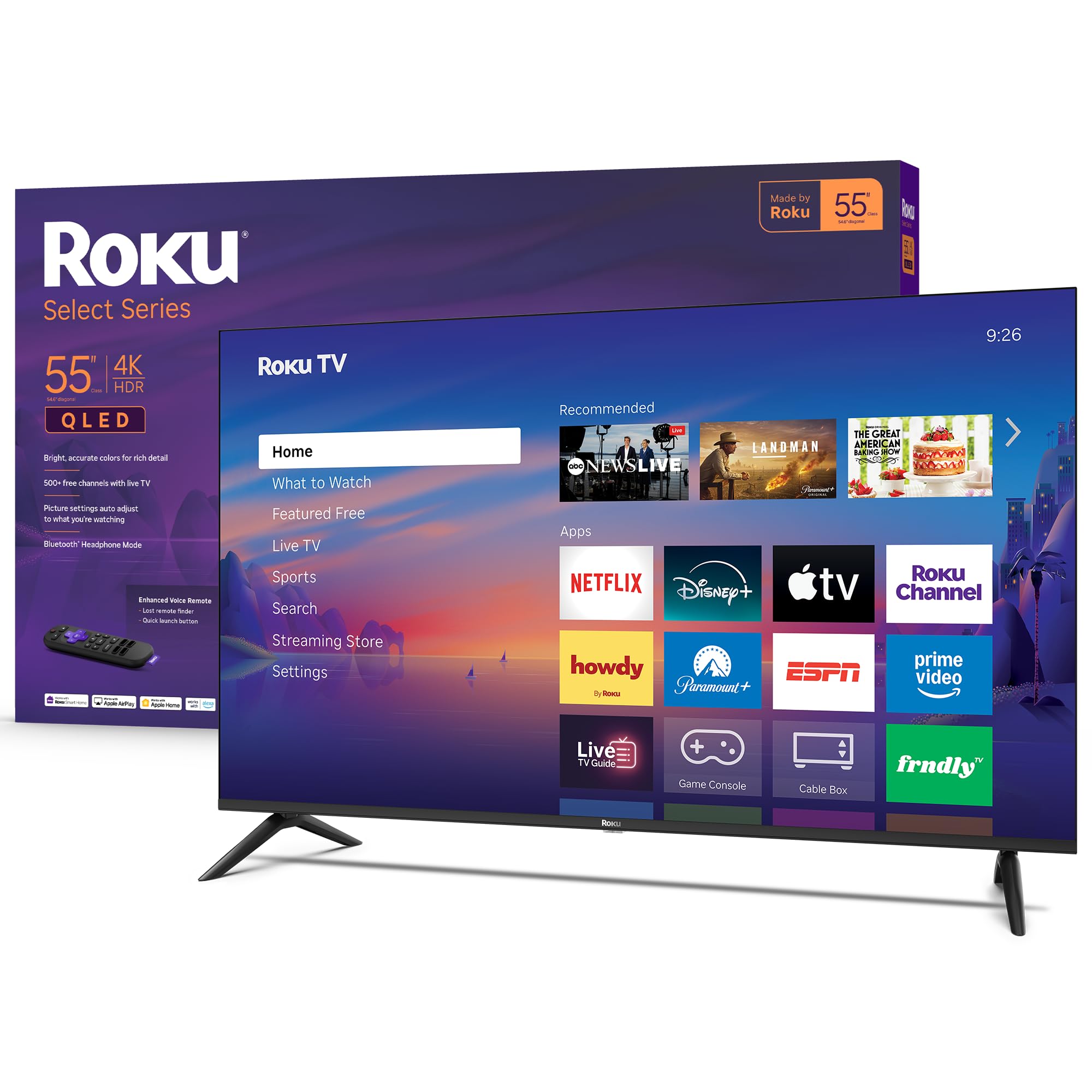
2. Roku 55-Inch Smart TV 2026 – Select Series, 4K QLED TV
The largest QLED screen you can get without jumping price tiers, paired with the fastest smart platform.
This Roku is the best pick if screen size matters most for your movie setup. At 55 inches, it is larger than the Hisense 43-inch model, which makes a huge difference for wide cinematic shots and group viewing. The QLED panel and HDR10 (a high dynamic range format, improving contrast between bright and dark areas) deliver “bright, accurate colors” that owners consistently praise — picture quality is the most-discussed point, with over 140 buyers calling it out as a top strength. The built-in Roku interface is famously fast and simple, with apps that “launch in a snap” and a remote that works with other Roku TVs.
For movie lovers, the key advantage here is how easy it is to just start watching. There are 500+ free TV channels and a home screen that gets you to your streaming apps immediately. The sound quality is good enough that many owners skip a sound bar entirely, though audiophiles will still want one. The 60Hz refresh rate is standard for this price tier, so fast action scenes are fine but not as smooth as the Hisense’s 120 motion rate.
The thing everyone raves about is the value: “excellent picture quality for price” and “much faster and more responsive than previous Google TV.” The downside is the screen is not as color-rich as the Hisense’s Hi-QLED, and the 60Hz panel means you miss the smoother motion in fast-paced blockbusters. But if your priority is a big, bright, easy-to-use screen that makes every movie feel more rich, this is the one.
Roku simplicity
- 55-inch QLED screen is the largest at this price point
- Roku OS is the fastest and simplest smart platform
- Picture quality gets strong praise from owners
mediocre contrast
- 60Hz panel — good for movies, not as smooth as higher motion rates
- No Dolby Vision support, only HDR10
- Sound quality is adequate but not exceptional
streaming lover: the biggest screen and the most user-friendly experience — it is the easiest to set up and navigate.
movie purist: you need top-tier motion handling or Dolby Vision for a dedicated home theater room.
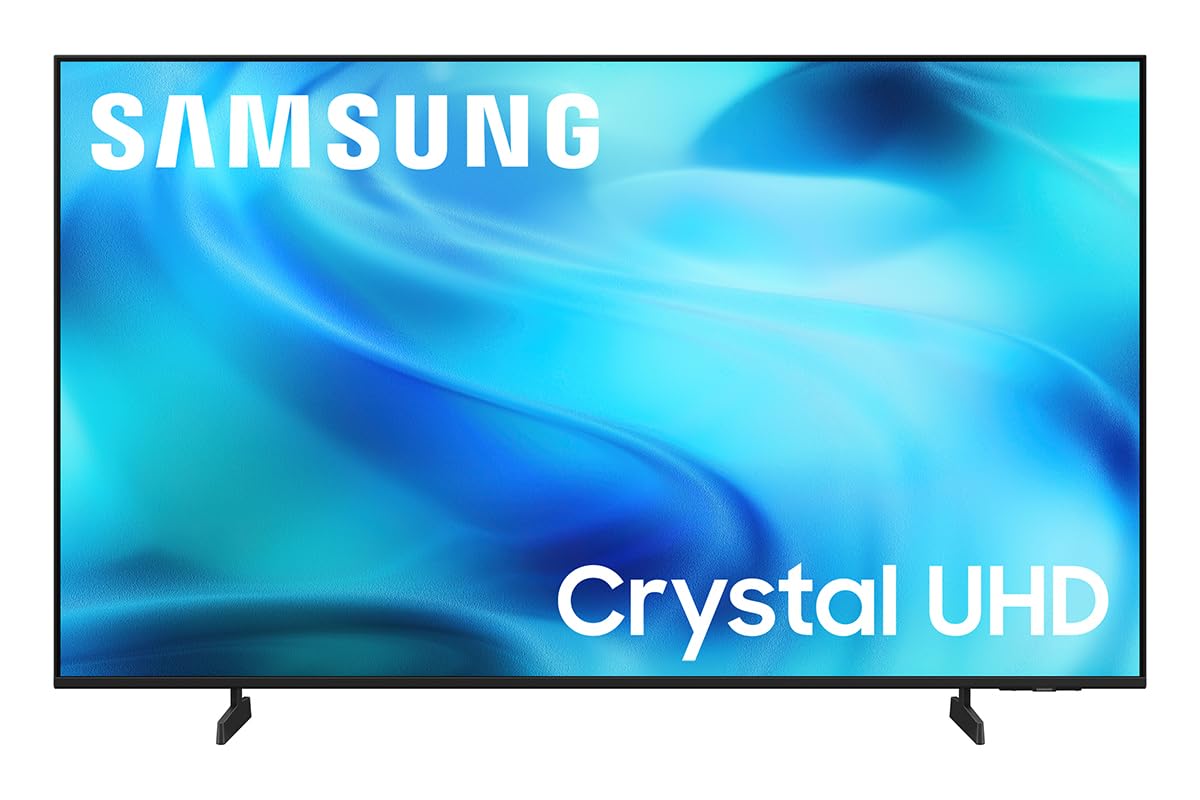
3. Samsung 43-Inch Class Crystal UHD U8000H Series Samsung Vision AI Smart TV (2026 Model)
A Samsung that focuses on vibrant color and a bright, clear picture that handles living-room light well.
If your movie watching happens during the day or in a room with big windows, this Samsung is a strong contender. The Crystal Processor 4K enhances colors and sharpens details, and the Color Booster feature “supercharges” reds and blues for a punchy look that cuts through ambient light. Owners describe the picture quality as “awesome for the price tag” and note the “vibrant colors, sharp details, great contrast.” The Motion Xcelerator provides smooth motion up to 4K 60Hz for sports and games, which is solid if not class-leading.
Where this Samsung stands out is its smart platform and connectivity. It has Bluetooth 5.3, compared to the Hisense’s Bluetooth 5, giving you a slightly more stable connection for wireless headphones. Samsung TV Plus offers 2,700+ free streaming channels, a huge library of free content from the start. The setup process pushes you toward a smart home app, which some owners found annoying, but once past that, the menus are “very navigable and user friendly.”
The trade-off compared to the Hisense is panel technology. The Crystal UHD is a standard LED panel, not QLED, so the color volume is lower in dark scenes. The 60Hz refresh rate is lower than the Hisense’s Motion Rate 120. For a mixed-use living room — a movie at night, sports during the day — this Samsung holds its own beautifully. But for dedicated dark-room cinema, the Hisense outperforms it on contrast and motion.
Samsung reliability
- Bright, punchy picture that handles daytime viewing well
- Bluetooth 5.3 for stable wireless headphone connection
- 2,700+ free streaming channels built in
basic HDR
- Standard LED panel — less color depth than QLED in dark scenes
- Setup process is more complex than Roku
- 60Hz panel — not for motion-sensitive viewers
budget daily driver: you watch movies in a bright room and want a crisp, colorful picture while staying affordable.
HDR enthusiast: a dark-room cinema experience with deep blacks is your priority — step up to the Hisense QLED.
4. INSIGNIA 65-inch Class F50 Series LED 4K UHD Smart Fire TV

A 65-inch screen at a budget price that gives you pure cinematic scale, even if the panel is basic.
Nothing makes a movie feel more cinematic than a big screen, and this INSIGNIA is the largest of the bunch at 65 inches. For the price, you are getting a 4K HDR10 (a high dynamic range format that improves contrast) LED panel with a sharp, vibrant picture that owners call “excellent for the price” and “way better than expected.” The Fire TV interface is easy to use, and the included Alexa voice remote lets you control playback and smart home devices hands-free. Picture quality is the most discussed advantage, with over 900 owners praising it.
This is the pure size play. At 65 inches, it dominates the room in a way no 43-inch or 55-inch TV can. The DTS Virtual-X sound (a technology that creates a three-dimensional audio effect from built-in speakers) creates a passable surround-sound feel, so dialogue stays clear during quiet scenes. Setup is straightforward, and the Fire TV platform gives you access to Prime Video, Netflix, Disney+, and free channels. However, the panel is standard LED, not QLED, so colors are less rich than the Hisense or Roku QLED models, especially in a dark room.
The elephant in the room is reliability and sound: the data shows 452 mentions of sound quality and 522 of reliability — both rated mixed by buyers. A chunk of customers note the TV stopping working after a few months or unsatisfactory sound. It is a gamble on longevity for the sake of sheer screen real estate. If you want the biggest possible movie screen for the lowest possible price and are okay with a basic panel, this is your pick. For better long-term performance, one of the smaller QLED TVs might serve you better.
big screen cheap
- 65-inch screen — by far the largest, most rich size
- Sharp 4K HDR10 picture that surprises owners
- Fire TV + Alexa integration for easy control
mediocre blacks
- Reliability concerns — mixed feedback on long-term durability
- Sound quality gets mixed reviews; a sound bar is recommended
- Standard LED panel, not as color-rich as QLED
game room centerpiece: buyers who prioritize screen size above everything else and are comfortable with a basic panel.
dark room cinephile: you want a TV that will last 5+ years without issue or you need rich color in a dark room.
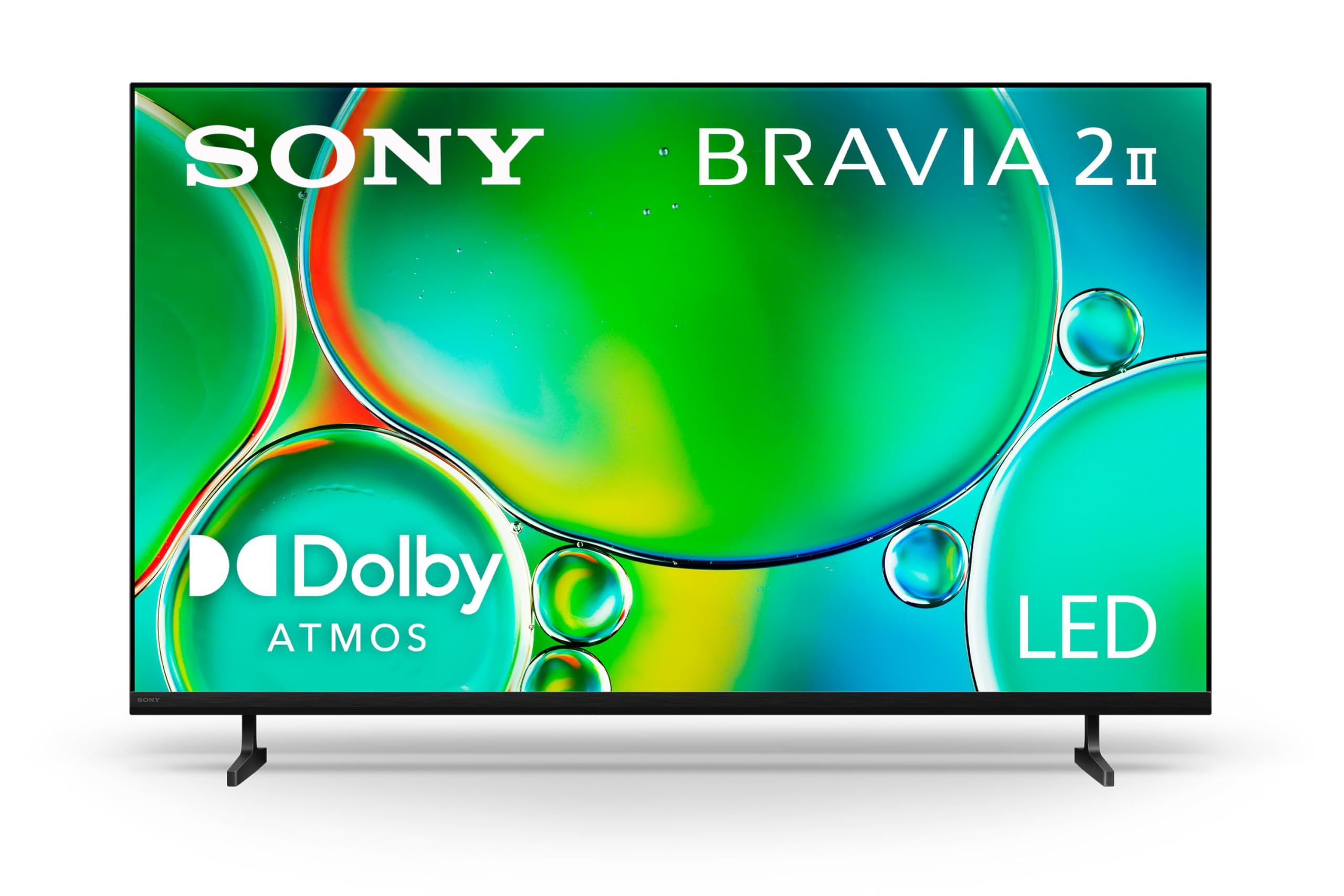
5. Sony 43 Inch BRAVIA 2 II LED 4K HDR Smart Google TV (K-43S20M2)
Sony’s legendary color science and processing at a budget price — built for film purists and PlayStation 5 owners.
This Sony BRAVIA 2 is the pick for the person who values color accuracy above all else. The 4K Processor X1, paired with Triluminos Pro (Sony’s color technology that produces a wider range of natural-looking colors), delivers natural, precise colors and dynamic contrast that owners consistently call “beautiful picture” and “great color, balance, and accuracy.” The Google TV interface is clean and gives you access to all major streaming apps, plus support for Apple AirPlay 2 and Google Cast. The Motionflow XR (Sony’s motion-smoothing technology) keeps fast-moving scenes blur-free, good for action movies.
A unique edge here is the PlayStation 5 integration. The TV supports Auto HDR Tone Mapping and Auto Genre Picture Mode, which automatically tune picture settings when you connect a PS5. If you game as much as you watch movies, this is a strong dual-purpose option. The SONY PICTURES CORE app also includes free movies. However, the panel is standard LED, not QLED, so in a dark room the black levels are not as deep as the Hisense QLED. The 60Hz refresh rate is standard for the tier.
The biggest concern is reliability: some reviewers point out “frequent freezing requiring unplugging to reset” and “drops WiFi while other devices work.” It is a minority, but it is worth noting. The setup process also frustrated one owner who found it “too smart for me” and needed help. For the purist who wants Sony’s color science and PS5 features, this is a fantastic option. For maximum dark-room movie pop at a lower price, the Hisense is the stronger value.
Sony processing
- Sony 4K Processor X1 + Triluminos Pro for accurate, natural color
- Exclusive PS5 features — Auto HDR Tone Mapping and Auto Genre Picture Mode
- Google TV + Apple AirPlay 2 for a clean streaming experience
dim brightness
- Some shoppers say random freezing and WiFi drops
- Standard LED panel — black levels not as deep as QLED
- 60Hz panel at a higher price than the Hisense QLED
upscaling champion: color purists and PS5 gamers who want Sony’s processing magic at a budget-friendly price.
sunny living room: you want the deepest black levels for a dark room cinema setup — the Hisense QLED beats it on contrast.
Understanding the Specs
Refresh Rate & Motion Handling
The refresh rate tells you how many times per second the TV redraws the image. Most budget TVs have a 60Hz panel (60 redraws per second), which is fine for dialogue and standard movies. Higher motion rates — like Hisense’s Motion Rate 120 — use frame interpolation (creating new in-between frames) to make fast action, like car chases or sports, look smoother and less blurry. If you watch a lot of action films, a TV with a higher motion rate or MEMC (motion estimation and motion compensation) is a real upgrade.
HDR Formats: Dolby Vision vs HDR10+
High Dynamic Range (HDR) expands the range between the darkest blacks and the brightest whites in a scene. Dolby Vision is the gold standard: it adjusts the picture scene-by-scene using dynamic metadata (data that tells the TV how to adjust for each moment). HDR10+ does the same but is less common on physical discs. Both are better than standard HDR10, which uses one static setting for the whole movie. A TV that supports Dolby Vision will give you a noticeable boost in contrast and detail in supported films.
QLED vs Standard LED Panel
A QLED panel adds a layer of quantum dots (tiny crystals that convert backlight into more pure colors), resulting in higher color volume and brightness. It makes reds, greens, and blues pop more, especially in HDR highlights. Standard LED panels are fine for general viewing but can look washed out in dark scenes. For movie watching in a dim room, a QLED panel is worth the small price premium because you see deeper blacks and richer colors.
Smart Platform: Roku vs Fire TV vs Google TV
Your smart platform determines how fast you can jump into a movie. Roku is widely considered the fastest and simplest — minimal menus, quick app launching. Fire TV is good if you are deep in Amazon’s ecosystem (Prime, Alexa). Google TV offers the most app selection and deep integration with Android devices. Avoid a slow platform; it will frustrate you every time you sit down to watch. Roku leads on pure speed.
FAQ
Is a 60Hz TV good enough for watching movies?
What is the difference between Dolby Vision and HDR10?
Do I need a sound bar for a budget TV?
Is a larger screen always better for movies?
What is the best budget TV for a dark room?
Should I worry about Bluetooth version when buying a TV?
Are Hisense TVs reliable?
Can I use a budget TV with a PlayStation 5 or Xbox Series X?
What size TV do I need for movie watching based on my room?
Is Roku better than Fire TV for streaming movies?
Final Thoughts: The Verdict
For the majority of shoppers, the budget tv for movies winner is the Hisense 43″ E6 Cinema Series because it packs Dolby Vision, a high-motion-rate panel, and QLED color into the lowest price — giving you the most true-to-the-director movie experience for the money. If you want the biggest screen possible, grab the Roku 55″ Select Series for its massive, easy-to-use QLED display. And if you are a color purist or PlayStation 5 owner, the Sony 43″ BRAVIA 2 is the one to reach for.
How We Picked
We do not accept paid placement. Every pick is matched to a real buyer and a real use-case; we do not hands-on test units.
Sources & Methodology
Specifications: manufacturer listings and product documentation. Review insights: verified customer reviews, as of July 2026. Pricing: not shown on this page (it changes often); check the current price via the retailer link.
As an Amazon Associate, FitlyFast earns from qualifying purchases. This does not affect which products we feature.