
Our readers keep the lights on and the weekend projects moving. As an Amazon Associate, I earn from qualifying purchases.
Specs are compiled from manufacturer listings and verified buyer reviews and can change over time — please confirm the key details on the product page before buying.
Most cross-training shoes secretly cheat — they pad your heel, narrow your toe box, and let your feet stay weak inside their cushioned cage. A true barefoot cross trainer does the opposite: it puts a flat, flexible sole under a wide toe box so every squat, jump, and lateral cut builds real foot strength instead of hiding it. This guide cuts through the marketing to find the seven barefoot cross training shoes that actually deliver that zero-drop, ground-feel experience.
I’m Rikta — the founder and writer behind FitlyFast. This guide is built by comparing the manufacturers’ published specifications and the patterns across verified customer reviews, so you get each pick’s real strengths and trade-offs instead of marketing spin.
Whether you are lifting heavy, running sprints, or working on mobility, finding the right pair starts here — the complete breakdown of the best barefoot cross training shoes that let your feet move the way nature intended.
Our Picks at a Glance

How To Choose The Best Barefoot Cross Training Shoes
Switching to barefoot training shoes means your feet do the work your old sneakers used to do. Here is what separates a great pair from one that leaves you sore.
Zero Drop: The Flat Sole Rule
A true barefoot training shoe has zero millimeters of height difference between heel and toe. That flat platform lets your foot land naturally and builds ankle mobility you lose with a raised heel.
Toe Box Width: Room to Splay
Your toes need to spread apart for balance, especially during lunges and deadlifts. A narrow toe box pinches and weakens that natural stability. Look for brands that call out a wide or foot-shaped toe box.
Sole Flexibility and Ground Feel
The best barefoot trainers let you feel the floor so your brain can adjust your stance without thinking. A sole that is too thick or stiff defeats the purpose, while one that is too thin can feel harsh on hard gym floors. Aim for a sole that bends easily in your hands.
Quick Comparison
| Model | Best For | Weight | Toe Box | Sole Feel | Amazon |
|---|---|---|---|---|---|
| Vivobarefoot Motus Flex★ Best Overall | All-around gym & mobility | 2.13 lbs | Wide | Ultra-thin, maximum feel | Amazon |
| Xero Shoes HFSMost Versatile | Running & everyday wear | — | Wide | Thin, flexible | Amazon |
| Xero Shoes Prio | Lifting & walking | — | Wide | Bendy but stable | Amazon |
| Vibram FiveFingers KSO ECO | Toe splay & natural grip | 10.2 oz | Individual toe pockets | Thin with tread | Amazon |
| ALTRA Solstice XT 3 | Heavy lifting & gym-only | 9.5 oz | FootShape (wide) | Low cushion, stable | Amazon |
| Flux Adapt Graphene XT | HIIT & lifting with grip | 10.2 oz | Wide | Graphene-reinforced, firm | Amazon |
In‑Depth Reviews
1. Vivobarefoot Men’s Motus Flex Barefoot Training Shoe
Our pick — 4.5★ from 150+ verified ratings; the strongest balance of quality and price.
The trainer that disappears under your foot so you feel every rep and every landing.
Vivobarefoot calls the Motus Flex their most barefoot-feeling performance trainer — and the owners agree, with the crowd rating it a strong 4.5 stars from over 180 buyers. The reason is simple: it pairs an ultra-thin, zero-drop sole with a grippy outsole so you feel planted to the ground during calisthenics, primal movement, and bodyweight training. Buyers report the quality holds up over time — one owner writes “I have had them over a year and they are still intact, no rips and tears,” which is rare for such a thin-soled shoe.
The catch is sizing. Multiple owners mention the Motus Flex runs large, advising you to size down rather than up. The white colorway also gets dirty quickly, but that cosmetic trade-off hasn’t dented the enthusiasm for what many call the best barefoot shoe they have owned. At 2.13 pounds, it feels light on the foot yet durable enough for daily gym use, strength training, and mobility work.
For a premium, the quality, barefoot feel, and long-term durability make this the one to beat. It beats the thinner-soled Xero HFS in ground connection and outlasts the Flux Adapt’s reported construction issues.
What owners love most
- Excellent barefoot feel with zero-drop and wide toe box — you feel planted to the ground
- Hold up well over time with no rips or tears, even with regular use
- Lightweight at 2.13 pounds and easy to slip on and off
The sizing warning
- Runs large — most buyers recommend going down a full size
- White colorway shows dirt quickly
- At the higher end of the price scale for barefoot trainers
Reach for this if: you want the truest barefoot feel for strength training, mobility, and gym work and are willing to nail the sizing.
Think twice if: you need a shoe for pavement running or you are on a tight budget — the thin sole lacks impact protection for long road miles, and the price is premium.
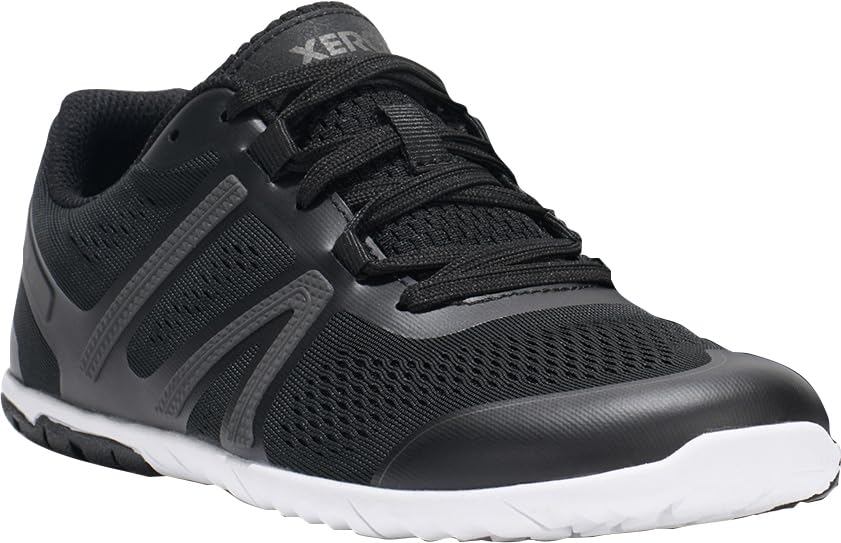
2. Xero Shoes HFS
The crowd favorite that logged 720 pain-free miles in 100 days.
If you want a barefoot shoe that transitions from the gym to the sidewalk without complaint, the Xero HFS is the pick. It holds a 4.4-star rating from over 600 buyers, and what wins people over is comfort — it is the most-discussed positive aspect by a wide margin. The wide toe box and extremely flexible sole let your foot bend naturally, which customers note eliminated foot, back, and knee pain. One owner reports “Logged 720 pain-free miles in 100 days,” making this a solid choice for runners making the switch.
The trade-off is fit inconsistency. Fit gets mixed marks from owners, with some saying it runs small. Those with bunions particularly praise the wide toe box that accommodates them without seam rubbing. The mesh upper stretches to allow toe splay, and the thin sole lets you feel pebbles — a sensation some buyers love and others find jarring. Durability also gets mixed feedback, with some reporting the inside fabric can rip at the heel.
For the price, the HFS delivers the most well-rounded package for both gym work and road running, though it is less specialized for heavy lifting than the Prio.
Best for the runner-lifter hybrid: Comfort (95 owner mentions) and lightweight flexibility let you wear these for everything from sprints to grocery runs. The 720-mile review speaks for itself.
The honest fit note: Order half a size larger than usual to avoid the tight fit that some reviewers point out, and expect the thin sole to transmit every surface texture.
3. Xero Shoes Prio
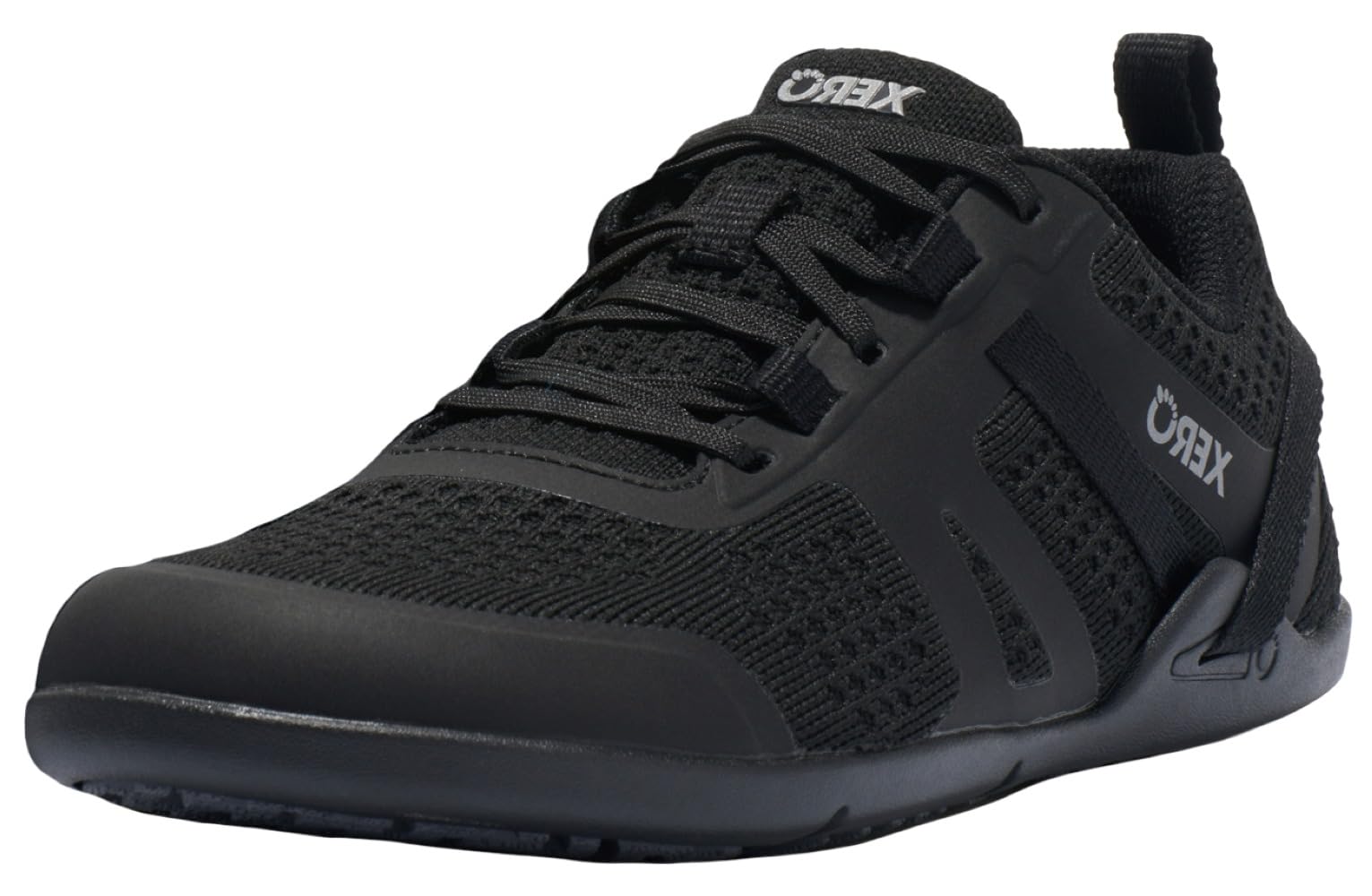
The barefoot lifting shoe that also handles evening walks.
Xero’s Prio is the entry point to barefoot training that does not skimp on stability. It earns a 4.4-star rating from over 400 buyers, with comfort and fit being the top-praised aspects (102 and 92 mentions respectively). The sole is bendy but not in a cheap, unstable way, making it ideal for weightlifting where you need a solid platform. As one buyer writes, “I got them for lifting but they are comfortable for my evening walks too (about 2 miles).” The wide toe box and zero-drop design eliminated heel striking for many new barefoot converts.
The sizing debate is real. While some say the Prio runs true to size, others advise going up a full size. The toe box is roomy — exactly as a barefoot shoe should be — but a few buyers with narrower feet found it too wide and returned them. Durability also gets mixed feedback, with some reporting the sole peeling early.
At a lower price than the HFS, the Prio offers a slightly thicker sole that provides enough padding for concrete without sacrificing ground feel, making it the best budget-friendly starter for anyone new to barefoot training.
The lift-and-walk combo: You get a shoe stable enough for deadlifts yet comfortable enough for a 2-mile evening stroll — that is the balance this shoe hits better than most.
The sizing trick: Go up half a size to a full size from your regular shoe, and remember that a roomy toe box is a feature, not a flaw — it lets your toes spread for balance.
4. Vibram Men’s FiveFingers KSO ECO
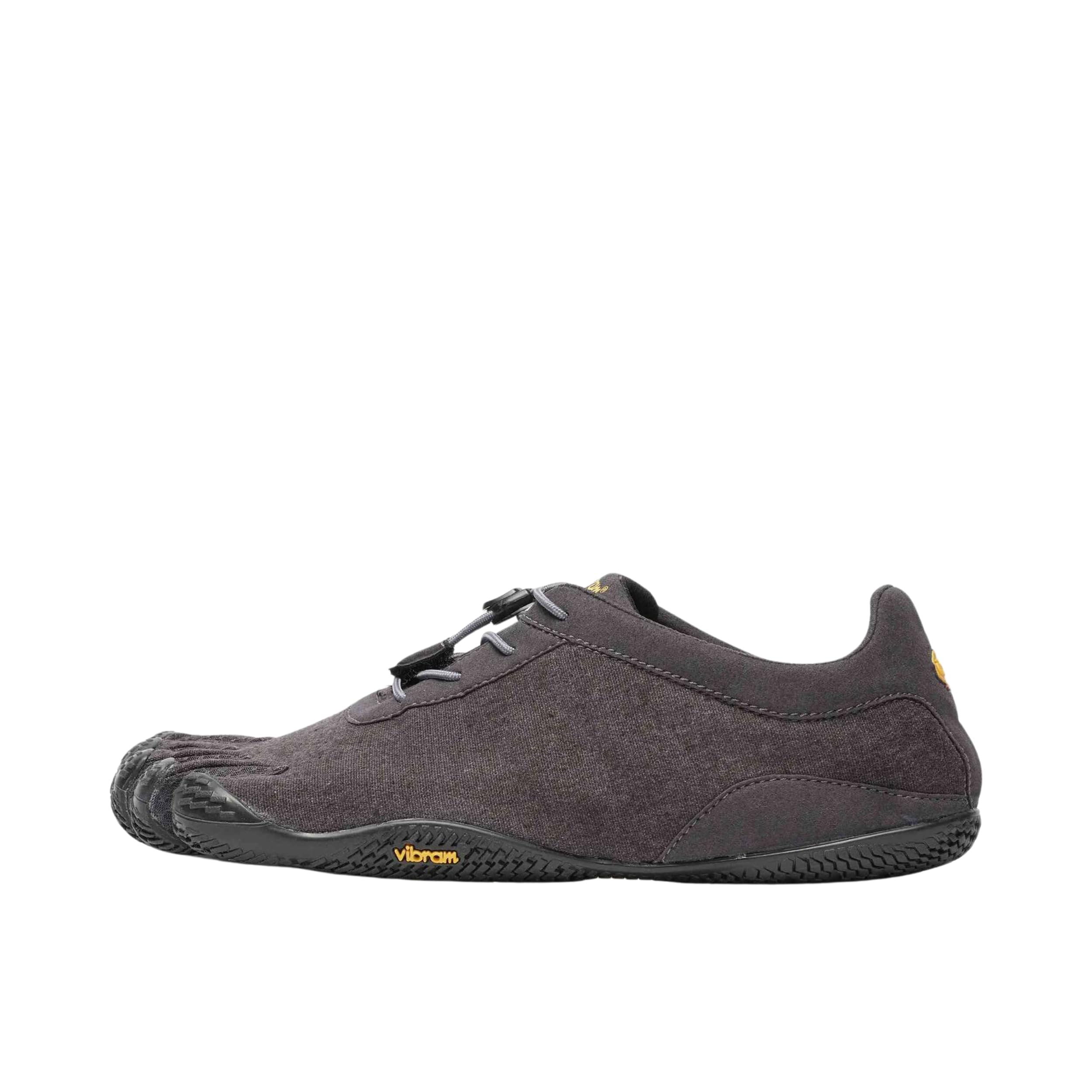
The glove for your foot that frees each toe to grip independently.
Vibram’s FiveFingers are the original barefoot shoe, and the KSO ECO refines the formula with a focus on sustainability. The outsole uses over 90% natural ingredients, the upper is a breathable polyester hemp mesh, and the design promotes natural movement for light trails, hiking, and gym work. It holds a 4.4-star rating from 160 buyers, with comfort leading the praise (25 mentions) followed by appearance (14 mentions).
The individual toe pockets take getting used to, but buyers who commit find it transformative. One long-time fan calls it “by far the most comfortable pair I’ve owned,” and another uses it for HIIT (high-intensity interval training), noting the grip and ankle confidence are class-leading. The shoe survives around 400 miles of intense use before showing wear, though an occasional unit has toe pocket tears. Sizing runs big — most need to go down at least one size for a snug fit.
If you are ready to let each toe move on its own, the KSO ECO is the best version of that experience, with eco-friendly materials as a bonus.
The toe-splay payoff: Individual toe pockets let each digit grip the ground independently — shoppers say this improves balance and ankle confidence during HIIT and intervals.
The real-world lifespan: Expect about 11 months with 3x/week training (roughly 400 miles) before fabric holes appear, though the outsole lasts longer. Treat the seams gently to avoid early tears.
5. ALTRA Men’s Solstice XT 3 Cross Training Shoe

The lifting shoe with a roomy FootShape toe box and zero-drop stability.
ALTRA’s Solstice XT 3 brings the brand’s signature FootShape fit to the gym floor. It earns a 4.4-star rating from 270 buyers, with comfort (27 mentions) and the wide toe box (26 mentions) as the top praised aspects. The shoe has a 23mm stack height — more than most barefoot trainers — but keeps the zero-drop design (0mm heel-toe drop) for a flat lifting platform. The InnerFlex midsole uses grid-like grooves for flexibility while maintaining stability for heavy weight lifting.
At 9.5 oz, it is heavier than some barefoot options, but that weight brings stability buyers appreciate for squats and leg presses. The fit is classic ALTRA: a wide toe box with a secure midfoot and heel. One buyer notes it is slightly narrower in the midfoot than the Escalante or Torin. Durability gets mixed marks — some report the shoe holds up after 1.5 years of daily wear, while other say it doesn’t stay in place during lateral moves. The white colorway also gets dirty quickly.
This is the best pick for lifters who want ALTRA’s proven FootShape toe box with a gym-specific sole that prioritizes stability over total ground feel.
The lifter’s friend: Classic ALTRA wide toe box combined with zero drop and a stable 23mm stack height — buyers with wide, flat feet praise it for heavy lifts, stationary bike, and gym-only workouts.
The gym-only limitation: Not recommended for outdoor training or hiking — the light tread and minimal side support make it strictly a gym shoe. Also size down half a size from your usual ALTRA size.
6. Flux Adapt Graphene XT Barefoot Shoes
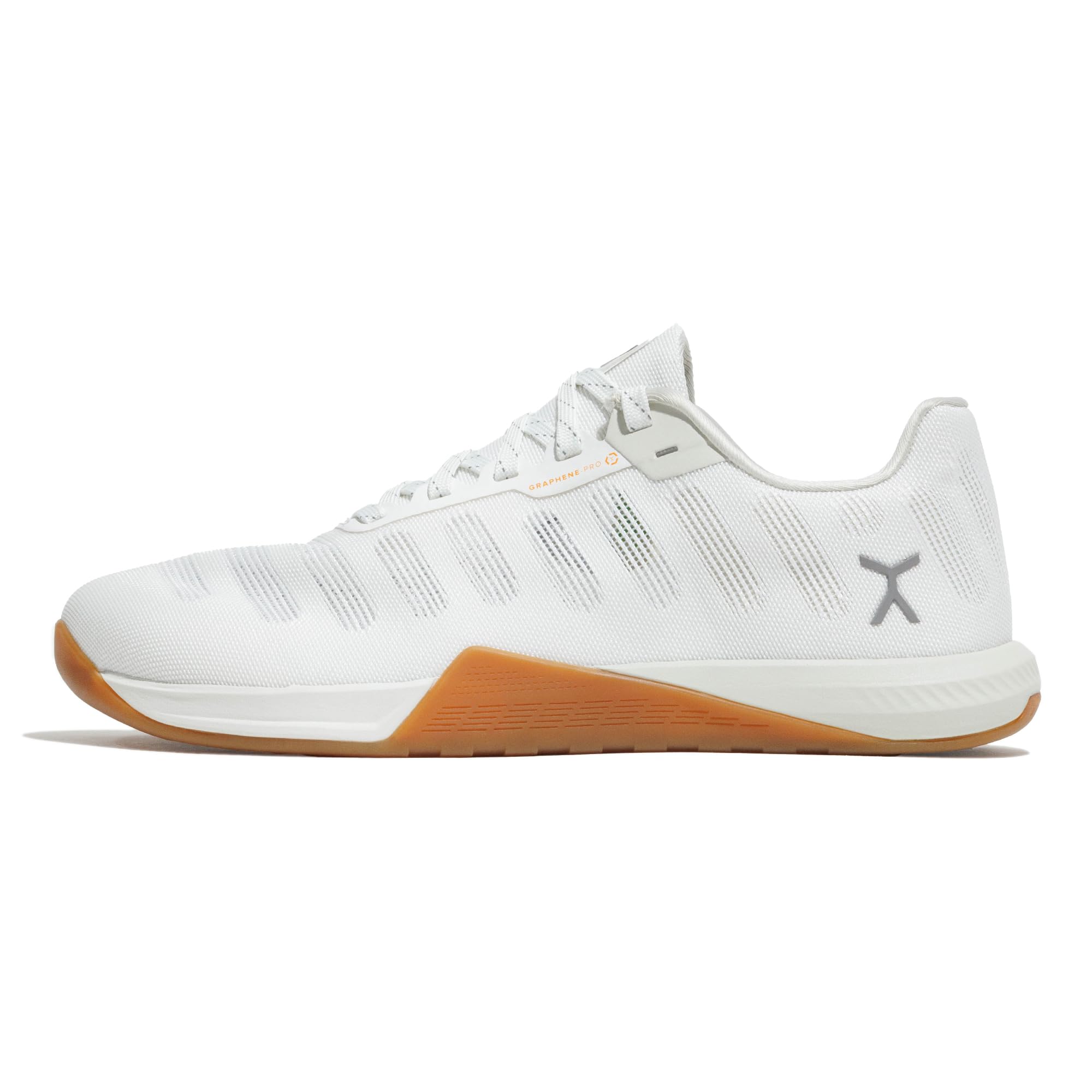
The graphene-reinforced trainer that promises extreme grip and durability.
Flux takes a materials-first approach with the Adapt Graphene XT, using graphene — a one-atom-thick carbon layer that is 200x stronger than steel — in the outsole for grip and the ballistic mesh upper for durability. The shoe earns a 4.4-star rating from 172 buyers, with comfort being the most-discussed quality. The wide toe box and zero-drop design let toes spread naturally, and customers note the shoe provides excellent stability for heavy weight lifting.
The biggest complaint is sizing. The brand itself recommends going up half a size, but some buyers still found the fit off — one owner who followed the size chart ended up with a shoe over an inch too long. There are also isolated reports of a squeaky midsole and fragile graphene outsole nubs. However, the majority of owners love the locked-in feel for gym work, sprints, jumps, and lateral moves, noting it outperforms older mainstream trainers like Metcons for natural movement.
This is the premium pick for those who want cutting-edge materials and are comfortable navigating the sizing quirks. The ballistic mesh upper feels sturdy, and the graphene outsole offers confident traction on gym floors.
The material advantage: Graphene outsole for grip and ballistic mesh for durability — this is the most tech-forward barefoot trainer on the list, with buyers praising its performance for HIIT, lifts, and lateral movements.
The sizing puzzle: Go up half a size from your regular athletic shoes, and double-check against the size chart. A small number of owners received shoes that were too long or had outsole nubs that broke early, so treat it as a slightly gamble with big upside if the fit works.
Understanding the Specs
Zero Drop (0mm Heel-toe Offset)
This means the heel and forefoot sit at the same height off the ground, just like walking barefoot. A raised heel shifts your weight forward and shortens your calf — zero drop lets your foot land naturally, which builds ankle mobility and strengthens the small stabilizing muscles that typical sneakers let atrophy.
Sole Flexibility and Stack Height
Stack height is the thickness of the sole between your foot and the ground. Barefoot trainers have a low stack (around 10–25mm) for maximum ground feel, while traditional trainers are often 30mm or more. A flexible sole bends easily in your hands — that lets your foot roll through its natural gait cycle instead of fighting a rigid platform. The trade-off is less impact protection on hard surfaces.
FAQ
Will barefoot training shoes work for heavy deadlifts and squats?
How do I find my correct size across different barefoot brands?
Can I run long distances in barefoot cross training shoes?
What is the difference between zero drop and barefoot shoes?
How long do barefoot training shoes typically last?
Are barefoot training shoes good for people with bunions or wide feet?
Can I use barefoot training shoes for everyday walking?
What should I expect during the transition to barefoot shoes?
Final Thoughts: The Verdict
Across the board, the best barefoot cross training shoes are the Vivobarefoot Men’s Motus Flex because they deliver the truest barefoot feel with proven long-term durability — the kind of shoe that disappears under your foot during squats, calisthenics, and mobility work. If you want a versatile everyday option that also handles running, go with the Xero Shoes HFS. And for heavy lifting on a budget, the Xero Shoes Prio is the entry-level pick that does not compromise on stability or comfort.
How We Picked
We do not accept paid placement. Every pick is matched to a real buyer and a real use-case; we do not hands-on test units.
Sources & Methodology
Specifications: manufacturer listings and product documentation. Review insights: verified customer reviews, as of July 2026. Pricing: not shown on this page (it changes often); check the current price via the retailer link.
As an Amazon Associate, FitlyFast earns from qualifying purchases. This does not affect which products we feature.