5 Best Budget Ribbon Mic | The Ribbon Myth: 350 Ohms vs 250

Our readers keep the lights on and the weekend projects moving. As an Amazon Associate, I earn from qualifying purchases.

Specs are compiled from manufacturer listings and verified buyer reviews and can change over time — please confirm the key details on the product page before buying.

You want that classic warm, smooth ribbon-mic sound without spending a lot. The trick is knowing which spec trade-offs actually hurt your recordings and which ones are just marketing noise. A cheap ribbon mic can deliver unbelievable character on guitar cabs and vocals, but the wrong choice leaves you fighting low output and high noise.

I’m Rikta — the founder and writer behind FitlyFast. This guide is built by comparing the manufacturers’ published specifications and the patterns across verified customer reviews, so you get each pick’s real strengths and trade-offs instead of marketing spin.

If you are hunting for a ribbon mic that won’t break the bank but still delivers that iconic figure-8 (picks up sound from front and back, rejects the sides) smoothness, here is the complete guide to the best budget ribbon mic.
Our Picks at a Glance

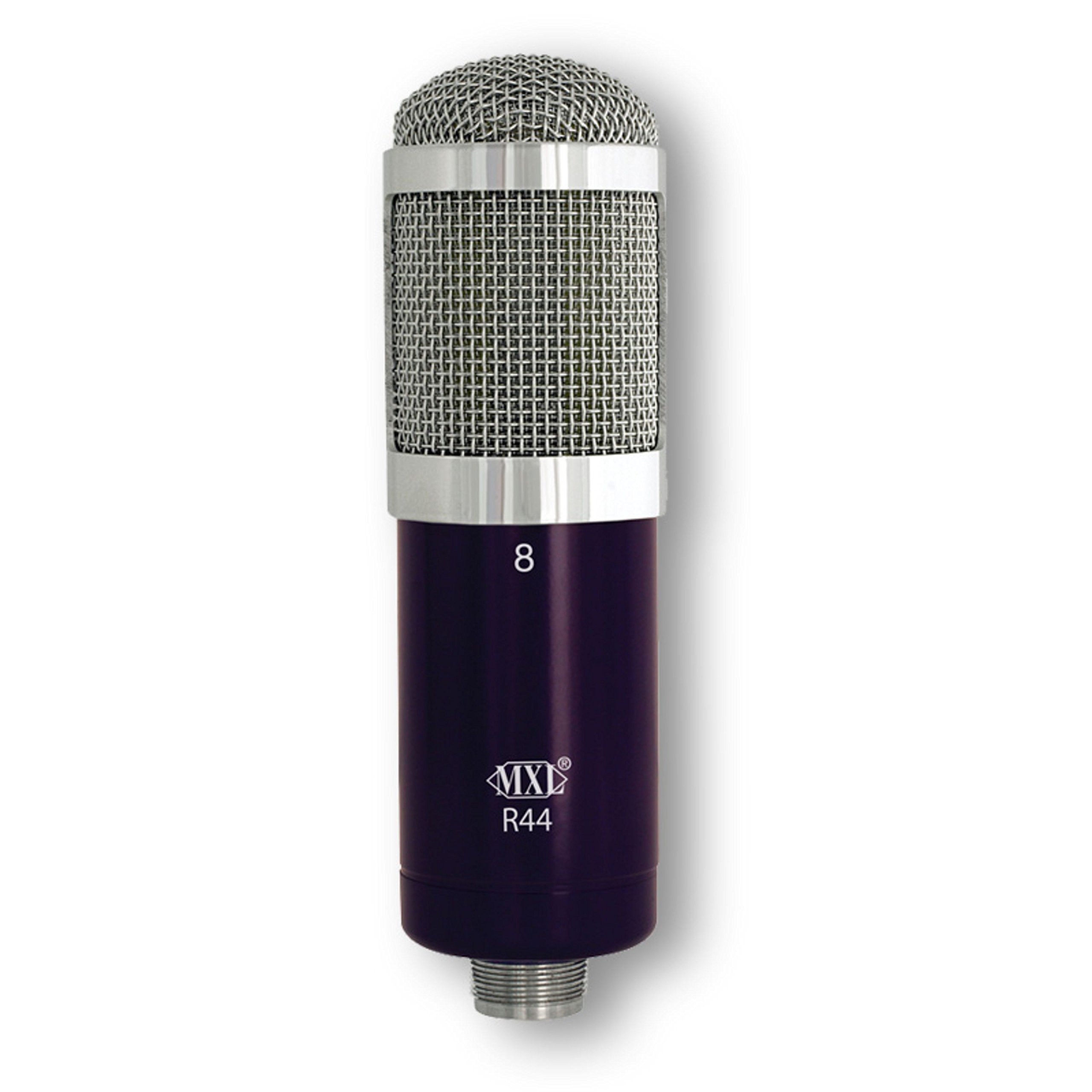
MXL R144 Multi-Purpose Ribbon Microphone with Shockmount, Purple
Best OverallMXL R144 Multi-Purpose Ribbon Microphone with Shockmount, Purple4.2★194 ratingsThe gateway drug to ribbon mics that sounds like it costs three times the price — if your preamp can handle it. This mic delivers rich, smooth midrange that ribbon fans obsess over.Check Price on Amazon
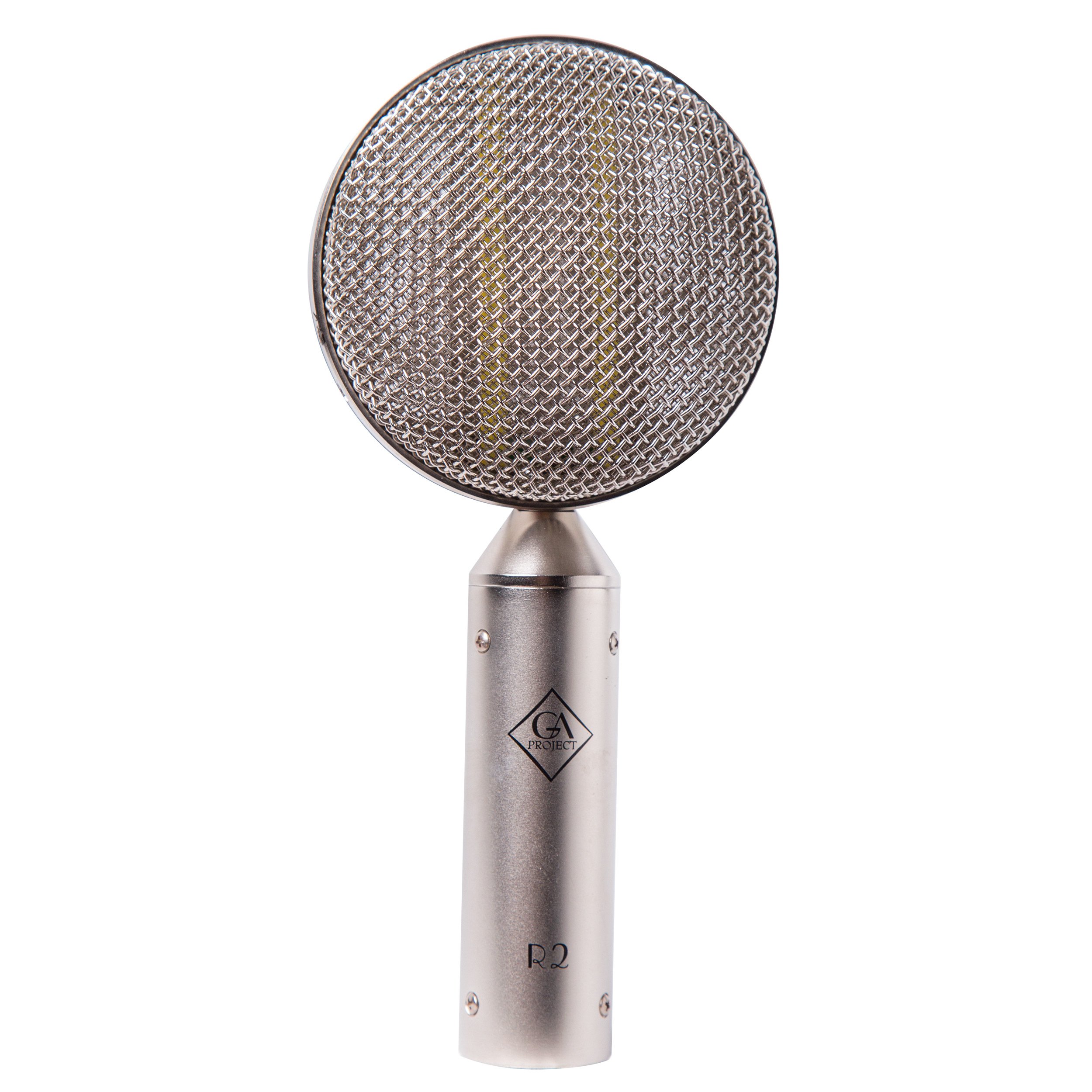
R2 MKII Ribbon Microphone
Versatile WorkhorseR2 MKII Ribbon Microphone4.8★16 ratingsThe studio secret weapon that covers vocals, guitar cabs, and even banjo with a velvety smoothness. Buyers describe this as a “versatile workhorse mic” that is excellent on just about everything you throw at it.Check Price on Amazon

How To Choose The Best Budget Ribbon Mic

Ribbon mics are famous for a warm, natural sound that tames harshness. But they also have lower output than a typical condenser or dynamic mic. That means the first question to answer is whether your audio interface or preamp has enough clean gain to drive a passive ribbon mic (one with no built-in electronics). If not, an active ribbon (which includes a built-in buffer amp and runs on 48V phantom power) might be the smarter buy.

Output Impedance and Gain Requirements

The impedance rating, measured in ohms, tells you how much the mic resists the flow of electrical current. A higher impedance (like 350 ohms) means the mic puts out a weaker signal and needs more gain from your preamp — often requiring a Cloudlifter or inline booster to keep the noise floor low. A lower impedance (like 200 ohms) is easier for most modern interfaces to drive cleanly.

Figure-8 Polar Pattern

All the mics here share a figure-8 polar pattern, which picks up sound equally from the front and back while rejecting sound from the sides. That is brilliant for recording a duet around one mic or capturing room ambience. But it also means you have to place the mic carefully to avoid picking up reflections from the wall behind the singer.

High SPL Handling vs. Delicate Ribbon

Ribbon mics excel on loud sources like guitar amps and brass because they handle high sound pressure levels (SPL) without distorting. But the ribbon element itself is physically delicate — a strong blast of air from a vocalist (a plosive) or an accidental drop can stretch or break it. A built-in highpass filter (which cuts low rumble) or a good pop filter helps protect the ribbon.

Quick Comparison

Model Best For Impedance Frequency Response Weight Amazon
MXL R144★ Best Overall Entry-level studio & high female vocals 250 ohm 20 Hz — 20 kHz Amazon
R2 MKIIVersatile Workhorse Versatile acoustic & vocal workhorse 3.29 lb Amazon
Stagg SRM70 High-output passive with classic tone 350 ohm 20 Hz — 18 kHz Amazon
R1 Active MKIII Active ribbon for low-gain preamps & voice-over 3.4 lb Amazon
sE X1 R Durable all-metal build & extended highs 200 ohm Amazon

In‑Depth Reviews

★ Best Overall

1. MXL R144 Multi-Purpose Ribbon Microphone with Shockmount, Purple

Classic Ribbon SoundFigure-8 Pattern

The gateway drug to ribbon mics that sounds like it costs three times the price — if your preamp can handle it.

This mic delivers rich, smooth midrange that ribbon fans obsess over. The figure-8 polar pattern captures both the source and the room, so a duet around one mic becomes a real option. It handles high SPL easily, meaning you can throw it in front of a cranked guitar cab or a blaring trumpet without flinching. The impedance sits at 250 ohms, which is lower than the Stagg SRM70’s 350 ohms — that gives you a noticeably healthier signal from the MXL, making it less demanding on your preamp.

That warmth absolutely shines on high female vocals, where it sounds lush and smooth without harshness. Low voices need some EQ work to pull out clarity, and you will hear a boomy bass if you get too close. The included shock mount works but its handles protrude, which some find awkward. After a year of use, buyers report it develops a “gravely-distortion close-up, gnarly personality” — not hi-fi, but loads of character for rock.

Crowd favorite for good reason: this MXL R144 delivers a smooth Royer R-121-like vibe for a fraction of the cost. The catch is that it truly needs a quality preamp with plenty of clean gain (an API 312 is a common pairing) to sound its best — skimp on the preamp and you lose the magic. A home-studio owner with a decent interface and a taste for rock or brass will love it. If your interface has low-gain preamps and you cannot afford an inline booster, the low output will frustrate you.

What wins people over

  • Warm, silky midrange that tames harsh sources beautifully
  • High SPL handling makes it a killer guitar-cab and brass mic
  • Figure-8 pattern is perfect for duets and capturing room tone

Where it demands patience

  • Needs a high-quality external preamp to get a clean, usable level
  • Boomy bass up close requires careful placement or EQ

Reach for this if: you have a decent audio interface with a clean preamp and want that classic ribbon warmth for rock, brass, or high female vocals without spending Royer money.

Look elsewhere if: your interface has low-gain preamps and you cannot afford an inline booster — the low output will frustrate you.

Versatile Workhorse

2. R2 MKII Ribbon Microphone

Brass ConstructionFigure-8 Pattern

The studio secret weapon that covers vocals, guitar cabs, and even banjo with a velvety smoothness.

Buyers describe this as a “versatile workhorse mic” that is excellent on just about everything you throw at it. It has a signature velvety sound that tames shrill female vocals beautifully, and it delivers equally well on mandolin, banjo, and guitar cabinets. Its brass construction gives it a solid, premium feel, and it weighs in at 3.29 pounds. Compared to the R1 Active MKIII, which is 3.4 pounds, the R2 MKII is slightly lighter at 3.29 pounds — not a huge difference, but noticeable if you are mounting it on a boom arm.

What really separates it is the versatility. One owner who also owns a Royer R10 and a Royer R121 says they actually prefer this mic over the R10, calling it a great value. It is a passive ribbon, so it still needs a good preamp, but owners consistently use it across vocals, guitar cabs, and acoustic string instruments without complaint. The figure-8 pattern covers both the source and the room, making it a natural fit for capturing a lively performance.

If you want one ribbon mic that can do the job of three — vocals, electric guitar, and acoustic instruments — while staying affordable, this is the one. It is a low-key legend among home-studio owners. The home-studio owner who needs one mic to cover vocals, electric guitar, and acoustic instruments with a smooth, flattering tone will be very happy. If you have a basic interface with low gain and no inline booster, a passive ribbon here will sound weak.

Why it stands out

  • Remarkably versatile — works on vocals, guitar cabs, mandolin, and banjo
  • Velvety smooth top end tames harsh or shrill sources
  • Solid brass construction feels premium and durable

What to keep in mind

  • Passive design requires a quality preamp with sufficient clean gain
  • Not the right choice if you need a high-output signal without extra gear

Best for: the home-studio owner who needs one mic to handle vocals, electric guitar, and acoustic instruments with a smooth, flattering tone.

skip it if: you have a basic interface with low gain and no inline booster — a passive ribbon will sound weak.

High-Output Passive

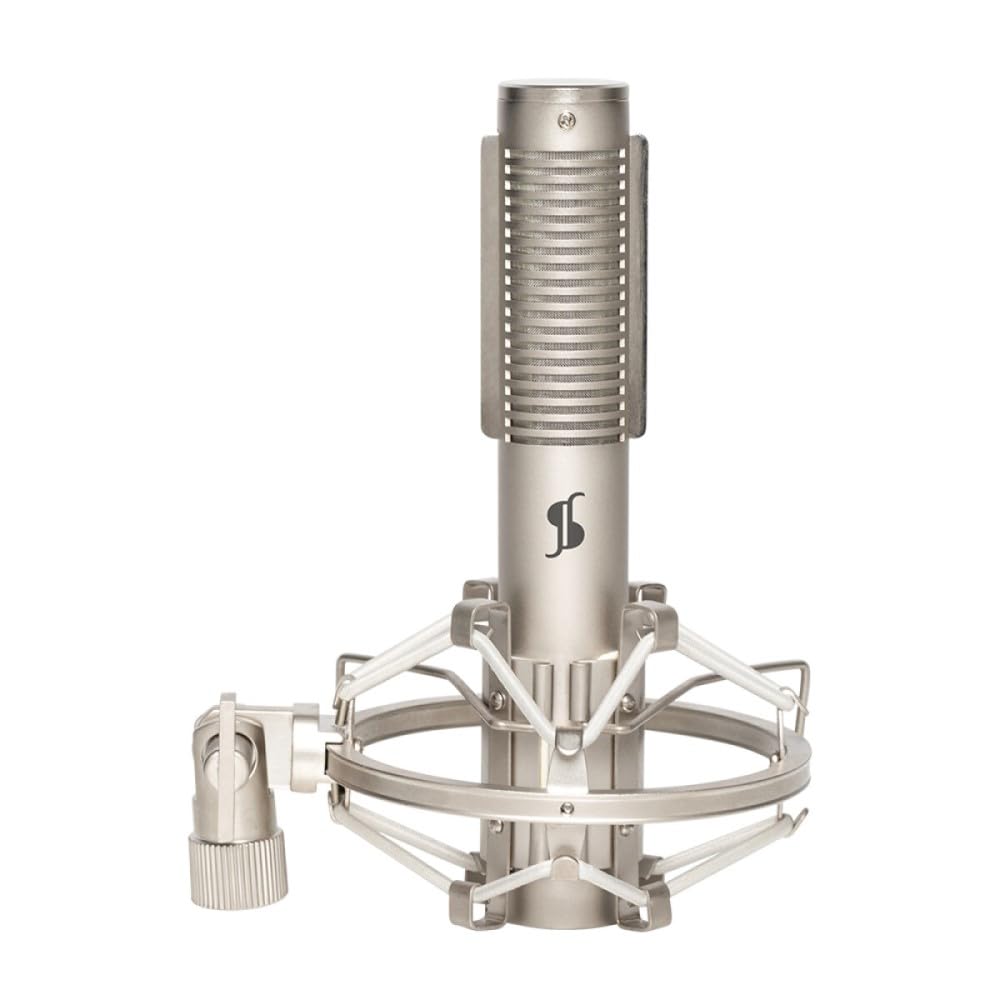
3. Stagg Ribbon Microphone (SRM70)

Pure Aluminum Ribbon350 Ohm Impedance

A Royer R121 clone that actually delivers pro-quality recordings — if you get a working unit.

The Stagg SRM70 is incredibly affordable for a passive ribbon mic that many buyers compare to the Royer R121. It uses a pure aluminum ribbon element and has a 350-ohm impedance — compared to the MXL R144’s 250 ohms. That higher impedance means it puts out a weaker signal, and some owners mention it is “noisier than expected” until you add an inline booster. On the flip side, if you have a good preamp, the SRM70 delivers a warm, punchy sound on vocals, guitar, and drum overheads.

The frequency response goes from 20 Hz to 18 kHz, which is slightly narrower on the top end than the MXL R144’s 20-kHz ceiling, but it still produces a flat, organic sound that accurately represents the source. Buyers who got a good unit call it a “great mic with good Db output” that does not need a Cloudlifter. However, the big caution here is quality control. As one owner put it: “First one you could hear a bright loud rattle. Gave another chance and the second one was completely dead on arrival.”

When you get a good one, it sounds fantastic and punches well above its weight. The build is solid, and the included shock mount is a nice bonus. But the inconsistent QA means you should buy from a seller with a low-maintenance return policy. The budget-conscious guitarist or vocalist who wants that classic ribbon tone and is willing to play the QA lottery for a great price will appreciate this. If you cannot afford to deal with a potential return, the risk of a defective unit is real.

The upside

  • Remarkably warm and punchy sound that rivals far more expensive ribbon mics
  • Good output level without a Cloudlifter (if you get a well-built unit)
  • Includes shock mount and solid build for the price

The risk

  • Quality control is inconsistent — some units arrive with rattles or are dead on arrival
  • Higher 350-ohm impedance demands a very clean preamp to avoid noise

Best for: the budget-conscious guitarist or vocalist who wants that classic ribbon tone and is willing to play the QA lottery for a great price.

Think twice if: you cannot afford to deal with a potential return — the risk of a defective unit is real.

Active & Easy

4. R1 Active MKIII Active Ribbon Microphone

Phantom Powered10dB Pad Included

The ribbon mic that works with any interface — no Cloudlifter required — thanks to its built-in amp.

The R1 Active MKIII solves the biggest headache of budget ribbon mics: the low-output problem. A built-in FET buffer amp (a type of preamp circuit) runs on standard 48V phantom power, so it delivers a strong signal into any audio interface without an inline booster. It has a 10dB pad (a switch that reduces the signal by 10 decibels, so loud sources don’t distort) and a highpass filter (cuts low rumbles) to tame loud sources and rumble. At 3.4 pounds and dimensions of 14.7 x 8.35 x 5.8 inches, it is notably larger — compared to the MXL R144’s 12 x 4 x 8 inches — so plan your mic stand placement accordingly.

The warmth and character get a lot of love. Buyers consistently say they prefer it over their condensers for vocals, calling the sound “timeless and vintage.” It is excellent for voice-over work, especially on sibilant voices (those with harsh ‘s’ and ‘sh’ sounds), and for high-register instruments like violin and mandolin. The downsides are real though: the self-noise is high. Some owners note that “high self-noise makes it unusable for vocals” if you need quiet passages, and the build quality is described as cheap with a flimsy swivel and painted body.

If you need a phantom-powered ribbon mic that works smoothly with any interface and delivers that vintage character, this is a strong pick. Just keep it on loud sources and avoid quiet fingerpicking vocals. This is a great option if you have a basic audio interface with low gain and want a ribbon mic that works from the start — the active electronics eliminate the gain-hungry problem entirely. It is not ideal for recording quiet vocals or solo acoustic passages where background hiss will be audible.

The main reasons to buy

  • Active design with built-in FET buffer gives you a strong signal with any preamp
  • Excellent on voice-over, sibilant voices, and high-register instruments
  • Warm, vintage character that owners frequently prefer over condenser mics

The main compromises

  • High self-noise is a real issue for quiet or delicate vocal recordings
  • Build quality feels cheap — painted body and flimsy swivel mount

Perfect if: you have a basic audio interface with low gain and want a ribbon mic that works from the start — the active electronics eliminate the gain-hungry problem entirely.

Not ideal for: recording quiet vocals or solo acoustic passages where background hiss will be audible.

Tough & Detailed

5. sE Electronics X1 R Passive Ribbon Microphone

200 Ohm ImpedanceAll-Metal Housing

The road-ready ribbon mic with an extended high end that refuses to roll off like older designs.

The sE X1 R combines the classic ribbon smoothness with an extended high-frequency response, thanks to premium neodymium magnets and design elements borrowed from sE’s VR1 and VR2 mics. The impedance is the lowest in this roundup at 200 ohms, which makes it the easiest passive ribbon to drive cleanly with standard interface preamps. It is also built like a tank — all-metal housing, gold-plated XLR connector, and it is known for surviving drops from 3 feet without damage according to buyers.

This mic shines on bright or nasal vocals, taming harshness without sounding dark or muffled. Owners say it has “incredible warmth and clarity straight from the start” specifically for voiceovers, and it handles high SPL sources like guitar cabs and brass with ease. The lack of proximity effect (the bass boost that happens when you move closer to most mics) means you can work closer to the mic without getting a muddy low-end buildup. Keep in mind it is a low-output passive mic, so a clean preamp or inline booster helps, but the 200-ohm impedance makes it less demanding than the Stagg SRM70. A studio owner who needs a rugged, do-it-all ribbon mic for both studio and the road, and wants the easiest time driving a passive mic with a standard interface, will appreciate it. If your preamp has very low gain and you do not want to invest in an inline booster, consider an active ribbon instead.

Strengths that stand out

  • Low 200-ohm impedance makes it the most interface-friendly passive ribbon here
  • All-metal construction is genuinely road-ready — survived 3ft drops
  • Extended high-frequency detail tames bright vocals without being dark

Small trade-offs

  • Still a passive mic — a clean preamp or booster makes a noticeable difference
  • Wide base can make fitting into some shock mounts a tight squeeze

Grab this if: you need a rugged, do-it-all ribbon mic for both studio and the road, and you want the easiest time driving a passive mic with a standard interface.

Pass on it if: your preamp has very low gain and you do not want to invest in an inline booster — consider an active ribbon instead.

Understanding the Specs

Output Impedance (Ohms)

This tells you how much the microphone resists the electrical signal coming out of it. A lower number (like 200 ohms on the sE X1 R) means the mic puts out a stronger, easier-to-use signal that most audio interfaces can handle without extra gain gear. A higher number (like 350 ohms on the Stagg SRM70) means the signal is weaker and your preamp needs to work harder — and work cleaner — to avoid adding hiss. Think of it this way: lower ohms = less gain needed = less noise.

Active vs. Passive Ribbon Mics

A passive ribbon mic has no built-in electronics — it generates a tiny electrical signal purely from the ribbon vibrating in a magnetic field. That signal is very weak, so you need a high-quality preamp or an inline booster (like a Cloudlifter). An active ribbon mic, like the R1 Active MKIII, has a built-in FET buffer amp that runs on 48V phantom power. It boosts the signal inside the mic itself, so you can plug it straight into any interface and get a healthy level without extra gear. The trade-off is that active mics can introduce self-noise from the internal electronics.

FAQ

Can I plug a ribbon mic directly into my Focusrite or Scarlett interface?
Yes, but the result depends on the mic and your interface. A passive ribbon with a 350-ohm impedance (like the Stagg SRM70) will likely need an inline booster to get a clean, usable level. An active ribbon like the R1 Active MKIII works perfectly with any interface thanks to its internal buffer. The sE X1 R at 200 ohms is the most interface-friendly passive option here.
Will phantom power damage a ribbon microphone?
Older vintage ribbon mics can be damaged by 48V phantom power, but modern budget ribbon mics like the ones in this guide are designed to handle it safely. That said, a passive ribbon mic does not need phantom power to work — it only needs it if it has an active circuit. It is always a good habit to mute the channel before plugging or unplugging the XLR cable.
What is a figure-8 polar pattern and why does it matter for recording?
A figure-8 pattern picks up sound equally from the front and back of the mic while rejecting sound from the sides. That makes it excellent for recording a duet with one mic or for capturing the natural ambience of a room. The downside is that any sound coming from the sides (like a wall reflection or a computer fan) is heavily rejected, so you have to place the mic carefully to avoid picking up room noise from the back.
Do I need a Cloudlifter for a budget ribbon mic?
Not always, and not for every mic. If your audio interface has at least 60dB of clean gain, you can drive a passive ribbon with 200-250 ohms (like the sE X1 R or MXL R144) without a booster. If the mic has a higher impedance (350 ohms like the Stagg SRM70) or your interface has less gain, a Cloudlifter or inline booster makes a huge difference in noise floor. Active ribbon mics do not need one at all.
Are ribbon mics good for recording loud guitar cabinets?
Yes, this is one of the main reasons people buy ribbon mics. They naturally handle very high sound pressure levels (SPL) without distorting, and they tame the harsh top end of a cranked guitar amp. The MXL R144 and Stagg SRM70 both get praised by owners for this exact use case. Just keep the ribbon element protected from strong blasts of air.
What is the difference between a passive and active ribbon mic for a beginner?
A passive ribbon mic is simpler — no electronics, just a ribbon and magnets — but it puts out a very weak signal. A beginner with a basic audio interface will likely struggle to get a clean level without buying extra gear. An active ribbon mic includes a built-in preamp that runs on phantom power, so it outputs a strong signal any interface can handle. The trade-off is slightly higher self-noise and a higher price tag.
How do I choose a budget ribbon mic for vocals vs. instruments?
For vocals, look for a mic that has low self-noise and a smooth high end. The sE X1 R is excellent for bright or nasal vocals, and the R1 Active MKIII works well for voice-over but has higher noise. For guitar cabs and drums, the MXL R144 and Stagg SRM70 are favorites because they handle high SPL and add warmth. For all-around versatility covering both vocals and instruments, the R2 MKII is the stand-out workhorse.
Why does my ribbon mic sound quiet or noisy?
Low output is normal for passive ribbon mics — they generate a smaller electrical signal than dynamic or condenser mics. If it sounds too quiet, you need more clean gain from your preamp or an inline booster. Noise usually comes from two sources: the mic’s own self-noise (common in some active designs) or the hiss from cranking a budget preamp to its maximum gain. A cleaner preamp or booster nearly always fixes the noise issue.

Final Thoughts: The Verdict

If you want one dependable pick, the budget ribbon mic winner is the MXL R144 because it delivers that classic ribbon warmth and high SPL handling at a price that leaves room for a decent preamp. If you want one mic that covers vocals, guitar cabs, and acoustic instruments with a velvety sound, grab the R2 MKII. And for a plug-and-play experience that works with any interface, the R1 Active MKIII is the one to reach for.

How We Picked

We do not accept paid placement. Every pick is matched to a real buyer and a real use-case; we do not hands-on test units.

Sources & Methodology

Specifications: manufacturer listings and product documentation. Review insights: verified customer reviews, as of July 2026. Pricing: not shown on this page (it changes often); check the current price via the retailer link.

As an Amazon Associate, FitlyFast earns from qualifying purchases. This does not affect which products we feature.

Related Guides

Please use a real email you check. If it's fake or mistyped, your message won't reach us and we can't reply — wrong addresses are rejected automatically.