
Our readers keep the lights on and the weekend projects moving. As an Amazon Associate, I earn from qualifying purchases.
Specs are compiled from manufacturer listings and verified buyer reviews and can change over time — please confirm the key details on the product page before buying.
If you want hummingbirds to actually stick around your yard, the secret is planting bushes with tubular, nectar-rich flowers they can reach with their long beaks — not just any pretty bloom. This guide cuts through the glossy nursery photos to the bushes that genuinely pull these tiny visitors in, based on the plant’s real traits and what thousands of owners have experienced after planting them.
I’m Rikta — the founder and writer behind FitlyFast. This guide is built by comparing the manufacturers’ published specifications and the patterns across verified customer reviews, so you get each pick’s real strengths and trade-offs instead of marketing spin.
Choosing the right bushes for hummingbirds means matching bloom time, hardiness zone, and sun exposure to your yard before you ever dig a hole.
Our Picks at a Glance

How To Choose The Best Bushes For Hummingbirds
Hummingbirds are drawn to specific flower shapes and colors, so not every flowering shrub in the garden center will do the job. The ones that work best share a few consistent traits you can check before you buy.
Look for tubular, bright blooms
Hummingbirds use their long, thin beaks to reach nectar deep inside tube-shaped flowers. Red, orange, and hot pink blooms are the strongest attractants, which is why azaleas, honeysuckle, and butterfly bushes dominate this list.
Match the hardiness zone to your yard
Every bush ships with a USDA zone range, like 6a-10b or 5-9. If your zone sits outside that range, the plant may not survive its first winter, no matter how healthy it arrives.
Check the bloom season length
A bush that flowers for one week in spring is a one-week food source. Reblooming or long-blooming varieties keep returning hummers fed from spring through fall, which is what turns a single bush into a reliable stop on their route.
Quick Comparison
| Model | Best For | Bloom Season | Mature Height | USDA Zones | Amazon |
|---|---|---|---|---|---|
| Encore Azalea Autumn Bonfire★ Best Overall | Year-round color with reblooming | Spring to Fall | 3 feet | 6a-10b | Amazon |
| Winter Honeysuckle (3 Pack)Best Value | Fragrant climbing vines | Summer/Winter | Up to 10 feet | 3-9 | Amazon |
| Coral Honeysuckle (3 Pack)Native Pick | Fast-growing native trellis cover | Spring to Fall | Vine | — | Amazon |
| Nanho Blue Butterfly Bush | Drought-tolerant borders | Spring | — | 5-9 | Amazon |
| Pugster Amethyst Buddleia | Compact patio pots | Spring to Summer | 24 inches | 5-10 | Amazon |
| Grand Cascade Butterfly Bush | Large summer privacy screens | Summer to Fall | 5-6 feet | 5-10 | Amazon |
| Old Fashioned Lilac (2 Pack) | Classic fragrant spring hedges | Spring | 12 feet | — | Amazon |
| Black Knight Butterfly Bush | Deep purple summer specimen | Summer | — | — | Amazon |
In-Depth Reviews
1. Encore Azalea Autumn Bonfire
Our pick — over 4★ from 550+ verified ratings; the strongest balance of quality and price.
The shrub that feeds hummers from spring through fall, not just for one brief week.
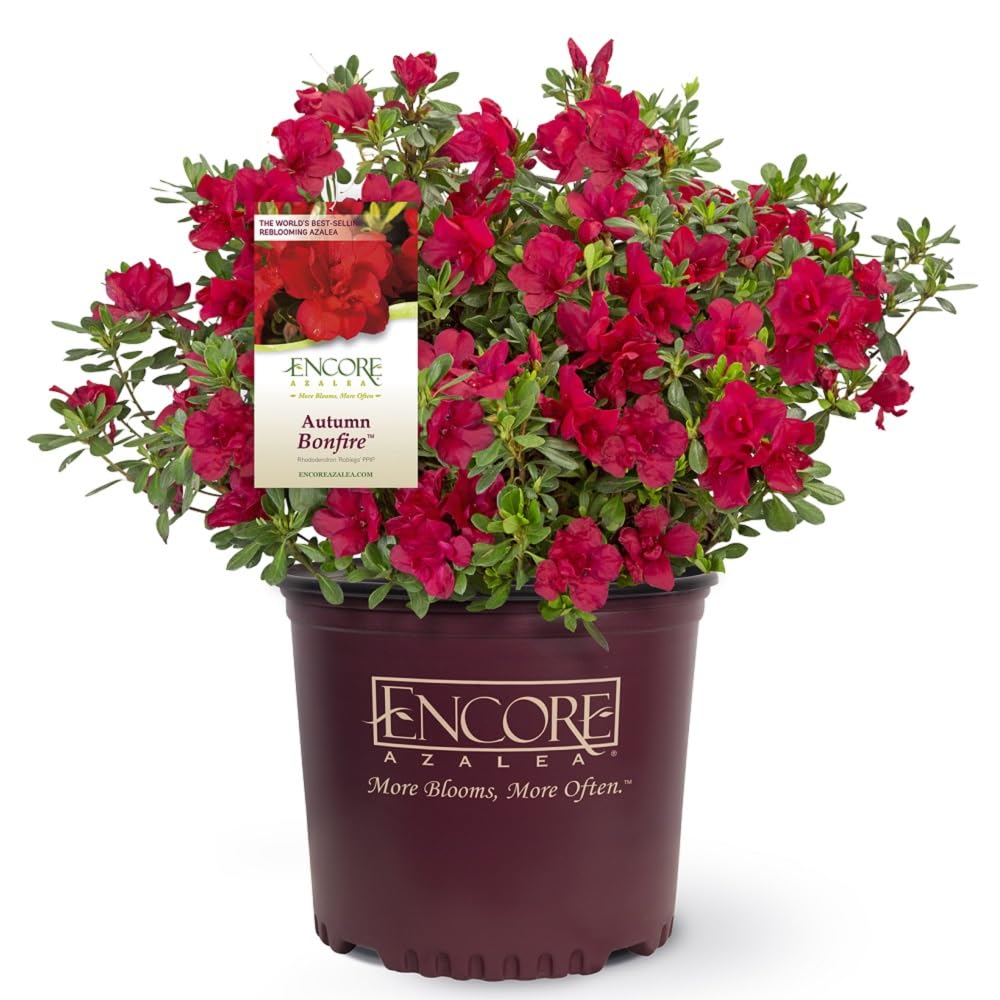
This dwarf azalea blooms red in spring, summer, and fall — a three-season nectar source that keeps the hummers coming back instead of passing through. It holds its bright green foliage year-round, so it earns its spot in the garden even between flower cycles. The mature size is a tidy 3 feet high by 3 feet wide, which fits mixed beds, walkway hedges, or patio containers without taking over.
It’s hardy in USDA Zones 6a-10b and needs 4-6 hours of sunlight to hit its peak flowering, with full sun to partial shade accepted. You water it twice a week until it’s established, then once a week after that — a low-maintenance rhythm most owners find easy to keep. The dark green evergreen leaves shift to a deep purple green-bronze in winter, so even the dormant months add visual interest.
What wins people over is the health of the plant on arrival — dozens of buyers report fresh, vibrant specimens that settled in fast, with some noting blooms even in 90-degree heat. A recurring gripe is that shipped branches can arrive broken, so inspect it quickly when the box lands. The deep red color earns mixed comments, with a few finding it brighter or darker than the photos suggested.
Vibrant repeat bloomer
- Reblooms spring through fall for months of nectar
- Compact 3×3 foot size fits small yards and pots
- Evergreen foliage adds winter interest
Slow to establish
- Branches can arrive snapped from shipping
- Needs 4-6 hours of sun to bloom at its best
- At 15 pounds, this is a hefty box to move
Color seeker: you want a dependable, low-care shrub that feeds hummingbirds for the better part of three seasons.
Impatient gardener: some plants shipped this way take a season to fully recover from transit stress, so give it time before judging the first year.
2. Winter Honeysuckle (3 Pack)
Three fast-climbing vines for the price of one single premium shrub.
This honeysuckle climbs up to 10 feet, making it a rapid option for covering a fence, arbor, or trellis with white, fragrant blooms that pull in hummingbirds and butterflies. It’s hardy in the widest zone range on this list at Zones 3-9, so it’s one of the safest bets for cold northern gardens. It blooms in summer and again in winter, giving you a nectar source when most other bushes are bare.
Owners consistently rave about the health of these three plants when they arrive — well-packed, lively, and ready to go in the ground the same day. As a value play, you’re getting three separate starts, which instantly fills more trellis space than a single potted bush. It prefers full to partial sun and moderate watering in well-drained soil.
The honest trade-off is in the growth rate, which draws genuinely mixed feedback. Several owners mention their vines struggled all summer instead of taking off, and a smaller number watched theirs die within weeks of planting. If you’re buying late in the season or outside the recommended zone, you’re taking on more risk with this one.
Winter scent: a budget-friendly way to start a fragrant hummingbird vine wall, if your planting timing is right.
Small spaces: you need instant coverage — these are young plants that need a full season to establish.
3. Coral Honeysuckle (3 Plants)
A native trumpet vine that covers ugly fences in hummingbird-friendly red.
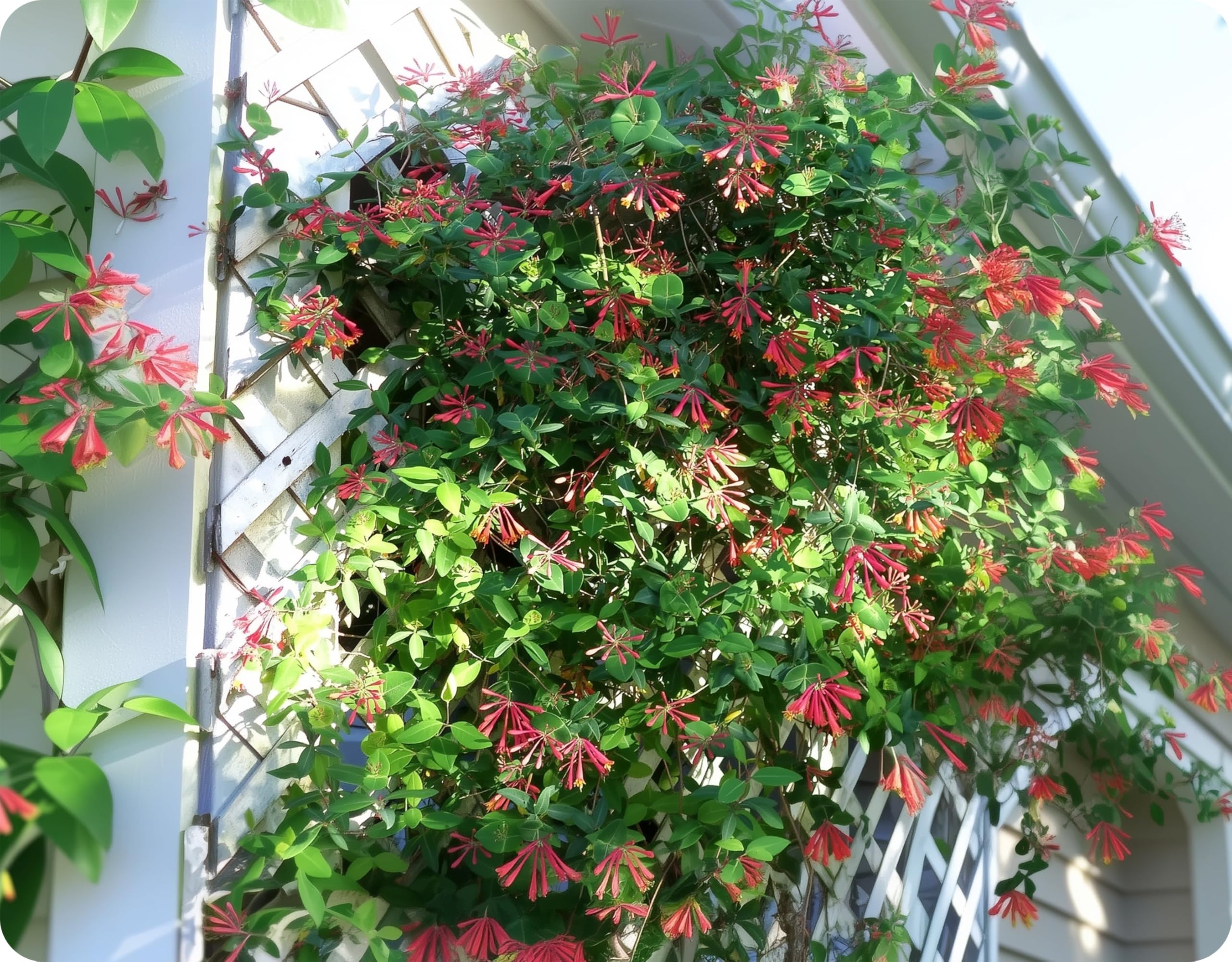
This Lonicera Sempervirens is the native cousin of the honeysuckle above, bred for the exact tubular red trumpet flowers hummingbirds prioritize. It’s a fast grower that’s ideal for trellises, arbors, and fences, turning a bare structure into a vertical nectar buffet from spring to fall. It ticks the low-maintenance box too, thriving in various soil types with full sun and moderate watering.
Buyers who receive healthy specimens report the plants perked up shortly after unwrapping and went straight into the ground. For native gardens, this is a strong pick: at just 5 pounds for all three plants, it’s far easier to handle than a big potted shrub — a night-and-day difference from the 15-pound azalea above if you have limited lifting ability. The fragrance is a bonus that makes garden seating areas more inviting.
The reality check: these arrive as small, young plants, and the size is the most common complaint. A fair number of owners found them very small, and mixed reports on plant health mean some arrived dead or barely alive and never recovered. The seller’s own guarantee leans on the buyer to handle transplant shock correctly, so be ready to water and plant immediately.
Wildlife gardens: gardeners who want a native, fast-climbing vine and don’t mind starting with young plants.
Tidy trellis: you expect a sizable, established vine to arrive — these are pint-sized starters.
4. Nanho Blue Butterfly Bush
A fragrant purple bloomer that laughs off heat and dry spells once rooted.
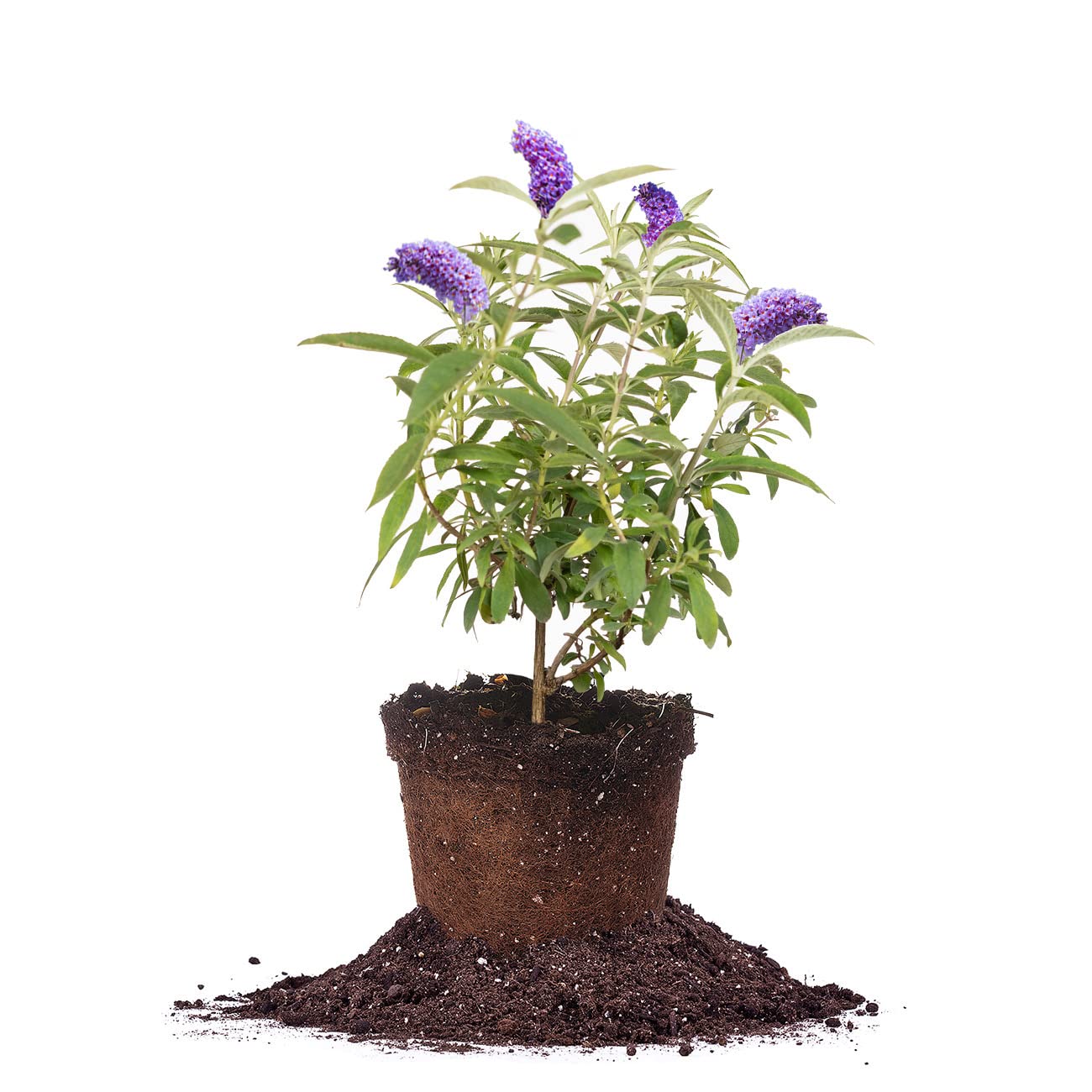
This butterfly bush delivers honey-scented purple flowers that draw in bees, butterflies, and hummingbirds, and it’s bred for the warm Southern heat. It’s hardy in Zones 5-9 and specifically loves the hot summers of the southern United States, making it a smart fit for gardens where other bushes wilt. Once established, it’s genuinely heat and drought tolerant, so it forgives a missed watering day.
The plant ships from a Florida family nursery as a 1-gallon potted shrub, not a fragile bare root. Owners are consistently impressed with the packaging and the plant’s condition on arrival — many describe it as bigger than expected, healthy, and even already blooming. It’s a perennial that works well in borders, and the heavenly scent is a recurring point of delight.
The catch is geographic: this bush cannot ship to Washington, California, or Arizona due to state law, so those buyers are automatically out of luck. A handful of owners have received a dead plant, which is the inherent lottery of mail-order greenery. Give it full sun and moderate water, and it should take off.
Small yards: you garden in the hot South and want a pollinator magnet that survives dry summers.
Shade spots: you live in WA, CA, or AZ — it won’t ship to you at all.
5. Pugster Amethyst Buddleia

A dwarf butterfly bush that packs hummingbird appeal into a 24-inch frame.
This Proven Winner buddleia tops out at just 24 inches tall, so it brings the purple blooms and pollinator draw of a full-size butterfly bush into patio pots and small borders without the sprawl. It’s hardy in Zones 5-10, a broad range that covers most of the continental US. It’s deciduous, losing its leaves in winter, and blooms from spring through summer.
Owners are frequently surprised by how large and bud-heavy the plant arrives, with many buds already present and some plants showing early blooms. The vibrant purple color and healthy condition get consistent praise, with one delighted owner noting the bumblebees found it within days even during a brutal summer heat wave. It ships in a 2-gallon pot, giving it a solid root start.
The recurring risk is the arrival condition — some plants ship wilted with brown and dead leaves in the box, looking leggy rather than lush. Most recover once planted and watered, but it can take a little while to bounce back. If you order mid-fall to mid-spring, the plant may ship dormant, which looks alarming but is normal for the season.
Patio pots: you need a small-space shrub that still delivers full pollinator power.
Low maintenance: a dormant or wilted arrival isn’t necessarily dead — patience and water often bring it back.
6. Grand Cascade Butterfly Bush

The late-blooming giant whose honey-scented flowers cascade 12 to 14 inches long.
This butterfly bush stands out for its flower size — the soft lavender-purple blossoms reach 12 to 14 inches long and 4 inches thick, a dramatic cascade on a sturdy shrub frame. It grows 5 to 6 feet tall by 7 to 8 feet wide, making it an excellent corner shrub or summer privacy barrier around a patio. Uniquely, it only begins flowering in mid-summer as other varieties wind down, and it keeps going into fall.
The honey-scented blooms are a pollinator magnet, attracting bees, butterflies, and hummingbirds, and the plant is deer resistant to boot. Hardy in Zones 5-10 with full sun and fertile, moist, well-drained soil, it’s a fast grower that space multiples about 7 to 9 feet apart. It ships as two pint-sized plants, with sellers packing each order carefully to ensure healthy arrival.
Owners agree the plants arrive healthy and well-packaged, with several noting they doubled in size within a week of repotting in full sun. The honest caveat is the size disagreement — they’re small pint containers, and some buyers expected bigger plants. A frustrating minority report their plants died within days despite proper planting, so the 14-day guarantee is worth knowing about.
Dramatic borders: filling a large sunny corner with a fragrant, deer-resistant hummer stop that blooms into fall.
Windy sites: pint-sized starters that need a season to reach that impressive 5-6 foot frame.
7. Old Fashioned Lilac (2 Pack)
The nostalgic spring lilac that can grow into a 12-foot fragrant hedge.
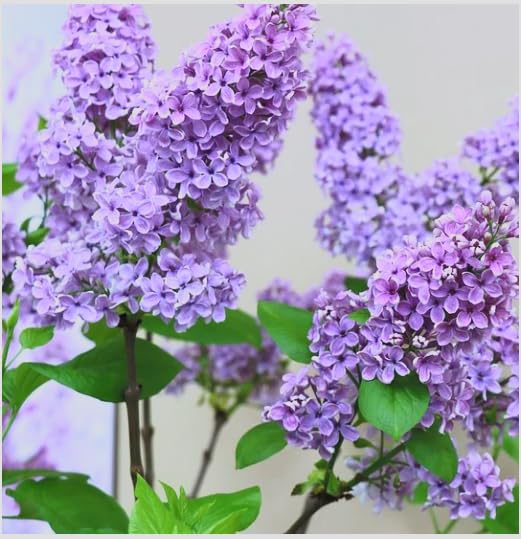
This two-pack of Syringa vulgaris (common lilac) delivers the classic lilac scent and lavender-purple blooms that hummingbirds and butterflies both visit, reaching a mature height of 12 feet — tall enough to anchor a border or create a fragrant privacy screen. The plants ship at 14-24 inches tall, so you get a bigger start for faster landscape impact than a tiny plug. It’s a cold-hardy, low-maintenance shrub that reliably returns year after year in spring.
Customers note the plants arrive healthy and well-packed, with fresh green leaves and a neatly wrapped root system, and they’re easy to plant with clear directions. As a long-lived ornamental, it’s the kind of purchase that keeps paying off for years. It’s hardy and reliably grows, which is what most buyers actually care about with a classic like this.
The trade-off is the classic lilac trade-off: the wait. It blooms in spring, so don’t expect summer flowers, and a few owners found the plants smaller than expected. There’s also genuine disagreement on durability — some watched their plants die within the first year, while others see steady growth. This is a long-game shrub, not an instant bloom.
Cottage charm: you want a classic, cold-hardy hedge with that unmistakable spring fragrance.
Quick results: you’re after summer blooms — this one saves its show for spring only.
8. Black Knight Butterfly Bush

A show-stopping dark purple bloomer that arrives ready to support itself.
This butterfly bush (Buddleja) shows very dark purple, conical flower heads that bloom from early to mid-summer through early fall, with a honey scent that pulls in butterflies, bees, and hummingbirds alike. It’s known for its bushy habit, sturdy growth, and fast growth rate, so it works well for shrub borders, foundation plantings, or as a standalone specimen. It ships in a 3-gallon pot, and a support rod is included to keep the plant upright.
Owners love the color and the fragrance, describing the plant as healthy, in great shape, and even arriving with buds and blooms already present. The sturdy packaging gets consistent praise, and the included support rod is a thoughtful touch that other picks on this list don’t offer. For a sunny spot, this perennial shrub will flourish and become a pollinator hub.
The one recurring complaint is arrival condition — a few owners received wilted plants that never recovered despite immediate planting. As with all mail-order greenery, there’s an element of luck in transit. Note that it does not ship to California, Arizona, or Hawaii due to state regulations.
Butterfly magnet: the deepest, richest purple blooms on this list, plus a free support rod.
Tidy gardeners: you’re in CA, AZ, or HI — it won’t ship to you.
Understanding the Specs
USDA Hardiness Zone
This number tells you the coldest climate a plant can survive. A bush rated for Zones 6a-10b, like the Encore Azalea, will die in a Zone 4 winter. Always match the zone range to your local climate before buying, or you’re planting a one-season shrub.
Bloom Season
This is how long your bush actually feeds hummingbirds. A spring-only bloomer like the lilac is a brief stop, while a spring-to-fall rebloomer like the azalea keeps nectar flowing for months. Longer bloom seasons mean more consistent hummingbird visits.
Mature Height
The full-grown size determines where the bush fits in your yard. A compact 24-inch buddleia suits patio pots, while a 12-foot lilac or a 5-6 foot butterfly bush needs real landscape space. Check this before you plant, not after.
Sunlight Exposure
Most of these nectar bushes demand full sun to bloom at their peak. The azalea is the flexible one at 4-6 hours, while the butterfly bushes and honeysuckles want as much direct sun as you can give them.
FAQ
What makes a bush attractive to hummingbirds?
Will a butterfly bush really attract hummingbirds?
How long does it take for a shipped bush to establish?
Can I grow these bushes in containers?
Why did my bush arrive looking dead or wilted?
What is the difference between an azalea and a butterfly bush?
Are these bushes safe to ship in extreme weather?
Which bush blooms the longest for hummingbirds?
Final Thoughts: The Verdict
For most gardeners, the bushes for hummingbirds winner is the Encore Azalea Autumn Bonfire because its three-season reblooming habit feeds hummers far longer than any spring-only shrub, in a tidy 3-foot package. If you want a fast-growing, fragrant vine to cover a fence or trellis, grab the Winter Honeysuckle three-pack for unbeatable value. And for a dramatic, deer-resistant centerpiece that blooms into fall, the Grand Cascade Butterfly Bush is the one to reach for.
How We Picked
We do not accept paid placement. Every pick is matched to a real buyer and a real use-case; we do not hands-on test units.
Sources & Methodology
Specifications: manufacturer listings and product documentation. Review insights: verified customer reviews, as of August 2026. Pricing: not shown on this page (it changes often); check the current price via the retailer link.
As an Amazon Associate, FitlyFast earns from qualifying purchases. This does not affect which products we feature.