
Our readers keep the lights on and the weekend projects moving. As an Amazon Associate, I earn from qualifying purchases.
Specs are compiled from manufacturer listings and verified buyer reviews and can change over time — please confirm the key details on the product page before buying.
Standing at the ship’s rail, you have one shot to spot a whale breach or read the name of a passing ferry. The right compact binoculars turn that moment into a quick, clear view instead of a fumble with a heavy, fogged-up pair. This guide weighs the real trade-offs—magnification, lens size, eye relief, and waterproofing—so you can pick a compact optic that earns its spot in your day bag.
I’m Rikta — the founder and writer behind FitlyFast. This guide is built by comparing the manufacturers’ published specifications and the patterns across verified customer reviews, so you get each pick’s real strengths and trade-offs instead of marketing spin.
Choosing the best compact binoculars for cruise ships means balancing a clear field of view with a size that slips into your pocket before every shore day.
Our Picks at a Glance


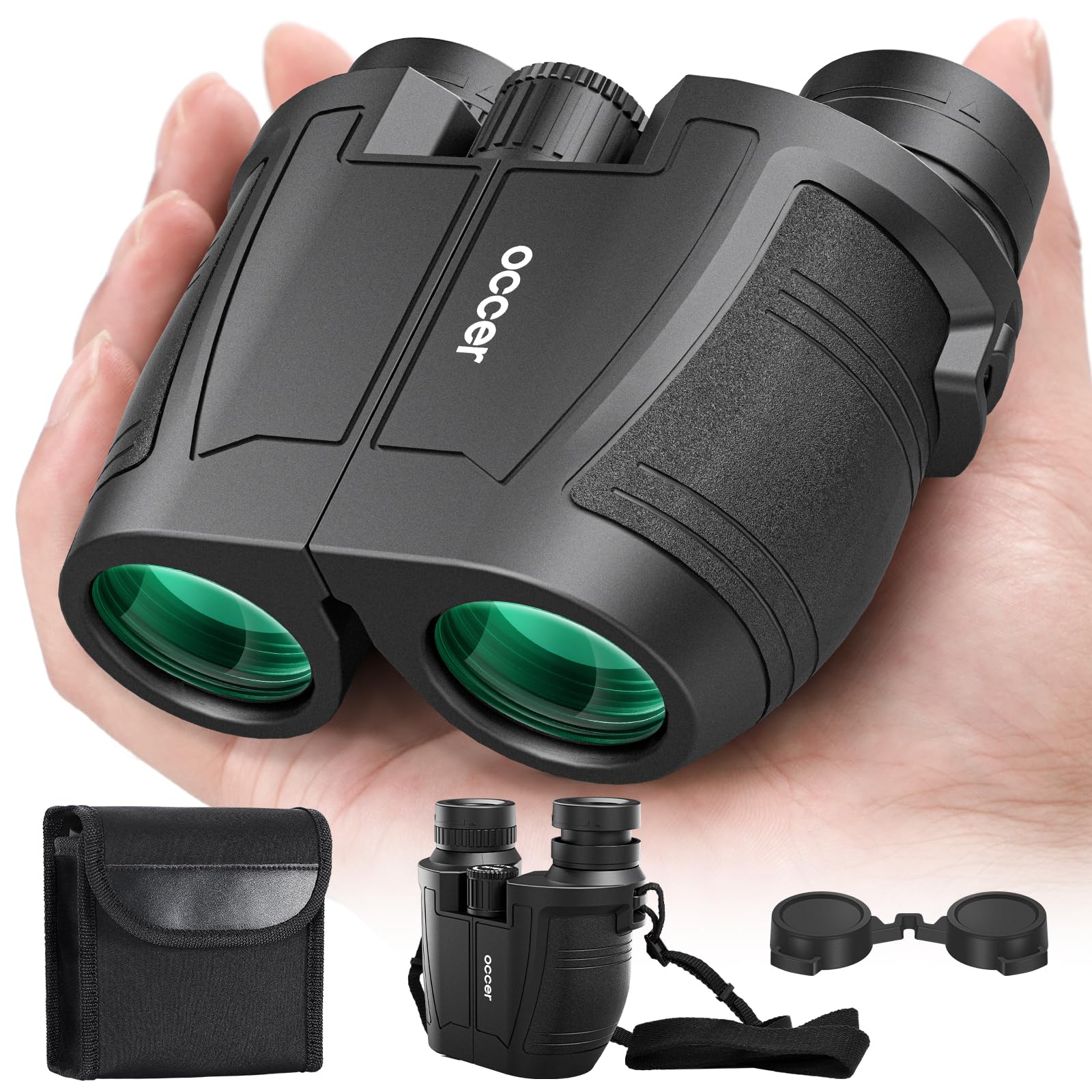
How To Choose The Best Compact Binoculars For Cruise Ships
Cruise ship binoculars face a unique test: they must fight sea spray, hold a steady image on a moving deck, and stay light enough to carry on every excursion. The first decision is magnification — a 10x or 12x power pulls distant coastline detail close without turning every wave into a blur.
Match Magnification to a Moving Deck
Higher power sounds tempting, but it amplifies hand shake and the ship’s motion, making the image harder to hold steady. A 10×25 or 12×25 model gives you strong reach while staying steady enough for quick glances at dolphins off the bow or landmarks sliding past the balcony.
Prioritize a Wide Field of View
On a moving ship, wildlife and landmarks pass quickly. A wider field of view, measured in feet at 1000 yards, lets you scan the horizon and lock onto a whale spout without hunting for it. Models with 300 feet or more at 1000 yards make tracking moving wildlife far easier than narrow, tunnel-like views.
Check Eye Relief for Glasses Wearers
For glasses wearers, eye relief—the distance in millimeters your eye can sit from the lens—determines if you see the full view. Longer eye relief, around 15 to 20 millimeters, lets you keep your glasses on and still take in the full view. Shorter relief forces you to press the eyecups against your eye or remove your glasses entirely.
Quick Comparison
| Model | Best For | Magnification | Field of View | Eye Relief | Amazon |
|---|---|---|---|---|---|
| Leupold BX-1 Rogue 10×25★ Best Overall | Low-light clarity & build | 10x | 5.6 degrees | 15 mm | Amazon |
| Occer 12×25 CompactBudget Champion | Pocket portability on a budget | 12x | 7.5 degrees | 20 mm | Amazon |
| Occer 12×32 CompactBright-View Pick | Bright views in a small body | 12x | 288 ft | — | Amazon |
| deesoo 25×32 Compact | High zoom for distant wildlife | 25x | 175 ft | 15 mm | Amazon |
| Barska 10×25 Waterproof | Family-friendly all-weather use | 10x | 303 ft | 10.5 mm | Amazon |
| Celestron Outland X 10×25 | Trusted brand travel companion | 10x | 6.2 degrees | 9.1 mm | Amazon |
| Nikon Trailblazer II 8×25 | Steadiest image on deck | 8x | 60.3 degrees (apparent) | 10 mm | Amazon |
| Nocs Provisions 10×25 | Style plus rugged waterproofing | 10x | 315 ft | 10 mm | Amazon |
| Nikon Trailblazer 10×25 | Shirt-pocket clarity | 10x | 59.2 degrees (apparent) | 6.3 mm | Amazon |
In‑Depth Reviews
1. Leupold BX-1 Rogue Binoculars, 10x25mm
Our pick — over 4.5★ from 750+ verified ratings; the strongest balance of quality and price.
The low-light specialist that keeps distant ships and shoreline crisp as dusk settles over the deck.
When the sun drops and the sea turns gray, this is the pair you want in your hands. The Advanced Optical System cuts glare in harsh light and keeps images resolving clearly, so you can keep watching whales as the light fades. Buyers report you can even see longer at last shooting hours from a deer stand.
At 10x25mm, it delivers the steady reach that suits a moving ship, and the inverted Porro prism design keeps the body remarkably small and light without sacrificing the view. The rubber armor coating gives you a positive grip even when sea spray makes everything slick, and it is 100% waterproof and fogproof, so a drizzle on the observation deck is no threat.
The 5.6-degree field of view is narrower than the Occer 12×25’s 7.5 degrees, so you scan a slightly smaller window of ocean. What you gain is build quality that owners repeatedly call out — the quality is the single most-praised trait here, with over 100 buyers mentioning it, and clarity is the close second at 77 mentions. If you wear glasses, the 15-millimeter eye relief is serviceable, though not as generous as the 20-millimeter relief on the Occer.
pocket-sized clarity: Leupold pairs premium optical engineering with a waterproof, fogproof shell, so your cruise investment survives both rough seas and bright sun.
small objective lens: Its field of view is tighter than budget rivals, so you will sweep the horizon in a few more passes.
compact carry: you want a rugged, dependable optic that excels when light gets dim.
low-light use: scanning maximum ocean width is your top priority and you want the absolute smallest pocket profile.
2. Occer 12×25 Compact Binoculars
A palm-sized powerhouse that owners say looks far pricier than it is.
This is the pair that disappears into your purse or saddlebag and still delivers. Owners mention the view is “clear as + Nikons at,” a bold claim softened by the fact that the actual magnification measures closer to 8x than the 12x label — still plenty for spotting coastal birds and islands from your balcony.
The 20-millimeter eye relief is the best in this entire lineup, beating the Leupold’s 15 millimeters. That means glasses wearers can keep their frames on and still see the full scene, a real comfort on a long day of shore excursions. The 7.5-degree field of view is also wider than the Leupold’s 5.6 degrees, so you catch more ocean in a single glance.
Quality is the standout here, with over 2,100 owners praising it and value for money right behind at 1,500 mentions — a strong sign for a travel tool you might knock around. Its ABS plastic body with rubber armor keeps it light, and the life waterproofing handles an unexpected drizzle.
budget-friendly view
- Fits in a shirt pocket for easy deck access
- Generous eye relief for glasses wearers
- Clear, bright image at a budget-friendly cost
plastic build
- Real magnification sits below the 12x label
- Plastic build feels less premium than metal rivals
first pair: you want near-premium clarity for a fraction of the cost and slip it into a pocket all day.
rugged trips: you demand exact magnification specs and a metal-bodied instrument.
3. Occer 12×32 Compact Binoculars
The bigger 32-millimeter lens pulls in noticeably more light for dawn and dusk deck duty.
Here is the honest trade-off of compact optics: a 25-millimeter objective lens on the Leupold keeps the body tiny but limits how much light gets in. This Occer steps up to a 32-millimeter objective lens — 7 millimeters wider — which translates to a brighter view when the sun is low or clouds roll in. A buyer heading off on a cruise already confirmed the choice, noting these beat a similar pair on ease of focus and sharpness.
At 12x magnification with a 288-foot field of view at 1000 yards, it offers more reach than a 10x model while keeping enough width to follow moving wildlife. The rotating eyepieces adjust in height, so glasses wearers can use them comfortably and non-wearers can pop them up for a focused, full view.
Buyers consistently describe these as incredible value, with one owner calling them “the clear winner” after trying many compact pairs — they reach for them 99% of the time over pricier, larger binoculars. The 2.67-millimeter exit pupil is slightly larger than the Leupold’s 2.5 millimeters, which helps images stay bright in the dim light that cruise decks are famous for.
open scenes: you want stronger magnification and brighter low-light performance without pulling out a heavy full-size optic.
long hikes: the slightly larger body still feels too big and you prefer the absolute smallest pocket fit.
4. deesoo 25×32 Compact Bird Watching Binoculars

Aggressive 25x power for pulling distant coastline and wildlife right up to your balcony.
Most compact binoculars cap out at 10x or 12x, but this one pushes to 25x — enough reach to read the name of a ship miles away or watch a pod of dolphins carve through the water from the top deck. The 32-millimeter objective lenses with fully multi-coated optics and BAK-4 prisms claim 90% light transmission for clear, sharp imaging in the low light of dawn or dusk.
The trade-off for that extreme zoom comes in the field of view. At 175 feet at 1000 yards, it shows you a much narrower slice of the world than the 288-foot view of the Occer 12×32, so tracking a fast-moving whale spout takes a steadier hand. Owners still call it crisp and surprisingly powerful, with image quality praised by over 80 buyers.
If you wear glasses, the 15-millimeter eye relief works well, and the twist-up eyecups adjust for both eyeglass wearers and direct viewers. The caveat repeated in reviews is that some owners doubt the 25x label, and at this power, any hand shake becomes very visible — on a rocking ship, you may want to brace your elbows on the rail when you zoom in.
static viewing: you want maximum reach to inspect far-off ships, lighthouses, and wildlife in detail.
moving subjects: you will mostly scan wide ocean horizons, where the narrow field makes tracking harder.
5. Barska 10×25 Waterproof Binoculars
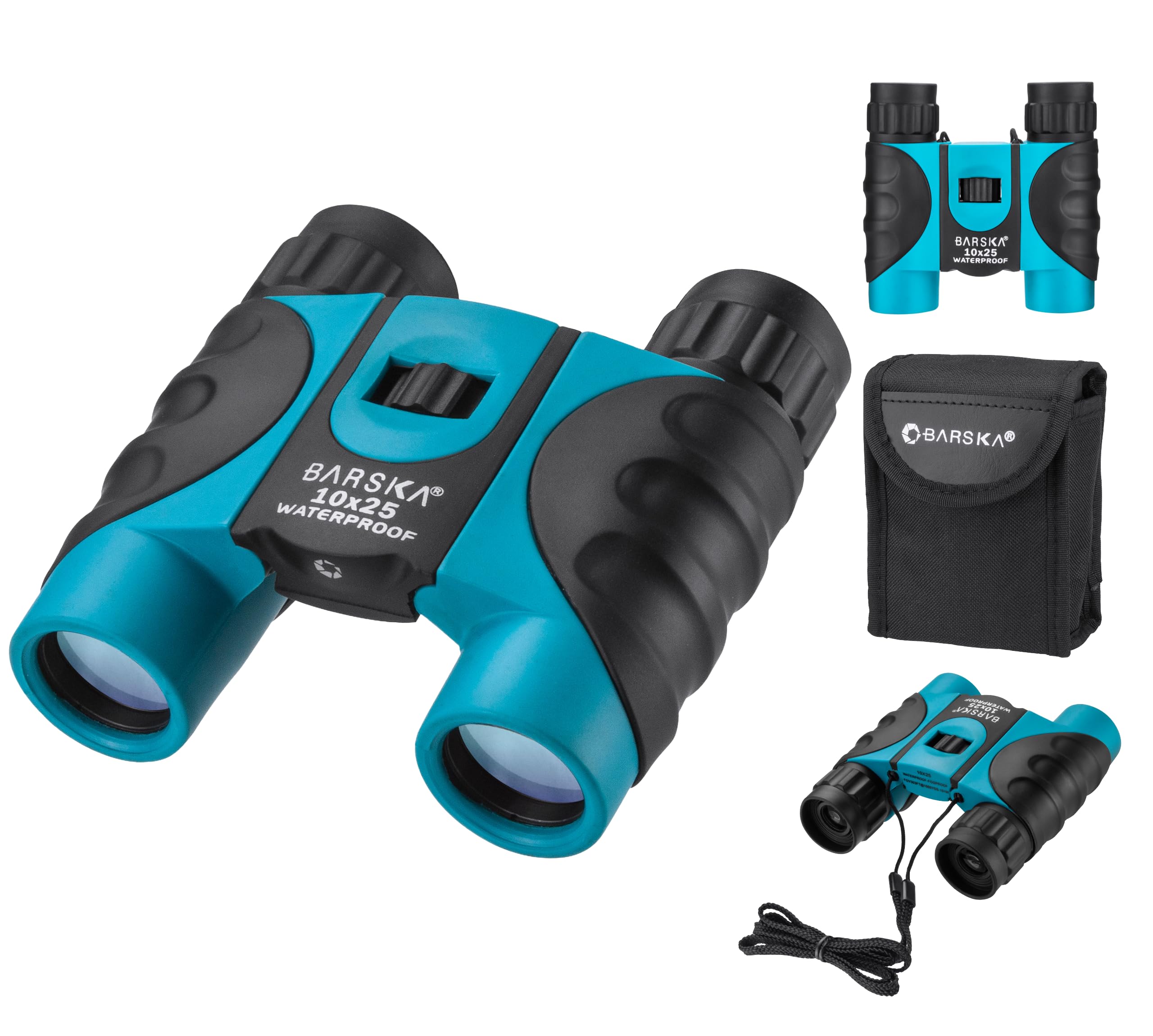
A rugged, waterproof companion that handles drizzle, bumps, and kids’ hands alike.
If there is one thing a cruise deck guarantees, it is moisture — sea spray, sudden rain squalls, and humid air that fogs lesser lenses. This Barska is dry nitrogen-purged and O-ring sealed, making it waterproof, fogproof, and shockproof under its rubber armor. A buyer specifically bought it for an Alaska cruise balcony, and it delivered, with owners praising how it works well even in stormy weather.
At 10x25mm, it gives a practical 303-foot field of view at 1000 yards — wider than the occer 12×32 — that suits scanning for porpoises and reading harbor signs. The fully coated optics keep the image bright, and the compact body folds down to a snug size that slips into a belt case. Owners find it a strong value, with over 90 buyers calling out value for money as the top trait.
The catch is ergonomics rather than optics. Some owners mention the neck strap feels thin and the hand grips can peel over time, which matters on long days of continuous viewing. Eye relief is a short 10.5 millimeters, so glasses wearers may find the full view harder to achieve without pressing the eyecups close.
wet weather: you want a tough, weather-sealed pair that the whole family can pass around without worry.
bright detail: you wear glasses and need longer eye relief for a comfortable full view.
6. Celestron Outland X 10×25 Compact Binoculars
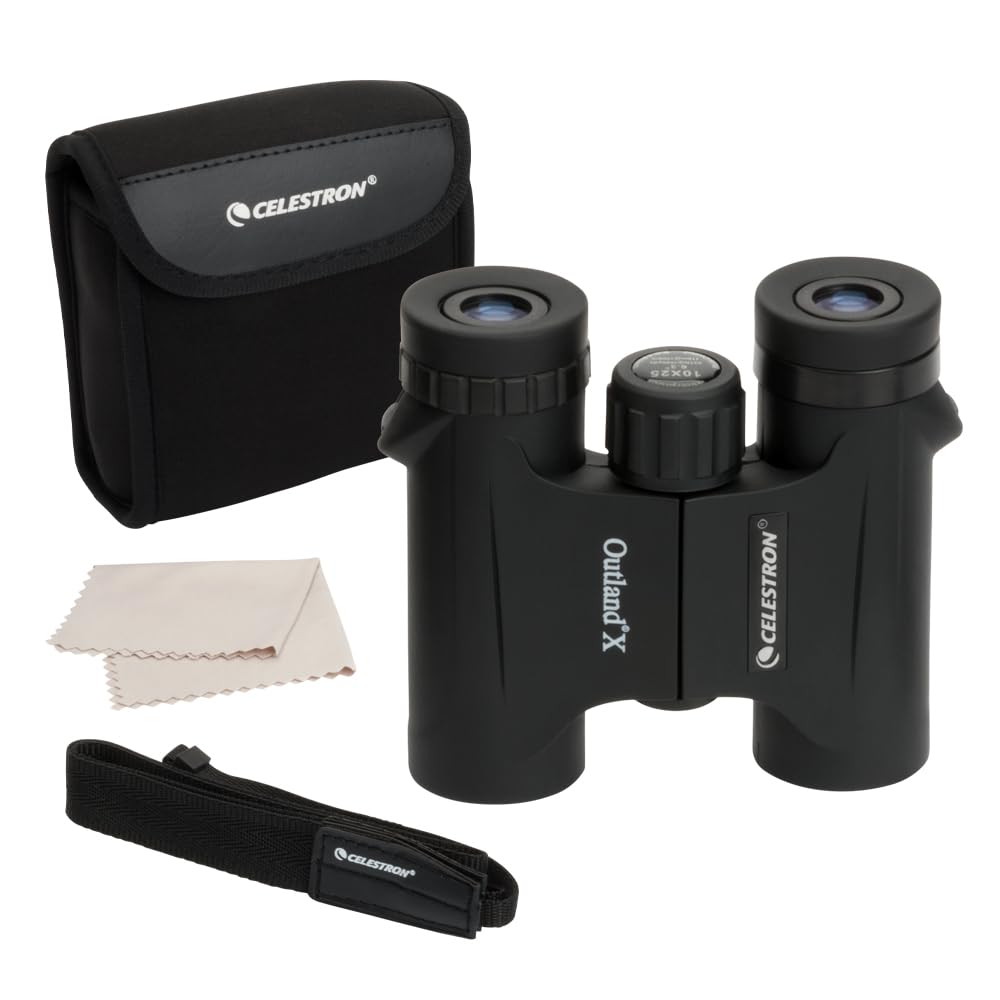
A California optics house since 1960 packs dependable clarity into a rain-ready pocket shell.
Celestron is a name stargazers trust for telescopes, and that optical pedigree shows here. The multi-coated lenses boost light transmission while the BaK-4 prisms produce sharp, color-accurate images — exactly the quality you want when identifying a far-off whale species or a coastal fort. Owners confirm it shines on an Alaskan cruise, spotting bears, mountain goats, and otters from the ship.
The 10×25 configuration hits the balance of steady reach and true pocket portability, and the rubber-armored polycarbonate housing shields against the inevitable bumps of travel. Waterproof and nitrogen-purged, it refuses to fog up in rain, snow, or the humid sea air. The wide 6.2-degree angular field of view makes following moving subjects across the water easier than tunnel-vision rivals.
Where it falls short is eye relief. At 9.1 millimeters, glasses wearers will likely need to take their frames off to see the full image. Owners generally agree it delivers great value for the price, with several noting it rivals pricier compact models, and the limited lifetime US warranty adds confidence for years of cruises.
sharp image core: travelers who want a respected brand, rugged build, and true waterproofing at a fair cost.
narrow eye relief: short eye relief means eyeglasses wearers lose the full field unless they remove them.
eyeglass wearers: a reliable brand and a waterproof, fog-proof build matter more than any single headline spec.
quick glances: you insist on keeping your glasses on for every view.
7. Nikon Trailblazer II 8×25
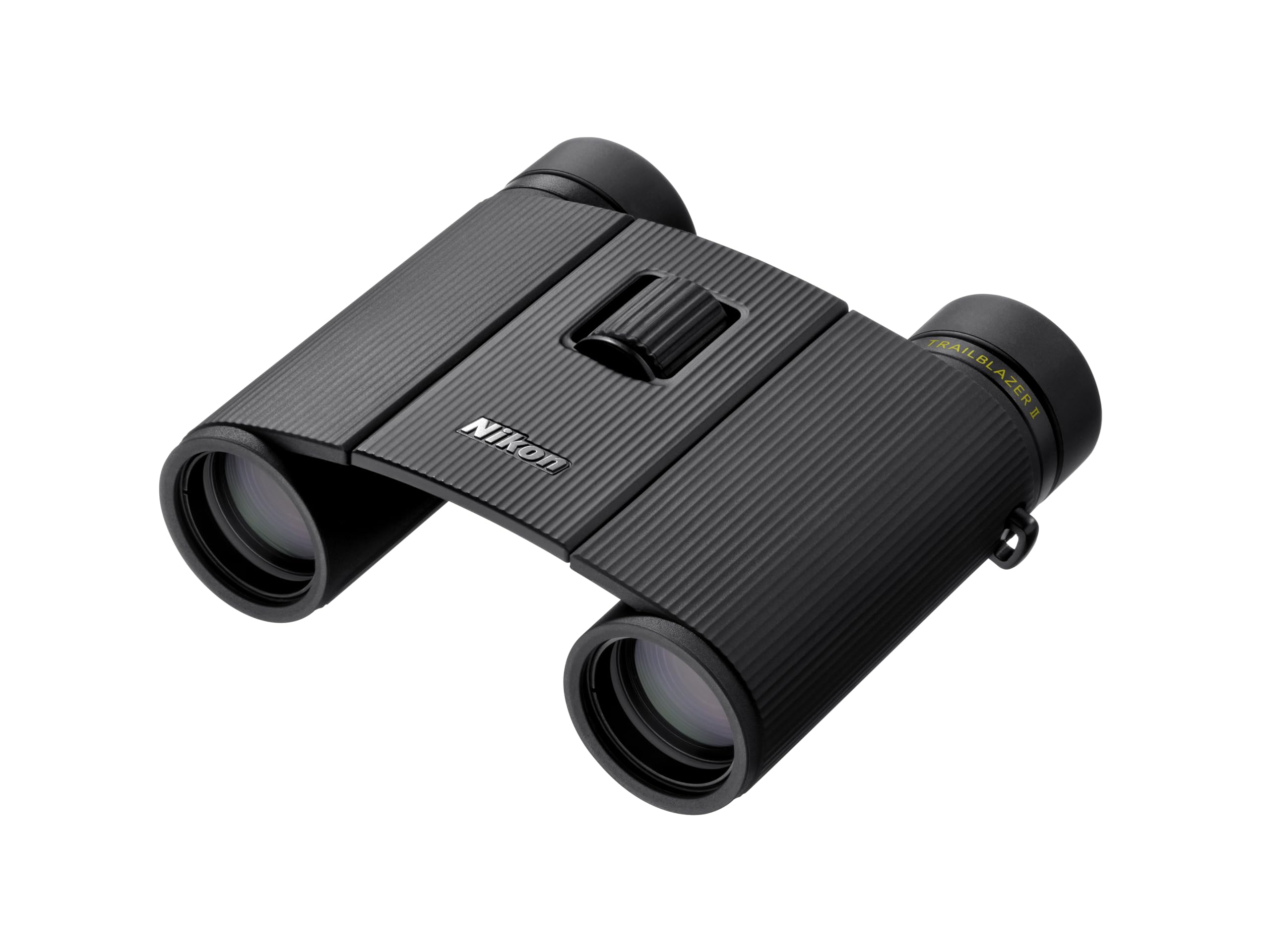
The calm-eyed 8x option that holds a rock-steady image when the ship rolls.
Most cruise buyers chase maximum magnification, but there is a strong case for stepping down to 8x. With less zoom, every wave and deck tremor shakes the image far less, and you gain a wider apparent field of view at 60.3 degrees that makes scanning the horizon feel easy. It is a smart choice if you have never used binoculars on water before.
Nikon’s multilayer-coated lenses and larger objective lens diameter deliver bright, clear images, and the turn-and-slide rubber eyecups with multi-click positions make it easy to set your eyes at the correct eyepoint — with or without glasses. The rubber armoring gives shock resistance and a firm grip when your hands are damp from sea spray. Owners who carried it to Alaska’s wildlife spots found they could see far away clearly and up close, and it slips easily into a pocket.
Quality is the trait buyers praise most, mentioned 22 times in reviews, with compact size close behind. The 10-millimeter eye relief is adequate for glasses wearers, though not as generous as the Occer models. The weak point owners flag is the removable lens caps, which they say need to fit tighter so they do not get lost in transit — a small annoyance, not a deal-breaker.
glasses users: you want the most forgiving, steady view on a moving ship and value Nikon’s optical reputation.
fast tracking: you specifically want more reach than 8x can provide for distant landmarks.
8. Nocs Provisions Standard Issue 10×25

A pocketable 11.85-ounce optic with a patented grip and colors that stand out on any deck.
These binoculars look good enough to wear as an accessory, and they back the style with real performance. The Swiss-designed Bak4p prism and fully multi-coated optics deliver a bright field of view, with a 315-foot span at 1000 yards that scans the ocean efficiently. A birder keeps a pair in her purse specifically for spotting anywhere, proof that this size disappears into daily carry.
The patented Rugged Wave Grip means no slip in your palm, even when sea spray soaks everything, and the impact-resistant housing protects the optics from the inevitable drops of travel. Scratch-proof, fog-proof, and fully waterproof, it is designed to roam. The multi-stop twist-up eyecup mechanism gives three distinct positions so eyeglass wearers and bare eyes both find a comfortable fit.
Owners rave about the clarity, with quality praised 34 times and image quality 21 times, alongside the cool color schemes. The “No-Matter-What” Lifetime Warranty is a confidence boost no other pick here matches. The honest limitations: the field of vision is a bit limited and some find the focus setup takes getting used to, with one owner returning it for lacking independent diopter adjustments.
fashion statement: you want a rugged, great-looking, lifetime-warranteed pair you will actually keep on you.
value seekers: you need independent diopter adjustments for eyesight that differs significantly between eyes.
9. Nikon Trailblazer 10x25mm Binoculars
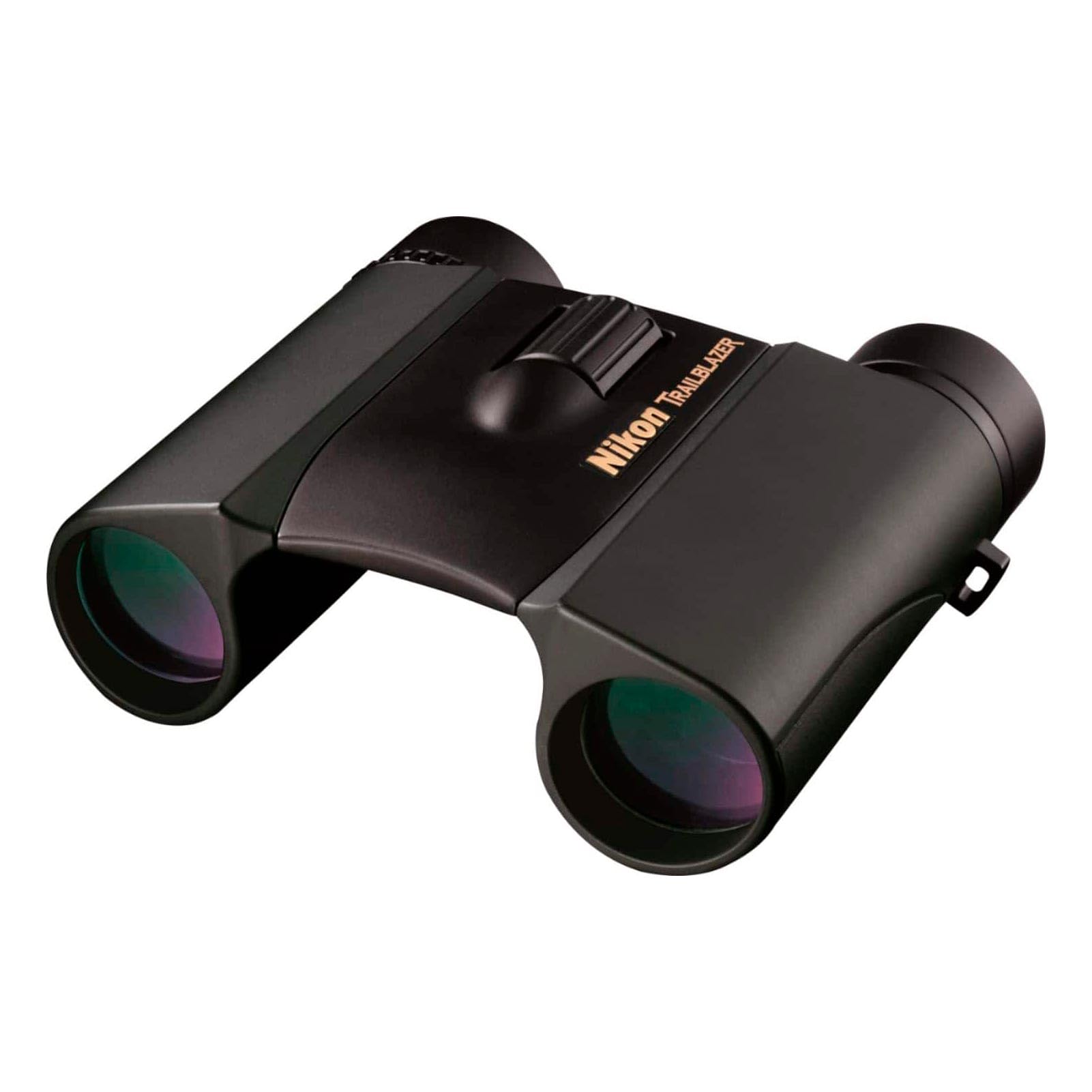
The shirt-pocket Nikon that owners call the best pocket binocular in existence.
Sometimes a single owner verdict says it all: “Best pocket binoculars that exists.” This Trailblazer folds down into a truly pocket-sized package while delivering crisp, high-contrast views from edge to edge, thanks to fully multi-coated lenses that enhance brightness and color accuracy even in dim light. For a cruise, that means a whale spout at dusk still resolves clearly.
Nitrogen-filled and O-ring sealed, it is fully waterproof and fogproof against the damp sea air, and the shock-absorbing, rubber-armored body gives a firm, non-slip grip in all conditions. The smooth central focus knob allows rapid adjustments from close-up harbor details to distant mountain ranges. Owners consistently praise the clarity — with 111 mentions it is the most-cited strength — and the compact size is a close second at 100 mentions.
The critical weakness is eye relief. At just 6.3 millimeters, it is the shortest in this guide, so glasses wearers will struggle to see the full field and may need to remove their frames entirely. Owners also note the lens caps are easy to lose and the eyecups can feel loose. It manages to nearly match the larger Nikon Monarch 10×40 in performance, but the 25mm lens needs good light — dim conditions produce a dimmer image.
reliable brand: optics this sharp, in a body this small, make it a joy for quick wildlife spotting on any excursion.
outdated coating: with only 6.3-millimeter eye relief, it is a poor match for eyeglasses wearers.
trusted name: you do not wear glasses and want the best possible clarity in a fold-up pocket format.
modern optics: you need to view comfortably with your glasses on — the short eye relief will frustrate you.
Understanding the Specs
Magnification and Objective Lens
The first number, like 10x or 12x, indicates how many times closer an object appears. The second number, like 25mm or 32mm, is the front lens diameter in millimeters, controlling light intake. A larger objective lens yields a brighter low-light image but adds weight and bulk—the key trade-off on a cruise.
Field of View, Measured in Degrees or Feet
This spec tells you how wide a scene you can see at a glance. It is often given as an angle in degrees or as feet visible at 1000 yards. A wider field makes it far easier to track a moving whale or dolphin because you can keep it in view longer before you have to adjust.
FAQ
Is 10x or 12x magnification better for a cruise ship?
Will compact binoculars fit in my pocket or day bag?
What eye relief do I need if I wear glasses?
Why does waterproof and fogproof matter on a cruise?
Is a wider field of view worth prioritizing?
What does a larger objective lens, like 32mm, do for me?
How do I focus compact binoculars quickly?
Can I use compact binoculars for stargazing on the ship at night?
What is the difference between 8x and 10x for a beginner?
Are cheap compact binoculars worth it for a cruise?
Final Thoughts: The Verdict
For most people, the compact binoculars for cruise ships winner is the Leupold BX-1 Rogue 10×25 because it pairs premium low-light clarity with a waterproof, fogproof shell that shrugs off the sea air. If you want the widest field of view and the best eye relief for glasses, grab the Occer 12×25. And for maximum reach to pull distant ships and shorelines into sharp focus, the deesoo 25×32 is the one to reach for on the top deck.
How We Picked
We do not accept paid placement. Every pick is matched to a real buyer and a real use-case; we do not hands-on test units.
Sources & Methodology
Specifications: manufacturer listings and product documentation. Review insights: verified customer reviews, as of August 2026. Pricing: not shown on this page (it changes often); check the current price via the retailer link.
As an Amazon Associate, FitlyFast earns from qualifying purchases. This does not affect which products we feature.