
Our readers keep the lights on and the weekend projects moving. As an Amazon Associate, I earn from qualifying purchases.
Specs are compiled from manufacturer listings and verified buyer reviews and can change over time — please confirm the key details on the product page before buying.
Choosing a roll of 35mm color film today feels like a gamble—every stock has its own personality, and a bad pick means 36 wasted shots. The modern film market has settled on a few reliable stocks that deliver that warm, grainy analog look while staying affordable. This guide cuts through nostalgia marketing to find rolls that perform in golden-hour portraits and noon street scenes alike.
I’m Rikta — the founder and writer behind FitlyFast. This guide is built by comparing the manufacturers’ published specifications and the patterns across verified customer reviews, so you get each pick’s real strengths and trade-offs instead of marketing spin.
Your camera body matters less than the emulsion you feed it, so here is the honest breakdown of the best color film 35mm stocks for every shooter and budget.
Our Picks at a Glance


How To Choose The Best Color Film 35mm
The single most important decision is the film’s ISO (light sensitivity rating). A higher ISO—like 400—lets you shoot in dimmer conditions without a flash, while a lower ISO like 100 forces you into bright daylight but rewards you with finer grain. Everything else—color saturation, contrast, grain—is personality.
Match the speed to your light, not your brand loyalty
You want shots that stay bright and clear, not muddy and dark. If you shoot mostly outside in sunlight, a 200-speed film (ISO 200, a measure of light sensitivity) is the forgiving balance. For parties, dinners, or cloudy streets, step up to 400 speed (ISO 400) so your shutter stays fast enough to avoid blur.
Decode the grain you actually want
Grain is not a flaw—it is the texture that makes film feel filmic. Lower ISO stocks like 100 show less grain, which is ideal for landscapes and portraits you want to print large. Higher ISO stocks deliver a chunkier, retro texture that many street photographers chase on purpose. Read the reviews to see which rolls owners call “grainy” versus “smooth” so the look matches your intention.
Quick Comparison
| Model | Best For | ISO Speed | Exposures | Pack Size | Amazon |
|---|---|---|---|---|---|
| Kodak ColorPlus 200 (4-Roll)★ Best Overall | Best Overall / Beginners | 200 | 36 | 4 Rolls | Amazon |
| Kodak Kodacolor Gold 200 (3-Pack)Reliable Classic | Reliable Classic | 200-399 | 36 | 3 Rolls | Amazon |
| Kodak ColorPlus 200 (5-Roll) | Travel / Stockpile | 200 | 36 | 5 Rolls | Amazon |
| Fujifilm Fujicolor 100 | Classic Fuji Look | 100 | 36 | 1 Roll | Amazon |
| Fujifilm 400 (3-Rolls W/ Cloth) | Low Light Versatility | 400 | 36 | 3 Rolls | Amazon |
| Ktsxxops ECN-2 Process (8 Sheet) | Budget Experiment | 200-250 | — | 8 Sheet | Amazon |
In-Depth Reviews
1. 4 Rolls of Kodak Colorplus 200 ASA 36 Exposure
Our pick — over 4.5★ from 950+ verified ratings; the strongest balance of quality and price.
The forgiving everyday roll that makes first-timers look like they know what they are doing.
At ISO 200 with 36 exposures per roll, this Kodak stock is built for bright, casual shooting—the kind where you point, shoot, and trust the film to sort out the details. It is a color negative film, which means it has wide latitude for exposure errors, so a slightly overexposed shot still comes back with rich, saveable tones instead of blown-out whites.
Owners consistently call it a beginner’s best friend, praising how easy it is to load and unload. The colors lean warm with a gentle, pleasing grain that gives photos that analog charm without looking harsh. As buyers report, “The colors look nice, its not bad quality grain or anything,” and many confess they are swapping out pricier stocks for this one.
The crowd favorite here—backed by a 4.8-star average across 900+ ratings—is anchored by a reputation for quality. What wins people over is the film quality itself, with the value for money as a close second. It is a 2.0x ISO gap over the Fujicolor 100 above, but that speed difference buys you the freedom to shoot in softer light.
What wins shooters over
- Warm, flattering tones with excellent shadow detail
- Forgiving exposure latitude hides beginner mistakes
- Four rolls per pack keeps cost per frame low
Know before you buy
- Grain is visible up close, so not ideal for huge enlargements
- Strictly a daylight film—expect muddy results indoors
Reach for this if: you want the safest, most flattering first roll—or a reliable everyday stock for sunny adventures.
Look elsewhere if: you are shooting dim interiors or night scenes, where a 400-speed film will serve you far better.
2. Kodak Kodacolor Gold 200GB 135-36 CN 3P Film
The old-soul stock that delivers vintage pastel vibes straight from the start.
This is the roll you load when you want your everyday snapshots to look like they belong in a 90s photo album. Kodacolor Gold runs at a base ISO of 200 but is rated up to 399, giving you a little extra flexibility in mixed lighting. Each of the three rolls gives you 36 exposures, and the color negative process keeps things forgiving.
First-time film shooters report a distinctive “LA” style pastel tone in natural daylight, with a soft vintage feel that needs no filter. Owners call it highly reliable, with one fan summing it up as a film they have “bought many times” and have “never let me down.” It is the closest thing to a guaranteed-good-time roll in this lineup.
What wins people over is the dependable quality, and the three-pack price is the reason many make it their default. The honest trade-off is that it is not a specialty stock—it won’t give you punchy, saturated color for bold artistic statements, but it nails the nostalgic everyday look.
A dependable partner: this is the film to grab when you want consistent, pretty results without thinking about it. Its strength is reliability, not drama.
The one caveat: if you crave intense, saturated colors, this pastel-leaning stock might leave you wanting more punch.
3. 5 Rolls of Kodak colorplus 200 ASA 36 Exposure
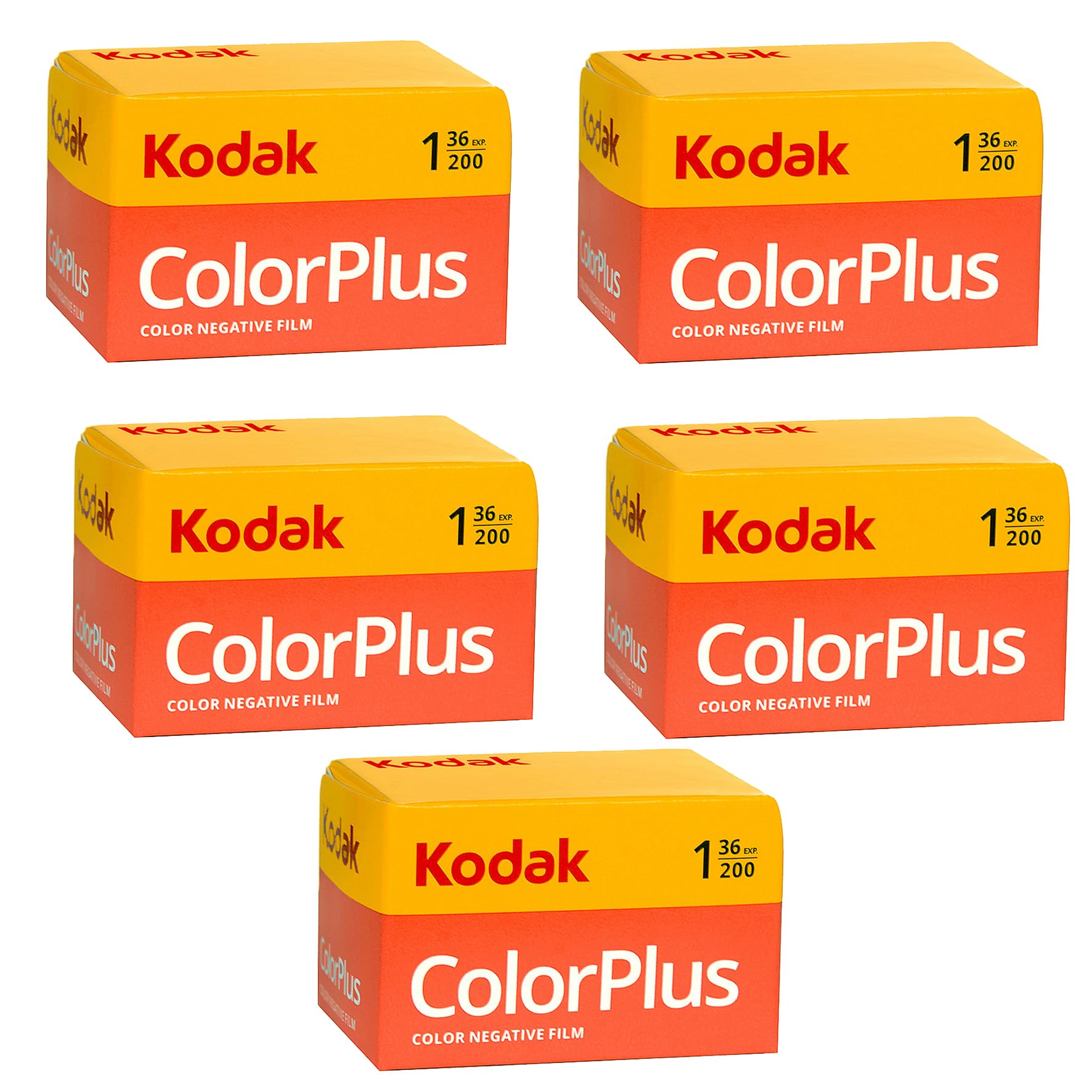
A five-roll brick for the shooter who wants to stop rationing shots and just go shoot.
This is the same beloved ColorPlus 200 emulsion as our top pick, but in a bigger five-roll bundle that changes how freely you shoot. With 36 exposures on each of the five rolls, you get 180 frames to burn through—plenty for a week-long trip or a month of casual street photography without hunting for a restock.
Owners call it the perfect daytime and travel film, noting how forgiving it is even when you over or underexpose a bit. The recurring warning is clear though: this film is not meant for low-light photography. Shots taken at dusk or indoors come out muddy, so treat it as a strict sun-and-clouds companion.
What wins people over is the overall quality at this volume, and the value is genuinely tough to top for a stock you will burn through quickly. It is a great “test film” for older cameras too—owners mention using it to check that vintage bodies still fire properly, since the cost per roll stays low.
Why the bulk works
- Five rolls means you actually shoot instead of hoarding
- Forgiving highlights rescue slightly off exposures
- Great low-stakes option for testing old cameras
Keep it in daylight
- Not built for low light—expect poor results at night
- Fine grain means it is not for large-format prints
Who this serves: travelers and new shooters who want a deep supply of forgiving, attractive film without constant reordering.
Who should skip: anyone planning indoor or evening shoots, where you will wish you had a 400-speed roll instead.
4. FUJIFILM 135 FUJICOLOR-S 100 36EX 1 1.4 inches (35 mm) Color Negative Film

The slow, fine-grained roll that delivers that unmistakable Fuji color science.
At ISO 100, this is the slowest stock in our lineup, which means it demands bright conditions but rewards you with exceptionally fine grain and crisp detail. It is a daylight-balanced color negative film with 36 exposures per roll, and it carries a reputation for that “classic Fuji look”—a specific color rendering that loyalists describe as amazing in proper lighting.
The emulsions here are the real deal, with owners confirming the genuine Fujifilm quality that produces those signature tones. The catch is that this single roll sits at a premium price point compared to what you get per roll from the Kodak multi-packs, so you are paying for that specific color character rather than sheer volume.
It is a 2.0x ISO gap down from the Kodak ColorPlus 200, meaning it has far less flexibility in overcast or indoor conditions. But for a bright, sunny portrait session where you want maximum sharpness and that subtle Fuji palette, this is the roll serious shooters reach for.
The purist’s pick: if you love Fuji’s color fingerprint and shoot mostly in strong daylight, this delivers a look you cannot quite replicate on other stocks.
Fair warning: the single-roll format and premium pricing make it a splurge rather than an everyday workhorse—buy it for the color, not the value.
5. FUJIFILM 400 Color Negative Film (35mm Roll Film, 36 Exposures, 3-Rolls) + Cloth

The fastest stock on this list, built for golden hour, cloudy days, and indoor adventures.
With an ISO of 400, this Fujifilm roll is twice as sensitive to light as the 200-speed Kodaks here, which open up the shooting scenarios they simply cannot handle. You can photograph a dimly lit cafe, a cloudy afternoon street, or the inside of a friend’s living room without reaching for a flash—all while keeping 36 exposures per roll across a convenient 3-roll pack.
The bundle even includes a BluebirdSales microfiber cleaning cloth so you can keep your lens dust-free for crisper shots. Owners praise its versatility and the lovely, natural skin tones it produces, with many calling it the film that goes with “almost every camera” they own.
Quality and value are the top praise points here, though color quality draws the most mixed feedback—some owners rave about the excellent results while a few find the colors slightly faded. It is a trade-off worth knowing: you gain flexibility, but the palette is a touch more subdued than Kodak’s punchier stocks.
Why go fast
- 400 speed handles low light and fast action without flash
- Natural skin tones for portraits in mixed lighting
- Bonus cleaning cloth is a thoughtful extra
The honest caveat
- Color saturation can read slightly faded to some eyes
- Premium multi-roll bundle costs more upfront
Best suited for: the all-weather shooter who hates flash and wants one roll that works from noon to night.
Think twice if: you are a Kodak color loyalist who wants maximum saturation—this one leans softer and more natural.
6. 35mm Color Print Film Professional Wide Exposure Range ECN 2 Process (8 Sheet)
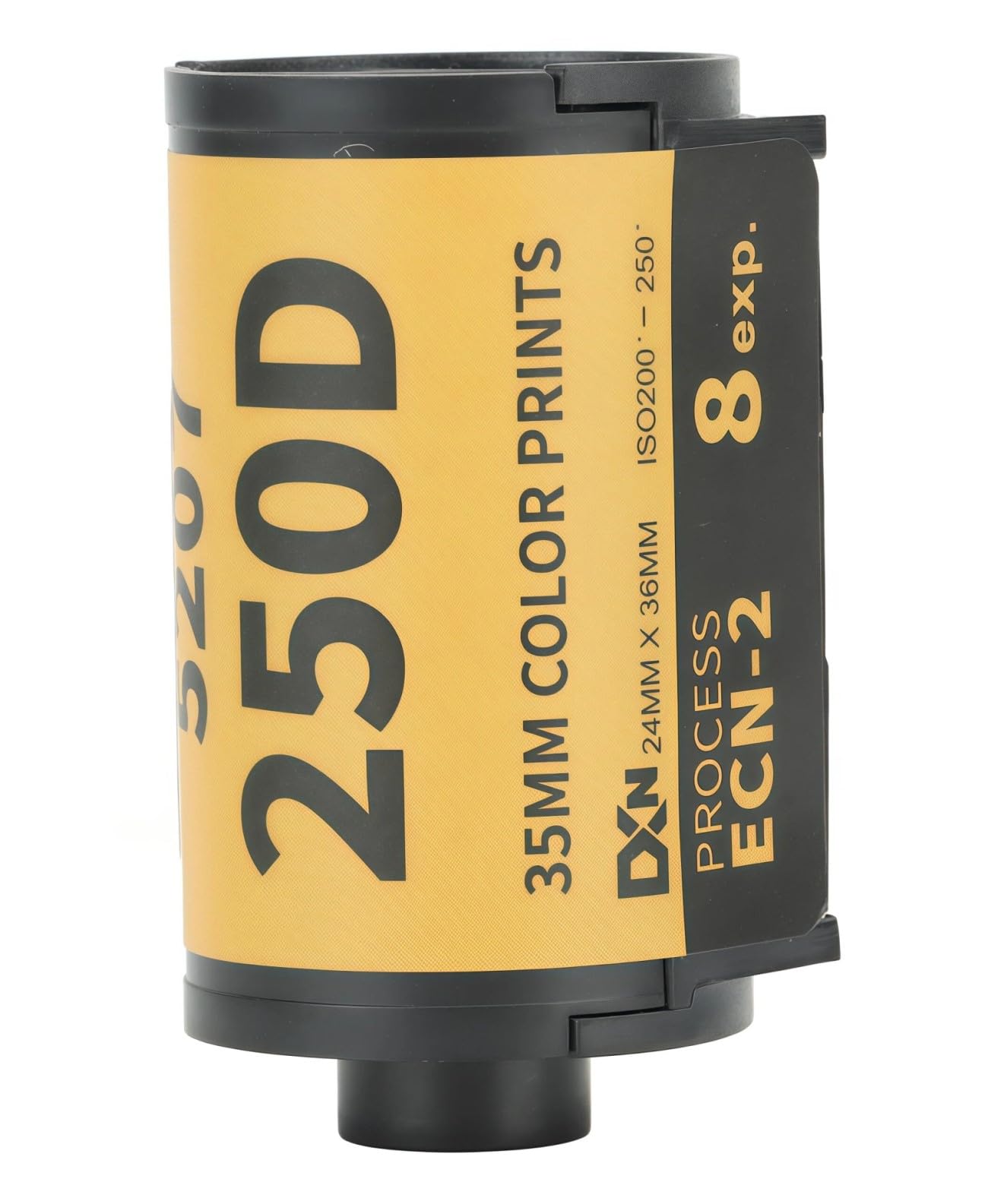
A cheap roll for tinkering—just mind the winding and keep your expectations realistic.
This is the budget entry in the lineup, a 35mm color print film rated at ISO 200-250 with a wide exposure range claim and a retro, high-contrast look baked in. It comes in a storage box with a single roll, marketed for everything from portraits to fast-action shots on 135 cameras.
The appeal here is purely the price point—it is the cheapest way to burn through a roll for fun or to test an unfamiliar camera body. A few owners are delighted with the easy installation and can’t wait to develop their shots, while others hit a frustrating snag where the film ripped upon winding to take another picture. That fragility is the trade-off you accept at this tier.
It sits below the mid-range pack on polish, and the reviews reflect that split personality. If you are learning and want to practice composition without spending much, this does the job. If you want a roll you can trust on an important outing, spend up for Kodak or Fuji.
A low-stakes practice roll: perfect for a first-time shooter or a quick camera test where the cost of failure is tiny.
Proceed with caution: the winding mechanism has been the sore spot in reviews—load it gently and you might avoid the rip entirely.
Understanding the Specs
ISO Speed and What It Costs You
ISO measures how sensitive the film is to light—the higher the number, the less light you need for a proper exposure. A 100-speed film forces you into bright sun but gives you the finest grain, while a 400-speed film lets you shoot dimmer scenes but adds visible texture. The trade-off is always sharpness versus flexibility.
Color Negative vs. Slide Film
Color negative film, which every roll in this guide uses, is the forgiving choice for beginners because overexposure doesn’t instantly ruin the frame. It gives you softer contrast and a wider range of printable tones. Slide film (also called reversal film, which produces a positive image) looks punchier but punishes exposure mistakes harshly, so it is best left to experienced shooters.
FAQ
What does the ISO number on a 35mm film roll actually mean for my photos?
Can I use these 35mm films in any analog camera?
Is Kodak ColorPlus 200 good for indoor photography without a flash?
What is the difference between ISO 100 and ISO 200 film?
How many photos can I get from a standard 35mm roll?
Which film looks best for skin tones in portraits?
Can I develop these color negative films at home easily?
Why does the Fujicolor 100 cost more than other single rolls?
Is the Ktsxxops ECN-2 film worth buying to save money?
Final Thoughts: The Verdict
For most people, the color film 35mm winner is the Kodak ColorPlus 200 4-Roll pack because it pairs the best balance of warm, flattering colors with a forgiving exposure latitude that flatters beginners. If you need to shoot dimmer scenes or evening portraits, grab the Fujifilm 400 3-roll bundle for its flexible speed. And if you want the biggest supply for travel or casual testing, the 5-roll ColorPlus pack is the one to reach for. Between the two Kodak 200 stocks, the ColorPlus edges out Kodacolor Gold on sheer review volume and beginner-friendliness, while Gold takes the crown for vintage pastel charm.
How We Picked
We do not accept paid placement. Every pick is matched to a real buyer and a real use-case; we do not hands-on test units.
Sources & Methodology
Specifications: manufacturer listings and product documentation. Review insights: verified customer reviews, as of August 2026. Pricing: not shown on this page (it changes often); check the current price via the retailer link.
As an Amazon Associate, FitlyFast earns from qualifying purchases. This does not affect which products we feature.