
Our readers keep the lights on and the weekend projects moving. As an Amazon Associate, I earn from qualifying purchases.
Specs are compiled from manufacturer listings and verified buyer reviews and can change over time — please confirm the key details on the product page before buying.
Alaska winter is a different beast — the wind cuts through ordinary coats like they aren’t there, and the thermometer can sit at -40°F for weeks. The coats that survive here aren’t fashion pieces; they are engineered shells with serious insulation, windproof seals, and comfort ratings that go far below zero. This guide breaks down the jackets that actually earn their place in an Alaskan closet, based on published specs and the patterns across thousands of verified owner experiences.
I’m Rikta — the founder and writer behind FitlyFast. This guide is built by comparing the manufacturers’ published specifications and the patterns across verified customer reviews, so you get each pick’s real strengths and trade-offs instead of marketing spin.
From -60°F workhorse parkas to down-insulated urban-ready shells, these are the coats for alaska winter that keep you warm when the cold stops being an inconvenience and becomes a fact of life.
Our Picks at a Glance

How To Choose The Best Coats For Alaska Winter
Choosing a coat for Alaska isn’t about picking the thickest option on the rack. It’s about matching the coat’s engineering — its insulation, shell, and sealing — to the specific temperatures and activities you’ll face. A coat that’s perfect for a snowmachine ride at -30°F might be overkill for a walk to the store in Fairbanks.
Start with the comfort rating, not the brand name
The single most useful number on a cold-weather coat is its comfort rating, usually listed in degrees Fahrenheit. A coat rated to -60°F is built for sustained arctic conditions, while one rated to -20°F is a solid winter workhorse but not a true expedition piece. This number tells you the temperature at which the coat is designed to keep a typical person warm while active, and it’s the fastest way to separate real arctic gear from fashion puffers.
Insulation is the engine — weight and fill matter
Look at how the coat is insulated. Synthetic insulation is measured in grams (like 400g or 600g), and more grams usually means more warmth. Down insulation is measured in fill power (like 600 Fill Down), which tells you how much loft and warmth you get per ounce. Down packs down smaller and is lighter for its warmth, but synthetic options often perform better when wet and are easier to care for.
The shell is your shield against wind and wet
A warm core means nothing if the wind cuts straight through the outer fabric. Look for shells described as windproof, water-resistant, or waterproof — and understand the difference. Water-resistant shells handle light snow and brief flurries, while waterproof shells with sealed seams keep you dry in steady rain or wet snow. In Alaska, wind is often the bigger enemy than moisture, so a wind-tight finish can matter more than a waterproof membrane.
Fit for layering is non-negotiable
Almost every serious cold-weather coat is designed to be worn over a base layer and a mid layer like a fleece or hoodie. That means the fit needs to allow room for those layers without being so baggy that cold air gets in. Review feedback on fit is the most honest source here — some coats run snug in the forearms, others run large in the torso, and knowing which one you’re buying saves you a return.
Quick Comparison
| Model | Best For | Comfort Rating | Insulation | Weight | Amazon |
|---|---|---|---|---|---|
| RefrigiWear Extreme Softshell★ Best Overall | Extreme cold with flexibility | -60°F | 400g Insulating Power | 5.68 lbs | Amazon |
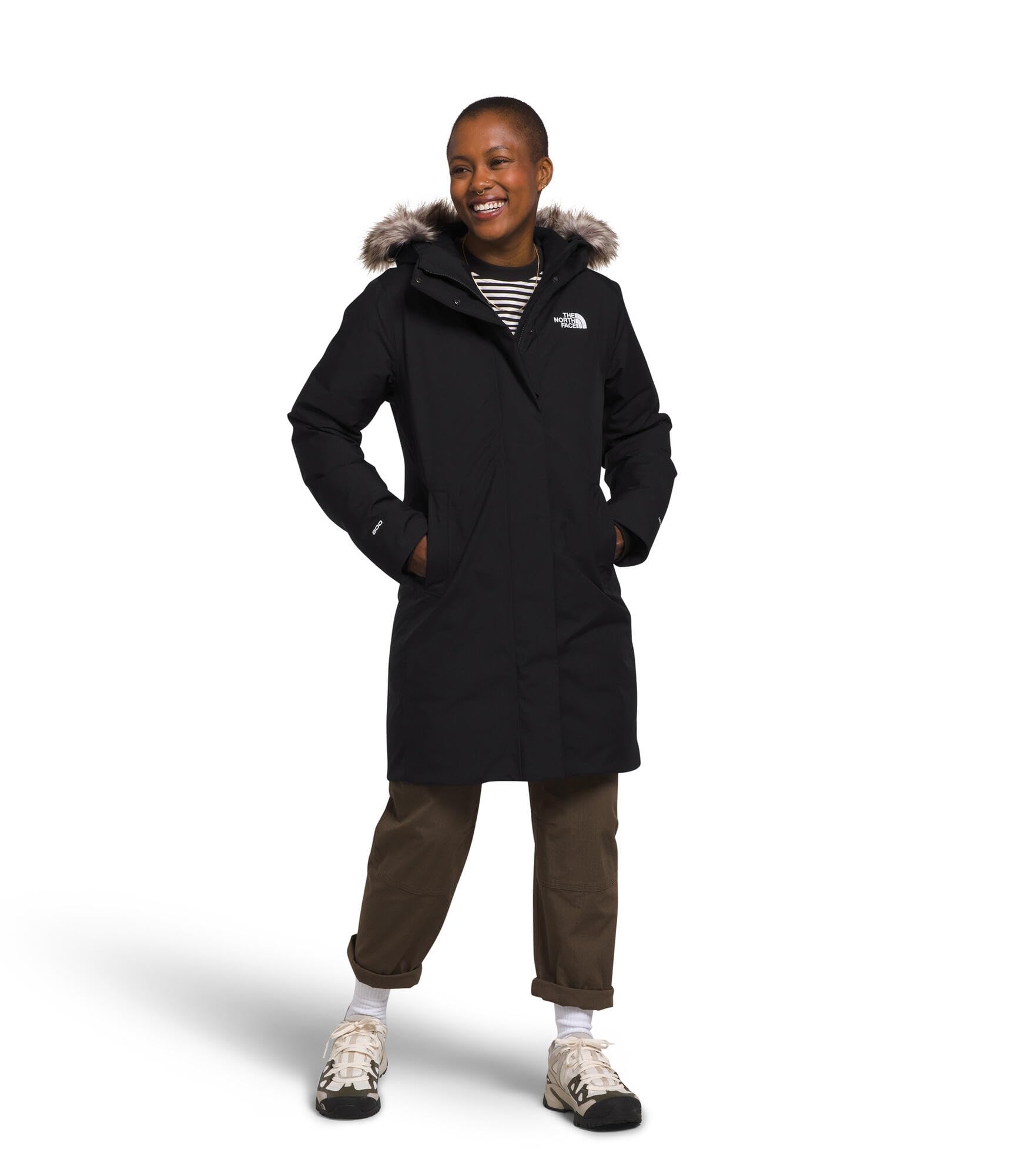
| The North Face Arctic ParkaMobility Pick | Women’s stylish extreme-cold wear | Extreme cold (not specified) | 600 Fill Down | 3.31 lbs | Amazon |
| The North Face McMurdo Parka | Men’s long waterproof urban parka | Extreme cold (not specified) | 600 Fill Waterfowl Down | — | Amazon |
In-Depth Reviews
1. RefrigiWear Extreme Softshell Insulated Jacket
Our pick — over 4.5★ from 150+ verified ratings; the strongest balance of quality and price.
The -60°F softshell that moves with you instead of fighting you, rated for the worst Alaska throws down.
You get genuine arctic-rated warmth without the stiff, armored feel of traditional work coats. This coat is comfort-rated to -60°F, the most extreme rating on this list, so it handles sustained arctic cold. Buyers report wearing it in single-digit temperatures with just a tech tee underneath and staying warm in a -20°F freezer with no extra layering. The insulation is 400g of insulating power, the same heavy-duty fill you’d expect from a serious winter workhorse.
What wins people over is the warmth — it’s the most-praised aspect by a wide margin, with the reflective foil liner trapping body heat so effectively that some owners say they actually get too hot and sweat. The waterproof shell handles snow and blizzards, and owners mention it performing well in South Dakota winters and holding up to snowmobiling abuse. It’s genuinely comfortable for a coat this warm, and the double zipper is a thoughtful touch for venting when you’re working hard. The crowd favorite here holds a 4.7-star average across roughly 190 owners.
There are honest trade-offs to know before you commit. The fit runs snug, especially in the sleeves, so the consistent advice from owners is to order one to two sizes up if you want to layer a hoodie underneath. It’s also heavy — at 5.68 pounds — and some describe it as bulky, which is the price of that extreme insulation. There’s no hood on this model, so plan for a separate hat or balaclava when the wind picks up.
What wins owners over
- Extreme -60°F comfort rating that owners say is credible in real arctic conditions
- Reflective foil liner traps heat so well some buyers get too warm
- Waterproof shell stands up to snow and blizzards
- Double zipper and flexible build keep it wearable for active tasks
The honest trade-offs
- Runs snug in the forearms — most owners recommend sizing up one to two sizes
- Heavy at 5.68 pounds, which some find bulky for everyday wear
- No hood included, so you’ll need separate head protection
Reach for this if: you need the maximum cold rating on this list and want flexibility to move while wearing it — snowmobiling, ice fishing, or sustained subzero outdoor work.
Look elsewhere if: you want a hood or prefer a lighter coat for milder winter days; this one is built for the extreme end of the spectrum.
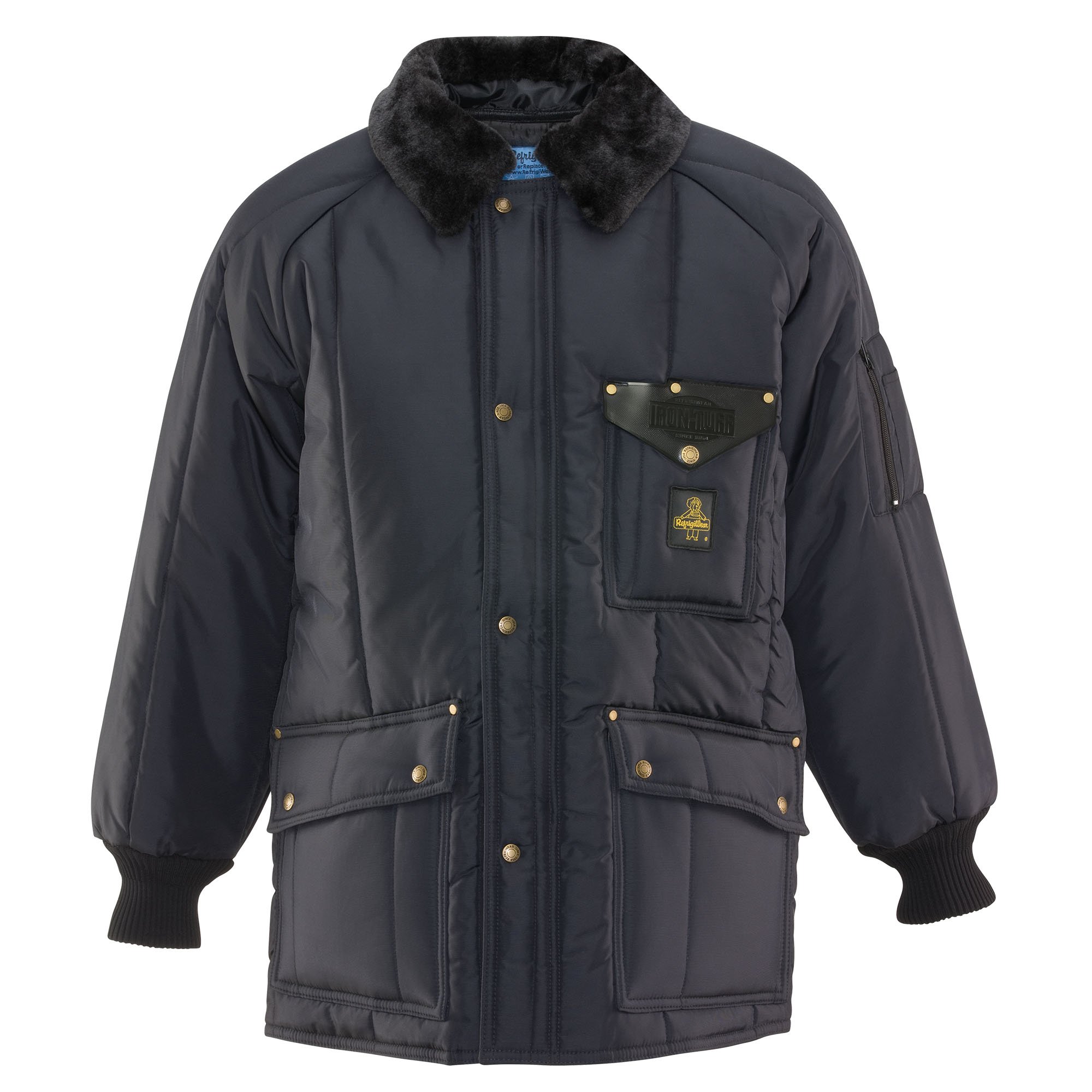
2. RefrigiWear Unisex Adult Iron-Tuff Siberian
The legendary work coat that owners replace with another one after 12 years of abuse, not out of necessity.
If you need one piece of gear to survive a decade of Alaskan winters without question, this is it. The Iron-Tuff Siberian has a slightly longer, fingertip-length cut that protects your entire torso, and the outer shell is so solid that owners describe wearing it as “somewhat like wearing a kevlar vest.” It blocks -20°F wind chill in Buffalo and keeps a worker warm in a -20°F freezer for nine straight hours.
The thing everyone raves about is the outright durability. One owner returned to RefrigiWear afte, and owners describe the sewn-through seams and heavy fabrics as genuinely durable. It outperforms coats that cost far more, with one owner saying it beat a Canada Goose parka and another saying it would outlast everything else they own. Dog mushers and outdoor workers favor it for heavy, functional protection. The deep hand pockets and sturdy metal zipper add to the work-ready feel.
The honest downsides: this coat is stiff when new, with a canvas-like feel that takes time to break in. The zipper intentionally stops short at the bottom so you can sit comfortably, but a single button closure means a slight gap when bending. There’s no inner chest pocket, which some owners miss, and the pocket count is four total (hand, sleeve, inside). Sizing runs large, so most owners recommend sizing down — a 5’8″ buyer found XL tight in the shoulders but XXL roomy in the torso.
Full-body verdict: If your Alaska cold demands coverage down to your thighs — dog sledding, ice fishing, sustained outdoor work — this parka’s length and -50°F rating make it the strongest full-coverage pick here. It’s stiff and functional rather than stylish, and you’ll likely need to size down.
3. RefrigiWear PolarForce Jacket for Men
The stylish down parka that gets compliments and keeps you warm without the bulk of a work coat, at 3.31 pounds.
For women who want real arctic capability without looking like they’re heading to a construction site, this parka is the standout. It’s insulated with 600-fill recycled down — down that’s made from 75% to 100% recycled or sustainable materials — inside a waterproof DryVent shell. The package weighs just 3.31 pounds, which owners specifically praise as warm without being bulky or heavy, a real difference from the 5.68-pound RefrigiWear workhorse above. The standard fit is generous, and it comes in both standard and plus sizes.
The warmth and quality are the twin strengths owners rave about — quality is the top-praised aspect, with warmth a close second. An owner tested it in 30°F rain with a wind chill 20-30 degrees lower and stayed comfortable, and another praised it for extremely cold temperatures. The style earns consistent compliments, with the detachable hood and fur trim adding a polished look that fits city life as much as trail use. The mid-thigh length covers the hips and upper legs, which is a meaningful advantage over waist-length coats.
The honest trade-offs are about value and small details. Owners who layer heavily should size up — a 5’4″ buyer at 128 pounds found the medium snug with 2-3 layers underneath, and several note the fit runs slightly small for layering. The zipper feels “a little chintzy” to some, and the front zipper can be hard to start. It’s also the priciest women’s option here, and one owner felt it wasn’t dramatically warmer than a cheaper Columbia in windy 20°F — though warmer in calm conditions. The fur trim is also tricky to reattach after getting wet.
Style-meets-substance: This is the pick for women who need genuine cold-weather performance in a coat that looks great and stays light at 3.31 pounds. If you layer heavily, size up, and treat the zipper and fur trim gently — this is a premium parka, not a work tool.
4. The North Face Men’s McMurdo Parka

The long, waterproof down parka that owners call the warmest jacket they’ve ever bought — at a fraction of Canada Goose money.
For men who want the warmth of a serious arctic parka with the polish of an urban coat, the McMurdo is the choice. It’s a long overcoat-style parka insulated with 600-fill waterfowl down — the same recycled-sustainable material story as the women’s Arctic Parka — wrapped in a waterproof DryVent shell. The relaxed fit accommodates layers easily, and the coat’s length covers the waist and hips, which owners say is ideal for extreme winter conditions. It’s a heavyweight coat, with the listing confirming a heavyweight fabric weight class.
Owners repeatedly call it the warmest jacket they’ve bought, with one fine in 1°F weather and a 6’1″ athletic buyer praising the size M fit. The built-in face mask and deep pockets add practical cold-weather smarts, and owners note it’s warmer and more practical than The North Face’s own Gotham 3 jacket. It also fits over layers nicely, with the long cut closing off drafts at the waist — “the perfect top layer for extreme winter conditions,” as owners put it. Quality is the most-praised aspect, with warmth essentially tied.
Two honest notes before you commit. The zipper is the recurring negative — owners describe it as “awful” and a “weak point,” with the stiff plastic slider feeling below the quality of the rest of the coat. Sizing also runs large for some, so a few owners recommend sizing down depending on your build and how many layers you plan to wear. It’s also bulky for skiing, per owner feedback, though ideal for most other winter activities. If you’re tall and lean, know that one 6’3″ owner found the arm length slightly short in an XL. It all comes with the premium territory.
Why owners call it the best
- 600-fill waterfowl down insulation that owners confirm is fine in 1°F weather
- Long waterproof DryVent shell blocks wind and wet
- Built-in face mask and deep pockets for cold-weather practicality
- Relaxed fit that layers well without feeling tight
What to expect
- Zipper quality is the most-cited negative — treat it carefully
- Sizing runs large for some, so plan to size down if between sizes
- Bulky for skiing, and tall buyers report short arm lengths in some sizes
Best for: men who want one premium parka that handles extreme winter both in town and on the trail — with the warmth of a work coat and the looks of a city parka.
Consider the catch: the zipper is the acknowledged weak point, so if you’re hard on zippers, the RefrigiWear coats below with metal zippers might serve you better.
Understanding the Specs
Comfort Rating (Degrees Fahrenheit)
This is the temperature at which a coat is designed to keep a typical person warm while staying active. A -60°F rating means the coat is built for sustained arctic cold, while a -20°F rating is a solid winter coat for normal cold days. It’s the single most useful number for comparing coats, because it directly tells you the conditions the coat is engineered for — and the ratings on this list range from -20°F to -60°F, which is a huge difference in real-world capability.
Synthetic vs. Down Insulation
Synthetic insulation, measured in grams (like 400g or 600g), traps heat with polyester fibers and tends to perform well even when damp. Down insulation, measured in fill power (like 600 Fill), uses natural feathers that provide excellent warmth for their weight and pack down small, but loses loft when wet. Coats on this list use both — RefrigiWear relies on heavy synthetic fills like 11.25 oz RefrigiFill, while The North Face uses 600-fill down in waterproof shells to compensate for down’s weakness in wet conditions.
FAQ
Is a -60°F rated coat overkill for most people?
How much weight difference is there between these extreme coats?
Should I buy a hooded coat or a separate hat for Alaska?
What size should I order for layering underneath?
Is a waterproof or water-resistant shell better for Alaska?
How do down parkas compare to synthetic work coats in extreme cold?
Will these coats work for stationary use, like ice fishing or sitting outside?
How do I care for these extreme cold weather coats?
Are these coats worth the premium price for someone who doesn’t live in Alaska?
What is “RefrigiFill” insulation and how does it compare to fill power?
Final Thoughts: The Verdict
For most people, the coats for alaska winter winner is the RefrigiWear Extreme Softshell because it delivers the maximum -60°F rating with flexibility and waterproofing in one package. If you want the classic hooded workhorse with even heavier 600g insulation, the Hooded Insulated Work Jacket is the refined upgrade. And for premium down warmth with city-ready style, the Men’s McMurdo Parka and Women’s Arctic Parka are the polished alternatives. Every coat here is proven in real subzero conditions — match the rating to your coldest days, size up for layers, and you’ll stay warm through any Alaska winter.
How We Picked
We do not accept paid placement. Every pick is matched to a real buyer and a real use-case; we do not hands-on test units.
Sources & Methodology
Specifications: manufacturer listings and product documentation. Review insights: verified customer reviews, as of August 2026. Pricing: not shown on this page (it changes often); check the current price via the retailer link.
As an Amazon Associate, FitlyFast earns from qualifying purchases. This does not affect which products we feature.